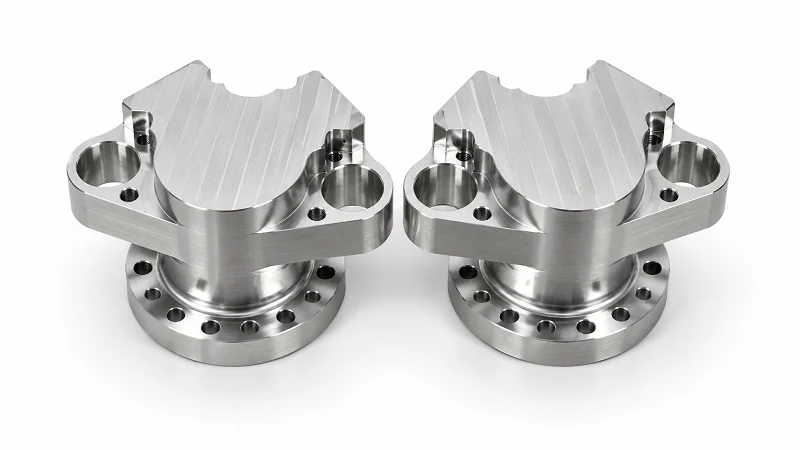
For most sample racks, CNC milling of 6061 aluminum gives you the best balance. It cuts quickly, holds tight tolerances, and resists rust. Cost drops sharply with volume, too: expect about $11.00 per part for 1–199 pieces, $0.50 at 200–499 pieces, and $0.10 once you pass 500. This guide walks through sample rack CNC machining processes, material choices, and how to pair them for cost, precision, and durability. Computer numerical control lets one setup handle milling, turning, and drilling, so your design drives the process, not the other way around. Ready to see how the pieces fit?
CNC Processes for Sample Rack CNC Machining

Computer numerical control guides machine tools very accurately. CNC machines remove material layer by layer. For sample rack CNC machining, you use milling, turning, drilling, and finishing. CNC technology powers these processes. Each step has a specific job. Picking the right mix lowers cost and improves quality. CNC machining can make many different parts. Here is a detailed look at each method.
3-Axis vs. 5-Axis Milling
Milling shapes the main body of a sample rack. You can pick 3-axis or 5-axis CNC machines. Your choice depends on how complex the part is and your budget.
Advantages of 3-Axis Milling
A 3-axis CNC milling machine moves the cutting tool along three directions: X, Y, and Z. This CNC machine works well for flat surfaces, features with 90-degree angles, and prismatic parts. Setup is fast. Fixtures are simple. Most machine shops have these CNC machines. For sample racks with straight walls and holes at right angles, 3-axis milling is the least expensive option. It cuts the time needed for simple shapes. Programming is easy. This manufacturing process keeps the tool’s path short. You get a smooth surface with the right feed rate. For making more than 500 pieces, 3-axis milling gives the lowest cost per part. The main downside is that it cannot machine undercuts or deep angled features unless you move the part.
When to Use 5-Axis Milling
5-axis CNC machines add two rotating axes. The tool can reach the part from any angle. This means you don’t need to set up the part many times. For sample racks with curved surfaces, angled holes, or hard-to-reach undercuts, 5-axis milling is ideal. You cut the part in a single clamping cycle. That lowers mistakes and makes production faster.
The ability to cut complex shapes in one setup without needing many fixtures or moving the part reduces production time and costs. This helps a lot when you need to cut parts from several directions, like curves or holes at different angles.
Lead time drops a lot. One setup also improves accuracy because every feature uses the same starting point. Five-axis CNC machines work well for low to medium amounts of custom racks. The first programming takes longer, but the time per part is shorter. For racks that need very precise measurements, 5-axis CNC machines give steady results.
CNC Turning for Cylindrical Parts
Turning makes round parts. Sample racks often need round posts, guides, or handles. A CNC lathe machine holds the part and spins it. A cutting tool stays still and shapes the outside. You can cut different diameters, grooves, and threads in one go. This CNC machine is fast and can do the same thing over and over. Turning is best for parts that are the same on all sides around a center line. For sample rack accessories like support rods or sample pegs, turning with CNC machines makes sure every part is the same size. You can also add a rough pattern for grip. For stainless steel rods, carbide tools keep their cutting edge longer. Time per part is short for diameters up to 2 inches. Turning with CNC machines produces less waste because it can repeat the same cuts exactly. This method cuts down waste.
Drilling, Tapping, Finishing
Drilling makes holes for fasteners or alignment pins. Tapping cuts threads inside the hole. For sample racks, you often need UNC, UNF, or metric thread types. The hole depth should be at least 1.5 times the screw’s width to keep threads from stripping. Peck drilling clears out chips for holes deeper than three times the width. Thread milling is another way for large holes. Drilling with CNC machines is fast. Tapping with CNC machines makes sure threads are accurate. After drilling and tapping, finishing protects the surface and makes it look better.
For aluminum racks, anodizing is a common finishing step. The anodic layer becomes part of the metal surface. It does not chip or peel as paint does. The hardness can reach up to Rockwell 70C. This layer also fights damage from lab chemicals. Anodizing makes the rack higher quality and lasts longer.
| Aspect | Significance for Aluminum Sample Racks |
| Durability | The layer won’t chip, peel, or crack. |
| Surface Hardness | Up to Rockwell 70C for wear resistance. |
| Corrosion Resistance | Protects against moisture and chemicals. |
| Cost Efficiency | Low long-term maintenance reduces total cost. |
The oxide layer also stops electricity from passing through. Designers must remember the 50/50 rule: the oxide layer grows the same amount inward and outward. This changes the final size for parts that fit very closely. Scratches from holding tools may remain without anodizing. These spots should be on hidden surfaces. Hard anodizing adds a wear-resistant layer. It makes the rack more resistant to wear for racks used often. Clear anodizing keeps the natural look of aluminum.
Other finishing options include bead blasting for a dull finish and powder coating for adding color. But anodizing gives the best mix of properties for labs.
Companies offer complete CNC machining services. They do all these processes in their own shop. Their engineers pick the right CNC machine for each part. The result is a high-quality sample rack that meets all requirements.
Materials for Sample Rack CNC Machining

Picking the right raw material is the most important step in any sample rack CNC machining project. If you get this step wrong, no amount of skilled work at the machine can fix the part. The search results for this topic point to eight common raw materials: stainless steel, aluminum, brass, titanium, steel, copper, and basic plastics. Each one gives a different mix of strength, weight, rust resistance, and cost. Aluminum and stainless steel are used most often for rack work. Engineering plastics handle special jobs where metal does not work.
Aluminum Alloys – Top Choice
Aluminum is the best choice for most sample rack jobs. It machines fast, holds tight tolerances, and does not rust. Two grades are used a lot: 6061 and 7075.
6061 Aluminum Properties
Grade 6061 in the T6 temper is the workhorse. Its minimum ultimate tensile strength is 290 MPa (42 ksi), and its minimum yield strength is 240 MPa (35 ksi). Normal numbers are a bit higher, around 310 MPa (45 ksi) tensile and 270 MPa (39 ksi) yield. Those numbers mean a rack made from 6061-T6 can carry a real load without bending. The alloy also welds well and takes anodizing cleanly. For normal lab and industrial racks, 6061-T6 gives the best mix of price and performance.
7075 Aluminum: Higher Strength
When a rack faces heavy repeated loads or constant scraping, 7075-T6 steps in. Its tensile strength reaches 572 MPa, roughly 1.8 times that of 6061-T6. Yield strength climbs to 503 MPa, about double. Hardness sits at 150 HB, nearly 1.9 times harder, and fatigue strength hits 159 MPa, around 1.6 times better. That strength-to-weight ratio matches many steels at only one-third the weight. The trade-offs are higher cost and weaker rust resistance. You can handle the rust with T7351 tempering, anodizing, or painting. Choose 7075 when you need the best strength-to-weight ratio, when fatigue life is very important, or when the budget allows a top material.

Stainless Steel for Durability and Wear
Stainless steel costs more, but it lasts. Using 6061 aluminum as the starting point at ×1.0, 304 stainless costs about 1.4 times more for the material.
304 stainless costs roughly 1.4 times as much as 6061 aluminum by material cost.
Bar stock prices show that gap: 6061-T6 runs $3–5/lb ($7–11/kg), while 304 stainless runs $4–8/lb ($9–18/kg). For racks used with strong chemicals or many washdowns, that extra cost is worth it. Grade 316 offers even better rust resistance. Its maximum Rockwell B hardness is 95, compared with 70 for 304. That extra hardness helps against wear. Stainless also handles high heat and strong cleaners that would eat through aluminum. The problem is machinability. Stainless gets hard quickly, so tools wear faster and cycle times get longer. Use it when durability matters more than cost.
Engineering Plastics – Acetal, Acrylic, Polycarbonate
Plastics solve problems metal cannot. Acetal (acetal) machines very well, holds tight tolerances, and slides smoothly, which works great for guide rails and sample holders. Acrylic lets light pass through, so techs can see samples without opening the rack. Polycarbonate brings impact strength and see-through quality, but it does not handle many chemicals well. It can only handle weak mineral acids and alcohols a little. It works poorly with ketones like acetone, chlorinated solvents like chloroform, aromatic solvents like toluene, and strong bases like NaOH. A short touch may be fine, but long exposure is not a good idea. If your lab uses those chemicals, pick a different plastic or switch to stainless. Plastics also cost less per pound than metals and cut faster, which cuts lead times for prototype runs.
Leading manufacturers match each material to the job, so you never pay too much for properties you do not need. That kind of skill keeps a sample rack CNC machining project on budget and on time.
Matching Processes and Materials in Sample Rack CNC Machining

Choosing the right process for each material keeps costs low and parts consistent. You match the manufacturing process to the part shape and to what the material can handle. Here is how to pair them well.
Milling Aluminum for Cost Efficiency
Aluminum works great with CNC milling. The alloy cuts fast. Chips come off clean. For sample racks with flat walls, slots, and pockets, 3-axis CNC machines handle the job. Cycle times stay short. Setup is simple.
Here is how milling compares with turning.
| Factor | CNC Milling | CNC Turning |
| Ideal Part Geometry | Complex shapes, flat surfaces, pockets | Cylindrical, conical shapes |
| Typical Tolerances | Within standard CNC capabilities | Within standard CNC capabilities |
| Surface Finish | Suitable for lab use | Suitable for lab use |
| Production Speed | Moderate to slow | Fast for simple parts |
| Material Versatility | Excellent for most materials | Good but with some limitations |
Milling handles many materials well. It works for hard ones like stainless steel. It also works for plastics and soft metals. For an aluminum rack, CNC machines remove material fast. The tool stays sharp longer. The surface finish works for most labs.
Cost drops when you use CNC machines for aluminum. The metal cuts easily. Tool wear stays low. For runs over 200 parts, 3-axis CNC machines give the lowest cost per piece. Experienced shops use this approach for many rack jobs. They match the CNC machine to the material. The result is a good part at a fair price.
Turning for Plastic Components
Round plastic parts do better on a CNC lathe machine. The part spins. A tool shapes the outside. For rack posts, guides, and sample pegs, turning is the fastest route.
Modern turning can handle complex shapes and thin walls. With advanced machines, you get walls as thin as 0.2 mm. Tolerances stay tight. Turning works best for uniform materials like acetal and acrylic. These plastics cut cleanly. They leave a smooth surface.
Turning also wastes less material. For a round part, the tool removes only what it needs. For high volumes, turning costs less. Setup time stays short. No complex fixtures are needed.
For racks with mixed features, combine turning and milling. Turn the round parts first. Then mill any flat features or holes. This lowers total machining time. The process order matters for quality.
Balancing Speed and Quality
Speed and quality do not have to fight. The key is picking the right process for the part volume.
For low volumes under 50 parts, speed matters less. Use 5-axis CNC machines to cut the whole part in one setup. This saves fixturing time. Quality stays high because every feature shares the same starting point.
For medium volumes between 50 and 500 parts, a balance works well. Use three-axis milling for most aluminum racks. Setup is fast. Cycle time is short.
For high volumes over 500 parts, turning wins for round parts. Cycle time drops. Surface finish improves. Cost per part falls well below $1.00.
Surface finish affects quality in lab use. A smooth surface is easier to clean. It does not trap dirt. CNC turning gives a smooth finish. CNC milling gives a good finish. Both work well.
Experienced shops handle this balancing act well. Their team looks at the part design first. Then they pick the best manufacturing process. The part meets the spec without extra cost.
Design Considerations for Sample Rack CNC Machining

Good design makes sample rack CNC machining easier and cheaper. A few smart choices at the drawing stage save time on the shop floor. You also get better parts. Let’s look at the details that matter most.
Tolerances and Precision
Tolerances tell the machine how close each cut must be. Tight tolerances cost more. They need slower feeds and more checks. For most sample racks, a general tolerance works fine. Fine features can reach ±0.005 mm, but only after a geometry review. Don’t tighten a tolerance unless the part truly needs it.
Flatness is a common headache for aluminum baseplates. Rolled aluminum plate holds leftover stress. That stress can cause bowing after CNC machining. Shops fix this with pre-stabilized plate, stress relief, and symmetric material removal. Vacuum fixturing helps too. Here’s how flatness tiers compare.
| Machining Tier | Flatness Tolerance (per 300 mm) | Process Requirement |
| Standard | Within standard tolerances | Standard CNC milling |
| Precision | Precision tolerances | Stress-relief + optimized fixturing |
| Ultra-Precision | Ultra-precision tolerances | Post-machining lapping |
Wall Thickness and Structural Integrity
Thin walls flex during cutting. They also vibrate, which hurts the finish. For aluminum racks, keep walls thick enough to resist tool pressure. Sharp inside corners are another problem. A standard end mill leaves a rounded corner. Designers should plan for that.
The internal radius should accommodate standard end mill sizes.
That radius keeps the tool from chattering. It also extends tool life. If your design calls for a sharper corner, expect extra cost or a different process. Add ribs or gussets to stiffen long, thin sections. This keeps the rack rigid without adding much weight.
Thread Design and Surface Finish
Threads need care in any sample rack CNC machining job. A tapped hole should be deep enough to prevent stripping under load. For deep holes, peck drilling clears chips and protects the tap. Thread milling works well for large holes.
Surface finish affects how a rack performs in the lab. A smooth surface is easier to clean. It traps less dirt and resists chemical buildup. Anodizing adds a hard oxide layer that fights wear and corrosion. Bead blasting gives a dull look. Powder coating adds color. Each option changes the final size, so plan for it early.
Fixtures and jigs speed up the manufacturing process. You can 3D print them cheaply for short runs. That saves money on tooling. A good fixture also holds the part steady, which protects quality. Strong quality control at each step catches problems before they grow. A leading manufacturing company builds custom fixtures for every job. Their team reviews tolerances, wall thickness, and threads before cutting starts. That extra step keeps sample rack CNC machining projects on budget and on schedule.
Sample Rack CNC Machining Examples

Real projects show how picking the right material and process works. Here are two examples that show common paths in sample rack CNC machining.
Medical Lab Rack: 6061 Aluminum, 5-Axis Milling
A diagnostic lab needed racks to hold blood sample tubes during automated testing. The design had curved slots, angled holes for sensors, and a shaped base. These features made 3-axis machining not work well. The shop chose 6061-T6 aluminum because it is light and resists rust. A 5-axis CNC milling machine cut the whole rack in one setup. This removed many fixtures and lowered handling errors. The single-setup method kept every feature lined up to the same starting point. Tolerance held to tight specifications across the part. The smooth surface finish made cleaning easy between runs. Anodizing added a hard oxide layer that fought lab chemicals. The lab got racks that fit their automation system perfectly. One team handled this project from design review to final assembly. They caught a wall thickness issue early and suggested a rib that added stiffness without extra weight. That kind of feedback saves weeks of rework.
Industrial Rack: Stainless Steel, Precision Drilling
A factory needed heavy-duty racks to hold metal parts during a washdown process. The environment used strong cleaners and high heat. Aluminum would not survive. The shop picked 304 stainless steel for its rust resistance and hardness. The rack design needed dozens of precisely placed holes for mounting pins. Each hole needed a tight tolerance to keep parts stable. A CNC machining center drilled all holes in one pass. Peck drilling cleared chips from deep holes. Tapping followed with the same CNC program. Thread depth was sufficient to prevent stripping. The stainless steel wore tools faster than aluminum would. Cycle times ran longer. But the rack lasted years without rust or wear. That durability made the higher cost worth it. Custom fixtures were built for this job. The fixtures held each rack steady during drilling. That protected hole position and surface quality. The customer got racks that passed inspection on the first try.
Both examples show a simple truth. The right CNC process paired with the right material delivers results. A 5-axis CNC milling machine shines for complex aluminum shapes. A CNC drilling setup handles stainless steel with precision. Skilled manufacturers bring both skills under one roof. Their engineers match the CNC method to the job every time.
Choosing NOBLE for Sample Rack CNC Machining

Expertise in Metal and Plastic Processing
NOBLE works with both metal and plastic in one place. That helps a lot for sample rack CNC machining. You don’t have to send your job to two different shops. One team cuts your aluminum base, turns your acetal posts, and drills your stainless pins. The rack fits together right the first time.
Our shop has many kinds of CNC machines. Three-axis mills handle flat racks. Five-axis CNC machines cut curved slots and angled holes. CNC lathes shape round pegs and guides. Each CNC machine is matched to the part, not the other way around. That kind of planning keeps costs down and lead times short.
Full-Service from Design to Assembly
NOBLE does more than just cut parts. Our engineers look over your drawing before any chip flies. They check wall thickness, thread depth, and tolerances. If something seems risky, they tell you early. That saves weeks of rework later.
NOBLE’s team also makes custom fixtures and jigs. These hold each rack steady while it is cut. A good fixture protects hole position and surface finish. For short runs, they can 3D print fixtures for less money. That keeps tooling costs low.
After machining, NOBLE takes care of finishing and assembly. Anodizing, bead blasting, and powder coating all happen in-house. Then parts are put together and checked. You get a finished sample rack, not a box of loose pieces.
Why Choose the Right Partner
NOBLE holds relevant quality management certifications. These certifications focus on customer satisfaction, risk-based thinking, and consistent quality. We show the shop can meet regulatory requirements for medical devices when needed.
Such certification brings real benefits. Here is what a quality system delivers:
- Better customer experience through tracked feedback and corrective action
- Consistent, high-quality parts from strong operational planning
- Improved efficiency across the whole manufacturing process
- Effective risk management with contingency plans
- Leadership involvement and continual improvement
For medical work, NOBLE also supports traceability. Material certificates verify composition. Lot numbers track materials through production. Process records document cutting conditions. A risk-based CAPA system handles any nonconformance. That level of quality control gives you confidence in every rack.
A full-service approach covers design review, machining, finishing, and assembly. Our engineers match the right CNC technology to your job. You get a partner, not just a supplier.
So what’s the main point? Aluminum works for most general racks. Stainless steel wins where wear and harsh chemicals are present. Plastics are great when you need clear parts or chemical resistance. Match the CNC process to the material, and costs stay low while quality stays steady. Get that pairing wrong, and no amount of CNC skill can save the part. That’s the real lesson behind every sample rack CNC machining job.
Ready to start yours? Contact us for a consultation! NOBLE’s CNC team handles machining, finishing, and assembly all in one place, so your manufacturing project moves fast. Reach out today and get expert CNC advice for your design.
FAQ of Sample Rack CNC Machining
What is the best material for a sample rack?
For most racks, 6061 aluminum wins. It cuts fast, holds tight tolerances, and resists rust. Pick 7075 aluminum when you need higher strength. Choose stainless steel for harsh chemicals or heavy wear. Plastics like acetal and acrylic work well for clear parts or chemical resistance.
How do I choose between 3-axis and 5-axis milling?
Go with 3-axis for flat racks with straight walls and right-angle holes. It costs less and sets up fast. Switch to 5-axis when your design has curved slots, angled holes, or undercuts. One setup cuts the whole part, which improves accuracy and saves time.
Can CNC turning handle plastic parts?
Yes. Turning works great for round plastic parts like posts, guides, and pegs. Acetal and acrylic cut cleanly on a lathe. You get smooth surfaces and tight tolerances. Turning also wastes less material than milling for cylindrical shapes.
What tolerances should I expect?
Standard CNC milling holds tight tolerances. Turning can achieve even tighter tolerances. Don’t over-specify. Tight tolerances raise cost and slow production. A general tolerance works for most sample racks.
Why does anodizing matter for aluminum racks?
Anodizing builds a hard oxide layer right into the metal. It won’t chip or peel like paint. The surface reaches up to Rockwell 70C for wear resistance. It also fights lab chemicals and moisture. Just remember the 50/50 rule — the layer grows inward and outward, which changes final dimensions.
How deep should tapped holes be?
Make tapped holes deep enough to prevent stripping under load. For holes deeper than three times the width, use peck drilling to clear chips. Thread milling works well for large holes.
What certifications should a machine shop have?
Look for relevant quality management certifications that ensure consistent quality and customer satisfaction. For medical or diagnostic racks, certifications that meet regulatory requirements for medical devices matter more. Traceability, material certs, and a risk-based CAPA system all support that standard.
How can NOBLE support sample rack CNC machining projects?
NOBLE handles design review, machining, finishing, and assembly under one roof. Our engineers check tolerances, wall thickness, and threads before cutting starts. We build custom fixtures for every job. With proper quality management certifications, we deliver consistent results from prototype to production.