Precision is key to success in medical device manufacturing, and that’s especially true when producing CNC medical parts. Even a tiny error can put patient safety at risk. Groups like the FDA demand total reliability, and when it comes to CNC medical parts, one bad component could trigger recalls, device failure, or audit problems. Medical device makers face huge risk with every supplier choice, particularly when those parts are critical to life-saving equipment.
How do you check a CNC machining service to meet these tough standards? This question is a matter of life and death, especially since CNC medical parts must adhere to strict tolerances and biocompatibility requirements. A CNC machine shop must show strict rule-following and consistent quality, proving they can deliver CNC medical parts that pass rigorous inspections every time. The service provider becomes your partner in managing risk, not just a seller, because poor part quality leads to costly problems—and with CNC medical parts, the stakes are even higher. This guide gives you a clear plan for checking possible partners, focusing on their ability to produce CNC medical parts with consistency and traceability. Use it to make a smart choice that keeps patients safe and protects your name.
Processes Used for CNC Medical Parts
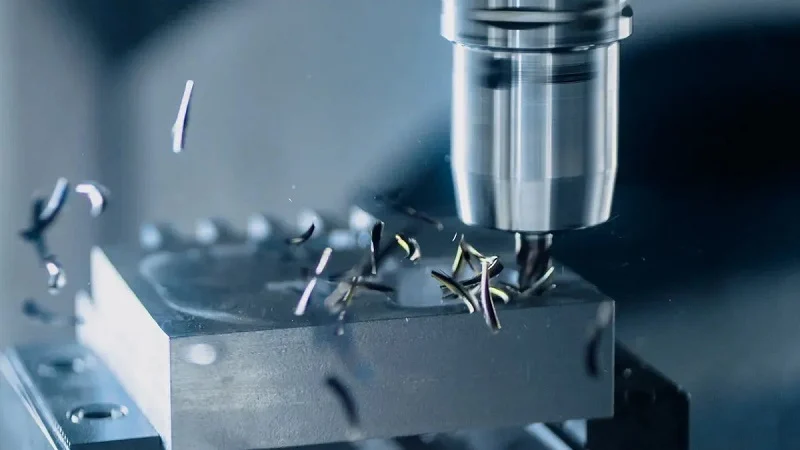
CNC machining offers several ways to make medical devices. Each method has its own strengths based on part shape, size, and how it will be used in medicine. Knowing these options helps engineers pick the best approach for their specific CNC medical parts.
Precision Milling and Turning
Milling and turning are the main methods for precision CNC machining of medical parts. These processes make everything from dental implants to surgical tools and orthopedic devices.
3-Axis vs. 5-Axis Machining
Standard 3-axis milling moves tools along three straight lines. This works fine for simpler shapes but needs multiple setups for complex parts. Five-axis machining adds rotation, letting tools reach the workpiece from any angle. This cuts down setups, lowers human mistakes, and boosts geometric accuracy on tricky surfaces. For advanced orthopedic implants with curved shapes, 5-axis machines give better results in fewer steps.
Complex Geometry Creation
Turning makes round parts like pins, screws, and rods used in bone fixation. Modern CNC lathes control tool paths and speeds with precision, achieving smooth finishes and tight size limits on shafts and bushings. Multi-axis milling handles complex parts in fewer setups, improving accuracy. Strong fixtures and sharp cutting tools stop vibration, keeping parts steady. Temperature-controlled rooms prevent heat from changing part sizes.
Surface finish matters just as much as size accuracy in medical device making. Rough surfaces create tiny gaps where bacteria gather and biofilms form. For implants, rough spots may slow bone bonding, weakening the connection between bone and implant. Advanced measuring tools, like Coordinate Measuring Machines and optical vision systems, check these limits throughout production.
Swiss Machining for Small Parts
Swiss machining is great for making small, detailed parts for minimally invasive surgical tools. This method differs from regular lathes in a key way.
Implants and Surgical Tools
The workpiece moves through a guide bushing placed close to the cutting area. This design greatly reduces bending and shaking, which is vital when working with small diameters and long, thin shapes. This advantage allows tighter tolerances, better surface finishes, and more consistent results.
Tight Tolerance Control
Medical device machining often reaches tolerances under ±0.0005 inches. At this level, machinists manage heat, tool wear, and material movement after cutting. Swiss machines keep roundness on detailed features, making them perfect for implantable CNC medical parts and optical housings.
High-Volume Production Capabilities
CNC processes scale up well for large production runs without losing quality.
Minimally Invasive Device Components
Statistical Process Control watches variation in real time, keeping tolerances within set limits during production. C=0 sampling methods lower risk while keeping efficiency in big runs. NIST-traceable metrology ensures every size checks against known standards.
Consistency and Repeatability
CNC machines deliver steady repeatability, producing the same quality whether making one prototype or one thousand units. Automation makes mid- and high-volume work easier to manage than manual machining. ISO 13485 certified quality systems support regulated medical production, with full records kept for each run. Vision sorting systems handle very low defect rates, while in-process checks catch problems early.
Materials for CNC Medical Parts
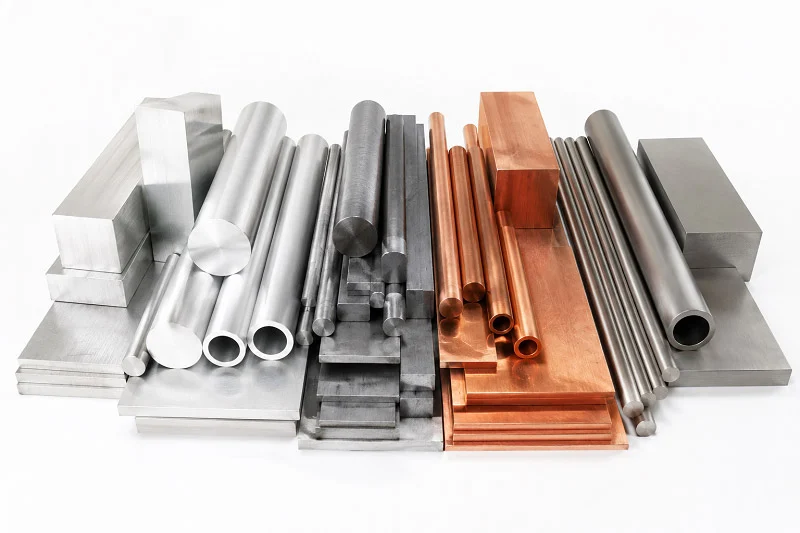
The material you pick affects patient safety, how well the device works, and the final health results. Every metal and plastic has its own pros and cons. Engineers must balance strength against weight, rust resistance against how easy it is to cut, and cost against rules. Picking the wrong material can cause the body to reject an implant, tools to break, or costly redesigns late in the process.
Medical-Grade Metals
Metals are the top choice for parts that must hold heavy loads. They are strong, resist wear and tear, and have a long history of safe use in medicine. Two main groups stand out: stainless steels and titanium alloys.
Stainless Steel (316L, 17-4)
316L surgical steel is a common choice for surgical tools, bone plates, and devices that fix broken bones. It resists rust well, so it works for both short-term and permanent implants. But 316L releases nickel ions when it comes into contact with body fluids. These ions can cause allergic reactions, like skin rashes and long-term nasal issues, in sensitive patients.
17-4 PH stainless steel is a good alternative. It has about 75% less nickel than 316L and includes copper. That copper fights bacteria by breaking their cell walls. This makes 17-4 PH a strong option for fracture devices where less metal sensitivity and infection prevention matter. Its high strength and good rust resistance also support non-load-bearing bone implants.
Titanium (Grade 5 and 23)
Medical-grade titanium works differently. Ti-6Al-4V ELI, called Grade 23, is very stable. It forms a thin, self-healing oxide layer that helps bone grow onto it. This makes it perfect for load-bearing implants like hip stems and spinal cages.
The mechanical difference is big. Grade 23 titanium has an ultimate tensile strength of 860–950 MPa, while 316L only reaches 490–690 MPa. Its elastic modulus is 114 GPa, much closer to bone than steel’s 193 GPa. This closer match reduces stress shielding, where the implant takes too much load and the nearby bone weakens. Grade 5 titanium offers similar strength with slightly different processing traits.
High-Performance Plastics
Plastics serve different jobs. They fit single-use tools, housings, and parts where lighter weight or see-through imaging matters.
PEEK and PEKK
PEEK offers high strength, great biocompatibility, and works with all major sterilization methods. It handles autoclave, EtO, and gamma radiation without breaking down. This makes PEEK good for both implants and reusable surgical tools. PEKK offers similar benefits with slightly different mechanical traits, giving designers another choice for spinal and trauma uses.
Ultem and PTFE
Ultem keeps its shape at high temperatures. It suits parts that go through many sterilization cycles. PTFE offers great chemical resistance and low friction. It shows up in catheters, guidewires, and sealing parts where smooth movement matters.
Material Selection Criteria
Choosing between metal and plastic needs a clear plan. The table below sums up the key decision factors.
| Selection Factor | Key Consideration | Practical Example |
| Biocompatibility | ISO 10993 compliance; no adverse reaction with human tissue | Titanium, 316L Stainless Steel, PEEK for implants |
| Sterilizability | Must handle autoclave, gamma radiation, or EtO without breaking down | Metals handle most methods; some plastics degrade under gamma |
| Mechanical Properties | Strength, fatigue resistance, hardness, wear resistance | Titanium/Cobalt-Chrome for bone implants; Polycarbonate for housings |
| Corrosion Resistance | Resistance to body fluids over the device’s life | Titanium > 316L Stainless Steel |
| Machinability | Ease of cutting affects cost and production time | Aluminum/brass are easy; titanium needs special tools and slower speeds |
| Regulatory Requirements | FDA/CE acceptance for device class | Using pre-approved materials speeds up approval |
| Cost & Availability | Raw material cost plus machining cost | A pricier material that cuts faster may lower total part cost |
Biocompatibility and Sterilization
Biocompatibility is a must for any material that touches human tissue. ISO 10993 sets the testing rules. Materials must prove they cause no bad reactions. Sterilization compatibility matters just as much. Some plastics handle repeated autoclaving, making them great for reusable tools. Others tolerate EtO and gamma but have limited autoclave tolerance. Some plastics suit cheap disposables but break down under steam.
Mechanical Strength and Wear
Load-bearing implants need high fatigue strength. Titanium Grade 23 excels here. Single-use tools focus on easy cutting and low cost. Aluminum and brass cut easily, reducing production time. A pricier material that cuts faster may lower total part cost. This trade-off deserves careful thought during the design phase.
Material certifications and lot traceability complete the picture. Every batch must carry written proof of its makeup and processing. This paperwork supports regulatory audits and recall management. In medical device making, traceability is not optional. It protects patients and makers alike.
Precision Requirements for CNC Medical Parts
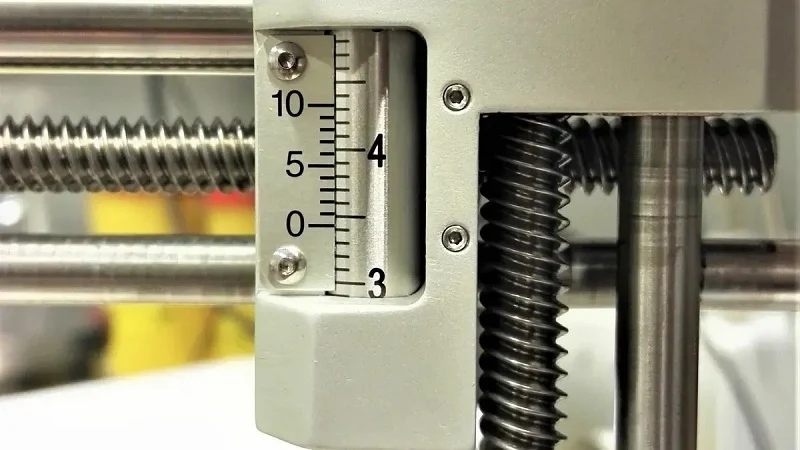
Precision CNC machining is key to making good medical devices. Every measurement matters for patient safety. If a femoral head is off by microns, it can wear out faster. A rough finish on a surgical tool can let bacteria grow. Knowing these needs helps engineers choose the right parts and check suppliers with confidence.
Understanding Tolerance Standards
Tolerance standards set the allowed range for each measurement on a part. Medical devices need tighter control than most fields because there is very little room for error.
Standard vs. High-Precision Tolerances
Standard CNC machining usually keeps tolerances within a typical range for general parts where exact fit is less important. High-precision machining reaches much tighter limits. Advanced tools achieve tighter tolerances for surgical instruments. Tight-tolerance jig boring reaches very tight tolerances for key connection points. Multi-axis precision systems hold tight tolerances while making complex shapes for implants.
| Machining Approach | Typical Tolerance | Key Advantage | Typical Medical Application |
| Standard CNC | Standard, cost-effective | Cost-effective, versatile | General components |
| Precision CNC with Advanced Tooling | Tighter, improved surface finish | Improved surface finish | Surgical instruments |
| Tight Tolerance Jig Bore | Very tight, superior geometric accuracy | Superior geometric accuracy | Critical interfaces |
| Multi-Axis Precision | Tight, complex geometry capability | Complex geometry capability | Implantable devices |
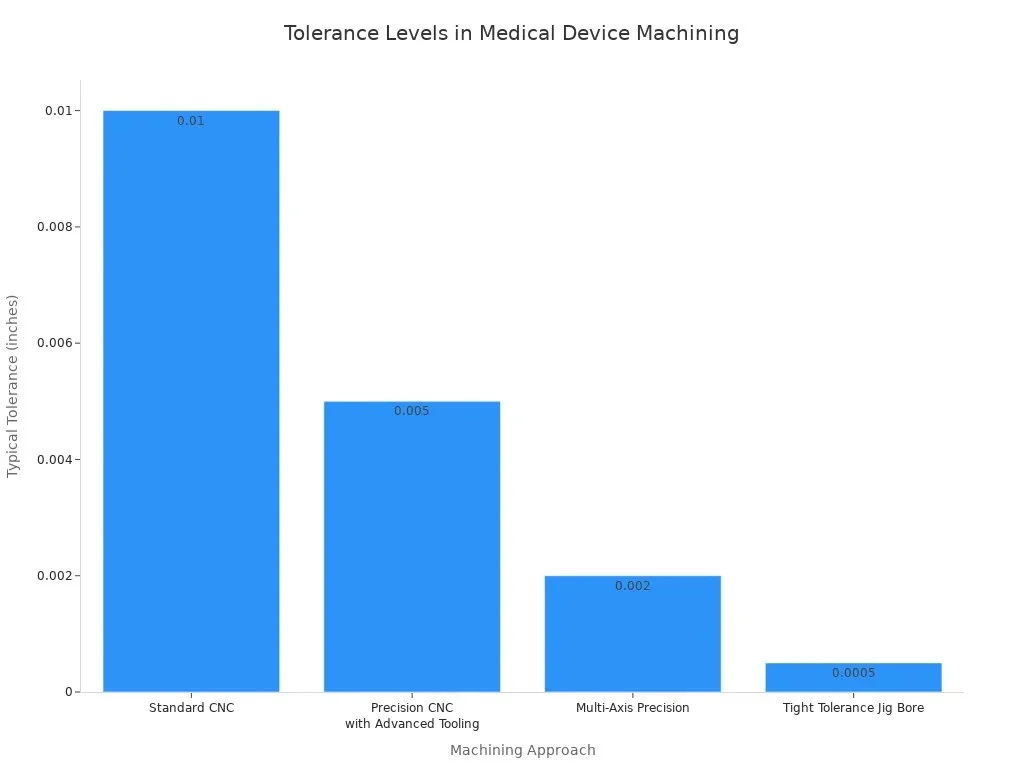
Top companies often keep tolerances of ±2.5 microns on critical medical parts. The equipment must stay very stiff. Temperature-controlled rooms stop heat from changing part sizes.
GD&T in Medical Design
GD&T gives a precise way to describe part shapes. It goes beyond simple straight-line measurements. GD&T specifies shape, direction, and position with exact symbols and rules. For CNC medical parts, this is important when surfaces must line up perfectly. A hip stem’s taper joint needs precise angle control that standard tolerances can’t describe. GD&T makes sure every maker reads the design the same way.
Surface Finish and Cleanliness
Surface finish directly affects patient results. Rough surfaces give bacteria places to hide. Smooth surfaces lower friction and wear.
Ra Values and Clinical Significance
Ra measures the average surface roughness in microns. Different body areas need different values. Femoral heads in hip replacements need a very smooth finish to reduce wear. Hard-on-hard bearings need an extremely smooth surface to cut down debris. Polyethylene acetabular liners are moderately smooth. Bone-contacting areas use a rougher finish to help bone grow in. General surgical tools stay at a smoothness that maintains cleanability, with a certain limit for dirt buildup. Cutting surfaces need an even smoother finish for steady performance.
| Clinical Zone / Component | Clinically Significant Ra Value | Clinical Rationale |
| Femoral head (articulating) | Very smooth finish | Minimizes wear and friction |
| Hard-on-hard bearings | Extremely smooth finish | Reduces third-body wear debris |
| Polyethylene acetabular liner | Moderately smooth finish | Balances wear resistance |
| Bone-contacting zones | Rougher finish | Promotes mechanical interlocking |
| Surgical instrument surfaces | Smooth finish | Maintains cleanability |
Cleanroom Manufacturing Standards
Cleanrooms control tiny particles during production. Medical device making often needs cleanrooms with controlled particle levels. Parts that touch sterile areas need this level of control. A cleanroom stops tiny debris from getting into surfaces during machining.
Verification and Inspection Methods
Records prove quality. Inspection checks that every part meets its specs. Both protect patients and makers.
CMM and Optical Measurement
CMMs give micron-level accuracy, much better than handheld tools. CMM inspection checks if a part matches its design by taking precise measurements of size, shape, and position. CMMs handle complex features like curved surfaces and deep holes. They remove operator bias and standardize quality control across teams.
Optical CMM systems use blue light patterns or laser triangulation. These methods map shiny, black, or heavily curved surfaces. For titanium implants, optical inspection captures a dense point cloud of the whole shape in seconds. This data lines up with the original 3D CAD model to show shape differences. Unlike contact measurement, optical inspection never risks harming delicate parts.
First Article Inspection (FAI) Reports
First Article Inspection checks the whole production process before full runs start. An FAI report records every measurement, material property, and process setting. It proves the first part meets all specs. Regulatory auditors expect these records. They show that the maker understands the design and can make it the same way every time. FAI reports also support biocompatibility checks by linking material certifications to finished parts.
Regulatory Compliance in CNC Medical Parts Machining

Rules shape every choice in medical device manufacturing. If a CNC shop lacks proper certification or keeps poor records, your whole product launch is at risk. Knowing the rules helps you ask the right questions before you sign a contract.
Why ISO 13485 matters for CNC Medical Parts
ISO 13485 certification is the top standard for quality management in medical devices. This standard goes beyond normal quality practices. It requires a written quality system with procedures, policies, and controlled records. Every step of production must follow written rules that auditors can check.
ISO 9001 vs. ISO 13485
Many shops have ISO 9001 and think it qualifies them for medical work. That belief creates risky gaps. ISO 9001 applies to any business in any field. ISO 13485 exists only for medical devices. The key difference is that ISO 13485 was made just for medical device products. Unlike most industries, medical devices face strict government control in markets worldwide.
| Aspect | ISO 9001 | ISO 13485 |
| Scope | Generic, any industry | Specific to medical devices |
| Documentation | General QMS framework | Requires medical device-specific documentation |
| Management | Roles can be delegated freely | Specific manager accountable for quality system elements |
| Risk Focus | General risk management | Deeply infused with patient safety |
| Improvement | Continual improvement for customer satisfaction | Improvement tied to device safety and performance |
ISO 13485 also requires written training procedures. Workers must show skill through formal steps. The standard demands finding training needs, doing training, and checking results. ISO 9001 only says workers must be skilled without telling how.
What the Standard Covers
ISO 13485 requires that production and service be planned, done, watched, and controlled. This includes setting product release rules, creating a controlled work area, and keeping production records that show how many were made and how they link to the medical device file. For products that need sterilization, processes must be validated. If setup or repair is needed, specific steps and acceptance rules must be written down. These controls make sure the product always meets its stated specs.
The standard also demands design and development controls. Clear workflows cover design planning, inputs, outputs, checks, validation, and moving to production. Risk management follows ISO 14971 throughout the whole product life. Supplier controls require review, approved supplier lists, audits, and incoming checks.
FDA Registration and Inspections

The FDA sorts medical devices by risk level, which sets the approval path. High-risk devices like implants face strict review. The 21 CFR Part 820 Quality System Regulation requires a strong quality system for all manufacturing steps, including machining. The 510(k) premarket notification process requires showing a device is similar to an approved one, which affects how CNC processes are recorded and checked.
21 CFR Part 820 Requirements
FDA registration includes establishment registration and device listing. Your CNC supplier must be FDA registered under 21 CFR Part 820 and also hold ISO 13485 certification. The 510(k) process affects how machining steps get recorded. Shops must follow Design Controls, especially during prototype stages.
Process validation becomes required when checking alone cannot prove a part is correct. This applies to specific processes that cannot be fully verified by inspection alone. The FDA QSR requires validation for these steps.
Handling Audits and Non-Conformances
FDA inspections can happen without warning. A ready shop has a CAPA process with root cause analysis, containment steps, corrective actions, and a customer notice plan. Written change control for material swaps requires customer notice and written approval before any swap happens.
Target Cpk values on CTQ features show statistical control. Past data must be available to prove this control over time. Check the ISO 13485 certificate scope and number against the issuing group’s public registry. The scope defines what the shop is qualified to do.
Traceability and Documentation
Traceability is a must for recalls and post-market checks. Serial numbers and lot tracking let makers trace single devices back to their raw materials, suppliers, and production batches. This history tracking allows quick finding of affected products during a recall or compliance review, lowering risk and speeding up response.
Material Certifications and Lot Tracking
Every material batch must have a Mill Certificate that lists chemical makeup, mechanical properties, and heat number. The raw material mill issues this certificate. Lot numbers track materials through production. Process records note manufacturing conditions with retention times. Test data confirms spec compliance with statistical analysis.
Device History Records (DHR)
The Device History Record is the full production record. It includes operator ID, machine ID, date/time, measurements, material lot tied to device serial number, and packaging checks. These records must be kept for the required duration and set up for FDA audit readiness.
Full documentation also includes CMM inspection reports showing actual versus expected for every GD&T callout. A Certificate of Conformance states that parts meet drawing, material spec, and QMS needs. Biocompatibility statements reference ISO 10993-1 risk assessment paths and list leftover manufacturing substances for implant or skin-contact uses. First Article Inspection reports cover new part number releases. In-process records and SPC data capture operator ID, machine ID, date/time, tool lot, and measurement results at each step. Design review records and DFM reports find biocompatibility risks, surface finish needs, and tolerance feasibility before production starts.
Medical device recalls often trace back to missing paperwork. One lost material certificate can stop an entire investigation. A shop that keeps full records protects you from costly delays and regulatory penalties. When checking a CNC partner, ask to see their DHR process. Request sample documents. Check their certification against public registries. These steps separate good partners from risky ones.
How to Evaluate a CNC Medical Parts Machining Service
Choosing a partner for CNC medical parts is about more than just comparing prices. The choice really matters. A machining mistake can delay a product launch, cause an audit problem, or put patient safety at risk. Medical device makers must check possible partners against a clear set of standards that covers technical skill, proven experience, and dependable operations. Think of the review process as a risk check, not a shopping trip.
Assessing Technical Capabilities
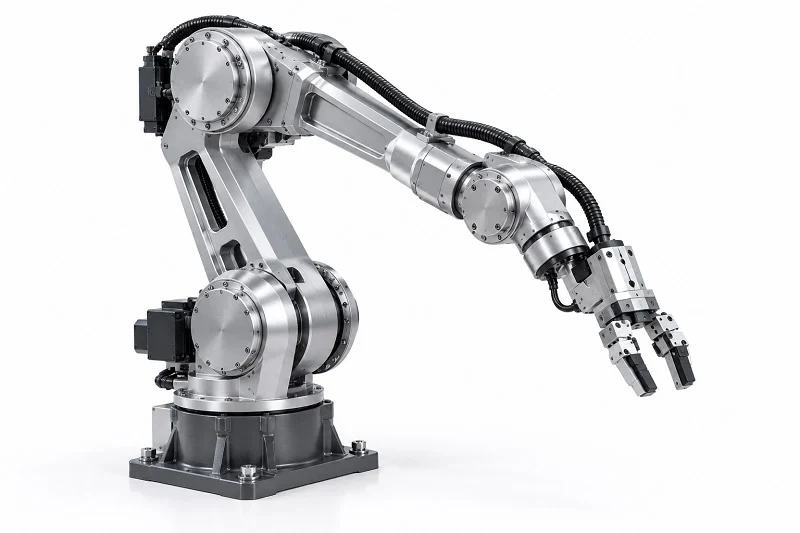
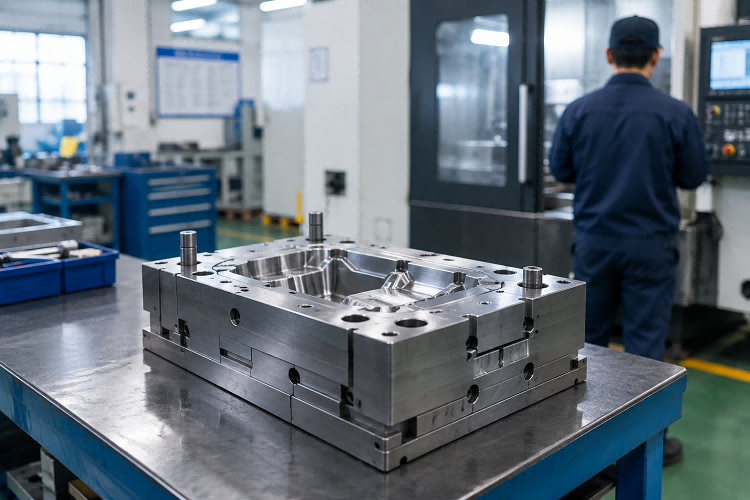
The machines a CNC machine shop uses tell you a lot about its ability to hold tight tolerances. Older machines can still make good parts, but they often lack the heat control and spindle accuracy needed for today’s implant shapes. Ask for the equipment list. Look for five-axis CNC machines, Swiss-type lathes, and multi-axis precision systems. These machines handle complex shapes in fewer steps, which lowers the chance of errors building up.
Equipment Age and Capability
Machine age matters, but what the machine can do matters more. A well-cared-for older machine can beat a poorly set-up new one. Ask about maintenance schedules and calibration records. Temperature-controlled production floors stop heat from changing part sizes during long runs. Ask about probe systems and in-process measuring tools that catch problems before parts go out of spec.
In-House vs. Outsourced Operations
A CNC machining service that does key steps in-house keeps better control over quality and delivery times. When a shop sends out secondary steps like passivation, heat treating, or anodizing, you take on their supplier’s risks. Ask which steps happen on-site. Check that inspection tools, like CMMs and optical measurement systems, are in the same building. A partner with in-house skills responds faster to design changes and keeps better records.
Reviewing Experience and Track Record
Experience in medical device making cannot be faked. A portfolio full of aerospace or automotive parts does not qualify a shop for implant work. The risks are different. CNC medical parts need biocompatible materials, tighter tolerances, and full traceability. Ask for case studies from similar projects. One real example: a stainless steel mallet shaft made from 17-4 stainless steel for surgery, held within tight tolerances. That kind of proof shows real skill.
Portfolio of Medical Projects
Look at the portfolio for material variety. A good partner should show work in titanium, stainless steel, PEEK, and Ultem. Look for signs of secondary steps like coating and cleanroom assembly. Client reviews and long-term ties with medical device makers signal dependability. Ask how many years the shop has served the medical field. Extensive experience in surgical instrument manufacturing means more than a recent move into medical work.
Handling Complex Geometries
Complex shapes separate good shops from great ones. Ask to see parts with tight internal corners, thin walls, or tricky curved surfaces. Ask for examples where the shop solved a hard machining problem with creative fixturing or toolpath planning. A partner that offers Design for Manufacturing (DFM) feedback early helps you avoid costly mistakes. Their engineering team should spot possible production flaws before you commit to tooling.
Communication and Supply Chain Management
Technical skills matter little if the partner cannot communicate clearly or deliver on time. Medical device makers need a CNC machining service that answers questions quickly and gives honest delivery estimates. Delays ripple through the whole project timeline, affecting clinical trials and market entry.
Prototyping and DFM Feedback
Fast prototyping speeds up your development cycle. A responsive partner delivers prototype parts quickly and moves to mass production efficiently. During prototyping, the shop should give DFM analysis that flags tolerance issues, material concerns, or surface finish problems. This feedback loop prevents expensive redesigns later. Ask how the shop handles design changes during active projects. A clear change control process protects both sides.
Lead Times and Scalability
Domestic suppliers cut lead time and allow urgent orders. Overseas suppliers add customs delays and limit your options when problems come up. Ask about average turnaround times and include shipping in your math. Scalability needs documented, repeatable processes, not just relying on one expert. Ask for past metrology data that shows size stability as production volume grows. A partner must hold tolerance under production pace, not just in prototypes.
Quality control questions deserve straight answers. Ask about first-article inspection as a defined, documented process. Ask where in-process inspection checkpoints happen. Review how the supplier handles nonconformances and root-cause analysis. Check certification relevant to your industry: ISO 9001, ISO 13485, and FDA registration. A CNC machine shop that hesitates on these questions has something to hide.
Ask potential partners about their physical security protocols: access procedures, visitor management, after-hours security, and emergency procedures. The sophistication of their answers indicates whether security is genuinely embedded in their operations or whether it’s a compliance checkbox.
Confidentiality protects your intellectual property. Make sure the service provider signs confidentiality agreements, keeps a secure document management system, and encrypts project data. Ask who has access to CAD files, drawings, and inspection documents. A partner that treats your design data with care treats your parts with care too.
Choosing a CNC machining supplier ultimately comes down to trust built on evidence. Visit the facility if possible. Watch how workers handle parts. Review their inspection reports. Request references from similar medical projects. The right partner demonstrates accuracy, maintains thorough documentation, and holds the right certification. Medical machining services that meet these standards protect your product, your patients, and your reputation.
Partnering with NOBLE for Your CNC Medical Parts

The selection steps above point to one clear answer: you need a partner with proven accuracy, documented rule-following, and full-service support. NOBLE delivers exactly that. As a top manufacturing company in China, NOBLE pairs strong service skills with expert machining know-how to help clients move from prototype to full production smoothly.
Our Manufacturing Capabilities
NOBLE’s production floor handles both metal and plastic with equal skill. The equipment list includes multi-axis CNC milling and turning centers, Swiss-type lathes, and 5-axis machining systems. This range means complex shapes are no problem. Whether your part needs tight internal corners or curved implant surfaces, the machines deliver.
Precision Machining for Metal and Plastic
The material list covers the full medical range: titanium, surgical-grade stainless steel, aluminum, Inconel, cobalt-chrome, and high-performance plastics like PEEK and Ultem. Each material needs different cutting settings, tool shapes, and cooling methods. NOBLE’s machinists know these differences and adjust as needed.
- Micro machining for small CNC medical parts and implantables
- Large format machining for bigger parts and housings
- Small part machining with tight tolerances
- 5-axis machining for high precision on complex shapes
- Swiss machining for small-diameter, high-precision parts
- In-process data collection and checking at every step
Tolerance control gets special attention. Standard precision holds tight tolerances. For tough jobs, precision machining reaches even tighter tolerances. Special projects can hit ±0.0002 inches when the design calls for it. This range covers everything from surgical tools to micro-components used in minimally invasive devices.
From Prototype to High-Volume Production
Moving from prototype to production often adds variation. NOBLE removes that risk with documented, repeatable processes. Prototype parts ship fast, so design checks happen without delay. Once approved, the same machines, tooling, and inspection steps scale to high-volume runs. Statistical process control watches variation in real time, catching drift before parts go out of spec. This method keeps quality steady whether you order fifty parts or fifty thousand.
Certifications and Quality Assurance
Certifications prove a shop’s commitment to quality. NOBLE holds both ISO 9001:2015 and ISO 13485:2016, covering general quality management and medical-device-specific controls. This dual certification shows readiness for regulated production.
ISO 9001:2015 and ISO 13485:2016
The two standards work together. ISO 9001 provides the general framework for customer satisfaction and ongoing improvement. ISO 13485 certification adds required medical-device controls that ISO 9001 lacks.
| Aspect | ISO 9001:2015 | ISO 13485:2016 |
| Primary Focus | Customer satisfaction | Rule compliance and patient safety |
| Risk Management | General improvement | Required, aligned with ISO 14971 |
| Design Controls | Not required | Required design files with risk outputs |
| Traceability | General identification | Batch records, Device History Records |
| Process Validation | Not required | Required for sterilization, welding |
| Cleanliness Specs | Not specified | Written cleanliness requirements |
This table shows the gap between general quality and medical-grade quality. NOBLE meets both standards, giving you confidence in every shipment.
Rigorous Inspection and Testing Protocols
Inspection happens at many checkpoints, not just at the end. First Article Inspection (FAI) checks the whole production process before full runs begin. In-process inspection uses calibrated CMM equipment to verify sizes as parts move through production. Final testing confirms surface finish, material properties, and size accuracy. Every measurement gets recorded, creating a full paper trail for regulatory audits. This careful approach meets FDA expectations and supports your own quality system.
A Full-Service Approach
NOBLE offers more than machining. The full-service model covers design support, engineering teamwork, assembly, and post-processing. This connected approach cuts your supplier count and makes project management easier.
Design Support and Engineering Collaboration
Early teamwork prevents costly mistakes. NOBLE’s engineers review your designs for manufacturability, flagging tolerance issues, material concerns, or surface finish problems before tooling starts. This Design for Manufacturing (DFM) feedback saves time and money. The engineering team also suggests other materials or processes when they offer better results. This partnership approach means you get expert input, not just a price quote.
Assembly and Post-Processing Services
Post-processing services include finishing, coating, and assembly. Cleanroom assembly handles parts that must stay sterile. Finishing operations achieve the surface roughness your design needs, whether that means a mirror polish for moving surfaces or a textured finish for bone-contact areas. Assembly services bring multiple parts together, cutting your handling and inspection work. This end-to-end ability means one service provider manages your whole production chain, from raw material to finished, ready-to-use part.
The mix of precision machining, dual certification, and full-service support makes NOBLE a direct answer to the selection steps discussed throughout this guide. Contact NOBLE for a project consultation and see the difference that a true manufacturing partner makes.
To choose the right CNC machining partner for your CNC Medical Parts, you need to understand four key areas. These are core processes like milling and Swiss machining, biocompatible materials, precision standards, and regulatory compliance. Every single choice you make directly affects patient safety and how well the device works. A reliable CNC machining service must have the proper certification and pass a very strict inspection. Complete and thorough records prevent costly recalls and help you get ready for audits. This guide works as a practical checklist when you are checking suppliers. The right service provider becomes a partner that helps you get into the market and succeed with your product. Contact NOBLE today to set up a project consultation for your needs. We offer the skills, FDA knowledge, and full support you need to make your medical device a reality. Your success is our number one priority. Let us help you achieve it with full confidence.
FAQ About CNC Medical Parts
What certifications should a medical CNC supplier hold?
A supplier should have ISO 13485 certification for medical device quality management. They also need FDA registration. These credentials show the shop follows strict rules for making safe and reliable CNC medical parts.
What materials work best for CNC medical parts?
Common choices include titanium Grade 23, stainless steel 316L, and PEEK plastic. Titanium is strong and safe for implants. Stainless steel works well for surgical tools. PEEK is good for both implants and reusable instruments.
How does FDA registration affect medical part production?
FDA registration requires the supplier to follow 21 CFR Part 820 quality rules. This means they must validate processes, control designs, and keep full traceability. The shop must be ready for surprise inspections and keep complete production records.
Why is documentation critical for medical CNC parts?
Full records support recalls and regulatory audits. Device History Records track every production step. Material certifications prove safety and composition. Without proper records, one lost certificate can stop an investigation and delay market entry.
What inspection methods verify medical part quality?
Coordinate Measuring Machines give micron-level accuracy checks. Optical measurement systems capture full surface data. First Article Inspection reports verify the whole production process. These methods ensure every part meets design specs.
What role does the FDA play in medical device machining?
The FDA oversees device classification, registration, and quality compliance. Suppliers must follow 21 CFR Part 820 and keep FDA registration. The agency can inspect facilities without notice, so shops must always keep complete records.