Are you working hard to speed up your medical equipment builds? You can now shorten design test cycles from long months down to just a few days. Modern rapid prototyping turns digital CAD models directly into physical testing parts. This simpler method allows your engineering team to easily check optical manifold clarity, complex microfluidic fluid flows, and strict biocompatibility standards.
The global in-vitro diagnostics market hits USD 88.88 billion in 2026. Today’s market needs faster creation speeds, lower-risk temporary manufacturing, and strict FDA regulatory compliance. Checking high-precision IVD equipment parts early protects your project budget and creates a smooth, direct path toward full-scale commercial manufacturing.
Accelerating IVD Equipment Parts with Rapid Prototyping
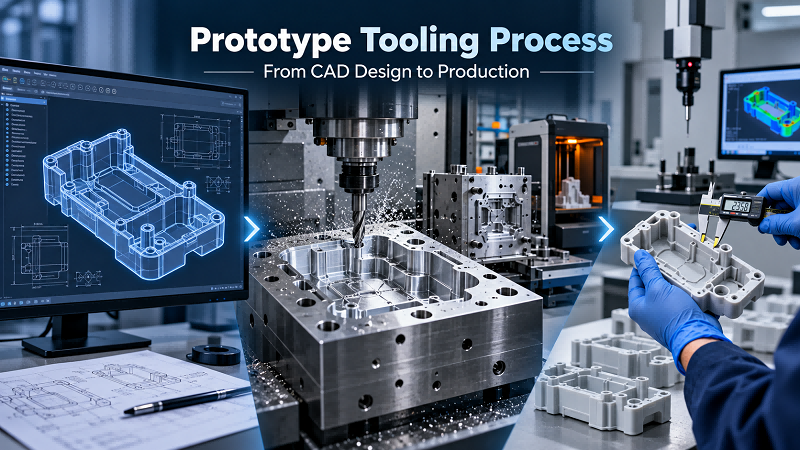
Streamlining CAD-to-Part Iteration Cycles
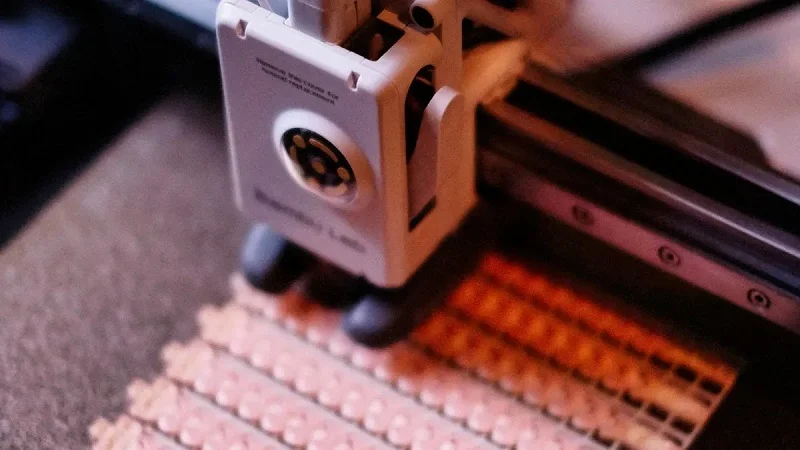
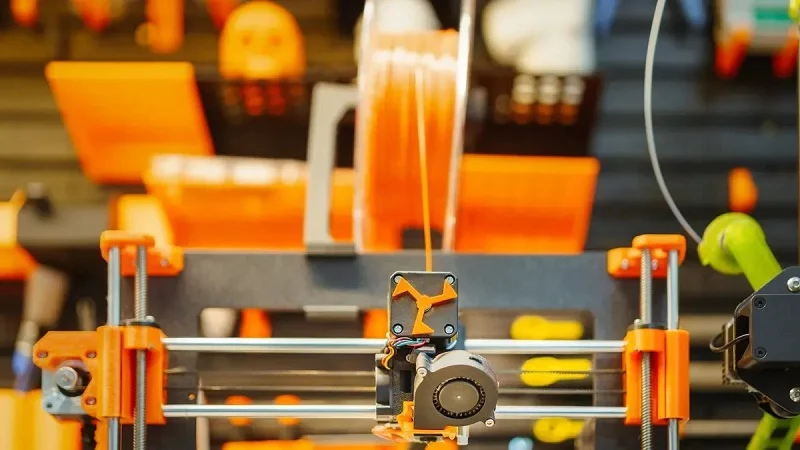
Engineers now design complex IVD equipment parts using modern computer software. Rapid prototyping tools quickly turn these digital designs into actual physical objects. High-precision 3D printers build detailed fluid blocks and sturdy brackets layer by layer. This automated setup removes the need for slow manual machining. It prevents human setup mistakes and saves expensive raw materials. Designers can update CAD files quickly and send new shapes directly to production tools.
Modern 3D printing equipment can mix different plastic materials within one build cycle. Engineers can easily print strong, hard outer walls and flexible rubber seals as one part. This smart process cuts early product development costs. Your engineering team can inspect new prototype parts almost immediately. You get finished test items in a few days instead of waiting weeks. Fast testing lets you check tricky inside channels before buying final factory tools.
Early Risk Mitigation in Diagnostic Components
Testing physical prototypes inside real lab spaces helps teams catch serious design mistakes quickly. Computer models cannot predict every single liquid movement. Real physical test parts show hidden channel friction and sudden pressure shifts.
Early testing during microfluidic design reveals major project risks:
- Manufacturability constraints: Early test molds reveal shape and cost problems before you buy expensive high-volume steel factory tooling.
- Material-selection mismatches: Making prototypes from real plastics exposes poor biocompatibility, unclear optical views, and bad surface chemical reactions early.
- Injection-molding design rules: Temporary soft molds help engineers check part removal, gate marks, air vents, and plastic shrinkage speeds.
- Backend-process risks: Testing early samples shows channel warping from heat bonding, blocked fluid movement, chemical decay, and bad part fits.
Fixing hidden flaws early guards your development budget against very costly future redesigns. Moving into small production runs becomes much safer and simpler. These small runs prove that every single component works correctly before mass production begins.
Rapid Prototyping Processes for IVD Equipment Parts

Choosing the right build process helps engineers make reliable IVD equipment parts. Teams must carefully match their material needs and assembly goals to the right fabrication method.
| Selection criterion | How it supports matching rapid prototyping to diagnostic assembly |
| ISO 13485 quality system | Ensures proper quality control for microfluidic structures, sensor builds, and cleanroom work. |
| Material characteristics | Verifies that plastics or metals can withstand sterilization and fluid chemicals without degrading. |
| Design intent and volume | Matches 3d printing to fast design iterations and CNC machining to high-precision needs. |
| Cost-per-unit visibility | Evaluates prototype choices early to ensure the process remains viable at scale. |
SLA and PolyJet for Microfluidic Manifolds
Stereolithography (SLA) 3d printing uses light to turn liquid resin into fine fluid channels. Engineers inspect liquid movements easily through these clear plastic models. SLA works very well for early diagnostic test runs because it yields smooth channel surfaces.
PolyJet 3d printing offers another fast option for complex fluid channels. This method sprays tiny liquid drops onto a tray and cures them instantly with ultraviolet light. PolyJet equipment can combine soft rubber gaskets and rigid bodies into single build steps. Designers test leak-proof seals on manifold bodies quickly without buying extra rubber gaskets or manual seals.
These additive manufacturing methods turn digital files into real physical objects in just hours. Teams print new designs every day to fix flow issues fast. Early testing prevents expensive errors before starting low-volume production. Engineers select these clear resin options for early fluidic applications because they lower risk and speed up testing cycles.
CNC Machining and SLS for Structural Components
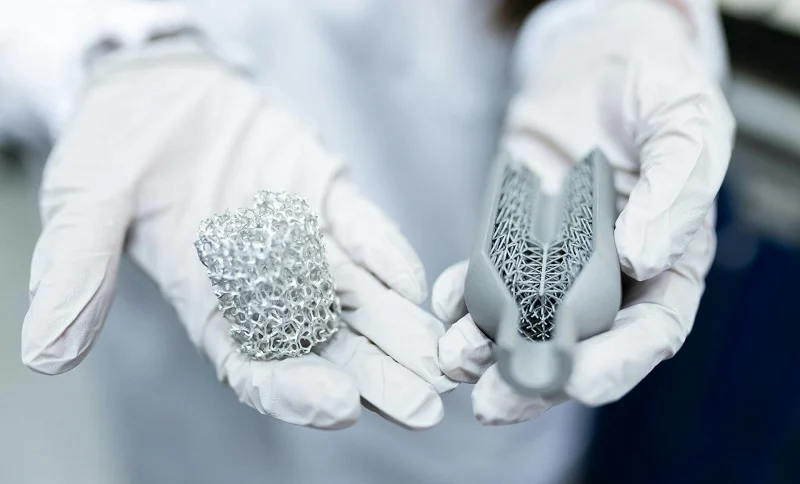
Diagnostic instruments require strong internal frames, motor mounts, and enclosure brackets. Selective Laser Sintering (SLS) uses a hot laser beam to fuse nylon powder layer by layer. SLS 3d printing builds complex internal shapes without using temporary support structures. This additive manufacturing process creates lightweight nylon parts that handle daily mechanical stress during routine lab testing.
CNC machining cuts solid blocks of plastic or metal into a final shape. This traditional process produces metal brackets with extremely tight fit clearances. CNC tools shape biocompatible materials like stainless steel and PEEK plastic quickly. Engineers choose CNC tools to make durable rapid prototyping parts that match real factory parts in strength and appearance.
Using rapid prototyping helps teams evaluate structural performance early in the project schedule. Engineers test physical mounting brackets inside real device cases to check alignment and fastener locations. They fix fit problems early before buying permanent steel molds. This practical step reduces tool revision costs significantly and avoids costly project delays.
After completing initial design checks, teams often launch low-volume manufacturing runs. These specialized setups use CNC machining or rapid injection tooling to produce complete test units. Testing these small production batches ensures every single component fits perfectly inside the final instrument chassis before full mass production starts.
Advanced Materials for IVD Equipment Parts
Biocompatibility and USP Class VI Standards
Selecting safe plastics and metals protects patients and keeps clinical test results accurate. Engineers must pick raw materials that meet safety rules before making prototype parts.
ISO 10993 provides a framework to evaluate medical device safety based on body contact type and time. USP Class VI sets a separate safety test standard for plastic materials. Engineers must prove that the final sterilized device is safe for human body contact. Selecting approved prototype materials early keeps your design process on track for regulatory review.
| Material/rule | Process | Credential | Relevance to rapid-prototyped IVD/fluid-contact parts | Constraint/note |
| Accura ClearVue | SLA 3D printing | USP Class VI capable | Creates clear plastic test parts to help engineers view liquid flow inside fluid systems. | Must be cleaned after printing; do not sand, polish, or paint final clear parts. |
| PEEK | CNC machining | Inherently biocompatible; high chemical resistance | Makes tough test parts that match the exact plastic used in real diagnostic machines. | Made with cutting tools; keeps very exact measurements during custom part creation. |
Working with skilled prototyping experts helps design teams select fully approved materials quickly. Choosing certified resins early speeds up official health agency reviews for new medical equipment.
Chemical Resistance and Sterilization Needs
Diagnostic equipment parts must withstand harsh cleaning liquids during routine medical lab work. Common cleaners include bleach, rubbing alcohol, hydrogen peroxide, and strong chemical disinfectants. Alcohol can easily crack polycarbonate plastic parts near tight screws or plastic snaps. Teams must test plastic parts early to stop unexpected breaks during daily operations.
Engineers create simple testing plans using the harshest real cleaning conditions available. These tests use concentrated fluids, extended contact times, and repeated daily washing cycles. Results show that sodium hydroxide softens outer plastic layers after full-day exposure. Choosing tough metals like 316 stainless steel prevents fluid damage in heavy-use applications.
Design Verification and Microfluidic Flow Analysis for IVD Equipment Parts
Form, Fit, and Function Validation via DFM
Engineers must test pre-production components early in the medical device development cycle. Physical validation allows engineering teams to check actual mechanical alignment inside complex diagnostic assemblies. You can easily verify how functional prototypes mate with optical sensors, fluid manifolds, and electronic pumps. Testing real sample components helps your team spot tight clearance issues before starting mass assembly work. This early hands-on check ensures that moving parts align smoothly inside the outer casing.
Design for Manufacturability (DFM) principles guide how engineering teams refine digital computer models. Using 3d printing methods helps your design team evaluate uniform wall thickness variations and draft angles quickly. These additive manufacturing steps show whether a plastic part warps during the thermal cooling process. You can easily detect deep ribs or sharp corners that might trap molten plastic during production. Fixing these geometric defects during early design iterations simplifies future low-volume production. Addressing these core issues early guarantees smoother production transitions.
Preventing Tooling Errors in Flow Systems
Fluid channels in diagnostic devices require precise channel geometry to prevent unwanted air bubbles. Real physical prototype parts allow testing engineers to observe actual liquid motion inside narrow fluid passages. Early fluidic flow testing shows whether capillary action works as expected under standard operating pressures. Engineers can spot dangerous pressure drops or flow turbulence before freezing the CAD design. Designers can modify internal channel widths on computer models in just a few minutes.
Using advanced 3d printing techniques lets you produce test manifolds without paying for expensive injection molds. Modern production processes create smooth inner channel surfaces for accurate fluid dynamic validation. Testing physical units protects your project budget against costly mold tool re-machining later. Early physical validation prevents unexpected delays during final commercial scaling. Partnering with an experienced rapid prototyping company ensures your prototypes meet exact fluidic performance requirements. This proactive strategy delivers high-quality IVD equipment parts on time.
Regulatory Compliance and Bridge Tooling

Prototyping Data in 510(k) Submissions
How do test parts help your medical equipment get official approval? You can collect important testing data straight from fast prototype builds. Government groups like the FDA want real proof that your medical hardware works safely and reliably. Sending in test results from early plastic diagnostic parts proves your mechanical design works early in the project. You give reviewers clear proof of exact part sizes, tight seals, and steady material strength.
Engineers test these early parts to check liquid movements under normal lab conditions. You can track exact liquid flow speeds and pressure drops across many tests in real working labs. Using top prototype services gives you clear size reports for your official 510(k) government safety applications. These physical tests lower approval risks during government reviews. Your team gets through safety checks faster when real parts match your digital computer models.
Rapid Tooling for IQ/OQ/PQ Qualifications
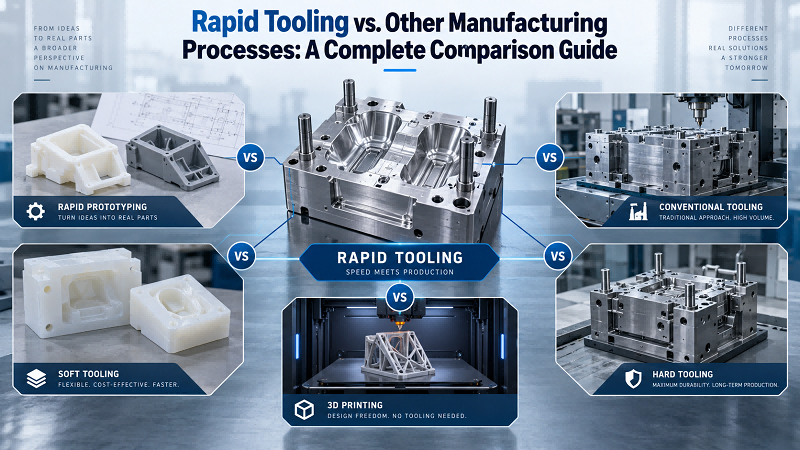
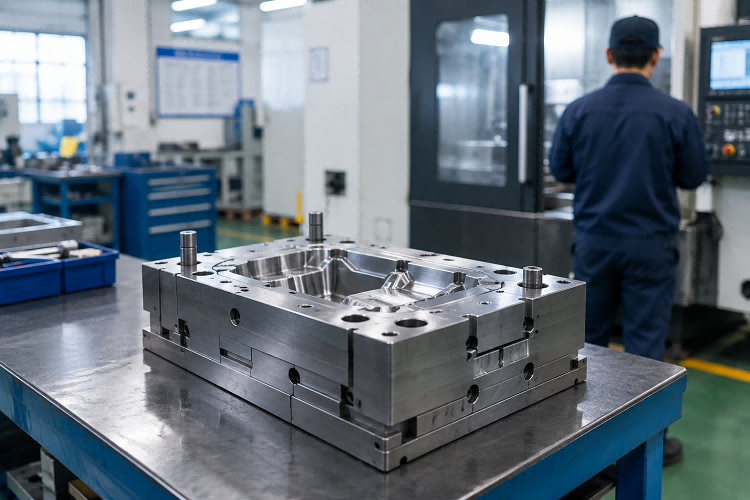
Moving from early designs to full factory production needs strong quality testing steps. Temporary tooling uses soft aluminum or steel molds to make real physical parts quickly. This smart method covers small production runs while you wait for final hard steel tools. You can run machine setup and operating checks on real plastic parts early. This easy process helps engineers test mold temperatures, plastic pressure limits, and daily build speeds.
Final quality tests rely on steady results under real factory conditions over time. Using fast manufacturing methods lets your shop make small part batches for full process checks. Working with a reliable prototype company helps you adjust tool setups quickly. Also, skilled prototype suppliers in China can supply exact mold parts to speed up machine testing. These small build runs give your factory team enough parts for proper testing. You can easily prove your process works well before starting full commercial production.
NOBLE: Precision Manufacturing for IVD Equipment Parts
ISO 9001:2015 and ISO 13485:2016 Certification
NOBLE leads as a trusted rapid prototyping shop making precise custom parts for medical devices. High quality guides every step of our work. ISO 9001:2015 aims for steady quality growth and total customer satisfaction. ISO 13485:2016 builds on ISO 9001 by maintaining a strong quality system. This special rule keeps critical medical hardware completely safe. On February 2, 2026, the FDA QMSR Final Rule officially added ISO 13485:2016 to 21 CFR Part 820 rules.
| Standard | Main Quality Objective |
| ISO 9001:2015 | Drives continual improvement and enhances customer satisfaction. |
| ISO 13485:2016 | Maintains system effectiveness and meets strict medical regulations. |
Our certified shop uses these strict safety standards at every production step. We test factory setups, control project risks, and track every single component from start to finish.
Turnkey Services from Design Support to Assembly
NOBLE offers complete manufacturing services that take your project from early 3d printing to final assembly. Our engineering team gives personal design help to refine your digital CAD models. We check wall thickness, draft angles, and channel sizes for initial rapid prototyping runs. Using modern tools and fine surface finishing, we help you fix mechanical errors fast. Our complete prototype services let your team build working test parts in just days.
As top rapid prototyping suppliers in China, we move your design smoothly into small production runs. We handle precise CNC metal cutting, plastic injection molding, and cleanroom assembly in one facility. Your team can order small part batches to test full physical setups before starting mass production. Partnering with us brings strong ivd equipment parts built with exact fits, crystal clarity, and quick turnarounds.
Smart medical teams use quick prototyping to reduce overall creation expenses. Picking the right methods like SLA 3D printing or CNC machining keeps design projects moving quickly. Testing clear plastic models with safe medical materials avoids regulatory delays.
Checking designs early prevents costly mold mistakes before beginning small production runs. Making small test batches helps your team confirm vital performance details. This smart approach speeds up launches for tricky IVD equipment parts. Work with certified building experts like NOBLE early in your planning phase. Our group turns digital computer models into dependable hardware for easy market success.
FAQ about IVD Equipment Parts Rapid Prototyping
Which rapid prototyping process works best for microfluidic IVD equipment parts?
SLA and PolyJet 3D printing work great for building clear microfluidic channels. They make smooth liquid paths so you can see fluid flows clearly. For strong mounting brackets, CNC machining and SLS nylon offer top durability. Picking the proper method speeds up test cycles for your IVD equipment parts.
How do rapid prototyping services accelerate FDA approval?
Medical rapid prototyping services create real test parts for design checks. Engineers gather exact strength and fluid movement details using physical models. Sharing this real-world test data improves your 510(k) application. It allows health officials to evaluate your diagnostic device more quickly with fewer safety risks.
Why choose rapid prototyping suppliers in China for low-volume IVD builds?
Top rapid prototyping suppliers in China deliver high-precision parts under strict ISO 13485:2016 quality rules. They make temporary molds and small part orders fast. This helps medical device teams finish IQ/OQ/PQ test checks while saving money early in the project.
What materials meet biocompatibility standards for diagnostic components?
Plastics like Accura ClearVue match USP Class VI safety rules for clear fluid testing. Safe PEEK plastic and 316 stainless steel handle strong lab cleaners without breaking. Partnering with a certified rapid prototyping company helps your team pick approved, safe materials right away.