A wearable robot is a powered device you wear on your body to help you move, and it needs five main wearable robot components: sensors, actuators, structural components, power supplies, and control systems. Each wearable robot component is made in its own special way. Sensors are made using photolithography, structural parts are shaped with CNC machining, housings are formed by injection molding, control systems are built with PCB assembly, and power supplies need battery cell production. The market for this wearable technology is expected to hit USD 11,889.36 Million by 2030, growing at a CAGR of 43.45%. Picture an industrial exoskeleton or a smart prosthetic. These wearable robot components work together to ease strain and bring back function. Let’s see how materials and manufacturing make them real.
Sensors in Wearable Robot Components
What Sensors Do
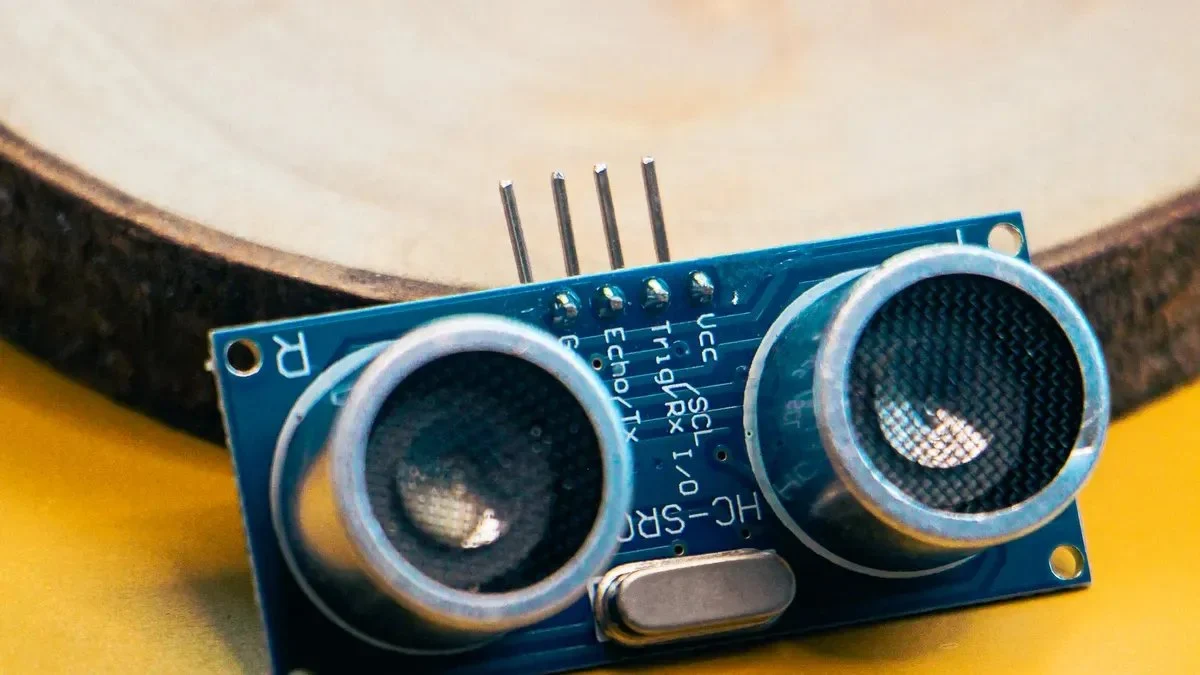
Sensors act like the nervous system of a wearable robot. They detect motion, force, position, and body signals from the user and the nearby environment. Without sensors, the device would not know when you are walking, lifting, or standing still.
Think about an industrial exoskeleton. It must know your hip angle, the force you put on a load, and the electrical activity in your muscles. That information goes to the controller, which then decides how much assistive torque to give. If the sensing is wrong, the robot works against you instead of helping you.
Inertial measurement units (IMUs) are a good example. They mix accelerometers, MEMS gyroscopes, and fusion algorithms to give accurate movement data and support smart control. This helps exoskeletons respond to what the user wants and fit naturally. In soft exoskeletons, IMUs gather real-time motion data like angle, angular acceleration, and angular velocity. That lets the control system recognize terrains and adjust movement modes accurately.
IMUs also make gait analysis possible outside indoor spaces, solving the limits of traditional motion capture systems. They allow estimation of human motion intention, which is key for controlling exoskeletons. Wearable IMU systems give reference data for assistive strategies to reach desired trajectories. Multiple IMUs placed on different body segments collect complex data and, through sensor fusion, estimate kinematics and joint angles.
How Sensors Are Manufactured
The manufacturing methods behind these devices differ by sensor type. Micro-sensors, like the MEMS gyroscopes inside an IMU, depend on photolithography and MEMS fabrication. These processes build tiny mechanical structures on silicon wafers, layer by layer, with amazing precision.
Flexible and stretchable sensors follow a different path. Screen printing puts conductive inks onto polymer substrates, creating thin, bendable sensing elements. This method works well for wearable applications where the sensor must fit curved body surfaces.
Sensor modules then go through pick-and-place assembly. Machines place tiny components onto circuit boards at high speed, and reflow soldering holds them in place. In practice, this step decides reliability more than almost any other.
Companies like NOBLE, a leading manufacturing company in China, bring outstanding service capabilities and professional machining expertise to this stage. They help clients move efficiently from prototyping to mass production of wearable robot components, which shortens development cycles a lot.
Common Sensor Types
Several sensor families appear again and again in wearable robotics. Inertial measurement units handle motion tracking. Force-sensitive resistors measure pressure and grip force. Electromyography (EMG) sensors read muscle electrical activity for prosthetic control. Encoders track joint rotation in industrial robot arms.
EMG sensor performance matters a lot for myoelectric prosthetics. Consider these specifications:
| Specification | Myoware muscle sensor | Developed EMG sensor |
| SNR | 23.39 dB | 32.95 dB |
| Sensitivity | 0.159 V/N | 0.2943 V/N |
| Rise time | 323 ms | 136 ms |
| Fall time | 261 ms | 408 ms |
The developed EMG sensor showed 1.4 times greater SNR values and 45% higher sensitivity compared to the commercial EMG sensor. Also, the proposed sensor was 57% faster than the commercial sensor in producing the output response.
For prosthetic control, moderate quality EMG device with less response time (below 300 ms) and a high degree of intuitiveness are required.
That response-time threshold explains why sensor selection is not just about accuracy. Speed and intuitiveness decide whether a user trusts the device. A wearable that reacts late feels broken, even if its readings are perfect.
Actuators in Wearable Robot Components
The Role of Actuators
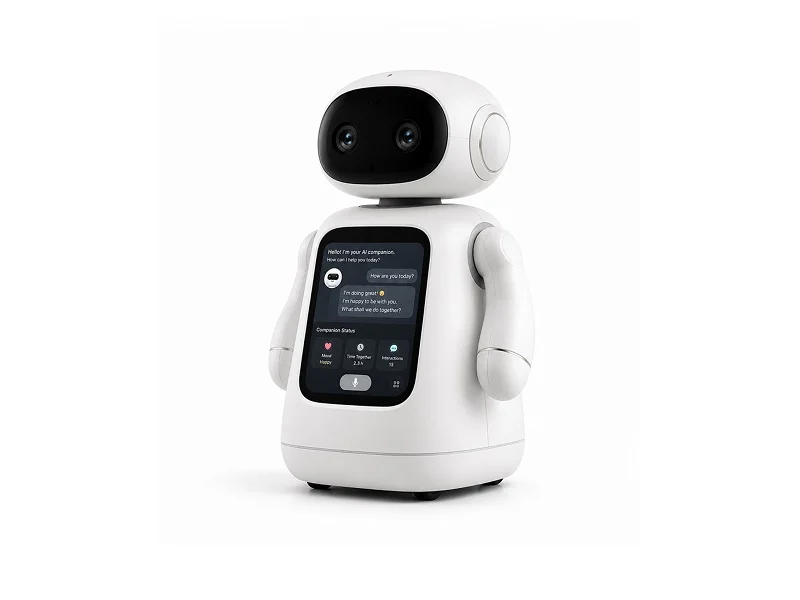
Actuators change energy into motion. That is the easiest way to explain them. In a wearable robot, they work like muscles. They use electrical power to make movement that helps you lift, walk, or grip.
Most actuators begin with a motor. The motor spins fast, but it does not make much torque. A drive system and reduction gears solve that problem. They slow the spin down and increase the force. Transmissions then send that force to the joint or end effector. The whole chain matters. A weak gearbox wastes a strong motor.
Series elastic actuators add a spring between the motor and the load. This design gives natural shock tolerance and safe compliance. That matters for physical human-robot interaction in rehabilitation exoskeletons. The spring takes in sudden forces instead of passing them to your body.
The benefits show up in real use:
- Transparent human-robot interaction cuts metabolic cost during loaded walking by 10–15%.
- Backdrivable force control helps stroke recovery, as shown in the H2 exoskeleton.
- Variable impedance designs improve adaptability for elderly users with weakened muscles.
These numbers come from rehabilitation research. They show why compliance is not just a nice extra. It is a safety feature.
How Actuators Are Manufactured
Actuator production is a multi-step process. Each step needs tight tolerances. A small error in one stage can ruin the whole unit.
CNC machining shapes the motor housing first. The housing must hold the stator and rotor in perfect alignment. Any wobble creates vibration and noise. Coil winding comes next. Machines wrap copper wire around the stator core with exact tension. Loose coils waste energy as heat. Tight coils risk breaking the wire.
Magnet assembly follows. Permanent magnets go into the rotor with exact positioning. Their orientation decides the motor’s torque constant. Gear cutting then makes the reduction gears. Hobbing and shaping machines cut teeth that mesh smoothly. Poorly cut gears wear out fast and lose efficiency.
Encoder integration finishes the build. The encoder tracks the motor’s position and speed. It sends that data back to the controller. Without it, the actuator cannot move to a commanded position. The control loop depends on this feedback.
From a practical view, every step in this chain affects the final performance. A great motor with a bad gearbox performs like a bad motor. Manufacturers must control quality at each stage.
Soft and Pneumatic Actuators
Not every wearable robot uses rigid motors and gears. Soft robotics takes a different path. These systems use soft actuators, fabric, and compliant materials. They bend and stretch with the body instead of fighting it.
Soft robotics changes how engineers think about actuation. Instead of a motor at each joint, soft robotics uses air or fluid pressure. Pneumatic artificial muscles are a common example. They contract when air fills a bladder inside a braided sleeve. The braid forces the bladder to shorten and widen. That motion copies a real muscle.
Making these actuators involves molding and fabrication. Silicone or rubber goes into a mold to form the bladder. The braided sleeve wraps around it. Layers bond together with adhesives or heat. The finished actuator is lightweight and flexible.
Soft robotics offers clear advantages for wearable devices. The materials conform to the body. They reduce pressure points. They also absorb impacts better than rigid parts. For a wearable robot that helps stroke patients or factory workers, comfort decides whether people actually use it.
Soft robotics does have trade-offs. These actuators produce less force than motors. They need pneumatic lines or pumps. That adds bulk. Still, soft robotics keeps growing in rehabilitation and assistive devices. The field of soft robotics continues to attract research funding. Soft robotics may eventually replace rigid actuators in many wearable applications. Soft robotics represents a major shift in how engineers approach human-friendly machines. The future of soft robotics looks bright for wearable technology.
Structural Components of Wearable Robot Components
Functions of Structural Elements
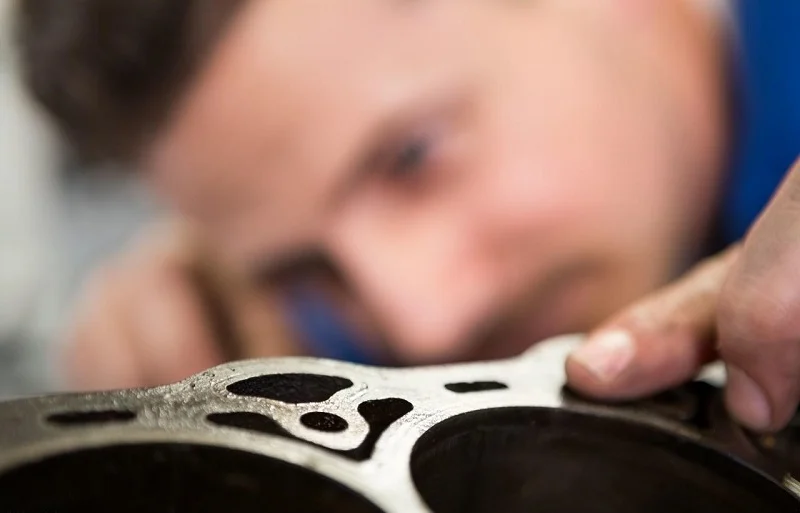
Structural parts give a wearable robot its shape and strength. They carry loads, hold every other component in place, and move forces to the right spots on the body. Think of them as the skeleton. Without a strong frame, sensors and actuators would have nothing to attach to.
The list of structural parts is longer than most people think. It includes the base, the body, the frame, the chassis, end effectors, and input devices. The base and chassis make up the main platform. The frame connects joints and links. End effectors are the parts that touch the user or the environment, like a grip or a foot plate. Input devices, such as buttons or joysticks, also need structural mounting.
Manufacturing Structural Parts
Sheet metal fabrication handles most frames and chassis. Laser cutting shapes flat stock with high accuracy. Bending machines then fold the metal into three-dimensional forms. Welding joins the pieces into one rigid unit. This chain works well for medium to large parts.
CNC machining takes over for precision parts. Joint brackets, bearing seats, and mounting plates need tight tolerances. A CNC mill or lathe cuts metal to exact dimensions. Injection molding covers polymer housings. Molten plastic fills a steel mold, cools, and pops out as a finished shell. This method suits high-volume production of covers and casings.
Materials for Structures
Material choice drives weight, strength, and cost. Here is how the common options compare:
| Material | Key Property | Typical Use |
| Aluminum alloys | Light, strong, easy to machine | Frames, brackets |
| Titanium | High strength-to-weight ratio | Load-bearing joints |
| Carbon fiber composites | Very stiff, very light | Arms, links |
| Engineering plastics | Cheap, flexible, insulating | Housings, covers |
Aluminum alloys hit a sweet spot for many wearable robot components. They machine fast and resist corrosion. Titanium costs more, but its strength-to-weight ratio pays off in high-load joints. Carbon fiber composites deliver outstanding stiffness at low weight, which matters for arm links that swing all day. Engineering plastics round out the list for housings and non-load-bearing parts.
Picking the right materials is a balancing act. A heavier frame feels sturdy but tires the user. A lighter one may flex under load. Good manufacturing decisions at this stage decide whether the final wearable device feels like a tool or a burden.
Control Systems in Wearable Robot Components
The Brain of the Robot
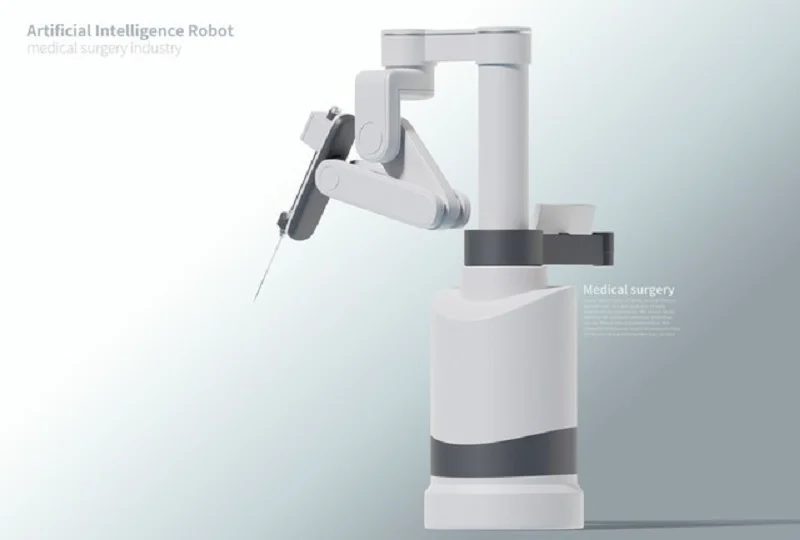
The control system works like the brain of a wearable robot. It takes in data from all sensors, figures out what to do next, and tells the actuators what to do. This cycle happens many times each second. If it is too slow, the robot feels jerky to the user.
The system has four main parts. The controller is the processor that runs the logic. The control unit holds the power electronics and signal conditioning. Software tells the hardware what rules to follow. Input device interfaces connect buttons, joysticks, or phone apps to the main board. Together, these parts turn raw signals into smooth, safe motion.
Manufacturing Control Hardware
Building the control board starts with making the PCB. Copper lines are etched onto a fiberglass board. Then the board moves to surface-mount technology (SMT) assembly. Machines put tiny chips on the board, and reflow soldering holds them in place.
SMT is very important for flexible circuits in soft robots. Fewer through-holes and solder joints mean fewer points that can fail.
Also, having fewer through-holes and solder joints makes the robot more reliable. With fewer connection points, there are fewer places where things can go wrong. This means the robotic systems can work for longer times without needing fixes.
After assembly, microcontrollers and chips are added. Then the board is sealed in a case to protect it from dust, sweat, and impacts. This step decides if the electronics can handle daily use.
Software and Firmware
Firmware is the code stored in the microcontroller. It handles sensor integration, pulling data from IMUs, force sensors, and encoders into one stream. Sensor fusion combines those readings into one clear picture of the user’s motion.
Real-time control algorithms then use that picture. They figure out how much torque each actuator should give. The control loop must finish fast, or the robot falls behind the user. Good firmware also handles safety checks, like cutting power when a problem shows up.
From a practical view, software and hardware need to work together. A great board with bad firmware still feels broken. Engineers test both parts as one system before any wearable robot ships.
Machining Processes for Wearable Robot Components
Subtractive Manufacturing
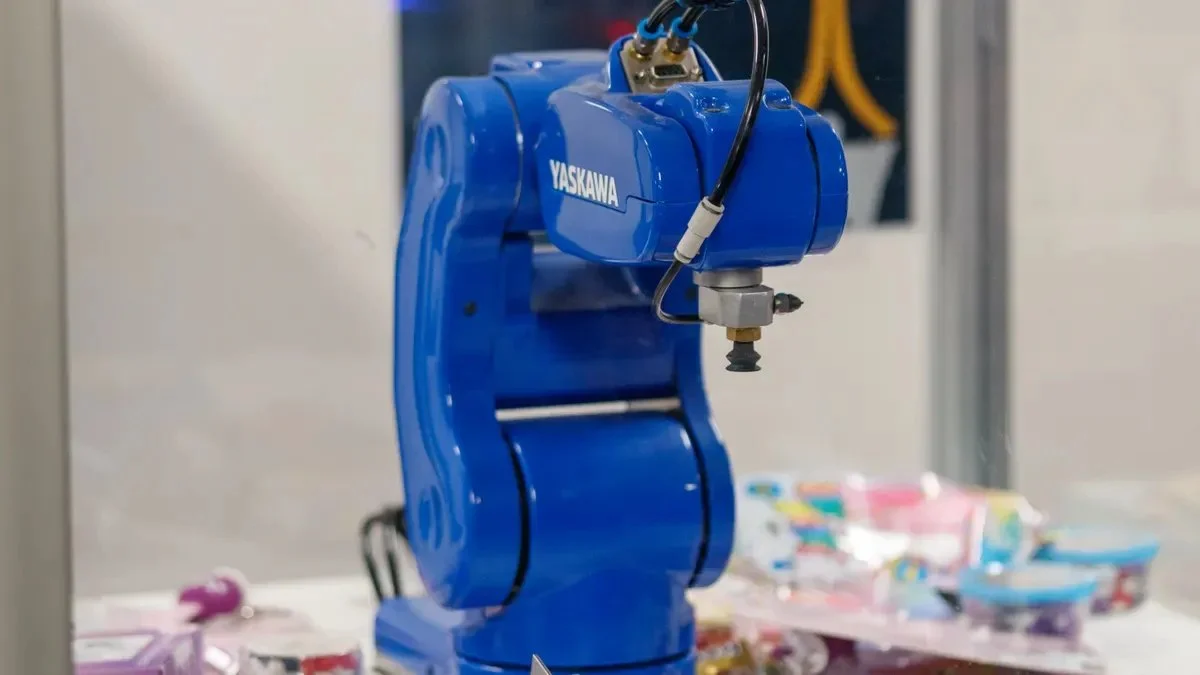
Subtractive methods remove material from a solid block until the final shape is left. CNC machining is the top choice in this group. A spinning tool cuts metal with high precision, and 5-axis machines can reach angles that 3-axis setups cannot. For aluminum exoskeleton joints, 5-axis CNC machining gets a surface finish of Ra 0.2 µm. Standard aluminum alloy machining usually reaches Ra 0.8 µm. That gap matters when parts slide against each other or carry heavy loads.
Laser cutting and waterjet cutting handle flat stock and sheet parts. Each method has trade-offs for wearable robot components. Check how they compare for carbon fiber composites:
| Attribute | Laser Cutting | Waterjet Cutting |
| Kerf width | Narrow kerf | Wider kerf than laser |
| Edge quality | Crisp, square edge; small heat affected zone | Smooth satin edge; no heat affected zone |
| Carbon fiber suitability | Not recommended — toxic fumes | Recommended — cold erosion leaves structure intact |
Laser cutting gives unmatched precision for thin carbon fiber sheets under 5mm. The non-contact process removes tool wear. Thermal damage is a risk, though. Wrong settings can weaken resin bonds. Waterjet cutting is great at thick carbon fiber over 10mm without heat distortion. The abrasive stream handles layered composites perfectly. Slower speeds and higher maintenance costs from nozzle wear are the downsides. Thin sheets go to laser. Thick plates go to waterjet. Simple shapes work with either. Three-dimensional curves need CNC.
Additive Manufacturing
3D printing builds parts layer by layer from digital files. This process is great during prototyping and custom part production. FDM pushes melted plastic through a nozzle. It is cheap and fast, which fits early design checks. SLA uses a laser to cure liquid resin. It makes smoother surfaces and finer details. SLS fuses powder with a laser, creating strong parts without support structures.
For wearable robot components, additive manufacturing cuts lead times a lot. A custom prosthetic socket that once took weeks to make can now print in days. Engineers iterate faster because they hold physical parts sooner. The materials range from basic PLA to engineering-grade nylon and carbon-fiber-filled filaments. Each option balances strength, weight, and cost differently.
Formative and Joining Processes
Formative methods shape material without cutting it away. Injection molding forces molten plastic into a steel mold. The plastic cools and pops out as a finished shell. This process fits high-volume production of housings and covers. Thermoforming heats a plastic sheet until it softens, then pulls it over a mold. It works well for large, thin parts like helmet shells or body panels.
Joining processes hold separate pieces together. Welding fuses metal parts with heat or pressure. Adhesive bonding uses chemical bonds to connect surfaces. Adhesives spread stress evenly and work on dissimilar materials. A carbon fiber arm bonded to an aluminum bracket benefits from this approach. The right joining method depends on load type, material pair, and environmental exposure. From a practical view, the best manufacturing process for wearable robot components often combines several methods in one assembly.
Design Considerations for Wearable Robot Components
Weight, Comfort, and Ergonomics
A wearable robot that weighs too much does not help anyone. People just stop wearing it. Every gram matters over an eight-hour shift. Engineers choose light materials like aluminum and carbon fiber. They remove material where it is not needed. Comfort depends on how the device fits your body. Straps need padding. Joints must match how you naturally move. A bad fit causes rubbing and pain.
Ergonomic standards help get the fit right. ISO 11228 sets rules for lifting and carrying. It tells designers how much weight is safe and what hand positions work best. For example, it suggests a firm grip with a neutral wrist and warns against extreme angles. That directly shapes how exoskeleton arm supports are built. Another standard, ISO 11226, covers static working postures. It gives rules for designs where workers hold still for long periods. For wrist exoskeletons in factories, these rules on manual handling and static posture are the most useful guidelines.
These rules help engineers decide where to add support and where to let movement stay free. A good design lets you bend naturally while the robot carries the load.
Durability and Safety
Robot parts face sweat, dust, and repeated stress. A bracket that cracks after one week is useless. Durability starts with picking the right material. Metals need to resist rust. Plastics need to handle impacts. Heat management matters too. Motors get hot during use. If heat builds up, parts fail or the user gets burned. Designers add vents or heat sinks to keep temperatures down.
Safety standards set the bar for what is acceptable. ISO 13482 covers personal care robots. It includes mobile servant robots, physical assistant robots (which covers exoskeletons), and person carrier robots. For exoskeletons, the standard requires specific features that fall into three categories:
- Inherently safe mechanical design — pinch-point protection, surface compliance, and stability.
- Functional safety and control — emergency stops, speed control, force/torque limiting, and environmental sensing.
- Predictable, controllable behavior — clear intent cues, accessible emergency stop, and graceful degradation.
These requirements push designers to think about what can go wrong. A sensor breaks. The battery dies mid-lift. The robot must fail safely. Meeting these standards opens markets and builds trust.
Designing to Reduce Injuries
The whole goal of an exoskeleton is to reduce injuries. In factories, workers hurt their backs from heavy lifting. Exoskeletons support the spine and take part of that load. On construction sites, overhead work strains shoulders. Arm supports hold the weight. By moving forces away from the user’s body, these devices prevent muscle and bone damage before it starts.
Medical devices follow the same idea. A rehabilitation exoskeleton helps stroke patients walk again. But it must also protect them from falls. Sensors detect when the patient is unstable. The control system cuts power or adjusts support. Designers add padding at contact points. They shape frames to avoid stress on bones. Every detail aims to heal, not harm.
Good design does more than support the user. It actively protects the user. A well-fitted device feels natural. You move freely, and the robot helps without getting in the way. Poor design creates new risks like pinching or overheating. That is why standards matter and why testing is critical. When engineers get it right, these machines make dangerous jobs safer and help people recover from injury faster.
Materials for Wearable Robot Components
Metals and Alloys
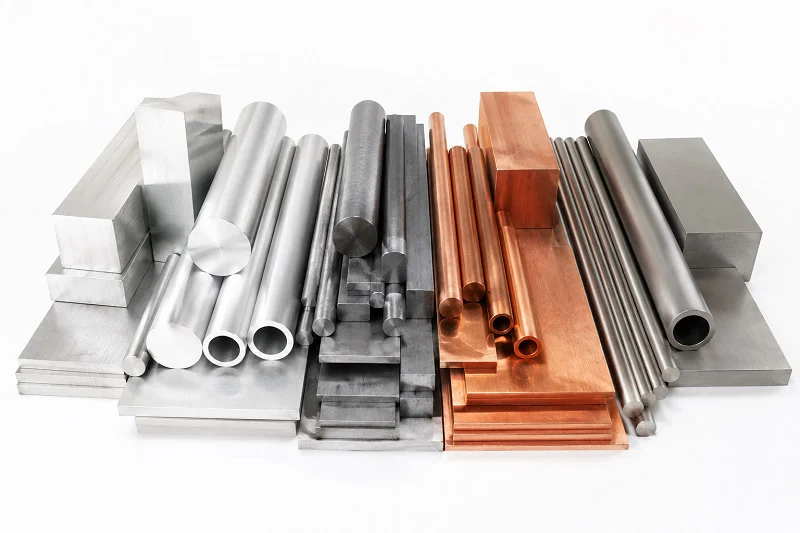
Metals do the heavy lifting in most wearable robot components. Aluminum alloys are the go-to choice for frames and brackets. They are light, strong, and easy to machine. Titanium costs more, but its high strength-to-weight ratio makes it perfect for load-bearing joints. Stainless steel rounds out the list. It resists rust and handles high stress, which suits structural pins and fasteners.
Picking the right metal comes down to the job. A hip exoskeleton frame needs stiffness without extra weight. Aluminum handles that well. A knee joint that takes repeated impacts might need titanium. Stainless steel works for parts that face sweat and weather. Each metal brings its own balance of weight, strength, and cost.
Polymers and Composites
Plastics and composites cover everything from housings to arm links. ABS is a general-purpose engineering plastic. It has good impact strength, molds easily, and takes paints and finishes well. That makes it standard for consumer electronics housings and equipment enclosures. Polycarbonate (PC) offers even higher impact resistance. It also brings dimensional stability and optical clarity in natural grade. UV-resistant grades are available for outdoor use.
| Plastic | Impact Resistance |
| ABS | High |
| Polycarbonate (PC) | Very High |
PC/ABS blends give improved impact plus easier processing than unfilled PC. For wearable robot components, that matters when covers must survive drops and daily wear. Carbon fiber composites deliver outstanding stiffness at low weight. Fiberglass costs less and still adds strength. Nylon works for gears and wear parts. These materials let engineers cut weight without giving up durability.
Smart and Functional Materials
Smart materials change shape or properties when triggered. Shape-memory alloys return to a set form when heated. That makes them useful for compact actuators. Piezoelectric materials generate a charge when squeezed. They can also change shape when voltage is applied. These materials support sensing and movement in tight spaces.
Conductive textiles bring soft robotics to life. They carry signals and power through fabric. That allows soft robotics to bend and stretch with the body. Soft robotics depends on these flexible materials for comfortable wear. Soft robotics also uses them for pressure sensing. Soft robotics benefits from fabrics that conduct without feeling stiff. Soft robotics continues to adopt new smart materials each year. Soft robotics researchers test conductive textiles for muscle-like actuation. Soft robotics may one day replace rigid parts in many wearable devices. Soft robotics already shows up in rehabilitation gloves and assistive suits. Soft robotics represents a major shift in how engineers build human-friendly machines.
Applications of Wearable Robot Components
Industrial and Manufacturing Applications
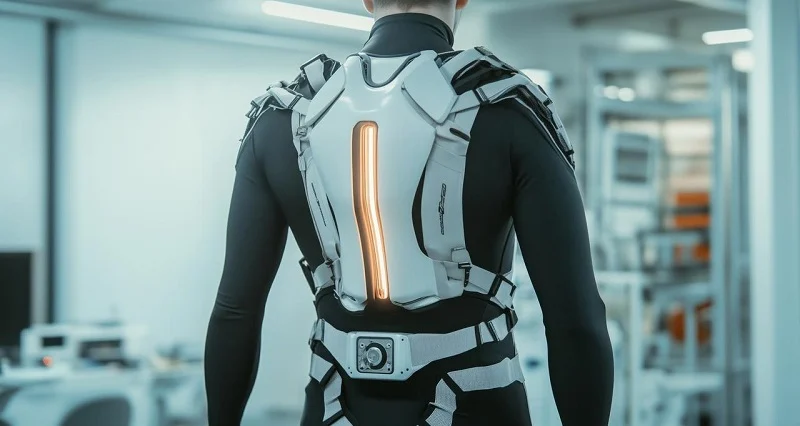
Factories now use wearable robot components every day. Workers put on exoskeletons before a long shift on an assembly line. These devices support the back, shoulders, and legs during tasks you do over and over. An industrial wearable robot does not replace the worker. It helps carry the physical load instead.
Car companies started using them early. Assembly workers who lift their arms above their heads for hours get arm-support exoskeletons. The device holds the tool weight, so the shoulder muscles can rest. Logistics workers who lift boxes all day wear back-support suits. These uses reduce tiredness and boost worker efficiency during the shift. The same parts show up in construction, farming, and storage. Each setting needs a different mix of sensors, actuators, and frames.
Medical and Rehabilitation Applications
Doctors and therapists use wearable robot parts in powerful ways. A medical wearable robot helps patients walk again after a stroke or spinal cord injury. Powered exoskeletons guide the legs through a natural walking pattern. Rehab devices like these let therapists focus on progress instead of holding the patient up. Prosthetic limbs with powered joints give back grip and balance for people with amputations. Surgical help robots also use the same sensor and actuator tech.
Results from clinics back this up. In one study after a stroke, 7 out of 9 patients who used an exoskeleton got better at walking. They reached a level 2 to 4 on a walking test. Meanwhile, 6 out of 8 patients who did not use an exoskeleton stayed at the lowest levels (0 to 1). Quality of life scores were much higher in the exoskeleton group, with a middle score of 0.767 compared to 0.434 for the other group. No serious bad events happened.

Users rated safety and comfort at a middle score of 4.5 out of 5. Some still complained about weight and how long it lasts. That feedback drives engineers to keep making every part better.
Applications Enhancing Worker Safety
The biggest gain from these machines is making workers safer. Back injuries, shoulder strain, and joint wear plague physically demanding jobs. Muscle and bone injuries cost companies billions each year in lost time. Wearable robot parts shift force away from the body and into the frame. That simple change stops damage before it starts.
Good posture support matters most during repeated lifting. An exoskeleton keeps the spine in a safe curve and shares the load. Workers stay productive longer and go home without pain. From a practical view, safety and productivity are not opposites here. They grow together. Soft robotics adds another layer by making these suits lighter and more comfortable. Soft robotics lets the device bend with the body instead of fighting it. Expanded uses in healthcare, storage, and manufacturing keep growing as the technology gets better.
NOBLE: Making Wearable Robot Components

Skill in Metal and Plastic Processing
NOBLE is known for working with metal and plastic, and that focus fits wearable robot parts well. Frames, brackets, and joint housings need exact sizes and smooth finishes every time. The company does CNC machining, sheet metal work, and injection molding all in one place. This mix covers aluminum frames, titanium joints, and plastic covers without sending work to other shops.
Using one partner for both metal and plastic saves time. If a bracket design changes, you do not need to find a new supplier. Engineers change the CAD file, and the shop makes a new version. For wearable devices that go through many test models, that speed is important.
Certifications and Quality
Quality systems show which manufacturers are serious and which are not. NOBLE has ISO 9001:2015 and ISO 13485:2016 certifications. The second one really matters for anyone making medical or healthcare products.
ISO 13485 certification shows a commitment to the highest standards of quality, safety, and legal excellence in medical device manufacturing.
That commitment pays off in real ways. Certified suppliers often get:
- Approval as trusted suppliers by big medical device companies.
- Higher prices because customers have less work to check them.
- Fewer customer audits since ISO certification meets many review requirements.
- Faster sign-up of new medical device customers.
One contract maker of sterile devices earned ISO 13485 and cut customer approval time from 12 months to 4 months. Audit visits dropped from four times a year to once a year. Contract values rose 25% through better positioning, and the firm entered European markets that once seemed closed. Those results show what a strong quality system can do for a wearable robot program.
Full Service from Design to Assembly
NOBLE does more than run machines. The team helps through the whole path from design to assembly. It starts with feedback on design for manufacturing. Engineers point out features that will be hard to machine or mold before tools are cut. Test models come next, then production tools, then final assembly and testing.
This full approach fits wearable robot parts because the parts work together. A sensor mount must line up with the frame. A housing must leave room for the actuator. When one team handles every step, those connections get checked early. Readers with a project in mind can contact NOBLE and start that talk.
A wearable robot needs five core parts: sensors, actuators, structural components, power supplies, and control systems. Photolithography creates tiny MEMS sensors. Coil winding and CNC machining build the actuators. CNC machining also shapes frames. Injection molding forms plastic housings. PCB assembly builds control boards. Battery production powers the whole device. Materials like carbon fiber keep weight low without losing strength. Good design helps reduce injuries and keeps workers safe during long shifts. Advanced manufacturing pushes wearable robotics forward with better materials and methods each year. If you have a wearable robot project, NOBLE offers full support from design through assembly.
FAQ of Wearable Robot Components
What are the main wearable robot components?
Five main categories cover almost every device: sensors, actuators, structural parts, power supplies, and control systems. Sensors read motion and force. Actuators create movement. Structural parts hold everything together. Power supplies run the electronics. Control systems tie everything together and decide what happens next.
Which manufacturing process makes each component?
Each wearable robot component has its own process. Photolithography and MEMS fabrication build micro-sensors. CNC machining and coil winding shape actuators. Sheet metal work and injection molding form frames and housings. PCB assembly builds control boards. Battery cell production makes the power supplies.
Why do sensors matter so much in a wearable robot?
Sensors tell the robot what your body is doing. An IMU tracks joint angles. A force-sensitive resistor measures grip. An EMG sensor reads muscle signals. If sensing is wrong, the device fights you instead of helping. Response time matters too — prosthetic control needs readings under 300 ms to feel natural.
What is the difference between rigid and soft actuators?
Rigid actuators use motors, gears, and transmissions. They give high force and precise control. Soft actuators use air pressure, fabric, and flexible materials. They bend with your body and absorb impacts better. The trade-off is lower force output, and they often need pumps or air lines.
Which materials work best for structural parts?
It depends on the job. Aluminum alloys are light and easy to machine, so they work for frames and brackets. Titanium has high strength-to-weight for load-bearing joints. Carbon fiber composites stay stiff at low weight. Engineering plastics handle housings and covers at low cost.
Do wearable robots have to meet safety standards?
Yes, and the rules depend on the use. ISO 13482 covers personal care robots, including exoskeletons. It requires pinch-point protection, emergency stops, and force limits. ISO 11228 and ISO 11226 guide ergonomic design for lifting and static postures. Meeting these standards builds trust and opens markets.
Can 3D printing replace CNC machining for these parts?
Not entirely. Additive manufacturing is great for prototyping and custom work. A custom prosthetic socket that once took weeks can print in days. But production frames and joints still need CNC machining for tight tolerances and smooth surfaces. Most builds combine both methods, plus injection molding for high-volume housings.
How do I choose a manufacturing partner?
Look for metal and plastic processing under one roof, since frames, joints, and housings all fit together. Check quality certifications — ISO 9001:2015 covers general quality, and ISO 13485:2016 matters for medical devices. A partner that handles design feedback, prototyping, and final assembly saves time and catches fit issues early.