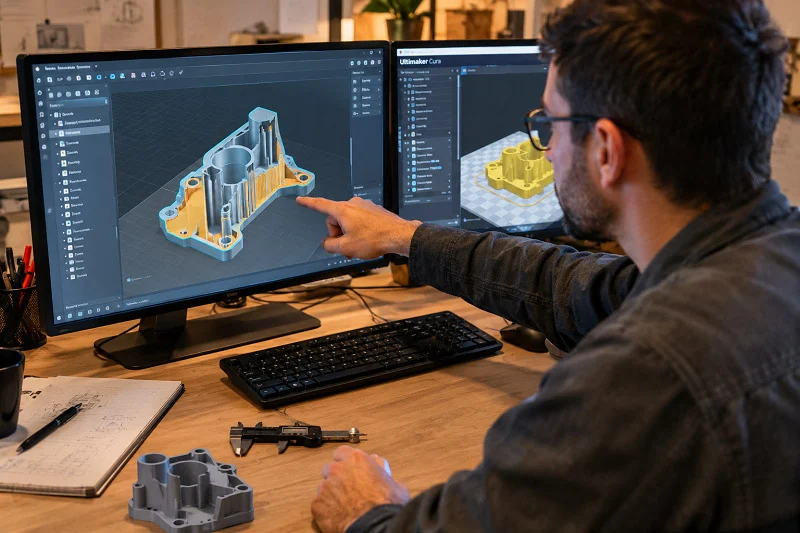
Rapid prototyping trends are changing. In the past, prototyping had a narrow role. It happened at the start of product development, where teams checked designs, tested fit, and validated basic functions. Then the process moved to production. That view is now outdated. Today, rapid prototyping extends beyond early-stage development. 3D printing, CNC machining, and vacuum casting can produce functional prototypes, support bridge production, and meet low-volume manufacturing needs. The line between prototyping and production is becoming less clear, as companies use the same processes to test designs and make usable parts.
These rapid prototyping trends point to a bigger question: Is rapid prototyping becoming a broader manufacturing strategy, or is it still just a step before mass production? The answer depends on how companies use these technologies, how much they need to produce, and what their products must do.
1. Key Rapid Prototyping Trends Reshaping Manufacturing
AI-Driven Design and Faster Iteration
AI-assisted design changes the early stages of product development. Engineers evaluate concepts faster, while design optimization tools suggest improvements. Automated workflows reduce manual steps, and design cycles become shorter. Rapid prototyping trends show AI moving from a new tool to a regular part of engineering work. Engineers still make the final decisions. AI simply helps them explore more options.
Advances in 3D Printing Materials and Technologies
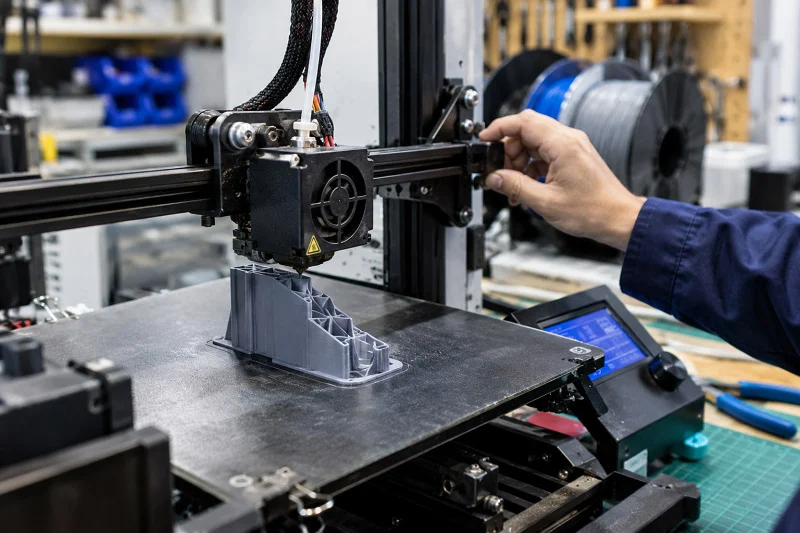
Polymer 3D printing improves every year. Metal 3D printing does too. Material options expand, and more complex geometries become possible. Functional part production is now practical for more applications. Parts that once served only as visual models can now carry loads, withstand heat, or resist chemicals, depending on the material and process. Rapid prototyping trends in materials and printing technology are making this possible.
Hybrid Manufacturing and Integrated Workflows
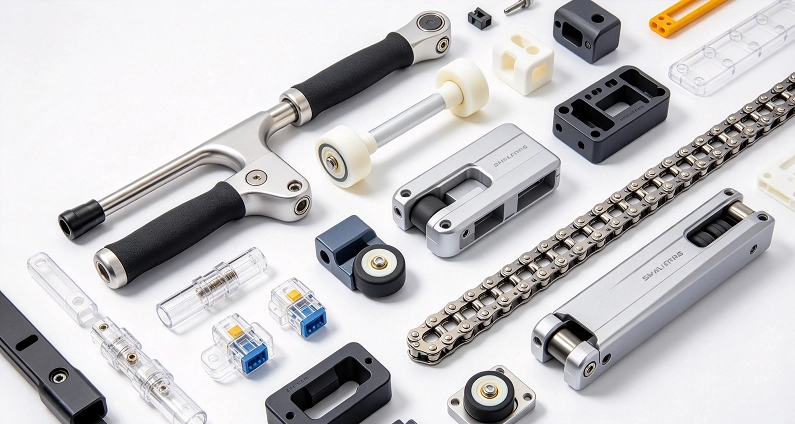
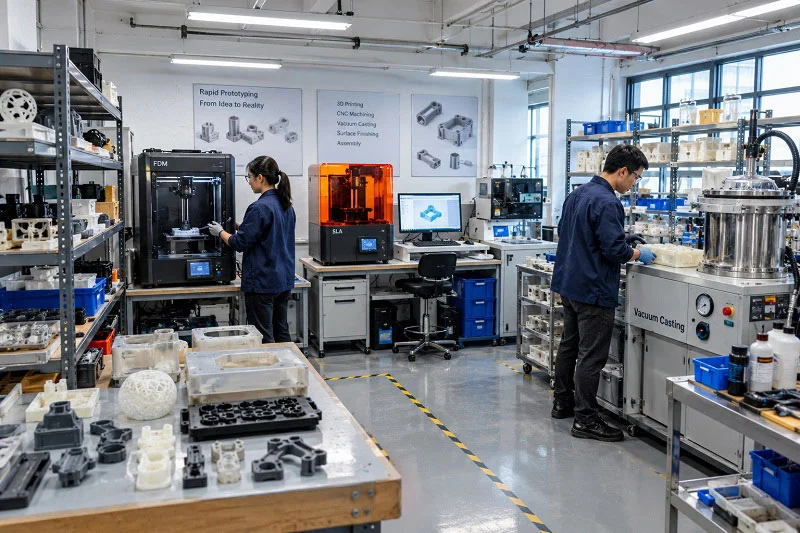
Manufacturers combine processes to get better results. 3D printing handles complex geometries. CNC machining delivers critical dimensions. Vacuum casting produces multiple copies, while surface finishing provides the required appearance. Each process does what it does best, and the workflow brings them together. Rapid prototyping trends favor this hybrid approach. No single process can meet every need, but the right combination can.
NOBLE, a leading manufacturing company in China, uses this approach across its manufacturing services. Our team combines CNC machining, 3D printing, vacuum casting, and surface treatment to help clients move from prototypes to low-volume manufacturing, with professional support throughout the process.
2. Why Rapid Prototyping Is Becoming a Production Strategy
Shorter Product Development Cycles
Rapid iteration helps teams identify design issues earlier and make changes before they become expensive production problems. Companies can test ideas, refine parts, and prepare products for market in less time. Rapid prototyping trends show that speed is becoming a competitive advantage. Saving even a few weeks can help a company respond to market demand sooner.
Lower Upfront Investment and Greater Flexibility
Some rapid prototyping processes reduce the need for expensive tooling at the start. No steel molds. No large initial investment. This makes uncertain demand easier to manage and gives companies more room to adjust designs or order quantities. Rapid prototyping trends favor this flexibility. Companies can delay major production commitments and respond faster when requirements change.
Growing Demand for Customization and Small Batches
Manufacturers are using flexible production methods to make customized parts and limited quantities without investing in mass-production tooling too early. This works well for specialized equipment, product variations, and markets where demand is hard to predict. Rapid prototyping trends reflect this shift. Small-batch production is no longer just a niche option; it is a practical strategy for meeting specific customer needs.
3. How Rapid Prototyping Technologies Support Low-Volume Manufacturing
3D Printing for Complex and Customized Components
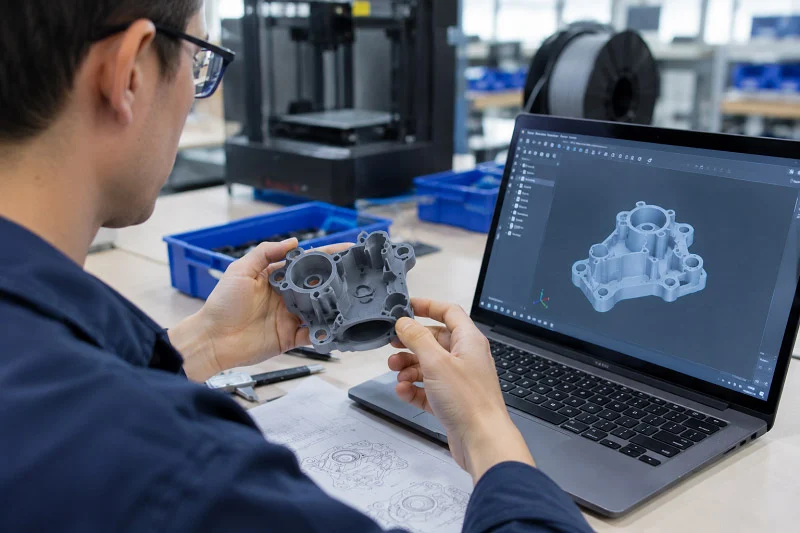
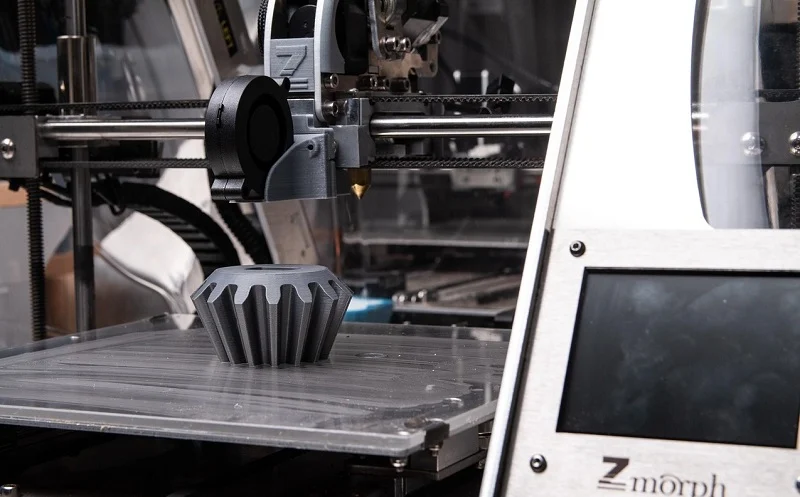
Additive manufacturing supports complex geometries and customized designs without dedicated tooling. It can also produce selected end-use parts when the material and process meet the application’s requirements. Rapid prototyping trends show 3D printing moving beyond visual models to functional components with internal channels, lattice structures, and organic shapes. For low-volume parts, avoiding tooling can make design changes easier and more economical.
CNC Machining for Precision Functional Parts
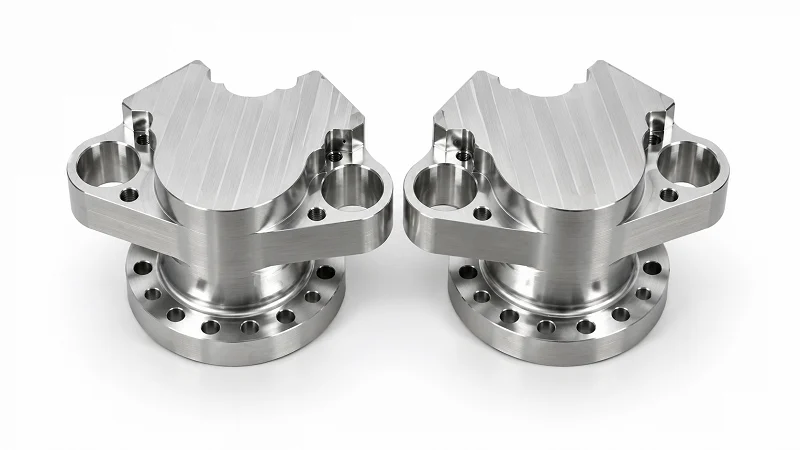
CNC machining produces accurate parts from engineering metals and plastics, making it suitable for functional testing and low-volume production. It supports tight tolerances, smooth surface finishes, and materials that closely match those used in final products. Rapid prototyping trends increasingly include CNC machining as a production option, not just a way to make prototypes. For parts with demanding dimensional requirements, it can offer a direct path from design validation to small-batch manufacturing.
Vacuum Casting for Small Batches of Plastic Parts
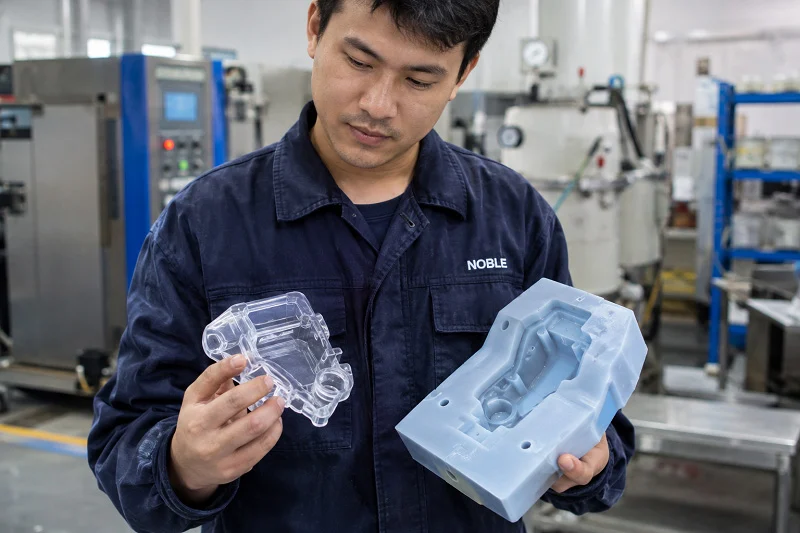
Vacuum casting uses silicone molds to produce detailed plastic parts, often with polyurethane resins selected to simulate the properties or appearance of production plastics. It supports product evaluation and limited production runs without the cost of a conventional injection mold. Depending on part size, geometry, and mold life, a mold may produce around 20–50 parts. Rapid prototyping trends show vacuum casting serving as a bridge between prototype development and low-volume production, with good detail reproduction and relatively low tooling costs.
Choosing the Right Manufacturing Process
Process selection depends on part geometry, material properties, tolerances, surface finish, production quantity, and total cost. A process that works well for one component may not suit another. Rapid prototyping trends favor matching the manufacturing method to the job rather than relying on a single technology.
4. Bridge Production: Connecting Prototyping and Mass Manufacturing
What Is Bridge Production?
Bridge production fills the gap between prototype validation and full-scale manufacturing. Parts are needed, but production tooling is not ready yet. Rapid prototyping trends show bridge production becoming a practical strategy for keeping projects on schedule while molds and other production tools are being built.
When Should Companies Use Rapid Prototyping for Bridge Production?
Pilot runs need parts. Market testing needs parts. Early customer deliveries may need them too. When tooling lead times delay production, companies can use rapid prototyping processes to fill the gap. Rapid prototyping trends show how bridge production helps businesses deliver parts sooner, test market demand, and start generating revenue before full-scale manufacturing begins.
Managing Quality and Consistency During Scale-Up
Material properties, dimensional accuracy, and repeatability all matter when production volumes increase. Companies must check these factors against product specifications and quality requirements before scaling up. Rapid prototyping trends place greater focus on quality control during this transition. Without consistent inspection and process control, small variations can lead to higher scrap rates and unreliable parts.
5. Challenges That Could Limit These Rapid Prototyping Trends
High Unit Costs at Larger Production Volumes
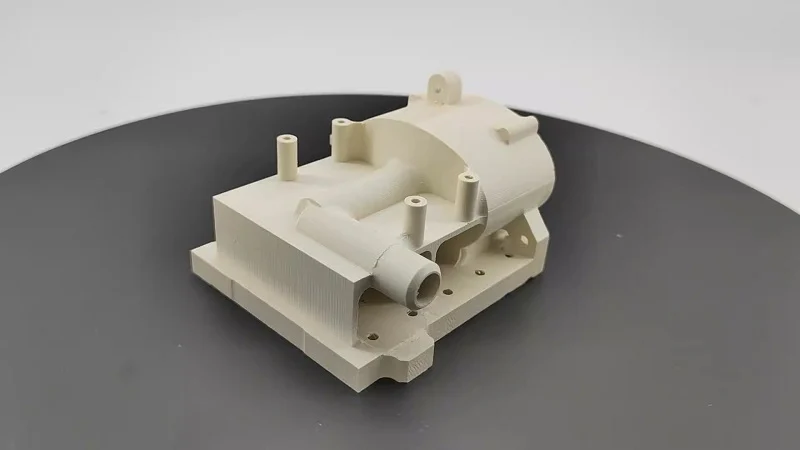
Rapid prototyping processes often require less upfront investment, but their unit costs may remain high as quantities increase. Dedicated tooling costs more at the start, yet it can reduce the cost per part in high-volume production. This is where some rapid prototyping trends meet a practical limit. Injection molding, for example, may become more economical once production reaches a certain volume. The break-even point depends on part geometry, material, tooling costs, and order quantity.
Material Performance and Functional Limitations
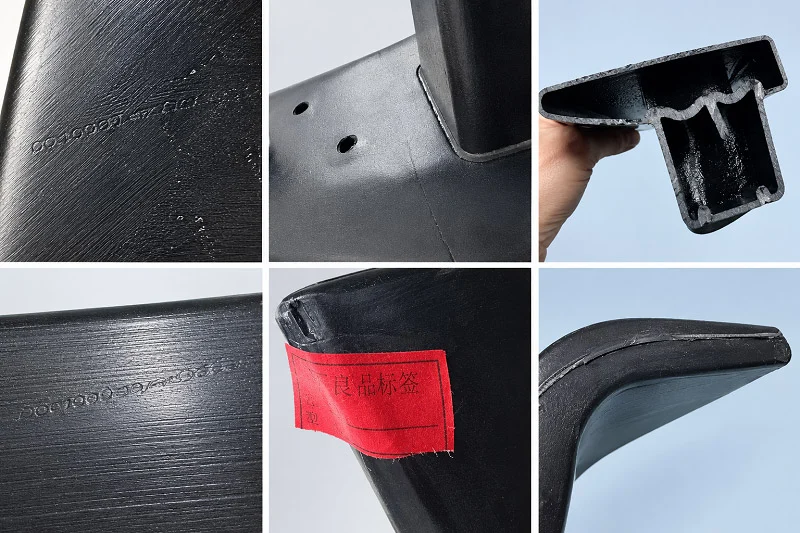
Manufacturing processes affect strength, durability, surface finish, and dimensional stability. Materials used for prototypes may not perform exactly like those used in final production, even when their basic properties appear similar. Rapid prototyping trends must account for these differences, especially when parts face heat, repeated loading, or chemical exposure. Testing helps reveal performance gaps before production decisions are finalized.
Production Capacity and Quality Control
Repeatability, inspection, supplier capabilities, and production planning become more important as order quantities grow. A process that works well for a few prototypes may struggle to maintain the same quality across hundreds of parts. Rapid prototyping trends therefore depend on effective quality systems and reliable process control. Without them, defects and delays can increase as production expands.
6. How to Choose the Right Rapid Prototyping Strategy
Match the Process to Product Requirements
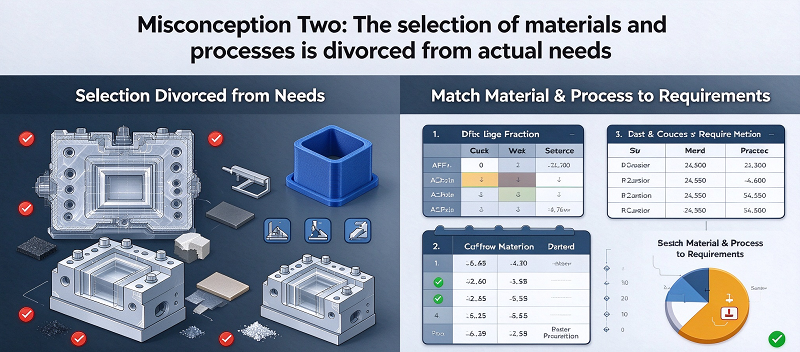
Different processes suit different needs. 3D printing works well for complex geometries and customized parts. CNC machining suits precision components and engineering materials. Vacuum casting is useful for small batches of plastic parts, while injection molding often becomes more cost-effective at higher volumes. Material requirements, part complexity, tolerances, and order quantity all affect the decision. Rapid prototyping trends favor choosing the process that fits the application rather than relying on one method for every project.
Evaluate Total Cost and Lead Time
The real cost involves more than the price of each part. Tooling, setup, finishing, inspection, shipping, and design revisions all affect the budget. Delays can also increase costs when they hold up testing or product launches. Rapid prototyping trends highlight the need to compare total cost and delivery time, not just unit price. A cheaper part may turn out to be the more expensive option if it arrives late or requires repeated rework.
Plan for the Transition to Mass Production
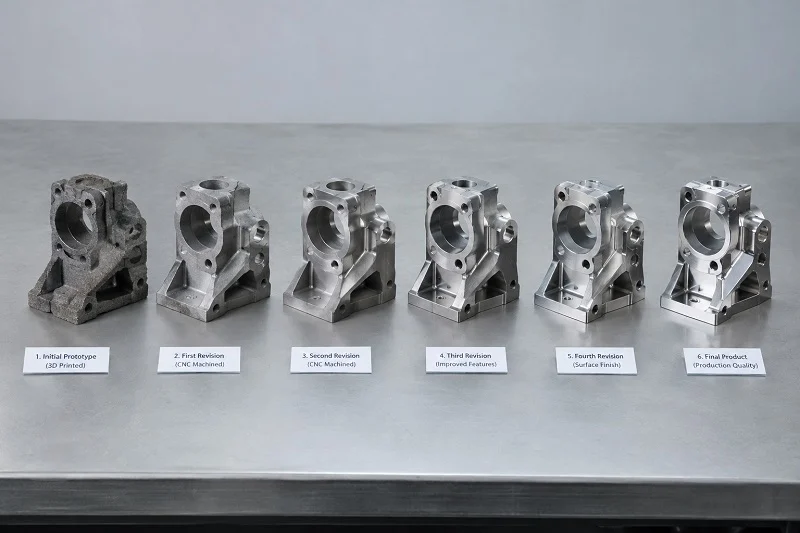
Manufacturing decisions made during prototyping can affect later production, so it helps to consider scale-up early. However, the same process does not have to be used at every stage. A company may use 3D printing for initial design checks, CNC machining for functional testing, and injection molding for mass production. Rapid prototyping trends show that this flexibility is a strength, as long as the transition is planned carefully. NOBLE, a leading manufacturing company in China, supports clients from design review and prototyping to low-volume manufacturing and production preparation, helping align early development decisions with later manufacturing needs.
7. The Future of Rapid Prototyping Trends
Greater Integration Between Digital Design and Manufacturing
AI-assisted engineering, simulation, and connected workflows are bringing design and manufacturing closer together. Engineers can test designs digitally, identify potential problems, and send updated data to production with fewer manual steps. Rapid prototyping trends point toward more integrated workflows, where digital design data moves smoothly from engineering to manufacturing.
More Flexible Low-Volume Production
Manufacturers need flexible ways to handle customized products, bridge production, and uncertain demand. Rapid prototyping technologies support all three. Rapid prototyping trends show low-volume manufacturing becoming a practical option for more businesses. Rather than serving only niche markets, small-batch production can help companies test demand, meet specialized needs, and delay major tooling investments.
From Prototyping Tool to Manufacturing Strategy
The shift is clear. Rapid prototyping still supports product development, but it also plays a role in selected production stages. Companies can use it to make functional parts, fulfill small orders, and bridge the gap before mass production begins. Rapid prototyping trends reflect this change: prototyping is no longer just a tool for testing ideas. It is becoming part of a wider manufacturing strategy.
How NOBLE Supports Rapid Prototyping and Low-Volume Manufacturing
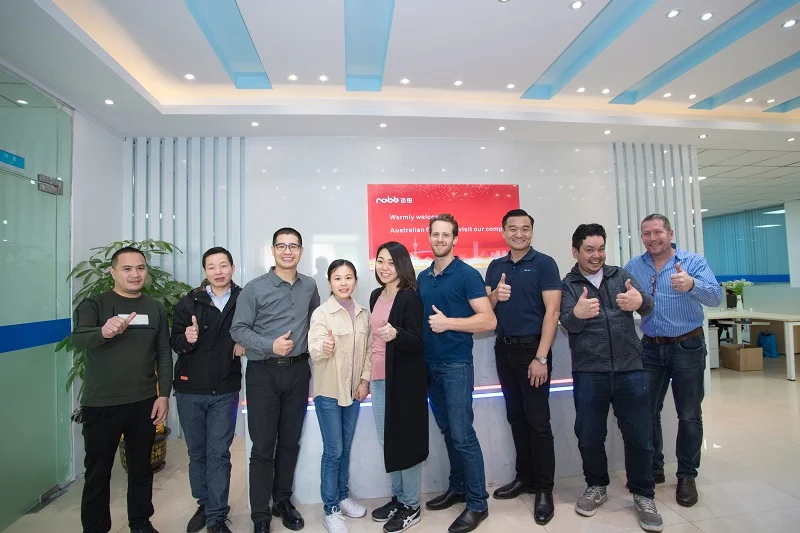
Our Capabilities
NOBLE provides integrated metal and plastic manufacturing services, including CNC machining, 3D printing, vacuum casting, surface treatment, and assembly. Our team also supports design reviews and process selection, helping customers choose practical methods for prototype development and small-batch production. As rapid prototyping trends move toward integrated manufacturing workflows, working with one supplier across several processes can make it easier to coordinate requirements and manage the transition from prototypes to production.
Our Certifications
NOBLE is certified to ISO 9001:2015 and ISO 13485:2016. These quality management systems support consistent production processes and address the quality management requirements relevant to medical device projects. As rapid prototyping trends bring more functional parts into real-world applications, quality planning, inspection, and process control become increasingly important. The right manufacturing approach must consider not only speed and cost, but also the quality requirements of the finished part.
Share your CAD files, material requirements, target quantities, surface finish expectations, and dimensional tolerances with our team. We can review your requirements and discuss suitable manufacturing processes for your project. Rapid prototyping trends increasingly favor collaboration between design and manufacturing teams, and early technical input can help identify potential issues before they affect delivery. NOBLE, a leading manufacturing company in China, combines professional machining expertise with a range of manufacturing capabilities to help clients move efficiently from initial concepts to prototypes and low-volume production.
FAQs of Rapid Prototyping Trends
What are the most important rapid prototyping trends in 2026?
Key rapid prototyping trends include AI-assisted design, advances in 3D printing materials, hybrid manufacturing, bridge production, and the growing use of rapid prototyping technologies for low-volume manufacturing. Together, these developments are expanding prototyping beyond early-stage product development.
Is rapid prototyping becoming a form of low-volume manufacturing?
Yes. 3D printing, CNC machining, and vacuum casting can produce functional parts in limited quantities. Bridge production also helps companies meet early demand while production tooling is being prepared. These rapid prototyping trends make low-volume manufacturing a practical option for suitable applications.
What is the difference between rapid prototyping and rapid manufacturing?
Rapid prototyping mainly focuses on checking designs, fit, and function before full production. Rapid manufacturing uses flexible manufacturing technologies to produce end-use parts. The two can overlap when prototypes meet the performance requirements for actual use. Current rapid prototyping trends show these activities becoming more closely connected.
Which rapid prototyping technology is best for small-batch production?
It depends on the part and its requirements. Vacuum casting is often suitable for small batches of plastic parts, CNC machining works well for precision metal and plastic components, and 3D printing is useful for complex geometries and customized designs. Rapid prototyping trends favor selecting the process based on material, tolerances, surface finish, quantity, and total cost.
When should a company switch from rapid prototyping to injection molding?
Injection molding becomes worth considering when production volume is high enough to justify the upfront mold cost and the lower unit cost can offset that investment. The break-even point depends on part design, material, tooling costs, and expected quantity. NOBLE can help clients compare manufacturing options and assess a suitable transition based on their production needs.
Can rapid prototyping reduce product development costs?
Yes. Rapid prototyping can help identify design problems before expensive tooling is made, reduce the need for repeated physical iterations, and limit material waste in some workflows. Its impact depends on the process and project. One of the main rapid prototyping trends is the use of early testing and faster iteration to reduce development risks and avoid costly changes later.