
How Service Robot Components Are Made: Processes and Materials Guide
Service robot components are made using CNC machining, injection molding, sheet metal work, 3D printing, casting, and forging. Engineers use

Service robot components are made using CNC machining, injection molding, sheet metal work, 3D printing, casting, and forging. Engineers use
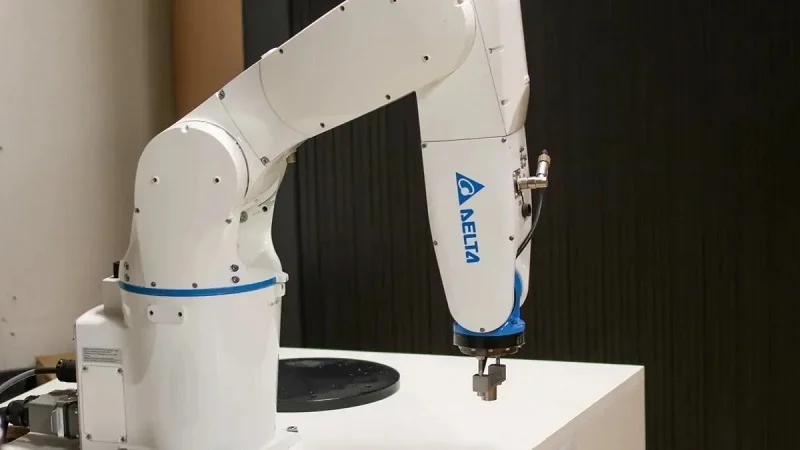
The most common ways to make robotic arm components are CNC machining, DMLS, injection molding, die casting, investment casting, and
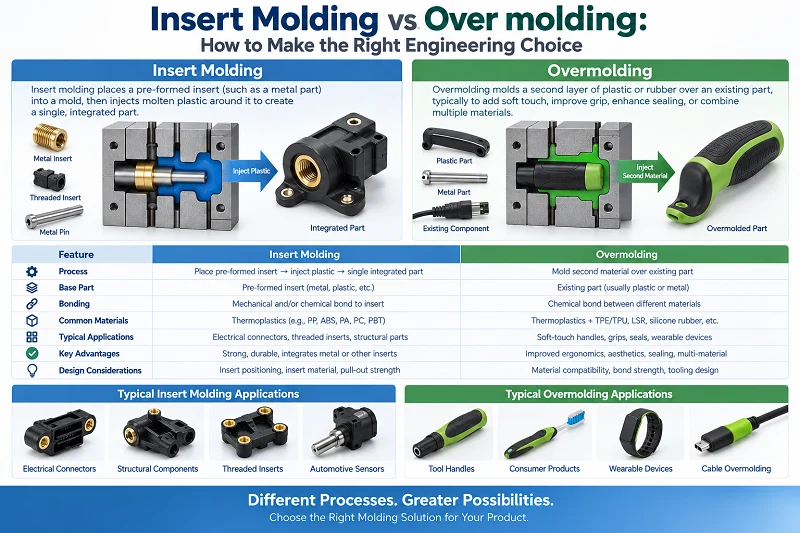
Insert molding and overmolding are the two most common processes in part manufacturing. They are used for medical device parts
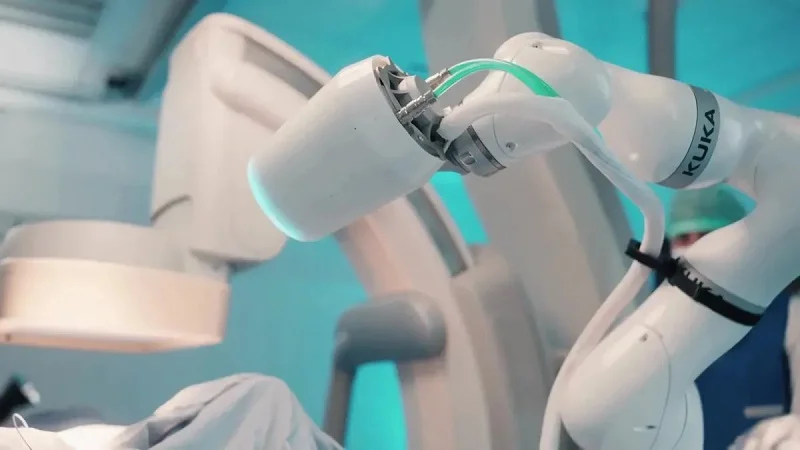
A surgical robot part fails, and a patient gets hurt. That is the real problem behind every choice in this

Hospital robots need parts that work right every time. A tiny flaw in a surgical arm can cause big problems.
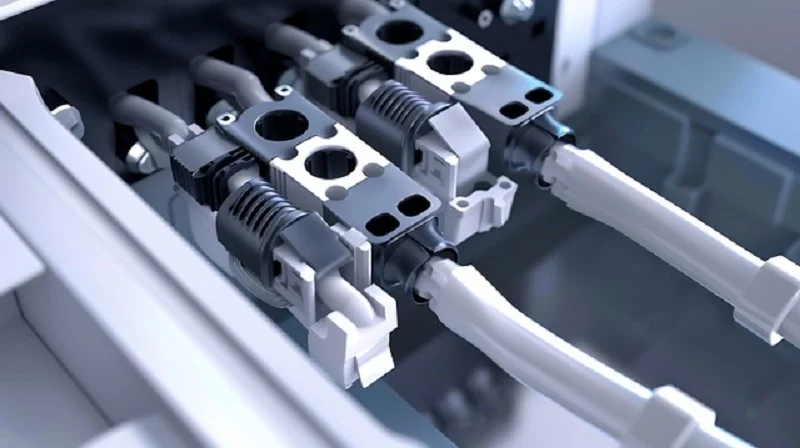
The main exoskeleton structural parts include rigid frames, joints, actuators, linkages, and attachment points. Whether you build passive spring-assisted units
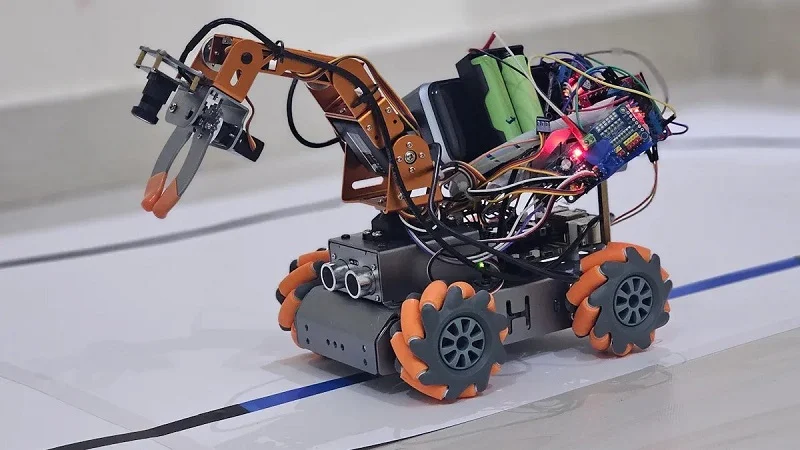
A robotics engineer has a CAD model and must decide how to make it into a real prototype. This means

Choosing a manufacturing process and material for a hospital robot enclosure is really a balancing act. You need low cost,
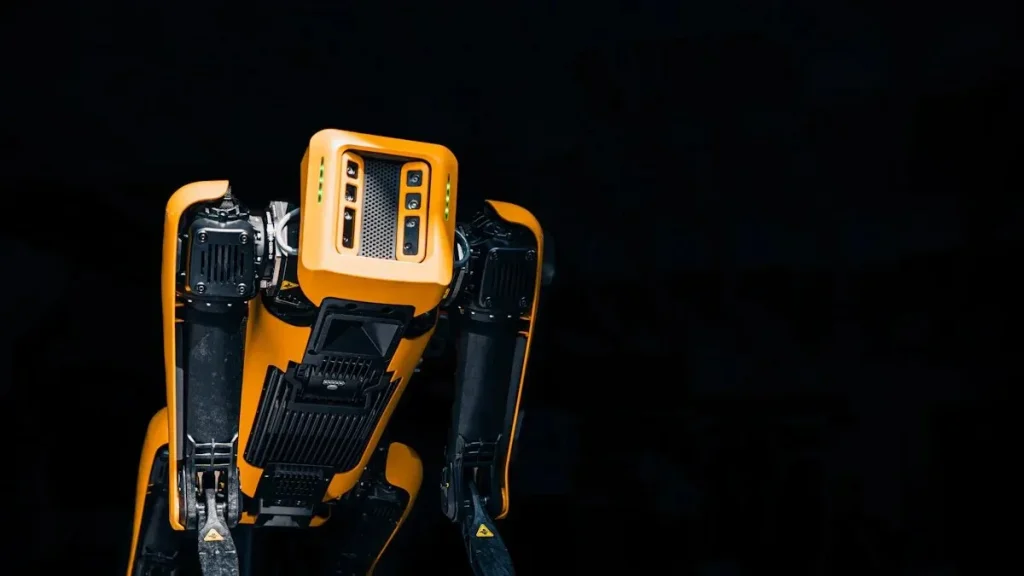
Exoskeleton CNC machining makes parts for wearable robotic systems. This process gives the precision and repeatability these human-augmentation systems need.
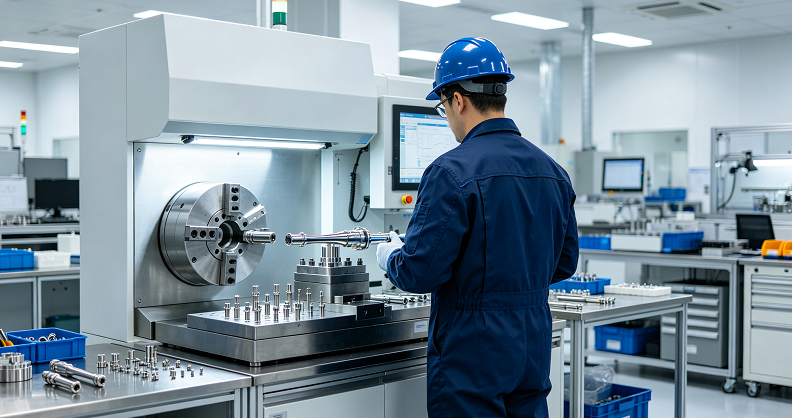
In the field of medical device component manufacturing, stainless steel has become the mainstream metal material for surgical instruments, temporary
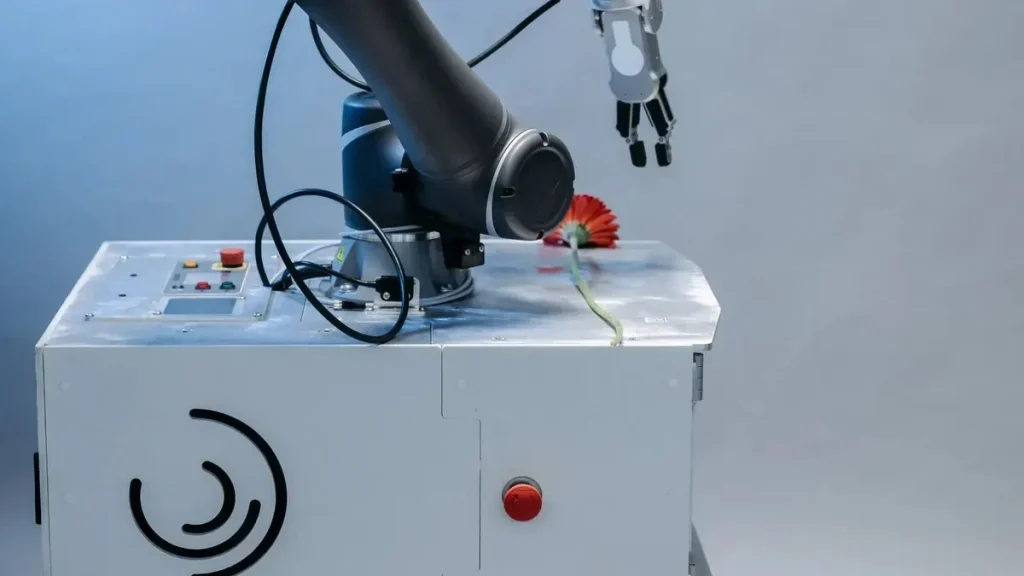
Your care robot components—joints, cases, and frame—must meet strict standards, but which building method and material give the best balance?

What are the main structural parts of an Autonomous Mobile Robot (AMR), and how are they built? The most common
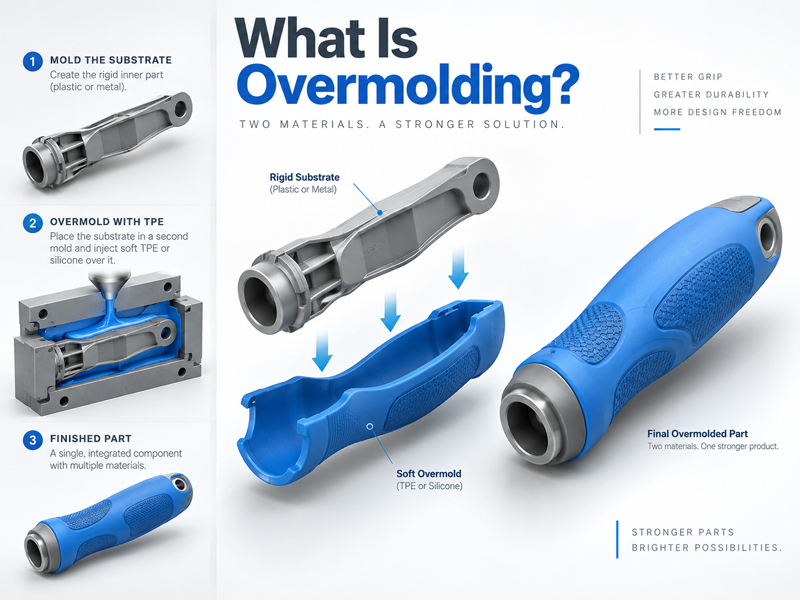
Overmolding is a type of injection molding process. It bonds two materials together well. Each material does its own job.
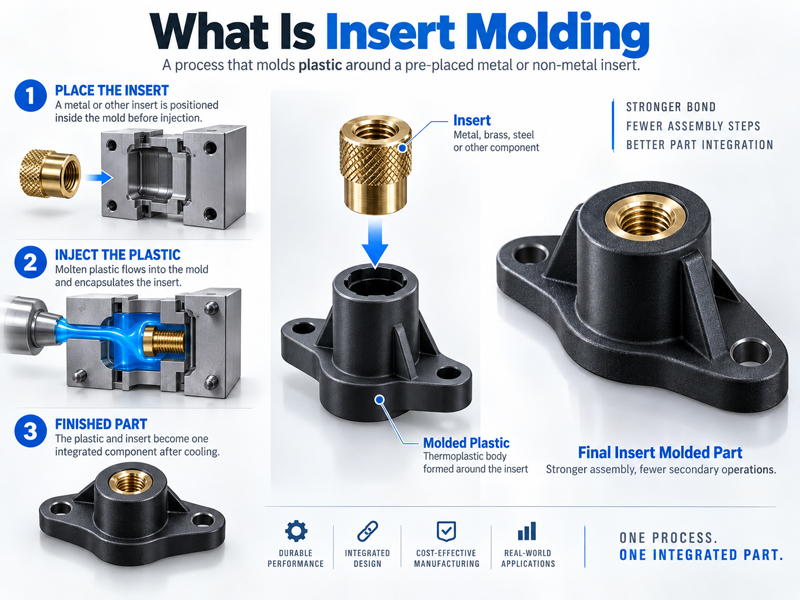
Insert molding is a manufacturing process that is used in many high-precision industries. Many products in the aerospace, medical, and

Your AI robot housing needs a manufacturing process choice. Robot automation systems use injection molding, CNC machining, 3D printing, or
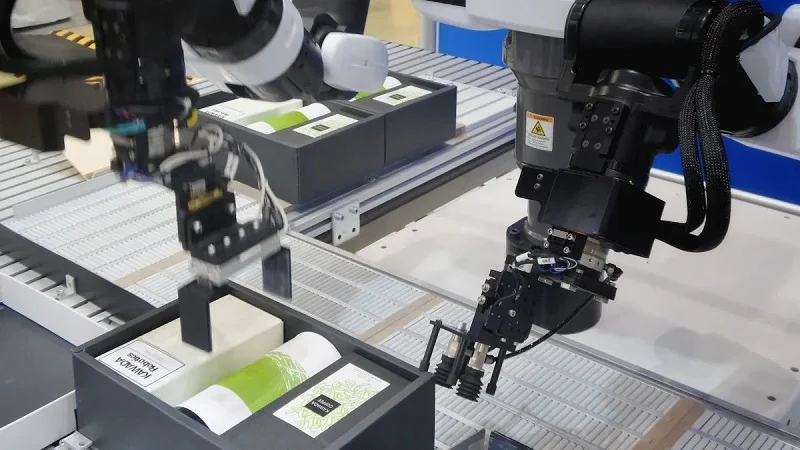
Four main processes are used to make AMR robot parts: CNC machining, injection molding, sheet metal fabrication, and off-the-shelf components.

A wearable robot is a powered device you wear on your body to help you move, and it needs five

For most sample racks, CNC milling of 6061 aluminum gives you the best balance. It cuts quickly, holds tight tolerances,

Sample disk CNC machining often uses aluminum, stainless steel, and plastics like POM and acrylic. These materials give you different
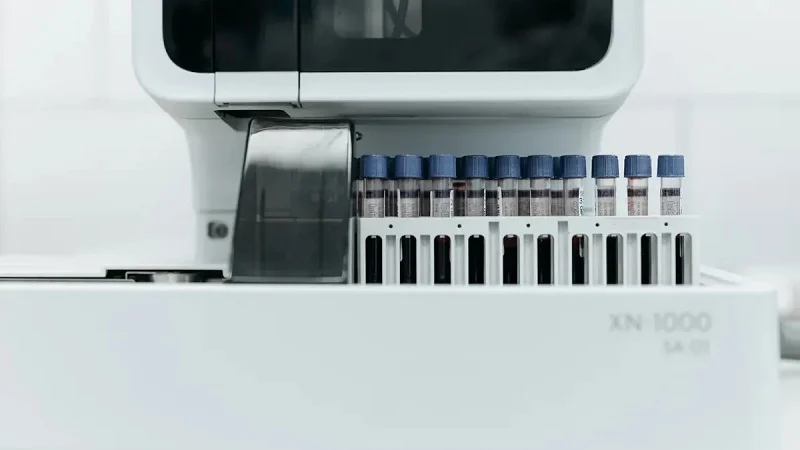
A reagent tray’s reliability starts with the right material and ends with consistent precision. What makes reagent tray CNC machining
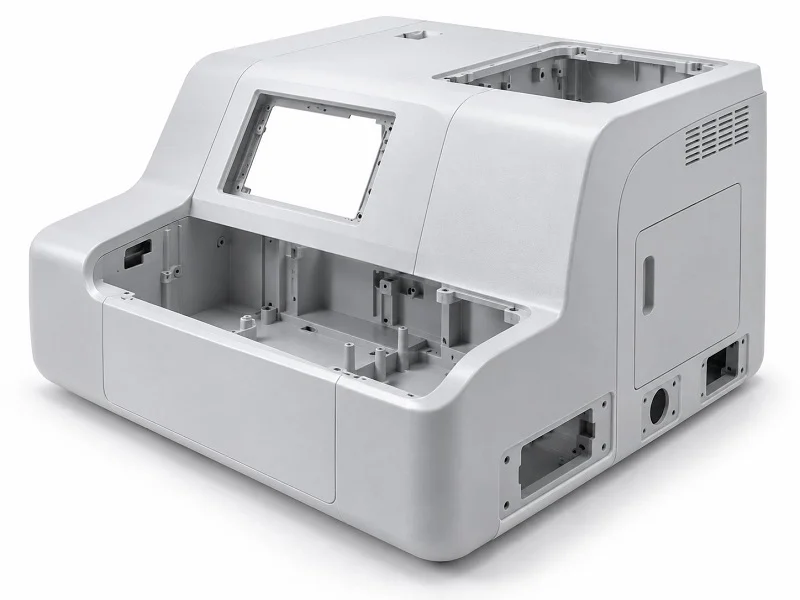
Injection molding, thermoforming, and Reaction Injection Molding (RIM) are the main ways to make a portable medical device enclosure. For
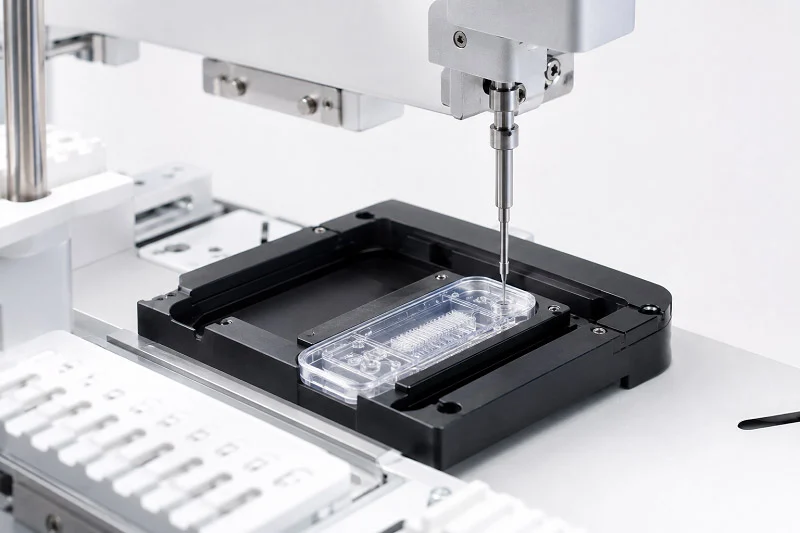
Lab-on-chip components are tiny devices that fit full lab functions onto one chip. The materials and manufacturing methods you choose
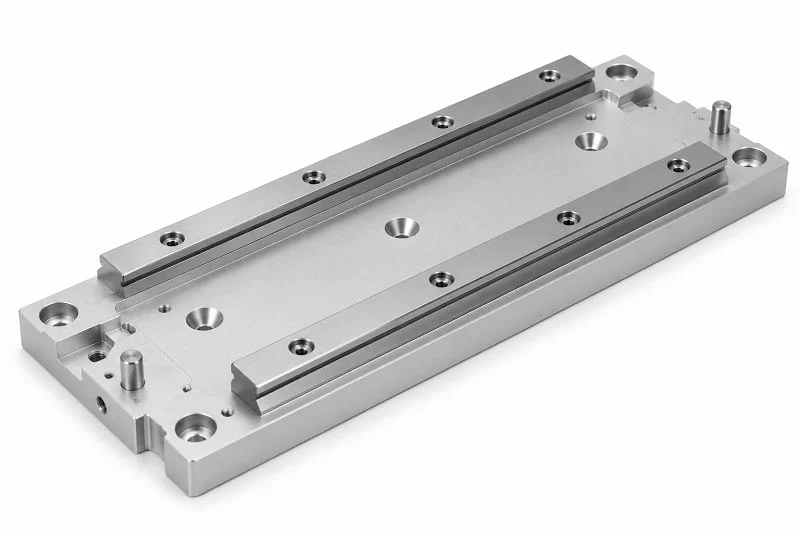
Picking the right linear guide mounting plate can feel confusing. For most uses in 2026, 6061-T6 aluminum with CNC machining
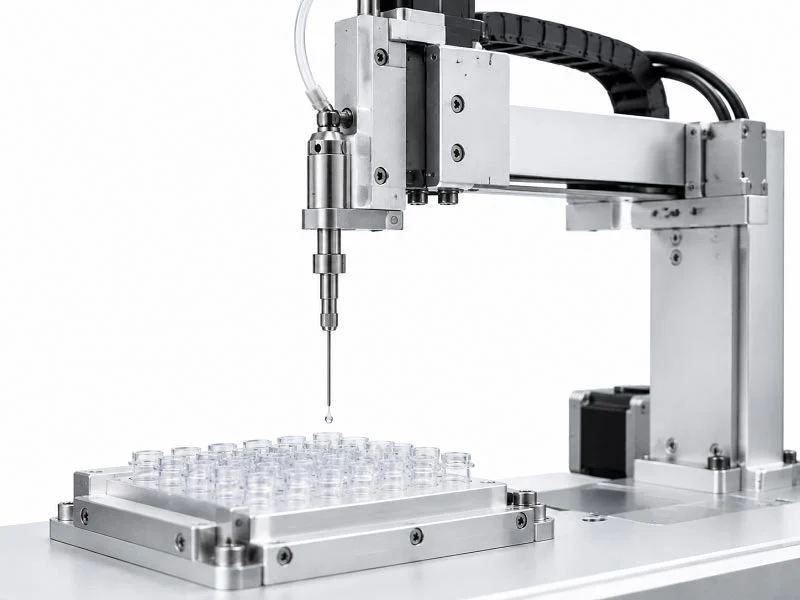
You need the right materials for liquid handling robot parts. Engineering plastics like PEEK and PTFE stand up to harsh
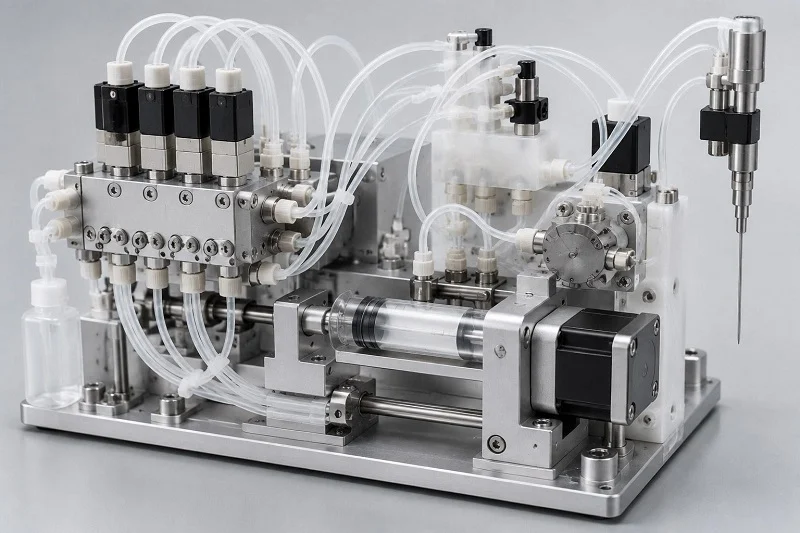
Building a reliable medical device starts with a hard truth. Your entire system depends on how precise its IVD fluid
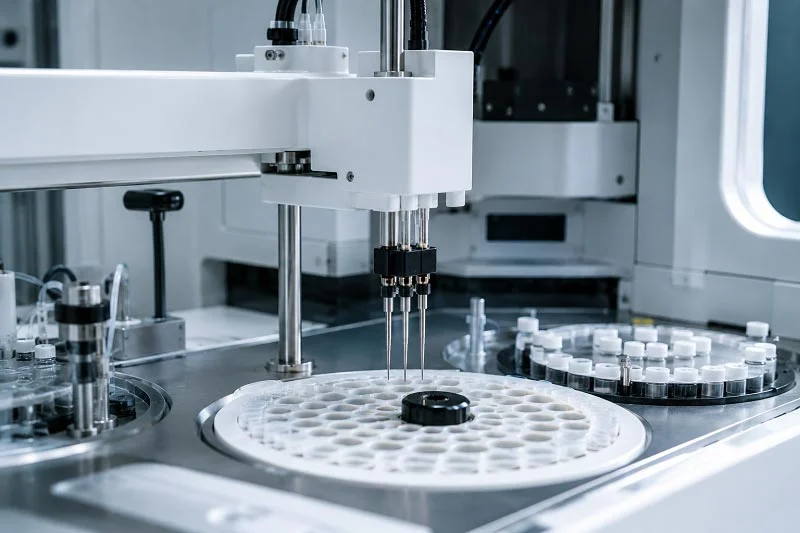
Finding the right process for a reaction cup holder means weighing several factors. The common manufacturing processes each match different
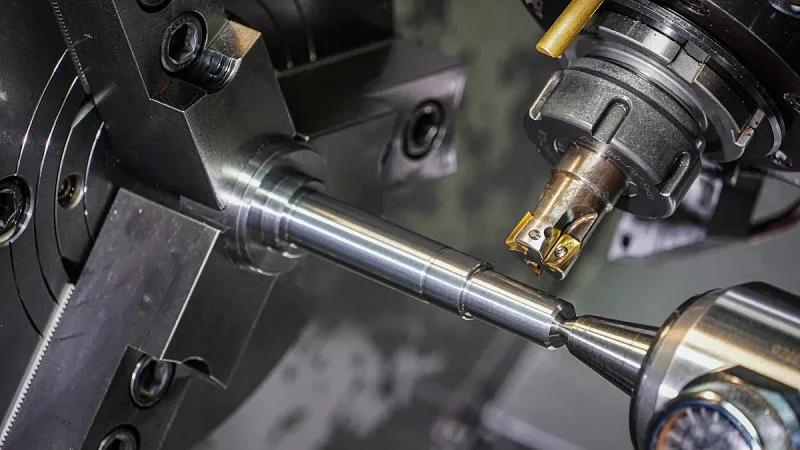
Detection chambers are critical components in semiconductor tools, aerospace sensors, and medical diagnostics, where precision and reliability are non-negotiable. Every
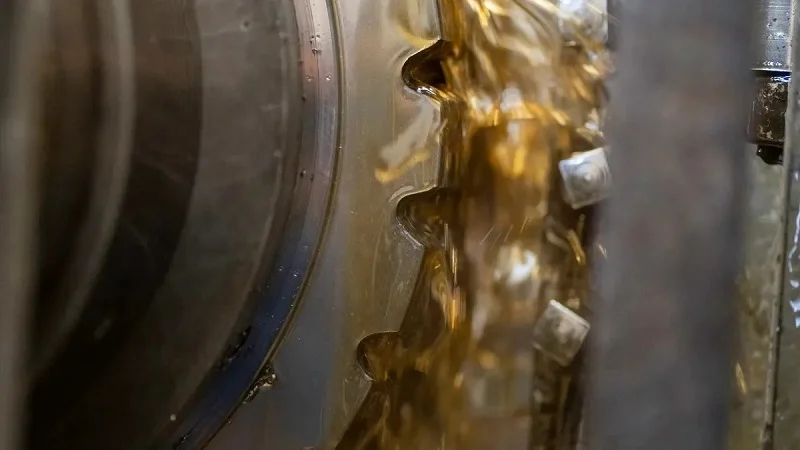
Imagine an infusion pump valve failing during surgery. A patient’s life depends on a part smaller than a fingertip. Engineers
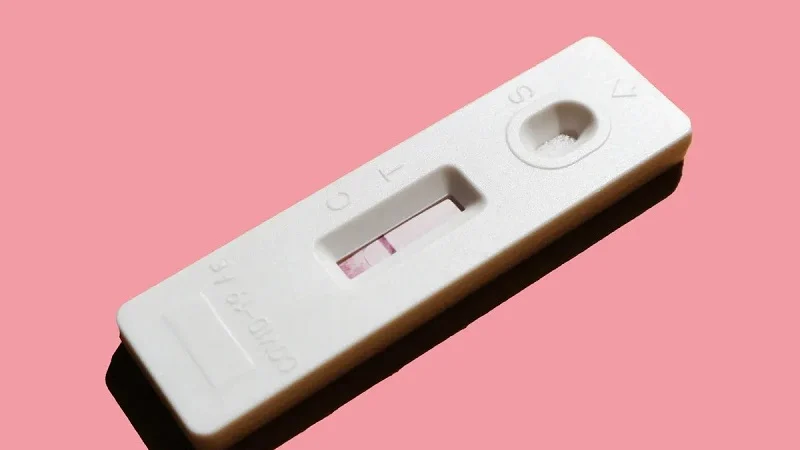
Rapid diagnostic device parts are made using different methods. Injection molding, 3D printing, CNC machining, and precision etching each have
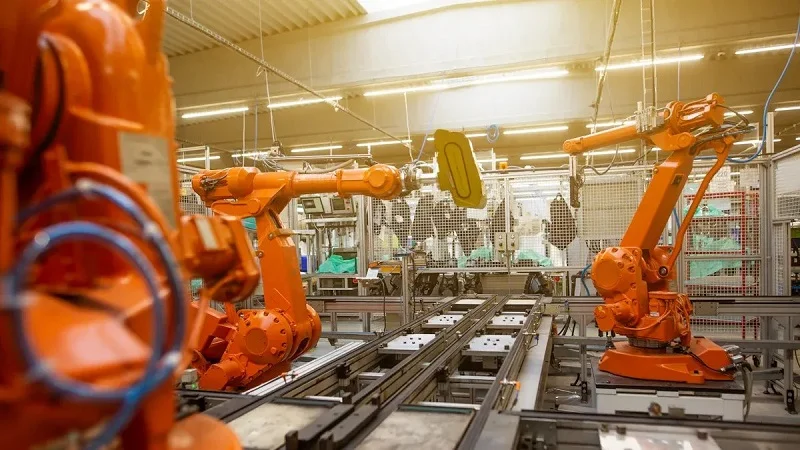
Reagent disc components power modern diagnostics. These microfluidic devices hold reservoirs, mixing zones, and detection chambers. Manufacturers shape them using
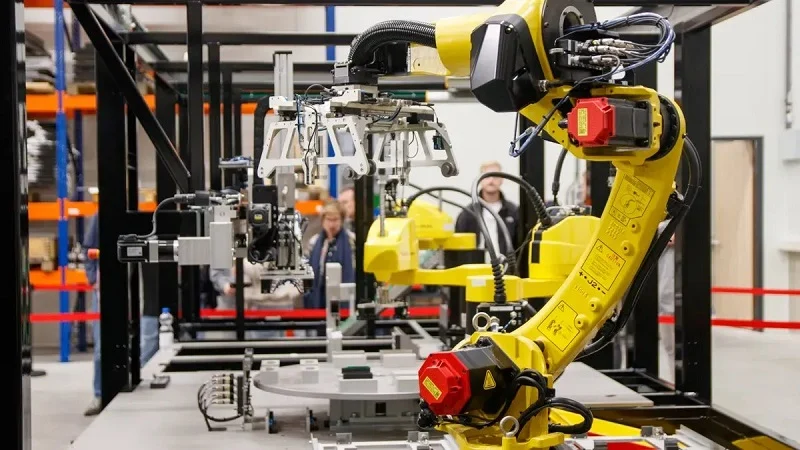
Lab automation is transforming how laboratories conduct research and testing, delivering faster, more reliable outcomes. Automated systems establish streamlined workflows
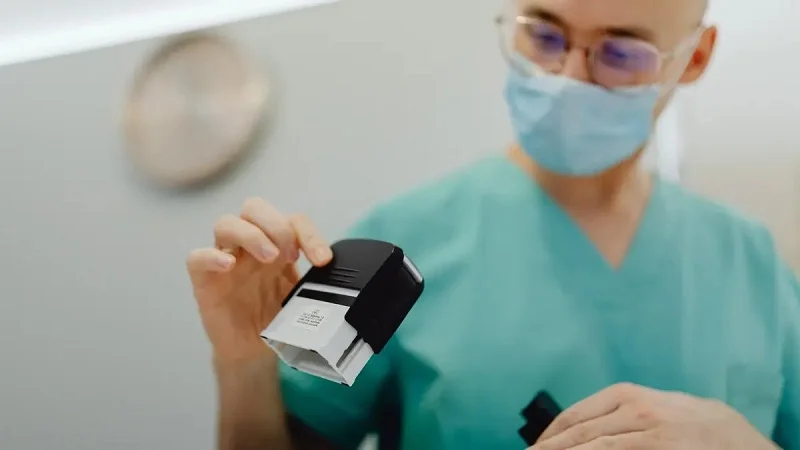
AI tools that help doctors diagnose are transforming patient care at an unprecedented pace. Consider this: the global market for
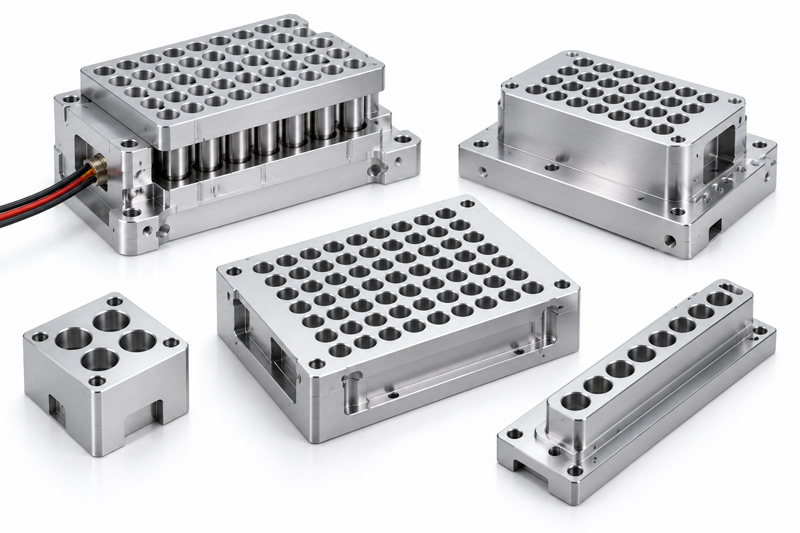
The PCR heating block, also known as the PCR temperature control module, is the thermal management structure of PCR equipment.
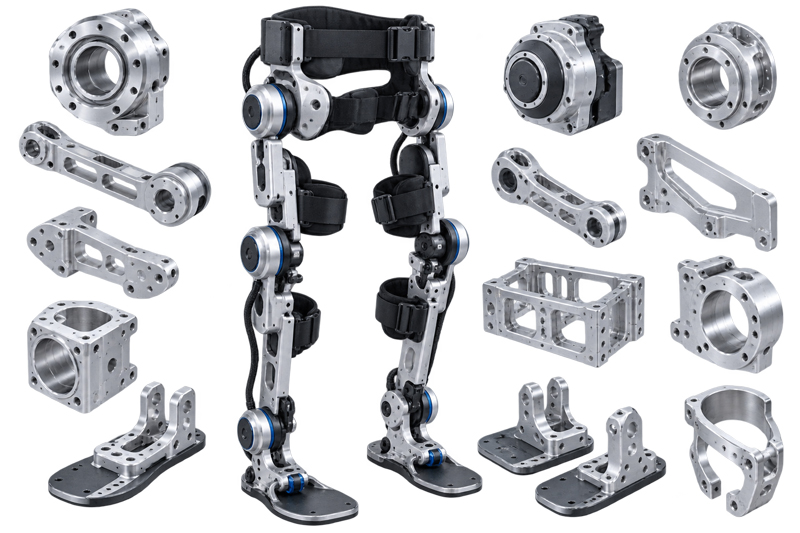
Rehabilitation exoskeleton robots are becoming an important technology in the field of rehabilitation medicine. They help patients regain their mobility
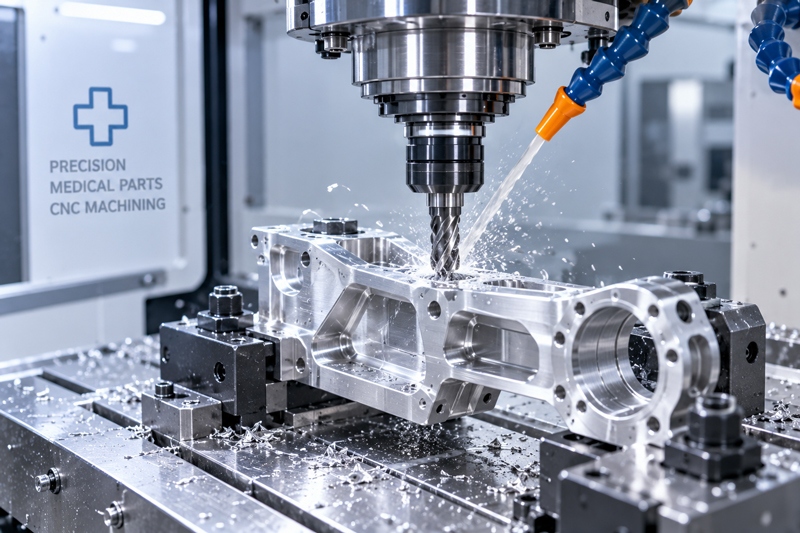
7075 aluminum alloy is an aluminum alloy with zinc as its main alloying element. It has excellent mechanical properties, demonstrating
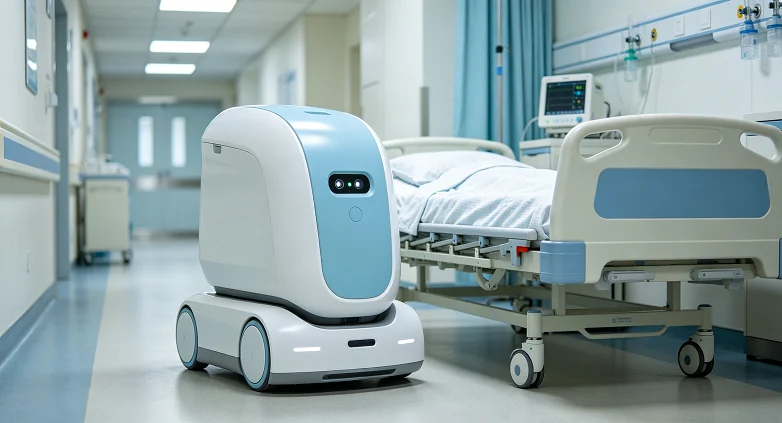
1. What is Patient Transfer Robot CNC Machining Patient transfer robots help move patients safely between beds, wheelchairs, and bathing
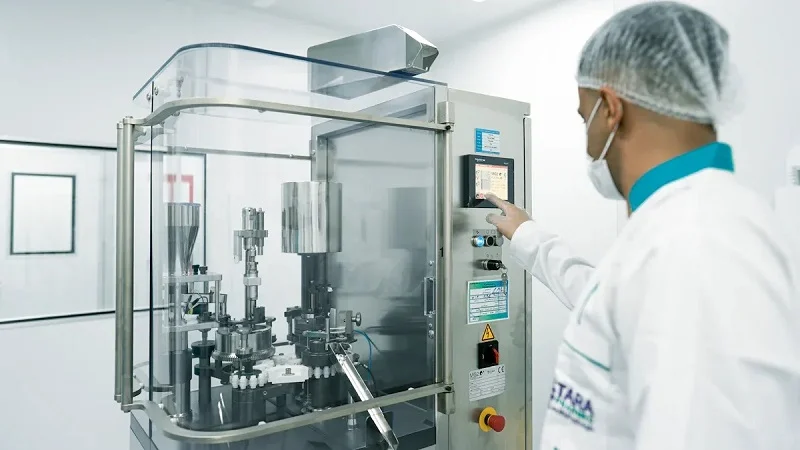
A catheter hub cracks after its first steam autoclave cycle. The polymer met biocompatibility standards, but it couldn’t handle the
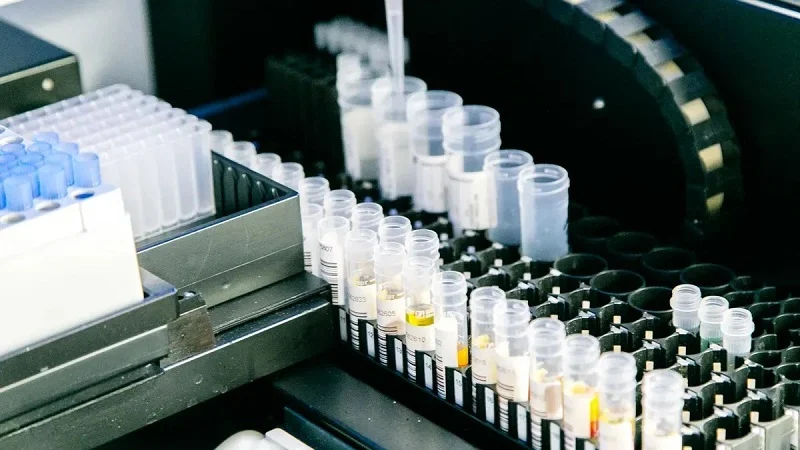
Picture this: you’re in the lab, testing a corrosive chemical at high heat. Your current holder reacts with the substance,
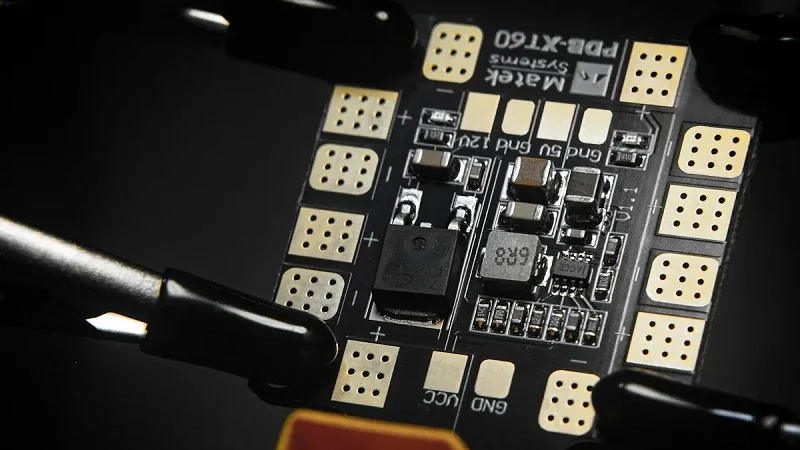
Every microfluidics experiment faces the same problem: connecting a delicate chip to real-world equipment. A custom microfluidic chip fixture solves
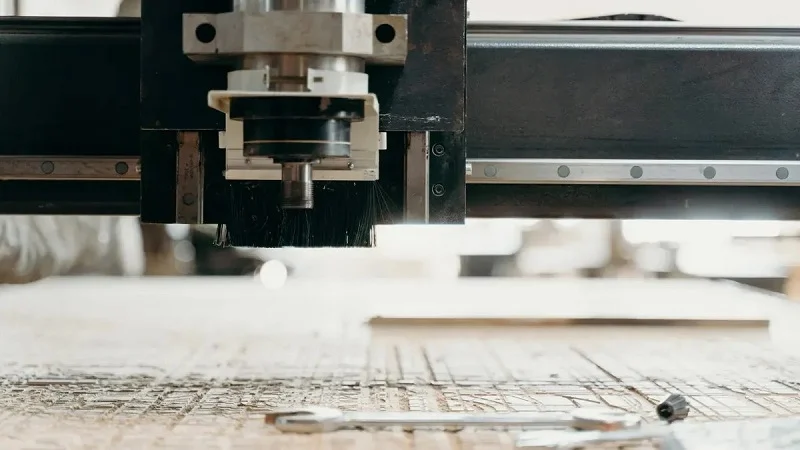
Data centers, medical devices, and aerospace systems rely on fluidic modules CNC machining. These modular cooling parts handle heat using