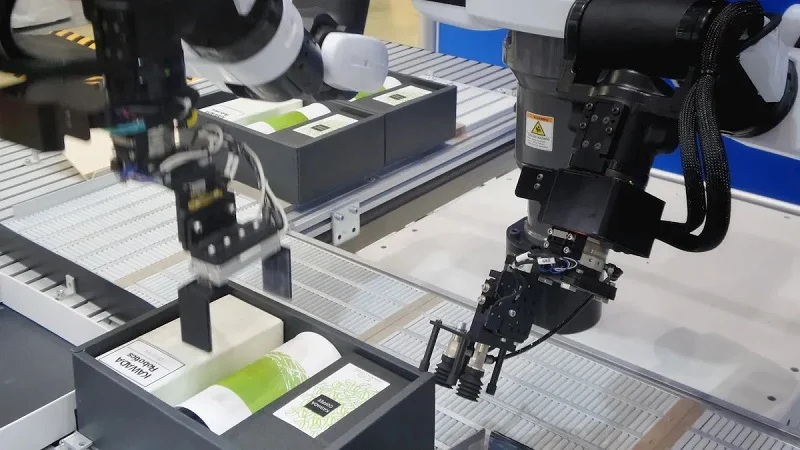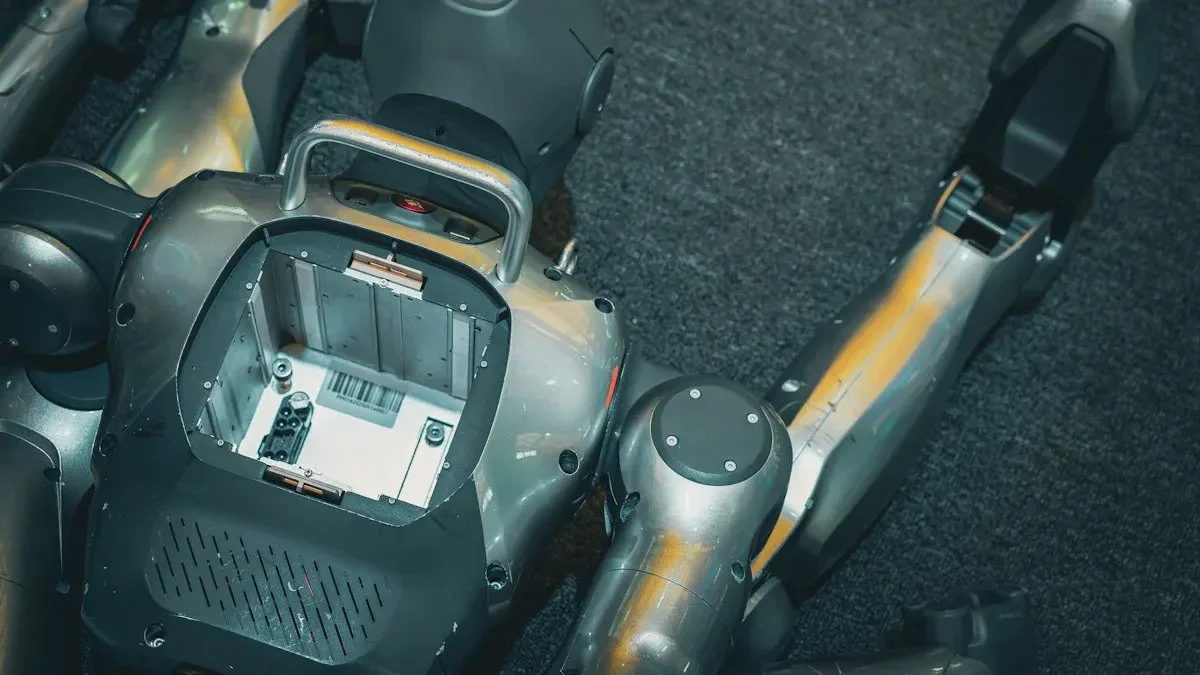
Your AI robot housing needs a manufacturing process choice. Robot automation systems use injection molding, CNC machining, 3D printing, or sheet metal fabrication. These robot automation systems work with materials like aluminum, ABS, polycarbonate, carbon fiber, and stainless steel. Manufacturing materials affect AI systems and sensor integration for robot systems. These AI robot systems need thermal management and EMI shielding for robot sensors. The manufacturing process affects robot weight and structural rigidity for robotics systems and automation systems. So which robot design process gives your robotics system the best design for production automation systems in robotics? Production cost, volume, and robot durability drive the choice for AI robot production systems. Artificial intelligence helps improve production automation systems for robotics systems and design.
Materials for AI Robot Housing: Metals and Alloys
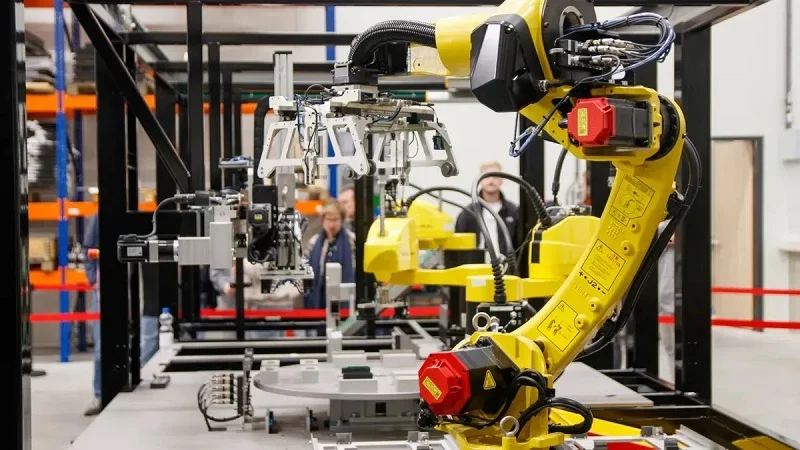
Metals give an AI robot housing something plastics often cannot. They pull heat away from crowded electronics. They stop electromagnetic interference. They keep tight tolerances for precision parts. That is why many robotics platforms depend on aluminum, stainless steel, titanium, and magnesium.
Aluminum Alloys
Properties and Benefits
Aluminum is the main metal for robot frames and shells. It is light, with a density of 2.7 g/cm³. It moves heat well, with thermal conductivity between 120 and 180 W/m·K. A machined aluminum housing also gives strong EMI shielding, about 80 to 100 dB from 10 kHz to 40 GHz. Those numbers matter for AI systems that fit sensors, boards, and motors into one tight space.
Grade choice changes everything. The table below shows how two common alloys compare.
| Property | 7075-T6 | 6061-T6 |
| Ultimate tensile strength | ~570 MPa | ~310 MPa |
| Yield strength | ~500 MPa | ~275 MPa |
Both alloys have a similar elastic modulus of 69–72 GPa. Stiffness is not the difference. Strength is. Grade 7075 lets you use thinner walls while keeping safety margins, which helps lightweight design goals. Grade 6061 wins when welding and cost matter more than saving the most weight.
Limitations and Cost
Aluminum costs more than plastics. Bar stock runs about $6.6–11 per kilogram. It also needs machining or casting, so tooling and labor add up. On the good side, aluminum machines very well. It cuts 2–4 times faster than stainless steel, wears tools less, and needs less rigid fixturing. For many robot parts, that speed makes up for the material price.
Typical Applications
You will find aluminum in structural frames, heat-dissipating panels, and outdoor robot bodies. A study on Al6061 hybrid composites reinforced with SiC, Al2O3, and fly ash found that a mix with 5% of each additive showed good mechanical properties and good EMI shielding in the X-band. Standard 6061 has no built-in shielding, but a composite version can gain it.
Stainless Steel
17-4 PH and Other Grades
Stainless steel brings serious strength. Grade 17-4 PH reaches roughly 190–200 ksi tensile strength, far above 304 or 316 at 75–90 ksi. It machines well in Condition A, the annealed state, and can be heat-treated afterward. It also works with CNC machining and DMLS metal printing, so complex housings are possible.
Strength and Corrosion Resistance
Corrosion behavior separates the grades. The table below sums it up.
| Grade | Approx. Tensile Strength (ksi) | Corrosion Resistance |
| 17-4 PH | 190–200 | Good |
| 316 SS | 75–90 | Excellent |
| 304 SS | 75–90 | Good |
| 416 SS | 75–95 | Fair |
| Titanium (Grade 5) | 130–150 | Excellent |
17-4 PH matches 304 in many settings and beats 416 by a wide margin. It handles atmosphere, fresh water, and mild chemicals well. Stagnant seawater is a weak spot, though. Chloride-rich conditions can cause crevice corrosion, and 316 or titanium would serve better there.
Industrial Use Cases
Factory robots often live indoors, so 17-4 PH fits. It gives high strength plus adequate corrosion protection. Washdown stations and chemical plants push toward 316 instead. Stainless steel is heavy at 7.8 g/cm³, so weight-sensitive robotics may skip it. Its thermal conductivity of 15–25 W/m·K is also low, which limits heat spreading.
Titanium and Magnesium
Ti-6Al-4V Properties
Ti-6Al-4V, or Grade 5 titanium, pairs high strength with excellent corrosion resistance. Its tensile strength sits at 130–150 ksi. Density is 4.5 g/cm³, lighter than steel but heavier than aluminum. Thermal conductivity is low at 7–22 W/m·K. Machining is difficult, and no cost data was available in our sources, so treat it as a premium option.
Magnesium: Ultralight Option
Magnesium is the lightest structural metal. It shields against EMI and cuts weight hard. Flammability is the catch. Fine chips and dust can ignite, so shops need special handling. That risk keeps magnesium out of some AI robot housing programs.
Aerospace and Premium Robots
Titanium shows up in aerospace and high-performance robots where every gram counts. Magnesium appears in select lightweight structures too. Both raise cost and processing complexity. For most AI robotics builds, aluminum or stainless steel remains the practical pick.
Materials for AI Robot Housing: Polymers and Plastics
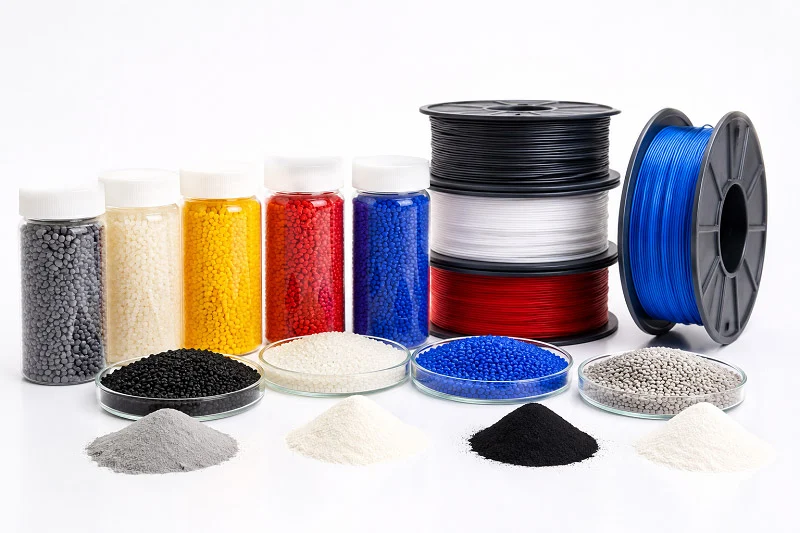
Polymers work in robot systems differently than metals. They cut down weight and cost. They also fight rust. But they move less heat and stop less EMI. The right materials for AI robot housing must fit the job.
ABS
Cost and Moldability
ABS costs less than most materials for robot bodies. It flows well into molds. Tooling costs stay low. Short cycle times help high‑volume production. That makes ABS a smart pick for home robot parts. Many light robot parts use ABS. It adds little weight to the whole structure. Makers can easily add paint or texture to finished surfaces.
ABS works well indoors for robot systems. Temperature stays steady there. The material works for light structures and robot parts. No special drying is needed before processing. That saves production time.
Thermal and UV Limits
ABS has clear limits. It softens around 100°C. UV light hurts its surface outdoors. Cracks appear after weeks in sunlight. Outdoor robot bodies cannot use ABS alone. Hot parts inside the robot also cause issues. Heat control is needed for any ABS‑based design.
The UV problem shows up fast. The surface turns yellow, then grows brittle. Coatings help but add cost. For indoor home robot housing, this does not matter. But outdoor robot systems need different materials for body parts.
Consumer Robot Applications
Home assistant robots often use ABS. Cleaning robot bodies use ABS. The material keeps weight and cost low. Moldability lets designers add curves and snap fits. Assembly becomes faster. These light robot bodies meet consumer needs well. The strength is enough for indoor use.
Polycarbonate
Impact Strength and Clarity
Polycarbonate brings toughness to robot systems. Look for UL 94 V‑0 flame rating. Look for Izod impact over 600 J/m. These numbers matter for robot design. Impact strength is 600 to 850 J/m. Optical clarity stays excellent across visible light. That makes it the best clear engineering thermoplastic film for robot parts.
PC panel impact rating: Look for UL 94 V‑0 flame rating and Izod impact >600 J/m—not just “polycarbonate used.”
Vision system covers need this material. Robot sensor covers need it too. It handles hits better than acrylic. It also meets flame rating needs for electronic parts inside the housing.
Stress Cracking Risks
Polycarbonate has one weak point. Stress cracking. Solvents attack stressed areas of robot bodies. Cracks form around screw holes. Designers must relieve stress points in the design. Annealing helps too. Coatings block chemical attack on the light parts.
The material scratches easier than glass. Hard coatings fix that. For robot sensor covers, a coated sheet works well. It stays clear and resists damage.
Sensor Covers and Panels
Sensor covers need clear materials for robot systems. Polycarbonate fits perfectly. LIDAR housings and camera windows use it. The impact resistance protects expensive sensors. The light parts add little load to robot systems.
For self‑driving AI systems, these covers matter. The robot sees through them. Any scratch hurts performance. Polycarbonate with a hard coat solves that. It combines impact strength with surface durability.
Nylon and Glass‑Filled Polymers
Strength and Wear Resistance
Nylon brings high strength and wear resistance for robot parts. Glass‑filled versions push stiffness much higher. Fibers carry the load. The nylon matrix holds them. Together they make strong robot parts. Gears and bearings use glass‑filled nylon for light parts.
The strength‑to‑weight ratio beats many metals. A glass‑filled nylon part can weigh significantly less than an aluminum part while providing similar stiffness. That helps light design goals for robot systems. The material also dampens vibration. Robot systems run smoother with these parts.
Moisture Absorption Issues
Nylon absorbs water. Properties change for structural parts. Strength drops. Dimensions shift. A dry part fits tight. A wet part swells. That causes problems for precision robot parts in AI systems.
Designers must allow for this. Drying before molding helps. Sealing the final part helps too. Indoor robot systems face less moisture. Outdoor robot systems need sealing or different materials for their parts.
Structural Components
Structural robot parts often use glass‑filled nylon. The material is stiff and strong. It resists wear from moving parts. It costs less than metal. For medium‑volume production, these light parts work great.
Robot arms and frames use it. The material cuts weight without losing strength. The robot becomes more efficient. Motors use less power. Overall system performance improves for robot uses.
Materials for AI Robot Housing: Composites and Emerging Options
Carbon Fiber Composites
Strength-to-Weight Ratio
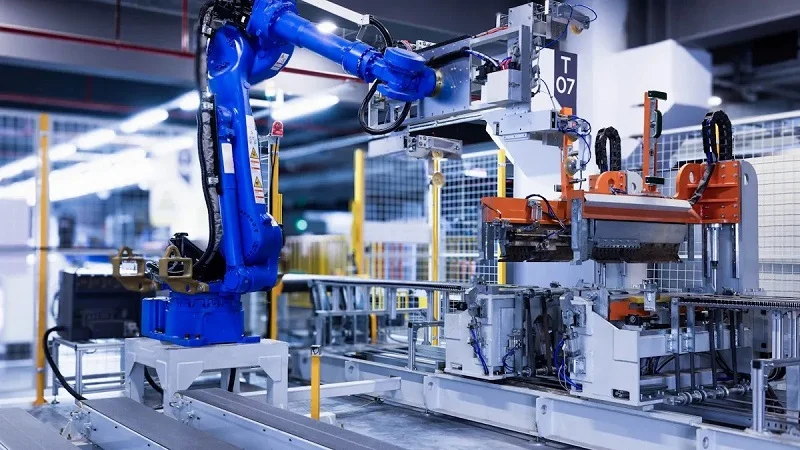
Carbon fiber lets a robot housing be very light yet strong. It has the best stiffness-to-weight ratio of any material. High modulus carbon fiber keeps parts from bending when under load. It stops movement in critical areas like robotic arms. A robot that moves quickly and needs accuracy requires that stiffness. Carbon fiber is much lighter than metals. A carbon fiber part can be as stiff as steel but weigh much less. That helps engineers reach lightweight design goals for any robot. These light parts let robots move faster and use less power.
Cost and Fabrication Challenges
The main issue with carbon fiber is its high cost. It is the most expensive material. Complex manufacturing steps raise the price and lead to fewer good parts. Molds are special and expensive. Layup and curing take a lot of time. For low-volume high-performance robots, the cost is acceptable. For high-volume products, it usually is not. The table below shows how carbon fiber compares to glass-filled composites.
| Attribute | Carbon Fiber | Glass-Filled Composites |
| Stiffness | Highest. High modulus keeps components stable. | Moderate. More flex under load. |
| Weight Reduction | Best stiffness-to-weight ratio. Gives lightweight structures. | Heavier than carbon fiber. |
| Cost per kg | Most expensive. | Most cost-effective. |
High-Performance Applications
Carbon fiber is used in drones, racing robots, and aerospace systems. Any system that ties performance to weight savings uses it. The material also reduces vibrations. Sensors work better when the structure does not shake. For a lightweight robot arm or a flying platform, carbon fiber is the top choice. These high-performance materials work where others cannot. Strong, light parts make these uses possible. The strength-to-weight advantage is the reason.
Glass-Filled Composites
Stiffness and Thermal Stability
Glass-filled composites are a cheaper option. They are not as stiff as carbon fiber. Their stiffness is average. They bend more under the same load. But they handle heat well. The glass fibers keep their shape when temperatures rise. That matters for robot parts near motors or electronics. The material also costs much less than carbon fiber. It is strong enough for many industrial uses. It gives a good mix of performance and cost for robots.
Tooling Wear and Impact Limits
Standard glass fiber content is 30% to 50% of the weight. Those fibers scratch the molds. They wear down molds faster than unfilled plastics. Molds need harder steel. That raises tooling costs and machining time. Impact limits are also important. The glass fibers create stress points. Parts may crack more easily under sudden loads. Surface finish gets worse with more glass content. For a light design that must survive drops, think carefully about the trade-offs.
Industrial Housings
Industrial housings often use glass-filled nylon. Robot arms, bases, and other structural parts benefit from it. The weight savings are real, even if less than carbon fiber. When the budget cannot afford carbon fiber, glass-filled composites give good performance for robots. Many AI-powered factory robots use these tough materials.
Emerging Materials
Conductive Plastics for EMI Shielding
New conductive plastics let AI systems design housings in a new way. These materials mix standard thermoplastics with conductive fillers. They block electromagnetic interference without a separate metal layer. That allows parts to put shielding right into the structure. The result is a simpler, lighter robot housing. For AI systems full of sensors, this is very important. These materials replace heavy metal shields with light parts.
Soft Materials for Human Interaction
Soft materials now appear in many robot designs. Silicones and thermoplastic elastomers cover robot surfaces where people touch them. These materials make robots safer and more comfortable. A robot that works with people needs soft, flexible areas. The design challenge is attaching these soft materials to hard structures underneath. A good design makes human-robot interaction safer and more natural.
Future Material Trends
Materials science is changing fast in this field. Expect more hybrid materials. Conductive plastics for EMI. Soft skins for safe touch. Lightweight structures that mix carbon fiber with printed electronics. The goal is a robot housing that does more than just protect parts. It becomes a working part of the robot itself. These light parts will help robots do more with less energy. The future of robotics depends on these smart materials and smart designs.
Additive Manufacturing for AI Robot Housing
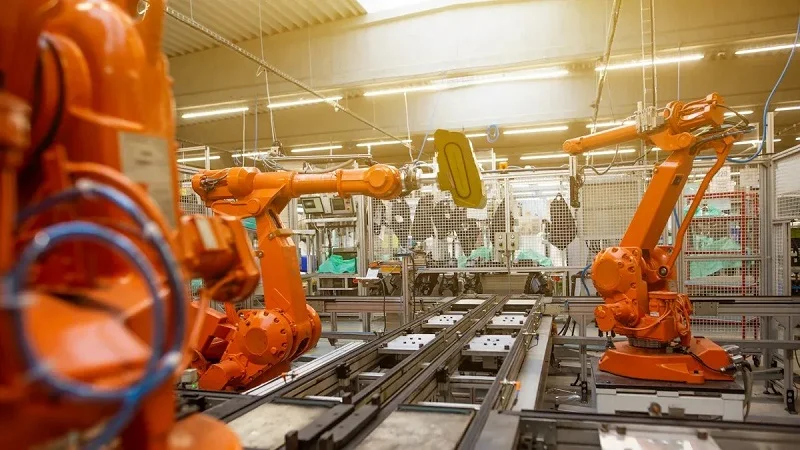
Additive manufacturing builds parts layer by layer. It skips molds and cutting tools. That freedom helps AI robot housing programs move fast. Engineers can test new shapes without big tooling bills. The process fits prototyping and small-batch production well.
FDM
Low-Cost Prototyping
FDM is the cheapest 3D printing method. It pushes melted plastic through a nozzle. Common materials include ABS, PETG, and PLA. These plastics cost little. A team can print a full housing shell overnight. That speed helps early design reviews. You can hold the part, check the fit, and fix mistakes before spending on metal.
Surface Finish and Strength Limits
FDM parts show visible layer lines. The surface feels rough. Strength runs weak along the Z axis. Layers bond poorly in that direction. A drop test often cracks the part. These limits keep FDM out of final robot components. It works for fit checks, not for load-bearing shells.
Internal Fixtures and Brackets
Inside a robot, space is tight. FDM shines for internal brackets and cable guides. These parts carry light loads. They hold sensors and route wires. You can print a custom mount in hours. That flexibility helps automation teams iterate fast. A changed sensor position means a new bracket, not a new mold.
SLA and DLP
High Resolution and Smooth Finish
SLA and DLP use light to cure resin. They hit fine detail. Layer heights stay very small. The surface comes out smooth. That finish looks like molded plastic. For visual prototypes, this matters a lot. A smooth shell sells the design to stakeholders.
Brittleness and Post-Curing
Resin parts are brittle. They crack under impact. Post-curing makes them harder but also more brittle. UV light and time control this step. A robot housing that takes hits needs tougher materials. SLA works best for display models, not for rugged field use.
Visual Prototypes and Sensor Housings
Complex geometry is easy for SLA. Sensor housings often have curved windows and tight pockets. SLA prints those shapes in one piece. Camera covers and LIDAR mounts benefit from this. The smooth surface also helps optical clarity. For AI systems packed with sensors, this process gives a clean look and a precise fit.
SLS and DMLS
Strong Functional Parts
SLS sinters nylon powder into strong parts. No support structures are needed. DMLS does the same with metal powder. It works with stainless steel 17-4 PH. These metals make real end-use housings. The parts handle heat and load. They also block EMI well.
Surface Finish and Cost
SLS parts have a grainy surface. DMLS parts feel rough too. Both need finishing for a smooth look. Metal powder costs more than plastic. DMLS also runs slower. The trade-off is clear. You pay more for strength and heat resistance.
End-Use Parts and Small Batches
DMLS suits small batches of metal housings. The build envelope reaches 140 mm by 140 mm by 100 mm. Minimum wall thickness sits at 1.0 mm for supported walls. That size fits many robot components. For low-volume robotics, DMLS avoids tooling costs. It lets engineers print a metal AI robot housing without waiting for a mold.
Subtractive and Molding Processes for AI Robot Housing
CNC Machining
Precision and Surface Finish
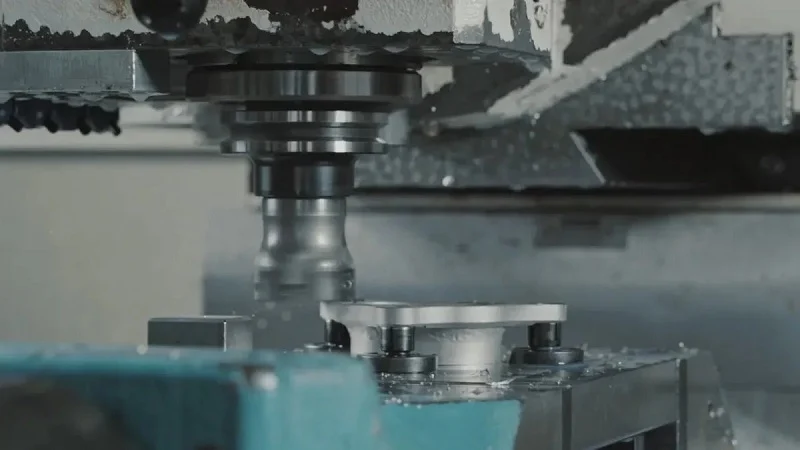
CNC machining cuts a solid block into the final shape. The cutter follows a path set by a computer. This gives a robot housing very tight tolerances. The surface comes off the machine smooth. Parts stay within a few microns in size. That repeatability is key for precision parts in any AI system. The process works with aluminum, stainless steel, and titanium. Each metal cuts a bit differently, but the result stays accurate. A CNC shop like NOBLE can machine complex shapes in one setup. That saves time and keeps the interfaces lined up.
Cost and Material Waste
The cost picture for CNC machining is simple to see. Tooling costs stay low. You do not need an expensive mold. But material waste adds up. For complex parts, over 70% of the block can turn into chips. That waste raises the price per unit. The table below shows how CNC compares to injection molding on cost.
| Cost Factor | CNC Machining | Injection Molding |
| Material utilization | Below 30% for complex parts; 70–90% waste | Over 97% efficiency |
| Tooling / setup costs | Lower setup costs | High initial tooling ($10,000–$50,000) |
| Per-unit cost behavior | Higher per-unit cost; stays fairly flat | Drops sharply as volume rises |
| Economic crossover point | Simple shapes or low volumes | Above 10,000 units makes sense |
For a run of 50 to 500 units, CNC is a strong fit. The cost per unit stays the same. Setup costs get spread over the batch. That works well for low-volume production and early-stage robotics.
Metal Housings and Interfaces
Metal housings from CNC carry the loads inside a robot. They hold motors, sensors, and boards. Flat surfaces and precise holes make assembly smooth. A machined part also pulls heat away from electronics. For lightweight design goals, aluminum 7075 is a good pick. The material lets you keep thin walls without losing strength. For robotics systems that need EMI shielding, a machined metal shell does the job in one part.
Sheet Metal Fabrication
Laser Cutting and Bending
Sheet metal starts as flat stock. A laser cuts the outline. A press brake bends the edges. That sequence builds the main frames for many robotic systems. The process runs fast. A single chassis can go from cut to fold in hours. Laser cutting leaves clean edges. Bending adds stiffness without adding weight. That helps lightweight structures in automation systems. NOBLE’s sheet metal team handles both cut and bend in house, so turnaround stays short.
Welding and Assembly
Bent pieces join together by welding. A welded seam is strong and permanent. For structural frames, welding beats fasteners in load capacity. The assembly step adds brackets, studs, and threaded inserts. Those features let the housing hold internal parts. Sheet metal structures work well for robots that carry heavy payloads. The frame takes the strain. The outer panels protect the electronics.
Structural Frames and Chassis
Many robots use a sheet metal skeleton. The design gives a good strength-to-weight ratio. Material choice changes the outcome. Steel gives high strength. Aluminum gives lighter weight. For industrial automation, steel frames last through years of cycles. For mobile robots, aluminum saves battery power. The table below shows process choices by volume.
| Volume Band | Most Cost-Effective Process | Rationale |
| 1–50 | 3D Printing, CNC | Low NRE; fast learning |
| 50–500 | CNC, Sheet Metal | Repeatable without high tooling |
| Medium | Sheet Metal, Bridge Molding | Transition zone: repeatability pays off |
| High | Injection Molding, Die Casting | High NRE amortized; speed wins |
Sheet metal costs drop moderately as volume grows. Setup gets spread across more units. For medium-volume production, it is a solid choice.
Injection Molding and Vacuum Casting
Injection Molding at Volume
Injection molding pushes melted plastic into a steel mold. Cycle time runs seconds. One mold can make millions of parts. For high-volume consumer robot housings, this process dominates. The per-unit cost falls fast as quantity rises. The initial tooling investment runs $10,000 to $50,000. That cost needs at least 5,000 units to make sense. Above 10,000 units, molding becomes the cheapest option.
Material efficiency exceeds 97%. Excess feedstock gets recycled. The process delivers consistent quality across every shot. For robot bodies that sell in high numbers, injection molding is the standard.
Vacuum Casting for Bridge Production
Vacuum casting sits between prototypes and full production. A silicone mold captures the shape from a master pattern. The mold costs much less than steel tooling. Lead time runs days instead of weeks. The process makes a limited number of copies before the mold wears out. For a small batch of robot housings, vacuum casting gives real molded parts at a fraction of the tooling cost.
The materials mimic production plastics. They have similar stiffness and color. That lets engineers test fit and function before buying steel molds. Vacuum casting works for bridge production and market validation.
Tooling Cost and Lead Time
Tooling cost controls the process choice. CNC needs no part-specific tooling. Sheet metal needs simple dies. Injection molding needs expensive molds. Lead time follows the same pattern. A CNC part ships in days. A machined mold takes weeks. A steel injection mold takes months. For robotics companies with tight schedules, that timeline matters. The right process depends on volume and speed. NOBLE guides clients from prototype through production, matching process to volume without unnecessary delays.
Finishing Processes for AI Robot Housing
Painting and Coating
Aesthetic and Corrosion Protection
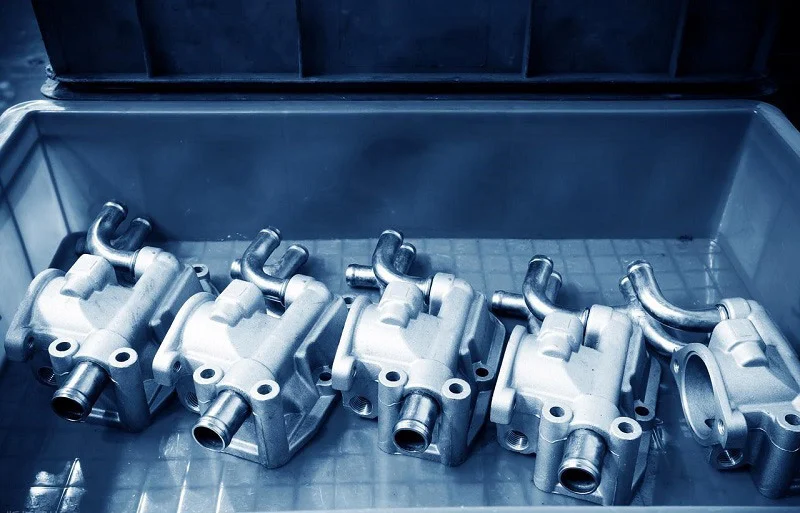
Paint does more than make an AI robot housing look nice. It covers the surface to keep out moisture and chemicals. A powder coat or e-coat adds a strong layer that stops rust. For outdoor robots, this layer is very important. It protects the metal underneath from rain and salt.
The color and shine also matter for branding. A smooth, even finish shows customers good quality. In production, automated spray lines keep the coat the same on every unit. That consistency helps large-scale manufacturing run smoothly.
Wear and Environmental Rules
Not every coating lasts in tough conditions. UV light breaks down some paints over time. Rubbing from repeated contact wears through thin layers. For robots that work outdoors, a UV-stable topcoat is a must. Indoor AI systems face less stress, so a basic coat works fine.
Environmental rules also shape the process. Some solvents are limited by law. Water-based coatings are a safer choice. They cost a little more but meet clean air standards. Production teams must balance durability, cost, and following the rules.
Branded and Outdoor Housings
Branded robots often use custom colors and logos. A strong coat keeps that look sharp after years of use. For outdoor AI robot housing, a multi-layer system works best. A primer sticks to the metal. A color coat adds the look. A clear topcoat seals everything in.
Texturing
Grip and Scratch Hiding
Texture gives a robot surface a better feel. A light grain adds grip for human hands. It also hides small scratches and fingerprints. That keeps the AI robot housing looking new longer. Molded-in texture costs nothing extra at high volume.
Process Limitations
Not every texture works on every shape. Deep patterns can trap dirt. Sharp corners may not fill evenly. For production, the mold must be cut with the texture in mind. That adds tooling time and cost. Design teams should pick a texture early to avoid rework.
Human-Interactive Surfaces
Robots that work near people need soft-touch areas. A textured surface feels warmer and less mechanical. It also reduces slip when someone grabs the robot. For robots in homes or hospitals, this small detail builds trust.
Metal Plating
EMI Shielding and Conductivity
Metal plating turns a plastic AI robot housing into a shield. Electroless nickel and copper layers block electromagnetic interference. The table below shows how plating stacks up against conductive paints.
| Coating System | Thickness | 30 MHz | 100 MHz | 1 GHz | 10 GHz |
| All-Over Copper/Nickel Plating | 1.0–2.5 µm | 90 dB | 108 dB | 120 dB | 87 dB |
| Selective Copper/Nickel Plating | 2.0–2.5 µm | 77 dB | 73 dB | 71 dB | 63 dB |
| Silver Plated Copper Paint | 0.025–0.375 mm | 65 dB | 63 dB | 70 dB | 63 dB |
| Silver Paint | 0.0125–0.025 mm | 70 dB | 71 dB | 62 dB | 70 dB |
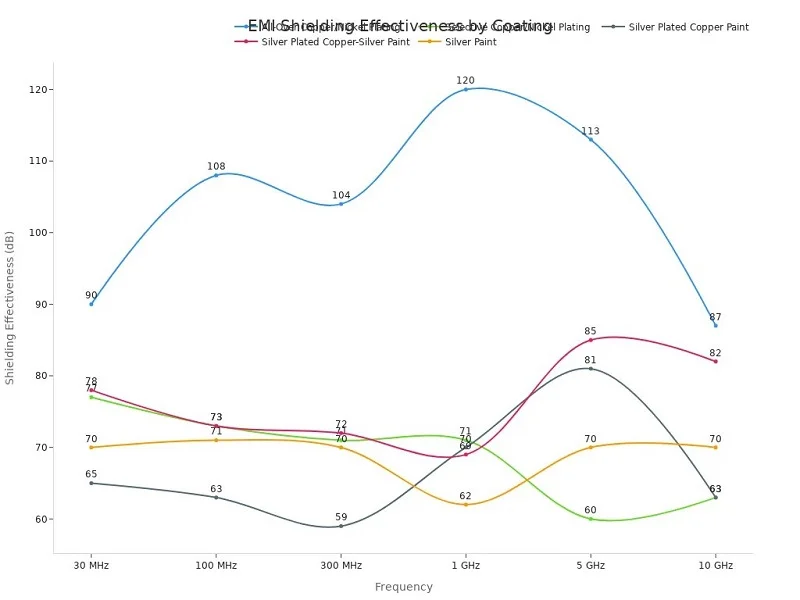
Real-world applications typically require 40–80 dB attenuation depending on circuit sensitivity and emission limits.
Adhesion and Environmental Concerns
Plating sticks best to clean, etched plastic. Any oil or dust ruins the bond. The process also uses chemicals that need careful handling. Waste treatment adds cost. For production, these steps must run in a controlled line.
EMI-Sensitive Housings
AI systems packed with sensors need strong shielding. A plated housing meets that need without heavy metal. For robots that must pass emission tests, full copper/nickel plating delivers the highest numbers across the band.
Design Considerations for AI Robot Housing
A humanoid robot packs a tight stack of parts inside its shell. Machining, bearings, electronics, sensors, cables, and thermal systems all fight for space. The AI robot housing must hold this stack together. It also has to keep everything cool, quiet, and safe. Three design areas drive most of the hard choices.
Thermal Management
Material Thermal Conductivity
Metals move heat far better than polymers or composites. Aluminum sits at 120–180 W/m·K. Stainless steel drops to 15–25 W/m·K. Titanium falls even lower at 7–22 W/m·K. Plastics and carbon fiber composites act as insulators. They trap heat near the electronics. For AI systems with dense boards, a metal shell spreads heat across the surface. A plastic shell needs help from fans or heat pipes.
Geometry and Airflow
Shape matters as much as material. Vents near the top let hot air escape. Channels between components guide cool air across hot spots. A sealed AI robot housing traps heat and shortens component life. Designers should leave room for air to move. They should also keep cables away from airflow paths.
Active Cooling Integration
Sometimes passive cooling is not enough. Fans, heat sinks, and heat pipes add active cooling. The housing must hold these parts and let them breathe. Mounting points for fans need stiff walls to stop vibration. A metal frame gives that stiffness. It also pulls heat from the fan motor itself.
EMI Shielding
Conductive Materials and Coatings
Electromagnetic interference disrupts sensors and wireless links. A metal AI robot housing blocks it naturally. Plastic shells need a conductive layer. Electroless copper and nickel plating works well. Conductive paints and gaskets are other options. Each choice affects cost and weight.
Shielding Effectiveness
Full copper and nickel plating hits 90 dB at 30 MHz and 120 dB at 1 GHz. Selective plating drops to 71–77 dB. Silver paint lands around 62–71 dB. Real applications need 40–80 dB. The right level depends on circuit sensitivity and emission limits.
Grounding and Bonding
Shielding only works with good grounding. Every conductive panel needs a bond to the chassis. Gaskets fill gaps at seams. Apertures for cables and vents must stay small. A wide opening leaks EMI fast. Designers should treat every seam as a potential leak point.
Structural Integrity and Weight
Load-Bearing Requirements
The AI robot housing carries real loads. Motors, arms, and payloads push and pull on the frame. Joints see repeated stress. The structure must hold shape under load. Aluminum 7075-T6 offers about 570 MPa tensile strength. That strength lets thin walls carry heavy parts.
Weight Reduction Strategies
Lightweight design cuts power use and boosts speed. Aluminum and carbon fiber give the best strength-to-weight ratios. Lightweight structures also reduce inertia. That helps collaborative robots stop fast and safe. Every gram saved helps the whole system.
Impact Resistance
Robots bump into things. A dropped tool or a wall hit can crack a shell. Polycarbonate takes impact better than ABS. Metals dent but rarely shatter. For human-robot collaboration, soft outer skins absorb energy. They also protect people nearby.
Selection Criteria for AI Robot Housing
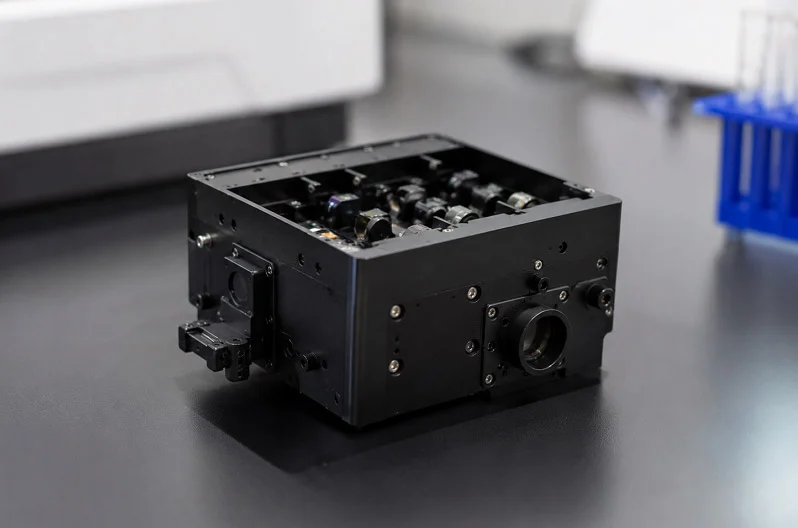
Picking the right material and process for an AI robot housing comes down to three things: how many units you need, what the part must do, and what you can spend. Get these wrong and you waste money or ship a product that fails.
Cost and Production Volume
Low Volume Options
For low volume runs, CNC machining, 3D printing, and vacuum casting are your best bets. CNC machining has minimal tooling cost and a flat per‑unit cost across volume. Lead time for the first part runs 1–5 days. 3D printing has no tooling cost at all, and it works well for prototyping runs of 1–10 units. Urethane casting sits in the low‑to‑mid range with tooling costs that are moderate and runs that are well suited for limited production.
Medium Volume Options
Medium volume production calls for bridge tooling, SLS, and soft tooling injection molding. These methods balance repeatability with reasonable tooling investment. Sheet metal fabrication also fits here. It has moderate tooling costs and adapts to low or high volume. For robotics teams moving from prototype to market, this band is where process decisions start to matter most.
High Volume Options
High volume production means injection molding, die casting, and automated assembly. Injection molding tooling requires a significant investment, but per‑unit cost drops very low at scale. Die casting tooling also requires substantial investment and makes sense above 10,000 units. Lead times stretch to weeks or months. For consumer robotics products, this is the standard path.
Performance Requirements
Strength and Stiffness
Load‑bearing structures need high‑strength metal alloys like aluminum, titanium, and steel. These materials offer durability, corrosion resistance, and dimensional stability. Robot arms and joints often use lightweight composites like CFRP for their high strength‑to‑weight ratio.
Thermal and EMI Needs
Metals pull heat away from electronics. Polymers and composites trap it. For AI systems with dense boards, a metal shell spreads heat. EMI shielding needs conductive materials or coatings. Full copper and nickel plating hits 90 dB at 30 MHz.
Environmental Resistance
Outdoor robots face UV, rain, and salt. Advanced polymers and plastics offer chemical resistance and cost‑effectiveness for housings and protective covers. Stainless steel 316 handles washdown and chemicals better than 17‑4 PH.
Comparison and Decision Tools
Material vs. Process Matrix
| Material Category | Key Properties | Application in Robot Housings |
| Lightweight Composites (CFRP, FRP) | High strength‑to‑weight ratio, reduced weight, improved payload capacity | Robot arms, joints, frames |
| High‑Strength Metal Alloys | Durability, corrosion resistance, dimensional stability | Load‑bearing structures |
| Advanced Polymers & Plastics | Chemical resistance, ease of manufacturing, cost‑effectiveness, design flexibility | Housings, protective covers, non‑structural components |
| Specialized Materials | Low friction, wear resistance, thermal stability | Joints, actuator components |
| Hybrid Material Systems | Optimized performance by combining materials | Strategic placement for strength, weight, cost balance |
Cost, Speed, and Scalability
| Process | Tooling Cost | Per‑Unit Cost | Optimal Volume Range | Lead Time (First Part) |
| CNC Machining | Minimal/None | Flat across volume | Low to Mid (1–10,000) | 1–5 days |
| Injection Molding | High | Very low at scale | High (10,000+) | Weeks to months |
| 3D Printing | None | Determined by runtime/material | Prototyping (1–10) | 1–5 days |
| Sheet Metal Fabrication | Moderate | Adaptable | Low to High | 1–5 days (tool‑less) |
Decision Tree for Selection
Start with volume. Under 10 units? Go with 3D printing. Between 10 and 10,000? CNC machining or sheet metal. Above 10,000? Injection molding or die casting. Then check performance needs. If thermal or EMI demands are high, pick metal. If weight matters most, pick composites. Finally, check your budget and timeline.
Try our Materials.AI for more guidance on material selection.
NOBLE: AI Robot Housing Manufacturing Partner

NOBLE works on metal and plastic processing for AI robot housing. The company helps industries where robots with AI do welding, painting, assembly, sorting, and quality control. That background counts when you need a partner who gets both robotics and manufacturing.
Metal and Plastic Processing
CNC Machining and Injection Molding
NOBLE does CNC machining for metal housings and injection molding for plastic parts. CNC work fits aluminum, stainless steel, and titanium. The process keeps tight tolerances for precision components. Injection molding handles high-volume production for consumer robot shells. Both processes use the same quality system.
Additive Manufacturing and Sheet Metal
Additive manufacturing covers FDM, SLA, SLS, and DMLS. DMLS prints metal parts in stainless steel 17-4 PH. Sheet metal fabrication builds structural frames and chassis. Laser cutting, bending, and welding come together for robotics systems that need strong skeletons.
Material Range and Expertise
The material range covers aluminum alloys, stainless steel grades, titanium, magnesium, ABS, polycarbonate, nylon, and carbon fiber composites. This width lets NOBLE match material to application. A collaborative robot arm might need carbon fiber. A factory automation base might need steel. The team knows the trade-offs.
Certifications and Quality
Quality Management Certification
Quality management certification covers quality management systems. It makes sure process control stays the same across every production run. For AI robot housing buyers, this certification shows reliable output.
Medical Device Quality Standards
Medical device quality standards prove NOBLE can meet strict regulatory demands. Robotics systems for healthcare or human-robot collaboration gain from this discipline.
Quality Assurance Processes
Quality assurance runs through incoming material checks, in-process inspection, and final testing. Every batch gets measured against specifications. The systems catch defects before parts ship. That discipline keeps collaborative robots safe and reliable.
Full-Service Capabilities
Design Support and Prototyping
NOBLE helps with design for manufacturability. Engineers review wall thickness, draft angles, and tolerance stack-ups. Prototyping runs through 3D printing, CNC, or vacuum casting. Fast turnaround lets teams test fit and function early.
Production and Assembly
Production scales from low-volume CNC runs to high-volume injection molding. Assembly services include bracket mounting, insert installation, and subsystem integration. The automation systems stay flexible across volume bands.
End-to-End Solutions
NOBLE covers the full path from design to assembly. That means one partner for prototyping, tooling, production, and finishing. Collaborative robots and industrial automation systems both gain from this single-source approach. The process stays simple, and the collaboration stays tight.
Match your material to what the part must do. Choose the process based on how many units you need, your budget, and how fast you need them. Always include finishing, thermal management, and EMI shielding. Metal 3D printing (DMLS) makes custom AI robot housing. Conductive polymers add shielding. Soft materials make human-robot collaboration safer. These production trends are changing robotics production. For collaborative robots, prototyping tests your choices before you pay for production tooling. Collaborative automation teams check fit, heat, and shielding early. This robotics production step saves money. Collaborative design speeds up robotics automation. Every robotics production run needs a proven prototype. Evaluate your application first. Then commit. Materials science and robotics manufacturing will keep coming together, opening new options for collaborative production and teamwork across production automation.
FAQ of AI Robot Housing
Which material works best for an AI robot housing that needs strong EMI shielding?
Metal shells block interference naturally. Aluminum gives about 80 to 100 dB of shielding. Plastic housings need help. Electroless copper and nickel plating hits 90 dB at 30 MHz. Full plating beats selective plating and silver paint across most frequencies.
When does injection molding make sense for an AI robot housing?
Injection molding pays off above 10,000 units. Tooling runs $10,000 to $50,000. Per-unit cost drops fast at that volume. Below 5,000 units, CNC machining or sheet metal keeps costs lower. The crossover point depends on part complexity and material.
Can I use 3D printing for a final production AI robot housing?
Yes, but pick the right process. DMLS prints metal parts in stainless steel 17-4 PH. These work as end-use housings. FDM and SLA suit prototypes only. SLS nylon handles functional parts for small batches.
What causes stress cracking in polycarbonate robot housings?
Solvents attack stressed areas. Cracks form around screw holes and tight corners. Designers should relieve stress points and anneal parts. Hard coatings block chemical attack. For sensor covers, a coated polycarbonate sheet stays clear and resists damage.
How do I pick between aluminum 6061 and 7075 for a robot frame?
Grade 7075-T6 reaches about 570 MPa tensile strength. Grade 6061-T6 sits near 310 MPa. Both share similar stiffness at 69–72 GPa. Pick 7075 when thin walls must carry heavy loads. Pick 6061 when welding and cost matter more.
What is the economic crossover point between CNC machining and injection molding?
CNC stays cost-effective for low to mid volumes. Per-unit cost stays flat across the batch. Injection molding needs high tooling investment upfront. Above 10,000 units, molding becomes the cheaper option. Below that, CNC or sheet metal wins.
Why does thermal management matter so much in AI robot housing design?
AI systems pack dense electronics into tight spaces. Metals move heat well. Aluminum sits at 120–180 W/m·K. Plastics and composites trap heat near components. A sealed housing shortens component life. Vents, heat pipes, and fans help when passive cooling falls short.
How does production volume shape the choice between vacuum casting and injection molding?
Vacuum casting makes a limited number of copies from a silicone mold. Lead time runs days. Injection molding needs steel tooling and weeks of lead time. For bridge production and market validation, vacuum casting gives real molded parts without the tooling cost. Robotics teams use it before committing to steel.