What Is Steel Rapid Prototyping?
Steel rapid prototyping means producing functional metal parts quickly. The process uses CNC machining, 3D printing, or casting.
Steel prototyping is different from plastic or aluminum prototyping. Plastic is easy to machine and mold, aluminum can be machined relatively quickly, and steel is the hardest of the three.
When are steel prototypes needed? Before production tooling is committed. Before the design is finalized. Before material selection is confirmed. The prototype validates the design under real conditions. It confirms machining strategies. It proves that the part can be manufactured at the required quality. Rapid steel prototyping is an investment in production readiness.
Common Steel Rapid Prototyping Methods
CNC Machining
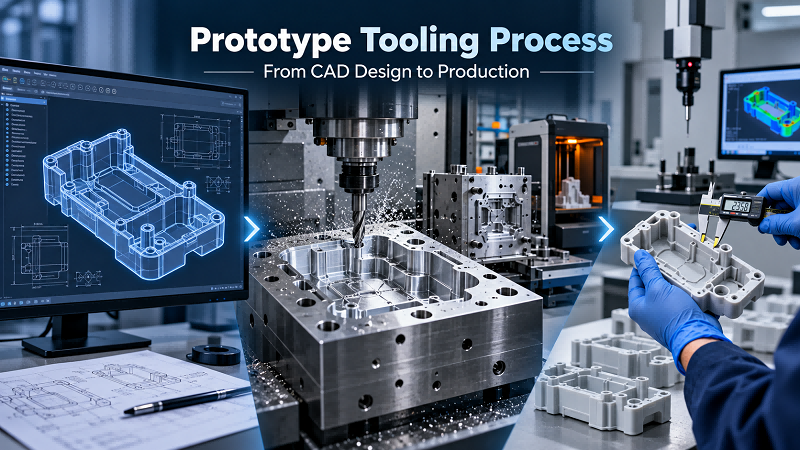
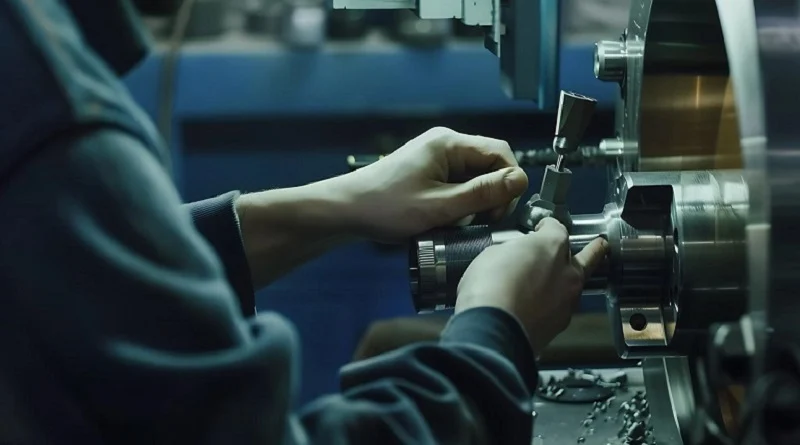
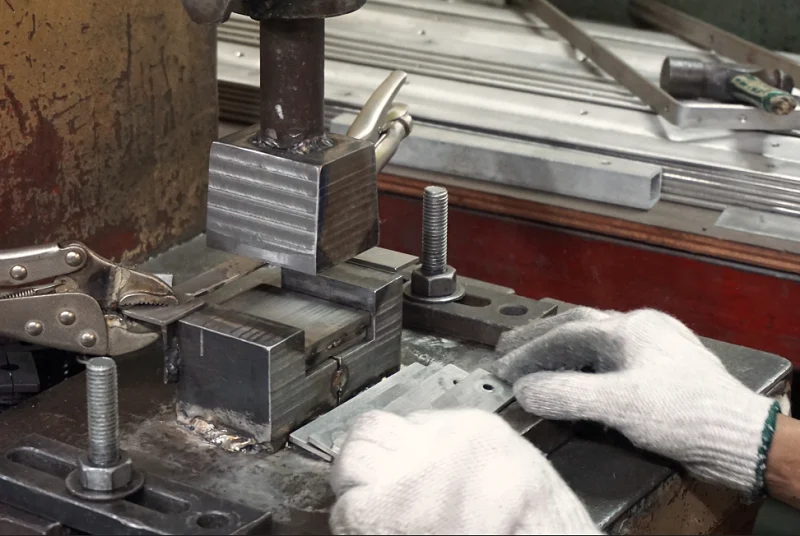
CNC machining cuts steel. A block, bar, or other stock goes into the machine. The tool removes material to create the required geometry. The process delivers high dimensional accuracy. Surface finishes are good. Complex mechanical components are achievable.
The advantages are straightforward. Accuracy is the first benefit. Tolerances down to ±0.01 mm are routine. Surface finish is the second. Machined surfaces are smooth and consistent. Material properties are the third. The prototype behaves like production steel because it is cut from production stock.
However, machining internal structures can be more difficult; for example, machining deep cavities is particularly challenging. But for most mechanical components, CNC machining is the standard for rapid steel prototyping.
Metal 3D Printing
Metal 3D printing builds steel parts layer by layer. Metal powder is spread across a build platform. A laser or electron beam melts the powder in the required pattern. The platform drops. The next layer is applied. The part grows from nothing.
When is additive manufacturing preferred? When the geometry is too complex for cutting tools. When internal channels are required. When weight reduction is critical. When the design is topology-optimized or organic. Additive manufacturing shines where conventional methods cannot reach.
The drawbacks of this technology lie in the surface finish and material density. Post-processing is usually required. But for certain applications, metal 3D printing is the only viable path for steel rapid prototyping.
Sheet Metal Fabrication
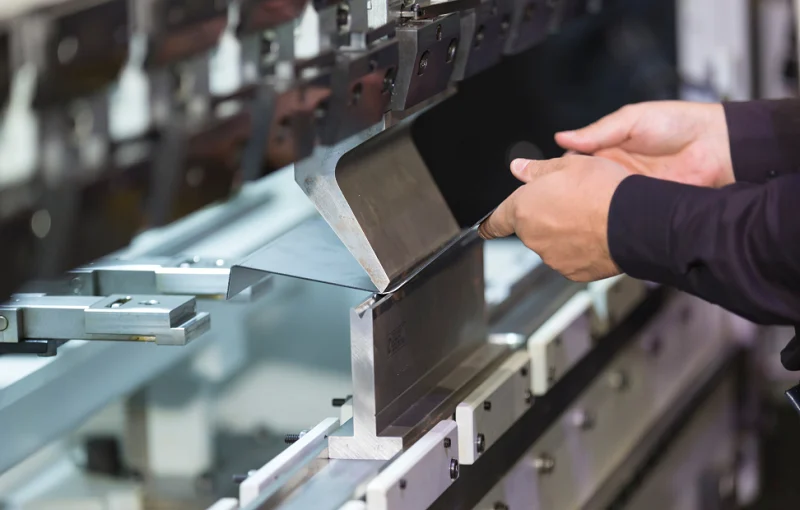
Sheet metal fabrication starts with flat steel sheets. The process cuts, bends, punches, and welds them into shape. Laser cutting provides precision. Bending forms angles and channels. Punching creates holes and cutouts. Welding joins pieces into assemblies.
This method is suitable for machining parts with thin walls and simple or regular geometries. It is particularly well-suited for applications such as housings, brackets, panels, and structural prototypes. It is cost-effective and offers a fast turnaround time.
They are limited to constant wall thickness and simple forms. For the right application, sheet metal fabrication provides the fastest route to a steel prototype.
Investment Casting
Investment casting produces steel prototypes with complex shapes and detailed features. A temporary pattern—wax or plastic—is made. The pattern is coated in ceramic. The ceramic is fired. The pattern melts out. Molten steel is poured into the ceramic shell. The shell is removed. The casting is finished.
When the prototype must represent a component that will eventually be manufactured through casting. When the geometry has undercuts, internal cavities, or thin sections that would be difficult to machine. When the surface finish needs to be closer to production than machined parts.
The limitations are lead time and cost. The pattern and shell take time. For casting-specific validation, investment casting is the right choice for steel rapid prototyping services.
Common Materials for Steel Rapid Prototyping
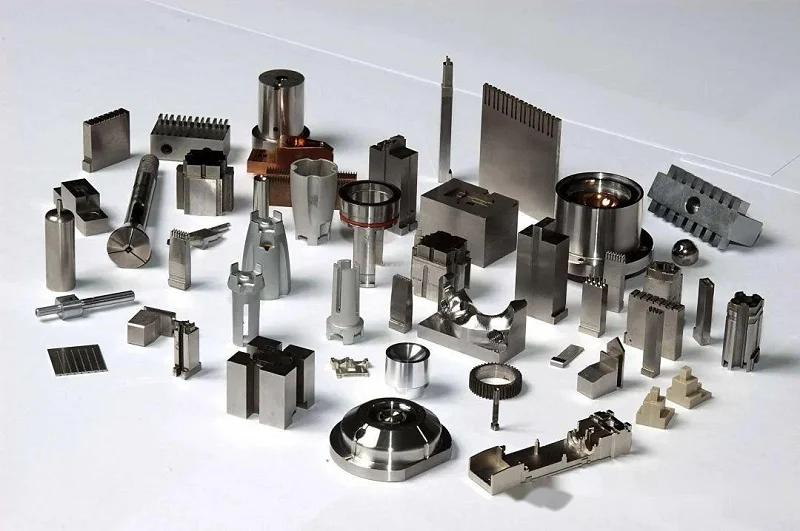
The material choice defines the prototype. Not every steel behaves the same. Some are easier to machine. Others are harder and tougher. The application dictates the selection. Here is a breakdown of common steels used in steel rapid prototyping.
| Steel Material | Key Characteristics | Typical Applications |
| Stainless Steel 304 | Corrosion resistance, good machinability | Brackets, housings, mechanical components |
| Stainless Steel 316L | Excellent corrosion resistance | Medical, marine, chemical components |
| 17-4 PH Stainless Steel | High strength and hardness | Industrial and mechanical parts |
| Mild Steel | Low cost, easy to machine and weld | Fixtures and structural prototypes |
| 4140 Steel | High strength and toughness | Shafts, gears, mechanical parts |
| Tool Steel | High hardness and wear resistance | Tooling and dies |
Surface Finishing for Steel Rapid Prototypes
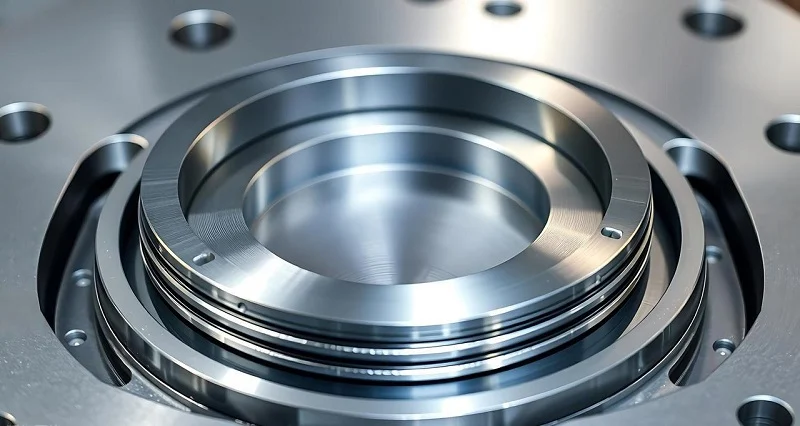
The prototype has been mostly machined; now it’s time for surface treatment. While this isn’t mandatory, using the appropriate surface treatment can improve its appearance or performance.
Polishing
Polishing removes fine surface imperfections. Abrasive media smooths the surface. The result is a smoother, more refined finish. This improves the appearance and reduces surface roughness. Visible components typically require a smooth or glossy surface, and polishing is precisely what meets this need.
Brushing
Brushing creates a directional texture effect, while sanding belts or sanding heads produce uniform, parallel lines. This results in a more attractive product appearance and improved surface consistency. Brushing is commonly used on stainless steel housings, panels, and other visible components. This finish helps conceal minor scratches, giving the product a clean and professional look.
Bead Blasting
Sandblasting uses fine abrasive media. Glass beads or ceramic particles are projected onto the surface to remove marks left by machining, eliminate the oxide layer, and correct minor surface defects. The result is a uniform, matte finish. It is often used for steel rapid prototyping parts that will be painted or coated.
Passivation for Stainless Steel
Passivation is a chemical treatment for stainless steel. The part is immersed in an acid bath. Citric acid or nitric acid is used. Free iron and surface contaminants are removed. The protective passive layer is restored. Corrosion resistance improves. Passivation is standard for steel rapid prototyping services in medical, food, and marine applications.
Plating and Coating
Plating and coating can form a protective layer on a surface—providing protection or specific functions. This process can enhance a material’s corrosion resistance, hardness, and wear resistance. At the same time, the appearance of the material will also change accordingly.
The selection of a finishing method is part of steel rapid prototyping. The finish is not cosmetic. It is functional. The right finish ensures the prototype performs in the intended environment.
How to Choose the Right Steel for Steel Rapid Prototyping
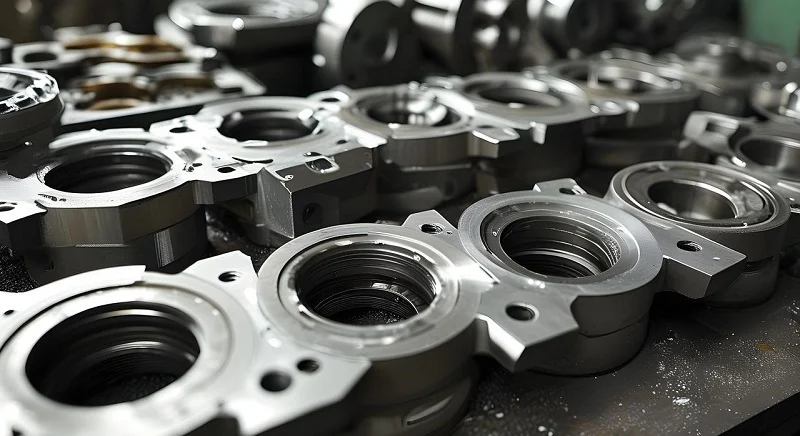
Selecting the right steel is not random. The choice determines prototype performance, cost, and lead time. The following factors should be considered before manufacturing begins.
Consider Mechanical Requirements
Let’s start with the loads. What forces will act on this prototype? Strength, toughness, hardness, and fatigue resistance are all critical. The selected steel must be able to meet the anticipated test requirements. If the prototype fails under load, no useful data can be obtained.
Consider Corrosion Resistance
The operating environment is critical. If equipment will be exposed to moisture, chemicals, or saltwater, corrosion-resistant steel must be used. 304 stainless steel and 316L stainless steel are ideal for such applications. For less demanding environments, other types of steel may be a more cost-effective option.
Consider Hardness and Wear Resistance
Hardness becomes particularly important when friction, impact, or repeated contact must be taken into account. Steel with good wear resistance can extend a product’s service life. Harder materials are more resistant to wear. However, this comes at the expense of machinability. Harder steels are more difficult to machine and are also more expensive.
Consider Machinability
Machinability affects manufacturing time, tooling requirements, surface finish, and overall cost. Some steels are easy to CNC machine. Others require specialized tools and processes. Choosing a material that balances performance and machinability makes prototyping more efficient. Steel rapid prototyping depends on machinability for speed and cost control.
Consider Operating Temperature
Temperature affects the properties of steel. Some steels can maintain their strength even in high-temperature environments, while others quickly lose their properties. Therefore, it is necessary to evaluate the expected operating temperature range. During testing, the material must maintain the required strength and dimensional stability. For high-temperature applications, high-temperature alloys must be used to manufacture the steel.
Consider Surface Finish Requirements
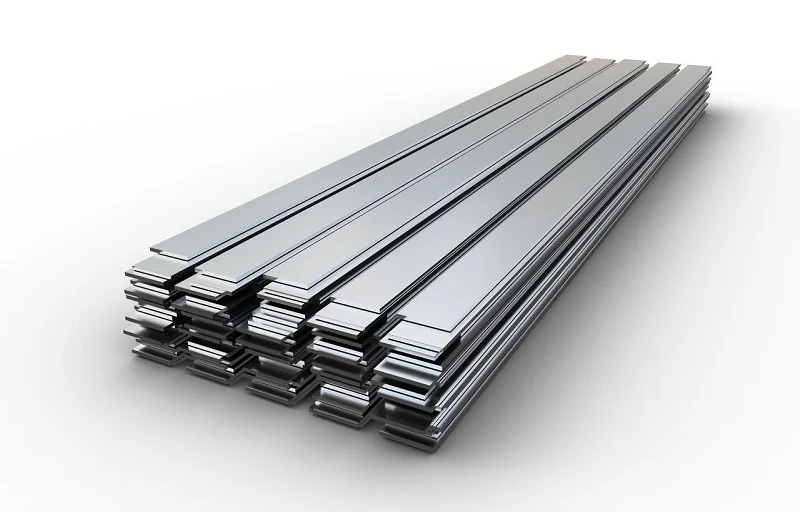
The required surface finish influences material selection and manufacturing methods. Smooth, polished, brushed, or corrosion-resistant surfaces all require different processes. The finishing process should be considered during the design stage. This prevents additional processing and unexpected costs later. Rapid steel prototyping benefits from early finish planning.
Consider Prototype Cost and Production Volume
Material price, machining time, finishing requirements, and order quantity all affect prototype cost. For a small number of parts, CNC machining may be practical. For larger quantities, another approach may be justified. The prototype strategy should also consider whether the parts will later transition to small-batch or mass production. Steel rapid prototyping services often include guidance on this transition. The material choice should support both the prototype and the eventual production path.
Steel Rapid Prototyping Services at NOBLE

NOBLE manufactures custom steel prototype parts. Customer CAD files and technical drawings define the geometry. The parts are produced for different applications, geometries, tolerances, and surface finish requirements. Material and manufacturing methods are selected according to the intended use of each prototype.
Steel rapid prototyping at NOBLE covers the full range. CNC machining for accuracy. Metal 3D printing for complexity. Sheet metal fabrication for thin-walled parts. Investment casting for casting-specific validation. The method is matched to the requirement. Not every part needs the same process.
Quality Control and Inspection
We have a standardized quality control process in place to ensure consistency. Whether it’s a prototype or a small-batch order, production follows the same standards. Inspection results are documented, and all parts are verified before delivery. This quality assurance process is also included in the steel rapid prototyping services offered by NOBLE.
ISO 9001:2015 and ISO 13485:2016 Quality Management
NOBLE’s quality management supports projects that require documented and consistent manufacturing processes. ISO 9001:2015 provides a framework for general quality management. ISO 13485:2016 is specifically focused on medical device quality management systems.
FAQs About Steel Rapid Prototyping
What steel is best for steel rapid prototyping?
There is no single steel grade that is best for every prototype. The choice depends on strength, corrosion resistance, hardness, machinability, operating temperature, and cost. Common options include 304, 316L, 17-4 PH, 4140, mild steel, and tool steel. Each grade serves a different purpose. Steel rapid prototyping matches the material to the application.
What is the most common method for steel rapid prototyping?
CNC machining is one of the most common methods. It provides good dimensional accuracy. It works with a wide range of steel grades.
Is CNC machining suitable for steel rapid prototypes?
Yes. It produces precise parts with complex features and good surface finishes. The appropriate cutting tools, speeds, feeds, and machining strategy must be selected based on the specific steel grade. Rapid steel prototyping often starts with CNC machining because it is predictable and accurate.
Can steel prototypes be heat treated?
Yes. Many steel prototypes can undergo heat treatment. Annealing, hardening, tempering, and precipitation hardening modify the material’s hardness, strength, and other properties. The appropriate treatment depends on the selected steel grade and the required performance. Heat treatment is part of steel rapid prototyping when the final material properties are needed for testing.