 Introduction
Casting structure design is a balancing act. You need the part to work. But you also need to actually make it without scrapping half your production.
The following 30 key points cut through the theory. They are practical. They are organized by what matters on the factory floor. First, can you cast it at all? That is process feasibility. Second, will it hold up? That is structural integrity. Third, how do you handle the internal spaces? That is cavity and core design. Finally, how do you make it cheaper and more reliable? That is reinforcement and simplification.
Each point addresses a real problem. Use them together.
What Is Casting and Why Does Casting Structure Design Matter?
What Is Casting?
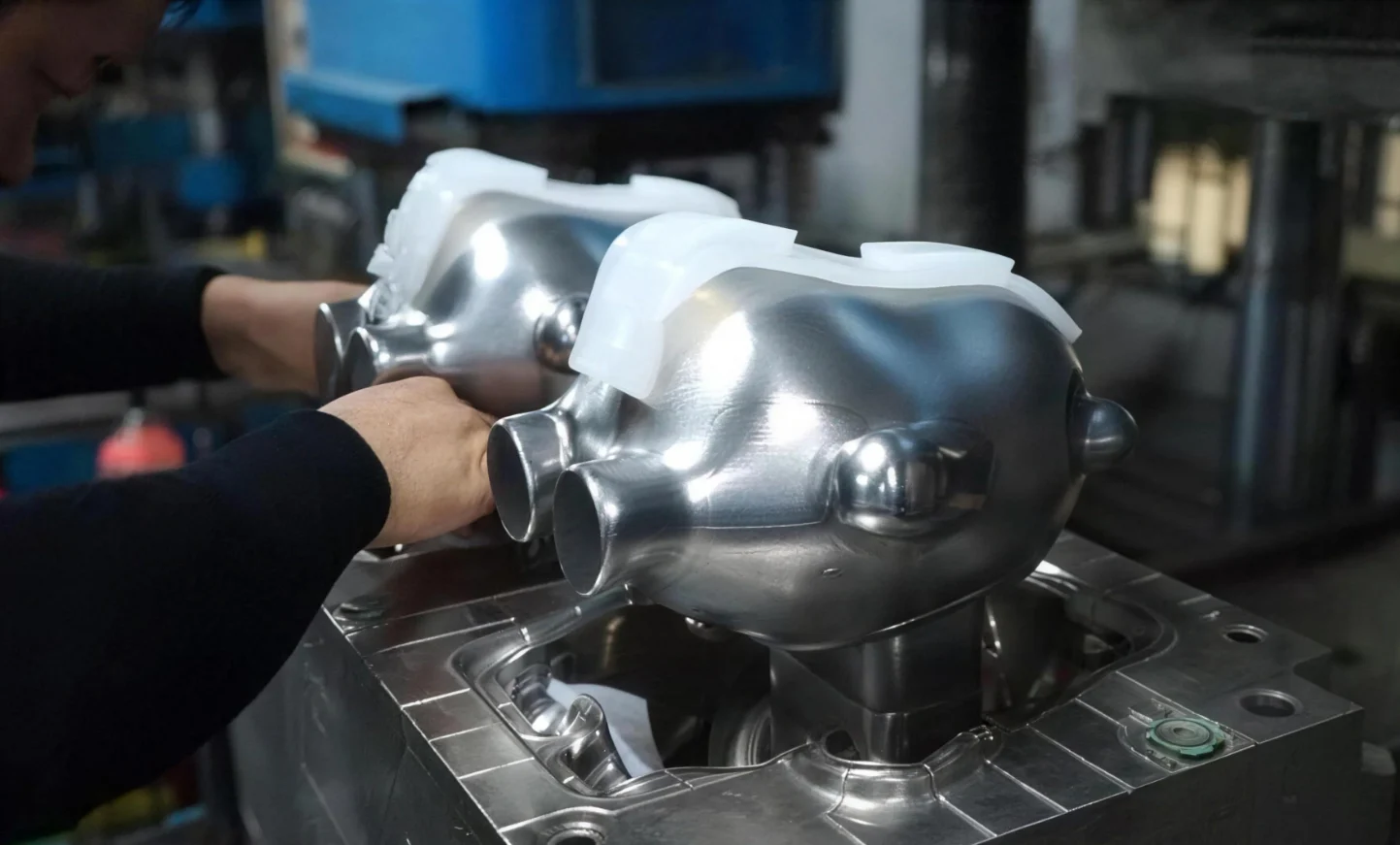
The operator pours molten metal or plastic into the mold. When it cools and hardens, they can pull out the parts.
Why Is Casting Structure Design Important?
A well-designed casting structure comes out of the mold clean. It has a few defects. The tooling is straightforward. Factory-run production without constant stops.
But a poor design? You get shrinkage cavities inside the thick sections. Gas porosity near the surface. Sand is trapped where you cannot reach. The part warps as it cools. It cracks during the shakeout.
The Cost Impact of Ignoring Casting Design Rules
The price gets paid multiple times.
First, the mold needs rework. That costs time and money. Then the production runs. Scrap rates stay high. Parts get lost. Schedules slip.
Post-machining gets added to fix what the casting could not deliver. Per-part cost rises.
Worst case? The part fails in service. A field failure results. A recall. A lawsuit.
The Core Goal of Casting Structure Design
Three things get balanced in the first sketch. Function. Strength. Manufacturability.
The perfect shape should not be designed first, then checked for castability. The rules come first. The design works within them.
The goal is a casting that is strong enough, light enough, easy to mold, simple to core, and quick to clean. All five must be hit. That is a good casting structure design.
Feasibility Design — Making Castings Manufacturable and Easy to Demold
1. Principles of Parting Line Design
Keep the parting line simple. One straight line is better than three zigzags. Every extra line is a place where things go wrong.
Here is a practical problem. The mold halves never line up perfectly. There is always a tiny mismatch. That mismatch shows up on your part as an ugly ridge or a step. You cannot machine it all away. So avoid putting parting lines on visible, cosmetic surfaces from the start. Good casting structure design treats parting lines as functional decisions, not afterthoughts.
2. Surface Geometry and Mold Release
Watch out for concave surfaces. These are inward curves. They act like mechanical locks. The solidified metal or plastic cannot physically pull out of the mold without tearing. A fundamental rule of casting structure design is that every surface must either face the pull direction or have enough draft to release.
Consolidate raised bosses. Put them together into a single, thicker feature instead of scattering tiny ones everywhere. This simplifies the entire casting structure design.
Large castings are a special case. Small protruding features on the outside—little ribs, nubs, logos—are trouble. They break off during demolding or cause the part to stick. If the casting is big, keep the external surfaces clean
Structural Integrity — Controlling Wall Thickness and Preventing Defects
A part that looks good coming out of the mold but cracks three weeks later is a failure. Casting structure design must address what happens after the metal freezes.
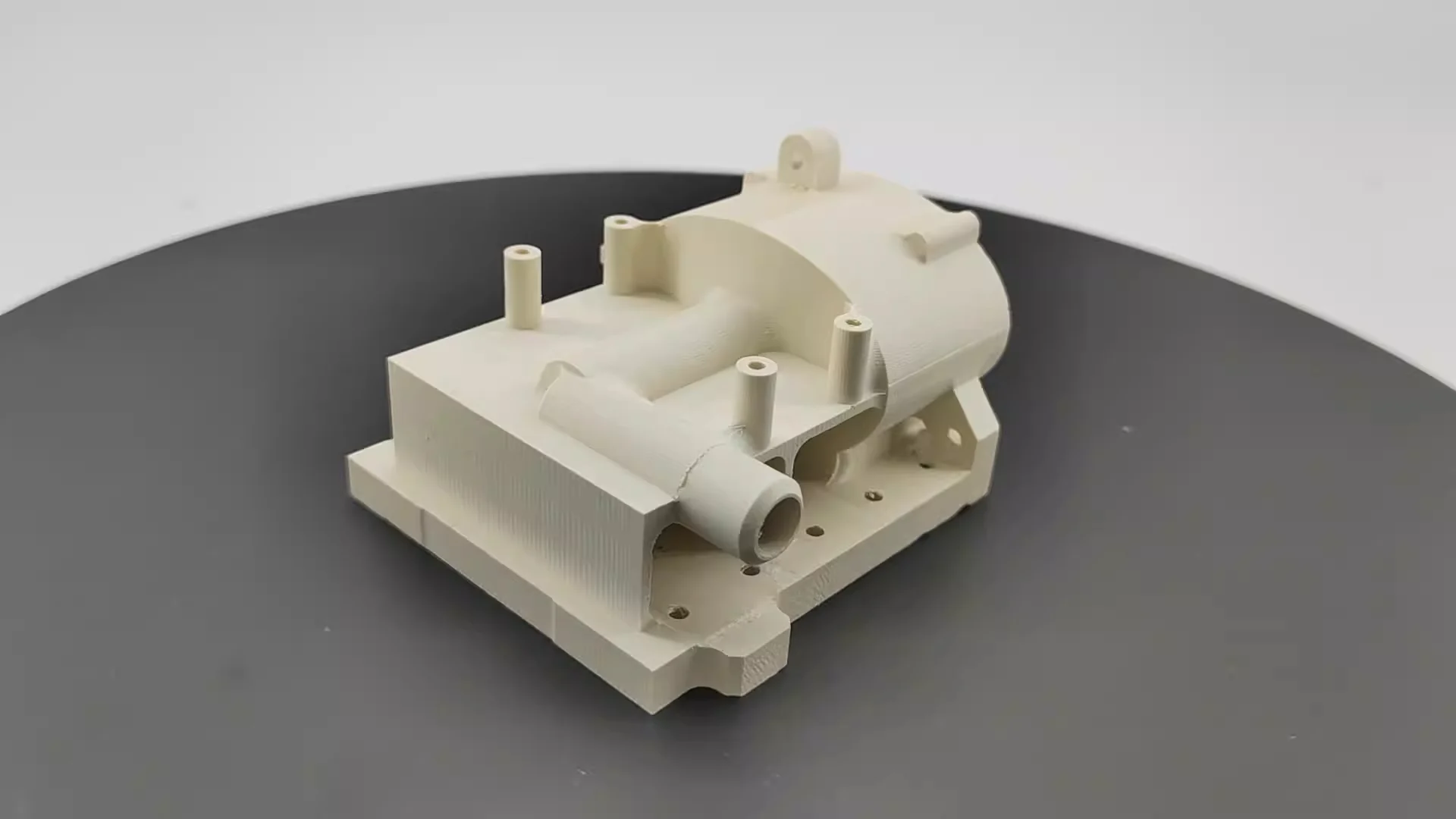
3. Uniform Wall Thickness
Thick sections cool slowly. Thin sections cool fast. That difference creates internal stress. The solution is boring but effective: keep the walls the same thickness everywhere.
How do you add strength without making a section thicker? Use reinforcing ribs. They add stiffness without creating a massive hot spot.
Here is a specific rule. Inner walls should be thinner than outer walls, which are just there for partitioning or support.
4. Make Transitions Gradual
Do not step from a thick wall to a thin wall in one sharp drop. That corner becomes a stress riser. It will crack.
Instead, taper the change. Use a radius at the junction. Spread the transition over distance.
Avoid acute angles at the intersection of two walls. The sharp inner corner is a crack waiting to appear. Adding rounded corners is the correct answer.
5. Avoid Process-Induced Defects
Here are three specific shapes to avoid.
- Large thin horizontal surfaces. These are trouble. When you pour, gas and loose sand float up and get trapped under that flat ceiling. You end up with porosity or sand inclusions right on the surface.
- Shapes that lock in residual stress. As the part cools, it wants to shrink. If the geometry prevents that shrinkage—like a solid ring or a fully enclosed box—the stress builds up internally.
- Check for free contraction. The casting must be able to pull inward as it solidifies without hitting a rigid feature. If it cannot move, it will crack. That is a core lesson in casting structure design. Design for shrinkage first, then add the function.
Core and Cavity Design — Simplifying Core Making and Easing Sand Removal
6. Get Rid of Cores or Make Them Simple
Ask one question early. Do you really need that internal cavity? Can you change the part’s function to avoid it?
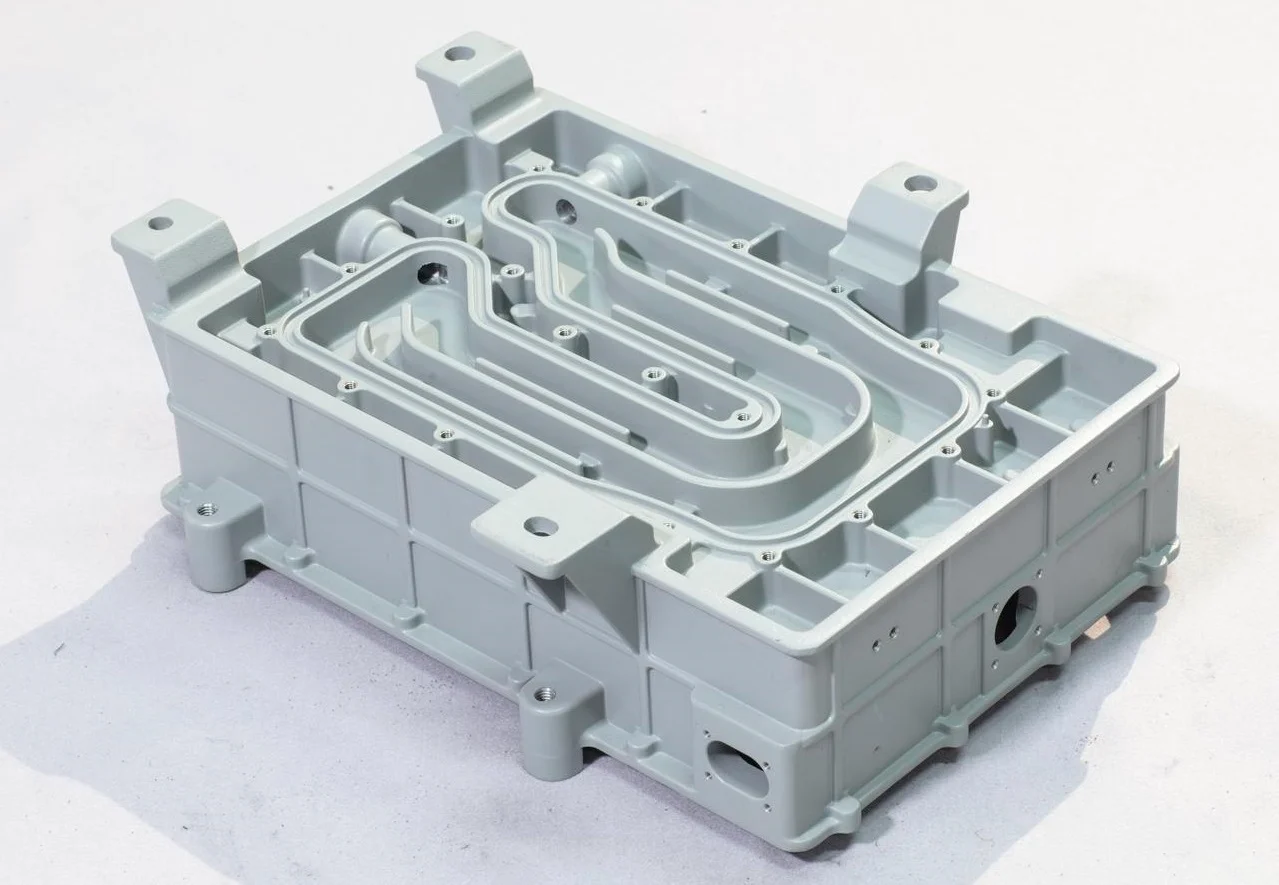
If you must have an opening, design it as a through-hole. A hole that goes all the way through is easier to core than a blind hole that stops inside the wall. The core for a through-hole has two supports. The core for a blind hole has one. That single support is a weak point.
Here is the practical goal. Make the internal cavity geometry as simple as the external shape. Complex interiors mean complex cores. Complex cores mean higher scrap rates.
7. Core Processability
Think about how the core comes out. Not just how it goes in.
Avoid or minimize chaplets. These are little metal supports that hold the core in position. The problem? They melt into the surrounding metal. Now you have a foreign inclusion with different properties. That is a potential crack initiation point.
Design the core so it is stable during the pour. A wobbly core produces a wobbly cavity. That is not precise. That is scrap.
8. Get the Sand Out
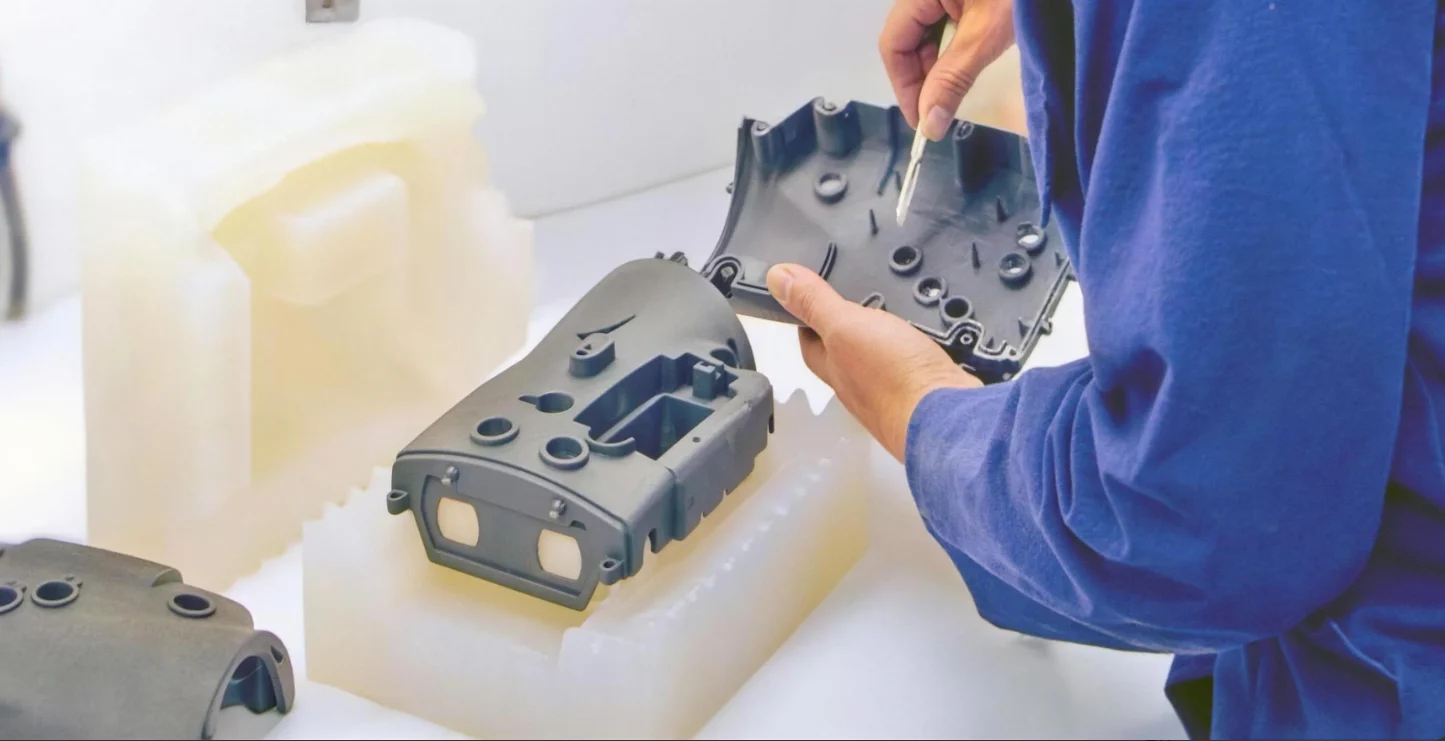
After casting, you have to remove the core sand. This is not trivial. Complex internal passages trap sand. Operators spend hours shaking, hammering, and flushing.
Design for easy sand removal. Large openings help. Straight passages help. Avoid dead-end pockets where sand can hide.
Here is a practical feature. Add bosses around holes. These are raised pads. They strengthen the local area around the opening. They also give you a clean, flat locating surface for subsequent machining. A small boss solves two problems at once. That is an efficient casting structure design.
The core rule is simple. Every core adds cost, risk, and labor. Eliminate it. If you cannot, simplify it. If you cannot simplify it, design for easy sand removal. Do not ignore this step.
Ribs and Overall Optimization — Efficient Load Paths and Design Simplification
9. Put Ribs Where They Work
Do not scatter ribs randomly. Think about the load. Which direction is the force coming from? The rib must align with that path. A rib placed perpendicular to the load does almost nothing.
Each rib should earn its keep. Ask the question: Does this rib actually add stability? Or is it just extra weight and a potential shrink spot?
Here is the test. Remove the rib in your mind. Does the part still work? If yes, delete the rib. If the part fails, keep it. But position it precisely.
10. Simplify the Whole Shape
Break down large, complex features into simpler blocks. A casting with ten simple shapes is easier to make than one casting with one convoluted shape.
Pay attention to load paths. The force enters the part at one point. It travels through the structure. It exists at another point. Your ribs and supports should follow that exact line. Any deviation creates bending stress that the casting was not designed for.
Support points matter. Where does this casting mount to something else? Those locations are stress concentrations. Add mass there. Add ribs there. Do not leave them thin.
Eliminate unnecessary fillets. Yes, fillets reduce stress concentrations at sharp corners. But a fillet also adds machining time if that surface needs post-processing. And an oversized fillet can create a local thick section that shrinks and forms a cavity. Use fillets where needed. Omit them where they cause harm.
The goal of casting structure design is not maximum complexity. It is sufficient strength with minimum trouble.
Conclusion
You have walked through the categories. Now, process feasibility comes first. If you cannot demold it, nothing else matters. That is the foundation. Get it wrong, and the project stops before it starts.
Wall thickness control is next. It prevents the common defects—cracks, voids, warpage. A part with uneven walls is a part that will fail. You cannot inspect your way out of that problem.
Core design sets the complexity ceiling. Every core adds cost and risk. Simplifying cores is not an aesthetic choice. It is a financial one.
Ribs and load paths give you the strength-to-weight ratio. Good placement makes the part strong. Bad placement makes it heavy and still weak.
Now go apply it!

Learn About NOBLE’s Casting Manufacturing
We are a specialized shop focused on two things: CNC machining and injection molding. That is what we do. That is all we do.
Core Manufacturing Capabilities
We cut metal and plastic. CNC milling, CNC turning, 5-axis machining. Complicated shapes are not a problem. Tight tolerances are routine.
We also mold. Injection molding for plastic parts, including custom components. Prototypes or full production runs. Same machines. Same quality standards. No shortcuts.
Quality Certifications
Certifications are not wall decorations.
ISO 9001:2015: This means we have a working quality management system. Consistent processes. Documented control. You get the same part every time.
ISO 13485:2016: This is for medical devices. Stricter traceability. Tighter documentation. We meet the standard because our customers require it.
Value Proposition
Reliable process control. Full traceability on critical parts. Customer-focused service means we answer your questions before you have to ask.
FAQ
Why is casting structure design different from machined part design?
Machining starts with a solid block. You cut away what you do not need. The block is already there. Casting is the opposite. You start with nothing. You pour material into a void. That material must flow, fill, and then solidify without cracking.
Casting requires you to think about mold filling. About solidification. About shrinkage. Machining does not care about any of that. A machinist just needs the stock to be big enough.
What is the most common mistake in casting design?
Uneven wall thickness. Hands down. It creates hot spots. It causes shrinkage cavities. It warps the part as it cools. Designers coming from machining forget this because a machined part can have any thickness variation. A casting cannot.
The second mistake is ignoring demoldability. Complex cores. Hidden undercuts. Features that lock the part into the tool. You can machine those features in later. You cannot cast them without a way to pull the core out.
Can NOBLE help optimize my casting design for manufacturability?
Yes. That is the point of our review process.
We look at your design early. Before you cut steel or order tooling. We find the problems: uneven walls, bad draft angles, and impossible cores. Then we tell you how to fix them. Simpler tooling. Fewer defects. Lower cost.
That is the value of bringing a manufacturer in early.
Does this guide apply to both metal and plastic castings (injection molding)?
Most principles apply to both. Metal casting and plastic injection molding are different processes. The materials behave differently. The temperatures are different.
But the core concepts are the same. Uniform wall thickness. Smooth transitions at corners. Easy demolding. No trapped features. These rules come from the physics of filling a cavity and cooling a part. That physics does not care if the material is molten aluminum or melted plastic.
Use the guide for both. Adjust for material specifics later.