CNC machining is a widely used and mature technology. People use this to make parts suitable for various fields. Are you curious about the cost of CNC machining? What are their costs?
This paper will discuss the cost of CNC machining and its influencing factors. You can also learn about the production types of CNC machining and how the production volume can reduce the cost. Let’s go.
What Determines the Cost of CNC Parts?
Customers often ask us why one part costs twice as much as another. To address this, our engineers have created the following table:
| Factor | Why It Affects Cost |
| Machining time | Every minute that the machine runs uses up electricity, wears down tools, and requires the attention of a trained operator. The longer the production cycle, the higher the costs. |
| Material | Some metals cut like butter. Others destroy tools. Aluminum is cheap and fast. Stainless steel and titanium are slow and expensive. |
| Complexity | More features mean more tool changes. More tool paths. More programming. A simple block with one hole is cheap. A bracket with ten holes, three pockets, and two angled faces is not. |
| Tolerances | Loose tolerances are fast. Tight tolerances require slower feeds, finer tools, and more inspection. |
| Batch size | A single part takes hours to set up and minutes to cut. One hundred parts spread that setup time across many units. The per-unit cost drops hard. |
| Post-processing | Every additional post-processing step not only adds several hours to the process but may also require bringing in another supplier. As a result, costs rise exponentially. |
10 Effective Ways to Lower CNC Processing Costs
NOBLE’s engineers have compiled a list of ways to improve efficiency and reduce costs—all based on real-world case studies and experience.
1. Design for Manufacturability (DFM) from the Start
Avoid deep cavities. A deep pocket needs a long, skinny tool. Long tools chatter. Slow feeds. Broken cutters. Bad results. Thin walls flex under cutting pressure.
Internal corners need radii. Sharp inside corners require a tiny endmill or a separate EDM operation. Both are expensive. A radius of one millimeter or larger lets the machine use a standard tool and follow a simple path. That saves time.
A thread depth of 1.5 times the diameter is enough for most applications. Deeper than that adds machining time and tool risk with almost no strength benefit.
Stick to standard hole sizes. Standard drills are cheap and in stock. Non-standard sizes require special tooling or reaming operations. The same rule applies to endmill diameters. Common sizes cut costs.
2. Relax Unnecessary Tolerances
Tolerances cost money. People sometimes do not realize how much.
A tolerance of plus or minus 0.01 millimeter is tight. The machine must run slower. The operator must measure more often. Tools must be newer. Scrap rates go up. A tolerance of plus or minus 0.1 millimeter is loose. The machine runs fast. The operator trusts the process. Parts fly out the door.
The smart approach is simple. When designing, consider the following: Is it really necessary for the tolerance of this part or location to be this tight? Would increasing the tolerance result in wear and tear on the final product, or even render it unusable?
Put tight tolerances only on surfaces that actually need them. Mating faces. Bearing journals. Critical alignment features. Everything else gets a loose profile tolerance that is easy to hold.
3. Choose the Right Material
Pick the alloy that matches the need, not the one that sounds impressive. Free-machining alloys exist for a reason. 303 stainless steel cuts much faster than 304. 6061 aluminum is forgiving and cheap. 7075 is stronger but harder on tools.
Titanium and Inconel are slow. Hardened steels destroy inserts. Unless the application absolutely demands these materials, avoid them. The machining cost difference is not small. It is often two to five times higher.
Near-net shapes also help. Castings, forgings, and extruded bar stock start closer to the final shape. Less material to remove. Less machine time. Less waste. The upfront cost of the near-net shape pays back in reduced machining
4. Reduce Machining Time
Machine time is money.
Rough with large tools. A big endmill removes material fast. Then finish with small tools for detail. Trying to rough with a small tool is slow and inefficient.
Combine operations. Mill and drill in one setup. Rotate the part on a fourth axis instead of re-clamping. Every time someone unbolts and re-clamps a part, time disappears, and errors appear.
Reduce tool changes. Group similar features together. Cut all the holes with one drill before switching to an endmill. Each tool change adds seconds. Seconds add up across a batch.
Avoid unnecessary surface finishes. A Ra of 3.2 micrometers is the standard as-machined finish. It works for most parts. Specifying a finer finish like 0.8 or 0.4 adds polishing or very light finishing passes. That adds time.
5. Optimize Batch Size
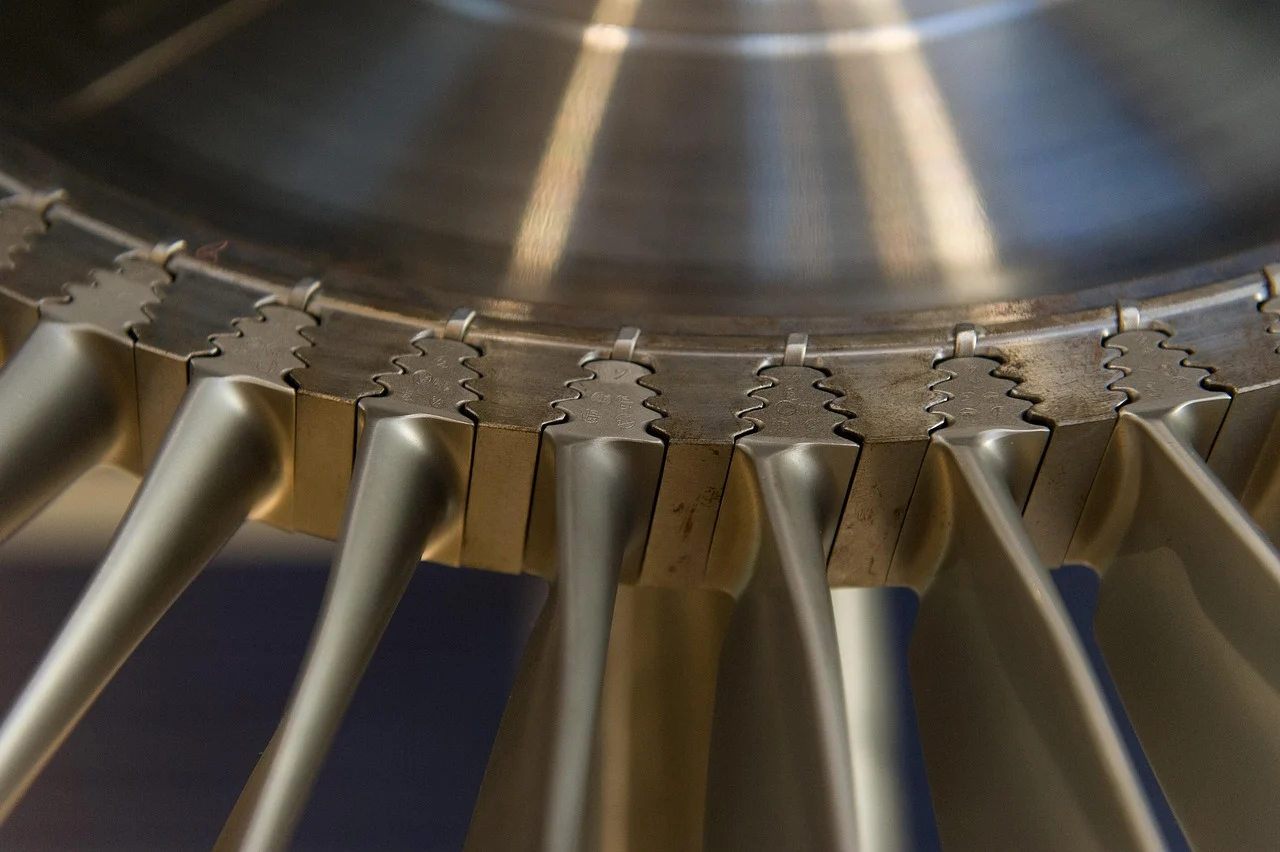
Small batches of one to fifty pieces hurt the worst. The setup time gets spread across almost nothing. Each part carries the full weight of programming, clamping, tool setting, and first-piece inspection. Per-unit cost is high. There is no way around it.
Medium volumes in the fifty to five hundred range start to make sense. The setup cost spreads thin. The machine runs for hours instead of minutes. Per-unit cost drops noticeably.
High volumes above five hundred pieces hit the sweet spot. The setup is a rounding error. The cost per part approaches the raw machine time and material. This is the lowest possible price for a given design.
The practical move is simple. Combine future orders into one production run. Instead of ordering fifty pieces this month and fifty next month, order one hundred pieces now. The supplier runs the job once. The per-unit cost drops. The buyer saves money. Both sides win.
6. Simplify Workholding & Fixturing
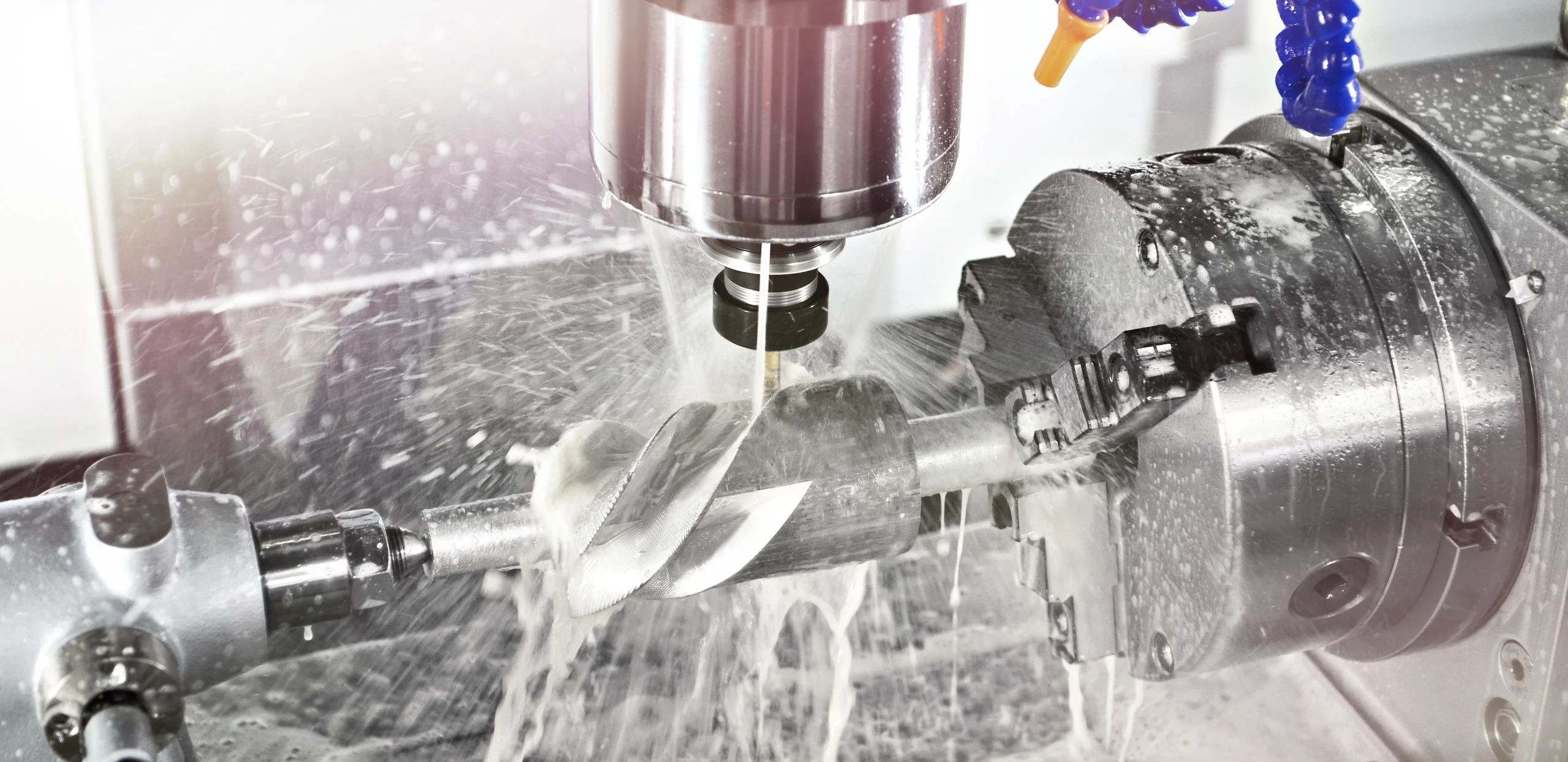
Holding the part down costs time. Bad designs make this hard.
Flat clamping surfaces are a gift to any CNC machinist. A simple flat bottom lets the part sit in a vise with no special fixtures. No soft jaws. No custom clamps. Just standard vises that every CNC machining factory owns.
Use standard stock sizes. Many people design parts that are six point three millimeters thick. Standard bar stock comes in six millimeters. The machinist has to remove that extra three-tenths of a millimeter. It takes time. Design to standard thicknesses. Standard widths. Standard diameters. The machine CNC machining factory will thank the engineer.
Undercuts and overhangs are expensive. Undercuts require special lollipop cutters or multiple setups. Overhangs need custom fixturing to hold the part without vibration. Avoid both when possible. A simple, blocky part is cheap to hold and fast to CNC machine.
7. Use Alternative Processes for Non-Critical Features
Not every hole needs perfection. People often over-specify.
A standard drilled hole is fast. A reamed or bored hole is slow. Drilling creates a hole that is round enough for a bolt, a pin, or a clearance hole. If the application does not demand a precise diameter or a mirror finish, just drill it.
Threads are similar. Tapping is fast. A tap spins in and out in seconds. Thread milling is slower. It requires a special tool and a helical tool path. Thread milling is useful for large diameters or tough materials. For standard small threads in aluminum or steel, tapping is the cheaper choice.
Leave non-mating surfaces as machined. Standard finish from the endmill or turning tool is fine for most faces. Polishing, grinding, or sanding adds time and cost.
8. Avoid Post-Processing When Possible
Anodizing looks nice. It also costs money. Plating adds corrosion resistance. It also adds a separate trip to a plating CNC machining factory. Heat treatment changes material properties. It also risks warping the part and requires another furnace cycle.
The rule is simple. Only add post-processing if the part actually needs it for the function. A decorative bracket does not need anodizing. An interior automotive clip does not need plating. An aluminum spacer does not need heat treatment.
When post-processing is unavoidable, combine steps. Send parts to one vendor who can do multiple processes. Anodize and laser mark in the same facility. Heat treat and shot peen in one batch. This reduces handling, shipping, and paperwork. Each combined step cuts costs.
9. Match Part Size to Machine Envelope
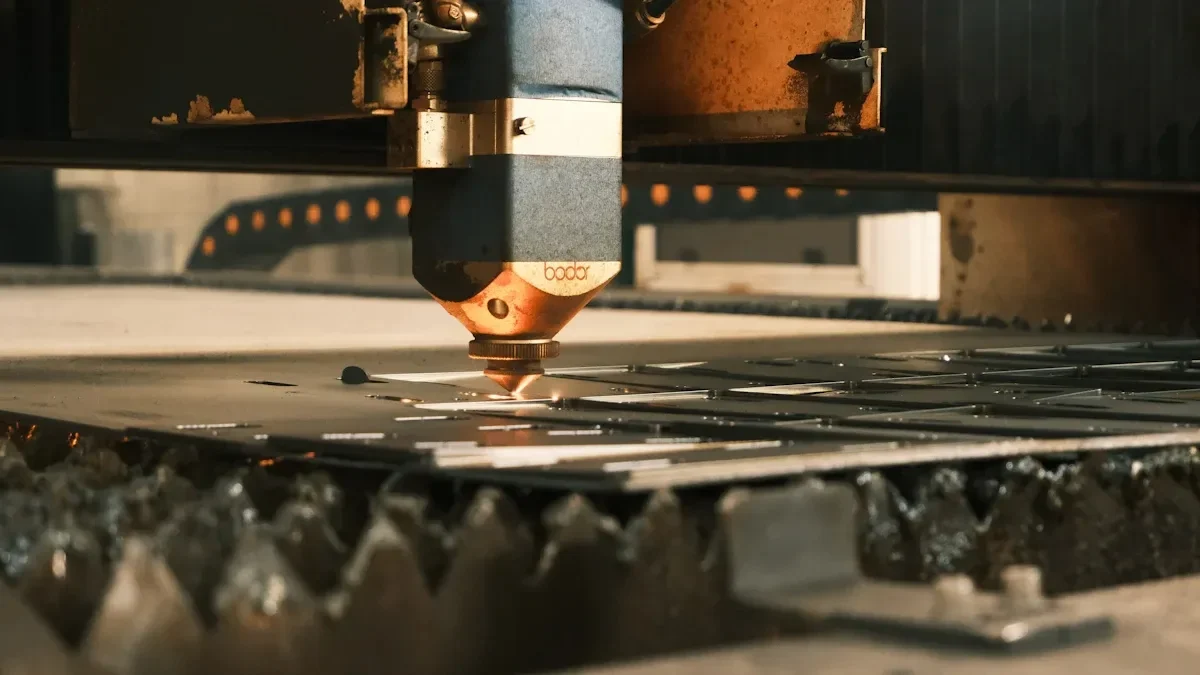
Machine size matters. Not every part needs a giant five-axis machining center.
A tiny part of a huge machine is a waste of money. The hourly rate on a large five-axis machine is high. It burns through power. It takes up floor space. The operator is highly skilled and paid accordingly. Putting a part the size of a coin on that machine is like using a freight truck to deliver a single letter.
The smarter move is matching part size to the smallest machine that can hold it. A three-axis CNC mill has a lower hourly rate. Often thirty to fifty percent lower than a five-axis machine. For parts that do not need angled holes or compound curves, three-axis machining works fine. It is fast. It is cheap. It is available at almost every CNC machining factory.
You should also consider machine travel. A part that is three hundred millimeters long might fit in a standard mill. A part that is six hundred millimeters long pushes into a larger, more expensive machine envelope. Keeping parts within common machine sizes keeps quotes lower.
10. Work With the Right CNC Machining Factory
Not every CNC machining factory is the same. People often send a drawing to the nearest or cheapest vendor.
Delivery will be faster, but that’s not the only factor to consider.
The right CNC machining factory specializes in the material and part type. A CNC machining factory that runs thousands of aluminum brackets every week knows the tricks. They have the fixtures ready. Their programmers have seen every variation.
Clear technical drawings matter more than people think. A missing dimension forces the CNC machining factory to stop work and ask a question. That delays the job. It often triggers a requote. A clean drawing with measured tolerances, clear notes, and proper GD and T lets the machinist run the part without confusion.
Here is a direct question that saves money. Ask the CNC machining factory: “What features on this part make it expensive?” Good CNC machining factories will answer honestly. They will point to a tight tolerance on a non-critical face. Or a deep pocket that needs a special tool. Or a material that cuts poorly. That feedback lets the designer change the part before the quote is locked. That conversation alone can cut costs by a noticeable margin.
Cost Reduction Potential at a Glance (Table)
| Strategy | Potential Savings | Effort |
| Relax tolerances | 20–40% | Very low |
| Avoid deep cavities | 15–30% | Low |
| Use free-machining material | 10–25% | Low |
| Increase batch size (10→100) | 50–70% | Moderate |
| Switch from 5-axis to 3-axis | 30–50% (hourly) | High |
Common Misconceptions About CNC Cost Reduction
“Faster machining always saves money.”
This sounds logical. Run the machine faster. Make parts quicker. Pay less. Simple.
The problem is broken tools. And scrapped parts. And damaged spindles.
Pushing feeds and speeds beyond what the tool or material can handle leads to disaster. A carbide endmill spinning too fast generates heat. Heat softens the tool. The tool wears out in minutes instead of hours. Sometimes it snaps. A broken tool ruins the part. It may also ruin the fixture or the machine itself.
“Cheaper material always helps.”
The logic seems sound. Buy cheaper metal. Pay less for the raw stock. Save money on the total job.
This is often false.
Harder materials are cheaper for a reason. They cut poorly. They work-harden. They destroy inserts. They require slower feeds, lighter depths of cut, and more frequent tool changes.
Consider two stainless steels. 304 is cheap. It is also gummy and hard to machine. 303 costs more per kilogram. But it cuts like butter. The machining time on 303 is half that of 304. Tool life is three times longer. The total cost of the finished part is lower with the more expensive material.
The same pattern repeats with aluminum. 7075 is stronger than 6061. It also wears out tools faster for many shops. Unless the application needs that extra strength, the cheaper-to-machine alloy wins on total cost.
“One large order is always best.”
Economies of scale are real. Larger batches lower per-unit cost. But this rule has limits.
A large order only saves money if the design is stable. People who order five thousand parts. The engineering change comes through. Half the batch is now scrap. The material is paid for. The machine time is spent. The money is gone.
Storage is another hidden cost. Five thousand parts take up floor space. Space costs rent. Parts need racking, climate control, and inventory management. These costs add up. For parts with low turnover, the storage cost can eat away at the per-unit savings from the large batch.
The better approach is often smaller, staggered orders. Order five hundred parts. Validate the design in production. Then order the next five hundred. The per-unit cost is slightly higher. The risk of scrapping a huge batch is zero. People who ignore this trade-off sometimes learn a very expensive lesson.

Get CNC machining parts to Save Cost at NOBLE
NOBLE is a professional CNC machining factory. The focus is on precision metal parts. People come from automotive, medical devices, aerospace, robotics, and industrial equipment. Each industry has different standards. We meet them.
Why Work With Us?
Cost reduction focus – We actively help customers redesign parts for manufacturability. The strategies in this article are not abstract concepts. We apply them daily to lower CNC processing costs.
Fast quotations – People get quotes back in twenty-four to forty-eight hours. Each quote includes DFM feedback. No waiting weeks to find out a part is expensive to make.
No hidden fees – Pricing is transparent. Machine time. Material. Tooling. Set up amortization. That is the list.
Prototype to production – A client needs one part for testing. We run it. The same client later needs ten thousand parts for production. We scale up. Same programs. Same quality systems.
ISO 13485:2016 – Medical device clients are welcome. We provide full validation packages. Traceability. Process control. Documentation for regulatory submissions.
Short lead times – Standard parts ship in five to ten business days. Expedite options exist for urgent jobs. Client pays for speed only when they need it.
Our Commitment to Reducing Your CNC Costs
We do not just machine parts. We engineer cost-effective solutions. Every quote includes four specific things.
- DFM analysis– A free design review. We send back cost-saving suggestions before cutting any metal. Many clients implement these changes and see immediate quote reductions.
- Alternative material recommendations– Sometimes an application does not need an exotic alloy. We propose cheaper or faster-machining alternatives when they work for the application.
- Tolerance review– We flag unnecessarily tight tolerances. Many engineers over-specify without realizing the cost impact. A simple question from us often leads to a design change that cuts the price by a noticeable margin.
- Batch optimization advice– We help clients combine orders. Fifty pieces a month for six months becomes one order of three hundred pieces. The per-unit price drops. The client saves money. The supplier runs an efficient job. Both sides benefit.
FAQ
Does output quantity affect cost?
Yes. Low volume drives high per-unit cost. The reason is fixed work. Programming, setup, tool setting, and first-piece inspection take the same time whether the job is one part or one hundred. Spread that fixed cost over a single part, and the per-unit number is painful. Spread it over a hundred parts, and the number drops hard.
Can I reduce cost without changing design?
Yes, in several ways. Increase the batch size. That alone lowers per-unit cost. Choose a different machining factory. Some shops specialize in low-volume work and have lower hourly rates for small jobs. Use near-net shape material. Castings, forgings, or extruded bar stock reduce the amount of material the machine must remove. Less machine time means lower cost.
What is the most effective cost reduction method?
Relax non-critical tolerances. This costs nothing to implement. No design change. No material change. No new tooling.
How much can I save by optimizing tool paths?
Typically, ten to twenty percent. The exact number depends on the part’s complexity. A simple block with a few holes has little room for path optimization. A complex mold core with deep pockets and tight corners has significant room. The savings come from reduced air cutting, fewer tool changes, and smarter roughing strategies.
Is 5-axis always better?
No. Three-axis machines have lower hourly rates. Often, thirty to fifty percent lower. A three-axis mill is simpler. It uses less power. The operators are more common and therefore less expensive per hour.
Five-axis adds value for specific situations. Parts with undercuts. Features at compound angles. Deep cavities where tool length becomes a problem. If the part geometry does not require these capabilities, 5-axis is just a more expensive way to do a three-axis job. People should use five-axis only when the shape demands it. Otherwise, stick with three-axis and keep the quote lower.