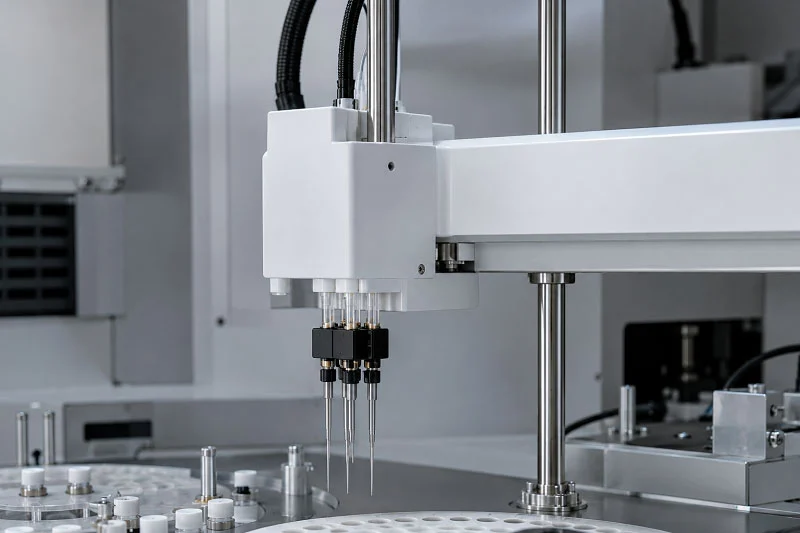
Making a pipette arm bracket starts with planning how it will fit. You need to match the opening size to your pipette arm bracket. Pick a mounting style that works with your wall or bench. Next, choose the material. Plastic is cheap and fine for basic brackets. Metal lasts longer and is stronger. Composites give a mix of both. Then, decide how to make it. Injection molding works well for large batches. CNC machining gives precise metal parts. 3D printing is great for test models. Finally, check the quality. Measure the size and test how much weight it can hold. In 2026, automation and eco-friendly methods lead production. Smart factories create less waste. Recycled materials lower costs. This plan keeps your lab efficient and affordable.
Material Selection for Pipette Arm Brackets
The material you pick shapes everything downstream. It affects cost, durability, and even which manufacturing process makes sense. For a pipette arm bracket, you need something that holds weight without bending, resists lab chemicals, and won’t fail after months of use. Let’s break down your options.
Plastic Options
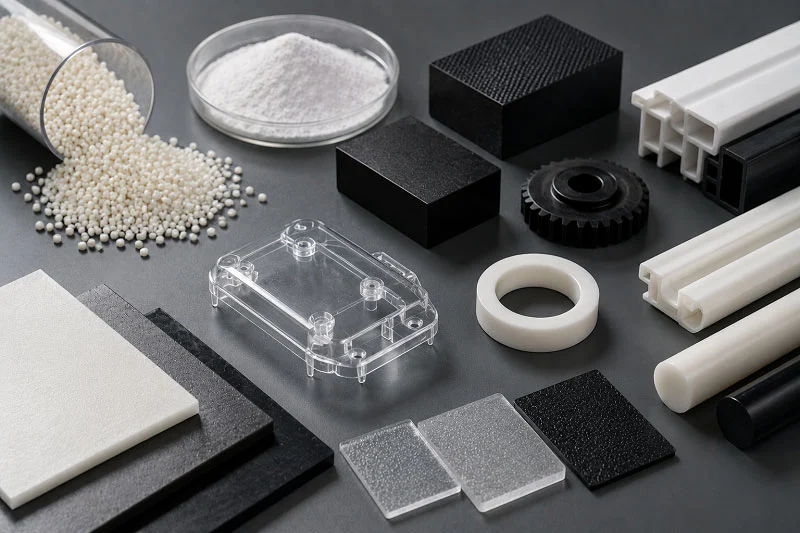
Plastics dominate the low-cost end of the market. They’re lightweight, easy to mold, and cheap at scale. But not all plastics perform the same. Your choice depends on what your lab exposes the bracket to.
ABS and Polycarbonate for Durability
ABS is the workhorse of everyday brackets. It’s tough, impact-resistant, and affordable. You’ll find it in countless lab accessories. But ABS has limits. It doesn’t love harsh solvents, and prolonged UV exposure can make it brittle.
Polycarbonate steps up from there. It offers very high impact resistance and moderate chemical resistance. PC also handles temperature swings better than ABS. If your bracket sits near equipment that generates heat, PC is the safer bet. It costs more, but the durability payoff justifies the premium for many labs.
Injection-Grade Plastics for High Volume
When you need thousands of identical brackets, injection-grade plastics shine. These materials flow well into molds and cool with minimal warping. That consistency matters when every bracket must fit the same pipette arm bracket.
Here’s a quick comparison of common injection-molding plastics:
| Plastic | Chemical Resistance | Tensile Strength | Impact Resistance |
| Polypropylene (PP) | High | Low | Medium |
| Polycarbonate (PC) | Moderate | High | Very High |
| Nylon (PA) | Moderate | High | Medium |
| Acetal (POM) | Moderate | High | Medium |
| PEEK | High | Very High | Very High |
PP resists chemicals well but lacks strength. PC balances toughness with moderate chemical resistance. Nylon and POM offer high tensile strength. PEEK sits at the top for both chemical resistance and mechanical performance.
For high-volume production, engineering thermoplastics bring specific advantages:
- Polycarbonate (PC): High impact resistance, optical clarity, UV-resistant grades available
- Nylon (Polyamide – PA6, PA66): Tough, abrasion-resistant, self-lubricating
- Acetal (POM): Low friction, high dimensional stability, chemical resistance
- Polyether Ether Ketone (PEEK): Exceptional strength, fatigue resistance, biocompatible, can withstand 250°C+
These materials resist the daily wear of a busy laboratory. They also handle cleaning agents without degrading. That’s critical because contamination control starts with surfaces that don’t harbor residues.
Metal and Composite Alternatives
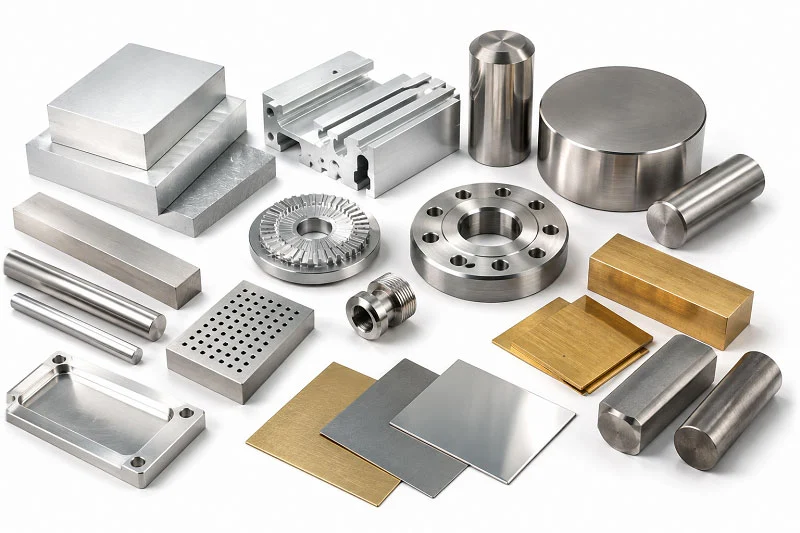
Plastics work for many applications. But some labs need more. Heavy pipettes, frequent use, or harsh environments push brackets toward metal or composite options.
Aluminum for Lightweight Strength
Aluminum hits a sweet spot. It’s light enough to mount on walls without heavy anchors. Yet it’s strong enough to hold multiple pipette arm brackets. CNC machining produces precise aluminum brackets with tight tolerances. The metal also resists corrosion naturally, though anodizing adds extra protection.
Aluminum brackets cost more than plastic ones. But they last longer and feel more substantial. For automated liquid handling systems, aluminum’s dimensional stability keeps alignment accurate over time.
Stainless Steel for Heavy-Duty Use
Stainless steel is the heavyweight champion. It handles the toughest conditions without flinching. Chemical spills, repeated sterilization, constant use—steel shrugs it all off. The material also resists contamination better than porous plastics. That makes it ideal for cleanroom environments.
The trade-off is weight and cost. Steel brackets weigh more and cost more to machine. But when failure isn’t an option, steel delivers. Many labs choose steel for brackets that hold expensive automated pipetting systems.
Your material choice also determines your manufacturing path. Plastics pair with injection molding for high volume. Metals require CNC machining. Composites can go either way depending on the formulation. Think about your volume, your budget, and your lab’s conditions. Then choose the material that fits all three. And remember—the bracket matters, but so does the tip. You should always choose the right pipette tips for your specific pipette model to ensure accurate dispensing and prevent cross-contamination between samples.
Manufacturing Processes for the Pipette Arm Bracket
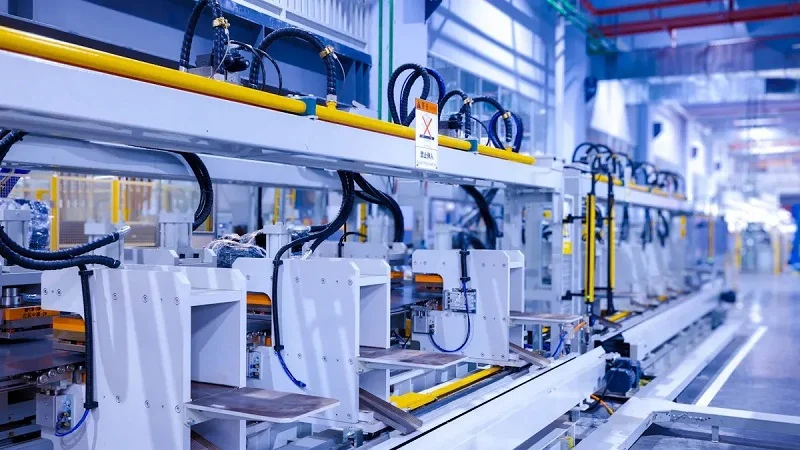
The way you build a bracket depends on how many you need and what material you pick. Each process has its own strengths. Injection molding handles big batches. CNC machining gives you precision. 3D printing lets you test ideas fast. The choice affects cost, lead time, and how tight your tolerances can be. Let’s look at each option.
Injection Molding for High-Volume Production
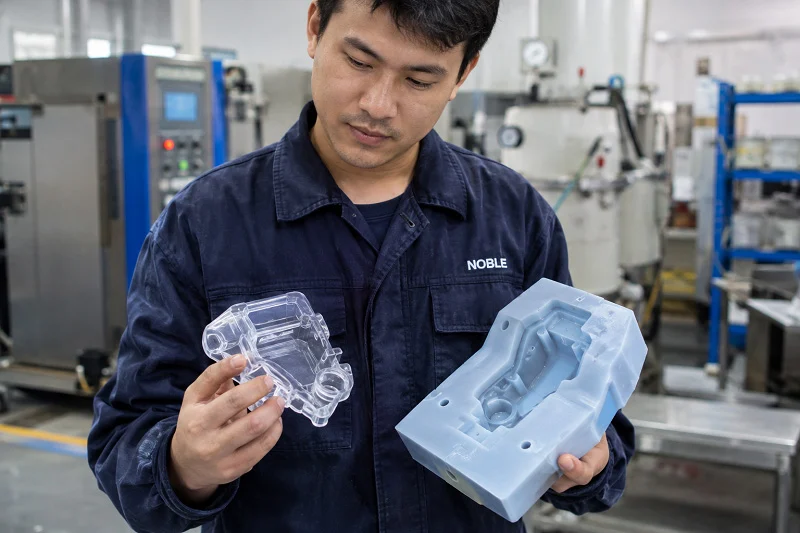
Injection molding is the top choice for plastic brackets when you need thousands of units. It melts plastic pellets and shoots them into a steel mold under high pressure. The plastic cools, solidifies, and pops out as a finished part. The cycle repeats every few seconds.
Mold Design and Cycle Time Optimization
The mold is the heart of the operation. A good design makes sure the plastic flows evenly into every corner of the cavity. It also controls how fast the part cools. Cooling time often takes up the biggest chunk of the cycle. So designers work hard to reduce it.
Cycle time is the total time from one shot to the next. It covers injection, cooling, mold opening, and part ejection. Shaving even a second off the cycle adds up fast when you run millions of parts. Designers use conformal cooling channels that follow the shape of the part. These channels pull heat away faster than straight drilled holes. The result is a shorter cycle and lower cost per part.
Cost Per Unit at Scale
For volumes over 100,000 pieces, the cost picture shifts. The tooling expense spreads across so many parts that it becomes a small factor. Material and production costs take over as the main drivers. In this high-volume zone, cutting cycle time gives you the biggest leverage on cost.
Here’s how it works. Production cost per part equals the machine rate divided by parts per hour. When you shorten the cycle, you make more parts per hour. That drops the machine cost assigned to each unit. The savings compound across every part you make. So investing in better mold cooling or faster injection units pays off fast when you run big batches. The tooling investment becomes a minor factor, while the savings from faster cycles keep adding up.
CNC Machining for Precision and Low Volume
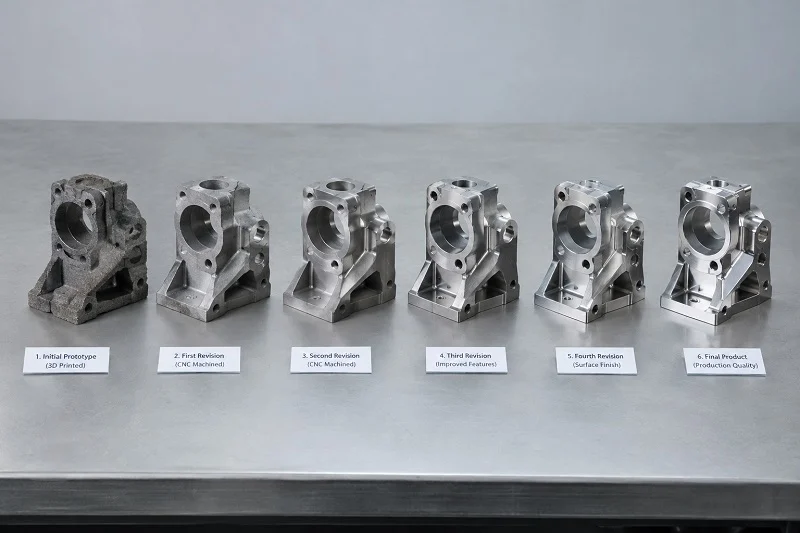
CNC machining works well for metal brackets or when you only need a small batch. It removes material from a solid block to create the final shape. No mold is required. That makes it flexible but slower than injection molding.
Milling and Turning for Metal Brackets
Milling cuts away material using rotating tools. It can create complex shapes like mounting slots, holes, and curved surfaces. Turning spins the workpiece while a cutting tool shapes it. This works for round features like pivot points or alignment pins.
For aluminum brackets, CNC machining delivers a clean surface finish and tight corners. For stainless steel, it takes longer because the material is harder. But the result is a bracket that can handle heavy loads without bending. A pipette arm bracket made from machined metal stands up to years of daily use in a busy laboratory.
Achieving Tight Tolerances
Tolerances tell you how much a measurement can vary from the design. A loose tolerance might be plus or minus 0.5 mm. A tight one could be plus or minus 0.05 mm. CNC machines can hit tight tolerances consistently. That matters when the bracket must align with a robotic arm or a pipetting station.
The machine’s rigidity, the tool sharpness, and the cutting speed all affect accuracy. Skilled operators set up the job to minimize vibration and tool deflection. The payoff is a bracket that fits right the first time, every time.
3D Printing for Prototyping and Customization
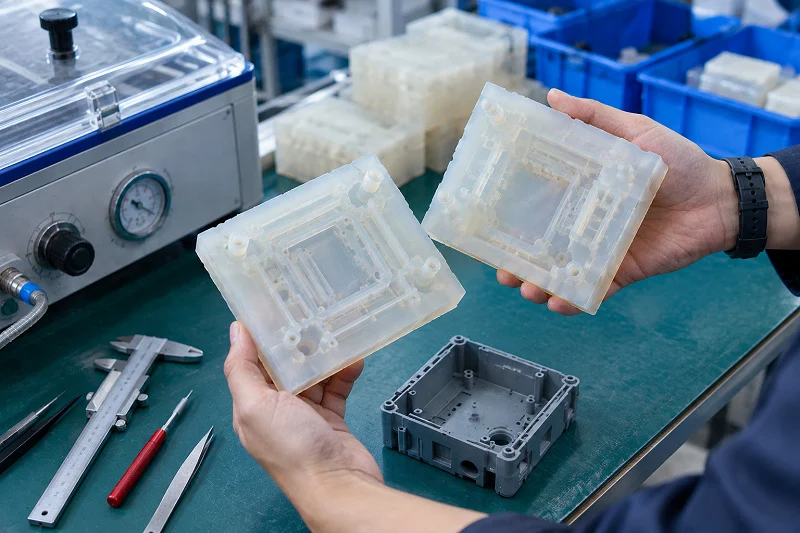
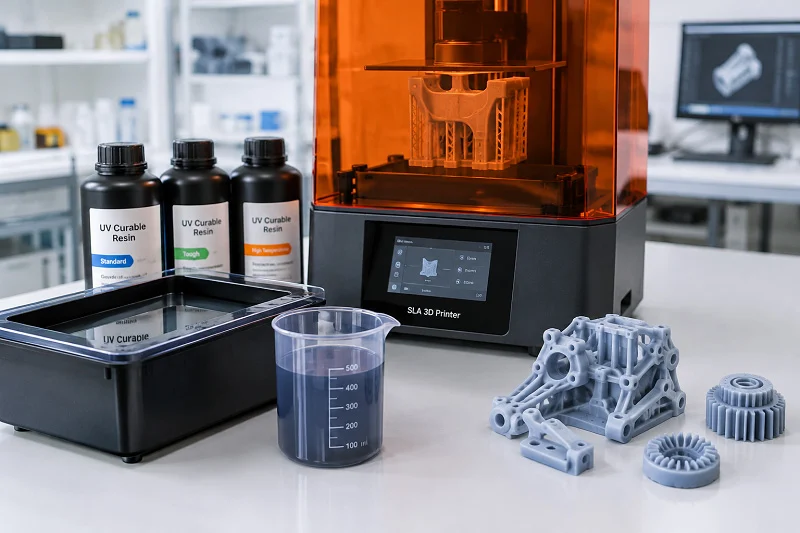
3D printing builds parts layer by layer from a digital file. It needs no mold and no special tooling. That makes it perfect for one-off parts and design testing.
Rapid Design Validation
Say you want to check if a bracket’s opening fits your pipette arm bracket. You can 3D print a prototype in a few hours. Then you test the fit, make changes, and print again. This loop speeds up development. You catch problems before you commit to a mold or a CNC program.
3D printed parts let you hold the design in your hand. You can check clearances, test the mounting mechanism, and see how the bracket feels. This physical feedback is hard to get from a computer screen alone.
Material Limitations and Post-Processing
But 3D printing has limits. The materials available for 3D printing are not as strong as injection-molded plastics or machined metals. Prints can be brittle. They may not resist chemicals as well. Surface finish is also rougher than molded or machined parts.
Post-processing helps. You can sand, polish, or coat 3D-printed parts to improve appearance and strength. But these steps add time and cost. So for final production, 3D printing works best when the volume is very low, or the design is highly customized. For large runs, injection molding or CNC machining still makes more sense.
Each process earns its place. Pick injection molding for high-volume plastic brackets. Choose CNC machining for metal parts or tight tolerances. Use 3D printing for prototypes and custom jobs. Match the process to your needs, and you’ll get the best balance of cost, quality, and speed.
Assembly and Integration with Liquid Handling Robots
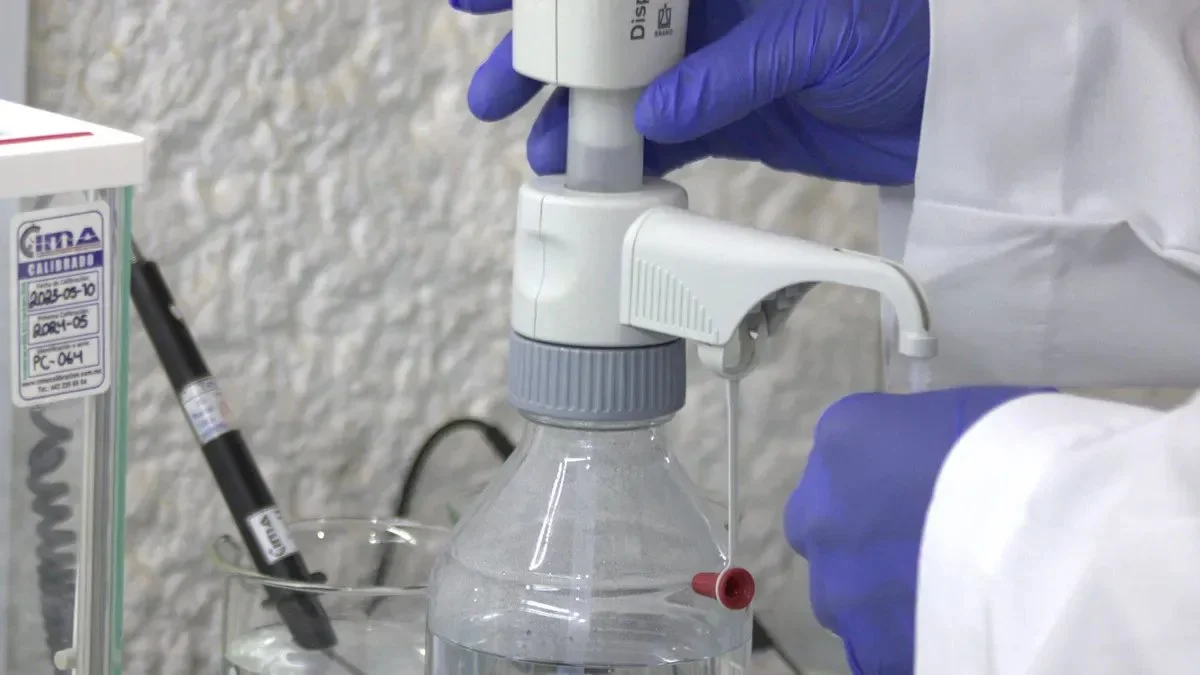
Pipette arm brackets are now very important in automated labs. A liquid handling robot needs a stable mount for its pipette arm brackets. The bracket keeps everything in place during precise movements. Getting this integration right saves time and prevents costly errors.
Mounting Bracket on Robotic Systems
Robotic arms move fast and repeat the same motions all day. That constant motion puts stress on any mounting point. A loose bracket throws off alignment. Then the robot misses its targets. So the bracket must lock down securely.
Adapter Plates and Custom Fixtures
Most robotic arms use a standard flange for attachments. Your bracket likely won’t bolt on directly. That’s where adapter plates come in. These plates bridge the gap between the robot’s mounting pattern and your bracket’s holes.
Custom fixtures go further. They can position the bracket at a specific angle or offset. This helps the pipette reach tubes and plates without hitting other equipment. A well-designed fixture also spreads the load across more surface area. That reduces stress on any single bolt.
When you design an adapter plate, think about the robot’s payload limits. Every extra ounce reduces how much weight the arm can carry. Aluminum plates keep weight low while staying strong. Steel works for heavy-duty setups but adds mass.
Alignment with Pipetting Stations
The bracket must line up perfectly with the pipetting station below. Even a small offset causes the pipette to miss the tube opening. That leads to spills and ruined samples.
Laser alignment tools help during setup. They show exactly where the pipette tip lands. You can then adjust the bracket position until everything lines up. Some systems use dowel pins for repeatable alignment. These pins lock the bracket into the same position every time you reinstall it.
Check alignment regularly. Vibrations from the robot’s motion can shift things over time. A quick visual check each week catches problems early. This simple habit prevents many headaches.
Integration with Manual Pipetting Workstations
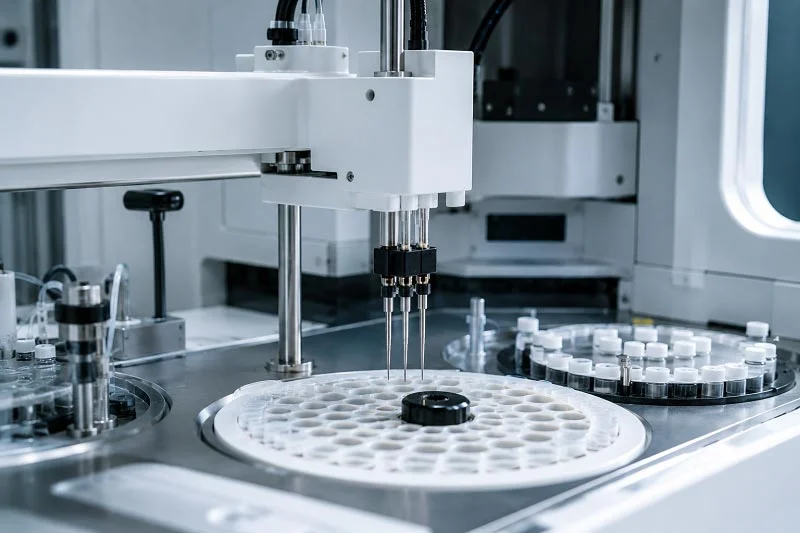
Not every lab uses robots. Manual workstations still need reliable brackets. These setups range from simple wall mounts to adjustable bench-top arms. The right choice depends on your space and workflow.
Wall-Mounted vs. Bench-Top Configurations
Wall-mounted brackets save valuable bench space. They keep pipettes within easy reach without cluttering the work area. Installation requires finding a stud or using heavy-duty anchors. Drywall alone won’t hold a pipette arm bracket safely.
Bench-top configurations offer more flexibility. You can move them around as your workflow changes. Some models clamp to the edge of the bench. Others use a weighted base that stays put. Bench-top brackets work well in shared spaces where multiple people need access.
Consider the height carefully. The bracket should sit at a comfortable level for the person using it. Too high strains the shoulder. Too low forces awkward bending. Adjustable models let different users find their ideal position.
Quick-Release Mechanisms for Interchangeability
A quick-release mechanism lets you swap pipettes in seconds. Instead of unscrewing bolts, you press a button or pull a lever. The pipette slides out, and a new one clicks into place.
This feature shines in busy labs. Different tasks need different pipettes. Switching between them should not require tools. Quick-release also reduces wear on the bracket. You avoid stripping threads or damaging the mounting hardware.
Look for mechanisms with a positive lock. You want a clear click that tells you the pipette is secure. A loose fit causes wobble during use. That wobble affects accuracy and increases the risk of contamination between samples. Always verify the lock engages fully before starting work.
A well-integrated bracket keeps your pipettes organized and ready. Whether you run a full liquid handling robot or a simple manual station, proper mounting makes every transfer smoother. And remember to choose the right pipette tips for each application. The bracket holds the pipette, but the tip does the actual work. Matching them correctly protects your results and your equipment.
Quality Control and Testing for Pipette Arm Brackets
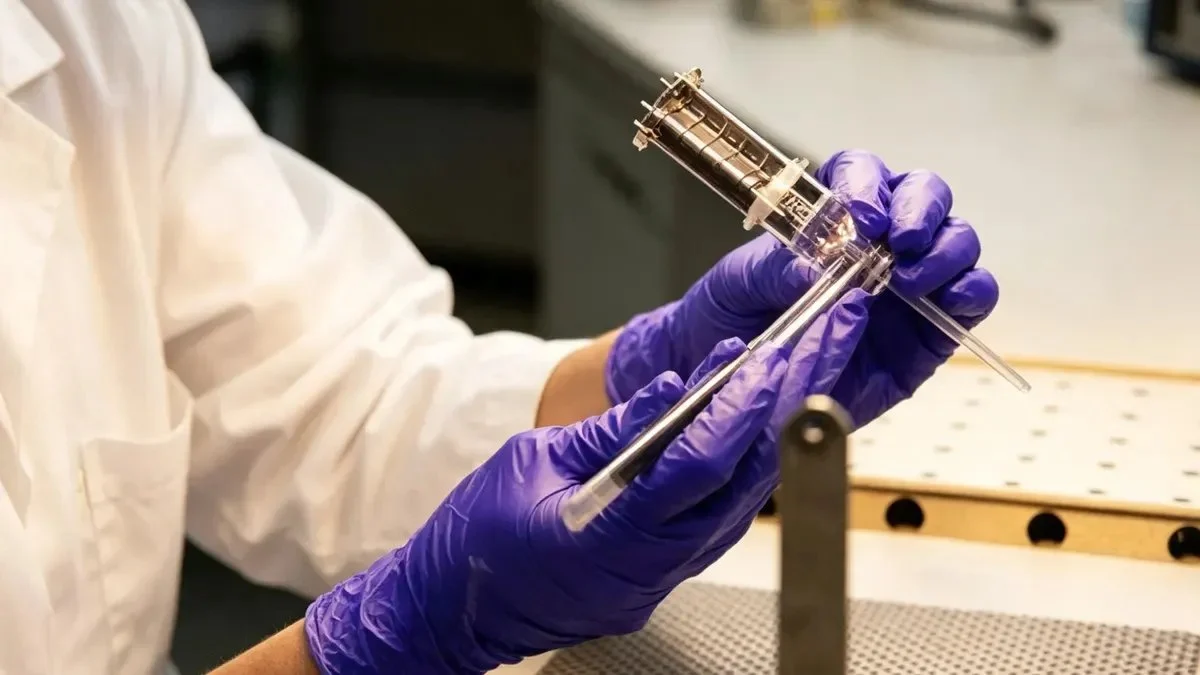
Quality control keeps every bracket the same. A bracket that breaks in the lab costs more than the part itself. It ruins experiments and wastes precious samples. So testing matters at every step. Smart makers check parts during production, not just at the end. This catches problems early when they are cheap to fix.
Using Calipers and CMM for Verification
Calipers give quick measurements on the production floor. Workers check key sizes like opening width and hole spacing. Digital calipers read to a tiny fraction of a millimeter. They catch big errors fast.
Coordinate measuring machines, or CMMs, go much deeper. A CMM probes the part from many angles. It builds a 3D map of the bracket’s shape. Then it compares that map against the CAD model. This catches small warping or drift that calipers miss. CMM inspection works well for metal brackets with tight tolerances. It also checks the first parts from a new injection mold.
Statistical process control adds another layer. Workers sample parts at set times during a production run. They plot measurements on control charts. If the measurements drift toward the limit, they fix the process before bad parts pile up. This active approach cuts waste and keeps quality steady.
Fit Testing with Standard Pipette Models
Measurements tell you the part matches the drawing. But the real test is how it fits. Fit testing uses actual pipette arm brackets to check the bracket in action. The worker inserts a standard pipette model into the bracket. It should slide in smoothly without too much force. It should also lock securely without wobble.
This test catches issues that measurements miss. Maybe the surface finish creates too much friction. Maybe the locking mechanism does not engage fully. Fit testing shows these problems right away. It also verifies that the bracket works with the specific pipette models your customers use. Different brands have slightly different sizes. A bracket that fits one brand perfectly might bind on another. Testing with multiple models ensures broad compatibility.
Cycle Testing for Repeated Insertion/Removal
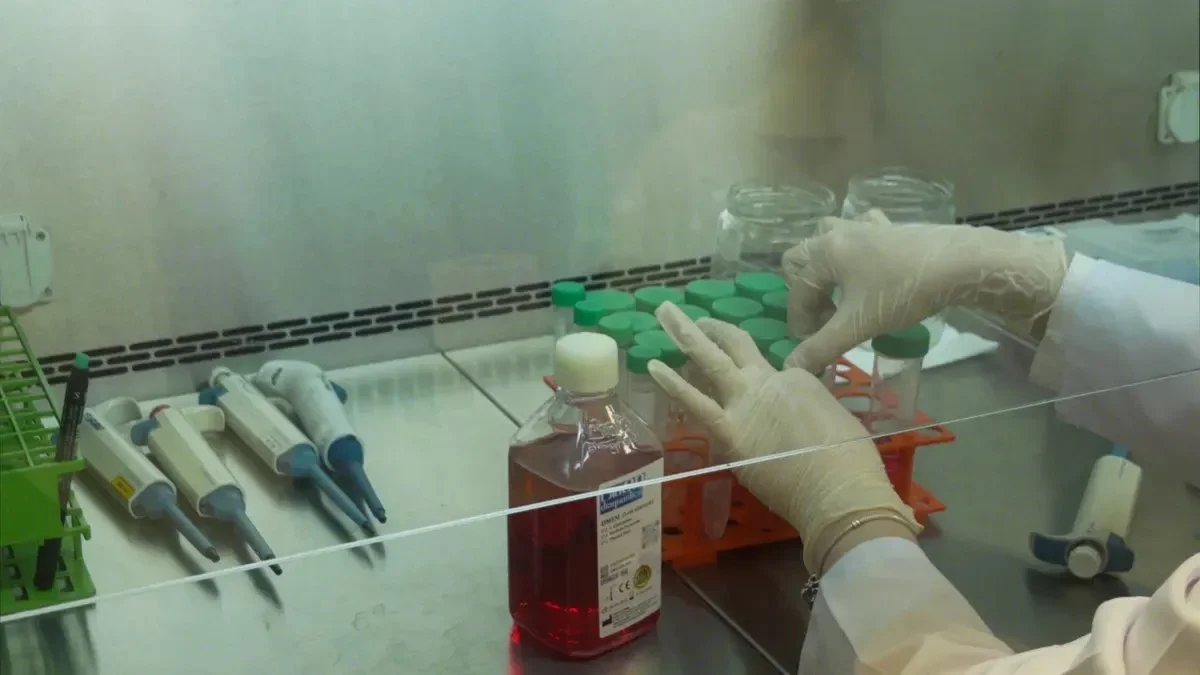
Cycle testing automates the insertion and removal process. A machine pushes the pipette into the bracket and pulls it out again. This repeats thousands of times. The test simulates months of normal use in a fraction of the time.
After cycling, the worker inspects the bracket for wear. The locking mechanism should still engage firmly. The opening should not have enlarged from friction. Any loosening means the bracket will eventually fail in the field. Cycle testing also checks the pipette itself. Repeated insertion can scratch or deform the pipette shaft. A well-designed bracket minimizes this wear. The test confirms the bracket protects the pipette while holding it securely.
Weight Capacity Verification
Weight capacity testing confirms the bracket can hold its rated load. The worker mounts the bracket as it would be in the lab. Then they hang weights from the pipette position. The bracket should not sag, bend, or pull away from the mounting surface.
The test starts with the expected weight of a standard pipette arm bracket. Then it increases beyond that to find the safety margin. A bracket that holds twice its rated weight gives confidence. It means the bracket will not fail under unexpected stress. This test also verifies the mounting hardware. Screws and anchors must hold as well as the bracket itself. A strong bracket with weak anchors still fails.
Load testing matters most for wall-mounted brackets. Gravity pulls the pipette downward constantly. Over time, this stress can loosen screws or bend the bracket. The test verifies the bracket resists this steady pull. It also checks that the bracket returns to its original position after the load is removed. Permanent bending means the bracket has lost its structural strength.
These tests work together to ensure reliability. Dimensional checks verify the shape. Fit testing confirms real-world compatibility. Cycle testing proves long-term durability. Load testing validates strength. Together, they deliver a bracket that performs consistently. That consistency translates to repeatable results in your laboratory. Every experiment runs the same way because the equipment holds steady. This reliability supports high accuracy in your work. And when you choose the right pipette tips for each application, you get results free of contamination. The bracket holds the pipette steady, the tip delivers the sample, and the whole system works together. That is the goal of quality control — protecting your experiments from equipment failure. Contamination control starts with clean surfaces and secure mounting. A bracket that does not hold residues keeps your workspace safe. Proper testing ensures every bracket meets that standard.
Best Practices for Pipette Arm Bracket Production in 2026
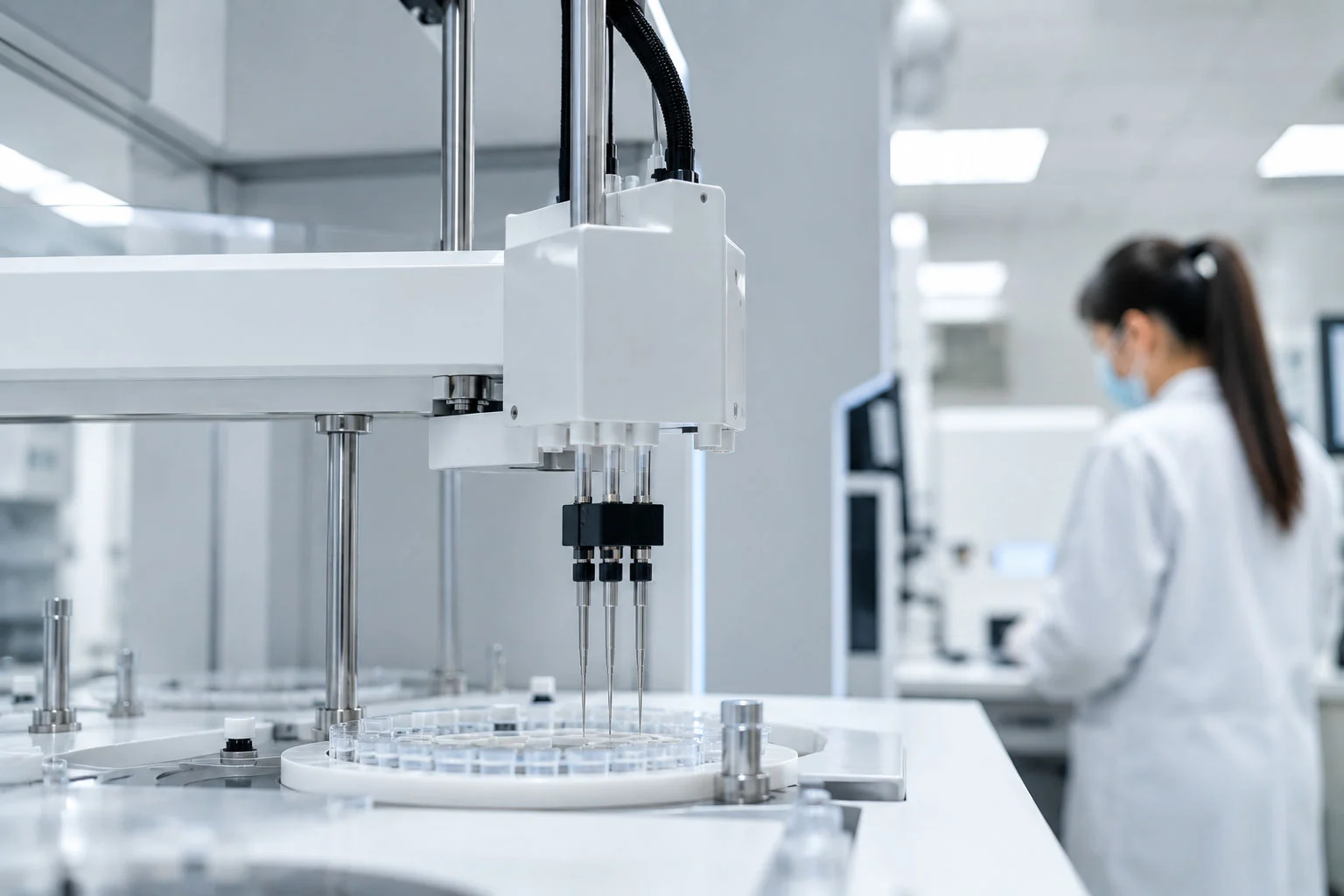
The top makers in 2026 don’t just create brackets. They build smart systems that monitor every step. Machines handle the boring tasks. Sensors check quality as parts are made. This method cuts waste and keeps every piece the same. Let’s see what makes the best producers stand out.
Automation and Robotics in Manufacturing
Robots now run whole production lines for pipette arm brackets. They move parts between machines with no human help. They sort finished pieces by size and color. They even box brackets for shipping. This automation takes the guesswork out of making parts. Every bracket follows the same route through the factory.
Automated Assembly and Packaging
Automated assembly cells put all the pieces together. A robotic arm grabs a molded bracket from the injection machine. It sets the bracket onto a conveyor. Another robot adds springs or locking pins. Vision systems check that each part sits in the right place. This whole process takes just seconds.
Packaging gets better too. Machines place each bracket into its own bag or box. They seal the package and stick on labels. Barcodes track every unit through the supply chain. This helps labs that need to trace their gear. If a problem shows up, the maker can find the exact batch fast.
Automated packaging also cuts down on contamination. Human hands carry oils and dirt. Machines don’t. Each bracket stays clean from the molding press to the shipping box. That cleanliness keeps your lab safe from unwanted particles.
Real-Time Process Monitoring
Sensors now watch every production step. They measure temperature, pressure, and cycle time. They spot when a mold starts to wear out. They flag parts that fall outside the safe range. This data flows to a central system that warns operators right away.
Real-time monitoring catches problems before they turn into defects. Say the injection pressure drops a little. The system sees the trend. It changes the machine settings before any bad parts come out. This active approach keeps quality high without slowing production.
The data also helps with upkeep. Machines tell you when they need service. You fix them before they break down. This stops costly downtime and keeps delivery schedules on track. For a busy lab waiting on new brackets, that reliability matters.
Lean Manufacturing and Sustainability
Lean manufacturing means doing more with less. You use fewer materials, less energy, and less time. This method cuts costs and helps the planet. In 2026, sustainability isn’t just a nice extra. It’s a must for many buyers.
Reducing Material Waste
Smart mold design cuts waste from the start. Engineers place the gates and runners to reduce scrap. They use hot runner systems that keep plastic melted. This gets rid of the solid runners that would otherwise become waste.
Production planning also cuts waste. Makers run just enough parts to fill orders. They avoid making too many and storing extra stock. This just-in-time method means fewer parts sit in warehouses. It also means less material ends up in landfills when designs change.
Using Recycled Plastics and Metals
Recycled materials now play a bigger role in bracket production. Post-industrial plastic scrap gets ground up and mixed with new resin. This blend keeps strength while lowering costs. Some makers use 100% recycled content for parts that aren’t critical.
Metals follow the same trend. Aluminum and steel scrap from machining gets collected and melted down. This closed-loop system keeps valuable materials in use. It also cuts the energy needed to make new metal. For customers, recycled content shows a promise to sustainability without losing quality.
These practices bring real benefits. Less waste means lower costs. Sustainable materials appeal to eco-conscious buyers. And steady automation ensures every bracket meets the same standard. That consistency supports repeatable results in your experiments. When the equipment stays steady, your results stay reliable. The bracket holds the pipette tight, the tip delivers the sample, and contamination control stays strong throughout your workflow. Every part of the system works together to protect your research.
Partnering with NOBLE for Pipette Arm Bracket Manufacturing

When you work with NOBLE, you get a partner that handles both metal and plastic. We don’t just make brackets. We help you pick the right material and process. Then we build the part and check its quality. This full-service approach saves you time and hassle. You focus on your lab work. We handle the manufacturing.
Our Capabilities in Metal and Plastic Machining
NOBLE runs both CNC machining centers and injection molding machines. That means we can build your bracket in plastic or metal. We don’t force you into one option. We match the process to your design. This flexibility makes us a strong fit for different projects.
CNC Machining and Injection Molding Expertise
Our CNC machines cut aluminum and stainless steel with tight tolerances. We hold dimensions within a few hundredths of a millimeter. This matters for brackets that must align with robotic arms. Every hole and slot lands exactly where the design says. For stainless steel brackets, we take extra care. The material is harder and takes longer to cut. But the result is a bracket that lasts for years.
On the plastic side, we run injection molding presses for high-volume work. We design molds with conformal cooling channels. These channels cut cycle times and keep each part the same. The result is a bracket that fits the same way every time, at a lower cost per unit. We also use engineering thermoplastics like polycarbonate and nylon. These materials resist chemicals and handle daily lab use without degrading.
Full-Service from Design to Assembly
We don’t just make parts. We help you from the start. Our engineers review your design for manufacturability. They suggest changes that make the bracket easier to produce. They also check compatibility with your pipette models. This early review catches problems before they cost money.
After molding or machining, we handle assembly. We add springs, pins, and locking mechanisms. We package the finished brackets. We even manage inventory so you get parts when you need them. This closed loop stops contamination from entering the supply chain. Each bracket stays clean from the production floor to your workstation. Your team gets parts that are ready to use. We also inspect every bracket for surface contamination before packaging. This extra step keeps your lab safe from unwanted particles.
Certifications and Quality Assurance
Certifications prove that our systems work. They show that we follow strict procedures every day. NOBLE holds two key certifications that matter for lab equipment makers. These standards give you confidence in every bracket we ship.
ISO 9001:2015 for Quality Management
ISO 9001:2015 sets the baseline for quality management. It focuses on customer satisfaction and process improvement. We use it to keep our production consistent. Every bracket goes through the same checks. The system catches problems before they leave the factory. This standard covers things like document control, internal audits, and corrective actions.
ISO 13485:2016 for Medical Devices
ISO 13485:2016 goes further. It is designed for medical device manufacturing. Since pipette arm brackets often hold equipment used in clinical labs, this standard matters. It adds strict rules for risk management, process validation, and supplier control. Here is how the two standards compare:
| Aspect | ISO 9001:2015 | ISO 13485:2016 |
| Regulatory Focus | General customer satisfaction | Regulatory compliance appears 58 times |
| Risk Management | General, informal risk-based thinking | Formal documented risk management (Clause 7.1) |
| Quality Manual | Not required | Explicitly required |
| Process Validation | Informal qualification acceptable | Formal validation with protocols and acceptance criteria |
| Supplier Management | Organization defines criteria | Risk-based control with change notification requirements |
For accessory manufacturers, ISO 13485 means we must implement formal risk management files. We document every step. We validate critical processes like molding and assembly. We also require change notifications from our suppliers. This rigor protects your products from defects and contamination. Our team follows these protocols without exception. That means fewer surprises and more reliable brackets for your laboratory.
Making a pipette arm bracket requires four steps: design for compatibility, pick the right material, choose the right process, and check quality. In 2026, best practices add automation and sustainability. Smart factories cut waste. Recycled materials lower costs. A reliable partner makes all the difference.
NOBLE handles both metal and plastic processing. We offer CNC machining and injection molding. Our ISO 9001:2015 and ISO 13485:2016 certifications prove our quality systems. We manage everything from design to assembly. This controls contamination risk and keeps contamination out of your supply chain. Your liquid handling robot stays accurate. Your pipette fits perfectly. Your laboratory gets better reproducibility.
Contact NOBLE today for your custom or high-volume production needs.
FAQ of Pipette Arm Bracket Manufacturing
What material is best for a pipette arm bracket?
It depends on what you need. Plastic is good for light use and low cost. Metal works best for heavy-duty labs. Composites are a mix of both. Think about chemical exposure and weight before you choose.
Can I use 3D printing for production pipette arm brackets?
Yes, but only for prototypes or small custom jobs. 3D printed parts are not as strong as molded or machined brackets. They also do not resist chemicals as well. For large batches, injection molding or CNC machining is a better choice.
How do I check if a bracket fits my pipette arm bracket?
Test the fit with an actual pipette. The bracket should slide in easily and lock without wobble. Different brands have slightly different sizes. Always check compatibility before buying in bulk.
What quality tests should I expect from a manufacturer?
Dimensional inspection using calipers or CMM. Fit testing with standard pipette models. Cycle testing for repeated insertion and removal. Load testing to check weight capacity. These tests make sure the bracket will hold up in daily use.
How does contamination affect my results?
Contamination ruins experiments. A bracket that traps residues spreads particles between samples. Pick a material that resists cleaning agents and does not hold dirt. This keeps your laboratory safe from unwanted contamination.
Should I choose the right pipette tips for my bracket?
Yes, always choose the right pipette tips for your specific pipette model. The bracket holds the pipette steady, but the tip does the actual work. Matching them correctly protects accuracy and prevents cross-contamination between samples.
What certifications should a bracket manufacturer have?
Look for ISO 9001:2015 for quality management and ISO 13485:2016 for medical devices. These standards show the manufacturer follows strict procedures. They also require risk management and process validation.
Can I use recycled materials for my brackets?
Yes, recycled plastics and metals work well for non-critical parts. Post-industrial scrap gets mixed with new resin. This lowers costs and supports sustainability. Just make sure the material still meets your strength and chemical resistance needs.