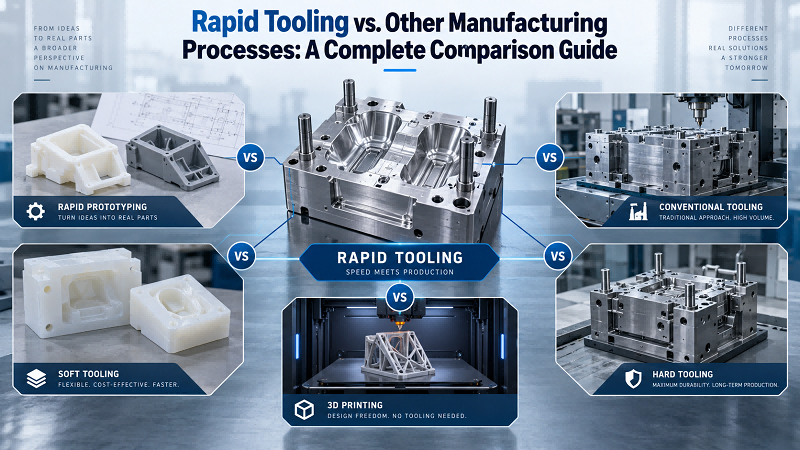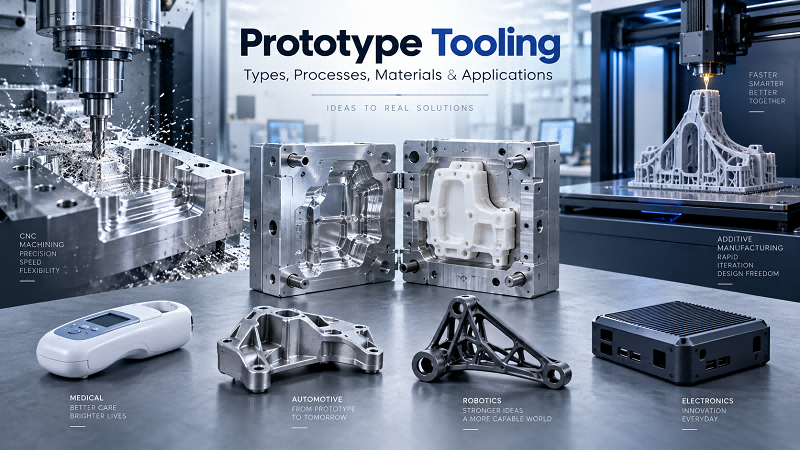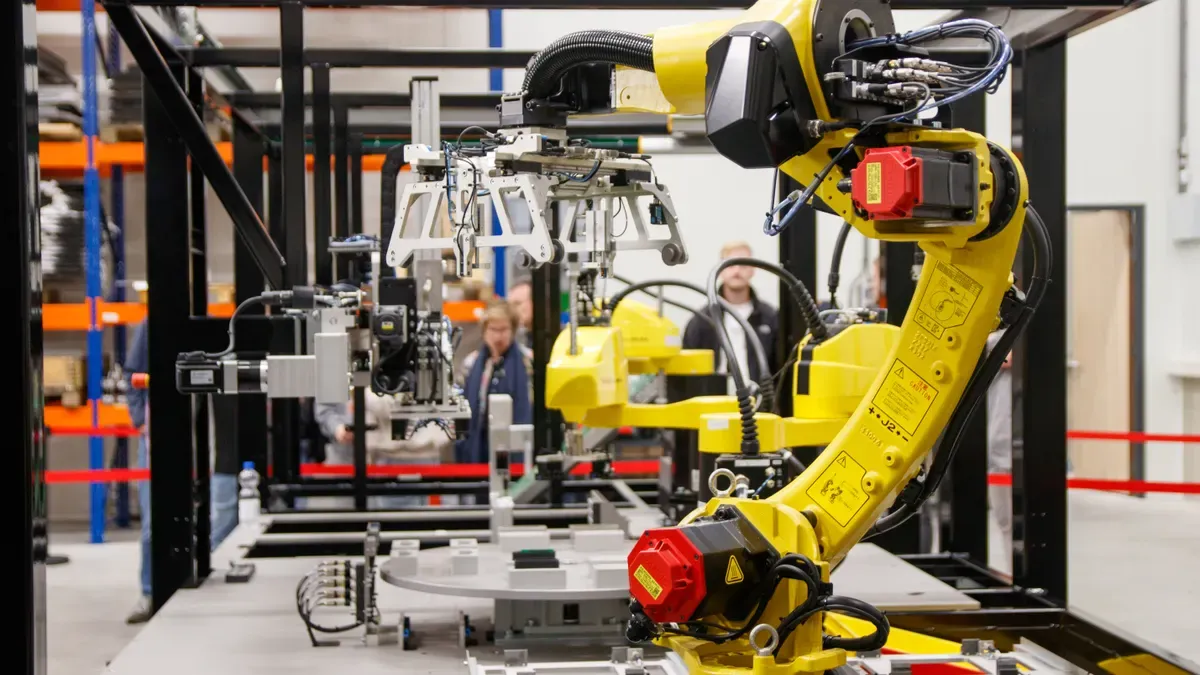
Medical device engineers in 2026 must choose between subtractive CNC machining and formative injection molding. Choosing the correct method for a medical robot chassis determines the project’s overall success.
Early hospital robot chassis CNC machining works best for low-volume production under 500 units. Initial engineering stages require robust load-bearing models and rapid design updates. CNC technology enables fast modifications without causing long delays.
On the other hand, injection molding works best for high-volume production over 5,000 units. Expensive startup equipment costs lower per part across larger batches after the frame design stops changing.
Engineers must check build amounts, cost balance points, wait times, safety rules under ISO 13485, and temporary molding plans for every product development phase.
Key Takeaways
- CNC machining costs less for small orders of under 500 parts.
- Injection molding costs less money when making large groups of over 5,000 parts.
- CNC technology lets you make quick design changes without paying for costly new molds.
- Strong metal pieces give solid support and help cut down on extra motor shaking.
- Medical chassis materials must pass strict ISO safety and cleaning rules.
- Soft aluminum temporary molds help teams move easily into high-volume manufacturing.
- Smart teams pick building methods based on how many parts they need and how fast they need them.
Requirements for Hospital Robot Chassis CNC Machining and Molding
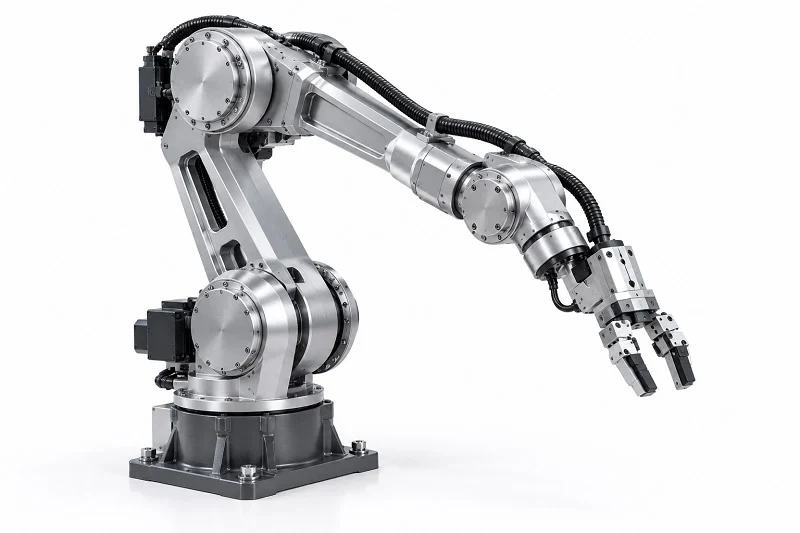
Hospital surgical and rehabilitation frames face severe mechanical demands. Engineering teams evaluate hospital robot chassis cnc machining during structural design phases to verify performance standards.
Structural Stiffness and Dynamic Load Resistance
Deflection Limits under Arm Payload Stress
Surgical robotic arms require rigid structural support. Structural bending alters positioning during delicate surgical procedures. Heavy payloads create physical bending forces across the frame base. High structural rigidity prevents structural deflection under load. Engineers rely on hospital robot chassis cnc machining to create rigid metal structural bases. Solid metal components maintain baseline structural shape under dynamic force changes.
Vibration Damping in Surgical Systems
Dynamic motor forces create unwanted mechanical vibrations. System resonance compromises surgical instrument positioning. Frame components must absorb dynamic operating frequencies. Solid metal structures dampen resonant forces during active movement. Proper material selection prevents mechanical vibration transmission across joint interfaces.
Dimensional Tolerances and Assembly Precision
Sub-Millimeter Geometric Tolerancing
Robotic assemblies require strict geometric precision. Standard cnc processes deliver consistent mechanical feature placement. High-precision manufacturing preserves internal component spatial alignment. Tight geometric controls streamline final housing assembly steps. Precise component mounting surfaces prevent structural misalignment across multi-part enclosures.
Multi-Axis Joint Alignment Accuracy
Multi-axis robotic joints depend on exact rotational alignment. Axis positional accuracy dictates joint movement precision across multi-axis articulation points. Machined housing features protect bearing positions against axis shifting. Precise cnc operations retain tight physical tolerances under severe operational loads. Solid housing components eliminate dimensional creep across heavy operational cycles.
EMI Shielding and Biocompatibility Standards
Electromagnetic Interference Enclosure Protection
Surgical suites host dense electronic equipment arrays. A medical device chassis must meet IEC 60601-1-2 standards for electromagnetic compatibility. Metal enclosures provide native shielding against external signal disruption. Alternative polymer structures formed via injection molding require conductive interior coatings to match metal performance. Internal electronic assemblies require protected housing boundaries to maintain operational integrity.
Resistance to Harsh Chemical Disinfection
Hospital hardware requires constant chemical decontamination. Medical device housings undergo harsh chemical wipe-downs with aggressive hospital disinfectants. Materials must comply with ISO 10993 standards for chemical safety and biocompatibility. Solid metal surfaces resist chemical degradation from daily sanitization routines. Smooth surface finishes eliminate micro-cracks where harmful pathogens aggregate. Selecting qualified medical materials ensures complete regulatory compliance under ISO 13485 quality framework controls. The device enclosure must protect internal components while maintaining surface integrity after continuous chemical exposure.
CNC Machining vs Injection Molding Cost and Speed
Selecting the correct manufacturing process defines the economic viability of a surgical frame project. Engineers compare subtractive cutting from solid metal or plastic blocks against injecting molten material into pre-made metal molds. Both methods serve distinct roles in medical robot manufacturing depending on project volume, tooling capital, and design maturity.
Tooling Investment and Unit Cost Break-Even
Zero Upfront Tooling with CNC Machining
Initial prototyping costs drop significantly when using subtractive methods. Standard cnc machining requires zero custom tooling investments before starting production. Machinists load stock material directly into multi-axis mills. Software programming controls toolpaths to cut accurate physical geometries. This approach creates a distinct 500-unit break-even threshold where cnc machining remains far cheaper per part than formative methods. Low-volume runs avoid large financial commitments during early clinical trial phases.
| Feature / Metric | CNC Machining | Injection Molding |
|---|---|---|
| Upfront Tooling Cost | Zero custom mold cost | High mold capital expenditure |
| Economic Unit Threshold | Cheaper below 500 units | Cheaper above 5,000 units |
| Initial Setup Time | Hours to days | Multi-week mold build |
| Design Revision Cost | Low digital code updates | High steel mold recutting cost |
High Mold Capital Expenditure Allocation
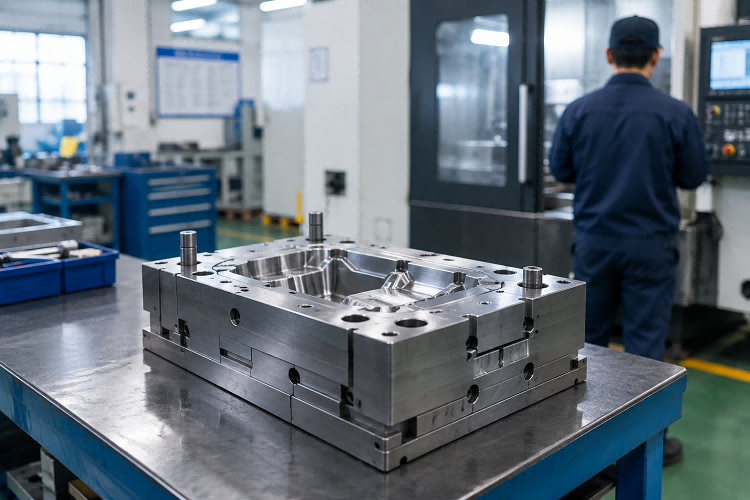
Creating custom steel or aluminum molds requires massive upfront capital expenditure. Machinists cut hardened steel tool cavity sets to sustain high pressures. Amortizing these expensive mold costs requires large manufacturing quantities. Injection molding becomes the superior economic choice once batch sizes exceed 5,000 units. The low unit cost of high-volume production compensates for initial tooling expenses over long commercial lifecycles. Utilizing injection molding ensures high efficiency for stable product lines.
Production Lead Times and Iteration Speed
Rapid Turnaround for Initial Chassis Prototypes
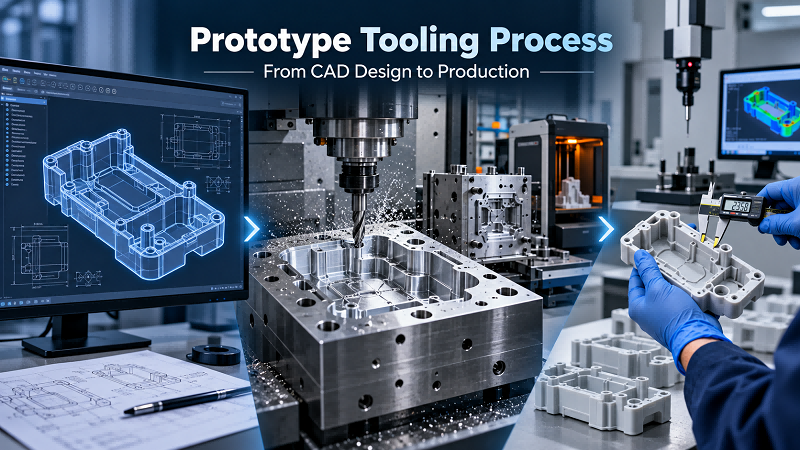
Speed drives early engineering development phases. Rapid cnc setup allows engineers to complete initial chassis prototypes within days. Automated tool paths convert digital CAD files directly into physical parts. Physical testing provides immediate performance data for dynamic load verification. Rapid feedback loops shorten early medical device development cycles.
Multi-Week Mold Fabrication and Testing
Building custom production tools requires extensive lead times. Precision mold making involves multi-week fabrication schedules and rigorous initial sample testing. Machinists cut cavities, polish molding surfaces, and install complex ejector pin mechanisms. Process engineers test resin flow, cooling rates, and shrinkage factors across early trial shots. These initial tooling phases add several weeks to early project schedules before injection molding part fabrication begins.
DFM Constraints and Design Flexibility
Seamless Modifiability of Unfrozen Designs
Chassis frames frequently undergo modifications during clinical trial testing. Standard cnc machining handles unfrozen housing design modifications seamlessly. Engineers update CAD files and adjust cutting toolpaths without delay. Fast cnc programming changes save valuable design effort without scrapping costly steel tooling sets. Early adoption of cnc machining protects engineering budgets during active device development phases.
Draft Angles, Wall Thickness, and Undercuts
Formative part manufacturing requires strict design rules to ensure successful part ejection. Molds demand specific surface draft angles to release cooling parts smoothly without cosmetic defects. Nominal wall thickness must remain consistent across the entire part to prevent thermal sink marks or structural warping. Reducing undercuts and controlling wall thickness lowers overall mold complexity.
- Maintain 1 degree of draft for standard molded surfaces.
- Provide 2 degrees or more of draft for textured exterior surfaces.
- Maintain rib thickness between 40% and 60% of nominal wall thickness.
- Specify wall thickness by resin type: ABS 1.5–3.0 mm, Polycarbonate 1.0–3.0 mm, Polypropylene 1.0–4.0 mm, Nylon 1.0–3.0 mm.
- Implement a core-cavity approach to avoid deep internal ribs and eliminate unnecessary undercuts.
Hospital robot chassis cnc machining avoids these rigid geometric constraints during early frame development. Engineers refine complex internal structural geometries before locking final injection molding parameters for commercial device production.
Material Selection and Regulatory Compliance
Medical-Grade Metals vs High-Performance Polymers
Aluminum 6061-T6 and Titanium Grade 5
Engineers pick metals for high strength during early frame design. Initial prototype stages use regular cnc machining to cut frames without costly tooling. Aluminum alloy 6061 is lightweight at ~2.7 g/cm³ and offers a yield strength of 241 MPa. Hard-coat anodized 6061 aluminum fits external covers well. Yet, titanium alloy Ti-6Al-4V brings superior strength-to-weight performance with 830-1100 MPa tensile strength.
| Material | Density (g/cm³) | Tensile Strength (MPa) | Primary Advantage |
|---|---|---|---|
| Aluminum 6061 | ~2.7 | 290-310 | Low weight and formability |
| Ti-6Al-4V | ~4.4 | 830-1100 | Biocompatibility and high strength |
| PEEK | ~1.3 | Moderate | Radiolucency and heat resistance |
PEEK, Radel, and Polycarbonate Resins
High-performance polymers replace heavy metal parts in modern setups. Large production runs use injection molding to make light plastic covers quickly. Polyetheretherketone withstands high heat during repeated heat sterilization. Its low density of about 1.3 g/cm³ lowers total chassis weight. Polycarbonate resins give clear visual clarity for windows on medical frames. Choosing safe materials ensures strong builds under heavy working stress.
ISO 13485 and FDA Validation Impact
IQ/OQ/PQ Mold Validation Workflows
Medical factory rules require strict operational testing. High-volume injection molding needs formal mold testing steps. Production teams must complete Installation Qualification, Operational Qualification, and Performance Qualification. This formal process proves that every tool produces identical parts under standard temperature limits.
Material Traceability and Machine Calibration
The FDA splits hospital units into risk groups needing proper regulatory files. Factories need ISO 13485 approval to guarantee full material tracking. Accurate cnc machining shops measure complex parts using CMM tools to check tight tolerances from ±0.002 mm to ±0.005 mm. Regular machine tuning stops baseline shifts during medical device production runs.
Surface Finishing and Sterilization Compatibility
Anodizing and Electropolishing Standards
Surface treatments shield raw chassis parts from environmental damage. Technicians apply Type II or Type III hard-coat anodizing to aluminum covers. Stainless steel parts undergo passivation under ASTM A967 rules to improve rust resistance. Electropolishing clears tiny rough edges to create smooth surfaces for medical tools.
Molded Texturing for Decontamination
Outer housing parts must survive daily chemical cleanings. Special mold patterns make smooth outer walls without tiny cracks. This smart design stops germ growth across outer housing parts. Smart production choices allow fast cleaning routines in medical areas while keeping complete build quality intact.
Lifecycle Strategy: Transitioning to High Volume Injection Molding
Medical device teams need to plan their step-by-step path from early testing to mass production. Having a clear master plan ensures easy growth while keeping project budgets completely safe.
Moving from Prototyping to Full Production
Freezing Chassis Design to Avoid Tooling Rework
Designers have to lock down structural frame settings before buying heavy steel molds. Ordering these factory tools requires official approval steps to freeze the final chassis blueprint. An official design review process checks all late modifications for potential structural problems. Changing a part shape after making a tool often means building a whole new mold.
- Locking the frame shape early stops expensive mold changes.
- Early design sign-offs prevent major delays in project timelines.
- Late part updates add to the long multi-week waiting time for molded parts.
- Smart checks and design reviews remove hard angles before making tools.
Early physical tests use basic plastic printing or regular cutting tools to check assembly fit. Fixing alignment problems upfront saves money and protects project schedules.
Mitigating Re-Validation Costs Across Process Shifts
Moving from small batches to high-volume manufacturing calls for detailed testing procedures. Switching to a new factory method changes internal physical stress inside shaped plastic parts. Equipment builders must rerun every physical test setup after changing their build processes.
Designers record all material choices to prove steady mechanical strength across builds. Every outer housing needs to meet strict safety guidelines set by healthcare authorities. Setting up equipment accurately maintains exact physical sizes throughout testing runs. Careful preparation stops costly re-testing delays when changing build methods.
Low-Volume Bridge Tooling Solutions
Soft Aluminum Molds for Mid-Volume Runs
Temporary tools build a helpful path between early tests and full factory production. Toolmakers use soft aluminum metals to build these medium-stage molds very fast. Basic aluminum tooling begins near $1,500 and ships within one single week.
- Soft metal molds make at least 10,000 finished parts easily.
- Aluminum tools give quick delivery times within two to four weeks.
- Temporary molds save lots of time compared to standard multi-month steel tools.
- Low starting expenses reduce total overall budget needs for mid-sized runs.
This method combines fast build speeds with affordable initial costs. Health device makers receive real parts quickly while testing final product strength.
Hybrid Machining and Molding Production
Mixing basic block-cutting tools with custom plastic pressing creates an adaptable manufacturing strategy. Production groups press complex outer structural frames in huge quantities. Technicians then carve specific inside attachment points right into those pre-shaped plastic components.
This mixed system helps small runs of custom health gear without requiring new molds. Designers adjust attachment points for special hospital uses while using standard outer shells. Large factory lines gain great advantages from this flexible mixed plan over long production years.
Selecting the right manufacturing choice determines overall project success in 2026. Early hospital robot chassis cnc machining excels for low-volume production under 500 units. This flexible cutting technology supports unfrozen design iterations with high precision. Conversely, injection molding suits high-volume production over 5,000 units once frame geometries are frozen completely.
Medical device OEMs building a complex frame should follow a structured roadmap:
- Deploy precision cnc machining for initial medical device prototypes and clinical trial device units.
- Shift to soft aluminum bridge tooling and low-volume injection molding for mid-volume operational validation.
- Freeze every final chassis design feature and launch full injection molding runs.
NBOLE offers rapid prototyping and fabrication services for your medical robotics projects.
NOBLE provides high-quality CNC machining, 3D printing, and mold-making services to the medical robotics industry. Our sophisticated precision manufacturing technology ensures that your medical robot components meet the highest safety and performance standards. Whether you need custom CNC machining for prototyping or are preparing for mass production, we have extensive experience to bring your robotics projects to life.
NOBLE has the following qualification certificates:
ISO 9001: 2015 – Robust quality management for general manufacturing. Consistent processes. Documented control. Traceable inspection.ISO 13485: 2016 – Stricter quality standards for medical device parts—rigorous process validation. Full traceability. Required for implantable and surgical parts.
FAQs of medical robotics Machining
1. What is the unit break-even point between CNC machining and injection molding?
CNC machining costs less for low-volume runs under 500 units. Injection molding saves more money once volume passes 5,000 units. High initial tooling expenses are spread across larger product runs.
2. Which safety rules apply to medical robot chassis manufacturing?
Factories follow ISO 13485 quality framework controls. Frame designs must satisfy IEC 60601-1-2 standards for electromagnetic compatibility. Materials must also meet ISO 10993 standards for chemical safety and biocompatibility.
3. Why is Aluminum 6061-T6 popular for machined robot frames?
Aluminum 6061-T6 combines lightweight performance with strong physical properties. The metal features a density of ~2.7 g/cm³ and a yield strength of 241 MPa. Hard-coat anodizing protects these structural parts.
4. What tight tolerances can CNC machining reach for joint alignment?
Precision CNC machining maintains exact physical tolerances from ±0.002 mm to ±0.005 mm. These tight geometric controls preserve multi-axis joint alignment and prevent dimensional creep under heavy operational loads.
5. How does bridge tooling help teams switch to full production?
Soft aluminum bridge molds provide rapid temporary tooling starting near $1,500. Toolmakers deliver these molds within two to four weeks. Aluminum tools yield at least 10,000 finished parts for mid-volume validation.
6. Which surface treatments improve stainless steel chemical resistance?
Technicians process stainless steel components using passivation under ASTM A967 standards. Electropolishing removes tiny rough edges. Smooth metal surfaces resist harsh chemical disinfectants during daily hospital sanitization routines.
7. Will CNC machinists be replaced by AI?
AI is unlikely to completely replace CNC machinists. Instead, it will automate programming, process optimization, inspection, and routine tasks. Skilled machinists will increasingly focus on complex machining, problem-solving, quality control, and production management.
8. Which robots are used in hospitals?
Hospitals use several types of robots, including surgical robots, rehabilitation robots, pharmacy robots, logistics robots, disinfection robots, and hospital service robots. Their applications range from surgery and patient rehabilitation to medication delivery and internal transportation.
9. How much does a hospital robot cost?
The cost varies significantly by robot type. Simple service or logistics robots may cost tens of thousands of dollars, while advanced surgical robotic systems can cost several million dollars, including equipment, installation, training, and maintenance.
10. Are surgical robots cost-effective?
Surgical robots can be cost-effective for hospitals that perform a high volume of appropriate procedures. They may improve surgical precision, enable minimally invasive techniques, and reduce recovery time, but their high acquisition and maintenance costs mean the economic benefits depend heavily on usage volume and clinical application.
11. Is medical robotics a good field?
Yes. Medical robotics is a promising field driven by aging populations, healthcare labor shortages, minimally invasive surgery, rehabilitation needs, and advances in AI. It offers opportunities across medical devices, robotics, precision manufacturing, software, and AI.
12. What is the future of robotics in healthcare?
The future will likely involve closer integration of robotics, AI, computer vision, sensors, and medical data. Robots will increasingly assist with surgery, rehabilitation, elderly care, hospital logistics, diagnostics, and personalized treatment rather than simply performing repetitive mechanical tasks.
13. What are the disadvantages of robotics in the medical field?
The main challenges include high initial costs, maintenance requirements, technical complexity, cybersecurity and data-privacy risks, staff training, regulatory requirements, and potential equipment failures. Human expertise will therefore remain essential even as robotic systems become more capable.