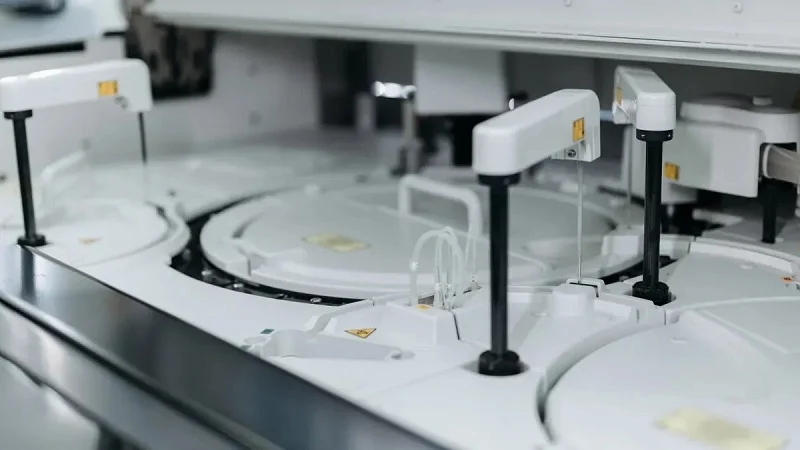
Every insulin pen and autoinjector depends on a cartridge holder that must work without any mistakes. Even a tiny flaw can put patient safety at risk. When you choose cartridge holder CNC machining, you’re committing to precision at every step—from the initial design to the final inspection. What should you think about when machining a cartridge holder with CNC? This guide gives trusted answers for making medical devices and planning their design.
Making medical equipment requires exact custom parts and strong quality checks, and cartridge holder CNC machining demands tight tolerances that keep the glass cartridge secure and the dosing mechanism aligned. Medical rules set standards for quality and testing, and these standards directly shape how cartridge holder CNC machining is validated and documented. Doctors and nurses rely on safe, effective devices, so every machined feature—threads, shoulders, and internal bores—must be verified. These parts need medical-grade materials that resist chemicals, and cartridge holder CNC machining often uses stainless steel or advanced polymers that withstand repeated sterilization. Rules are enforced through audits to keep devices compliant, and those audits review machining records, tooling wear logs, and inspection data. Top companies in the medical field focus on reliability in their designs, and they treat cartridge holder CNC machining as a core competency, not an afterthought. Knowing these points is key to building successful devices, because the holder’s geometry directly affects injection accuracy, user comfort, and long-term durability.
Role of Cartridge Holder CNC Machining in Medical Devices
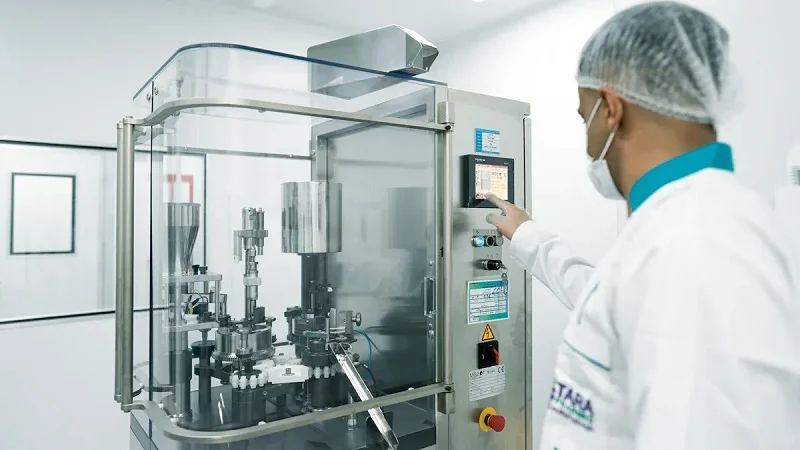
Cartridge holder CNC machining is very important in making medical devices. This process removes material from a solid block to make complex, high-precision parts. Unlike molding or 3D printing, CNC machining creates clean shapes with tight tolerances that medical equipment production needs. The result is a part that fits perfectly, seals reliably, and works the same way across thousands of uses.
Defining the Component and Its Functions
A cartridge holder does more than keep a glass cylinder in place. It supports the whole delivery system, connecting the cartridge to the needle assembly and the dosing mechanism. Every surface, thread, and shoulder has a job. CNC machining gives manufacturers the control they need to meet these exact specifications.
Structural Support and Alignment
The holder must keep the cartridge perfectly lined up with the needle. Even a small misalignment can cause bent needles, wrong doses, or painful injections. CNC machining achieves concentricity tolerances that keep the cartridge centered inside the housing. The machined bore provides a snug fit that stops the cartridge from moving during use. This precision matters because patients often use these devices every day, sometimes for years. A well-machined holder keeps its strength through repeated insertions and removals.
The material thickness also affects how well it works. Too thin, and the holder cracks under stress. Too thick, and the device becomes bulky and uncomfortable. CNC machining lets designers adjust wall thickness exactly, creating parts that are strong yet slim. This balance improves both durability and user experience.
Ensuring Fluid Integrity and Preventing Leakage
Leakage is a serious failure in any medical delivery system. A leaking cartridge holder can waste medication, give wrong doses, or expose patients to dangerous drugs. The sealing surfaces must be smooth and flat to create a proper barrier. CNC machining produces surface finishes with low roughness values, often below 0.4 micrometers Ra. These smooth surfaces let O-rings and gaskets sit correctly, creating a reliable seal.
The threads that connect the holder to other parts also need precision. Poorly cut threads can cross-thread or loosen over time. CNC machining cuts threads with consistent pitch and depth, ensuring a secure connection every time. This reliability is essential for devices that patients use without supervision.
Types of Cartridge Holders and Applications
Different medical applications need different holder designs. CNC machining services handle this variety through flexible tooling and programmable processes. Manufacturers can switch between designs quickly, making custom part manufacturing efficient even for small batches.
Pre-filled Syringes and Autoinjectors
Pre-filled syringes and autoinjectors use cartridge holders that must handle spring forces and impact loads. When a patient presses the activation button, the mechanism drives the needle forward and delivers the medication. The holder absorbs these forces without bending. CNC machining creates holders from materials like stainless steel and PEEK that handle these stresses. The machined surfaces also resist wear from repeated use, extending the device’s lifespan.
These devices often have small diameters, requiring Swiss-type turning for exceptional accuracy. The process supports features like internal threads, tapered bores, and precise chamfers that improve functionality.
Diagnostic Reagent Cartridges
Diagnostic devices use cartridge holders to contain reagents and samples. These holders must keep fluid integrity while allowing optical sensors to read results. CNC machining creates precise windows and channels that line up with the detection system. The smooth surfaces prevent bubbles from forming, which could interfere with measurements.
Many diagnostic cartridges are single-use, so cost matters. CNC machining offers a cost-effective solution for medium-volume production. The process removes the need for expensive molds, making it ideal for products that change often or have shorter lifecycles. This flexibility supports innovation in medical equipment production, allowing companies to test new designs quickly.
Processes for Cartridge Holder CNC Machining
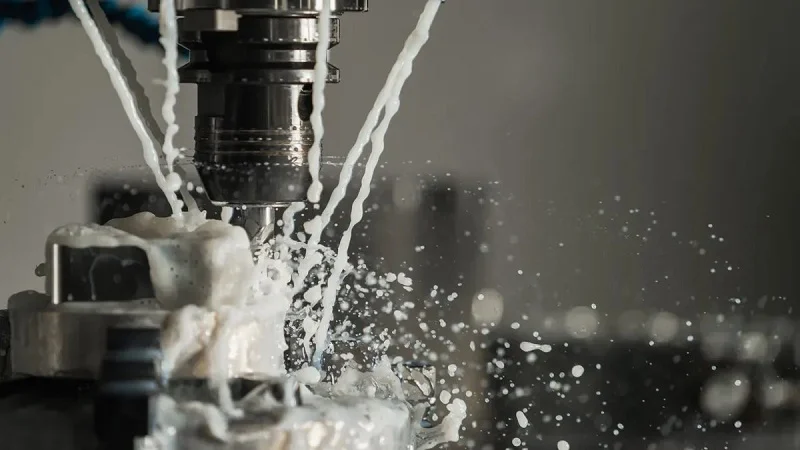
When you make cartridge holders for medical equipment, the process you pick matters just as much as the design. You need methods that give tight tolerances, smooth surfaces, and steady results. CNC machining services let you handle complex shapes while keeping costs low. Whether you need samples or full production runs, the right processes make all the difference.
High-Precision CNC Milling and Turning
Milling and turning are the main steps for making cartridge holders. Milling uses a spinning tool to cut away material from a fixed workpiece. Turning spins the workpiece against a fixed tool. Both work well for medical parts. Five-axis machining goes a step further. It moves the cutting tool along five axes at the same time. This lets you machine complex shapes in one setup. For cartridge holders with angled or curved surfaces, five-axis machining cuts down errors and saves time. Each setup change can cause misalignment, so fewer setups mean better accuracy.
Micro-Machining for Small Features
Many cartridge holders have tiny features that need micro-machining. Think small channels, fine threads, and narrow ports. These guide fluid flow or connect to other parts. Micro-machining uses special tools and fast spindle speeds to cut these features without breaking the tool. The hard part is staying accurate at such small sizes. A very small tool can snap under the wrong cutting conditions. Machines with high-speed spindles and strong frames handle this well. They keep chip loads steady and stop vibration. For medical devices that need precise fluid delivery, these small features must be perfect. Making custom parts for these tiny components needs careful planning and the right tools.
Swiss-Type Turning for Complex, Small-Diameter Parts
For cartridge holders that are long and thin, Swiss-type turning is the best method. Unlike regular turning, where the workpiece is held only by the chuck, Swiss turning uses a guide bushing. This bushing supports the bar right at the cutting area. The setup prevents bending, even when the part is much longer than it is wide.
Here is how the two methods compare for small-diameter cartridge holder parts:
| Criterion | Swiss Turning | Conventional Turning |
| Workpiece support | Guide bushing supports bar at cutting zone | Chuck/clamp support only |
| Max L/D ratio | Up to 100:1 without bending | ~5:1–10:1 before bending |
| Tolerance | ±0.005 mm on small features | ±0.01 mm standard |
| Surface finish | Ra 0.4 μm possible | Hard to match on small diameters |
| Bending risk | Stopped at source | Causes vibration, taper, uneven finish |
The guide bushing makes a big difference. In regular turning, the part bends when the length-to-diameter ratio goes over 4:1. The cutting tool pushes against the workpiece, and the unsupported end moves away. This causes vibration, taper, and an uneven finish. Swiss turning stops this problem. It supports the workpiece right where the cutting happens. The result is a part that meets tight tolerances and smooth surface finishes. This matters for medical uses where the holder must stay in perfect alignment.
Advanced Finishing and Secondary Operations
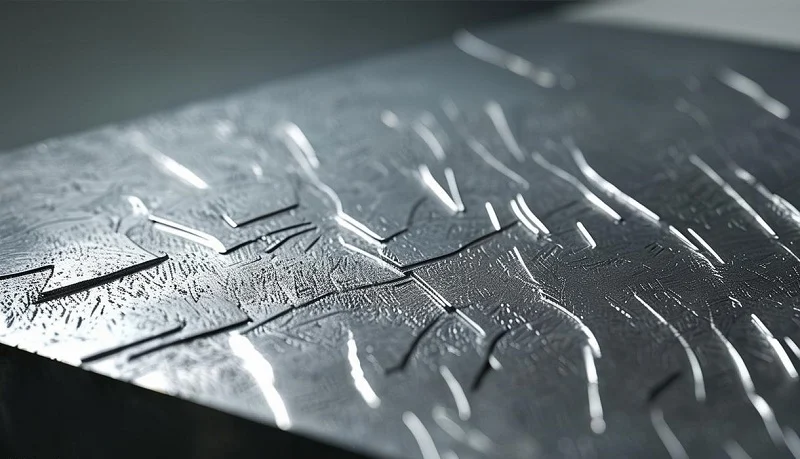
Machining gets the part close to its final shape. But finishing steps bring it to the quality level that medical devices need. Surface finish, edge quality, and rust resistance all matter for cartridge holders that touch medication or patient tissue.
Achieving Required Surface Roughness (Ra)
Surface roughness affects how well a cartridge holder seals. It also affects how easily it cleans. For medical-grade polymers like PEEK, the possible Ra depends on the machining conditions:
| Machining Condition | Ra Range (µm) | Ra Range (µin) |
| As-machined (sharp tools, proper settings) | 1.6–3.2 | 63–125 |
| Fine finishing (careful finishing passes) | 0.8–1.6 | 32–63 |
| Polished (post-machining polishing) | 0.2–0.4 | 8–16 |
For medical applications, articulating surfaces and implant-tissue interfaces typically require Ra 0.8 µm or better. This means you often need fine finishing passes or polishing after machining. Reinforced PEEK grades can be harder to finish. The fiber reinforcement pulls out during machining, leaving a rougher surface. In those cases, you might need to change your tooling or take extra finishing passes to hit the target.
Deburring, Polishing, and Passivation
After machining, every edge needs attention. Burrs are small raised edges of material. They can break off during use and contaminate the medication. Deburring removes these flaws using hand tools, tumbling media, or heat processes. For medical devices, deburring is not optional. It is a must.
Polishing improves the surface finish even more. For metal cartridge holders, polishing creates a smooth surface that fights bacteria and cleans easily. For polymer parts, polishing removes tool marks and gives a consistent look.
Passivation is a chemical treatment that protects stainless steel parts from rust. It removes free iron and surface dirt while helping a protective chromium oxide layer form. Here are the common methods:
- Citric Acid Passivation: A chemical treatment that removes free iron and surface dirt while helping a protective chromium oxide layer form. It is earth-friendly, safer than nitric acid, and improves rust resistance without changing the look or size of the part.
- Nitric Acid Passivation: A traditional treatment that removes surface dirt and strengthens the natural protective layer. It works well for certain alloys and helps prepare parts for tough medical environments.
- Electropolishing: An electrochemical finishing process that removes a thin layer of material to create a smoother, cleaner, and more rust-resistant finish. It removes tiny flaws and trapped dirt without adding a separate layer, so part sizes stay the same.
If passivated properly, the protection and stability last a long time and do not affect part sizes.
Passivation removes a very thin amount of material from the workpiece surface. It leaves an oxide layer about 0.00001 inches thick. As a result, passivated surfaces are often smooth and shiny. The process does not change the part’s size. For medical cartridge holders that go through repeated sterilization, this rust protection is essential.
Companies that need reliable cartridge holder CNC machining often turn to expert partners. A leading manufacturing partner in China offers full-service capabilities covering everything from prototyping to mass production. Their professional knowledge helps medical device makers handle complex shapes, tight tolerances, and strict rules. By working with an experienced shop, you lower risk and get your product to market faster.
Materials for Cartridge Holder CNC Machining
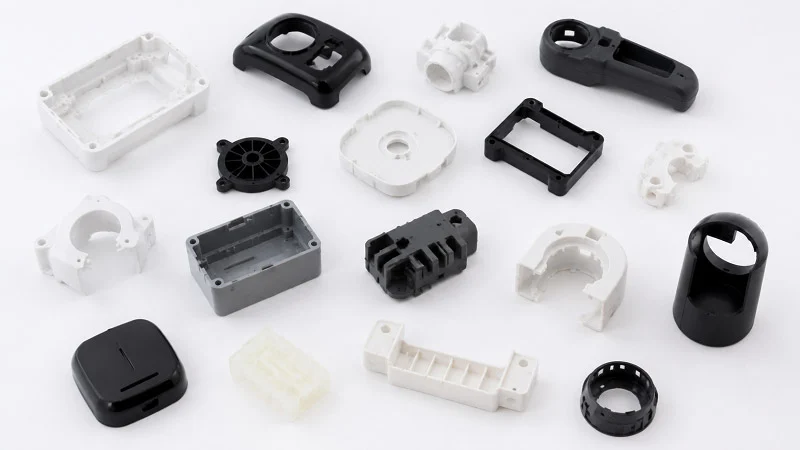
The material you pick for a medical cartridge holder affects both patient safety and how much it costs to make. It must stand up to chemicals, handle sterilization, and stay stable over time. It also needs to meet biocompatibility standards like ISO 10993-18. CNC machining works with many materials, so you have options for your specific use.
Medical-Grade Polymers
Polymers lead the medical device market for cartridge holders. They are light, resist corrosion, and can be machined into complex shapes with smooth surfaces.
High-Performance Plastics (PEEK, COC)
Three polymers stand out for medical use. PEEK offers high strength and heat resistance. It can handle repeated autoclave sterilization without losing its shape. COC has low moisture absorption and good dimensional stability.
For insulin pen cartridge holders, a specific polymer has been tested over a 2-3 year shelf life. It stays compatible with insulin formulations and preservatives during that time. The polymer must not break down or react with the drug over time.
The coefficient of linear thermal expansion is 5.5 × 10⁻⁵ /°C. That means the holder keeps tight tolerances even when the device moves from cold storage to a warm pocket. Consistent dimensions affect sealing and dose accuracy.
Balancing Chemical Resistance and Mechanical Strength
A cartridge holder faces harsh chemicals. Drug formulations often contain alcohol, hydrogen peroxide, or other disinfectants. The polymer must resist these without cracking or swelling.
Per ASTM D543-06 testing, a tested polymer showed no visible cracking and less than 0.5% weight change after 7-day immersion. The test covered 70% and 99% isopropyl alcohol, 3-35% hydrogen peroxide, benzalkonium chloride, 2-3.4% glutaraldehyde, olive and mineral oils, and aqueous acids and bases with pH 2-12. That range covers most disinfectants and drug formulations used in medical settings.
Extractables and leachables testing per ISO 10993-18 confirmed the polymer adds less than 10 ppm total organic carbon to extraction media. This falls below safety limits for parenteral drug products. For a biocompatible cartridge holder that holds medication going directly into a patient, this medical biocompatibility testing is essential.
Metals for High-Stress Applications

Some medical cartridge holders need the strength of metal. These include autoinjectors with high spring forces or devices that go through thousands of use cycles.
Stainless Steel and Titanium Alloys
Stainless steel offers good machinability for complex medical parts. Grades with added molybdenum provide better corrosion resistance, which matters when the holder contacts saline or other chloride solutions. Titanium alloys provide the highest strength-to-weight ratio. They are also biocompatible and resist corrosion in the body.
These materials allow precision cutting of thin walls and fine threads. The holder stays strong even at small sizes.
Surface Treatments for Wear and Corrosion Resistance
Medical cartridge holders often need surface treatments. Passivation removes free iron and helps form a protective chromium oxide layer. This improves corrosion resistance without changing part dimensions. Electropolishing creates a smoother surface that resists bacterial buildup.
For titanium parts, anodizing can add wear resistance and color coding. These treatments extend the life of the holder and maintain its biocompatibility over repeated use cycles.
Medical device manufacturers who need reliable custom part manufacturing often turn to experienced CNC machining partners. The right material choice, combined with proper methods and finishing, ensures the cartridge holder meets all safety and performance requirements.
Design Considerations for Cartridge Holder CNC Machining

Good design turns a great idea into a part that machines well and works reliably. For medical cartridge holders, design choices affect everything from sealing performance to production cost. Getting these decisions right early saves time, money, and frustration later. Every medical device starts with a design, and the cartridge holder is no exception. The way you approach tolerances, geometry, and manufacturability determines whether your medical product succeeds or fails.
Precision Tolerances and GD&T
Tolerances tell the machinist how much variation a part can have and still function correctly. For cartridge holders, some surfaces need very tight control while others can be looser. Geometric Dimensioning and Tolerancing (GD&T) gives you a clear language to communicate these requirements on your drawings. Medical applications demand this level of clarity because the stakes are high.
Managing Tight Tolerances for Sealing Surfaces
Sealing surfaces demand the tightest control. If the surface where the O-ring sits is not flat, the seal fails. Medication leaks, doses become inaccurate, and patients suffer. GD&T symbols like flatness specify exactly how much a surface may deviate from a perfect plane. This is a critical concept in the medical field.
Flatness helps ensure reliable sealing surfaces on forged flanges. Flatness specifies how much a surface may vary from a perfectly flat plane. It is widely used on sealing surfaces, forged flanges, and mounting faces to ensure proper contact and prevent leakage or uneven loading.
The same logic applies to cartridge holders. A flatness callout on the sealing face tells the machinist what quality level you need. Without it, you leave room for interpretation. Different machinists might produce different results, and some of those results could leak. Medical regulations require that you control these variables.
Surface finish goes hand in hand with flatness. A surface can be perfectly flat but still rough. Rough surfaces create tiny channels where fluid can escape. Your drawing should specify both flatness and surface roughness for sealing areas. Together, these controls ensure a proper barrier. This dual specification is standard practice in medical design.
Tolerance Stack-Up Analysis for Assembly
Individual parts rarely fail on their own. Problems appear when parts come together. Tolerance stack-up analysis examines how tolerances accumulate across multiple components in an assembly. Medical devices often have many interconnected parts, making this analysis essential.
Consider a cartridge holder that connects to a needle hub and a dosing mechanism. Each part has its own tolerances. The holder’s bore might be +0.02 mm. The cartridge diameter might be -0.01 mm. The hub threads might have their own variation. When you add these up, the total variation might exceed what the design allows. This scenario is common in medical product development.
Stack-up analysis helps you catch these problems before production. You calculate the worst-case scenario: all parts at their maximum material condition. If the worst case still works, your design is safe. If not, you need to tighten some tolerances or redesign the interface. This method comes directly from established medical engineering practices.
This analysis matters for medical devices because failures are not acceptable. A device that works 99% of the time still fails 1% of the time. For a product used daily by millions of patients, that means thousands of failures. Stack-up analysis reduces this risk by ensuring assemblies work across the full range of expected variation. Medical device companies rely on this technique to protect patients.
Design for Manufacturability (DFM)
Design for Manufacturability means creating parts that are easy to produce without sacrificing quality. Good DFM reduces production costs, shortens lead times, and improves consistency. For cartridge holders, DFM principles help you avoid common machining pitfalls. Medical manufacturers benefit greatly from DFM because it reduces risk.
Optimizing Wall Thickness and Feature Geometry
Wall thickness affects both strength and manufacturability. Too thin, and the part flexes or breaks. Too thick, and you create problems during production. The table below shows recommended values and their impact. These guidelines apply to many medical components.
| Design Principle | Recommended Value | Impact on Part Strength | Impact on Injection Molding Compatibility |
| Uniform Wall Thickness | Variation ≤ ±15% (ideal ≤ ±10%) | Prevents differential shrinkage, which causes internal stress and warpage, thereby maintaining consistent strength. | Ensures even cooling and filling, reducing the risk of sink marks and internal voids. |
| Gradual Wall Transitions | Transition length ≥ 3× the thickness difference | Avoids abrupt changes in cross-section, which are stress concentration points that can lead to cracking under load. | Prevents flow restrictions and turbulence, ensuring smooth melt flow and reducing the risk of short shots. |
| Avoid Excess Thickness | Use minimum thickness that meets strength requirements | Thicker walls increase cooling time and internal stress, which can reduce overall part strength and increase sink mark risk. | Thicker walls lead to longer cycle times, higher material cost, and a greater risk of sink marks and warpage. |
| Avoid Excess Thinness | Use minimum thickness that meets material flow requirements | Thin walls may not provide sufficient structural rigidity for a cartridge holder, leading to flexing or breakage. | Thin walls require higher injection pressure and speed, increasing the risk of short shots and faster mold wear. |
| Rib Thickness (for added rigidity) | ≤ 50% – 70% of wall thickness | Ribs add stiffness without increasing the nominal wall thickness, preventing sink marks and maintaining strength. | Ribs that are too thick create thick sections at the base, leading to sink marks and longer cooling times. |
These principles apply whether you machine the part or mold it. For CNC machining, uniform walls mean less material to remove and fewer stress points. For molded parts, they prevent warpage and sink marks. Either way, following these guidelines produces stronger, more reliable cartridge holders. Medical quality standards demand this level of attention.
Designing for Internal Threads and Undercuts
Internal threads and undercuts add complexity to any part. They require special tooling and careful planning. For cartridge holders, threads often connect the holder to the needle assembly or the dosing mechanism. These threads must be precise to ensure a secure fit. Medical assembly processes depend on this precision.
When designing internal threads, consider the thread depth and pitch. Deep threads require longer tools, which can deflect during cutting. This deflection causes taper and poor thread quality. Keeping threads shallow and using standard pitches helps the machinist produce consistent results. This approach is standard in medical manufacturing.
Undercuts are features that cannot be machined with standard cutting tools. They require special tools like lollipop cutters or form tools. Each undercut adds setup time and tooling cost. Before adding an undercut, ask yourself if the feature is truly necessary. Sometimes a simple chamfer or radius achieves the same function. Medical device designers learn to balance function with manufacturability.
Five-axis CNC machining helps with complex geometries. It allows the tool to approach the workpiece from multiple angles. This capability lets you machine undercuts and angled features in a single setup. Fewer setups mean fewer chances for misalignment and better overall precision. This technology is widely used in medical manufacturing.
For medical device manufacturers, working with experienced cnc machining services makes a real difference. A partner who understands DFM can review your design and suggest improvements. They can flag potential machining issues before you commit to production. This collaboration during design and development prevents costly revisions later. Design and development teams that involve manufacturing early see better results.
Custom part manufacturing for medical applications demands attention to detail at every stage. The design phase sets the foundation for everything that follows. By applying GD&T correctly and following DFM principles, you create cartridge holder cnc machining projects that succeed. Your parts will seal properly, assemble reliably, and perform consistently for patients who depend on them. Medical innovation depends on getting these fundamentals right.
Quality Control in Cartridge Holder CNC Machining
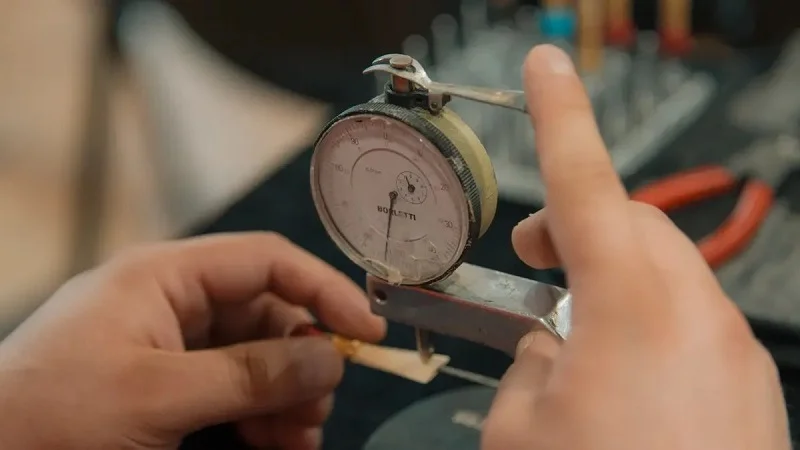
Quality control keeps every cartridge holder safe and reliable. Careful inspection makes sure each part meets tight tolerances and surface finish needs. Without it, defects slip through and reach patients. Medical device makers cannot take that risk. The stakes are simply too high.
Inspection Methods and Metrology
Inspection starts with measuring the part against the design. Metrology is the science of measurement. It tells you whether a machined feature matches the drawing. For cartridge holders, every dimension matters. A bore that is a few microns too large can cause leakage. A thread that is slightly off can fail during assembly.
CMM and Optical Measurement Systems
Coordinate measuring machines, or CMMs, are workhorses in quality labs. A CMM uses a probe to touch specific points on the part. It records the exact position of each point and compares it to the CAD model. This process verifies critical dimensions like bore diameter, thread pitch, and concentricity. CMMs deliver accurate results for complex geometries.
Optical measurement systems work differently. They use cameras and light to capture the part’s profile without touching it. This method works well for small, delicate features that a probe might damage. Optical systems also measure faster than CMMs, making them useful for checking multiple parts quickly. Many shops use both methods together. The CMM handles deep internal features, while the optical system checks surface details and edge profiles.
Statistical Process Control (SPC) for Consistency
SPC takes quality control beyond inspection. Instead of checking parts after production, SPC monitors the process while it runs. This approach catches problems early. Here is how it works:
- SPC uses statistical tools to observe production process performance in real-time.
- It detects significant variations, both common and special causes, before they result in sub-standard articles.
- When assignable sources of variation are identified, they can be removed, stabilizing the process.
- Ongoing monitoring via control charts ensures any future significant changes in mean or variation are caught early.
- This early detection and prevention approach reduces the likelihood of producing defective cartridge holders, lowering defect rates compared to post-production inspection.
An advantage of SPC over other methods of quality control, such as inspection, is that it emphasizes early detection and prevention of problems, rather than the correction of problems after they have occurred. This directly reduces defect rates in high-volume production by preventing defective cartridge holders from being manufactured in the first place.
Think of a cereal packaging line. When machinery wears, the process output shifts from random variation to a non-random pattern. If the manufacturer detects this change in time, they can correct the source before producing out-of-specification items. The same logic applies to cartridge holder cnc machining. Operators monitor dimensional variations continuously. They adjust the process before any defective holder gets made. This keeps defect rates low even at high volumes.
Traceability and Lot Control
Traceability links every part back to its raw material, machine, and operator. This information becomes critical during regulatory audits and recalls. If a problem appears, you must identify which parts are affected. Traceability makes that possible.
Laser Marking for Traceability
Laser marking puts a permanent code directly on the part for traceability. This code ensures each part can be traced back to its production batch. Laser marking does not damage the part. It creates a clean, readable code that survives sterilization.
Maintaining Detailed Batch Records
Batch records capture everything about a production run. They include material certificates, machine settings, inspection results, and operator names. These records prove that each part met specifications. They also help you investigate issues quickly. If a patient reports a problem, you can pull the batch record and see exactly what happened during production. This level of detail supports compliance with medical quality standards. Custom part manufacturing for medical devices depends on this documentation. Without it, you cannot prove your parts are safe. With it, you build trust with regulators and patients alike. Precision in documentation matters just as much as precision in machining.
Regulatory Compliance for Cartridge Holder CNC Machining

In the medical world, following the rules is a must. It is not something you can skip. Every cartridge holder that reaches a patient must meet strict standards set by groups like the FDA and other international agencies. If you ignore these steps, your product launch could be delayed. Worse, patients could be put in danger. Knowing what regulators expect helps you plan and avoid costly surprises.
Navigating FDA and ISO 13485 Requirements
The FDA and other regulatory standards set the rules for making medical devices. These standards cover everything from design to delivery. A CNC machining partner with relevant certifications can make your path to market easier. They already know what paperwork regulators want to see.
Process Validation and Risk Management
Process validation proves your manufacturing steps work the same way every time. It happens in a series of qualification stages. Installation Qualification checks that the equipment is set up correctly. Operational Qualification verifies the machine makes parts within set ranges during normal use. Performance Qualification shows the process works reliably over time under real production conditions.
Risk management standards ask you to find possible failures and control them. For cartridge holders, risks include leakage, misalignment, and material contamination. Each risk needs a plan to reduce it. Writing down these steps shows regulators you have thought about the dangers.
Your quality system should keep a full documentation chain, including all records related to design, manufacturing, and testing. These records prove every part meets its specifications. Without them, you cannot show you are following the rules.
The Importance of a Validated Supply Chain
Your manufacturing partner’s quality affects your compliance. A validated supply chain means every supplier meets the same standards you do. When you choose a CNC machining partner, check their certifications. Ask about their quality management system. Make sure they follow good manufacturing practices.
A reliable partner keeps full traceability through the documentation chain. They keep material certifications and certificates of conformity for every batch. They provide dimensional inspection reports and CMM inspection reports when asked. This documentation protects you during audits and recalls.
Material Certifications and Biocompatibility Testing
Materials used in cartridge holders must be safe for patient contact. Biocompatibility testing confirms this safety. Regulators expect proof that your materials will not harm patients, even after sterilization and long-term storage.
ISO 10993-18 Compliance
ISO 10993-18 is a standard for biocompatibility testing. These tests check how materials interact with living tissue.
For polymers like PEEK, manufacturers run extractables and leachables testing. This confirms no harmful chemicals leak into the medication. For metals like stainless steel, passivation ensures the surface stays corrosion-resistant and biocompatible. Your material supplier should provide certificates proving these tests passed.
Managing Material Change Notices
Materials change over time. Suppliers may alter formulations or processing methods. These changes can affect biocompatibility and performance. A material change notice system tracks these updates. When a supplier announces a change, you evaluate its impact. If the change affects safety or performance, you may need to revalidate the material.
This process protects your regulatory compliance. It ensures your cartridge holder continues to meet standards even as supply chains evolve. Custom part manufacturing for medical devices demands this vigilance. A small change in polymer composition could affect sealing or chemical resistance. Staying alert keeps your product safe and compliant.
Working with a partner who understands these requirements makes a real difference. They help you navigate the paperwork and maintain the precision your medical device needs. The right partnership turns regulatory compliance from a burden into a competitive advantage.
Partnering with NOBLE for Cartridge Holder CNC Machining

Picking the right manufacturing partner changes everything for your medical device project. NOBLE brings machining, finishing, and assembly together in one place. This approach cuts through the mess of managing many vendors. You get one team, one contact, and one quality standard. For cartridge holder CNC machining, that simplicity means faster timelines and fewer problems.
Full-Service Capabilities from Design to Assembly
A true one-stop shop works instead of sending your parts to three different facilities; everything happens in NOBLE. This setup removes the interface risks that hurt fragmented supply chains. When NOBLE handles machining, surface treatment, and assembly, we own the final fit. Tolerance mismatches between parts simply do not happen.
The benefits of this single-source model are clear:
- Eliminates interface risks: One maker owns the whole process, stopping tolerance mismatches between parts.
- Reduces logistical complexity: Central production lowers cross-border vendor management and cuts floating inventory.
- Improves component fit: Machining gets adjusted to account for coating thicknesses, ensuring smooth assembly.
- Ensures total responsibility: The supplier manages everything from raw material to functional testing, giving a clear chain of accountability.
Engineering Support and DFM Feedback
Good design and development needs manufacturing input early. NOBLE’s engineers join your project during the Alpha stage, before you lock down the design. Their DFM feedback spots manufacturing issues while changes are still cheap. This early teamwork directly improves manufacturability.
The process follows a clear path:
- Alpha Stage: Contract makers provide DFM/DFA input before design lockdown, catching issues early.
- Beta Stage: Large volumes of Beta builds reveal sensitive features that need special handling in final production.
- Overall Benefit: This multi-stage integration lowers unexpected delays during the move to production.
This approach means fewer surprises. Your cartridge holder design gets optimized for real-world machining, not just theoretical performance.
Integrated Assembly and Packaging Services
NOBLE does not stop at machining. Our team handles assembly, packaging, and functional testing. This integration ensures every part fits together perfectly before it ships. You receive a finished sub-assembly, not a box of loose parts. That saves you time and reduces your own assembly work.
Certifications and Quality Assurance
Certifications matter in the medical world. They prove your partner follows the rules. NOBLE holds relevant certifications that show a serious commitment to quality and regulatory compliance.
Certified Facility
Certifications in medical device manufacturing demonstrate dedication to product quality and regulatory compliance. This certification gives crucial support for customers navigating FDA, European MDR, and Brazil ANVISA requirements. It also strengthens their reputation as a trusted partner in medical equipment production.
Startups often struggle with the resource demands. A reliable partner uses this scale advantage to support your regulatory navigation and validation needs.
A Commitment to Precision, Quality, and Compliance
Every cartridge holder that leaves NOBLE meets strict standards. Our quality management system ensures consistent precision across every batch. We keep detailed records for traceability and audits. Our materials meet biocompatibility standards, and our processes follow validated protocols.
For custom part manufacturing in the medical space, this level of commitment is non-negotiable. You need a partner who understands that regulatory compliance is not optional. NOBLE delivers that understanding with every project. Our engineering team treats your device like their own reputation depends on it, because it does.
Successful cartridge holder CNC machining blends material science, design engineering, and strict quality control. Every medical device depends on this precision. Regulatory compliance isn’t optional—it’s essential for patient safety. Medical standards guide every step. Medical teams need partners who understand these requirements. Medical projects succeed when manufacturing expertise arrives early. Medical recalls happen when quality slips. Medical innovation requires dependable suppliers. Medical regulations demand documented processes. Medical patients deserve reliable devices.
When choosing a partner, look for:
- Controlled data handling
- Current quality certifications
- First-article inspection experience
- Support for customer audits
- Clear engineering change processes
The right partner de-risks your project. Custom part manufacturing becomes smoother. Consult NOBLE experts to discuss your specific application. A certified facility delivers the quality your medical device demands.
FAQs of Cartridge Holder CNC Machining
What tolerances can CNC machining hold for cartridge holders?
CNC machining can hold tolerances around ±0.005 mm for critical features. Sealing surfaces need the tightest control. Standard machining easily achieves ±0.01 mm. Your drawing should specify which surfaces need tighter control. This precision keeps the cartridge aligned and prevents leakage in medical devices.
Which materials work best for cartridge holder CNC machining?
PEEK and other high-performance polymers work well for most applications. Stainless steel and titanium suit high-stress designs. Your choice depends on sterilization methods and chemical exposure. Every material must pass ISO 10993-18 testing for medical use.
How does surface finish affect cartridge holder performance?
Smooth surfaces create reliable seals. A roughness below 0.4 micrometers Ra lets O-rings sit correctly. Rough surfaces create tiny channels where fluid escapes. Polishing and fine finishing passes achieve the required smoothness. This matters for every medical device that holds medication.
What is the typical lead time for cartridge holder prototypes?
Prototype lead times vary based on complexity. Complex geometries with tight tolerances take longer. Your partner’s workload affects timing too. Ask for a specific timeline before starting. Early DFM feedback prevents delays during the production phase.
How do I validate my CNC machining process for regulatory approval?
Follow a process validation sequence. Installation Qualification checks equipment setup. Operational Qualification verifies machine performance. Performance Qualification proves consistency over time. Document everything thoroughly. Regulators expect complete records showing your process stays controlled for medical production.
Can CNC Machining handle small batch production cost-effectively?
Yes. CNC machining avoids expensive molds, making it ideal for low to medium volumes. You can adjust designs between batches without tooling costs. This flexibility supports clinical trials and product iterations. Custom part manufacturing becomes practical even for limited runs.
What documentation should I request from my machining partner?
Request material certificates, dimensional inspection reports, and CMM data. Ask for batch records showing machine settings and operator names. Laser marking provides traceability codes. Complete documentation protects you during audits and supports your regulatory submissions for medical devices.
How do I choose between Swiss turning and conventional turning?
Swiss turning suits long, thin parts with high length-to-diameter ratios. The guide bushing prevents bending during cutting. Conventional turning works for shorter, sturdier components. Consider your part geometry first. Your machining partner can recommend the best approach for your specific design.