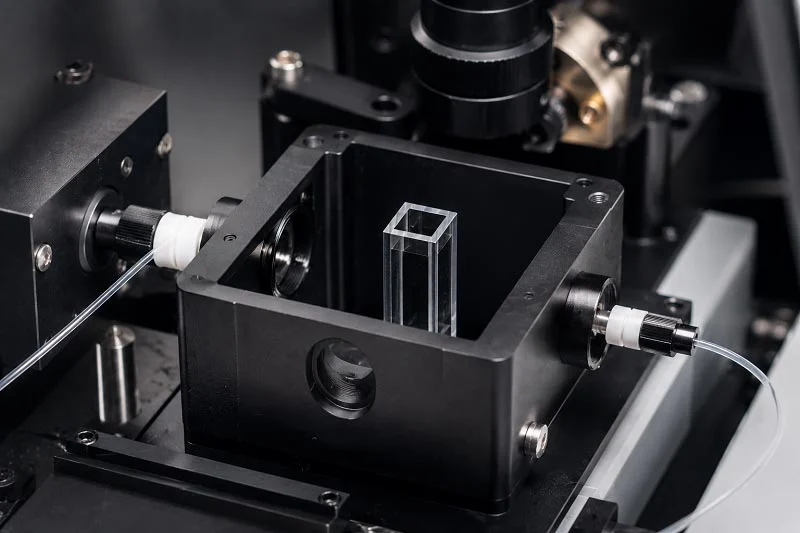
An optical detection chamber is a sealed, carefully built box that holds light-sensitive parts. It plays a key role in smoke detectors. Inside, an infrared LED and a photodiode work together. When smoke enters, particles scatter the light. The photodiode catches that scattered light and sets off the detector.
This chamber matters for both photoelectric and ionization smoke detectors. Photoelectric models use light scattering to find smoke. Ionization smoke detector designs use a tiny radioactive source instead. Both types connect to a fire alarm system.
The manufacturing journey needs careful design, machining, assembly, and testing. Optical alignment and environmental isolation are real challenges. Fire safety depends on getting every detail right. A well-made chamber helps detectors react quickly to fire while avoiding false alarms.
Key Components Inside an Optical Detection Chamber
A chamber like this holds several parts that work together. Each part has a specific job. The main components include optical windows, light sources, photodetectors, signal electronics, and sealing elements.
Optical Windows and Light Sources
Optical windows are the entry and exit points for light. They protect the inside while letting light pass through. The material you choose matters a lot.
Material Properties for Windows and Lenses
Glass is a common choice for optical windows. It’s affordable and works well. But for tougher jobs, sapphire is better. Sapphire can handle higher temperatures and resists scratching. Many smoke detectors use glass windows because they’re cost-effective. But high-end systems might use sapphire.
Anti-reflective coatings reduce the amount of light that bounces off the window surface. Less reflection means more light gets through. This improves the sensor’s ability to detect weak signals. In a smoke detector, even a small amount of scattered light matters. Good coatings help the detector catch that light.
Lenses shape the light beam. They focus the light from the source onto a specific area. This helps aim the beam where it needs to go. Proper lens design ensures the light hits the detector at the right angle.
Infrared LEDs and Laser Diodes as Emitters
Most smoke detectors use infrared LEDs as their light source. These LEDs produce light in the infrared range. Human eyes can’t see it, but the photodiode can. Infrared LEDs are cheap and last a long time. They’re perfect for smoke alarms that need to run for years on a battery.
Laser diodes are another option. They produce a more focused beam of light. This makes them useful for spectroscopy. In infrared spectroscopy, a laser diode can target specific wavelengths. This helps identify materials based on their infrared absorbance and infrared optical absorbance. For endpoint detection in chemical processes, laser diodes provide precise readings. Engineers use endpoint detection to know when a reaction is complete.
Some chambers use both types of emitters. The choice depends on the job. For a simple smoke detector, an infrared LED is enough. For more advanced monitoring, a laser diode might be better.
Photodetectors and Signal Electronics
The detector is the part that catches the light. It turns light into an electrical signal. The type of detector you use changes how the chamber works.
Photodiodes, PMTs, and CMOS Sensors
Photodiodes are the most common detector in smoke detectors. They’re simple, cheap, and reliable. When light hits a photodiode, it creates a small electric current. That current tells the electronics that smoke is present. Photodiodes work well with light from LEDs.
PMTs, or photomultiplier tubes, are much more sensitive. They can detect single photons of light. PMTs are used in scientific instruments like spectroscopy equipment. They’re expensive and need high voltage, so you won’t find them in a smoke alarm. But for endpoint determination in labs, PMTs are the gold standard.
CMOS sensors are another option. These are like the sensors in digital cameras. They can capture images of the light pattern. This helps with more complex detection tasks. The absorbance of light in different materials helps identify them.
Preamplifiers and Signal Conditioning
The signal from a photodiode is very small. It needs to be amplified before it can be used. That’s where preamplifiers come in. A preamplifier boosts the signal to a level that other electronics can read.
Signal conditioning also filters out noise. Noise is unwanted electrical interference. It can come from other electronics or from ambient light. Good signal conditioning helps prevent false alarms. In a smoke detector, this is critical. You don’t want the alarm going off because of a passing cloud or a dusty room.
Seals and Structural Housing
The chamber needs to be sealed. This keeps out dust, moisture, and other contaminants. If contaminants get inside, they can scatter light and cause false readings. A good seal is essential for reliable performance.
O-Rings and Hermetic Sealing Methods
O-rings are a simple way to seal the chamber. They’re rubber rings that fit between two parts. When you tighten the parts together, the O-ring squeezes and creates a seal. O-rings work well for many applications. But they can degrade over time.
For more demanding jobs, hermetic sealing is better. Hermetic means the seal is completely airtight. Here are the main methods:
| Sealing Method | Key Characteristics |
| Glass (matched) seals | Economical, light duty; requires similar coefficients of thermal expansion between glass and metal |
| Compression seals | Robust, suitable for high-pressure applications; allows differing thermal expansion coefficients; more expensive, often needs custom molds |
| Epoxy seals | Bonds well to metals; high dielectric strength, good thermal conductivity, corrosion resistance |
In high-power industrial laser systems, laser modules and beam-delivery optics are housed in hermetically sealed enclosures with precisely manufactured optical windows. This protects the optical path and extends service life. Similarly, in photonics, a laser for fiber-optic communication may be mounted in a small metal can with a glass window and hermetically sealed. This keeps optics clean, dry, and aligned. Ceramic-to-metal sealing expertise solves complex hermetic sealing challenges in demanding applications.
Material Choice for Structural Rigidity
The housing material needs to be strong. It must hold all the parts in place. Metals like aluminum and stainless steel are common choices. They’re strong and durable. They also handle heat well.
For cost-effective production, plastics work well. Injection molding can create complex shapes. This is great for the labyrinth structure in smoke detectors. The labyrinth blocks external light while letting smoke in. Plastic is lighter and cheaper than metal. But it’s not as strong.
The choice between metal and plastic depends on the application. For a smoke alarm in a home, plastic is fine. For an industrial fire detection system, metal might be better. Fire safety is a key concern. Detectors must respond quickly to fire. A fire can spread fast, so the detector needs to catch it early. Many fire alarms use photoelectric detectors to find smoke. Ionization detectors also play a role in fire detection. Ionization is a different method that uses a small radioactive source. Both ionization and photoelectric detectors help protect against fire. Ionization smoke detectors are good at detecting fast-flaming fires. Photoelectric detectors are better for slow, smoldering fires. Some fire alarms combine both types for better coverage. The key is matching the detector to the fire risk. Ionization detectors are sensitive to tiny particles. They work well for fires that burn fast. Ionization technology has been around for decades. Many ionization detectors are affordable and reliable. The absorbance of infrared light in an ionization chamber is different. That’s why some detectors use ionization instead of photoelectric methods. Ionization can detect smoke that photoelectric detectors miss. For this reason, ionization is still used in many fire alarms. The choice between ionization and photoelectric depends on the fire type.
Optical Detection Chamber Design for Smoke Detection
A smoke detector must catch smoke fast. But it also needs to ignore everything else. Light from a window, dust in the air, or a bug inside should not set it off. The design of the optical detection chamber makes this possible. Engineers block outside light, let smoke in, and soak up stray reflections. These features create a reliable sensor for fire safety.
Preventing False Alarms from Ambient Light
Ambient light is the biggest problem for a photoelectric smoke detector. Sunlight or room lights can scatter inside the chamber. That scattered light tricks the detector into thinking smoke is there. The fix is a labyrinth structure. An ionization smoke detector does not have this issue. Ionization detectors use a radioactive source instead. But photoelectric detectors need this design. Both ionization and photoelectric detectors help with fire safety. An ionization smoke detector catches fast-flaming fires. A photoelectric detector catches slow smoldering fires. Many fire alarms use both types.
The labyrinth is a maze of walls inside the chamber. It blocks direct light. But it lets smoke particles float in. The walls have bumpy or curved surfaces. These surfaces cut down on reflection toward the photodetector. They send light to other surfaces that absorb it.
Opto-isolating columns add more protection. These columns use a material that soaks up light. The material has a refractive index that matches common dust. This helps absorb incoming light. The columns reduce noise from the emitter and from outside light. Light traps also help. They catch stray light before it reaches the photodetector.
The chamber is split into sections. Each section has its own job. Some parts block light. Others let smoke pass. This modular approach makes the detector more reliable. A fire alarm system depends on this reliability.
Optimizing Airflow for Smoke Ingress
Letting smoke in while keeping light out is a hard balance. The labyrinth design helps here too. The passages are wide enough for smoke particles. But they are narrow enough to block light. This creates a path for smoke to reach the detection area.
Airflow matters for response time. A smoke detector must react quickly to a fire. A fire can spread fast. So the chamber must let smoke enter easily. Engineers design the vents to improve airflow. They think about how smoke moves. Hot smoke rises. So vents sit at the top of the chamber. This lets smoke flow in as it goes upward. An ionization detector works differently. Ionization uses a small radioactive source. But both ionization and photoelectric smoke detectors need good airflow. Fire produces smoke that must reach the detection area.
The detection runs along a continuous path in the chamber. One detector can replace several point detectors. Different sections are set up for smoke at various heights. Each spot has special detection features. This gives early warning. The design finds smoke particles in early stages before they spread.
Using Light-Absorbing Materials and Coatings
Inside surfaces must absorb light, not reflect it. Any stray reflection causes a false reading. Makers use special coatings on the inside walls. An ionization smoke detector does not need these coatings. Ionization detectors do not use light. But photoelectric detectors rely on them. The choice between ionization and photoelectric depends on the fire risk. Both types of detectors are important for fire safety.
Very thin vacuum-deposited black coatings work well. Products like Fractal Black, Ultra Black, and Magic Black absorb almost all light. These coatings turn the chamber into a light trap. Black foils are another option. Spectral Black, Metal Velvet, and Lambertian Black give similar absorption. These work well for inside cavities.
These materials also help with spectroscopy. In infrared spectroscopy, controlling stray light is critical. The same ideas apply to smoke detection. The absorption of light by the chamber walls determines noise rejection. Infrared absorption in these coatings makes sure only the signal from smoke particles reaches the detector. For endpoint detection in chemical processes, similar chambers are used. The optics inside these chambers rely on the same ideas. The absorption of the chamber walls affects the signal-to-noise ratio. An infrared LED is the common light source. Infrared light works well for smoke detection. Infrared is invisible to the eye but easy for the photodiode to detect.
The choice of coating depends on the use. For a standard smoke alarm, a simple black plastic surface is enough. For high-end industrial monitoring, a vacuum-deposited coating works better. Either way, the goal is the same: absorb every photon that is not part of the signal.
Materials and Fabrication for the Optical Detection Chamber Body
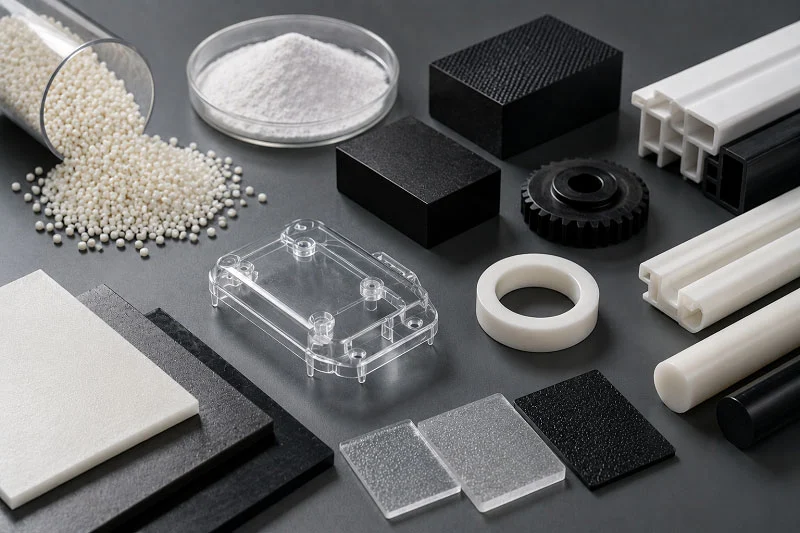
The body of an optical detection chamber does more than just hold parts together. It controls how light moves inside. It stops stray reflections. It keeps dust and moisture out. The material you choose and how you shape it decide how well the whole system works. This choice affects everything from cost to how well the detector finds fires.
Selecting Base Materials
The base material sets the foundation for the whole chamber. It must be strong enough to protect the optics inside. It must also handle temperature changes without bending. Two main paths exist: metals for tough jobs, and plastics for making many parts cheaply.
Metals for High-End and Harsh Environments
Aluminum is a top choice for many chambers. It is light, strong, and easy to machine. It also handles heat well. Stainless steel is even stronger. It resists rust and stands up to harsh chemicals. These metals work well in industrial fire detection systems where conditions get rough. A metal chamber can also block electromagnetic interference. This keeps the signal clean. For high-end spectroscopy equipment, metal housings provide the stability needed for precise readings. The stiffness of metal keeps optical parts lined up over time. That matters when a detector must stay accurate for years.
Plastics for Cost-Effective, High-Volume Production
Plastics bring different strengths. They cost less per part. They weigh less. And injection molding can create complex shapes in one step. This makes plastics ideal for smoke alarms sold in millions of homes. The maze inside a smoke detector is a perfect example. That maze of walls blocks outside light while letting smoke drift in. Making that shape in metal would take many machining steps. In plastic, it comes out of the mold ready to use. Engineered plastics like polycarbonate offer good strength and hold their shape. They resist impact and handle moderate heat. For a standard smoke alarm, plastic works great. The trade-off is less stiffness than metal. But for most home fire safety needs, that is fine.
Precision Machining and Molding Techniques
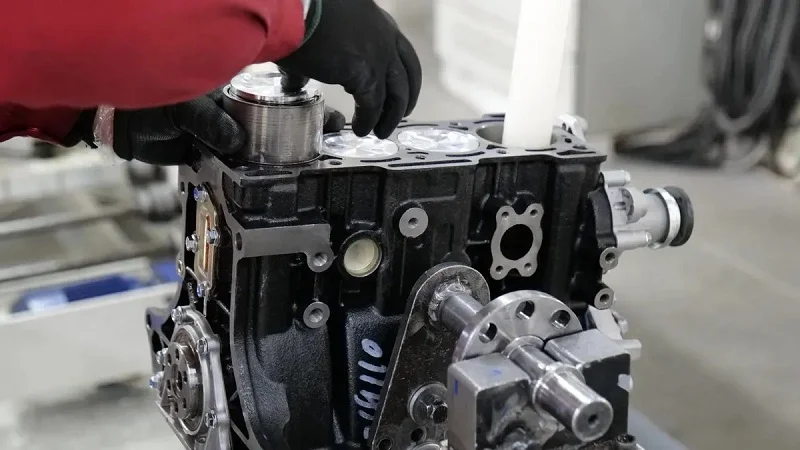
Once you pick the material, you need the right process to shape it. The method you choose depends on the part’s complexity and how many you need.
CNC Machining for Tight Tolerances
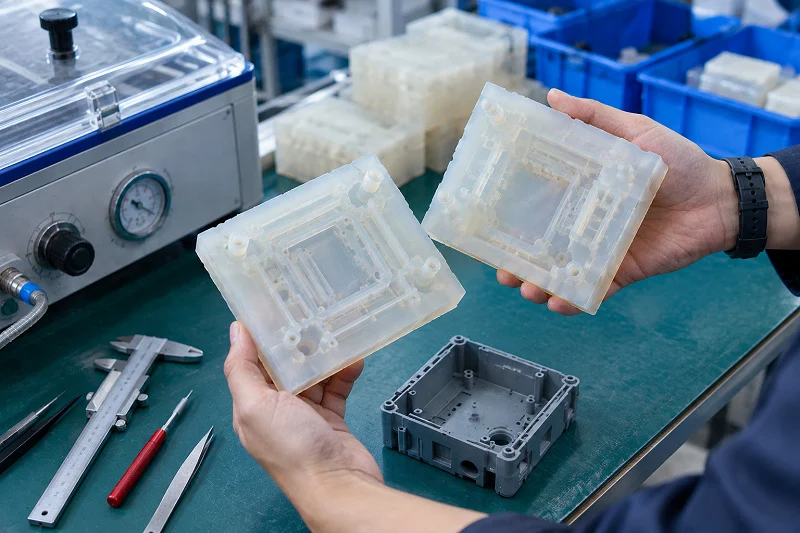
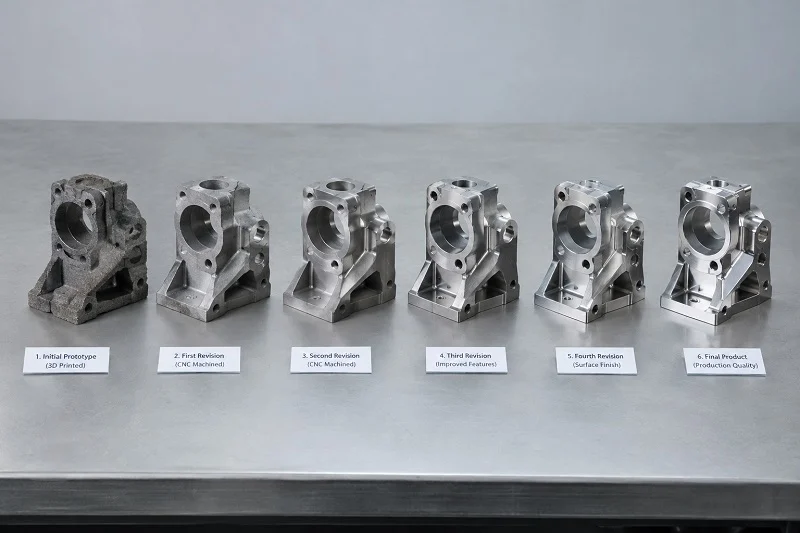
CNC machining removes material from a solid block to create the part. It offers incredible precision. Tolerances can reach fractions of a millimeter. This matters for optical alignment. A tiny error in the mounting surface can throw off the entire light path. CNC works well for metal chambers and for low-volume plastic parts. It also suits prototypes. When engineers test a new design, they often machine a few samples first. This lets them check the fit before paying for expensive molds. For high-end detectors used in industrial settings, CNC machining delivers the accuracy those systems need.
Injection Molding for Complex Geometries like Labyrinths
Injection molding forces melted plastic into a mold under high pressure. The plastic cools and hardens into the final shape. This process is great for complex shapes. The maze in a smoke detector has many thin walls and tight corners. Machining that shape would take forever. Molding it takes seconds. The upfront cost of the mold is high. But once you have it, each part costs very little. That makes injection molding perfect for mass production. A single mold can produce thousands of identical chambers. Consistency matters for fire safety. Every smoke alarm must perform the same way. Injection molding delivers that repeatability.
Surface Finishing and Treatment
The raw surface of a part is rarely good enough. It may reflect too much light. It may rust over time. Surface treatments fix these problems. They also extend the life of the chamber.
Anodizing and Plating for Durability
Anodizing is a common treatment for aluminum. It creates a hard, rust-resistant layer on the surface. One special version uses a black dye made from cobalt. This finish meets the ECSS-Q-ST-70-03C standard for aerospace. It stays stable at high temperatures and resists rust. That makes it useful for spacecraft optical parts. Electroless nickel plating offers another option. It lays down a dense, non-porous nickel-phosphorus layer. NASA has approved this process for precision opto-mechanical hardware. The coating holds tight dimensional tolerances. However, nickel is naturally reflective. For stray light suppression, you need a second blackening step. The table below summarizes these options:
| Technique | Durability Enhancement | Light Absorption Enhancement | Key Application Context |
| Inorganic Cobalt-Based Black Dye Anodizing | Thermally stable, rust-resistant finish per ECSS-Q-ST-70-03C | Black dye provides light absorption; thermally stable for aerospace | Spacecraft structures and optical parts needing low contamination |
| Electroless Nickel Plating | Dense, non-porous Ni-P layer; holds shape; approved by NASA | Naturally reflective; needs secondary blackening for stray light suppression | Precision opto-mechanical hardware, mirrors, housings, mounts |
| Sol-Gel Ceramic/Hybrid Coatings | Dense, low-porosity barrier; strong mechanical strength; rust resistance | Not inherently absorptive; used for cleanliness and barrier properties | High-cleanliness optical and aerospace uses |
| Acktar Magic Black Coating | Thin (~3-5 µm) layer; wide temperature range; low particle release | Ultra-black, low reflectance from EUV to NIR; high emissivity | Optical baffles, collimators, cryogenic tools for stray light suppression |
Applying Light-Absorbing Coatings to Internal Surfaces
The inside of the chamber needs to swallow light. Any reflection creates noise. That noise can trigger a false alarm in a smoke detector. Several coating methods exist. Chemical vapor deposition (CVD) applies thin films by reacting gases on the surface. CVD can create even, durable coatings. Atomic layer deposition (ALD) goes even thinner. ALD builds films one atomic layer at a time. This gives precise control over thickness. Both CVD and ALD produce coatings that absorb light well. The Acktar Magic Black coating, for example, uses a vacuum-deposited process. It measures only 3 to 5 micrometers thick. Yet it reflects almost no light from extreme ultraviolet to near-infrared. This makes it perfect for optical baffles and collimators. For a photoelectric smoke detector, a simpler black plastic surface often works. But for advanced spectroscopy or industrial monitoring, these high-performance coatings matter. They keep the signal clean and the detector accurate. How well the chamber walls absorb light directly affects the signal-to-noise ratio. Better absorbance means fewer false readings. That leads to better fire detection and fewer nuisance alarms. Both ionization and photoelectric detectors benefit from good internal surfaces. While ionization detectors do not use light, they still need clean, stable chambers. The manufacturing quality affects both types equally.
Assembly, Alignment, and Testing Procedures of Optical Detection Chamber
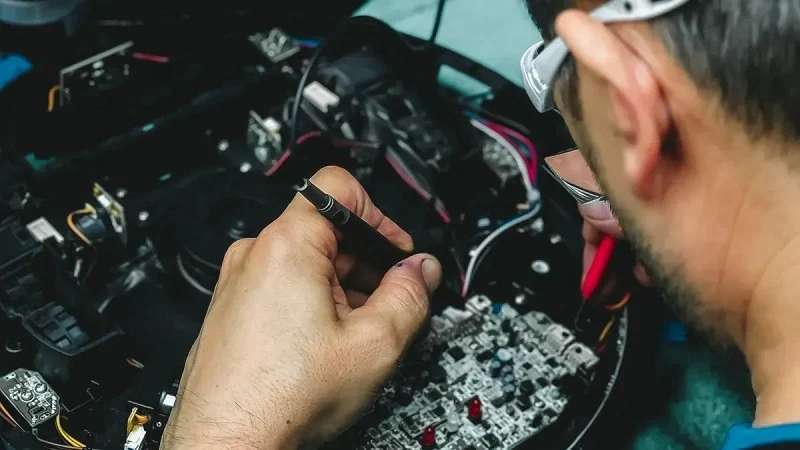
Putting the chamber together turns separate parts into a working device. This step needs clean conditions and careful hands. One tiny dust speck can scatter light and ruin readings. That is why makers work in cleanrooms. These rooms filter the air to remove particles. Workers wear special suits to keep skin and hair from touching parts. Every surface gets wiped down before assembly starts.
Precision Cleaning and Handling
Parts arrive from machining or molding with oils and debris on them. These residues must go before assembly. Ultrasonic cleaning baths remove stubborn dirt. The bath uses high-frequency sound waves to shake particles loose. After cleaning, parts go into sealed bags. Workers handle them with gloves or tweezers. Bare fingers leave oils that attract dust. Even a tiny fingerprint on a lens can scatter light. That scattered light creates noise in the signal. For a smoke detector, noise means false alarms. For spectroscopy equipment, noise means bad data.
Adhesive Bonding vs. Mechanical Mounting
Two main methods hold parts together: adhesives and mechanical fasteners. Adhesive bonding uses special glues that cure under heat or UV light. These glues create strong, permanent bonds. They also seal gaps that might let in dust. Mechanical mounting uses screws, clips, or springs. This method allows disassembly for repairs. But it leaves tiny gaps where contaminants can enter. For a sealed optical detection chamber, adhesive bonding often wins. It provides a tighter seal and reduces parts count. Mechanical mounting works better when you need to swap components. The choice depends on the application and service needs.
Using Autocollimators and Interferometers
Autocollimators measure angular alignment with great precision. They project a beam of light and measure how it reflects back. Any tilt in the surface shows up as a shift in the reflected beam. This tool helps workers set mirrors and lenses at exact angles. Interferometers go even further. They use light wave interference to measure distances and surfaces. These tools can detect variations smaller than a wavelength of light. Both instruments give real-time feedback during alignment.
Iterative Adjustment of Optical Paths
Alignment is not a one-shot process. Workers adjust, measure, and adjust again. Each tweak changes the light path slightly. So they check the alignment after every change. This iterative loop continues until the signal reaches its peak. Automated routines help speed this up. Systems like QuickSet and Tune run through alignment steps automatically. They find the best position faster than a human can. But a skilled technician still oversees the process. The human eye catches problems that software might miss.
Leak Testing and Pressure Validation
A sealed chamber must stay sealed. Helium leak testing is the gold standard. Workers fill the chamber with helium gas. Then they use a mass spectrometer to sniff for escaping gas. Helium molecules are tiny. They slip through gaps that larger molecules cannot. If helium stays inside, the seal is good. Pressure testing works differently. Workers pressurize the chamber and watch for pressure drops. A steady pressure means no leaks. These tests catch problems before the chamber ships.
Functional Testing for Sensitivity and False Alarm Rate
The final test checks how the chamber performs. Workers expose it to controlled amounts of smoke. They measure how quickly the detector responds. They also test with clean air to check for false alarms. A good chamber reacts fast to real smoke but ignores dust and light. The sensitivity setting matters. Too sensitive means nuisance alarms. Not sensitive enough means missed fires. Manufacturers tune each chamber to hit the sweet spot. They document every test result for quality records. This traceability helps if problems show up later.
Both ionization and photoelectric detectors go through similar testing. Ionization detectors use a radioactive source instead of light. But they still need clean assembly and careful calibration. The manufacturing quality affects both types equally. A well-built chamber serves its purpose for years. A poorly built one fails when it matters most. That’s why every step, from cleaning to final test, gets the same attention. The result is a sensor you can trust with your safety.
Partnering with NOBLE for Optical Detection Chamber Manufacturing

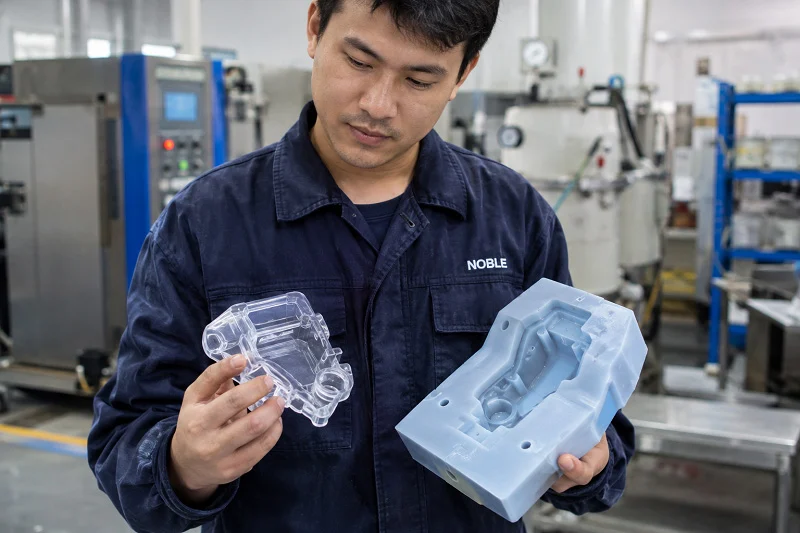
NOBLE is more than just a factory. We are a full-service manufacturing partner. We work with you from the first idea to the final tested product. Our team helps you design parts that are simple to make. We call this Design for Manufacturability, or DFM. When you bring us an idea, we look at it with fresh eyes. We find ways to lower costs, boost quality, and speed up production. This early help saves you time and money later.
Our Full-Service Capabilities
In-House Design for Manufacturability (DFM) Support
Our engineers meet with your team early in the process. We look over your drawings and flag possible issues. Maybe a wall is too thin for injection molding. Maybe a tolerance is tighter than needed. We suggest changes that make the part easier to produce. This keeps your smoke detector affordable without losing quality. We also help you choose the right materials. Aluminum works well when you need heat transfer. Zinc handles complex shapes. Copper suits hot modules. These choices matter for the final performance of your fire safety device.
Complete Assembly and Testing Services
We do not stop at making parts. We put together the whole optical detection chamber for you. Our cleanroom keeps dust away from sensitive optics. Our technicians bond, align, and test each unit. We check quality using coordinate measuring machines, profilometers, and leak testing. Every chamber gets inspected before it ships. This means you receive a finished product, not a box of loose parts. You can focus on selling your photoelectric detector while we handle the manufacturing.
Certifications and Quality Assurance
ISO 9001:2015 Certified Quality Management
Quality is not just a promise at NOBLE. It is a system. Our ISO 9001:2015 certification proves we follow strict quality management practices. Every process gets documented. Every worker gets trained. Every product gets tracked. This standard covers everything from purchasing to final inspection. When you partner with us, you know exactly what you get. That consistency matters for fire alarms that must work every time.
ISO 13485:2016 Compliance for Medical Devices
We also meet ISO 13485:2016 standards. This certification applies to medical devices. It demands even tighter controls than the general quality standard. Our processes track every step with extra care. This matters if your optical chamber ends up in medical monitoring equipment. The same discipline also benefits your smoke detectors. Strict documentation means fewer errors and better reliability.
Expertise in Metal and Plastic Machining
Advanced CNC Machining and Injection Molding
We handle both metal and plastic parts. Our CNC machines cut precise components for small runs and prototypes. You get fast turnaround without paying for a mold. For larger volumes, we use injection molding. This process creates complex shapes with thin walls at low cost per part. We also offer die casting for high-volume metal parts. This method delivers consistent results across thousands of pieces. Each approach has its strengths, and we help you choose the right one.
Precision and Repeatability for Critical Components
Optical parts demand tight tolerances. A tiny error throws off the whole light path. Our machines hold those tolerances part after part. We use advanced coating methods like chemical vapor deposition (CVD) and atomic layer deposition (ALD) for special surfaces. CVD applies thin films that absorb stray light. ALD builds coatings one atomic layer at a time for precise control. These techniques keep your photoelectric detector accurate. They also help your fire detection system avoid false alarms. Every smoke detector we produce works the same way. That repeatability protects lives.
Building an optical detection chamber takes careful design, smart material choices, and precise assembly. Every step matters. A smoke detector must catch fire quickly. A photoelectric sensor needs clean optics to spot tiny smoke particles. The chamber walls absorb stray light. The seals keep dust out. All these details decide whether a detector works or fails.
Quality control never stops. Each smoke alarm gets tested for leaks and sensitivity. A good detector ignores dust but reacts to real smoke. That balance protects homes from fire without nuisance alarms. Both photoelectric and ionization smoke detector designs rely on solid manufacturing. Fire safety depends on reliable detectors.
Partner with NOBLE for certified quality. Our ISO 9001:2015 system ensures every chamber meets strict standards. We handle design, machining, assembly, and testing. Your detectors deserve that care.
FAQ of Optical Detection Chamber Manufacturing
What is the difference between photoelectric and ionization smoke detectors?
A photoelectric detector uses infrared light to find smoke. An ionization smoke detector uses a radioactive source. Both detectors detect fire. Photoelectric detectors catch slow fires. Ionization detectors catch fast fires. Both types of detectors are important for fire safety. A photoelectric sensor works well for smoldering fires.
How does the chamber prevent false alarms from sunlight?
The labyrinth blocks outside light but lets smoke enter. The walls absorb stray light. This keeps the sensor from seeing sunlight as a fire. Many smoke alarms use this design. The chamber stops false alarms. Smoke from a fire enters the maze easily. The detector only sees real smoke. These detectors need dark conditions.
Why do chamber walls need special coatings?
Coatings stop stray light from reaching the detector. This cuts false alarms. The same idea works in spectroscopy. Infrared spectroscopy needs this control. Absorbance of the walls affects signal quality. Infrared absorbance helps keep readings clean. Good absorbance means accurate detectors.
What materials work best for the chamber body?
Plastics work well for mass-produced smoke alarms. Metals like aluminum suit industrial detectors. The choice affects cost and performance. A good detector needs good materials. Fire safety depends on reliable detectors. A smoke alarm must detect fire quickly.
How do you test if a chamber is sealed properly?
Helium leak testing finds tiny gaps. Workers fill the chamber with helium. They check for escaping gas. A good seal keeps dust away from the optics. This protects the detection area.
Can these chambers work for other uses beyond smoke detection?
Yes. They help with endpoint detection in chemical processes. They also work for monitoring air quality. The same optics find smoke particles. Infrared light helps identify materials. A detector can measure many things. Smoke detection is one use. Infrared detectors work well for this.
Why does alignment matter so much in these chambers?
A tiny error can cut the signal by half. The detector might miss smoke completely. A fire detector needs precision. Technicians use autocollimators to line up the light source. This keeps the fire alarm system reliable. Smoke detectors need precise alignment.
How do manufacturers test detector sensitivity?
Workers expose the detector to controlled amounts of smoke. They measure response time. They test with clean air too. The detector must react fast to real fire. It must ignore dust. A photoelectric model works best for smoldering fires. The detector uses smoke particles to trigger the alarm.