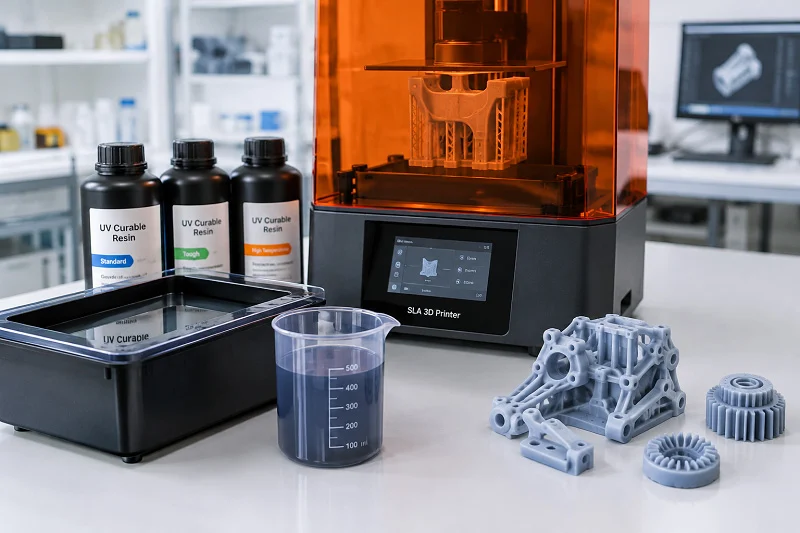
SLA rapid prototyping uses light to turn liquid resin into solid parts. Engineers get detailed prototypes for design reviews, fit checks, and product development. It is a core SLA 3D printing method.
This process is great for validating product designs, creating appearance models, and doing some selected functional tests. But the final results depend on the resin you choose, the design of the part and post-processing. In this article, we’ll run through how SLA rapid prototyping works, look at the pros and cons, compare it with other manufacturing methods, and chat about materials, surface finishing, costs, and industrial applications.
How Does SLA Rapid Prototyping Work?
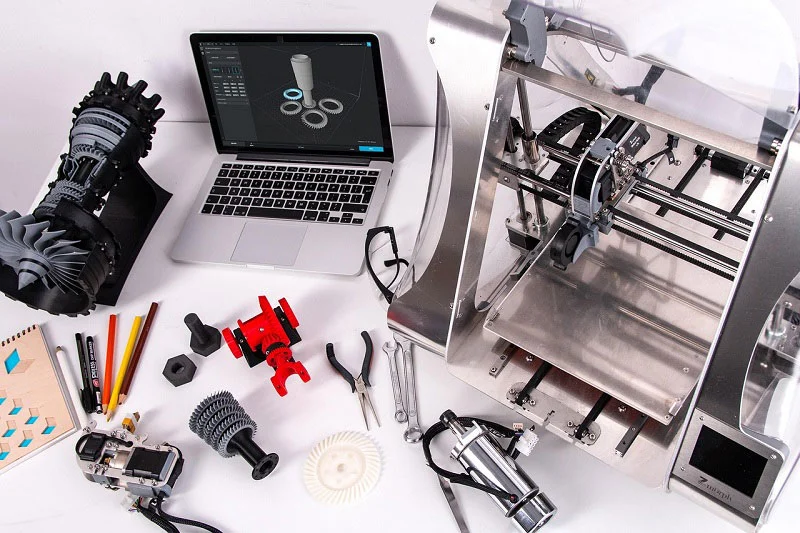
Step 1: Create and Prepare the CAD Model
Engineers create a 3D model in CAD software. The file gets checked and converted to STL or 3MF. A clean model prevents print failures. SLA rapid prototyping starts here.
Step 2: Select Resin and Set Printing Parameters
Resin is selected for appearance, strength, flexibility, and use. Then, set the following parameters: layer thickness, print orientation, and the placement of support structures. All these choices affect the final part.
Step 3: Print the Prototype Layer by Layer
An UV laser cures specific areas of the liquid resin. This process is repeated continuously, layer by layer, ultimately forming a complete 3D part. SLA 3D printing uses a bottom-up build method.
Step 4: Remove Supports and Clean the Printed Part
The engineer removes the part from the print bed and takes down the support structures. Then, the part is cleaned to remove any uncured resin from its surface and microstructures. Cleaned parts work better.
Step 5: Post-Cure and Inspect the Prototype
Then, the parts are put under a light to dry. Once the material’s fully set, you’ll start to see what it’s really like. Then, the engineers will take a look at the prototype. The inspection covers dimensions, surface quality, and visible defects. This step is part of the SLA rapid prototyping service.
Key Advantages of SLA Rapid Prototyping
High Detail and Dimensional Accuracy
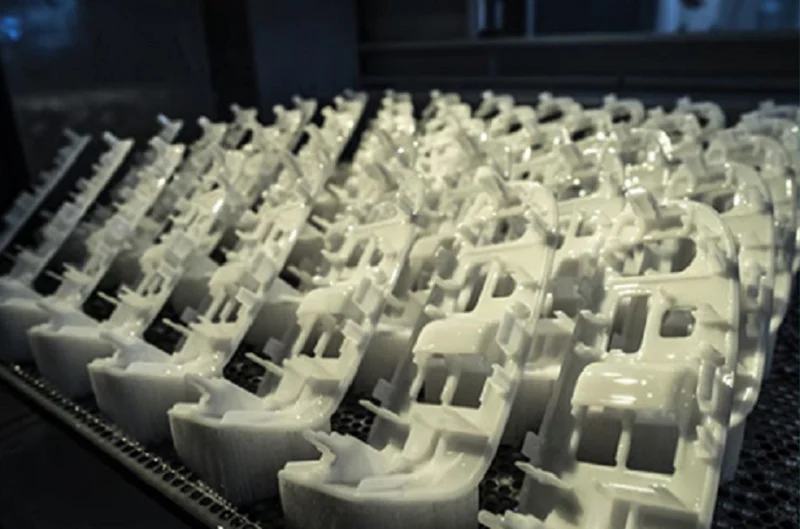
Minuscule features, fine contours, and complex details are faithfully reproduced. Accuracy depends on the printer, resin, geometry, and post-processing methods. The level of detail achievable with SLA rapid prototyping technology is unmatched by other methods.
Smooth Surface Finish
SLA parts have smoother surfaces than FDM parts. Appearance models benefit. Prototypes needing a clean finish benefit. The surface is ready for paint or polish.
Ability to Produce Complex Geometries
Curved surfaces, complex shapes and detailed features can be generated directly without cutting tools. Support structure and resin drainage must be considered, but geometric freedom is real.
Faster Design Iteration Without Dedicated Tooling
After the designer updates the CAD model, he can print the modified prototype directly without a new mold. In this way, design problems can be found earlier and different versions can be tested.
Limitations of SLA Rapid Prototyping
Material Properties May Differ from Production Plastics
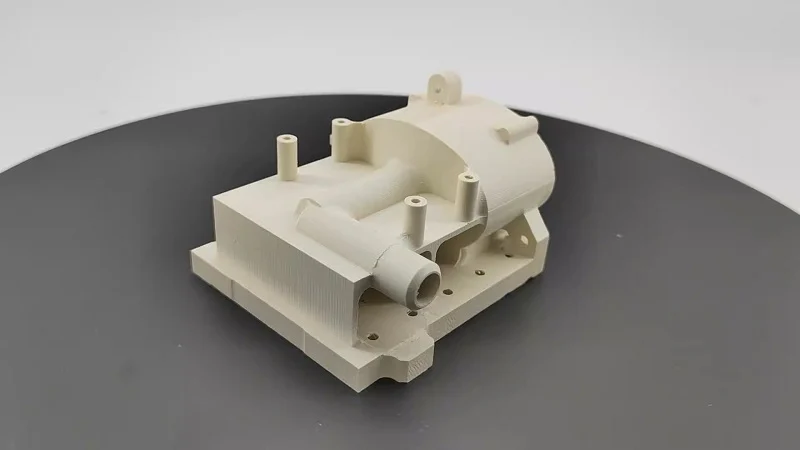
Photopolymer resins do not always behave like ABS, nylon, or polypropylene. Material data must be checked. Predictions about final product performance need caution. SLA rapid prototyping is not production plastic.
Some Resin Parts Are Brittle or Sensitive to Environmental Conditions
Some resins crack under impact. Repeated loading causes failure. UV exposure, heat, moisture, and chemicals affect performance. The resin formulation determines the limits.
Post-Processing Adds Time and Labor
Cleaning. Support removal. Additional curing. Sanding. Polishing. Painting. Each step adds time. Each step adds cost. SLA rapid prototyping services account for this in quotes.
Build Volume and Part Size Constraints
Every SLA printer has a maximum build size. Large components get divided. Sections get assembled after printing. The constraint affects design and planning.
Material and Production Costs Can Increase for Specialized Requirements
Specialized resins cost more. Large parts cost more. Demanding finishing costs more. The quotation depends on print time, material consumption, quantity, and inspection. From a practical perspective, NOBLE—a leading manufacturing company in China—provides SLA rapid prototyping services that manage these variables efficiently. Our team helps clients move from prototype to mass production without supplier changes.
SLA vs. Other Rapid Prototyping Methods
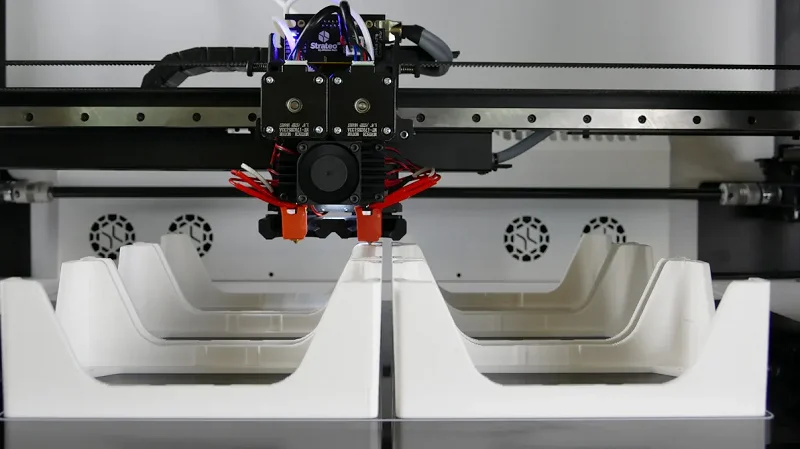
The choice of method depends on the job. Surface finish. Material properties. Geometry. Quantity. Budget. Each process has strengths. Each has limits. SLA rapid prototyping is one option among several.
| Method | How It Works | Strengths | Limits | Best For |
| SLA | Light cures liquid resin layer by layer | Fine details, smooth surfaces | Brittle resins, limited material range | Appearance models, detailed prototypes |
| FDM | Deposits melted thermoplastic filament | Wider choice of common thermoplastics | Visible layer lines, rougher finish | Concept models, basic functional parts |
| SLS | Laser fuses powder material, commonly nylon | Durable, complex functional parts | Rougher surface, higher cost | Functional testing, complex geometries |
| DLP | Projects an image to cure a resin layer | Fast layer curing, good detail | Equipment-dependent accuracy | Detailed resin parts, faster builds |
| CNC Machining | Removes material from solid workpiece | Production-grade plastics, metals, precise properties | Tool access limits, higher cost for complex shapes | Functional prototypes, precision parts |
How to Choose the Right Prototyping Method
The best method depends on the surface finish, material properties, geometry, quantity and budget. SLA is suitable for detailed resin model. CNC machining, FDM and SLS serve other engineering requirements.
From a practical point of view, NOBLE is a leading manufacturing company in China, which provides SLA rapid prototyping services in addition to CNC machining and other processes. Our team helps customers choose the right method for each project.
Post-Processing and Surface Finishing for SLA Prototypes
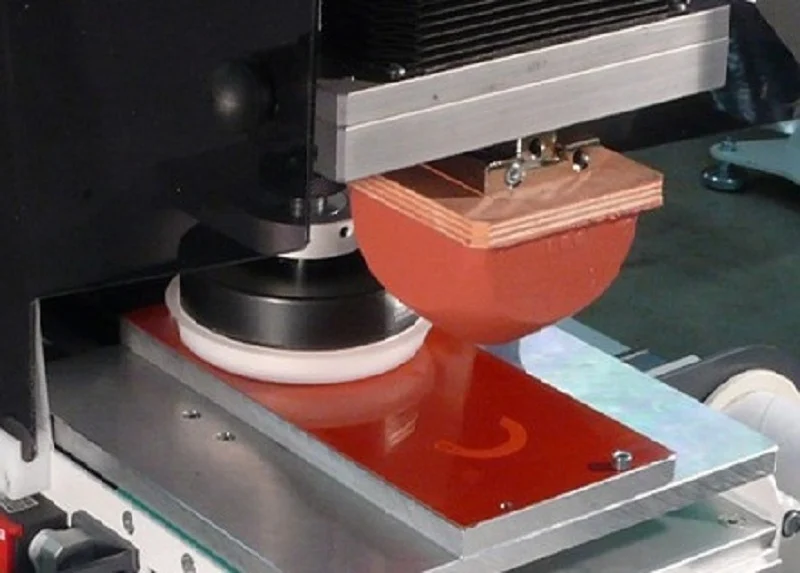
Support Removal and Surface Sanding
Supports come off after printing. The part is prepared for finishing. Sanding reduces support marks. Surface smoothness improves. But sanding must be controlled. Critical dimensions can change. SLA rapid prototyping requires this balance.
Washing and UV Post-Curing
Washing removes uncured resin. Surface resin goes away. Internal features get clean. UV post-curing follows. The resin manufacturer’s instructions define the cycle. The part reaches its intended properties. SLA 3D printing depends on this step for material performance.
Polishing and Clear-Coat Finishing
Polishing improves smoothness. Appearance improves. Selected SLA parts benefit. A clear coat helps transparent prototypes. Visual finish gets better. Results depend on the resin and the finishing process. SLA rapid prototyping services include these options.
Priming, Painting, and Color Matching
Primer prepares the surface. Paint adhesion improves. Coating consistency gets better. Painting matches product colors. Prototypes look realistic. Design reviews and presentations benefit. SLA rapid prototyping delivers visual accuracy.
How Surface Finishing Affects Dimensions, Appearance, and Lead Time
Sanding changes dimensions. Coating changes dimensions. Polishing changes dimensions. Appearance changes too. These steps add lead time. Finishing requirements must be defined early.
Design Guidelines for SLA Rapid Prototyping
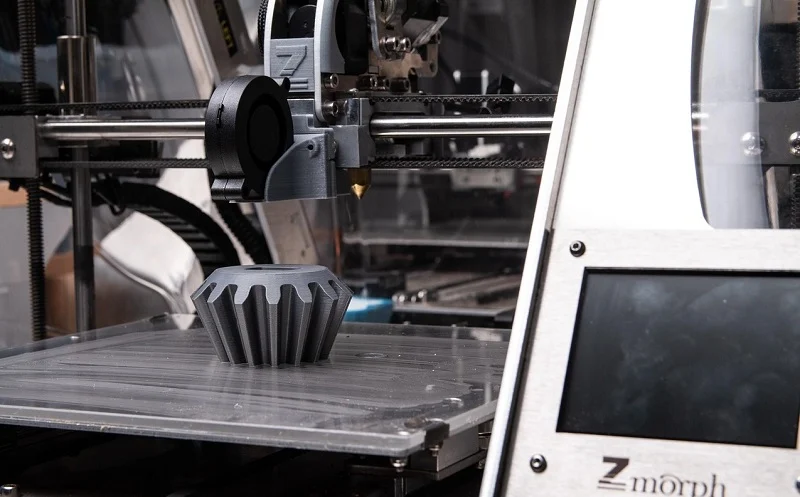
Wall Thickness and Minimum Feature Size
Wall thickness should be suitable for the resin, part size, and intended use. Very thin walls and tiny features may be difficult to print reliably, so the printer’s design guidelines should be checked.
Hole Design and Dimensional Compensation
Small holes may print undersized or become blocked by uncured resin. Engineers should consider hole orientation, cleaning access, and the need for dimensional adjustments when precise fit is required.
Build Orientation and Support Placement
Part orientation affects support locations, surface quality, print time, and dimensional behavior. Good support placement can reduce visible marks on important surfaces and help the part print successfully.
Hollow Structures and Drainage Holes
Hollow parts can reduce resin consumption and sometimes lower printing costs. Drainage holes are important because trapped liquid resin can cause cleaning problems and may damage the part if it remains inside.
Design Considerations for Assembly and Fit Testing
Clearances and mating features should be designed with the accuracy of the printing and finishing process in mind. Test assemblies can help identify interference and alignment issues before production tooling is made.
What Factors Affect SLA Rapid Prototyping Cost and Lead Time?
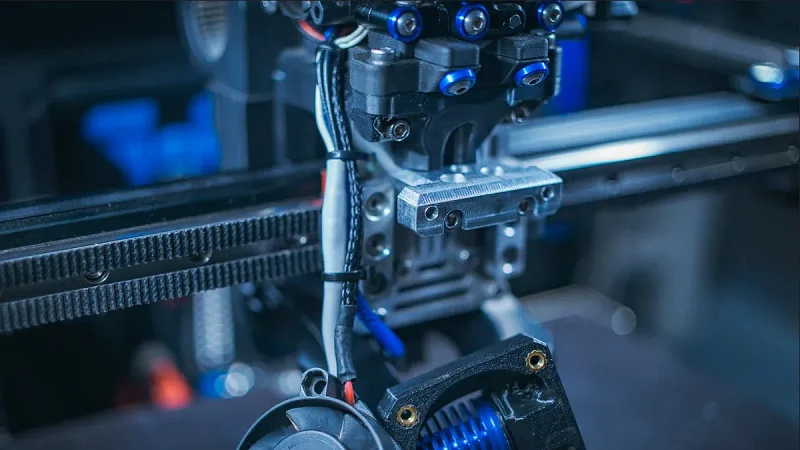
Part Size, Geometry, and Build Height
Large parts need more resin. They take longer to print. Complex shapes increase support requirements. Tall builds increase production time. Size drives cost.
Resin Type and Material Consumption
Resins have different prices. They have different performance. Consumption depends on part volume. Support structures add material. Hollow features reduce it. Failed prints waste it. SLA 3D printing cost depends on these factors.
Printing Orientation and Production Quantity
Orientation affects build height. It affects support requirements. It affects surface marks. Several parts in one build improve efficiency. Machine capacity and arrangement matter. SLA rapid prototyping balances these variables.
Post-Processing and Quality Inspection Requirements
Cleaning. Support removal. Polishing. Painting. Inspection. Each step adds cost. Each step adds lead time. Tight tolerances require extra labor. Detailed inspection reports require measurement. From a practical perspective, NOBLE—a leading manufacturing company in China—provides SLA rapid prototyping services that manage these costs efficiently. Their team helps clients plan the job before production starts.
How to Reduce SLA Prototyping Cost and Lead Time
Simplify unnecessary details. Select a suitable resin. Provide complete CAD files. Define clear tolerances. Specify finishing requirements. These steps help suppliers plan the job. They reduce cost. They shorten lead time. SLA rapid prototyping becomes more efficient.
Quality Control in SLA Rapid Prototyping
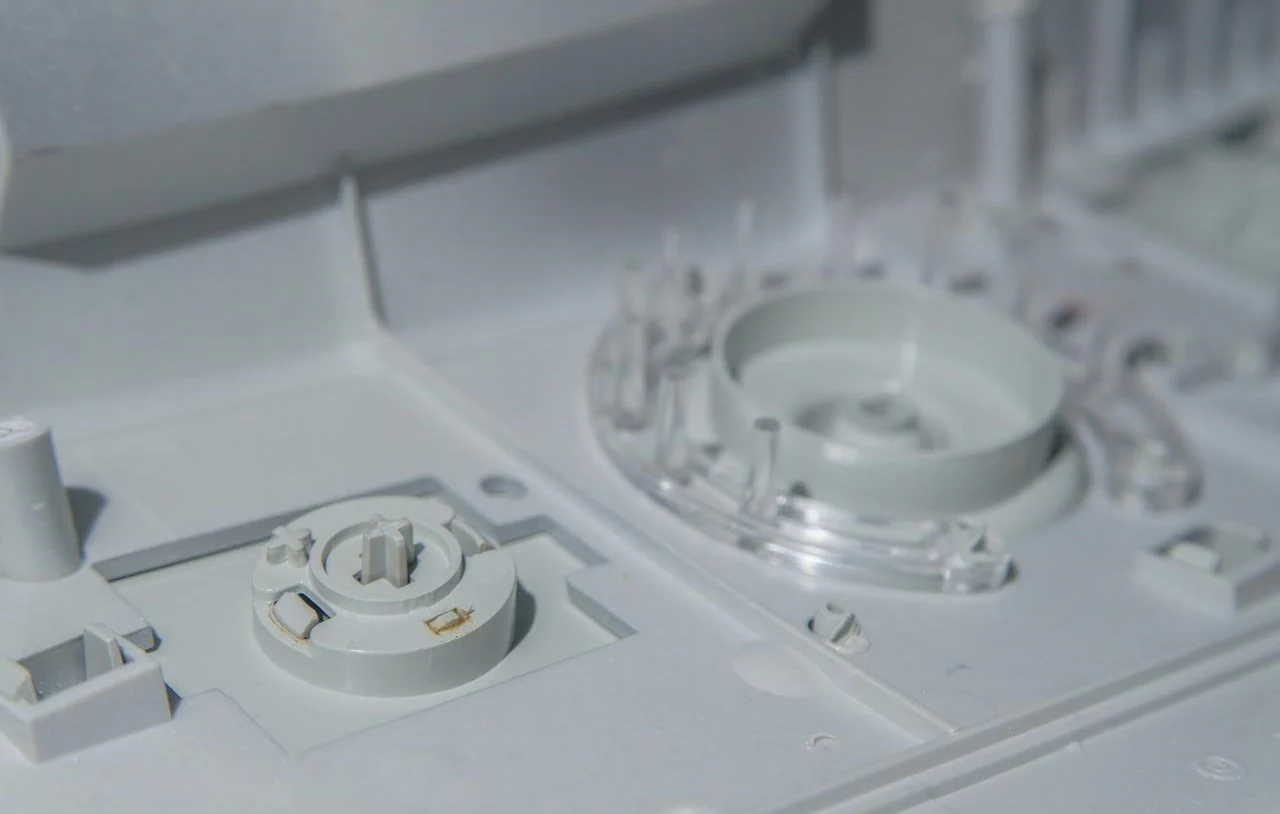
Dimensional Inspection and Tolerance Verification
Dimensional inspection checks the prototype against specifications. The tool depends on required accuracy. SLA rapid prototyping demands this verification step.
Surface Defect Inspection
Visual inspection finds support marks. It finds cracks. It finds warping. Other surface defects get caught. Critical cosmetic areas must be defined before production. The supplier applies consistent acceptance criteria. SLA 3D printing quality depends on this clarity.
Resin Handling and Post-Curing Control
Correct resin handling ensures consistency. Correct post-curing ensures material properties. The manufacturer’s instructions must be followed. Incomplete curing causes problems. Mechanical properties change unexpectedly. SLA rapid prototyping services control these variables.
Functional Testing and Prototype Acceptance Criteria
Functional testing checks performance. Does the prototype do its job? Acceptance criteria define the answer. Important dimensions. Fit requirements. Surface conditions. Relevant performance tests. SLA rapid prototyping validates against these standards.
SLA Rapid Prototyping Services at NOBLE
Support for Plastic and Metal Prototype Development
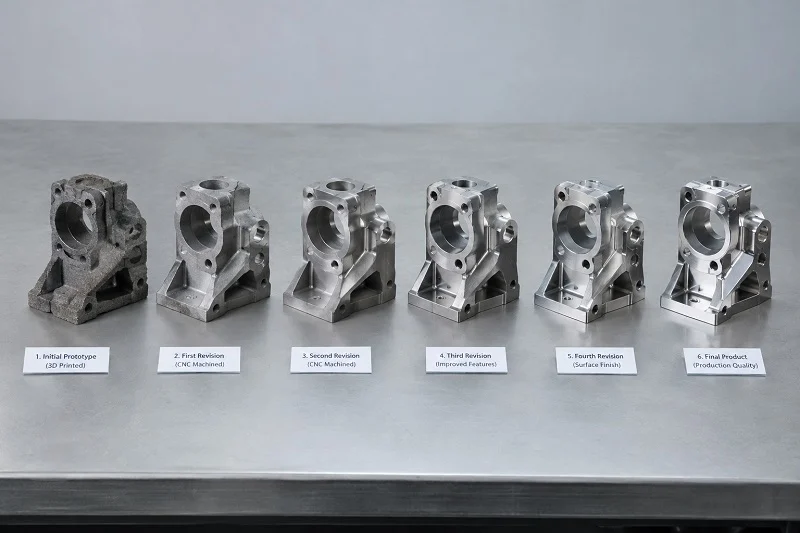
NOBLE provides plastic and metal prototype manufacturing. Different processes suit different design requirements. SLA resin printing is one option. CNC machining is another. The production route gets selected based on the job.
Integrated Manufacturing and Surface Finishing Capabilities
Our prototype production is combined with finishing service-the parts are ready for design review when they arrive and ready for testing when they arrive. NOBLE’s SLA rapid prototyping service covers this integration.
From Design Support to Prototype Delivery
Early design support can identify manufacturing problems. Our team of engineers can find problems before production. A coordinated workflow is from design review to inspection to delivery, which makes prototype development easier to manage. NOBLE’s SLA rapid prototyping follows this structured approach.
FAQs About SLA Rapid Prototyping
What Does SLA Stand for in 3D Printing?
SLA stands for stereolithography, a 3D printing process that cures liquid photosensitive resin using light. It is widely used to produce detailed prototypes with smooth surfaces.
How Accurate Is SLA Rapid Prototyping?
SLA can produce fine details and accurate features, but actual accuracy depends on the printer, resin, geometry, and post-processing. Critical dimensions should be discussed with the supplier and verified through inspection.
How Long Does SLA Rapid Prototyping Take?
A small and simple part may be printed within hours, while larger or more complex parts may take longer. Cleaning, post-curing, finishing, and inspection must also be included when estimating total delivery time.
Is SLA Stronger Than FDM?
Neither method is always stronger than the other because strength depends on the material, print settings, and part design. SLA is often selected for detail and surface finish, while FDM may be better suited to certain functional parts made from engineering thermoplastics.
Can SLA Prototypes Be Used for Functional Testing?
Yes, SLA prototypes can be used for fit checks, assembly trials, and selected functional tests. The resin’s strength, flexibility, temperature resistance, and chemical compatibility must meet the test requirements.
How Much Does SLA Rapid Prototyping Cost?
The cost depends on part size, resin type, print time, quantity, finishing, and inspection requirements. Providing a 3D model and clear specifications helps a supplier prepare a more accurate quotation.
Can SLA Prototypes Be Painted or Polished?
Yes, many SLA prototypes can be sanded, polished, primed, and painted. The best finishing method depends on the resin, desired appearance, and dimensional requirements.