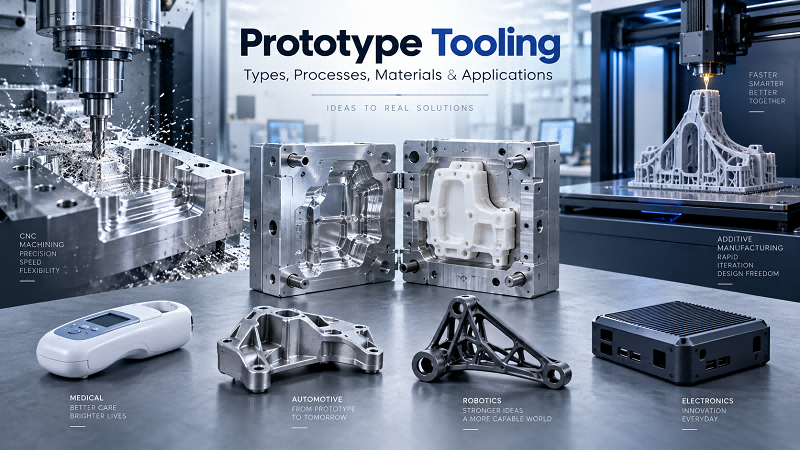
Hospital Robot Structural Parts create the main support skeletons, moving joints, and outer covers used in healthcare. Choosing the right materials and making parts precisely affects how strong, cleanable, safe, and chemical-resistant these machines are in medical spaces. Accurate robotic joints and a strong robotic frame help a surgical robot during very delicate surgeries.
The worldwide hospital robots market reached 14.9 billion US dollars in 2023.
Engineers pick tough materials to build each robotic arm, robotic wrist, and robotic housing as essential Hospital Robot Structural Parts. These strong parts help medical robots provide clear advantages in hospitals. This guide gives engineering and buying teams complete information for choosing materials, making parts, and following safety rules in modern robotics.
Key Takeaways
- Hospital robot structural parts create sturdy inside frames and protective outside shells for healthcare machines.
- PEEK plastic bends and moves much like natural human bone, working better than heavy surgical titanium metal.
- ABS and polycarbonate plastic mixtures make tough outer shells that can withstand strong cleaning chemicals.
- High-tech cutting tools make custom parts with exact measurements down to plus or minus 0.02 millimeters.
- ISO 13485 and ISO 9001 quality standards ensure part safety and complete material tracking in healthcare.
- Soft robotics uses flexible silicone to stop patient tissue from bruising during physical therapy tasks.
- Modular frame designs let workers quickly fix joints and add new features to service robots.
What are Hospital Robot Structural Parts?
Hospital robot structural parts form the basic frame for automated machines in modern healthcare. These strong frames hold heavy moving parts, cover delicate electrical wiring, and shield internal drive motors. Designers build these solid internal skeletons to handle severe physical stress during complex surgical operations. Tough environmental conditions like hot temperatures, harsh chemicals, and strong cleaning liquids can shorten a robot’s lifespan. Engineers pick special plastics and building materials to boost sterilization resistance and keep operations safe for a long time.
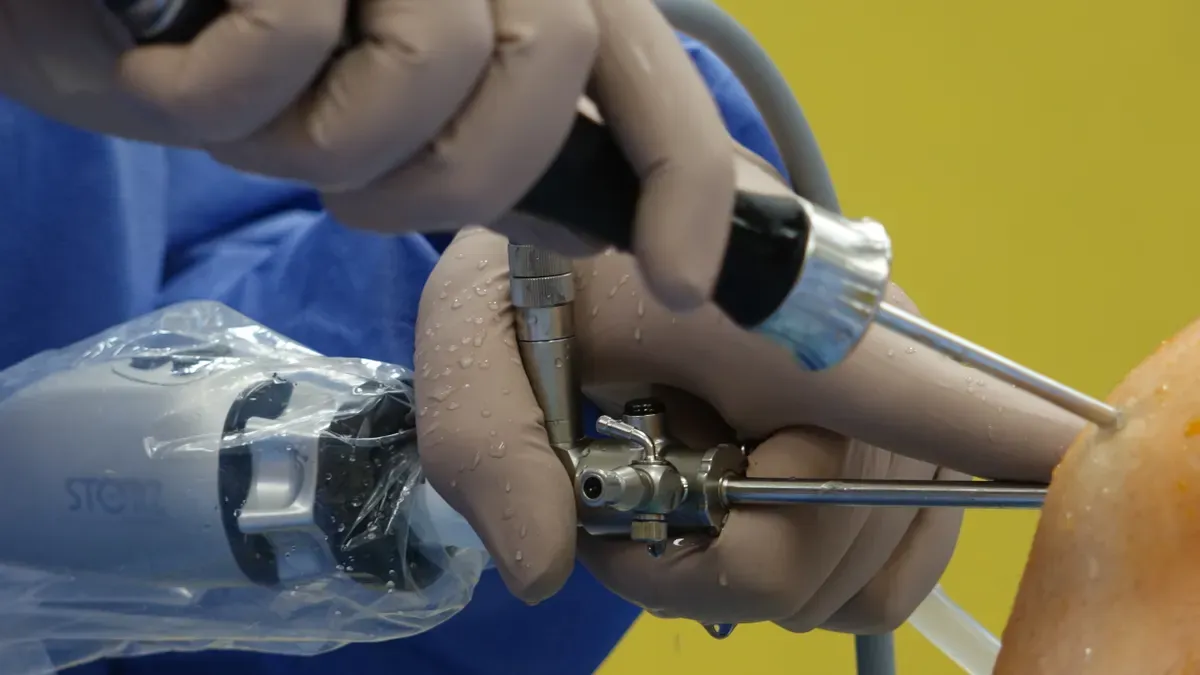
Medical devices must handle 2,000 sterilization cycles in steam machines under high heat, high pressure, and extreme moisture. This harsh steam setup puts serious stress on outer seals, protective coatings, rust resistance, and overall machine reliability. Surgical shavers used in knee and shoulder surgery frequently touch salty liquids during active operations. Good structural sealing and rust-resistant metals protect internal drives from short circuits, liquid leaks, and physical wear. Shielding these inner systems ensures steady mechanical accuracy through demanding surgical work.
Hospital Robot Structural Parts Types
Modern medical centers use different types of medical robots across specialized healthcare departments. Operating rooms depend heavily on surgical robots for accurate work, while physical therapy centers use rehabilitation robots to aid patient recovery. Medical robots need custom frames to stay stable while working. Specialized medical robots require precise balance during complex robotic movements. The internal structural parts in these automated systems change based on weight loads, room conditions, and clinical tasks. Engineers group these structural parts by their physical job, safe body contact, and material makeup.
High-performance plastics serve as key medical robot components inside modern operating spaces. Polyether ether ketone, commonly called PEEK, offers great performance for safe internal parts. PEEK shows key physical advantages over older plastics like polymethyl methacrylate.
| Property | Evidence |
|---|---|
| Mechanical Strength | Superior strength, biocompatibility, and sterilization stability compared to PMMA |
| Imaging Clarity | Radiolucency enables artifact-free postoperative imaging without beam-hardening |
| Elastic Modulus | Elastic modulus of 3–4 GPa matches bone more closely than titanium at 110 GPa |
| Composition | Non-metallic composition eliminates metal sensitivity risks for long-term use |
| Fabrication | Thermoplastic properties enable 3D printing on hospital-compatible equipment |
Outer protective covers need high impact resistance to take hits from hospital cart equipment. Part makers blend acrylonitrile butadiene styrene with polycarbonate to create tough outer shells. These sturdy plastic covers shield sensitive internal computer parts from chemical spills and hard hits during robot-assisted surgery.
Lightweight metals give great structural stiffness across heavy load-bearing moving arms. Anodized aluminum offers strong support with low total weight for main body frames. Surgical stainless steel provides top physical strength and wear resistance for heavy-load spinning joints. Titanium creates stiff, durable joint arms for tough jobs in minimally invasive surgery. Titanium offers high strength, but its elastic modulus is 110 GPa. In contrast, PEEK offers an elastic modulus of 3–4 GPa, matching natural human bone much better. This physical trait helps lower stress-shielding risks when making structural medical implants and internal joints.
Newer structural designs in soft robotics use flexible materials in modern medical devices. Part designers add flexible silicone and soft hydrogels into specialized end-effectors, robotic grippers, and direct patient touch points. These soft materials bend safely when touching human body tissue, preventing accidental bruising or physical harm during physical therapy work. Soft material shapes allow safe physical touching while keeping exact position control.
Chemical resistance against harsh hospital cleaning rules guides material choices for every robot arm. Disinfectant chemical fluids regularly wipe down outer structural surfaces between routine tasks. Engineering plastics offer helpful chemical resistance and great strength-to-weight ratios for long use. These balanced material choices ensure predictable physical action during complex minimally invasive surgeries. Careful engineering guarantees continuous safety across regular surgical tasks. Advanced medical machines rely on these strong structural parts to hold exact shape sizes over time. Medical devices support modern robotic surgery by keeping steady mechanical alignment. Surgeons use robotic surgery to get better accuracy during delicate internal actions. Growing uses in robotic surgery demand tough mechanical joints that handle constant bending. Structural parts built for robotic surgery ensure smooth movement during long medical procedures. Modern surgical setups rely on physical strength to execute delicate robot-assisted actions without bending. Strong body frame designs protect inner electronics during long operations. Quality-built parts ensure that medical robots work safely across tough hospital spaces. Autonomous robot systems hold their shape well under heavy continuous use. Improved engineering methods boost toughness across all medical uses.
How to CNC Machining Hospital Robot Structural Parts?

Precision manufacturing dictates the performance of medical robots operating in clinical medical environments. High-precision medical robot parts require strict dimensional control to guarantee safety during delicate work. CNC machining transforms solid metal stock into accurate frames, articulated links, and motor housings for modern healthcare robots. Machining medical-grade metals like aluminum and titanium prevents physical bending while maintaining low weight. Advanced multi-axis milling centers cut complex geometries into functional components with exceptional accuracy. Modern medical equipment depends on these robust internal skeletons to execute flawless movements during delicate medical procedures. Computer numerical control milling delivers predictable results across production batches. Tool operators select rigid cutting tools to prevent chatter during heavy cutting passes. Proper tool selection ensures uniform surface quality across complex curved surfaces.
Fabricating core aluminum components for hospital robots requires specialized machining parameters:
- Advanced 5-axis CNC centers and calibrated CMM inspection achieve micron-level precision for aluminum housings and structural parts.
- The capability to achieve tight tolerances down to ±0.02mm ensures reliability for surgical instruments and diagnostic components.
- Optimized tool paths and custom fixturing maintain thin-wall rigidity, prevent chatter, and guarantee dimensional accuracy for thermal management.
- Multi-stage stress-relief machining techniques on aluminum 6061 and 7075 secure lightweight designs without compromising structural integrity.
- Meticulous control of cutting speeds, feeds, and automated deburring processes delivers smooth aluminum surfaces suitable for hard anodizing and sterilization.
Machining high-performance components supports critical tasks across robotic surgery applications. Advanced surgical systems demand steady mechanical alignment to protect patients in robotic surgery setups. Accurate machining prevents vibration across each robotic joint during robotic surgery. Medical devices like autonomous robots use a rigid robotic frame to navigate hospital floors safely. Specialized rehabilitation robots assist patient movements using strong structural joints. Modern surgical setups rely on precise robotic wrist movement to perform minimal incision surgery. Clean surface finishes allow thorough chemical disinfection on every exposed surface. Modern medical facilities rely on these robust robots to streamline modern clinical care. High-precision robotic arm assemblies enable smooth movement throughout long procedures. Manufacturing quality structural parts ensures dependable long-term service across all medical systems. Consistent tolerances protect sensitive internal drive units from premature physical wear. A strong robotic chassis stabilizes precision tools during complex tasks. A durable robot arm maintains exact positions under heavy payload loads. These advanced production methods help every robot perform safely in demanding environments. Specialized surgical robots support doctors during complex robotic surgery operations. Smooth tool pathways eliminate sharp stress concentrators inside load-bearing frames. Controlled feed rates prevent excessive heat build-up during long machining cycles. Maintaining cool material temperatures preserves structural stability and material hardness. Proper coolant application flushes metal chips away from active cutting zones. Clean cutting conditions maintain fine dimensional repeatability across multi-axis production runs.
Industry Standards for Machining Hospital Robot Structural Parts
Quality management systems control the production of structural elements used in modern healthcare. Machine shops follow strict industry standards to build parts for hospital robots. Skilled technicians inspect raw stock, monitor high-speed milling tools, and measure physical dimensions during continuous machining runs. Precision component fabrication keeps dynamic robotic medical hardware operating without mechanical failure. Reliable structural frames shield delicate control electronics and maintain patient safety in high-stress clinical spaces. Careful dimensional testing prevents unexpected mechanical wear across heavy load-bearing joints. Autonomous robots require extremely stable structural skeletons to function safely in public hospital spaces. Detailed production records confirm that metal alloys meet stress requirements for long-term deployment.
Engineers must choose certified machine shops to guarantee that every completed component satisfies international medical regulations. Rigorous quality control protocols eliminate micro-cracks and surface defects before components enter clean assembly spaces. Calibrated coordinate measuring machines confirm exact linear dimensions across multi-axis production runs. High-precision manufacturing ensures that healthcare robots deliver steady mechanical performance throughout long operational cycles.
Manufacturers follow certified quality benchmarks during precision component machining:
- ISO 9001:2015 controls general manufacturing quality, ensuring stable production results and inspection of part size and surface quality.
- ISO 13485:2016 adds strict medical device production rules, requiring full part traceability and full process validation.
Medical device developers mandate strict process control for every surgical instrument enclosure and chassis frame. Machinists record raw metal batch numbers to protect overall medical supply chain transparency. Production technicians monitor automated tool paths to protect human safety during active medical procedures. Every articulated robotic arm demands unyielding physical support during intense robotic surgery procedures. Uniform manufacturing guarantees that each surgical robot maintains structural alignment inside sterile operating rooms. Modern hospital robots shield delicate internal sensors from sudden kinetic impacts. Advanced quality management prevents structural fatigue in complex robotic motion mechanisms. Strict testing ensures that every load-bearing robotic joint handles repetitive rotational movements without losing alignment.
Machined structural elements must endure long service lives within demanding medical environments. Modern factory equipment fabricates tight-tolerance robotic components for complex robotic surgery tasks. Operators evaluate finished parts to shield every automated robot from physical failure during routine clinical tasks. Proper certification helps engineering teams choose strong structural parts for specialized robotic surgery setups. Standardized production methods enable skilled surgical teams to execute complex robotic surgery with total confidence. Strong quality standards advance automated medical technology across international healthcare facilities. Reliable manufacturing processes allow medical robots to assist clinical staff during critical care procedures. Modern medical facilities rely on these robust robots to provide safe clinical care every day. Advanced machining empowers service robots to perform continuous transport duties without breaking down.
Materials for Hospital Robot Structural Parts
Selecting proper materials determines how well automated machines function in clinical environments. Engineers must evaluate rigidity, weight, and chemical stability. Modern hospital robot structural parts rely on advanced polymers, durable metals, and flexible compounds to ensure long-term stability during complex work.
High-Performance Polymers and Plastics
Engineering plastics offer high strength and low weight. These polymers shield internal drive assemblies while maintaining clean surfaces.
PEEK for Internal Components
Polyether ether ketone acts as a premium thermoplastic for load-bearing internal joints. Unfilled PEEK delivers a tensile strength of 85–100 MPa and an elastic modulus of 2.8–3.9 GPa. Adding carbon fiber reinforcement increases the elastic modulus up to 21 GPa and elevates tensile strength up to 250 MPa. Reinforced medical grades lower mechanical wear rates by an order of magnitude. In addition, carbon filling boosts thermal conductivity up to 0.95 W/m·K.
| Property | Unfilled PEEK | Carbon-Filled PEEK (30%) |
|---|---|---|
| Tensile Strength (MPa) | 85–100 | Up to 250 |
| Elastic Modulus (GPa) | 2.8–3.9 | Up to 21 |
| Fatigue Strength at 10⁶ cycles (MPa) | 30–40 | 50–70 |
ABS and PC Housings
Outer protective covers require impact-resistant materials to withstand accidental collisions. Engineers blend acrylonitrile butadiene styrene with polycarbonate to build rigid exterior shells. This plastic blend absorbs heavy impacts without cracking. These exterior covers protect delicate control electronics from liquid spills during continuous daily operation. Plastic components also resist degradation from chemical wipes and standard medical cleaning routines.
Lightweight Metals and Structural Alloys
Metal alloys form the load-bearing skeleton for high-precision motion mechanisms. Fabricators select light metals to minimize motor stress and structural sag.
Anodized Aluminum Enclosures
Aluminum provides an exceptional strength-to-weight ratio for primary body frames. Aluminum alloys possess a density of 0.098 lb/in³ (2.7 g/cm³), making them 65% lighter than steel options. Aluminum 6061-T6 achieves an ultimate tensile strength of 45 ksi (310 MPa), whereas aluminum 7075-T6 provides an ultimate tensile strength of 83 ksi (572 MPa).
- Anodizing enhances the natural oxide layer, producing good corrosion resistance in controlled environments.
- The light material weight decreases overall energy consumption across moving robotic limbs.
- High structural stiffness allows accurate positional feedback for automated medical robots.
Surgical Steel and Titanium
Heavy load points rely on high-strength metals. Surgical stainless steel grade 316L offers a yield strength of 25 ksi (170 MPa) alongside a density of 0.289 lb/in³ (7.9 g/cm³). Precipitation-hardened 17-4 PH steel delivers an extraordinary yield strength of 170 ksi (1,170 MPa). Stainless steel forms a passive chromium layer that ensures excellent corrosion resistance against harsh chemical agents.
Titanium creates stiff joint linkages for each robot frame. However, titanium exhibits an elastic modulus of 102–113 GPa. In contrast, cortical bone measures only 10–30 GPa. PEEK matches bone elasticity far better than titanium, reducing stress shielding risks during mechanical interactions.
Soft Robotics and Surface Coatings
Modern robotic systems integrate soft contact interfaces and specialized outer surface treatments to protect patients.
Compliant Hydrogels and Silicone
Soft robotics incorporates flexible compounds into patient-facing grippers. Hydrogels and silicone materials bend under light pressure. These compliant materials absorb mechanical force, preventing tissue bruising during patient care. Flexible components allow safe contact while preserving exact directional control across an automated robot arm.
Anti-Microbial Surface Treatments
Cleanliness remains vital across operating rooms. Structural elements feature specialized chemical coatings to prevent microbial growth.
Hospital disinfectants damage untreated surfaces, making chemical-resistant coatings essential for maintaining sterile boundary conditions.
Engineers apply chemical coatings to eliminate bacterial accumulation. These anti-microbial treatments endure repeated chemical wipe-downs without peeling. Smooth surface seals shield sensitive components from liquid penetration during standard cleaning cycles. Proper surface treatments extend hardware life and keep clinical environments safe.
Advanced medical robots support surgeons during delicate surgical procedures. Stiff physical links help a robotic arm remain steady during minimally invasive surgery. Precise mechanical feedback improves safety during complex robotic surgery. Modern surgical robots execute fine motion control throughout delicate robotic surgery. Automated medical robots transport supplies safely across busy hospital hallways. Service robots rely on durable internal chassis designs to carry medical supplies reliably. These specialized robots perform continuous operational routines inside dynamic health centers.
Quality structural design enables medical robots to assist clinical teams during long surgical procedures. Stiff metal links eliminate deflection inside articulated robotic joints during active robotic surgery. Furthermore, durable external covers protect internal sensors during robotic surgery operations. High-performance materials allow specialized robotic hardware to navigate medical facilities without structural degradation. Careful selection of material grades ensures consistent performance, supporting safe patient outcomes across modern healthcare setups.
Advanced Tech for Healthcare Robotics
Modern healthcare relies on sophisticated manufacturing processes to build precision hardware. Advanced technology transforms raw materials into safe structural assemblies. Production teams use specialized equipment to create high-performance parts for modern medical systems.
Precision CNC Machining
Multi-axis cutting tools shape dense raw materials into exact mechanical parts. Computer numerical control systems deliver repeatable results across every production batch.
Multi-Axis Milling for Links
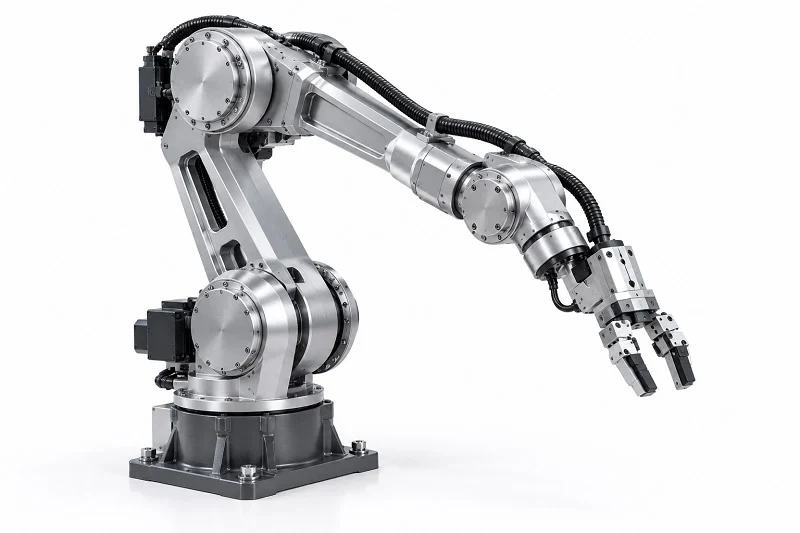
5-axis milling centers cut solid metal blocks into strong structural links. These multi-axis systems maneuver cutting head attachments along several axes at once. Machinists create smooth contours on internal load-bearing links without moving workpiece setups. Eliminating manual repositioning prevents minor axis shifts and structural defects. These rigid structural elements give each articulated robot arm high rigidity. Steady mechanical links prevent arm sag during intense surgical tasks. Controlled cutting routines protect outer surfaces from localized heat stress. Reliable manufacturing processes allow surgical robots to hold exact positions during intricate surgery routines.
CNC Turning for Rotational Joints
Precision lathe tools cut rotating parts with extreme accuracy. Artisans turn cylindrical shafts, dynamic wrist bearings, and rotational joints on high-speed spindles. Tight dimensional control prevents wobbling inside dynamic robotic motion setups. Smooth surface finishes protect internal bearings against premature physical wear during fast rotations. Precise turned parts allow every robotic wrist to turn smoothly inside tight operating spaces. Proper joint movement helps specialized medical robots execute smooth motions during complex robotic surgery. Consistent joint geometry protects delicate internal drive belts from uneven friction during continuous use.
Additive Manufacturing Capabilities
Industrial 3D printers build complex geometries directly from digital computer files. Layered manufacturing creates custom components without requiring expensive fixed tooling.
3D Printing for Complex Geometries
Additive technology enables engineers to build intricate structural designs with internal fluid cooling channels. Laser sintering units fuse fine powder layers to create organic lightweight frames. Fabricators select specialized additive materials based on specific mechanical requirements:
- Biocompatible plastics: Polylactic acid for surgical guides, acrylonitrile butadiene styrene for strong structures, and PEEK for matching bone stiffness.
- Medical-grade metals: Titanium alloys for bone integration, stainless steel for magnetic compatibility, and cobalt-chromium alloys for high-stress joints.
- Photopolymer resins and ceramics: BioMed Clear resins for transparent guides, along with hydroxyapatite and zirconia for high-strength structures.
These versatile materials allow technicians to produce functional patient-matched components and complex internal channels for modern surgical applications.
Rapid Prototyping Iterations
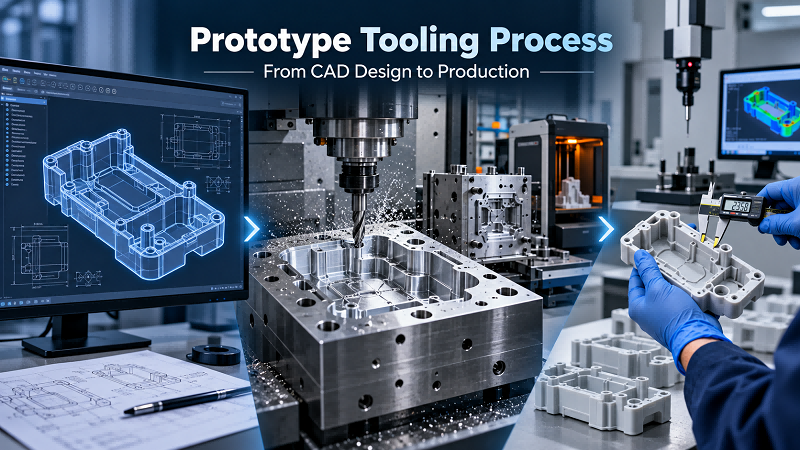
3D printing accelerates structural testing during initial product development. Engineering teams print physical hardware samples within hours to evaluate physical fit. Quick physical testing allows designers to revise structural joint designs early. Rapid prototyping reduces total engineering development costs before mass production begins. NOBLE offers rapid prototyping capabilities, high-precision CNC machining, 3D printing, and mold-making services for medical robotics. Fast design validation helps medical equipment manufacturers launch new products quickly into the competitive healthcare market.
Injection Molding and Tooling
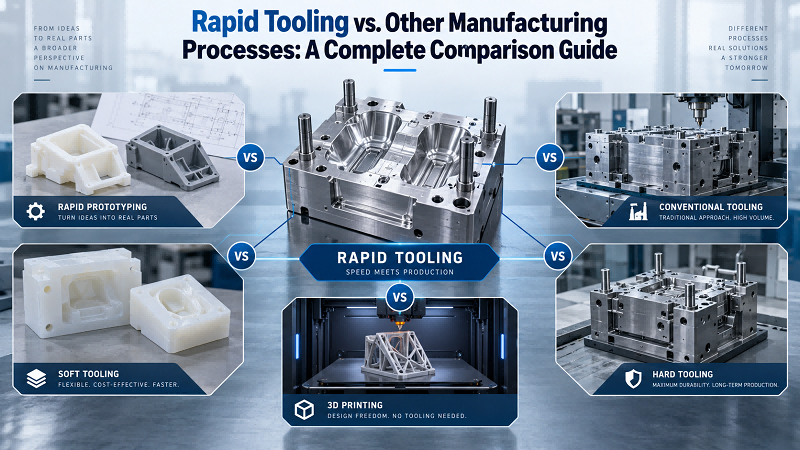
High-volume manufacturing relies on custom steel tooling to produce uniform outer shells. Plastic molding processes create strong exterior covers with clean surface finishes.
Mold Fabrication for Enclosures
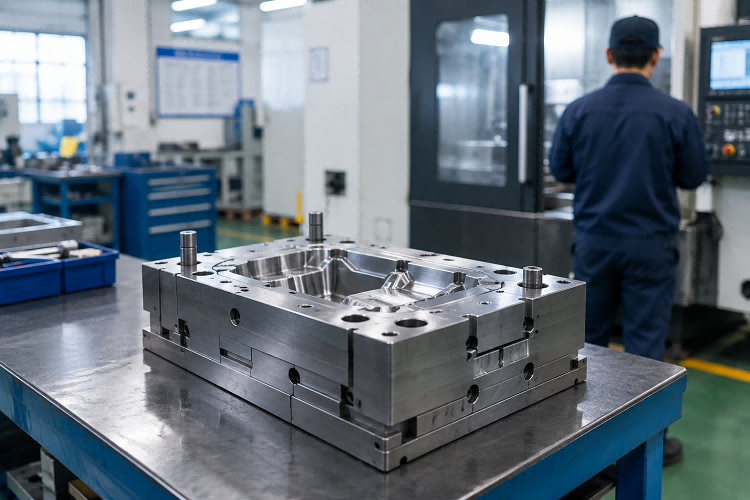
Toolmakers cut durable steel mold cavities using precise electrical discharge machining. Machinists carve smooth interior mold surfaces to produce seamless exterior covers. Good mold design ensures uniform plastic wall thickness across large geometric shells. Smooth shell surfaces prevent fluid entrapment and enable easy chemical wipe-downs. Sturdy plastic housings shield sensitive internal control units from accidental impacts. High-quality outer shells assist autonomous medical robots as these units navigate busy hospital corridors. Reliable exterior covers keep internal medical robot components safe from chemical spills during routine clinical cleaning.
Scaled Production Transition
Factory teams transition from rapid prototyping to full injection molding for mass production. Standardized mold tooling produces thousands of identical plastic covers efficiently. Scaled manufacturing lowers unit production costs while maintaining strict physical tolerances. Modern healthcare facilities deploy automated service robots to transport critical supplies safely. Reliable robotic technology streamlines hospital supply delivery across busy clinical units. Advanced production methods help modern medical robots support clinical staff every day. Superior manufacturing guarantees long-term durability for every robot operating in modern clinical settings. Advanced medical robots provide continuous assistance across busy patient care environments. Modern surgical setups trust these high-precision systems during delicate robotic surgery operations. Strong manufacturing pipelines ensure that specialized robots deliver continuous clinical support.
Key Design Rules
Medical device designers follow strict rules when building structural frames. High engineering standards keep patients safe during hospital care.
Balancing Strength and Weight
Medical robots need stiff frames to work accurately. Engineers carefully balance overall weight with strength needs.
Lowering Arm Bending
Frame stiffness determines how well surgical robots perform. Preventing arm bending stops movement errors during delicate operations. Designers optimize the weight-to-payload ratio for each connected arm link. Lighter joint parts reduce motor strain during long robotic operations.
Moving forces can shift precise tool locations during active work. Rigid inner skeletons absorb continuous physical stress. Firm link structures keep attached tools steady during complex surgical tasks.
Digital Stress Testing
Engineers use computer models to study frame stresses. Digital tests spot weak points inside every load-bearing arm segment before building starts. Computer testing improves frame shapes without adding extra bulk.
Simulations show mechanical bending under heavy working loads. Virtual testing guarantees high frame stiffness across all moving medical parts. Strong frames steady every robotic joint during precise healthcare work.
Liquid Seals and Easy Cleaning
Operating rooms require total cleanliness across all equipment surfaces. Outer covers must block liquids and prevent contamination.
Blocking Liquid Spills
High protection ratings shield sensitive inner electronics from fluids. Waterproof standards test outer shell resistance against harsh chemical sprays and liquid splashes. Sealed outer covers prevent accidental liquid leaks during normal hospital cleaning routines.
Tight seals keep internal drive motors dry during clinical tasks. Reliable outer shielding extends part lifespans inside modern medical facilities. Tough protective covers keep internal parts working during intense surgical tasks.
Smooth Covers That Block Germs
Outer housing parts feature smooth, continuous exterior surfaces. Curved outer shapes eliminate tight gaps that trap dangerous germs. Seamless shell designs prevent bacterial growth across outer medical covers.
Smooth surfaces allow fast, effective chemical cleaning between surgeries. Outer covers withstand harsh sterilization chemicals without breaking down. Smart outer designs improve safety across demanding operating room conditions.
Safety Rules for Medical Robots
Factory partners must follow strict quality rules for healthcare equipment. Standard quality systems ensure matching part sizes and complete product safety.
Medical Process Checks
ISO 13485:2016 sets strict quality management rules for medical device production. Certified factories check production steps to track every single part. Certified makers record raw metal batches to ensure material purity across production runs.
Following ISO 13485:2016 proves that structural parts meet global medical rules. NOBLE holds ISO 13485:2016 certification to prove top component manufacturing quality. Certified factory work protects patient safety across many surgical systems.
Standard Quality Control
ISO 9001:2015 controls basic manufacturing quality systems across all production steps. Calibrated measuring tools check tight part sizes during multi-axis machining runs. Thorough size testing prevents early part wear inside moving healthcare hardware.
NOBLE maintains ISO 9001:2015 certification to deliver reliable structural parts. Careful quality management ensures that specialized robots work without sudden part failures. Strict quality controls help advanced robots assist clinical staff safely.
Innovation Trends in Medical Systems
Modern healthcare relies on new structural designs to improve clinical workflow. Advanced medical robots must adapt to busy hospital environments quickly. Engineering teams create flexible frames to support high-precision medical automation. Creative robotic technology enables service robots to perform continuous transport duties. Modern robotic technology streamlines key clinical operations during robotic surgery procedures.
Modular Structural Frameworks
Modular chassis designs change how technicians build and service medical devices. Flexible mechanical links allow quick field maintenance during clinical operations.
Standardized Interface Joints
Standardized interface joints allow quick component swaps on a mobile robot. Uniform joint couplings secure articulated links on specialized surgical robots without custom fitting. Quick-release mechanical locks reduce downtime in robotic surgery.
Reliable joint interfaces protect internal drive shafts across repeated assembly cycles. Sturdy frame designs keep each robotic arm steady during general surgery operations. Flexible structural frames allow service teams to repair moving joints efficiently. Modern healthcare facilities use modular frames to keep autonomous medical robots operating smoothly in robotic surgery applications.
Reconfigurable Chassis Systems
Reconfigurable chassis designs allow one machine base to perform varied tasks. Technicians swap specialized structural arms to turn mobile transport units into patient rehabilitation robots. Changing base chassis layouts improves operational flexibility across dynamic hospital wards.
Modular frame components simplify structural upgrades as clinical demands change. Standard mounting rails support different load configurations without structural flex. Universal physical mounts help service teams adjust moving rehabilitation robots for specific rehabilitation care routines.
Hardware and Sensor Integration
Main structural elements shield critical electronics and sensor hardware. Internal mounting structures hold power units and motor drivers securely. Rigid chassis parts maintain balance during robotic surgery.
Internal Cable Management Cutouts
Internal routing channels protect vital wiring harnesses from physical damage. Cable fraying, loose connectors, and joint wear are common causes of system downtime. Technicians select specialized cable materials like PVC for general routing, PUR for high scrape resistance, and TPE for extreme flexibility based on motion needs.
Designers improve bend radius, twist limits, and drag chain actions during basic structural routing tests. Internal cutouts shield high-flex cables during continuous robotic movement. Proper physical routing extends cable lifespan across demanding surgical procedures. High-performance medical robots assist surgical teams during complex routines.
Actuator and Controller Housings
Sturdy structural housings protect motion actuators and electronic control units. Sealed motor compartments prevent dust and liquid entry during routine clinical cleaning. Rigid metal housings absorb heat output from high-torque motors during long operating cycles.
Built-in heat sinks push heat away to keep control electronics cool. Solid housing covers prevent mechanical shaking from disturbing sensitive position sensors. Shielded enclosures keep complex robotic systems operating reliably throughout complex surgical procedures. Sturdy housing designs improve precision in robotic surgery.
Trends in Robotic Surgery and Automation
Advanced technology drives structural design in modern operating rooms. Strong computing hardware requires rigid physical frames for accurate operation.
AI and 5G Hardware Support
Next-generation AI chips and 5G communication modules require specialized structural mounting plates. Fast wireless processing supports real-time data flow during robot-assisted surgery. Solid aluminum mounting frames protect sensitive transceivers from mechanical shocks and physical impact.
High-speed data networks enable surgeons to perform remote robot-assisted procedures with minimal signal delay. Structural frames shield internal antennae from electronic noise inside operating room surgery routines. Sturdy internal hardware supports low-delay performance during delicate robot-assisted operations on medical equipment. Flexible medical robots provide vital assistance across healthcare settings in robotic surgery.
Advanced Imaging System Mounts
Advanced imaging systems demand very stable structural mounts for precise spatial guidance. Rigid camera arms eliminate physical shaking during delicate minimally invasive procedures. Stable mounting arms allow precise sensor alignment across routine surgical procedures.
Integrated vision mounts support high-resolution cameras during complex minimally invasive operations. Smooth robotic joints steady camera positioning during minimally invasive patient care. Precise physical positioning improves surgical accuracy during minimally invasive surgery. Strong medical robotics hardware enhances robot-assisted tasks. Reliable medical robots deliver continuous support for surgical tools. Modern robots maintain structural alignment during fast robotic motion. Autonomous robots navigate hallways safely. Service robots transport medical supplies reliably. Advanced hardware boosts performance in robotic surgery. High-precision robotic chassis alignment ensures success in robotic surgery.
Hospital Robot Structural Parts Applications
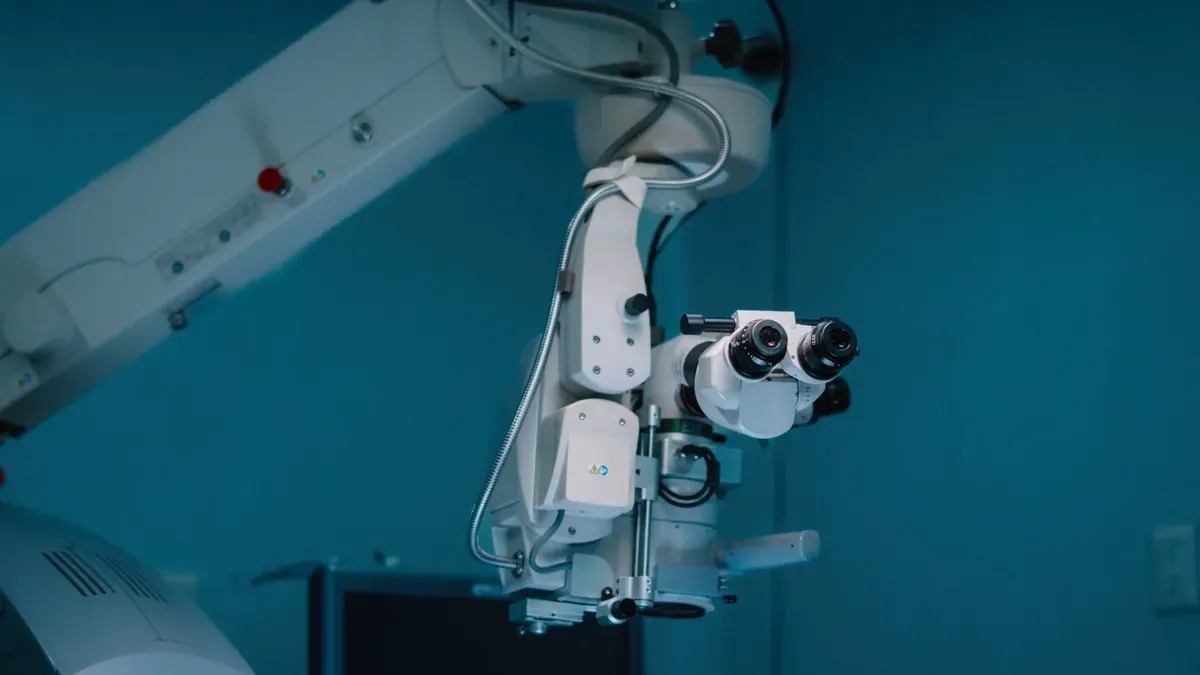
Modern healthcare relies heavily on hospital robot structural parts across diverse clinical settings. Frame structures are designed by mechanical engineers to support various types of medical robots in modern facilities. Surgical robots, for example, use rigid aluminum frames to hold tight tolerances down to ±0.02mm during delicate surgery. These sturdy frames ensure that robotic arms execute steady movements without shaking during robotic surgery. High-precision joint parts maintain steady mechanical alignment across repeated surgical procedures. Modern medical facilities deploy hospital robots to enhance operational efficiency across healthcare settings.
Minimally invasive operations demand dynamic motion control and total structural stability. Fine tool positioning through small incisions is enabled by precise robotic wrist mechanisms during minimally invasive surgery. These specialized robotic arms eliminate human hand tremors during complex surgical operations. High-performance PEEK components are used in modern surgical systems because PEEK features an elastic modulus of 2.8–3.9 GPa, matching bone far better than titanium at 110 GPa. Advanced robotic technology protects sensitive internal sensors during long robotic surgery routines. Surgeons perform robotic surgery with confidence when structural linkages absorb continuous mechanical stress during complex surgical procedures.
Clean clinical environments also deploy autonomous mobile robots for automated material transport. Pharmacy medical supplies, clean linens, and biological samples are carried between departments by these autonomous medical robots. Sensitive medical control systems are shielded from physical collisions in crowded hallways by durable exterior covers made of ABS and polycarbonate blends. To reduce battery consumption during robotic motion, service robots rely on lightweight anodized aluminum chassis frames. The primary benefits of medical robots are highlighted by utilizing automated machines, which reduce physical staff burden and ensure safe material transfer. Daily logistics are improved by these versatile medical robots, while hospital staff is assisted by autonomous robots, as goods are moved reliably by transport robots.
Physical therapy centers utilize specialized rehabilitation systems to assist patient recovery. Limb movement for patient physical therapy sessions is supported by advanced rehabilitation robots. High rigidity must be balanced with user safety in the structural frame designs for these rehabilitation robots. To prevent bruising during therapy sessions, engineers incorporate compliant silicone components at patient contact interfaces. Stable balance for robotic joints is provided by strong metal joint links as patient recovery progresses. Internal motor drives are furthermore protected by structural frames from dynamic torque loads during continuous rehabilitation exercises. Controlled movements can be performed by patients under clinical supervision using specialized medical robots, while continuous patient care is delivered by clinical robots within a secure robotic framework.
Overall healthcare is transformed by different types of medical robots through tailored structural designs. Stiff mechanical links are required by precise robot-assisted surgery units to support minimally invasive surgical procedures. Complex robot-assisted operations can, in addition, be executed with high accuracy by surgeons through robot-assisted procedures. Physical recovery is aided through smooth robotic joint movement by dedicated robot-assisted rehabilitation devices. Equipment service life is extended across demanding surgery applications by shielding delicate medical sensors inside durable outer housings. Safety and reliability in modern robotic surgery continue to be driven by high-quality medical robot components. Tissue trauma is minimized when specialized systems perform robotic surgery. Robotic surgery is relied upon by surgeons during minimally invasive surgical procedures to achieve optimal patient outcomes. Extreme accuracy is used by modern medical teams executing robotic surgery, while patient outcomes during robotic surgery continue to be improved by advanced robots. Continuous clinical support is provided across medical device applications by automated robots. Long-term stability is guaranteed when engineers optimize the robotic chassis, mechanical joints, and robotic hardware.

Why choose NOBLE as the manufacturer of Hospital Robot Structural Parts?
Nobor provides smart building solutions for making complex medical machines in modern healthcare. Building precise robot parts requires exact cutting sizes and strict quality testing. Our factory shapes safe, body-friendly plastics like PEEK and light metals into tough frames. Skilled workers build strong outer covers and smooth moving joints for operating machines. These sturdy inner frames help surgical robots stay steady during delicate operations.
Every machine frame needs strong support to keep patients safe from harm. Our shop uses multi-axis computer cutting tools to stop the parts from bending. Special testing checks that every robotic arm stays straight during complex operations. Picking Nobor means getting dependable parts that work great inside busy surgery rooms.
Certified building shops follow ISO 13485:2016 for medical rules and ISO 9001:2015 for general factory standards.
Our building team knows what modern automated machines need to work well. Regular inspection steps track raw metal groups to follow all supply parts. Fast 3D printing speeds up early testing, so teams check designs before big factory runs. Smooth plastic molds make tough outer covers that withstand chemical wipes during daily hospital cleanings.
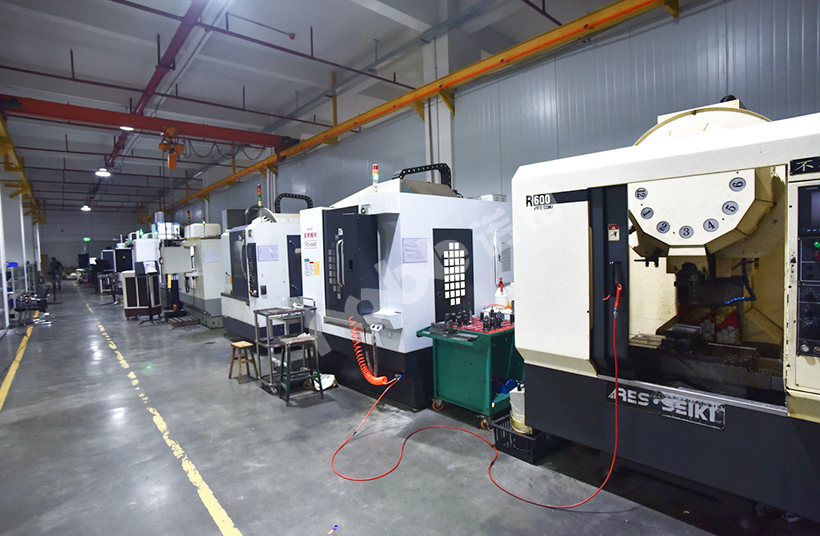
NOBLE Manufacturing Capabilities :
* Tight Tolerance Machining: Cuts parts to tiny, exact sizes down to ±0.02mm for aluminum covers.
* Certified Quality Systems: Meets official ISO 13485:2016 and ISO 9001:2015 factory quality standards.
* Material Versatility: Shapes tough surgical metals, PEEK plastics, and soft bendable silicone.
* Scalable Production: Moves quickly from printed test models to large plastic mold runs.
Modern medical centers use special robots to make daily care tasks run smoothly. Moving units carry medicine through busy clinic halls, while surgical robots help doctors during fine procedures. Helping machines guide patients through careful physical movements to rebuild personal strength. Nobor makes solid frame parts that power many types of medical machines. Our custom hardware parts help different automated systems move better and work stronger. Machine designers trust our technical skills to craft solid Hospital Robot Structural Parts. Working with Nobor speeds up development times and reduces total building costs. We offer complete help from initial computer plans to final product shipments.
Improving high-tech materials, modern factory methods, and flexible robot designs helps hospital robots and surgical systems work much better. High-precision medical machines need stiff frames to stay completely safe during delicate surgery. Engineers must buy parts that follow strict ISO 13485:2016 and ISO 9001:2015 quality rules. Following these official standards ensures that every robotic arm and moving joint moves smoothly throughout complex operations. Using tough materials on service robots shields delicate medical equipment from damage. As these machines change modern healthcare, accurate joints hold tools steady during surgical work. Design teams should work with expert builders like NOBLE for fast sample testing and large factory runs. This setup lets medical robots improve patient safety while making internal support frames last longer.
FAQs of Hospital Robot Structural Parts
1. Why is PEEK used in robotic medical systems?
PEEK offers body safety and high strength for inner machine components. Plain PEEK has a flex rating of 2.8–3.9 GPa. This natural flexibility matches human bone much better than titanium. PEEK shields inner parts while maintaining steady performance during surgical robot operations.
2. How do engineers optimize robotic arm rigidity?
Engineers pick lightweight treated aluminum or titanium for a heavy-lifting robotic arm. Computer testing models physical bending under real weight. Light building materials reduce drive motor stress. These design choices stop arm bending during high-precision positioning tasks inside busy clinical environments.
3. What quality standards govern robotic structural manufacturing?
Parts making relies on official ISO 9001:2015 for general quality control. Factory teams use ISO 13485:2016 for medical device checks and total material tracking. These standards guarantee that every robotic joint and outer robotic shell meets strict safety rules for surgery.
4. What tolerance levels can CNC machining achieve for robotic parts?
Multi-axis computer cutting hits tight size limits down to ±0.02mm for aluminum covers. Precise multi-axis milling cuts moving rotational joints with tiny micron-level accuracy. Smooth surface finishes protect inner bearings and ensure reliable movement during complex medical jobs.
5. How do exterior robotic shells resist harsh cleaning chemicals?
Outer robotic covers blend ABS and polycarbonate to absorb physical hits. These tough plastic shell materials handle repeated chemical wipe-downs. Tight liquid protection seals block splash leaks. Proper outer surface seals protect inner control units from harsh cleaning liquids after surgery.
6. Why are modular structural designs important for robotic hardware?
Modular frames allow quick part swaps on a mobile robotic base. Standardized connecting joints reduce repair downtime for a changing robotic frame. Technical teams can easily swap out robotic limbs to update machine jobs and extend total usefulness across changing hospital work.
7. What role does soft robotics play in clinical patient care?
Soft robotic grippers add bendable silicone and soft gels into patient contact points. These soft materials give way under light touching pressure. Flexible parts absorb contact forces to prevent tissue bruising while keeping exact directional control during active therapy routines.
8. What Specialty Materials Work Best for Surgical Robot Components?
Common materials include medical-grade. The choice depends on strength
9. What are the main components of a surgical robot?
A surgical robot typically consists of robotic arms. These components work together to provide precise and minimally invasive surgical assistance.
10. What are the main body parts of a robot?
The main physical parts generally include the base, frame, joints, actuators, robotic arms, end effector, sensors, and control electronics. Their configuration varies depending on the robot’s application and mechanical design.
11. What are the 5 major components of a robot?
The five fundamental components are typically mechanical structure, actuators, sensors, controller, and end effector. Together, they enable the robot to move, sense its environment, process commands, and perform specific tasks.
12. What kind of structural components is the robot made of?
Robot structures commonly include frames, housings, brackets, mounting plates, shafts, joints, arm sections, and base assemblies. Materials such as aluminum alloys, stainless steel, titanium, and engineering plastics are widely used to achieve the required balance of strength, rigidity, weight, and precision.
13. What are the big 4 of robotics?
The “Big 4” industrial robot manufacturers are commonly considered ABB, FANUC, KUKA, and Yaskawa. They are major global suppliers of industrial robotic systems used in manufacturing and automation.
13. What are 8 types of robots?
Eight common categories are industrial robots, collaborative robots (cobots), mobile robots, autonomous mobile robots (AMRs), humanoid robots, medical robots, service robots, and agricultural robots. Each category is designed for different environments and tasks.
14. What is a medical robot?
A medical robot is a robotic system designed to assist healthcare professionals with diagnosis, surgery, rehabilitation, patient care, or hospital operations. It can improve precision, repeatability, efficiency, and safety in specific medical applications.
15. How are robots used in healthcare?
Robots are used for robot-assisted surgery, rehabilitation, medication and laboratory automation, hospital logistics, disinfection, patient assistance, and diagnostic procedures. Their primary role is to enhance clinical capabilities and operational efficiency while keeping healthcare professionals in control.