Choosing the right process for a hospital robot housing comes down to three things: volume, precision, and material. CNC machining works well for tight tolerances and low-to-mid volume, injection molding fits high volume, sheet metal and die-casting keep structural costs low, and 3D printing handles prototypes. A hospital robot housing also needs cleanable surfaces and materials that can be sterilized. This article compares processes, precision levels, materials, and design rules, so you can match a hospital robot housing process to your own project. In a practical sense, that match decides cost and performance.
Hospital Robot Housing Manufacturing Processes
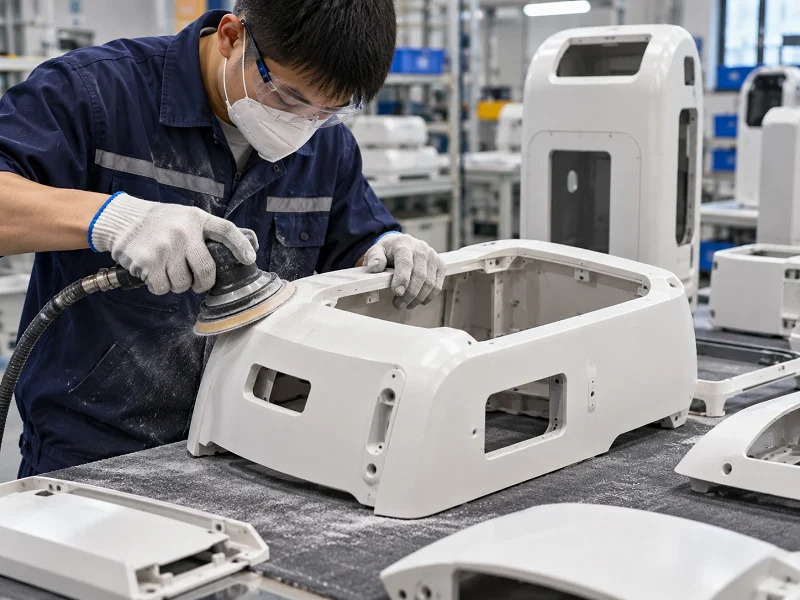
Five main processes cover most hospital robot housing projects. The right choice depends on precision, volume, material, and cost. Each process offers different strengths for different needs.
Common Manufacturing Processes for Hospital Robot Housing
The five common processes are CNC machining, injection molding, sheet metal fabrication, precision die-casting, and 3D printing. Each one fits a different part of the production spectrum. Understanding these common manufacturing processes for hospital robot housing helps you match the right approach to your project. For a hospital robot housing, those same five options apply, though the requirements usually lean toward tighter tolerances.
CNC Machining
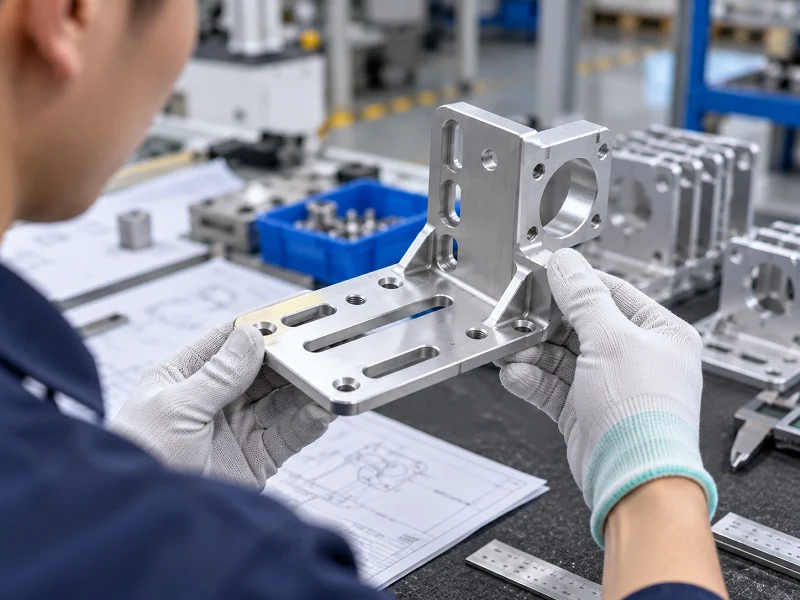
CNC machining removes material from a solid block. It gives excellent precision for low-to-mid volumes. You can hold tight tolerances without dedicated tooling. For a hospital robot housing, this means accurate mating surfaces and clean geometry.
Injection Molding
Injection molding melts plastic and forces it into a mold. It’s the top choice for high volumes. Cooling time typically accounts for 50–70% of the total cycle time. Insufficient cooling leads to warpage, sink marks, and residual stress. Balancing cycle time with quality is a core challenge. Key parameters like injection time, holding pressure, and cooling time must be monitored. Process capability indices like Cpk measure stability. Cpk ≥ 1.33 is acceptable for general medical components. Cpk ≥ 1.67 is recommended for critical safety or sealing features. Injection molding for hospital robot housing requires careful control of these parameters to maintain consistency across thousands of parts.
Sheet Metal Fabrication
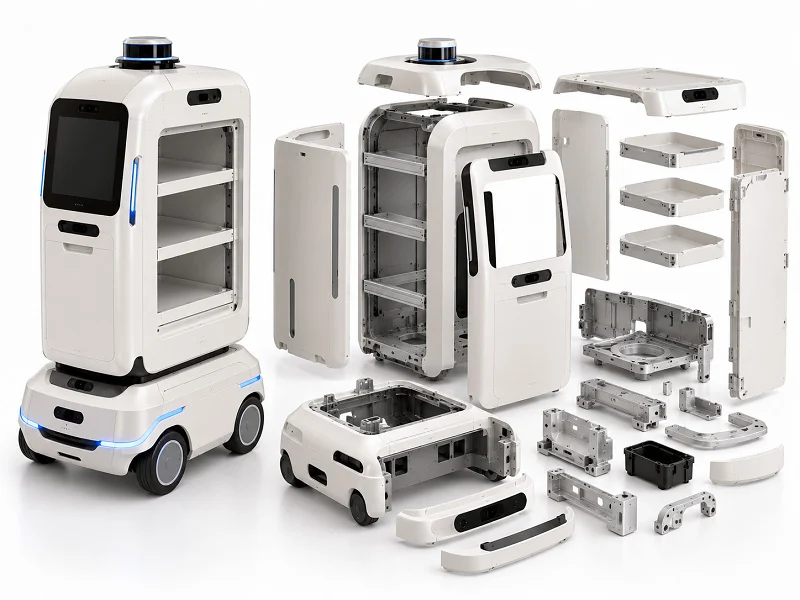
Sheet metal fabrication cuts, bends, and assembles metal sheets. It’s cost-effective for larger structural parts. The process works well for brackets, covers, and frames. Sheet metal fabrication for delivery hospital robot housing often handles the outer shell and support structures. These structural housings and frames carry the robot’s weight while protecting the interior components.
Precision Die-Casting
Precision die-casting forces molten metal into a steel mold under high pressure. It produces complex metal shapes with good dimensional stability. The process suits mid-to-high volumes where metal strength matters. Precision die-casting for tight-tolerance metal housings gives you cast-in features that reduce secondary machining.
3D Printing
3D printing builds parts layer by layer from a digital file. It’s ideal for rapid prototyping and low-volume custom work. The process needs no tooling, so it cuts lead time for early-stage development. 3D printing for rapid prototyping lets you test fit and function before committing to production tooling.
CNC Machining for Hospital Robot Housing
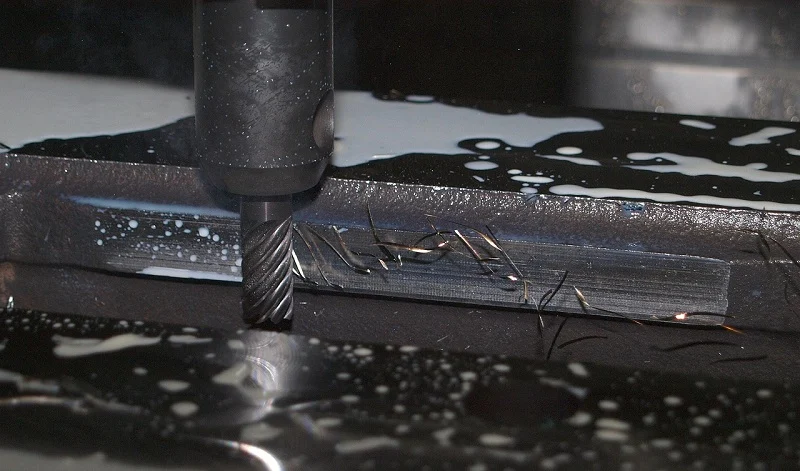
CNC machining delivers the tightest tolerances among the five processes. Precision CNC machining is the top pick when accuracy matters most. The process handles complex geometries that other methods struggle with. For medical robot parts machining, this capability is essential for joint housings and sensor mounts.
Multi-Axis CNC Machining
Multi-axis CNC machining uses 4 or 5 axes to reach the part from multiple angles in one setup. This single-setup approach is the most effective way to hold coaxiality below 10 μm for joint housings. A proper datum structure keeps bores aligned across opposite faces. Surface finish can reach Ra 0.4 μm, but that costs 2–4 times more than Ra 1.6 μm. Default surfaces at Ra 3.2 μm on bearing seats can cause premature bearing failure. Critical surfaces need an explicit finish call. Dimensional tolerance can reach ±0.005 mm. Concentricity and runout can hit IT5 grade. Positioning accuracy can reach ±1 μm with repeatability at ±0.5 μm. Manufacturing medical robot parts at this level demands multi-axis CNC centers that can hold these numbers consistently.
Swiss Micro-Turning
Swiss micro-turning handles small, slender parts that need high precision. The guide bushing supports the material close to the cutting tool. This reduces deflection and holds tight diameters for small actuator components. Custom CNC machining with Swiss-style lathes produces these miniature parts efficiently. Medical robotic parts like pins, shafts, and tiny housings often come off Swiss machines.
Joint Housings and Servo Mounts
Joint housings and servo mounts often need the tightest tolerances in a care robot. These parts connect motors to the robot structure. Any play here causes positioning errors. Single-setup 5-axis machining keeps bearing bores concentric to harmonic drive seats within 0.003 mm. These custom actuator housings demand the precision that only multi-axis CNC can deliver.
Manufacturing Processes for Hospital Robot Housing: Cost and Volume
Cost and volume go hand in hand when picking a process. Each process has a volume range where it makes economic sense. Understanding these manufacturing processes for hospital robot housing means knowing your volume first.
Low-Volume vs. High-Volume
Low-volume production favors processes with no tooling cost. CNC machining and 3D printing lead here. You pay per part but skip the upfront mold investment. High-volume production favors injection molding and die-casting. Tooling cost per part drops as volume increases. Delivery of hospital robot housing in high volume almost always goes to injection molding or die-casting because the mold cost spreads across many units.
Tooling and Setup Costs
Injection molding tooling can cost tens of thousands of dollars. Die-casting tooling can cost even more. CNC machining needs workholding fixtures but no mold. For a run of 100 parts, those fixture costs stay low. For 100,000 parts, the mold cost spreads thin. Custom CNC machining makes sense when you cannot justify mold investment. Medical robot components with complex geometries may still need CNC even at higher volumes.
Lead Time Comparison
3D printing can deliver parts in days. CNC machining takes days to weeks for the first article. Injection molding takes weeks to months because of mold fabrication. Die-casting falls in a similar range. The fastest path to a physical delivery of a hospital robot housing is usually 3D printing or simple CNC work.
Precision and Surface Finish for Hospital Robot Housing
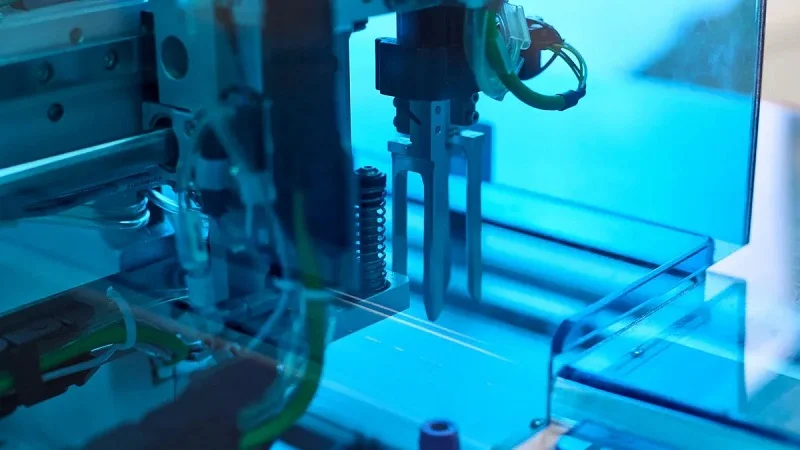
A hospital robot housing must have very exact size control. Seals, sensors, and actuators need this to work right. Each making method gives a different level of exactness. Matching your needs to the right method saves time and cost.
Dimensional Tolerances
CNC machining gives the tightest tolerances. A precision-made hospital robot housing can hold ±0.005 mm on key features. Injection molding gives ±0.1 mm under steady conditions, but shrinkage and cooling speed affect final sizes. Die-casting gives about ±0.05 mm for most features. 3D printing has the widest range, usually ±0.2 mm or more, depending on the method. For a hospital robot housing, process choice starts with your mating surface needs.
Sealing and Mating Interfaces
Sealing interfaces need tight tolerances. An O-ring groove cut into a hospital robot housing must stay within tight limits for depth and width. CNC does these features best because it can hold ±0.005 mm on groove sizes. A delivery hospital robot housing often needs IP54 or IP65 ratings. Those ratings depend on good sealing at every joint. Precision making of sealing surfaces helps housings pass leak tests every time on the first try.
Sensor and Actuator Mounting
Sensors need exact mounting spots. A mount that is off can cause wrong readings or jamming. Precision CNC machining gives the location accuracy these parts need. Medical robot parts like encoder brackets and motor mounts come from CNC machines with tight distances between holes. For high-precision medical robot parts machining, position tolerances of ±0.01 mm are normal. That level of exactness removes problems during assembly later.
Surface Finish and Cleanability
Surface finish affects how clean it looks and how easy it is to clean. A hospital robot housing must meet strict hygiene rules. Smooth surfaces stop bacteria from hiding in tiny grooves.
Ra Values and Biofilm Prevention
Ra measures surface roughness in micrometers. For a hospital robot housing in a hospital, Ra 0.8 μm or lower is normal for outside surfaces. CNC machining can reach Ra 0.4 μm with the right cutting path and tools. Injection molding makes surfaces at Ra 0.8 to 1.6 μm depending on the mold finish. Die-casting gives Ra 1.6 to 3.2 μm right out of the mold. Bacteria stick to rough surfaces and are hard to remove when cleaning. A delivery hospital robot housing with smooth outside panels is easier to wipe clean between patients. CMM measurement checks that key surfaces meet both tolerance and finish needs.
Edge Break and Radius Requirements
Sharp edges catch dirt and cut gloves. A hospital robot housing needs rounded edges at every outside corner. A minimum curve of 0.5 mm is common for plastic parts. Metal housings often need a bevel of 0.2 to 0.5 mm. Precision machining includes these edge treatments in the machining program to remove every surface that could trap dirt.
Sterilization and Chemical Resistance
A hospital robot housing must handle many cleanings and sterilizations. The materials and finishes you pick decide how long it lasts.
Autoclave and Chemical Compatibility
Autoclave sterilization uses steam at 121 to 134 °C. Not all materials can take that. PEEK and stainless steel work well. Many medical-grade plastics survive chemical sterilization with hydrogen peroxide or ethylene oxide instead. Precision CNC machining of housings meant for autoclave use needs materials that keep their size through heat cycles. Surface finish also matters because rough surfaces hold chemical leftovers.
Material Degradation Risks
Every sterilization method wears down materials over time. Plastics may turn brittle. Metals may rust if the wrong alloy is used. The risk is highest at seams, edges, and threaded parts. A delivery hospital robot housing that goes through hundreds of cleaning cycles needs material checks at the start. Testing with the real cleaning agents used in your facility gives true data on how long it lasts.
Materials for Hospital Robot Housing
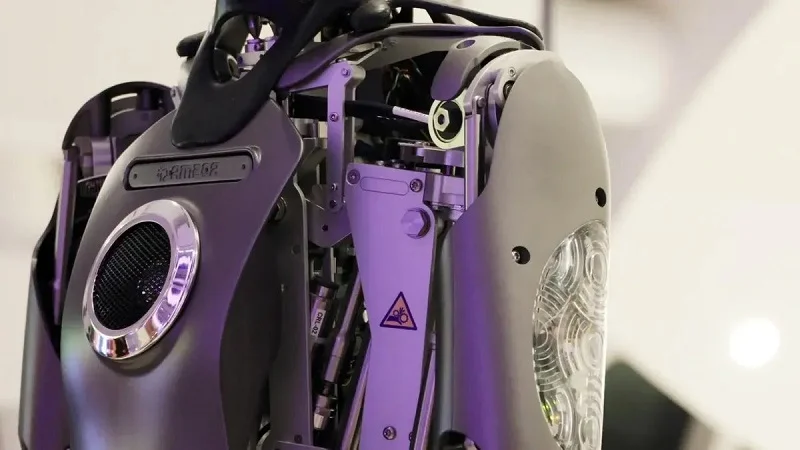
The right hospital robot housing needs materials that balance strength, weight, and sterilization demands. You have three main groups to work with: metals, plastics, and elastomers. Each group offers different benefits for a hospital robot housing. The materials for smart hospital robot housing must survive repeated cleaning cycles without breaking down or losing shape.
Metals
Metals bring strength and stiffness in a compact form. For a hospital robot housing, metal parts show up most at load-bearing joints and frames that carry the robot’s weight.
Aluminum Alloys and Anodizing
Aluminum alloys like 6061 and 6063 are lightweight and easy to machine. Anodizing adds a hard oxide layer that resists corrosion and makes cleaning easier. A delivery hospital robot housing made from anodized aluminum handles daily wipe-downs with hospital disinfectants. The coating also prevents galling on threaded holes and mating surfaces.
Stainless Steel and Corrosion Resistance
Stainless steel stands up to autoclave steam and harsh chemical cleaners. Grades 304 and 316 are the most common picks. For a delivery hospital robot housing, stainless steel works well at high-wear points like latch surfaces and connector brackets. Grade 316 adds molybdenum for better resistance to chlorides in bleach solutions.
Titanium for High-Strength Applications
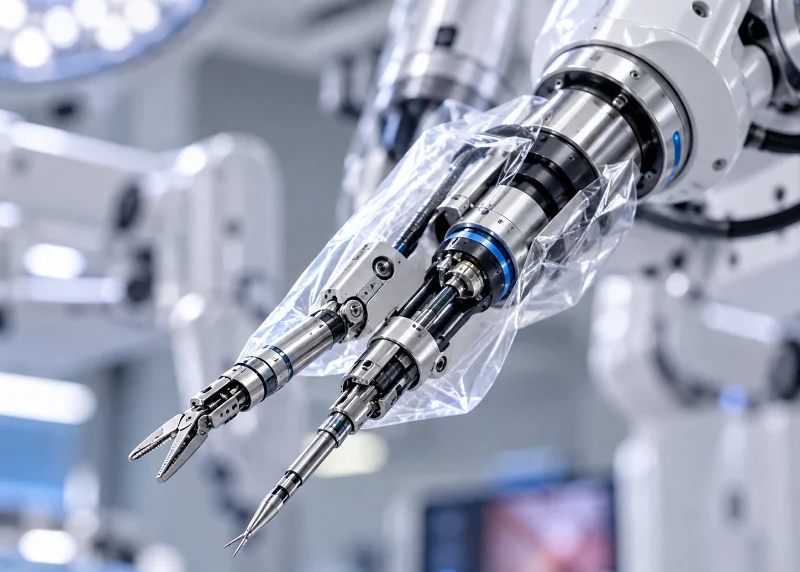
Titanium gives you the best strength-to-weight ratio among common metals. It also resists corrosion nearly as well as platinum. For a hospital robot housing, titanium fits applications where walls need to stay thin without losing strength. The cost is higher, so it’s reserved for critical parts like surgical robot arm housings.
Plastics
Plastics cut weight and cost versus metals. They also let you mold complex shapes in one shot. Plastic housings for medical robots must meet strict rules for chemical resistance and dimensional stability.
ABS, PC, and PC/ABS Blends
ABS offers good impact resistance at low cost. For a hospital robot housing, ABS alone may not survive high heat from sterilization. Polycarbonate handles more heat, with notched Izod impact from 500 to 800 J/m. But PC alone can be hard to process.
PC/ABS blends balance the two. They give notched Izod impact from 300 to 600 J/m with heat deflection from 105 to 120 °C at 1.82 MPa. That’s better than standard ABS at 80 to 95 °C. For a hospital robot housing, PC/ABS blends maintain toughness from -30 °C to 100 °C. A delivery hospital robot housing made from PC/ABS survives drops while keeping its shape through warm cleaning cycles.
| Property | ABS | PC | PC/ABS Blend |
| Notched Izod Impact (J/m) | 150 – 400 | 500 – 800 | 300 – 600 |
| Heat Deflection Temp at 1.82 MPa | 80 – 95 °C | 130 – 140 °C | 105 – 120 °C |
PEEK and PEI for High-Performance Needs
PEEK handles extreme conditions other plastics cannot. Its continuous use temperature is 250 °C, well above typical autoclave levels of 121 to 134 °C. For a hospital robot housing that goes through steam sterilization, PEEK keeps its shape cycle after cycle.
| Thermal Property | Value | Relevance |
| Continuous use temp | 250 °C | Safety margin above autoclave temps |
| HDT at 1.8 MPa | 160 °C | Shape retention during steam cycles |
| Thermal conductivity | 0.25 W/m·K | Even heat distribution during sterilization |
| CTE | 47 × 10⁻⁶ /°C | Low stress at material interfaces |
PEI, sold as Ultem, offers similar high-temperature performance for less cost. For a hospital robot housing, these materials make sense when failure from repeated sterilization is not an option.
Chemical and Sterilization Compatibility
Not every plastic handles every cleaner. ABS can craze from isopropyl alcohol or bleach. PC resists alcohols but can attack with strong bases. PC/ABS blends handle most hospital disinfectants well. PEEK and PEI resist almost all common agents. A delivery hospital robot housing made from the wrong plastic could show cracks within weeks.
Elastomers and Sealing Materials
Seals keep fluids out of sensitive electronics. The right elastomer decides whether you pass or fail an IP rating test.
Silicone and EPDM Gaskets
Silicone rubber stays flexible across a wide temperature range. It seals well in both hot and cold conditions. Silicone gaskets are the most common choice for IP-rated enclosures on a hospital robot housing. EPDM resists ozone and UV better, and it holds up against many cleaning chemicals.
TPU and TPE Overmolding
Thermoplastic polyurethane and thermoplastic elastomers can be overmolded directly onto a hospital robot housing. This adds a soft-touch grip or a sealing lip in one mold operation. Overmolded seals remove the need for separate gaskets. They also stay in place during assembly and maintenance, reducing part count.
Design for Manufacturing of Hospital Robot Housing
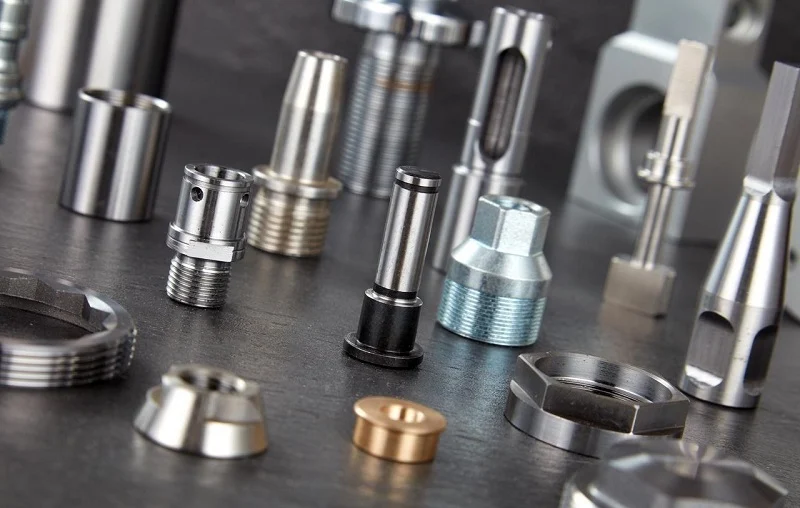
Good design basics for hospital robot housing start before you cut any metal or plastic. The rules below apply whether you choose CNC, injection molding, or casting. Follow them early, and you avoid costly rework later.
Wall Thickness and Rib Design
Uniform Wall Thickness Rules
Keep wall thickness as even as possible across the whole part. Thick sections cool slower than thin ones. That difference causes warpage and sink marks. For a hospital robot housing made by injection molding, a common rule is to stay within 60–75% of the nominal wall when adding features. A delivery hospital robot housing with walls that jump from 2 mm to 5 mm will likely warp during cooling. CNC machining avoids this problem because you cut from solid stock. Still, thin walls can deflect under cutting forces, so support them well.
Rib-to-Wall Ratios
Ribs add stiffness without adding solid mass. A good rib-to-wall ratio keeps the rib base thin enough to cool evenly. If the rib is too thick, it pulls material from the main wall and creates a visible sink mark on the outside. For a hospital robot housing, ribs at 50–60% of the wall thickness work well. Space ribs at roughly twice the wall thickness apart. From a practical perspective, this keeps the part light and strong without ugly surface defects.
Draft Angles and Parting Lines
Draft for Molding and Casting
Draft is the slight taper on vertical walls. It lets the part slide out of the mold or die. Without draft, the part sticks and the surface tears. For injection molding, a minimum of 1–2 degrees per side is standard. Die-casting needs similar draft. CNC machining does not need draft, but adding it can still help with assembly. It is worth noting that draft adds up over deep walls. A 50 mm deep wall with 1 degree of draft shifts the base by nearly 1 mm.
Parting Line Placement
The parting line is where the two halves of a mold meet. Its location affects both looks and function. Put the parting line on a hidden edge or a natural seam. For a delivery hospital robot housing, a parting line across a cleanable surface traps dirt and looks bad. Move it to the bottom or a recessed groove instead.
Assembly and Fastening Features
Snap-Fits and Living Hinges
Snap-fits lock parts together without screws. They save assembly time and part count. A hospital robot housing with snap-fits needs careful design so the joint does not loosen after repeated cleaning. Living hinges work well in polypropylene. They flex thousands of times without breaking. Both features need uniform wall thickness to work right.
Threaded Inserts and Bosses
Threaded inserts give strong, reusable threads in plastic. Bosses are raised pads that hold the inserts. For a hospital robot housing, brass inserts heat-staked into bosses survive repeated disassembly. Keep boss wall thickness around half the boss diameter. Add a small fillet at the base to spread load. CNC machining can cut threads directly into metal housings, which removes the need for inserts entirely.
Process Selection for Hospital Robot Housing
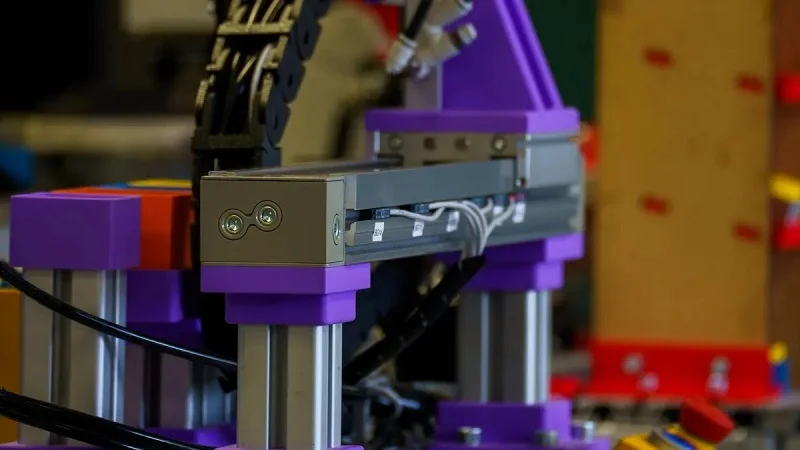
Choosing a process means matching volume, precision, and cost. If you get that match right, the rest of the project goes smoothly. If you get it wrong, you either waste money on tooling or deal with tolerance problems for months.
Volume and Cost Decision Matrix
The table below shows where each process makes financial sense. Use it as a starting point, then adjust for how complex your part is.
| Manufacturing Method | Cost-Effective Volume Range | Key Reason |
| Injection molding | Above 1,000–5,000 units, depending on part complexity | Lower per-part costs at higher volumes |
| CNC machining | Under 10,000 parts, especially low-volume production | Lower tooling costs |
Low-Volume Custom Housings
For a hospital robot housing made in small batches, CNC wins almost every time. There is no mold to pay off, so you only pay for material and machine time. A hospital robot housing with complex shapes may still need cnc work even at medium volumes. That kind of flexibility matters when your design is still changing.
Mid-Volume Bridge Production
Bridge production fills the gap between a prototype and full-scale output. CNC machining is usually cheaper for low-to-medium volumes, about 20 to 5,000 units, because there is no mold cost to pay off. Injection molding becomes worth it at higher volumes once the mold cost is recovered. For a delivery hospital robot housing, this bridge phase often uses cnc to test the design before committing to steel.
High-Volume Mass Production
For plastic parts, injection molding becomes worth it above 10,000–15,000 parts each year. Complex shapes, multiple colors, or built-in features make molding even better than cnc machining of plastic materials. A delivery hospital robot housing made at this scale needs a mold that lasts through thousands of cycles. That is where medical robot manufacturing partners with strong process control show their value.
Precision vs. Cost Trade-Offs
Tight tolerances cost money. The real question is whether your application truly needs them.
When Tight Tolerances Are Worth It
Sealing surfaces, bearing bores, and sensor mounts are worth the extra cost. A hospital robot housing that leaks or misaligns will fail in the field. For these features, cnc machining holds the precision you need. Spending more here stops expensive recalls later.
Relaxing Tolerances to Reduce Cost
Not every surface needs ±0.005 mm. Cosmetic panels, cable routing channels, and non-critical brackets can be much looser. Loosening those tolerances cuts machining time and scrap rate. A delivery hospital robot housing with smartly loosened specs on hidden features can cost less without losing function.
Regulatory Compliance
Hospital equipment faces strict rules. Your process choice affects how easily you meet them.
ISO 13485 and FDA Requirements
Medical devices sold in the US must follow FDA rules. ISO 13485 medical-grade quality assurance gives you a framework that regulators recognize. A manufacturer with this certification already has the paperwork and traceability systems in place. That saves you months of audit preparation.
Biocompatibility and Cleaning Validation
Every material that touches a patient or a clean environment needs biocompatibility testing. Cleaning validation proves your hospital robot housing survives repeated disinfection. Both steps take time and money. Choosing materials with existing test data shortens the path a lot.
NOBLE, a leading manufacturing company in China, supports clients through both prototyping and mass production. Their team handles cnc and injection molding under one roof, which makes the move from first article to full run simpler. For a hospital robot housing project, that kind of full-service support lowers handoff risk and keeps timelines tight.
NOBLE: Hospital Robot Housing Partner

NOBLE combines metal and plastic skills in one place. The company manages projects from early models to full production. This means fewer handoffs and less risk for your schedule. For a hospital robot housing, working with a partner who knows both CNC and injection molding truly helps.
Metal and Plastic Machining Expertise
CNC Machining Capabilities
NOBLE operates multi-axis CNC centers that hold tight tolerances steadily. General CNC machining tolerance for medical robot parts is ±0.005–0.01 mm. For critical features, that range is the starting point, not a goal to stretch for. Structural joint interfaces hold ±0.01–0.02 mm. Bearing seats meet H6–H7 fit class, about ±0.01 mm. Precision shafts keep runout at 0.005–0.01 mm. Five-axis CNC machining holds tolerances to ±0.005–0.01 mm under proven conditions for joint housings and arm links. Swiss-type lathes achieve runout at 0.005 mm or less on bearing journals for small shafts.
How well a robot moves, runs, and lasts often comes down to how tightly its part tolerances are controlled. Tolerance is the base of joint accuracy, assembly consistency, and batch stability.
Lead times run from 3 to 15 working days based on part complexity, material availability, and post-processing needs. Rush scheduling is offered for urgent projects. That flexibility helps when you need a custom cnc machining run fast.
Injection Molding and Additive Services
For larger volumes, NOBLE provides injection molding services. The team works with medical-grade plastics like PC/ABS, PEEK, and PEI. They also do additive manufacturing for quick prototyping. You can test a design with 3D printing, then switch to injection molding once the design is set. A hospital robot housing that begins as a printed prototype moves smoothly into a molded production part. For a delivery hospital robot housing, this mix of services means you stay with one supplier from first article to full production.
Certifications and Quality Systems
ISO 9001:2015 and ISO 13485:2016
NOBLE holds ISO 9001:2015 and ISO 13485:2016 certifications. ISO 13485 covers the quality management system that medical device regulators accept. For critical features, Cp/Cpk ≥ 1.33 is the ISO 13485 minimum. A Cpk of 1.67 is the goal for safety-critical dimensions. Real-time Cpk tracking lets NOBLE find problems during production, not just at final inspection. This level of process control applies to every CNC operation.
Inspection and Traceability
Every part that leaves NOBLE’s shop comes with inspection data. CMM reports check critical dimensions. Traceability systems track material lots and production batches. For a hospital robot housing for hospital use, that paper trail supports FDA submissions and internal audits. For a custom cnc machining project, these records give full traceability from raw material to finished part.
Full-Service Design to Assembly
DFM and Prototyping Support
NOBLE checks every design for manufacturability before cutting metal or building a mold. That DFM review catches problems while they are still cheap to fix. The team follows proven guidelines: reduce part count, use modular design, add snap-fit features, and apply poka-yoke principles with asymmetrical shapes.
A medical device housing first built from 15 separate components, many fasteners, and complex alignment steps was redesigned using DfMA principles into five snap-fit parts that self-align. This removed fasteners and cut assembly time by 60%.
That kind of result is possible when DFM happens early. NOBLE also supports rapid prototyping so you can validate the design before committing to production.
Assembly and Finishing Services
Beyond machining and molding, NOBLE offers assembly and finishing. That includes surface treatments like anodizing for aluminum, passivation for stainless steel, and coating for plastic parts. For a delivery hospital robot housing, having the finish applied by the same shop that made the housing makes logistics simpler. The CNC department works closely with the finishing team to ensure consistent quality. The team also handles final assembly of subcomponents, cutting the number of suppliers you need to manage.
Choosing the right method depends on matching how many parts you need and how exact they must be. Low numbers of parts work well with cnc machining, and high numbers work with molding. What material you pick depends on how you clean it and what chemicals touch it. A robot housing that goes through steam cleaning needs PEEK or stainless steel. Use DFM rules early to avoid expensive fixes later. The right mix of method, exactness, and material controls cost, how well it works, and getting it approved for hospitals. Working with an expert company like NOBLE lowers risk and gets your product to market faster. Their team does cnc machining, molding, and assembly in one place.
FAQs of Hospital Robot Housing
Which making method works best for a hospital robot housing?
It depends on volume. CNC works well for low to medium counts with tight sizes. For over 10,000 housings per year, injection molding spreads the mold cost.
Can 3D printing make a final hospital robot housing?
Not really. 3D printing is best for test models. Sizes are less exact, usually ±0.2 mm or more. That is too loose for sealing surfaces and sensor mounts on a final robot housing.
What material can handle steam cleaning for a hospital robot housing?
PEEK works well. It can be used at 250°C, much hotter than autoclave steam at 121–134°C. Stainless steel also works. Avoid standard ABS if your housing needs steam cycles.
How exact do sizes need to be for a hospital robot housing?
Sealing surfaces and bearing bores need ±0.005 mm. CNC can hold that. For cosmetic panels, ±0.1 mm is fine and saves machining cost.
What certifications should a maker of hospital robot housings have?
Look for ISO 13485:2016. That is the medical device quality standard. It gives traceability and process control. A maker with it already has the papers for FDA approval on your housing.
How smooth must the surface be for cleaning a hospital robot housing?
Aim for Ra 0.8 μm or lower on outside surfaces. CNC can reach Ra 0.4 μm. Rough surfaces above Ra 1.6 μm trap bacteria. That matters every cleaning cycle for a hospital robot housing.
Can I start with CNC and later switch to injection molding for a hospital robot housing?
Yes, that is common. Use CNC for test models and small runs. Once the design is fully tested, invest in a mold. This path cuts risk and keeps options open for your housing.