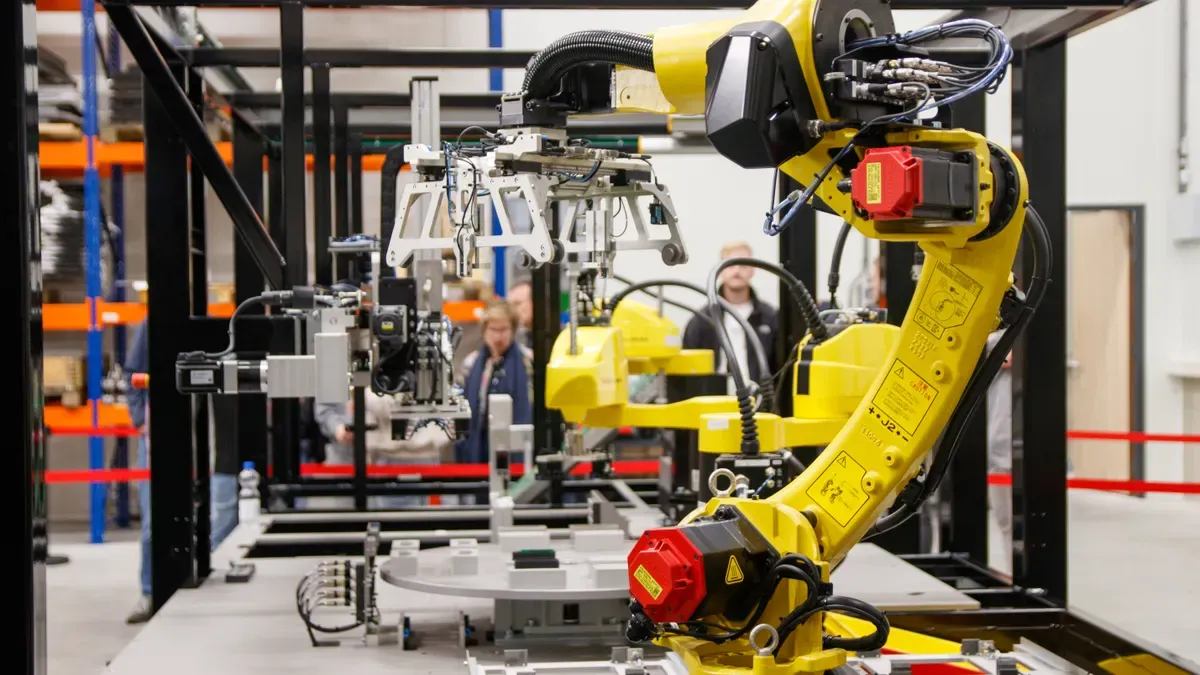
Making Hospital Delivery Robot Cargo Module Parts creates special hardware for automated healthcare supply systems. Production teams build important main pieces like clean covers, automatic locks, motor-driven doors, and strong base mounts. Careful machine shaping and sheet metal methods change medical-grade materials into tough finished parts. These automated machine systems replace hand-carried supplies while keeping strict cleanroom standards and safe tracking for sensitive medicine. Skilled makers combine smart material choices, exact building methods, packed inner parts, and tough safety rules. This complete building plan guarantees high working reliability inside busy hospital spaces.
Key Takeaways
- Hospitals use automatic robots to quickly move heavy medicine, lab samples, and supplies.
- Manufacturers build robot frames using strong aluminum and stainless steel so they can carry heavy items.
- Clean, flat surfaces and tight covers keep harmful germs from hiding and growing in tiny cracks.
- Smart electronic locks protect expensive medicines by opening only for approved healthcare workers.
- Quality teams inspect each robot part to make sure it follows strict medical safety rules.
- Self-driving delivery robots lessen everyday heavy lifting and pressure for busy, dedicated hospital nurses.
What is the manufacturing of parts for hospital delivery robots?
Making hardware for medical delivery systems means building custom outer covers, inner mounts, and strong support frames. Today’s factory teams make these parts to deliver great strength and steady performance inside busy clinic spaces. Workers turn raw medical metals and tough engineering plastics into full structural frames. These frames hold complex robot electronics while meeting strict clean room safety rules. Making teams focus heavily on precise Hospital Delivery Robot Cargo Module Parts to build machines that run all day long. Custom building methods ensure every outer panel meets exact size needs and clean standards. Choosing good raw materials is key to making parts last a long time. Shops buy strong aluminum sheets, stainless steel tubes, and tough plastic plates. Computer-guided laser cutters slice these sheets into detailed shapes with very smooth edges. Milling tools shape inner mounting blocks that hold main wheel axles and heavy battery packs.
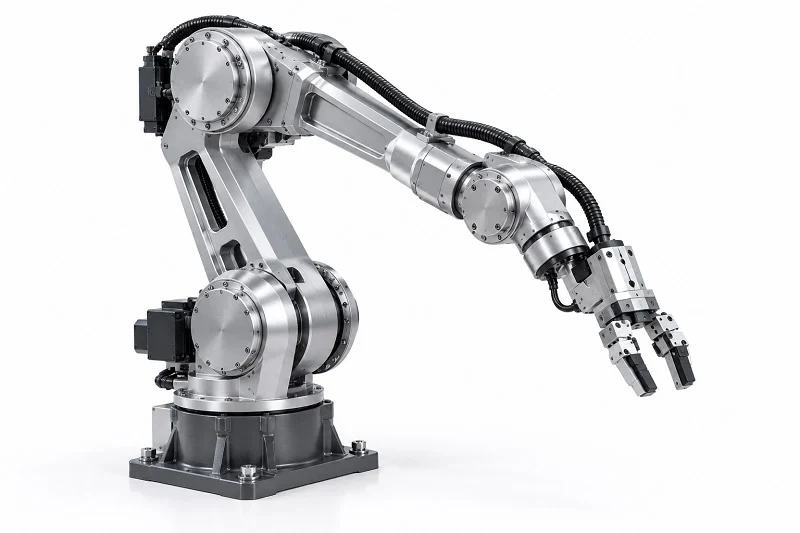
Building the main frame takes smart design choices to balance total robot weight and cargo capacity. Moving supply robots must carry heavy items across hospital floors while saving overall battery energy. Engineers use strong aluminum mixtures and sturdy composite boards to build stiff bottom chassis frames. Machinists carve custom support ribs and lightweight honeycomb patterns inside heavy load plates. Smart placement of inner frame supports lets light cargo boxes carry heavy supply loads up to 150 kg for big hospital deliveries. Smart computer models show where to put extra support plates at heavy stress points. Builders use accurate laser cuts and CNC press brakes to bend metal sheets without creating weak spots. Strong metal bolts and robotic welding setups join frame beams into solid single units. These tough frames resist bending, twisting, and metal wear during non-stop travel over bumpy facility floors.
Inner space design calls for exact mechanical fitting of packed parts inside small frame spaces. Factory engineers divide small inside spaces for drive motors, computer chips, battery packs, and open cargo bays. Builders put smooth bearings inside motor mounts, steering setups, and door hinges to guarantee easy, low-friction motion. These sealed bearings keep grease inside and stop tiny dust particles from dropping into clean hospital halls. Custom bearing holders keep spinning parts lined up through constant start-and-stop driving. Designers pick rust-proof stainless steel or ceramic hybrid bearings for major moving joints. These special bearings handle side and top forces during fast speedups, quick stops, and sharp turns. Exact machining of mounting cases stops bearing tipping, which cuts down on early wear and extra noise.
Heat control systems also need careful physical setup inside closed motor boxes. Power-hungry computer chips and motor drives make lots of heat during long work hours. Machinists craft custom aluminum heat sinks and thermal brackets to pull heat away from hot motor boards and computer mainboards. Built-in air paths steer motor heat past fragile electronic parts without blowing dirty machinery dust into sterile room areas. Heat pipes and thermal pads move heat right to outer frame walls for natural cooling.
Safe inner wire routing stops cord rubbing and electrical signal loss during non-stop robot driving. Inner power lines and data cables pass through tight metal paths inside the moving frame. Assembly workers route custom wire bundles through special chassis tubes using shock-proof clamps, soft protective sleeves, and strong pull-relief brackets. Safe wire bend controls stop cord breakage inside moving joints and power cargo doors. Cable tie mounts keep electric wires safely away from moving drive belts and spinning motor shafts.
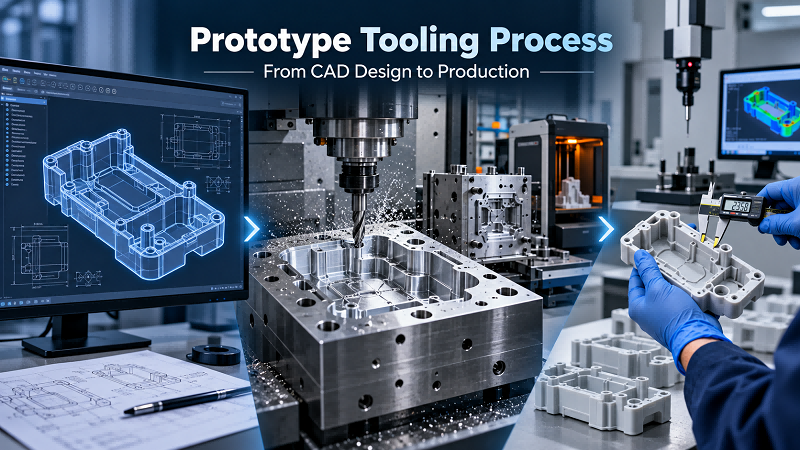
Final building steps follow strict quality rules to ensure long-lasting daily work. Surface coating experts apply protective anodized layers to aluminum parts and smooth germ-fighting powder coatings to outer metal panels. These chemical-proof surface coatings resist strong spray cleaners, ultraviolet light rays, and regular wash cycles. Quality inspection teams check exact part sizes across all mounting spots using three-dimensional measurement machines. Technicians test electronic lock latches, powered door opener systems, and light sensor mounts before finishing construction. Frame assembly teams test electrical insulation safety, bolt tightness limits, and heavy load limits under real drive test conditions. Exact making methods create safe, tough frame parts that handle endless hospital supply deliveries across multi-story medical buildings.
Types of Hospital Delivery Robots
Modern healthcare centers use specialized mobile robots to move supplies internally. These smart machines handle non-stop supply tasks across multi-floor buildings. Engineering teams build distinct robot bases for specific medical transport jobs. Different robot models use custom workflows to help nurses and lab workers daily. Automated systems take over heavy physical chores for medical staff.
Hospitals rely on proven machines to automate regular supply drops. Custom cargo boxes protect delicate items while moving between floors. The chart below lists the main delivery robots working in medical facilities.
| Robot Type | Robot Name | Manufacturer | Key Functions | Deployment |
|---|---|---|---|---|
| Hospital logistics robot | Moxi | Diligent Robotics | Autonomous delivery, elevator operation, supply transport | Over 12 US hospitals |
| Autonomous delivery robot | Relay (Stork & Miles) | Relay Robotics | 24/7 specimen transport, medication/supply delivery, cross-floor navigation | BayCare hospitals in Winter Haven |
Parts makers build custom cargo shells that fit these special base frames. Every mobile bot needs targeted mechanical parts to navigate busy halls safely.
Structure of Hospital Delivery Robots
The inner and outer design shapes how well the robot moves and carries items. Hardware teams pick tough frame metals that easily endure heavy hospital jobs. A stainless steel base and lifting setup handles big loads up to 500 kg. This strong system raises cargo boxes 170 mm high for fast drops. Solid support beams stop frame flexing under heavy weights during daily runs. Outer cover plates protect delicate inner electronics from accidental wall hits.
Smart wheel setups improve steering control inside narrow medical halls. Designers add special frame details to balance total weight with precise turning. Engineers check key design limits to get the best overall performance on facility floors.
| Structural Design Feature | Effect on Cargo Capacity and Maneuverability |
|---|---|
| Stainless steel frame and lifting table | Handles loads up to 500 kg and elevations up to 170 mm (cargo capacity). |
| Symmetrical six-wheel design | Allows rotation on the spot, minimizing space needed for maneuvering (maneuverability). |
| 360‑degree laser scanner navigation system | Enhances maneuvering safety and precision (maneuverability). |
| Travel speed of 1.7 m/s | Influences maneuverability by enabling efficient movement through hospital corridors. |
A balanced six-wheel layout lets the machine spin completely on the spot. This small turning footprint reduces the physical room needed for tricky turns. A 360-degree laser sensor constantly checks surrounding spaces for moving people and obstacles. This live scanner improves drive safety and path accuracy near walking staff. The unit drives at 1.7 m/s to keep supplies moving quickly through corridors. Sturdy drive parts preserve full vehicle balance during long working shifts.
How to manufacture parts for hospital delivery robots?
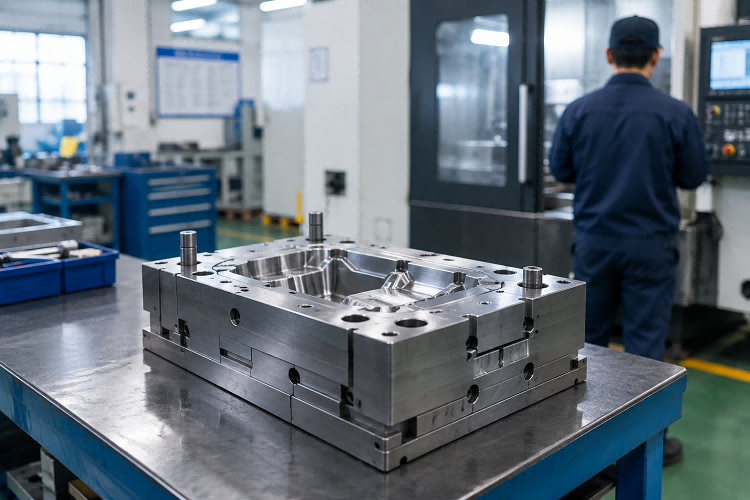
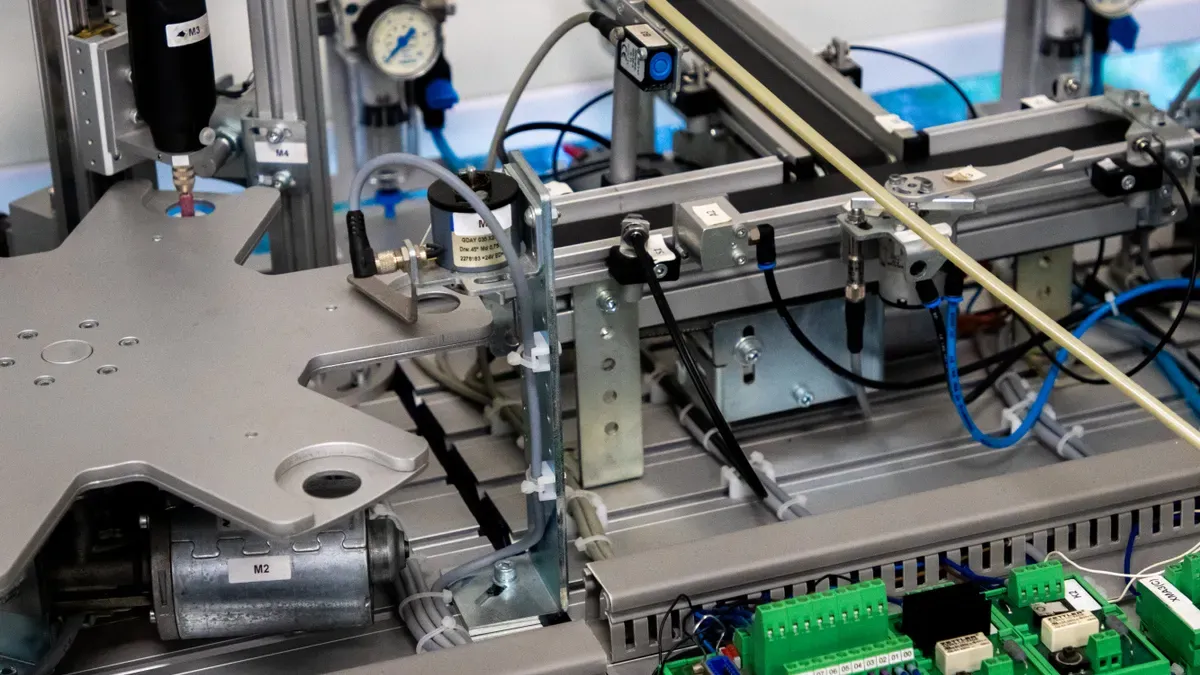
Factories make special robot parts using exact metal shaping and smart plastic molding. Workers slice top-grade aluminum sheets using computer-run laser cutters. Technicians bend raw metal plates into stiff shapes with automated press brakes. These metal steps create snug outer covers for motor drives and computer boards inside. Machinists mill solid stainless steel blocks to craft door hinges, motor mounts, and axles. Machinists cut strong composite boards to make light inner shelves and space dividers. Custom holders clamp workpieces during fast milling to stop tool shaking. Sharp tools keep exact part sizes across every single batch. Factory teams keep material strength steady to prevent bending under heavy loads.
Assembly teams connect metal frame bases with special electronics and motor drive systems. Technicians install sealed door movers, smart ID locks, and light safety sensors inside each section. Factory workers build secure outer covers for Hospital Delivery Robot Cargo Module Parts to protect sensitive medicine and lab samples. Smooth surface steps remove sharp edges, open cracks, and tiny gaps. Production teams put rust-proof coated layers onto plain aluminum parts. Workers spray germ-fighting color coatings onto outer metal panels. These protective outer layers endure frequent chemical washes inside hospital cleanroom areas.
Quality check teams inspect every built part using special measuring tools. Production managers put regular safety checks directly onto active assembly lines. These steps guarantee complete compliance with hospital safety rules.
| Quality Inspection Method | Description and Manufacturing Purpose |
|---|---|
| Automated Inspection Systems | Uses robotic systems for visual checks to ensure medical precision standards. |
| Automated Testing Systems | Runs automated functional tests to verify performance and safety of components. |
| Automated Gauging Systems | Integrates precision measurement tools into production lines for real-time control. |
| Vision Inspection | Uses camera-based systems to detect surface defects, misalignments, and assembly errors. |
| CMM Inspection | Uses touch probes for coordinate measurement to achieve high-accuracy verification. |
| 3D Scanning | Captures full physical geometry without contact for comparison against CAD models. |
| CT Metrology | Uses computed tomography to scan internal features without destroying parts. |
Engineers use FMEA methods to spot potential weak points across all building steps. Technical teams use a full Risk ID Process to check unexpected user actions and complex system steps. Factories use Digital Traceability software to log every building step. Special software gives unique ID codes to every frame panel and mechanical lock. This digital system tracks material batches, worker names, and check results. Quality engineers store these records in safe databases for long-term audits. Complete tracking data helps factory managers handle product recalls and pass strict medical safety checks.
Engineering Design and Compliance Standards
Engineers select cleanroom-compliant materials to protect sterile hospital zones. Fabrication relies on 316L stainless steel and anodized aluminum plates. Machinists apply electro-polishing to metallic surfaces, removing micro-burrs and surface impurities. Passivated metal shells resist disinfectant chemicals during daily cleaning cycles. High-grade technical plastics eliminate particulate shedding inside sterile halls.
Hygiene and Ingress Protection Ratings
Crevice-Free Structural Design
Fabricators build internal chassis frames without open gaps or sharp corner pockets. Designers use large internal radii on formed sheet metal corners. Technicians fill seam joints with continuous robotic welds. Grinding operators polish exterior weld lines into smooth, flush surfaces.
Eliminating deep crevices stops bacteria from multiplying inside hidden frame corners. Smooth outer contours let cleaning crews wipe down cargo shells quickly. Cleaners remove liquid disinfectants without leaving chemical residues in surface cracks.
IP65 Washdown Sealing
Engineers install continuous silicone gaskets around exterior access doors to stop liquid penetration. Sealed access panels prevent water ingress during routine washdowns. Facility teams select protection levels based on operational exposure:
- Specify IP66 or higher if the robot is washed down or operates in food/pharma environments.
- Fully sealed IP67 or IP68 designs are needed for wash-down warehouse environments or submersible applications.
Robotic enclosures matching these ingress standards protect internal electronics from spray wash cycles. Compressed seals protect sensors and mainboards from fluid contamination.
Secure Access Control Integration
RFID and Biometric Latches
Cargo enclosures use motorized lock latches to safeguard medical supplies. Internal lock controllers require valid RFID keycards or staff fingerprint scans before releasing door catches. Smart locks track door access events in internal memory logs.
These automated latches protect controlled narcotics and patient blood samples from unauthorized access. Embedded microcontrollers send wireless alerts to security teams during tamper attempts. Solenoids pull lock pins smoothly without generating excess noise.
Manual Emergency Overrides
Engineers integrate physical key overrides into motor-driven access doors. Technicians position key cylinders behind mechanical access covers. Medical workers turn physical master keys to release latches during power losses.
Emergency release levers allow staff to retrieve critical drugs during sudden battery drain events. Dual-actuator linkage designs prevent mechanical jams during manual key overrides. Mechanical cables connect internal door latches directly to emergency key barrels.
Medical Regulatory Compliance
ISO 13485 Quality Alignment
Contract manufacturers organize production lines under ISO 13485 quality management systems. Quality managers establish strict process controls across raw material sourcing, CNC machining, and assembly. Operators verify dimensional tolerances on machined brackets using calibrated measuring systems.
Documented quality workflows ensure traceability across all manufacturing steps. Technicians maintain inspection logs for structural weld seams, latch alignment, and seal compression limits. ISO compliance guarantees consistent manufacturing quality across production batches.
FDA and UL Safety Certifications
Equipment builders design robot hardware to meet FDA medical device safety guidelines and UL standards. Testing teams verify electrical insulation limits, mechanical tip-over thresholds, and flame-retardant plastic performance.
UL certifications confirm safety standards across power supplies, battery bays, and wiring harnesses. FDA compliance frameworks validate material safety for equipment working near patient care zones. Certification protects healthcare facilities against electrical hazards.
Points to note regarding hospital delivery robot components
Engineers evaluate several critical mechanical factors when designing hardware for medical transport units. Heavy supply loads create intense physical stress on structural joints and internal mounting brackets. Manufacturing teams select high-grade metals to prevent frame distortion over years of daily service. Precise machining tolerances ensure proper fitment between internal drive motors and outer shell panels. Fabrication teams build custom Hospital Delivery Robot Cargo Module Parts with exact dimensions to eliminate unwanted structural vibrations during transit. Smooth outer surfaces prevent fluid collection and lower contamination risks inside sterile healthcare environments.
Proper material choices resist harsh chemical disinfectants without degrading outer surface finishes. Anodized protective coatings shield aluminum chassis plates, while passivated surface treatments protect steel structural hardware. Technical plastic shells must resist surface cracking during daily exposure to medical cleaning sprays. Design teams eliminate deep internal pockets to prevent dirt accumulation. Quality inspection teams verify wall thickness across every formed panel to maintain balanced vehicle weight distribution.
Maintenance teams perform systematic upkeep routines to extend total hardware operational life. Preventive care stops unexpected mechanical jams and protects sensitive electronic assemblies. Technicians execute specific maintenance practices to maintain overall system efficiency:
- Scheduled inspections: Regularly examine components to identify wear and tear early.
- Lubrication: Apply lubricants to reduce friction and prevent premature failure.
- Calibration: Adjust sensors and actuators to maintain precision and reliability.
- Part replacement: Swap out worn parts before they cause downtime.
Assembly operators align internal mechanisms carefully during initial hardware installation. Incorrect mounting angles increase friction on spinning drive shafts and motorized door hinge assemblies. Extra friction causes drive motor overheating and speeds up battery power drain during long transport cycles. Technicians verify hardware alignment with calibrated precision tools before tightening final mounting bolts. Thermal interface pads pull excessive operational heat away from dense motor controller boards. Dedicated internal ventilation paths steer operational heat outside the chassis without exposing clean interior compartments to external dust.
Shielding sensitive microcontrollers from electromagnetic interference protects continuous navigation accuracy inside busy hospital corridors. Rigid metal enclosure walls block electrical noise emitted by heavy hospital diagnostic machinery. Fully sealed electrical connectors prevent liquid ingress during routine washdown procedures. Secure internal cable channels stop wire insulation damage caused by constant vehicle motion across uneven floor transitions. Quality control teams test complete Hospital Delivery Robot Cargo Module Parts under full load conditions to guarantee long-term operational safety.
Advantages of hospital delivery robots
Self-driving supply bots change how modern hospitals move medical items every day. These smart machines do heavy carrying jobs so nurses can focus on patients. Mobile supply bots carry big loads up to 150 kg across floors non-stop. Working all day cuts physical strain on staff and stops job injuries. Hospitals save operational money by replacing manual delivery tasks with automated bots.
| Operational Advantage | Key Mechanical Enabling Feature | Primary Hospital Benefit |
|---|---|---|
| Chain-of-Custody Security | Motorized latches with RFID and biometric access controls | Prevents unauthorized access to controlled pharmaceuticals and patient samples |
| Continuous Heavy Logistics | Stiff aluminum chassis frames and high-capacity lifting tables | Relieves staff from moving bulk supply loads up to 150 kg |
| Hygiene Maintenance | Smooth, crevice-free enclosures with IP65 washdown seals | Minimizes bacterial harborage and simplifies daily chemical disinfection |
| Reliable Dispatch Speed | Precision six-wheel drive chassis operating at 1.7 m/s | Accelerates turnaround times for critical laboratory specimens and pharmacy orders |
Automated supply units improve tracking safety for sensitive medical items. Lockable cargo boxes stop theft or loss of costly medicine on the move. Built-in finger scanners and RFID keycards limit access to approved health workers. Smart internal memory logs every door-opening event, giving leaders clear paper trails. Safe lock hardware guards controlled drugs during long trips from central labs to rooms.
Exact robot parts speed up delivery times inside busy hospital buildings. Mobile bots drive down complex building halls at safe speeds up to 1.7 m/s. Even six-wheel designs let machines spin in tight spots inside narrow halls and elevators. Fast deliveries speed up lab testing by taking blood samples to technicians right away. Automated scheduling systems remove supply traffic jams during urgent care needs.
Clean hardware designs cut down germ-spread risks across sterile health zones. Smooth outer walls have no open gaps, stopping bad germs from hiding in joints. Water-sealed covers handle tough chemical cleaning schedules using strong hospital sprays. Automated supply systems keep high cleanliness standards while traveling between separate hospital wards. Special tough materials last a long time despite daily exposure to harsh sprays.
Smart robot parts help make overall facility work smooth and very predictable. Hospitals control daily supply traffic easily using combined fleet tracking software. Reliable hardware brings steady delivery times across every hospital floor unit. Strong factory methods guarantee long work times, cutting pricey service calls for repair crews.
Applications for Hospital Delivery Robot Cargo Module Parts
Custom mobile platforms fulfill specific transport tasks across hospital departments. Specialized modules protect delicate payloads while maintaining fast workflow speeds.
Autonomous Pharmacy Dispatch Units
Temperature-Controlled Narcotics Storage
Robotic pharmacy vaults require active temperature regulation for sensitive medications. Integrated cooling modules maintain precise thermal ranges inside sealed compartments. Machinists shape aluminum cooling plates to pull heat away from stored items efficiently.
Double-walled insulated panels keep internal spaces cool during long delivery routes across large facilities. Heavy-duty electronic solenoids lock temperature-sensitive bays to stop heat leaks and protect expensive pharmaceutical supplies.
Audit-Trail Access Hardware
Secure pharmacy transit systems rely on Arrive Point™ hardware to maintain an unbroken chain of custody with full tracking and audit trails. Advanced lock controllers restrict access to authorized staff using configurable permissions and alerts.
The automated system secures every transfer step through a clear workflow:
- A nurse logs into the interface and drops a medication payload into the compartment.
- The mobile platform locks the door, drives autonomously, and logs the transit route.
- Lab staff or receiving personnel authenticate their identity to retrieve the item.
- The software notifies the next party when a pickup is ready, eliminating guesswork.
Manufacturers build these Hospital Delivery Robot Cargo Module Parts to ensure complete traceability for controlled medications.
Specimen and Laboratory Transport Modules
Vibration-Damped Sample Mounts
Delicate blood and tissue samples require smooth motion during automated transport. Engineers place elastomeric shock absorbers beneath internal specimen racks to absorb physical impacts.
These flexible rubber mounts isolate test tubes from chassis vibrations caused by rough floor transitions. Machinists mill lightweight aluminum holding trays with custom silicone inserts to keep sample tubes upright and steady.
Sealed Biosafety Compartments
Laboratory transport containers prevent hazardous fluid spills inside public hospital corridors. Technicians fit airtight rubber gaskets along compartment door edges to create sealed containment zones.
Smooth plastic interiors resist aggressive liquid disinfectants during regular washdown cycles. Internal drainage channels direct accidental fluid leaks into removable collection pans for safe cleanup.
Bulk Supply and Linen Logistics Units
High-Capacity Shell Structures
Logistics units move large loads of clean linens and medical supplies daily. Fabrication teams construct stiff outer shells using thick composite panels and reinforced aluminum corner posts.
These high-capacity structures carry heavy supply bins without bending or twisting during sharp turns. Factory teams coat outer panels with impact-resistant powder layers to prevent scratches from wall bumps.
Automated Cart Unloading Mechanics
Bulk delivery bots use motorized push rods to unload heavy supply carts automatically. Built-in linear actuators drive internal unloading arms to push supply bins off the main chassis safely.
Optical sensors check target drop spots before releasing internal cart latches. Manufacturing teams assemble these robust Hospital Delivery Robot Cargo Module Parts to streamline daily hospital supply routines.
Dependable medical supply transport relies on strong support frames, strict sterile room rules, and safe access systems. Design teams must pick skilled manufacturing partners with ISO 13485:2016 and ISO 9001:2015 approvals. Top partners use clean ISO-7 workrooms, run pFMEA risk checks, and execute CMM testing to ensure precise part sizes.
Engineering teams improving Hospital Delivery Robot Cargo Module Parts must focus on main supply jobs for easy system growth. Smooth connection with building management software speeds up daily automated steps. Smart planning decisions help health networks show complete financial returns within 12-24 months. Skilled factory builders turn smart ideas into tough supply units for long-term daily success.
FAQ
What materials do manufacturers select for hospital delivery robot parts?
Builders choose 316L stainless steel, coated aluminum plates, and strong technical plastics. These tough materials handle harsh cleaning chemicals during daily washings. They also stop tiny dust bits from falling into sterile room areas.
What payload weight can hospital delivery robot chassis frames support?
Stiff aluminum frames help light cargo boxes carry supply loads up to 150 kg. Heavy-duty stainless steel bases and built-in lifters hold larger hospital items weighing up to 500 kg.
How do cargo modules secure sensitive pharmaceuticals and specimens?
Automatic locks use RFID card readers and finger scanners to limit who gets inside. Small internal computer chips track every door opening to log item safety. Physical keyholes give workers quick manual access during sudden power outages.
What ingress protection ratings do hospital delivery robots require?
Outer doors use solid rubber seals to get IP65 water washdown ratings. Clinics need IP66 or higher ratings for tough food and drug clean areas. Underwater uses need totally sealed IP67 or IP68 outer boxes.
Which regulatory quality standards govern robot part manufacturing?
Parts makers run factory lines under ISO 13485 and ISO 9001:2015 quality control systems. Built parts also meet UL safety rules and FDA medical device standards to protect staff and patients.
How fast do autonomous hospital delivery robots travel?
Exact six-wheel drive bases move delivery bots through hospital halls at speeds up to 1.7 m/s. Matching wheel setups help machines turn right on the spot inside tight halls and small elevators.