Imagine an infusion pump valve failing during surgery. A patient’s life depends on a part smaller than a fingertip. Engineers and purchasing managers face a hard challenge: choosing safe materials for the body, hitting exact measurements that prevent any leaks, and adding coatings that stop bacteria—all while meeting strict FDA rules and cleanliness standards.
This guide shows you the path through medical valve CNC machining. We’ll look at material tracking, rule-following, and the careful manufacturing steps that make reliable valves. You’ll find out what to ask possible partners about their iso 13485 certification, process checks, and quality control systems.
By the end, you’ll see the “why” behind every rule—from safety testing for implants to good production methods for devices placed in the body. This CNC machining design guide helps you make strong choices about cleanliness, testing, and regulations.
Why CNC Machining for the Medical Industry is Essential for Valves
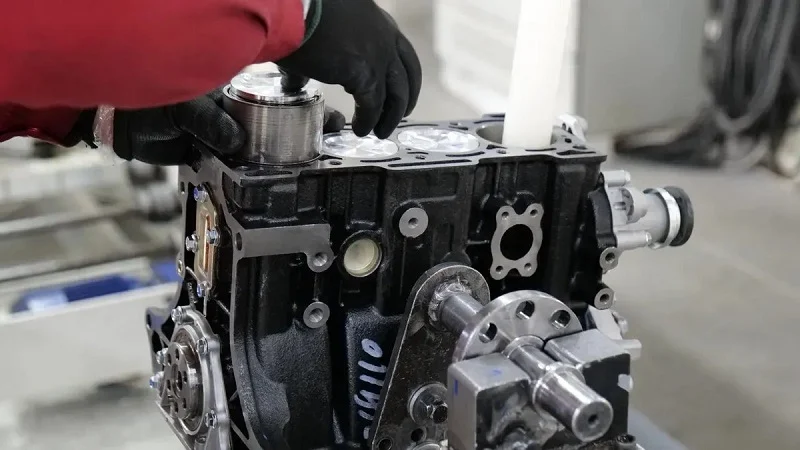
Valves in medical devices demand precision that other manufacturing methods simply cannot deliver. Think about a tiny check valve inside a wearable insulin pump. It must open and close millions of times without sticking. It needs internal channels that direct fluid flow precisely. These features are not optional extras. They are the core of the valve’s function.
The Need for Complex Geometries and Micro-Features
CNC machining for the medical industry excels at creating intricate internal structures. A valve body might need a spiral channel, a tapered seat, or a cross-drilled passage that meets another bore at an exact angle. Molding or casting often struggles with these shapes. They leave flash or require secondary operations. CNC machines cut them directly from solid material. The tool paths follow digital models with remarkable fidelity.
Micro-features push this capability further. Some valve ports measure less than a millimeter across. Their edges must be sharp and clean. A burr left behind could break loose during use. That loose fragment might block the valve or enter the patient’s bloodstream. Medical CNC machining handles these tiny features with controlled tool paths and precise spindle speeds. The result is a part that matches the design intent, not an approximation of it.
Repeatability for High-Volume Production
Consistency matters as much as complexity. A surgeon cannot use a valve that works on Tuesday but fails on Wednesday. Every unit in a production run must behave identically. CNC machines deliver this repeatability naturally. Once the program is verified, the machine reproduces the same cuts thousands of times. Tool wear is monitored. Offsets are adjusted automatically. The process stays within its validated window.
This consistency supports sterility and validation efforts. When every part is identical, cleaning protocols work the same way on each unit. Sterilization cycles penetrate the same geometries every time. Regulators look for this uniformity. They want proof that the manufacturing process is under control. Repeatable CNC output provides that evidence. It also simplifies traceability. If a batch shows a defect, you can trace it back to the exact machine, tool, and material lot.
Material Versatility Across Metals and Plastics
Medical device parts machining must handle a wide range of materials. Some valves contact blood or saline solution. They need corrosion-resistant metals like 316L stainless steel or titanium. Other valves sit in drug delivery lines. They might use PEEK or PTFE for chemical resistance. Each material behaves differently under the cutting tool. Some are hard and abrasive. Others are soft and gummy.
CNC machines adapt to these differences through parameter adjustments. Spindle speed, feed rate, and coolant selection change with the material. This flexibility makes CNC the go-to choice for prototyping and production. You can test a design in plastic first, then switch to metal for the final version. The same machine handles both. That versatility shortens development timelines and reduces costs.
This adaptability also supports regulatory compliance. Different materials require different surface treatments and cleaning methods. CNC machining can produce the surface quality each material needs. Whether you need a mirror polish for a sealing surface or a matte texture for bonding, the process delivers. And when you work with a partner holding iso 13485 certification, you know their quality management systems track every step. That documentation becomes your evidence for fda compliance and sterility standards. It gives you confidence that your implantable devices and implants meet the strictest requirements for biocompatibility and process validation.
Medical Valve CNC Machining Processes
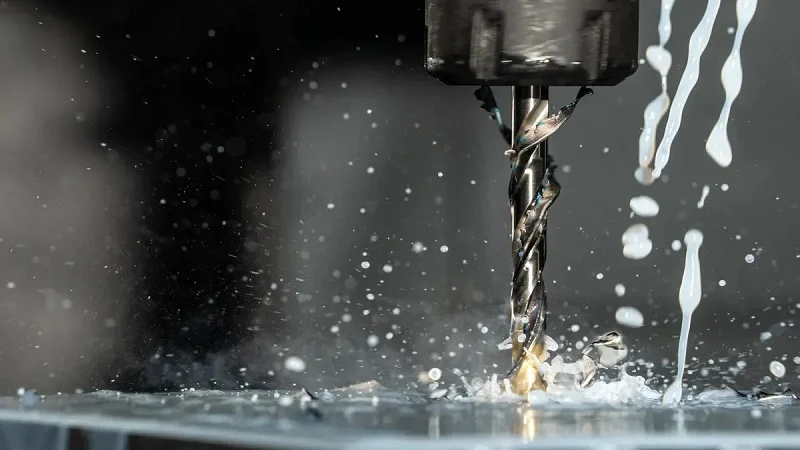
Different valve shapes need different machining methods. The size, complexity, and how many parts you need will decide which process works best. Swiss lathe machining, 5-axis milling, and hybrid machining each bring their own benefits to making medical valves.
Swiss Lathe Machining for Small Diameter Valves
Swiss lathes make small valve parts with amazing accuracy. A guide bushing holds the metal bar close to the cutting tool, which stops bending and shaking. This lets the machine keep parts perfectly round and centered, even when they are long and thin.
Achieving Concentricity and Tight Tolerances
Valve stems and small bodies must be perfectly round with exact widths. Swiss lathes cut the part right where it leaves the bushing. The material stays stiff, so the tool can cut without pushing the piece off-center. This method regularly hits the tight tolerances required for valve components. Sealing surfaces often need even tighter limits, and Swiss lathes can hold those steady sizes through long production runs.
Efficient Bar Feeding for High Volumes
Making lots of small valve parts quickly depends on smooth material handling. Swiss lathes take long metal bars that feed themselves through the spindle. The machine makes each part one after another, cutting it free and moving the bar forward. This removes the need to load single pieces and shortens cycle time. Meeting rules for cleanliness and tracking materials gets easier when every part comes from one documented batch of raw material. The steady process also helps with validation because the machine settings stay the same during the whole run.
5-Axis Milling for Multi-Port Valve Bodies
Multi-port valve bodies have crossing channels, angled openings, and hollow spaces inside. These parts need a process that can reach many sides without moving the part over and over. 5-axis milling does exactly that.
Reducing Setups to Maintain Datum Accuracy
5-axis CNC cuts down on setup mistakes by working on complex internal channels using one fixed reference point. The machine can shape all sides of a multi-port valve body in a single clamping. This removes errors from moving parts by hand and keeps features exactly where they should be. There are no reference point shifts, so angles, crossing flow channels, and undercuts all line up perfectly. The steady results from first prototypes through small production runs mean fewer clamping steps are needed. This matters a lot for implantable devices where every size must match the approved design.
Machining Complex Angles and Undercuts
Regular 3-axis machines have trouble with sharp angles and cuts inside parts. Five-axis milling fixes this by tilting and spinning the workpiece. The cutting tool can get into hidden spots and make precise sealing surfaces at different angles. This is key for valve bodies that guide fluid flow in several directions. It also lowers the chance of size errors that happen when parts get moved and clamped again.
Hybrid Machining for Complete Parts
Some medical valve parts work best when turning and milling happen together in one setup. Hybrid machines combine both jobs, cutting down on handling and total time.
Combining Turning and Milling in One Cycle
A hybrid machine first turns a feature like a valve stem or sealing surface, then mills flat spots, grooves, or side holes without moving the part to another machine. Doing everything in one cycle keeps all measurements lined up and avoids errors from two separate steps. It also makes quality paperwork simpler because the whole part history stays in one machine program.
Integrating In-Process Deburring and Cleaning
Burrs and dirt cannot be allowed in medical devices. Hybrid machines can have built-in deburring tools that remove sharp edges right after cutting. Some systems also use high-pressure coolant or washing steps to clear out chips and leftover oil. This cleaning during production supports sterility rules and cuts down on hand finishing. The validation data from each cycle tracks both the part’s shape and how clean it is.
Design Considerations for Medical Valve CNC Machining
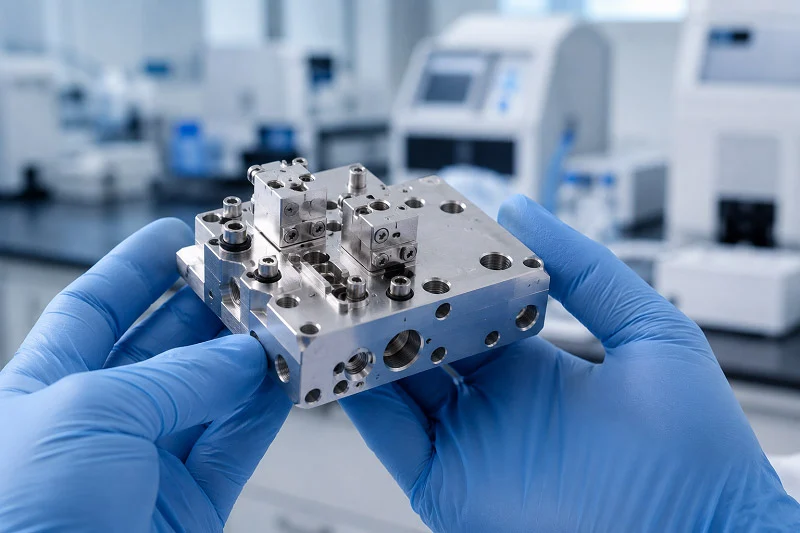
Good design makes machining easier. Bad design creates headaches. The choices you make on a CAD screen ripple through every later step. They affect cost, speed, and quality. Let’s look at the design choices that matter most for medical valve CNC machining.
Designing for Tool Access and Internal Geometry
Internal features demand respect. A valve body with tight corners or deep pockets forces your machinist into difficult territory. The cutting tool must reach every surface you specify. If it cannot, you face extra operations or scrapped parts.
Specifying Radii and Draft Angles
Internal radii deserve careful thought. Small radii force the use of small, fragile end mills. Those tools run slower and need multiple shallow passes. Machining time climbs. Costs climb with it. Larger radii let the machinist use bigger, more rigid tools. Those cut faster and leave better surfaces.
| Design Choice | Required Tool | Relative Machining Time | Relative Cost | Surface Finish Quality |
| Large Radius (e.g., 10mm) | Large, rigid end mill | Low | Low | Excellent |
| Small Radius (e.g., 1mm) | Small, fragile end mill | High | High | Fair to Poor |
| Radius = Tool Radius | Standard end mill | Moderate | Moderate | Poor (chatter likely) |
| Radius > Tool Radius | Standard end mill | Low | Low | Good to Excellent |
A good rule: make the radius at least one-third of cavity depth. Ideally, aim for 130% of the tool radius. This simple step prevents chatter and improves surface quality. Draft angles matter too. They let tools withdraw cleanly without dragging across finished walls.
Managing Deep Bores and Small Diameter Drills
Deep bores test every machinist’s skill. Long tools deflect. They wander off center. They break. When you need a hole that is many times deeper than its diameter, plan for extra steps. Your machinist may need peck drilling cycles. Those clear chips and prevent tool breakage.
Small diameter drills below 1mm need gentle treatment. They snap easily. Spindle speeds must stay high, but feed rates must stay low. Consider whether you truly need that tiny hole. Could a slightly larger diameter work? Every fraction of a millimeter you add to a drill size reduces breakage risk dramatically.
Material Selection Impact on Machinability
The material you choose affects more than biocompatibility. It changes how the machine cuts. It changes tool life. It changes the tolerances you can hold.
Balancing Hardness with Tool Wear
Harder materials wear tools faster. Titanium and 316L stainless steel are tough on cutting edges. They generate heat. They work-harden if the tool rubs instead of cuts. Your machinist must adjust speeds and feeds carefully. They may use specialized coatings on their tools. This balance matters for medical cnc machining because you cannot compromise on part quality. A worn tool leaves a poor surface. That surface might harbor bacteria. It might fail sterility standards.
Softer plastics like PEEK machine more easily. But they can melt if the tool runs too hot. They can deform under clamping pressure. Each material brings its own personality to the machine.
Predicting Material Spring-back and Tolerance Stack-up
Materials move during machining. Metals spring back slightly after cutting. Plastics deflect more. Thin walls bend. These movements affect your final dimensions. A smart designer accounts for them.
Tolerance stack-up compounds the problem. Each feature has its own tolerance. When multiple features mate together, the errors add up. A valve seat that sits 0.001 inch off center might still seal fine. But if the bore above it also shifts 0.001 inch the other way, you now have 0.002 inch of misalignment. That gap could leak. A design for manufacturability (DFM) review catches these conflicts early. It identifies where tolerances clash between mating parts before you cut metal.
Prototyping vs. Production Design Iterations
Prototyping saves money. It seems counterintuitive. You pay for extra steps. But catching flaws early costs far less than fixing them later.
Using DFM Feedback to Reduce Part Count
Your first design might need ten separate parts. A DFM review might show you can combine three of them into one machined piece. Fewer parts mean fewer joints. Fewer joints mean fewer leak paths. They also mean simpler assembly and less inventory to track. This simplification supports regulatory compliance because you have fewer variables to validate.
Early prototyping with affordable materials like PLA or ABS keeps initial costs low. You test the concept without spending on expensive production materials. You find design flaws before they become expensive mistakes.
Scaling Up from Pilot Runs to High-Volume Manufacturing
Pilot runs bridge the gap between prototype and production. They validate your process. They confirm your tolerances hold across multiple batches. They generate the documentation you need for process validation.
Rapid iteration during this phase speeds development by up to 40%. That translates directly into lower labor and overhead costs. You also reduce risk. By validating technical specifications early, you avoid expensive failures and redesigns. You avoid regulatory delays. All of these would inflate costs as you move toward full production.
Every design decision connects to the bigger picture. Material traceability matters for implants and implantable devices. Your quality management systems track each batch. Your iso 13485 certification gives regulators confidence. When you document your design choices and validation data, you build the case for fda compliance. You prove sterility through consistent geometry. You demonstrate biocompatibility through tested materials. That documentation becomes your shield during audits and your roadmap for future improvements.
Materials for Medical Valve CNC Machining
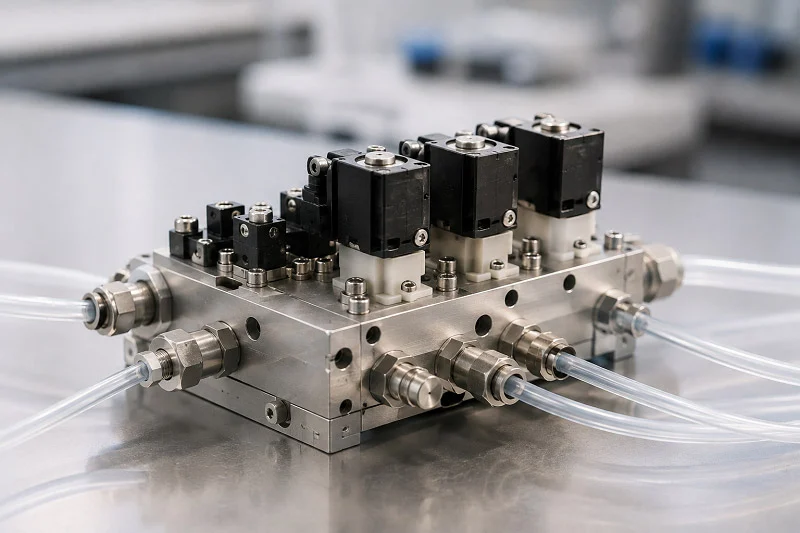
The material you pick for a valve changes everything. It decides if the part survives sterilization. It controls how many cycles the valve lasts. It affects machining speed and tool life. A good material choice is the foundation of any sound design.
Biocompatible Metals
Metals lead the way for valve designs needing high strength and long life. Stainless steel and titanium are the top choices across the medical field.
316L Stainless Steel for Corrosion Resistance and Cost-Effectiveness
316L stainless steel is the workhorse material for medical valves. It resists corrosion in saline environments better than most competing alloys. The secret is molybdenum. This element fights pitting in chloride-rich fluids like blood or saline. 17-4PH stainless steel does not contain molybdenum.
Key finding: 316L is superior to 17-4PH in saline environments. The metallurgical root cause is that 17-4 PH lacks molybdenum, the element that provides pitting resistance in chloride-rich environments. This is quantified by the Pitting Resistance Equivalent Number (PREN): 316 has a PREN of 23–29, while 17-4 PH has a PREN of only 15–17. This gap translates into starkly different real-world performance: 316 is rated ‘Good to excellent’ for chloride-rich/seawater environments, whereas 17-4 PH is rated ‘Poor — susceptible to pitting and crevice corrosion.’
For implantable devices that touch bodily fluids, that difference matters a lot. A corroding valve could release metal ions into a patient. The roughened surface could let bacteria grow. 316L avoids both problems. It also costs less than titanium, which helps when you need high volumes.
Other specialized alloys handle extreme applications:
| Alloy Grade | Key Properties | Application in Valves |
| F-75 (ASTM F2886) | High strength, superior corrosion resistance, non-magnetic, biocompatible | Heart valves |
| MP35N (ASTM F562) | High strength, superior corrosion resistance, non-magnetic, biocompatible | Heart valves |
Chromium and its alloys are used in heart valves.
These metals stand up to millions of opening and closing cycles inside the body. Medical valve CNC machining handles these alloys well, though tools wear faster compared to softer grades.
Titanium (Grade 5 and 23) for High Strength-to-Weight Ratio
Titanium brings something steel cannot match. It is strong but light. Grade 5 titanium, also called Ti-6Al-4V, is the standard choice. It handles heavy loads without adding much weight. Grade 23 is a purer version with lower impurities. It offers better fracture toughness for implants that face repeated stress.
Titanium grows a natural oxide layer that fights corrosion. If scratched, this layer heals itself. The material passes biocompatibility testing without issues. The downside is cost. Titanium costs more than stainless steel. It also machines slower because the cutting edge heats up fast.
High-Performance Plastics
Plastics offer advantages metals cannot match. They can resist harsh chemicals, weigh less, and seal tightly against other surfaces. Common medical-grade plastics like PEEK and PTFE are used in applications where these properties are needed.
Material Certifications and Traceability
Picking the material is only half the battle. You also need proof that the material matches the spec. Certifications provide that proof.
Sourcing Raw Material with Documentation
Every batch of material should arrive with documentation that lists the chemical makeup and mechanical properties for that specific lot. This documentation proves the alloy meets the standard you picked, like ASTM F138 for 316L.
Your CNC shop must keep this documentation. They become part of the device history record. Inspectors ask for them during audits. Material traceability connects each finished valve back to its original lot. If something goes wrong, you can trace it to the source. This traceability is a key part of quality management systems like ISO 13485.
Ensuring Compliance with Biocompatibility Standards
Standards such as USP Class VI and ISO 10993 are important for validating the biocompatibility of materials and devices. Your manufacturing partner should document the relevant test results to support regulatory compliance. This documentation supports sterility claims and helps with fda compliance for implantable devices. It also proves compliance with broader regulatory standards.
Validation of material choice is not optional. It is part of process validation. The traceability chain from raw material to finished part satisfies sterility and regulatory requirements. Every step from material receipt through machining and testing should leave a paper trail. That trail proves you built the part correctly. It proves the materials match your specification. And it proves the device meets biocompatibility requirements.
Tolerances in Medical Valve CNC Machining
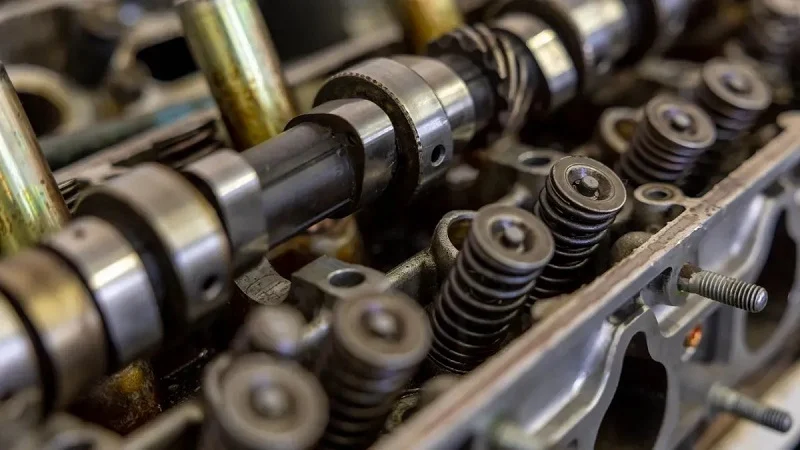
Tolerances decide whether a valve seals perfectly or leaks dangerously. In medical valve CNC machining, the difference between a working part and a failed one often comes down to fractions of a thousandth of an inch. Let’s break down what those numbers mean, how machines achieve them, and how you verify they’re real.
Defining Standard Tolerances for Valve Components
Every dimension on a valve drawing carries a tolerance. Some are loose. Others demand extreme precision. Knowing which is which saves you money and headaches.
Critical Dimensions: Bore Diameters, Seat Angles, and Sealing Surfaces
Bore diameters and seat contact faces are the heart of any valve. These surfaces must match their mating parts with remarkable accuracy. Industry standards typically call for tolerances ranging from ±0.001 to ±0.0005 inches on these critical sealing surfaces. That’s roughly the width of a human hair split into fifty pieces.
Seat geometry deserves special attention. The angle of a valve seat controls how the closure member contacts it. A slight error in that angle means the seal contacts only on one edge instead of across the full surface. That concentrated pressure can deform the seat over time. It can also create leak paths that grow worse with each cycle.
| Critical Dimension | Tolerance |
| Valve seat flatness | 0.01 mm |
| Bore diameter | ±0.003 mm |
Surface finish on these sealing areas matters just as much as dimensional accuracy. For fluidic connectors and valves, the industry standard sits at 0.4–0.8 μm Ra. This range ensures proper sealing without being so smooth that surfaces cold-weld together. Blood-contacting surfaces demand even finer finishes at 0.2–0.4 μm Ra to prevent platelet activation. Medication delivery components follow the same stricter standard to avoid generating particulates.
Geometric Dimensioning and Tolerancing (GD&T) for True Position
Dimensional tolerances only tell part of the story. A bore might measure perfectly round, but sit at an angle relative to the valve seat. That misalignment causes leaks just as surely as an oversized hole.
GD&T solves this problem. Take a common callout for valve seat perpendicularity. The symbol looks like a T with a dot at the base. The tolerance box might read 0.005 M. This means the seat surface must sit perpendicular to the datum axis within a cylindrical zone of 0.005 inches. The M stands for maximum material condition, which gives bonus tolerance when the feature is smaller than its maximum size.
Interpreting this correctly prevents confusion. The perpendicularity callout does not control the angle itself. It controls the variation of that angle across the entire surface. A seat could be perfectly perpendicular at one point but tilted at another. The tolerance zone catches that variation. Your machinist must understand this distinction to set up the workholding correctly.
Process Capability and Machine Precision
Hitting tight tolerances requires more than a good drawing. The machine itself must maintain stability through long runs. Environmental factors and tool wear constantly work against precision.
Thermal Compensation and Environmental Controls
Heat is the enemy of precision machining. Temperature changes can cause parts to expand or contract, potentially shifting dimensions out of tolerance. Modern cnc machines compensate for thermal growth. Linear scales measure actual position rather than assuming from motor rotation. Spindle cooling systems maintain consistent temperatures. Some shops control the entire environment, keeping the floor at a constant 68°F. These controls matter most for medical valve production, where every part must match the validated design.
Utilizing In-Process Probing to Correct for Tool Wear
Cutting tools wear with every pass. A sharp end mill cuts precisely. After a hundred parts, that same tool has worn slightly. The dimensions drift. Without correction, parts eventually fall outside tolerance.
In-process probing solves this problem. The machine touches a probe to the workpiece at key points during the cycle. It measures the actual dimension and compares it to the target. If the tool has worn, the control system automatically adjusts the offset. This closed-loop feedback keeps every part within spec, even as tools degrade. The result is consistent output across entire production runs.
Advanced Metrology for Verification
Machining produces the part. Metrology proves it meets specifications. Verification requires instruments capable of measuring far tighter than the tolerances they check.
Using CMM (Coordinate Measuring Machine) for 3D Inspection
A coordinate measuring machine uses a touch probe to map the entire part in three dimensions. It compares thousands of measured points against the CAD model. This provides complete verification of every feature, not just a few spot checks.
CMMs measure with remarkable precision. Measurement uncertainty reaches ≤±0.002 mm, which translates to approximately ±0.00008 inches. That’s significantly smaller than the ±0.0002 inches tolerance required for many medical valve components. The measurement capability exceeds the requirement by a comfortable margin. Some advanced CMMs achieve uncertainty of only a few millionths of an inch.
This precision makes CMM inspection essential for first article validation. When you qualify a new part, the CMM report becomes your evidence that the process produces conforming parts. That documentation supports process validation and satisfies regulatory requirements.
Air Gauging and Optical Comparators for High-Volume Checks
CMM inspection takes time. For high-volume production, you need faster methods. Air gauging measures bore diameters without touching the surface. Compressed air flows through a small nozzle. The backpressure changes with the gap between the nozzle and the bore wall. This provides rapid, repeatable measurements perfect for production floor checks.
Optical comparators project a magnified shadow of the part onto a screen. Operators compare the silhouette against an overlay of the ideal shape. This works well for checking external profiles and angles quickly. Both methods complement CMM inspection, giving you speed during production and depth during validation.
Partnering with the Right Manufacturer
Achieving these tolerances demands more than capable machines. It requires a partner who understands the interplay between design, material, and process. A qualified manufacturing partner brings exceptional service and professional machining expertise to every project. Their team helps clients efficiently complete prototyping and mass production of medical valve components. With proper iso 13485 certification and robust quality management systems, they ensure every part meets the strictest standards for sterility and material traceability. This partnership de-risks your project and accelerates your path to market.
Surface Finishes for Medical Valve CNC Machining
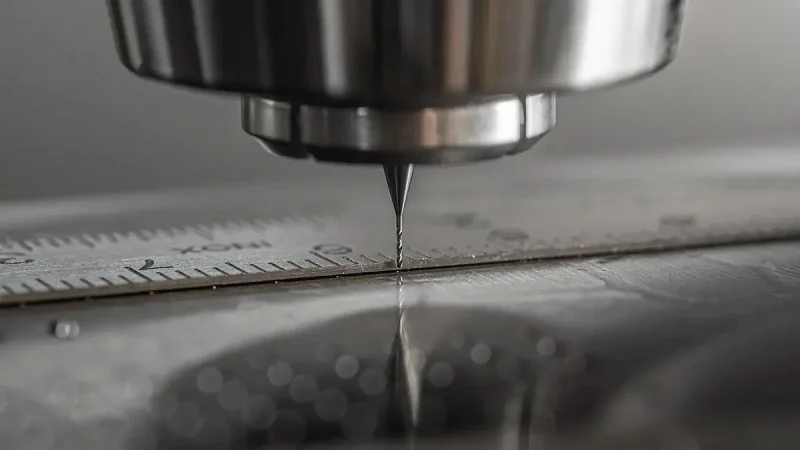
Surface finishes matter as much as tolerances for valve performance. A rough surface can trap bacteria. It can start corrosion. For medical cnc machining, the surface treatment is a critical design parameter. Two mechanical finishing methods stand out for different needs.
Mechanical Finishing Techniques
Micro-Bead Blasting for Uniform Matte Texture
Micro-bead blasting shoots tiny glass or ceramic beads at the part surface. The impact creates a uniform matte texture. This texture helps with bonding in later assembly steps. It also hides small machine marks that might not affect function but look bad. The process works best on external surfaces where cosmetics matter. It does not change the part dimensions in any meaningful way. That makes it safe for finished parts that already hit tight tolerances. But you should not use it on sealing surfaces. The matte finish would stop a proper seal from forming. Micro-bead blasting is a cost-effective way to improve surface consistency across large production runs.
Electropolishing for Stainless Steel to Remove Micro-Burrs
Electropolishing removes a thin layer of metal from the surface. The process works like reverse plating. The part sits in a chemical bath with an electric current flowing through it. Metal ions leave the surface and dissolve into the solution.
The surface finish improves significantly. Electropolishing typically reduces Ra by a further 50% beyond what mechanical polishing can achieve. This smoother surface leaves no place for contaminants or single-cell bacteria to lodge. That is essential for sterility in medical applications.
Electropolishing removes impurities that mechanical polishing leaves behind. It dissolves free iron and embedded particles from the surface. This creates a chromium-rich surface layer. The corrosion resistance improves dramatically. Medical valves that undergo electropolishing resist pitting and crevice corrosion much better than mechanically polished parts.
Another big advantage is that electropolishing works on complex parts. It reaches areas that mechanical tools cannot touch. Valve bodies often have tiny internal channels and hidden surfaces. Electropolishing treats every surface the bath reaches. There are no directional polishing lines left behind.
Cleaning and Passivation Protocols
After mechanical finishing, the part needs thorough cleaning. Machining leaves behind oils, chips, and other residues. These must go before the part moves to inspection or assembly.
Removing Machining Oils and Particulates
Standard cleaning protocols remove machining oils and particulates using validated processes. For medical implantable devices, this cleaning step requires validation. You need to prove the process removes all contaminants. That proof becomes part of your device history record. It supports sterility claims during audits. Material traceability connects the cleaning batch to each part. This documentation satisfies regulatory requirements for process control.
Passivation to Enhance Corrosion Resistance of Stainless Steel
Passivation is a chemical treatment for stainless steel that enhances corrosion resistance. It is commonly used for medical devices. Quality management systems track every step from raw material to finished valve. This documentation satisfies regulatory compliance for medical devices. It proves the device meets sterility standards. For implants and other critical devices, this traceability is non-negotiable. Process validation data from passivation cycles ensures the treatment works consistently across every batch.
Partnering with NOBLE for Medical Valve CNC Machining

Choosing NOBLE can make or break your project. You need more than a shop with machines. You need a team that understands medical device rules, material science, and quality systems. NOBLE brings all of that together in one place.
Full Capabilities from Design to Assembly
In-House Engineering Support for DFM and Prototyping
Your design needs a careful review before it goes to the shop floor. NOBLE’s engineers check every feature to see if it can be made easily. They catch tolerance conflicts between parts that fit together early. They suggest radius changes that speed up cutting. They flag deep bores that might need special tooling.
This design for manufacturability review saves real money. A simple change, like making an internal radius larger, can cut machining time. Finding a sealing surface problem before production avoids scrapped batches. NOBLE’s engineering team works directly with your designers to improve the part. They run prototypes quickly, so you see physical parts instead of just simulations. Fast changes during this phase speed up development and lower costs.
The prototyping phase also creates early validation data. You learn how the material behaves. You confirm the tolerances hold. You test different surface finishes to find the right balance between sealing performance and biocompatibility. This knowledge carries forward into full production.
Full-Service Assembly and Packaging to Simplify Your Supply Chain
Managing multiple vendors adds risk. Each handoff creates a chance for errors, delays, or contamination. NOBLE removes those handoffs with full-service assembly and packaging.
Your valve components arrive as finished, tested products. We handles sub-assembly, final assembly, and functional testing. We manage cleaning and packaging in controlled environments. This consolidation simplifies your supply chain and reduces the load on your quality team. One partner owns the entire process, from raw material to shipped product. That single point of accountability makes audits easier and traceability stronger.
Certifications and Quality Assurance
Certifications prove NOBLE’s commitment to quality. We show that systems exist and are followed. For medical valve production, certification to ISO 13485:2016 is particularly important. It ensures we have a quality management system that addresses medical device-specific requirements, including material traceability, documentation, and process validation. This certification matters for sterility and validation. The quality system tracks each part from raw material to finished device. Material traceability becomes part of the device history record. When regulators audit, the documentation proves compliance. For implants and implantable devices, this level of control is non-negotiable. A partner with ISO 13485 certification gives you confidence that your medical CNC machining project meets the strictest standards. Our CNC capabilities, combined with robust quality systems, reduce your project risk and speed your path to market.
Material choice, tolerance precision, and surface finish are all connected. Each one decides if your medical valve works safely. To get them right, you need more than just a CNC machine. You need a partner with ISO 13485 certification and deep process knowledge to follow the rules.
NOBLE keeps track of materials from raw stock to finished part. We record tests for sterility and biocompatibility for implants and implantable devices. Our validation data shows that every batch meets the required specifications.
Are you ready to move forward? Send your CAD files or design ideas to us for a feasibility review and a competitive price quote. A full‑service approach reduces project risk, speeds up your time to market, and ensures you stay compliant. You focus on device innovation while NOBLE handle the complex manufacturing.
FAQ of Medical Valve CNC Machining
What tolerance can medical valve sealing surfaces achieve?
Sealing surfaces often need tolerances as tight as ±0.0002 inches. Precision machining methods can deliver this level of accuracy.
Why is 316L stainless steel preferred for medical valves?
316L has molybdenum, giving it a Pitting Resistance Equivalent Number of 23–29. 17-4PH scores only 15–17. This difference makes 316L much more resistant to corrosion in salty body fluids. The material choice supports biocompatibility for long-term fluid contact.
What do USP Class VI and ISO 10993-5 certify?
USP Class VI and ISO 10993-5 are standards that help validate biocompatibility for medical components. Their specific requirements depend on the application and regulatory context.
How does electropolishing support sterility?
Electropolishing removes a thin metal layer, cutting surface roughness by about 50%. It dissolves free iron and leaves a chromium-rich surface. This smoother finish has no crevices for bacteria to hide in medical devices.
What certifications should a medical cnc machining partner hold?
Look for a medical CNC machining partner with certifications such as ISO 13485:2016, which demonstrates a quality management system tailored to medical devices. This certification ensures focus on traceability, risk management, and regulatory compliance. Both ISO 9001 and ISO 13485 are relevant, but ISO 13485 is specifically required for medical device manufacturing.
What is the purpose of passivation?
Passivation is a chemical treatment for stainless steel that enhances corrosion resistance. It is commonly used for medical devices to improve biocompatibility.
How does material traceability help during audits?
Material traceability meets regulatory requirements and supports safety for implants. Each batch of raw material is documented, linking every finished valve back to its original lot.