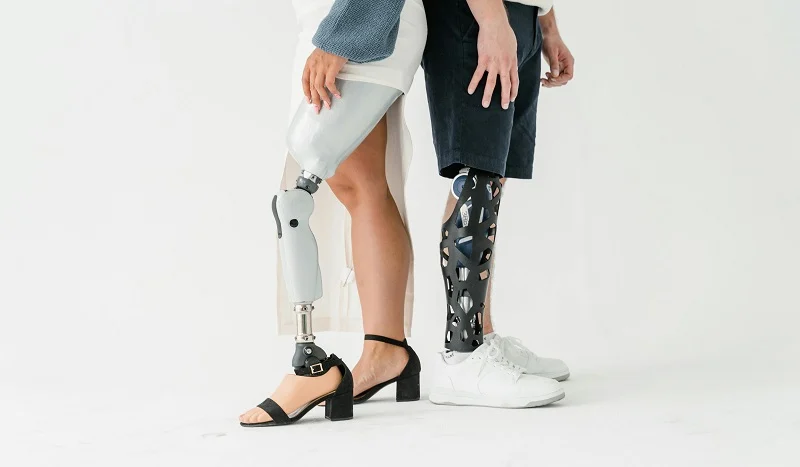
Introduction of Medical Device Rapid Prototyping
Medical devices are not simple products. They involve lengthy development cycles, strict regulatory requirements, complex validation processes, and high costs associated with design changes. To successfully bring a product to market, it must be safe, reliable, and effective.
Medical device rapid prototyping addresses these challenges. It shortens development cycles, validates designs early on, and identifies usability issues before production begins, thereby reducing risk.
This guide explains how rapid prototyping for medical devices can be integrated into the development workflow and covers design considerations, material selection, process selection, and the regulatory landscape.
Medical prototype manufacturing is not just about making parts. It is about manufacturing the right parts at the right time.
Why Rapid Prototyping Is Crucial for Medical Device Manufacturing
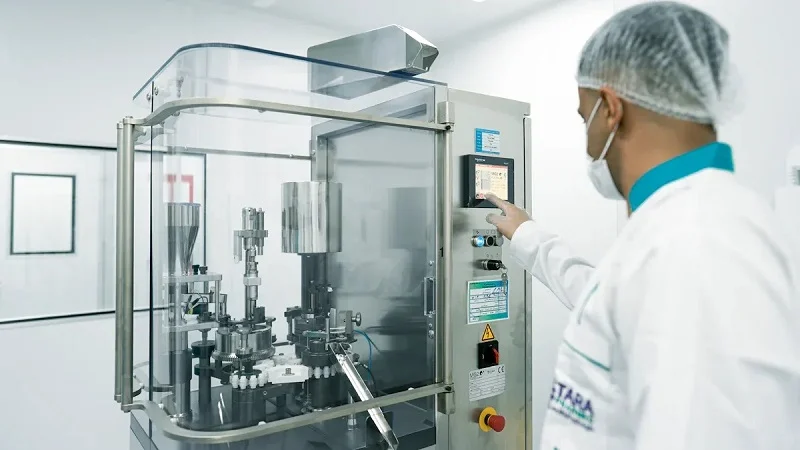
Accelerating Medical Device Development Cycles
Medical device rapid prototyping turns ideas into physical models quickly. Engineers test concepts early. Designs get refined. Problems get identified before they become expensive to fix.
The advantage is speed. Faster design iterations compress development timelines. Physical feedback is immediate. Digital models cannot always predict how a part will feel, fit, or function. The physical prototype reveals these factors. This is why rapid prototyping for medical devices is not optional—it is an essential tool for managing development schedules.
Improving Design Validation and Product Performance
Prototypes enable multi-dimensional evaluation. For example, they can be used to verify the device’s appearance, evaluate its ergonomic design, measure its mechanical performance, test assembly processes, observe user interactions, and confirm compatibility with clinical workflows.
Digital models provide predictions, while physical prototypes provide empirical evidence. The gap between the two is precisely where problems lie hidden. Prototypes can reveal these issues. This validation step is at the heart of medical device rapid prototyping—verifying the feasibility of the design before production begins.
Reducing Development Costs and Manufacturing Risks
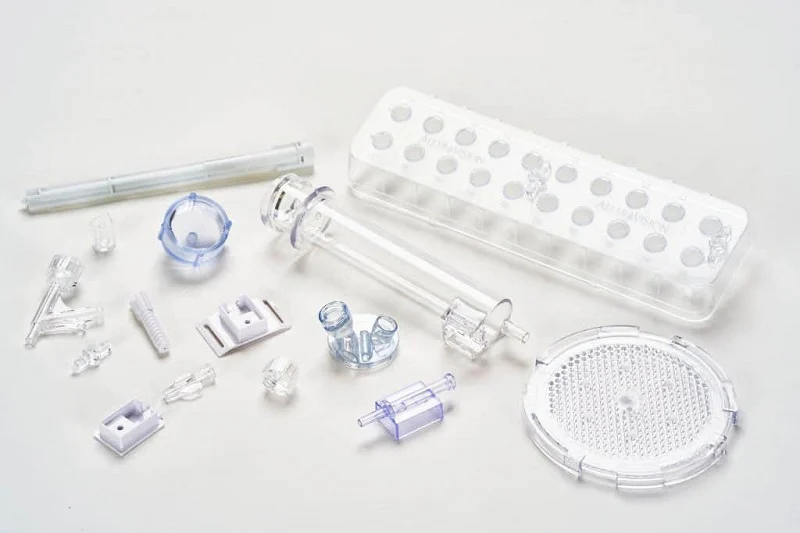
Early prototype testing can identify design issues before tooling is manufactured. This not only avoids costly production modifications but also optimizes the manufacturing process, thereby improving the reliability of the final product.
As a project progresses, the cost of design changes gradually increases. Changes made during the prototyping phase are less expensive, whereas changes made after tooling has been completed are costly. Prototyping reduces risk by moving the problem-detection phase to an earlier stage in the process.
Supporting Regulatory Compliance and Quality Requirements
Prototyping supports the regulatory process. Design verification confirms the device meets specifications. Design validation confirms the device meets user needs. Risk management identifies and mitigates hazards. Regulatory submissions are supported by data from prototype testing.
Standards apply. ISO 13485 defines quality management requirements for medical devices. FDA expectations for development include prototype testing. Prototypes generate the data required for submission. Medical device rapid prototyping is part of the compliance strategy. It is not separate from regulatory work—it is integrated into it.
Medical Device Rapid Prototyping Process: From Design to Production
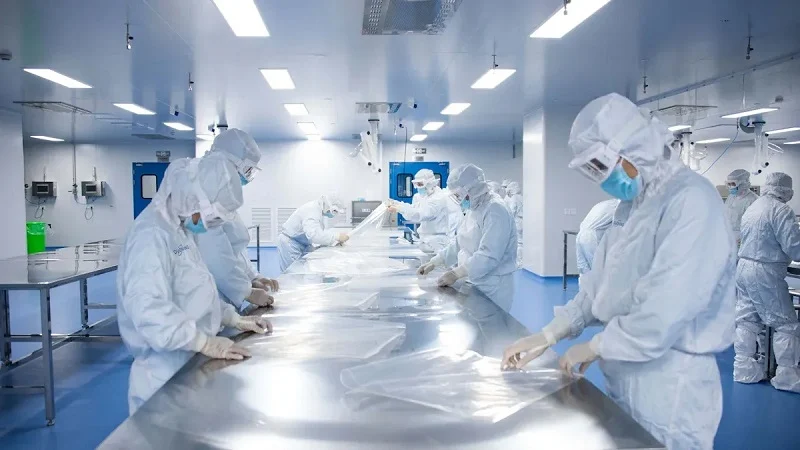
Step 1: Medical Device Concept Design and Engineering Analysis
Clinical needs, user feedback, and regulatory requirements are translated into product concepts. Engineers create geometric shapes using 3D CAD modeling and refine the shapes and structures through design optimization.
Important considerations are addressed early. Functionality determines whether the device works. Patient safety is the overriding constraint. Ergonomic design affects usability and acceptance. Manufacturing feasibility ensures the design can be built at scale. This step establishes the foundation for medical device rapid prototyping.
Step 2: Prototype Manufacturing
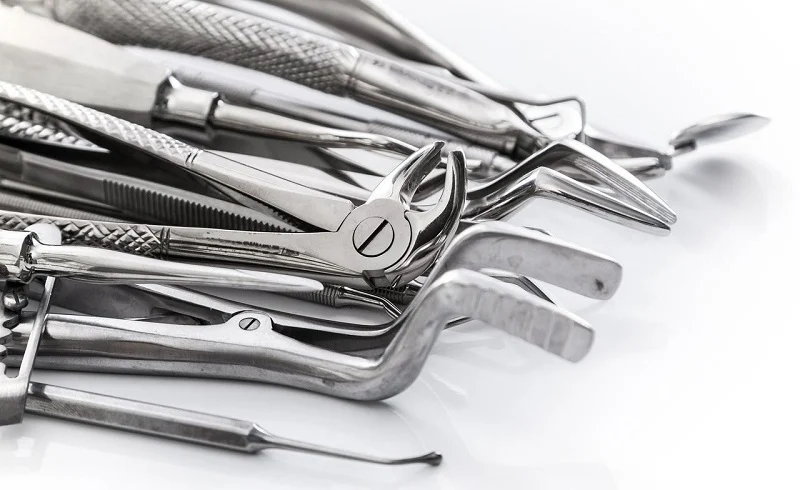
Multiple technologies are available for medical prototype manufacturing. The choice depends on the part geometry, material requirements, and testing needs.
CNC Machining for Medical Prototypes
CNC machining offers high precision and tight tolerances. It handles metals and engineering plastics. Surgical instruments are machined. Medical equipment parts are machined. Precision mechanical components are machined. Surface finish is smooth. Accuracy is repeatable.
3D Printing for Medical Device Prototypes
3D printing enables rapid design iteration. Complex geometries are possible. Customized medical models are made to patient-specific data. Common technologies include SLA for smooth surfaces, SLS for durable parts, FDM for cost-effective models, and PolyJet for multi-material prototypes. Anatomical models, surgical planning models, and device concept prototypes are all produced.
Vacuum Casting for Medical Prototypes
Vacuum casting supports small-batch production. Parts have a production-like appearance and performance. Functional plastic prototypes are cast. Medical housings, wearable device components, and user testing models are typical applications. Surface finish is smooth. Detail reproduction is excellent.
Step 3: Prototype Testing and Design Validation
Testing confirms that the prototype meets requirements.
Functional Testing
Mechanical strength is measured. Durability is assessed. Device operation is verified. Component interaction is evaluated. The device must function as intended.
Usability Testing
Human factors are evaluated. Comfort is assessed. Ease of use is confirmed. Clinical application scenarios are simulated. The device must be usable by its intended operators.
Material and Safety Testing
Biocompatibility is confirmed. Chemical resistance is verified. Sterilization compatibility is tested. Materials must be safe for patient contact and withstand repeated sterilization cycles.
Rapid prototyping for medical devices includes testing as an integral step. The prototype is not the end. It is the evidence that the design works. Testing data supports the next step—transitioning to production.
Step 4: Design Optimization and Engineering Validation
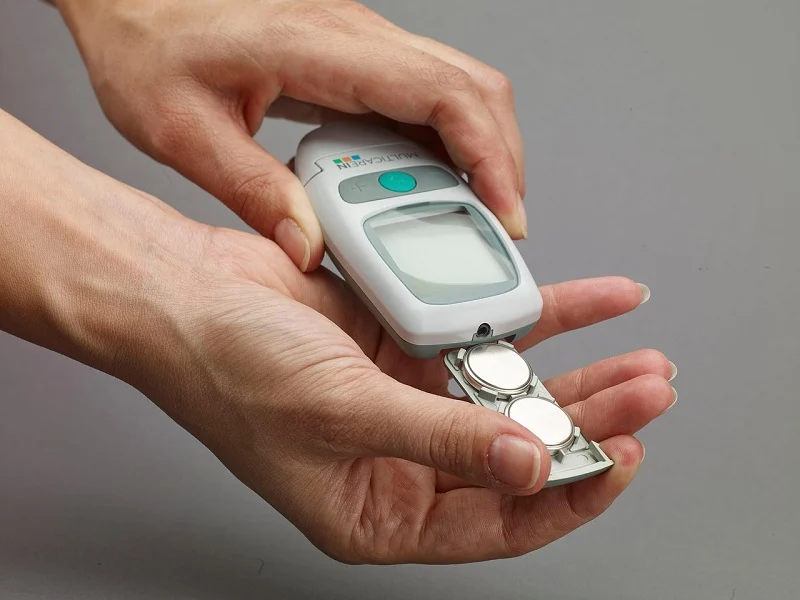
Prototype testing generates data that informs decision-making. Some features prove viable, while others do not. Engineers then modify the design based on this data.
This may require a change in materials. Different grades of plastic can offer better impact resistance. Different metal alloys can provide higher corrosion resistance. The structure is improved—ribs are added, thick-walled sections are thinned, and the geometry is optimized.
Design confirmation testing is used to verify that the device meets technical specifications. Design validation testing is used to confirm that it meets user requirements. Performance evaluation involves measuring output, accuracy, and reliability. This iterative cycle continues until the design passes all tests.
This is the optimization phase of medical device rapid prototyping—the gap between prototype and a production-ready design.
Step 5: Transition from Prototype to Mass Production
The prototype design is finalized. The next step is production planning.
Manufacturing Process Selection
The production method is chosen based on volume and part requirements. Injection molding is for high-volume plastic parts. CNC machining handles low-volume precision components. Die casting produces metal housings at volume. Metal fabrication supports structural assemblies. Precision assembly integrates components into finished devices.
Production Tooling Development
Molds were developed for the selected process. Prototype molds were used to support early trial production, while production molds were used for large-scale production. Assembly jigs ensure consistency in assembly and product quality.
Production Readiness Evaluation
Quality inspection procedures are defined. Process validation confirms that the production process produces parts within specification. Documentation is prepared for regulatory submission. The design is released to production.
Medical prototype manufacturing transitions to production once all requirements are met. The knowledge gained during prototyping informs the production process. The device is ready for commercial release.
Key Considerations for Medical Device Rapid Prototyping
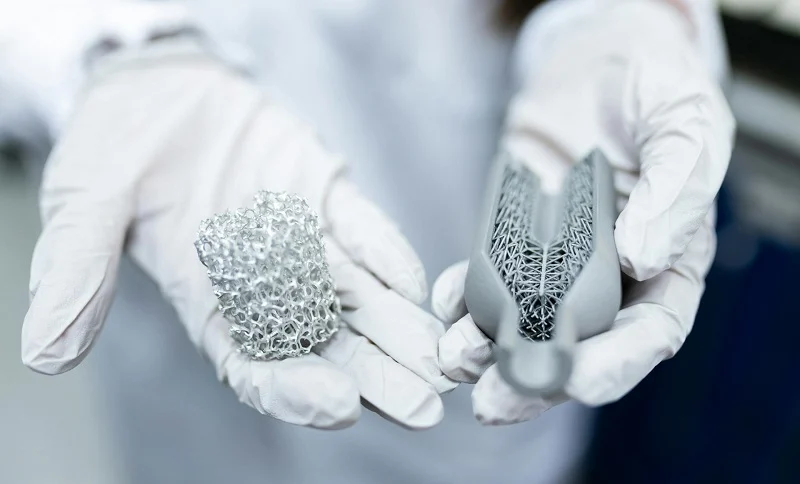
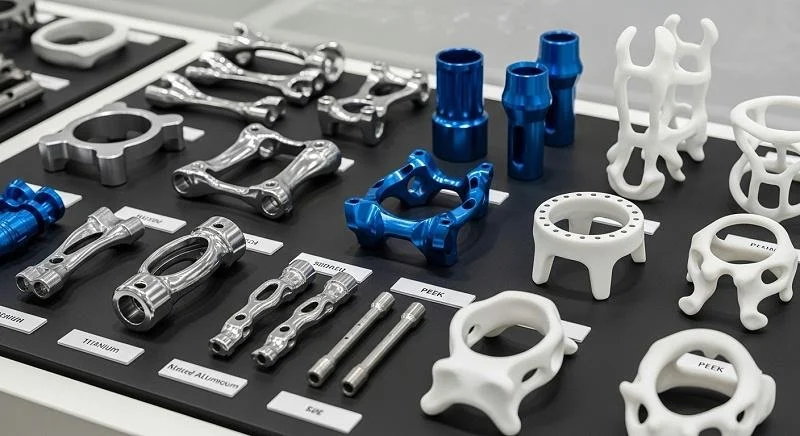
Material Selection for Medical Prototypes
Metals
| Material | Selection Factors |
| Stainless Steel | Strength, corrosion resistance, sterilization compatibility |
| Titanium | High strength-to-weight ratio, corrosion resistance, biocompatibility |
| Aluminum | Lightweight, machinable, lower strength |
Medical-Grade Plastics
| Material | Selection Factors |
| PEEK | High-temperature resistance, chemical resistance, biocompatibility |
| ABS | Impact resistance, machinability, lower cost |
| PC | Transparency, impact strength, dimensional stability |
| Nylon | Wear resistance, toughness, moisture absorption concerns |
Precision and Tolerance Requirements
Accuracy depends on multiple factors. Manufacturing technology sets the achievable range. Material characteristics affect shrinkage and warpage. Part geometry influences measurement stability. Surface finish requirements affect final dimensions.
Dimensional inspection verifies that parts meet specifications. Functional tolerance analysis confirms that assemblies fit and operate correctly. Rapid prototyping for medical devices must produce parts that are representative of production components—otherwise, testing data is invalid.
Regulatory and Quality Requirements
ISO 13485 defines quality management requirements for medical devices. FDA regulations apply to devices sold in the United States. CE certification applies to devices sold in Europe.
Compliance planning should begin during prototype development. The prototype process generates documentation. Testing data supports regulatory submissions. Waiting until production to address compliance is expensive and risky. Medical device rapid prototyping is part of the quality system.
Sterilization and Biocompatibility Considerations
Prototypes may be tested in clinical settings. Sterilization compatibility is essential.
Autoclave sterilization uses heat and steam. Materials must tolerate 121°C to 134°C. Ethylene oxide (EtO) is used for heat-sensitive materials. Gamma radiation is used for single-use devices. Each method affects materials differently. Prototype materials should be selected with the final sterilization method in mind.
Biocompatibility is evaluated according to ISO 10993. Testing assesses cytotoxicity, sensitization, and irritation. The prototype material should match the production material for testing to be valid.
Confidentiality and Intellectual Property Protection
Prototype development involves proprietary information. Designs are protectable. NDAs should be in place. Secure CAD file management prevents unauthorized access. Design confidentiality during development is critical. These are standard practices for medical device rapid prototyping providers. The supplier should offer them without being asked.
Medical Device Rapid Prototyping Services at NOBLE

NOBLE is a manufacturer specializing in metal and plastic processing. The company has extensive experience in the development of medical devices. It offers a comprehensive range of services, including design support, prototyping, production, and assembly.
Our Medical Prototype Manufacturing Capabilities
Precision CNC Machining
We offer machining services for metal and plastic prototypes. Parts with tight tolerances, complex medical components, surgical instruments, components for implantable devices, and precision mechanisms can all be significantly enhanced through CNC machining. We deliver high precision and excellent surface finish.
Plastic Prototype Manufacturing
NOBLE offers a range of plastic prototype manufacturing. Vacuum casting is suitable for small-batch production. Injection molding is suitable for high-volume production. Engineering plastics processing can handle materials such as PEEK, ABS, PC, and nylon.
Surface Treatment and Finishing
We offer anodizing, polishing, sandblasting, coating, and other treatments. The purpose of these processes is to enhance appearance, improve durability, and meet functional requirements.
Assembly and Production Support
Medical prototype manufacturing at NOBLE is integrated. The part is not just machined or molded—it is finished, assembled, inspected, and delivered. The service covers the entire development lifecycle.
Quality Management and Certifications
ISO 9001:2015 – Covers the quality management system
ISO 13485:2016 – Adds the requirements for medical devices
FAQs About Medical Device Rapid Prototyping
Why is rapid prototyping important for medical device manufacturing?
It accelerates development cycles and validates designs early. Physical prototypes reveal issues that digital models cannot. Medical device rapid prototyping reduces the risk of late-stage changes that are expensive and time-consuming.
What technologies are commonly used for medical device prototypes?
CNC machining for precision metal and plastic parts. 3D printing for complex geometries and anatomical models. Vacuum casting for small-batch, production-like prototypes. The technology is selected based on the prototype’s purpose. Rapid prototyping for medical devices uses the full range of manufacturing methods.
How long does medical prototype manufacturing take?
Lead times vary by process. 3D printing takes days. CNC machining takes one to two weeks for complex parts. Vacuum casting takes two to three weeks from master pattern to finished parts. Medical prototype manufacturing timelines depend on part complexity, material availability, and finishing requirements.
How does rapid prototyping reduce medical device development costs?
It identifies design problems before tooling investment. Changes at the prototype stage are inexpensive. Changes after production tooling is cut are costly. Prototypes also reduce regulatory risk by providing data for design verification and validation early in the process.
How do you move from a medical prototype to mass production?
The validated prototype design is used to select production processes. Injection molding or CNC machining is scaled up. Production tooling is developed. Process validation is performed. Quality documentation is prepared. The transition is managed as a single project. NOBLE supports the full journey.