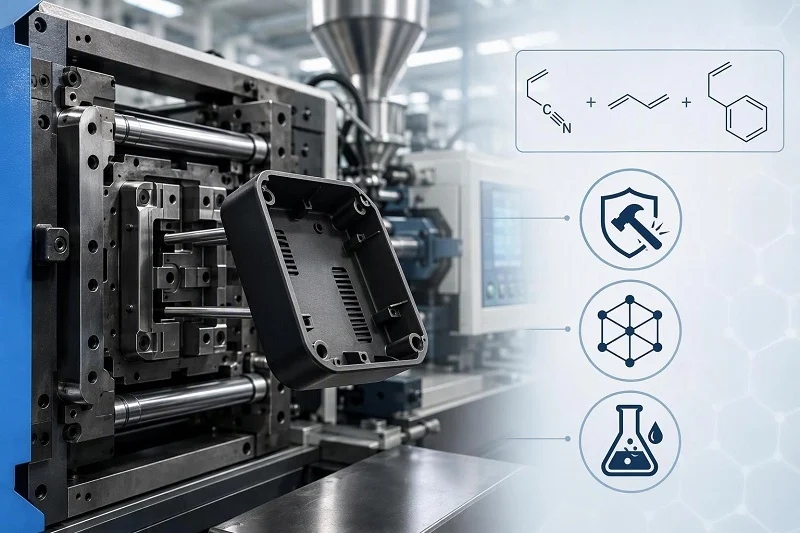
ABS is one of the most widely specified engineering thermoplastics in the world, and much of that status comes from a compromise built into its chemistry. Acrylonitrile contributes chemical resistance and rigidity, butadiene contributes toughness, and styrene contributes stiffness, gloss and ease of processing. No single monomer delivers all three, and no single ABS grade delivers all three at maximum. That trade-off is why ABS injection molding rewards a designer and a molder who work from a named grade rather than from the category label.
This guide follows the whole chain of decisions an ABS project involves: what the material is and where its property boundaries lie, how the molding sequence runs from pellet drying to finishing, the part and mold design features that most affect tooling cost and defect risk, the advantages and limitations worth planning around, the application areas where ABS is commonly specified, and how ABS injection molding compares with CNC machining, 3D printing and thermoforming. It closes with defect diagnosis, a section on NOBLE’s own capabilities, and answers to the questions buyers and designers ask most often.
What Is ABS and Why It Suits Injection Molding
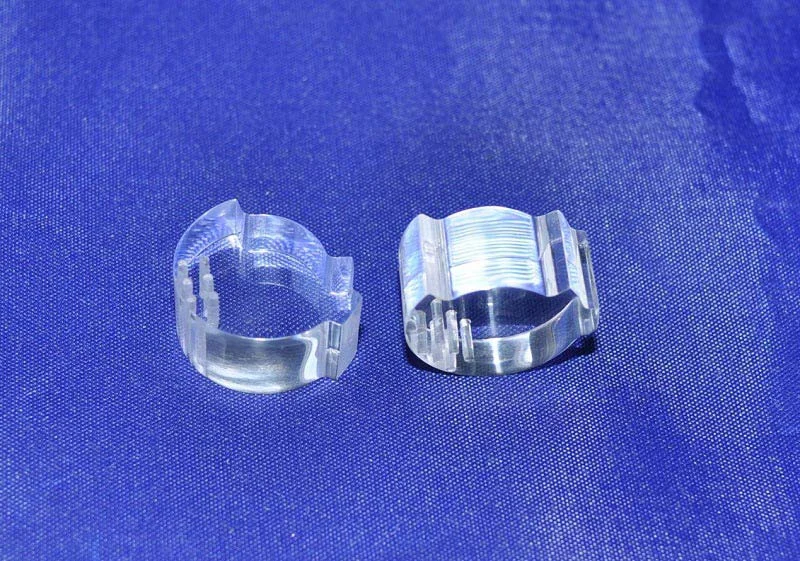
ABS is an amorphous terpolymer of acrylonitrile, butadiene and styrene, in common use since the 1950s. Because it is amorphous rather than semicrystalline, it has no sharp melting point; instead it softens progressively, and its glass transition temperature sits at approximately 105 °C for standard grades. Below that temperature the polymer chains are locked in a rigid, glassy state that gives ABS its stiffness and dimensional stability; above it, the chains gain mobility and the material turns rubbery.
That structure is what makes ABS a natural fit for injection molding. Amorphous resins generally show lower and more predictable mold shrinkage than semicrystalline ones, so cavity dimensions can be compensated with more confidence. ABS also flows across a broad processing window, tolerates a wide range of machine configurations, and takes a high-quality surface from a polished cavity. The practical consequence for a project is that process settings and property expectations must be tied to a specific grade — general-purpose, high-impact, heat-resistant, flame-retardant, plating-grade, transparent or PC-ABS blend — because each carries its own recommended barrel window and its own property balance.
How the Three Monomers Shape Performance
The three monomers each contribute a distinct property — chemical resistance, impact strength and rigidity — and the ratio between them is adjusted to produce different grades. More acrylonitrile generally raises strength through additional polar bonding between nitrile chains; more styrene raises rigidity and surface gloss; more polybutadiene raises toughness and impact resistance.
The butadiene phase deserves particular attention because it is the least thermally and photochemically stable constituent. It is the phase that ultraviolet attack degrades outdoors, and it is the phase most exposed to heat history during processing. A grade formulated for high impact carries more of it; a grade formulated for heat resistance may substitute a co-monomer such as α-methylstyrene to raise the glass transition. This is why “ABS” on a drawing is a starting point rather than a specification: two ABS grades can differ meaningfully in heat deflection, impact and recommended melt temperature.
Typical Properties and Their Boundaries
Representative values for unfilled ABS illustrate the property envelope. Density typically falls around 1.0–1.2 g/cm³. Tensile strength is commonly quoted in the range of roughly 40–62 MPa at yield, with flexural modulus in the region of 1.35–2.7 GPa depending on grade. Notched impact strength varies widely with butadiene content and test method. Heat deflection temperature under load is commonly below 100 °C for general-purpose grades, with heat-resistant grades reaching higher. Mold shrinkage is typically around 0.4–0.7% for standard unfilled grades, and water absorption is low — commonly cited around 0.1–0.5% — but still high enough to require drying.
Treat every one of these figures as grade- and method-dependent. Published impact values are useful for comparing grades, but finished-part performance also depends on wall thickness, corners, ribs, weld lines, gate placement and molded-in stress, so production testing should reflect the actual part design rather than relying entirely on datasheet averages. Heat deflection temperature helps compare materials but does not by itself establish a safe long-term operating temperature under load. Flame ratings are tied to the exact resin grade, color and minimum wall thickness tested, so a general flame-retardant designation does not confirm that every thickness or color will meet the same rating.
The ABS Injection Molding Process, Step by Step
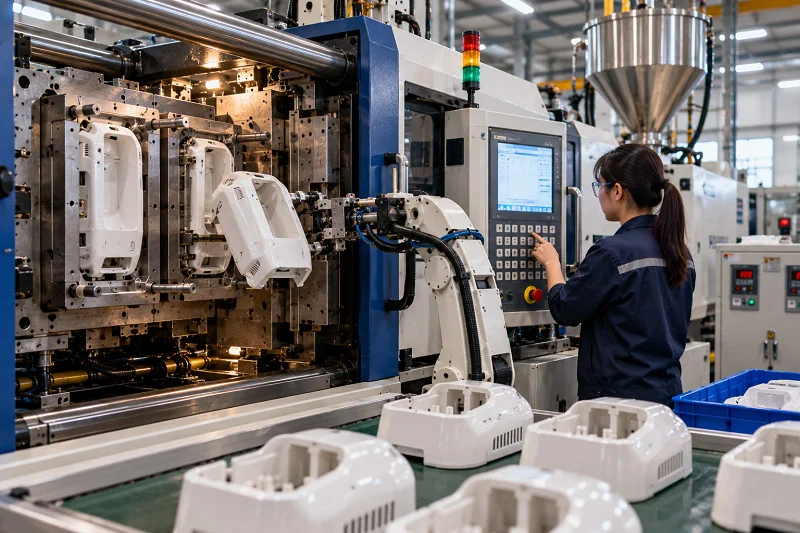
The ABS injection molding sequence runs from pellet drying through melting, injection, packing, cooling, ejection and finishing. Each stage has a purpose and a key control, and the figures below are starting windows drawn from published guidance rather than universal settings. The grade datasheet and trial shots govern.
Drying the Pellets Before Processing
ABS is hygroscopic and must be pre-dried. Residual moisture above roughly 0.1% causes visible silver streaks and splay marks, and — more seriously — internal voids that reduce impact strength even when the part looks acceptable from the outside. Published guidance commonly recommends drying general-purpose ABS at 80–90 °C for 2–4 hours, with heat-resistant grades containing PC components dried at a higher temperature, around 100 °C, with time confirmed by air extrusion. Sealed hoppers help keep moisture from returning between drying and processing.
Drying discipline is the first check for any appearance or strength problem in ABS, because the defects it causes mimic other faults. A part with splay marks may look like a temperature problem; if the resin was not dried to specification, no amount of barrel tuning will fix it.
Melting and Barrel Temperature Zones
The barrel is normally described in four zones. A representative progression for general-purpose ABS runs from about 180–200 °C at the feed zone, through 200–220 °C at compression, 210–240 °C at metering, and 220–250 °C at the nozzle, with suggested setpoints around 190 °C, 210 °C, 225 °C and 235 °C respectively. Other published grade data place melt temperatures across a wider band of roughly 220–260 °C, and heat-resistant grades may run higher still, in the region of 220–260 °C, while flame-retardant grades are often kept at the lower end, around 200–240 °C.
Above approximately 270 °C, or at lower temperatures with prolonged residence, ABS begins to degrade: it discolors toward yellow or brown, develops a burnt odor, releases styrene monomer vapors and other volatile organic compounds, and loses mechanical properties. Uniform barrel heating, controlled back pressure, moderate residence time and regular purging all protect against thermal history that shows up later as black specks or weak parts.
Injection, Packing and Holding
Injection pressure and speed determine whether the cavity fills before the melt freezes, particularly in thin walls. Medium-to-high injection speed with a multi-stage profile is commonly used to avoid both short shots and jetting, and pressure is optimized against the actual flow length and wall section. Packing pressure is typically set at 50–80% of injection pressure and held until the gate freezes, because packing is what compensates for shrinkage while the part is still under pressure. Insufficient packing shows up as sink marks, voids and dimensional inconsistency; excessive packing raises residual stress and can cause flash.
Published research on chrome-plated ABS automotive parts found that processing parameters measurably affect both residual stress and coating adhesion. In that study, raising the fixed half-mold temperature by 15 °C reduced microcrack formation, increasing packing pressure by 20 bar also reduced microcracks, and reducing injection rate by 5 mm/s at each stage was beneficial compared with increasing it. The same work used an acetic acid test in which surface whitening indicates residual stress. The takeaway is not a universal recipe but a principle: packing and injection rate are quality variables, not merely fill variables.
Cooling, Ejection and Finishing
Mold temperature has a strong effect on ABS surface quality. At cold mold temperatures around 40 °C, the melt cools rapidly against the cavity, producing higher surface roughness, more visible weld lines and potential stress whitening. At 60–80 °C the melt stays fluid longer against the cavity surface, improving replication of fine detail and producing glossier, smoother surfaces. For parts that will be electroplated or painted, a mold temperature of roughly 60–70 °C is commonly cited as necessary to achieve the surface quality that plating and paint adhesion require.
Cooling time must be long enough for the part to resist ejection without distortion, and uniform cooling channels help stabilize the cycle. After ejection, finishing options include trimming and degating, assembly, painting, pad printing, screen printing, hot stamping, laser engraving and electroplating. ABS paints well by polymer standards — solvent-based and water-based paints commonly bond directly to clean, grease-free surfaces without an adhesion primer — but mold release residue must be removed before two-component clear coats. Plating adhesion, as noted above, responds to mold temperature, packing pressure and injection rate, so cosmetic plating requirements belong in the molding specification, not only in the finishing shop.
ABS Part and Mold Design Guidelines
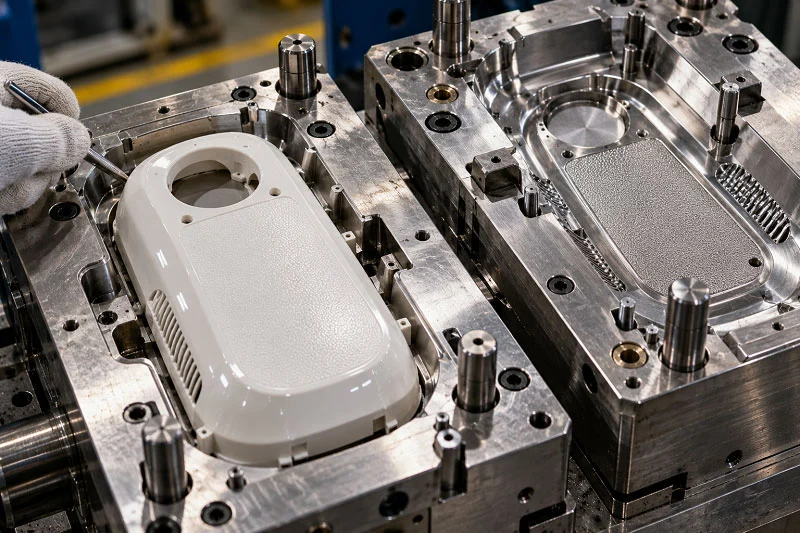
Design features determine much of the tooling cost and most of the defect risk in an ABS part. The guidance below is framed as design-around advice rather than absolute rules, because the right answer depends on the grade, the geometry and the cosmetic requirement.
Wall Thickness and Uniformity
A commonly cited wall-thickness range for ABS is 0.045–0.140 in (roughly 1.1–3.6 mm), and other processing guidance cites 1.2–3.5 mm as a working band. More important than the absolute number is uniformity. Non-uniform walls drive sink, warpage, internal stress and dimensional inaccuracy, because thick sections cool and shrink later than thin ones while the part is already rigid enough to resist. Keeping walls consistent improves flow and fill, cooling, cosmetics and overall part performance.
Where a thick section is unavoidable, core it out or replace solid mass with ribs. As a rule of thumb, walls in a molded part should be no less than 40–60% of adjacent walls, and rib thickness is usually kept below the nominal wall to avoid sink on the opposite face. For amorphous resins such as ABS, published guidance allows wall-thickness variation up to about 25% of nominal; tighter uniformity is better where cosmetics matter.
Draft, Radii and Shutoffs
Draft angles allow the part to release from the cavity without scuffing or dragging. The required draft depends on surface depth, texture and resin; textured surfaces need more draft than polished ones. Sharp external corners are generally acceptable, but an inside radius strengthens the corner and relieves the stress concentration that promotes warpage and cracking.
Undercuts are the other major tooling driver. A feature that cannot be released in the line of draw requires a side-action, a lifter or a hand-loaded insert, each of which adds tooling cost, cycle time and maintenance. Where an undercut can be redesigned into a snap feature that flexes on ejection, or moved to a parting line, the tooling simplifies considerably.
Gates, Weld Lines and Bosses
Gate location determines where melt fronts meet, and therefore where weld lines form. Because weld-line strength can range from as little as 20% of nominal strength to essentially full strength depending on material, part design, tooling and processing, gate placement should keep weld lines out of high-stress areas. Bosses, ribs, holes and depressions all split the flow and create additional fronts, so their geometry and orientation relative to flow matter. Where possible, ribs and bosses should run in the direction of flow to ease filling and venting.
Shrinkage, Tolerances and DFM Review
ABS mold shrinkage is typically around 0.4–0.7% for standard unfilled grades, averaging near 0.5%, which is lower and more predictable than semicrystalline resins such as polypropylene. Cavity dimensions are cut oversize by the shrinkage allowance, and the allowance should be confirmed against the supplier’s datasheet and then refined from measured trial shots before the tool is finalized.
A design-for-manufacturability review before cutting steel typically flags thin and thick areas relative to nominal wall, draft sufficiency, parting-line placement, gate and ejector locations, undercuts and side-actions, and the need for hand-loaded inserts. Where cosmetic or structural risk is high, a flow analysis can identify pressure hotspots and likely knit-line locations. Catching these issues on a screen is far cheaper than catching them in a hardened tool.
Advantages and Limitations of ABS Injection Molding
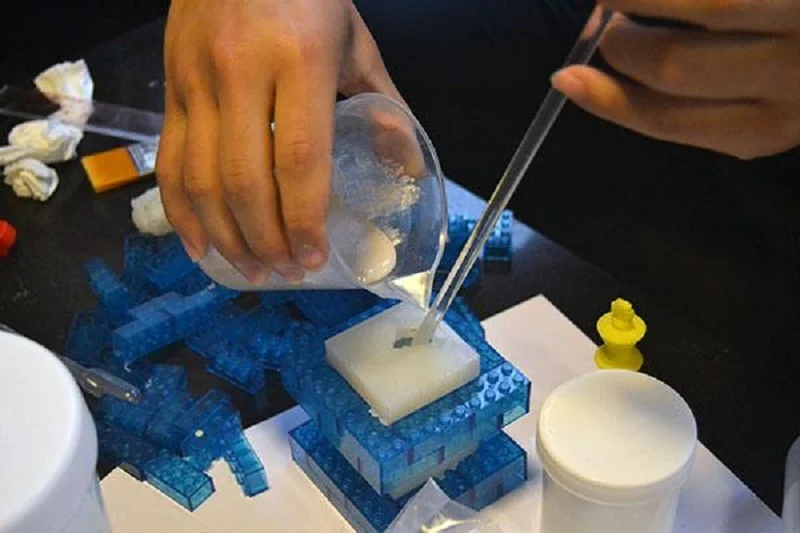
ABS injection molding wins on a specific combination of properties and economics, and it constrains design in specific ways. Both sides belong in the project plan.
Where ABS Injection Molding Performs Well
ABS offers dimensional stability, high rigidity and hardness even at low temperatures, and it can be used down to about −40 °C in appropriate grades. Its amorphous structure gives low, predictable shrinkage, which supports consistent part dimensions across a production run. Surface finish is a particular strength: polished cavities reproduce fine detail, and ABS accepts painting, printing, hot stamping, laser marking and electroplating readily by polymer standards. The processing window is broad enough that most ABS injection molding operations can run the material, and at repeat volumes the unit economics of molding are difficult to match.
Material and Process Limitations to Plan For
Moisture sensitivity is the first constraint: ABS must be dried, and the discipline has to hold across every shift, not only at start-up. Thermal ceilings matter too. Long-term service temperature for standard ABS is commonly below 100 °C, and heat deflection temperature does not by itself establish a safe continuous operating temperature under load. Grades differ, so a heat-resistant specification has to be selected deliberately rather than assumed.
Chemical resistance is uneven. ABS resists dilute and concentrated acids and alkalis well but performs poorly against alcohols, aldehydes, ketones, esters, aromatic hydrocarbons and halogenated hydrocarbons. Isopropanol and stronger solvents are common culprits in cleaning operations, and solvent crazing often appears only under stress, so cleaning chemistry should be qualified against stressed samples.
Outdoors, standard ABS has poor inherent weatherability: ultraviolet attack on the butadiene phase causes fading, chalking, yellowing, and embrittlement. A UV-stabilized grade, a protective coating, or a different polymer such as ASA is the usual answer for exterior service. Unmodified ABS is also flammable, rated UL 94 HB in typical data sheets, so flame-retardant grades are needed where a V-0 or V-2 rating is required — and the rating applies to the specific grade, color, and thickness tested. Finally, tooling carries high cost and lead time, which is the central economic limitation discussed in the comparison section.
Applications of ABS Injection Molding
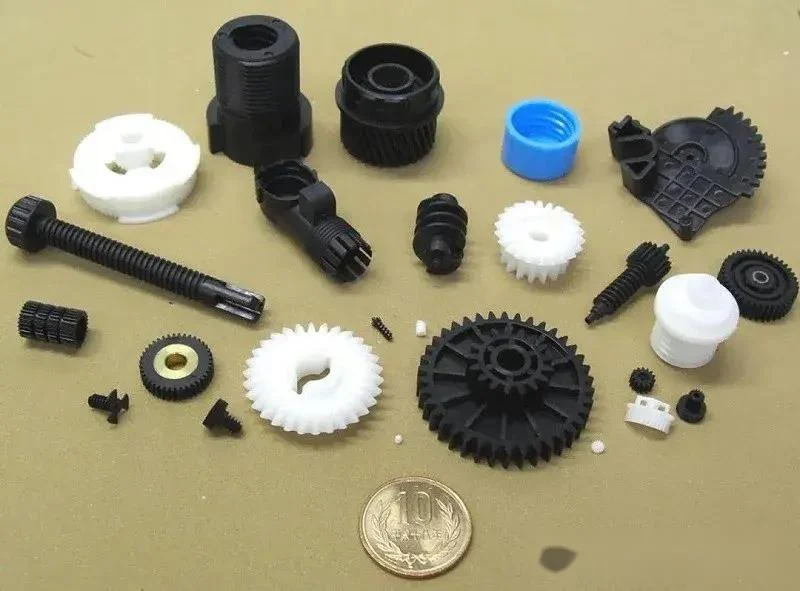
ABS is commonly specified across several application families, and each relies on a different part of the property profile.
Consumer Products and Electronics Housings
Electronic housings, appliance parts, office equipment, protective covers, toys, and consumer products are the classic ABS applications. They draw on the combination of balanced stiffness, impact resistance, moldability, and surface quality that makes ABS economical for cosmetic enclosures. General-purpose grades may be available in different flow ranges to suit part size and wall thickness, and high-flow grades help fill thin or detailed housings.
Automotive Interior and Decorative Parts
Interior trim, grilles and chrome-plated decorative components are common ABS applications, with plating-grade ABS formulated for electroplated finishes. Plating adhesion depends on molding parameters as well as on the resin, so mold temperature, packing pressure and injection rate belong in the specification for plated parts. Exterior use requires UV-stabilized grades or coatings, because standard ABS weathers poorly. Where higher heat or impact resistance is needed than standard ABS provides, a PC-ABS blend may be considered, at added cost and with different chemical-resistance and processing considerations.
Medical and Regulated Products
Medical device housings and handheld diagnostic equipment are frequently molded in high-impact ABS because the parts must survive repeated drops. However, medical or food-contact suitability depends on the specific grade and on meeting the applicable regulatory and biocompatibility requirements for the final finished device — not on ABS as a category. Biocompatibility assessment is an evaluation of the device in its final finished form, including sterilization where applicable, and the relevant requirements should be confirmed with the grade supplier and against the applicable regulations before the design is frozen.
Outdoor and Chemically Exposed Service
Standard ABS is a poor fit for sustained outdoor exposure or for contact with fuels, solvents, and ketones. Before specifying ABS for such service, confirm the candidate grade’s UV stabilization or coating system, its chemical-resistance data against the actual media and concentrations it will see, and its long-term service temperature under the expected load. Where those confirmations cannot be made, a different polymer family is usually the safer starting point.
ABS Injection Molding Compared with Other Processes
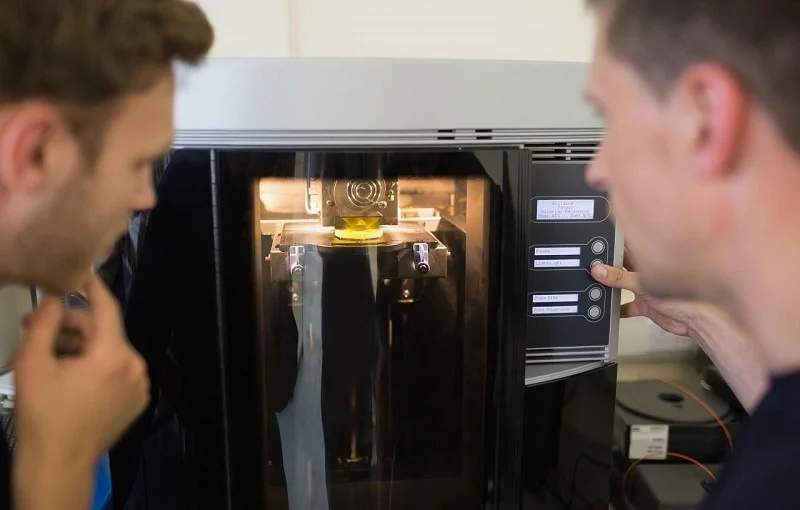
ABS injection molding competes with three alternatives in most development programs: CNC machining, 3D printing and thermoforming. The right choice depends on volume, geometry, tolerance and surface requirements rather than on any single ranking.
Against CNC Machining
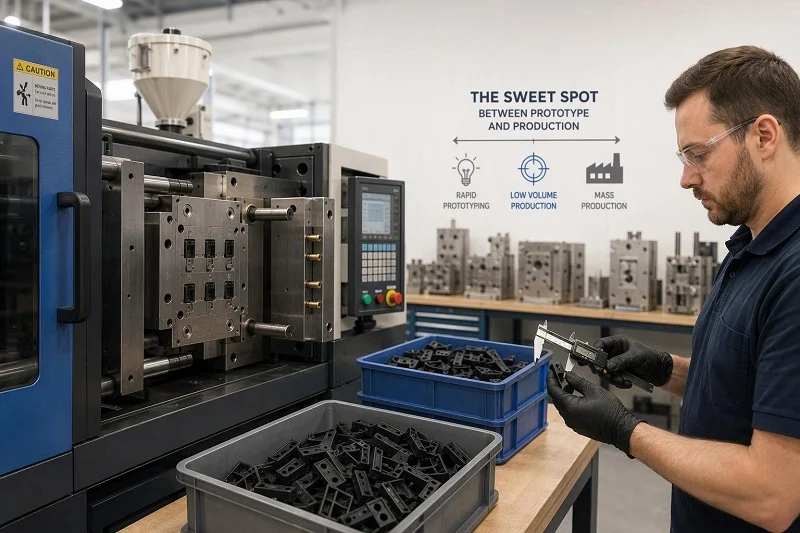
CNC machining requires no tooling, so initial cost is low, and design changes are cheap, while achievable precision is high and design freedom is broad. Unit cost, however, stays high because each part is cut individually. ABS injection molding inverts that structure: tooling and industrialization carry a high initial cost, but unit cost falls sharply and repeatability at volume is excellent. Published crossover guidance from shops running both processes suggests machining wins on total cost below roughly 500 pieces, molding almost certainly wins above roughly 5,000 pieces, and the 500–5,000 band requires a calculation that includes mold cost, unit cost and expected volume. A common pattern is to machine prototypes to validate the design, then commit to a mold once testing is complete.
Against 3D Printing
Additive manufacturing delivers parts without tooling in days rather than the weeks a mold takes, which makes it the natural choice for prototypes and low counts, commonly under about 1,000 units. It also allows geometry that molding cannot release. Molding wins once the geometry is stable and volume is sufficient to amortize the tool, and it brings material options, surface finish and repeatability that most additive processes do not match at production scale. Printed parts also tend to be anisotropic, with strength depending on build direction, whereas unfilled thermoplastics that cool evenly during ABS injection molding are often treated as isotropic in engineering calculations.
Against Thermoforming
Thermoforming tooling is often a fraction of comparable ABS injection molding tooling cost — commonly cited at around 10–15% for large heavy-gauge parts — which makes it attractive for low-to-medium volumes of large parts, in the hundreds to low thousands per year. Pressure forming can approach ABS injection molding’s cosmetic detail by forcing the heated sheet onto a tool at elevated pressure. Molding still wins on cycle time, repeatability, fine feature detail and the elimination of secondary trimming, and it becomes the lower-cost route once volume amortizes the tool.
Choosing by Volume, Geometry and Finish
A practical decision framework weighs four inputs. Annual volume sets the amortization math. Part size and complexity determine whether molding tooling is proportionate and whether the geometry can be released from a mold. Tolerance and surface requirements decide whether machining’s precision or molding’s repeatability and finish matter more. Expected design changes favor tooling-free processes while the design is still moving. Where volume is uncertain, a bridge strategy — machining or printing for validation, then molding for production — often costs less than committing to a tool too early.
Diagnosing Common ABS Injection Molding Defects

Most ABS defects trace to one of three sources: moisture, wall-thickness variation, or fill and packing conditions. Identifying the source correctly is what separates a fix from a guess.
Silver Streaks, Splay and Voids
Silver streaks, splay marks and internal voids are the signature of residual moisture. The first check is always drying: confirm the dryer reached temperature, confirm the residence time, and confirm the resin was not exposed to humid air between drying and the hopper. Because the same defects can also come from thermal degradation or excessive shear, verify the melt temperature and residence time once drying is confirmed. Internal voids are the dangerous case, because they may not be visible and they reduce impact strength.
Sink Marks and Warpage
Sink marks appear where thick sections cool and shrink after the surface has solidified, and warpage appears where shrinkage is uneven across the part. Both connect to wall-thickness variation, packing and cooling. Design fixes — coring thick sections, adding ribs, equalizing walls — address the root cause. Process fixes — raising packing pressure, extending hold time until gate freeze, balancing cooling — address the symptom. As a general rule, marginal defects that appear only part of the run respond to process adjustment, while chronic defects usually need a design or tooling change.
Weld Lines and Weak Knit Lines
Weld lines form where melt fronts collide, and they are among the most common and difficult defects to eliminate. Strength at the knit line can be as little as 20% of nominal strength or as high as 100%, depending on material, part design, tooling and processing. The remedies follow a hierarchy: first, relocate the gate so the weld line falls in a non-stressed area; second, reduce the number of flow fronts by blocking gates or using cascaded valve gates; third, add an overflow tab that promotes venting and chain entanglement, accepting the secondary trimming operation; fourth, adjust melt and mold temperature and injection speed. Uniform nominal walls and proper venting near the weld line support all of these.
Short Shots, Flash and Residual Stress
Short shots mean the cavity did not fill before the melt froze, which points to insufficient injection pressure or speed, a cold mold, restricted gates or walls that are too thin for the flow length. Flash means melt escaped the cavity, which points to excessive pressure, worn tooling or insufficient clamp. Residual stress is the quiet defect: it may not show at inspection, but it appears later as cracking, whitening or solvent crazing during assembly or cleaning. It is managed through balanced packing, uniform cooling, generous radii and, where needed, annealing. An acetic acid whitening test can reveal residual stress on ABS surfaces before the part reaches the customer.
Conclusion
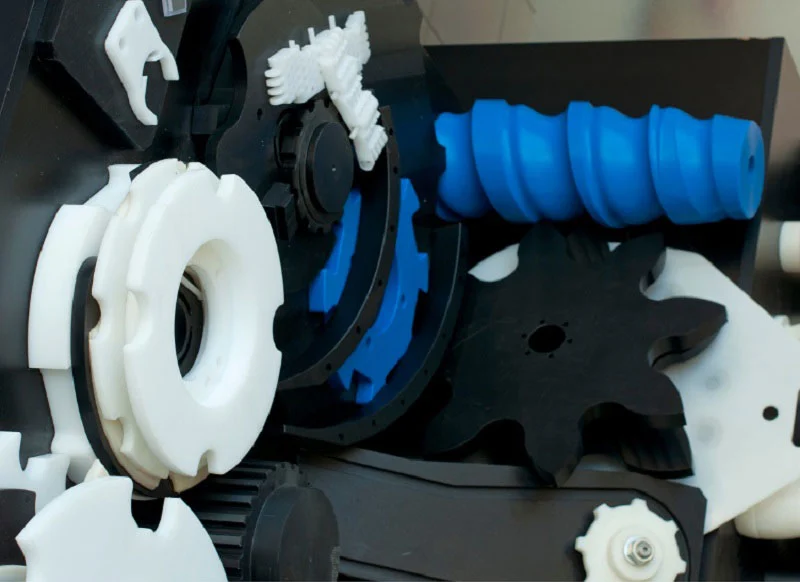
Successful ABS injection molding rests on four things: process windows set for the named grade rather than for the category, drying discipline that holds across every shift, design features that respect the material’s shrinkage and flow behavior, and an honest comparison against alternative processes at the volume you actually expect. Get those right and ABS delivers the balance of toughness, rigidity, finish and cost that made it a standard engineering thermoplastic. Get them wrong and the same material produces splay, sink, weak weld lines and stress cracks that no amount of finishing will hide.
If you have an active ABS project, NOBLE’s design-to-assembly service can take it from DFM review and prototyping through tooling and volume production. Send your RFQ with the part information needed, and the team can return a quote and a manufacturability review.
Choose NOBLE for Your ABS Injection Molding Project

NOBLE is a Sino-British joint venture, awarded by the government as a “National High-tech Enterprise,” specializing in projects supporting services including parts machining and manufacturing under its “Smart Manufacturing” business direction. With over 10 years of experience, NOBLE provides one-stop custom manufacturing from prototyping to production, and its engineering and service capabilities can help you move an ABS part from concept through validation to volume production efficiently.
NOBLE holds ISO 9001:2015 and ISO 13485:2016 certification. The service scope runs from design to assembly — not production alone — so a single partner can carry the part across the handoffs that usually introduce delay and rework.
From Prototype to Batch Production
An ABS program usually begins with a design that still needs validation. NOBLE supports prototyping and series production within the same relationship, so fit, function and cosmetic intent can be checked before tooling is committed, and the knowledge gained in prototyping carries into the production process rather than being lost between vendors. Rapid lead times are supported by comprehensive CNC software and experienced engineers, and a professional quote can be returned within 24 hours of receiving an RFQ with the necessary information.
Quality Systems and Inspection
ISO 9001:2015 addresses quality management system requirements, and ISO 13485:2016 addresses quality management systems for medical devices; both point to documented process control, traceability and continual improvement rather than to a product rating. NOBLE backs those systems with a full set of inspection equipment and an overall quality control process intended to keep prototypes and components within the specified tolerances. For ABS work, that discipline matters most where it is hardest to see: drying records, process parameter control and dimensional verification.
Design, Tooling and Assembly Under One Roof
NOBLE’s in-house capabilities cover design support, prototyping, manufacturing and assembly, with advanced rapid prototyping and rapid manufacturing technology for machining a range of metal and plastic materials to specification. Consolidating these steps reduces handoff risk: the team that reviews the design for manufacturability is the team that builds the tool and runs the parts, so a concern raised at DFM does not have to travel between organizations to be resolved. If you have an active ABS injection molding project, you can submit an RFQ to request a quote and a design review.
FAQs About ABS Injection Molding
Does ABS need to be dried before injection molding?
Yes. ABS is hygroscopic, and residual moisture above roughly 0.1% causes silver streaks, splay marks and internal voids that reduce impact strength even when the part looks acceptable. General-purpose ABS is commonly dried at 80–90 °C for 2–4 hours, with heat-resistant grades dried hotter, around 100 °C. Confirm the drying specification for your grade and keep the resin in a sealed hopper before processing.
What barrel and mold temperatures does ABS injection molding use?
For general-purpose ABS, a representative barrel progression runs from about 180–200 °C at the feed zone to 220–250 °C at the nozzle, with melt temperatures commonly cited across roughly 220–260 °C. Mold temperature is typically 40–80 °C, with 60–80 °C preferred for cosmetic parts and 60–70 °C commonly cited for parts that will be plated or painted. Heat-resistant and flame-retardant grades shift these windows, so treat the figures as starting points to be confirmed per grade and part.
What wall thickness should an ABS part have?
A commonly cited range is 0.045–0.140 in (roughly 1.1–3.6 mm), with 1.2–3.5 mm often used as a working band. Thinner walls risk short shots and require higher injection pressure; thicker walls increase cooling time, sink risk and material use. Uniformity matters more than the absolute number, so keep variation within about 25% of nominal for ABS and core out thick sections.
Can ABS parts be used outdoors?
Standard ABS weathers poorly outdoors: ultraviolet attack on the butadiene phase causes fading, chalking, yellowing and embrittlement. A UV-stabilized grade, a protective coating, or a different polymer such as ASA is the usual route for exterior service. Confirm the specific grade’s weathering data and the expected service life before specifying it.
Is ABS suitable for medical or food-contact products?
It can be, but suitability depends on the specific grade and on meeting the applicable regulatory and biocompatibility requirements for the final finished device, including sterilization where applicable. ABS as a category carries no automatic approval. Confirm the grade’s regulatory documentation and the requirements that apply to your device before freezing the design.
When does ABS injection molding beat machining or 3D printing?
Molding wins once volume amortizes the tool: published guidance suggests machining is usually cheaper below about 500 pieces and molding almost certainly cheaper above about 5,000, with the middle band requiring a calculation. 3D printing wins for prototypes and low counts, commonly under about 1,000 units, and molding wins once geometry is stable. See the comparison section above for the full framework.
How should I evaluate a manufacturing partner for an ABS project?
Look for design-for-manufacturability capability before tooling, documented drying and process control, dimensional inspection equipment, certification scope that matches your market, and the ability to carry the part from prototype through production. Ask how the partner handles grade selection, shrinkage confirmation from trial shots, and cosmetic or plating requirements, since those are the points where ABS programs most often go wrong.