Introduction
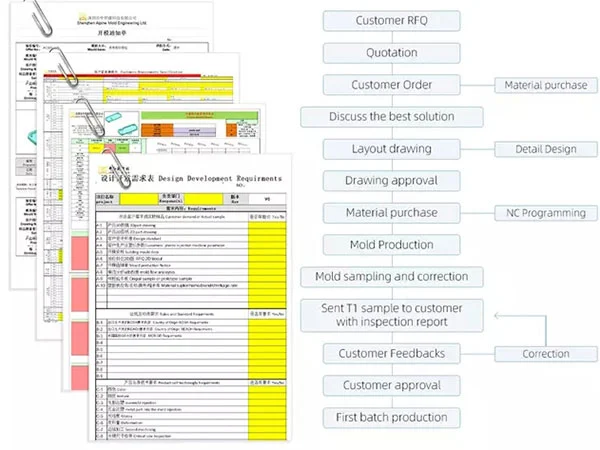
A customer calls about making a part. The first thing any serious factory asks for is a drawing. Not a photo. Not a verbal description. An actual engineering drawing.
This happens all the time in CNC machining. People sometimes get frustrated. They think the factory is being difficult. But there is a reason. No reliable factory gives a CNC quote without a proper CNC machining drawing. That is not gatekeeping. That is professionalism.
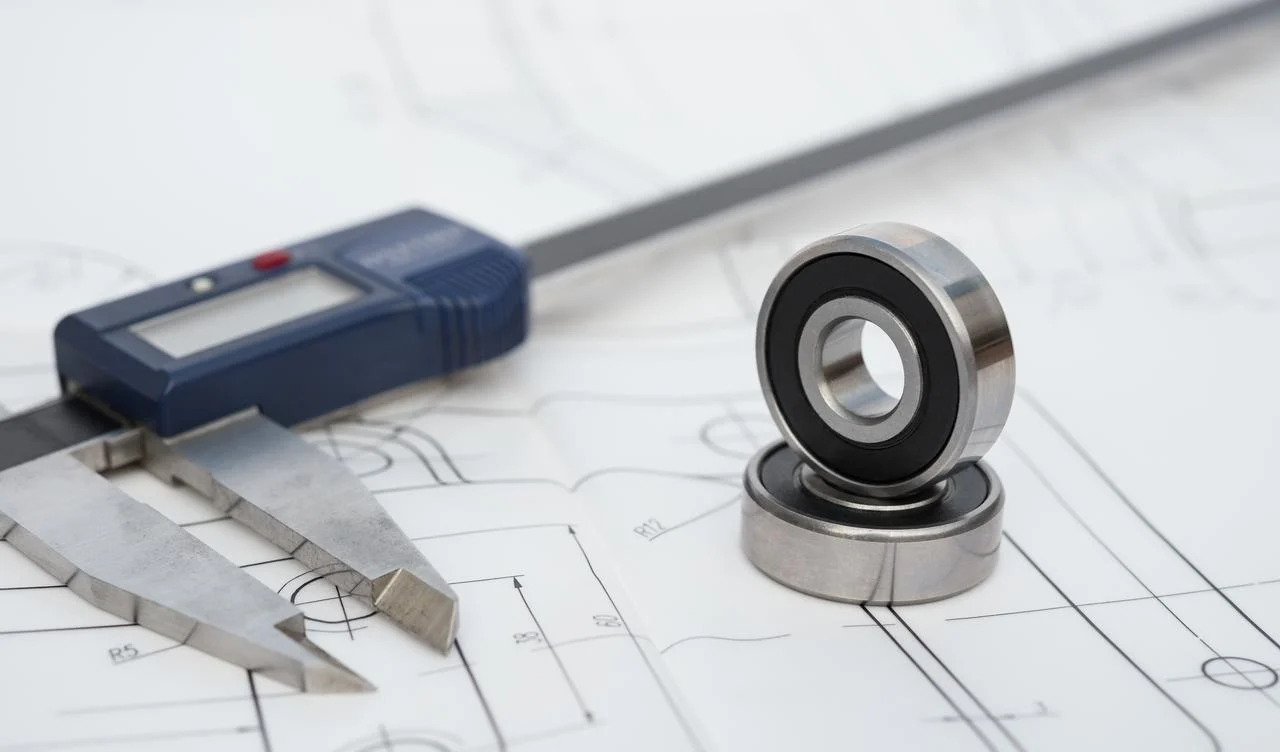
This article explains why. We will cover how drawings affect cost, quality, and delivery time. People who understand this get better quotes and faster service.
The CNC machining drawing is the Core of All Critical Information
Think of the CNC machining drawing as the contract between the person who designs the part and the person who cuts it. The drawing defines everything. Shape. Size. How rough or smooth the surface should be. How much error is allowed? Without these details, the factory is flying blind.
During the actual cutting process, every number on that CNC machining drawing matters. A tight tolerance changes the tool path. A specific surface finish requires a different feed rate. The geometry dictates which machine gets used. So when someone asks for a CNC quote, the factory needs to see the drawing first. No other way to assess the real difficulty of the job.

What Specific Information Does a CNC machining drawing provide?
A complete CNC machining drawing packs a lot of data into a small space. Here is what a factory looks for when preparing a CNC quote.
-
Dimensional tolerances
This is the big one. A part with plus-or-minus 0.1mm is easy. A part with plus-or-minus 0.01mm is hard. Tighter tolerances mean slower cutting speeds, more precise tools, and extra inspection steps. All of that adds time and cost.
-
Geometric tolerances (GD&T)
People sometimes ignore these. Bad idea. Flatness, perpendicularity, concentricity, true position—each symbol adds complexity. A hole that must be perfectly perpendicular to a surface is harder to machine than a hole that can be slightly tilted. The drawing spells this out.
-
Surface roughness requirements
A rough finish is fast and cheap. A mirror finish is slow and expensive. The CNC machining drawing specifies a Ra value. Lower numbers mean more polishing, specialized tool paths, or even secondary operations. All of that hits the CNC quote.
-
Material specifications
Aluminum cuts differently from stainless steel. Stainless steel cuts differently from PEEK plastic. Tool wear rates vary. Speeds and feeds vary. Cost varies. The drawing must call out the exact material. A factory cannot quote on “metal” or “plastic.” That tells them nothing.
Without these details, a manufacturer cannot determine whether a part is simple or highly complex, making it impossible to provide a reliable quote.
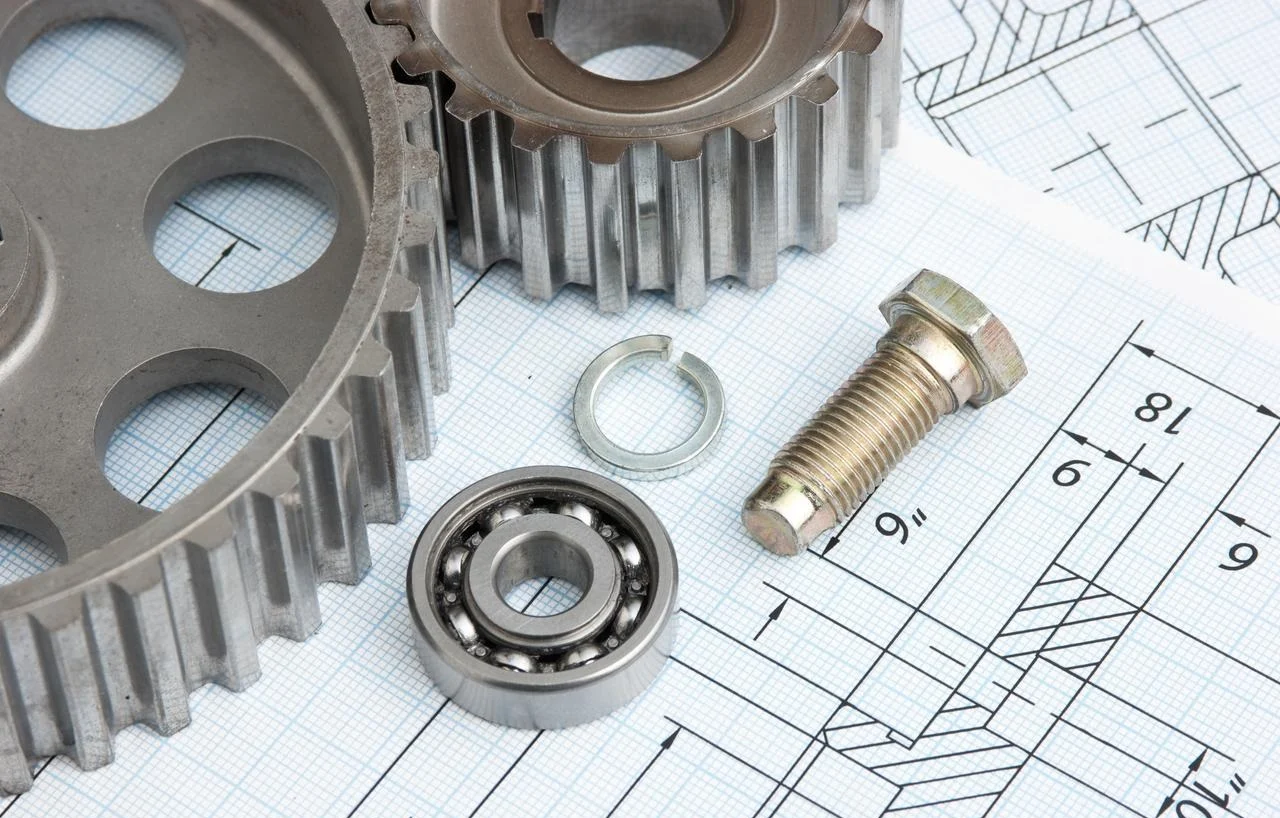
Manufacturing Processes Determine the CNC Quote Cost
Different shapes cost different amounts of money. A simple block with a few holes is cheap to make. A curved surface with tight tolerances is expensive. The drawing tells the factory which one they are dealing with.
A complex job might need multi-axis machining. Or special cutting tools. Or multiple setups where the part gets clamped, cut, unclamped, and reclamped. All of that eats machine time and drives up cost. The CNC machining drawing is what lets the engineer figure out which processes are needed. Milling, turning, drilling, and grinding—each one has a different price tag.
These process choices form the core of any accurate CNC quote. No drawing means no way to know the process mix. No process mix means no real number
Examples of How Process Choices Affect Pricing
To make this more concrete, here are three common scenarios:
| Part Feature | Required Process | Cost Impact |
| Simple block with drilled holes | 3-axis milling + standard drilling | Low to moderate |
| Curved surface with tight tolerances | 5-axis simultaneous milling | High (specialized machine and programming) |
| Cylindrical part with internal threads | CNC turning + thread milling or tapping | Moderate (multiple tools and setups) |
Additionally, some parts may require secondary operations such as:
- Heat treatment. This makes the part harder and more wear-resistant. It also adds days to the lead time and cost to the CNC quote. The oven does not run for free.
- Surface finishing.Anodizing, plating, and powder coating—each one adds material cost and handling labor. Some factories outsource this. Others do it in-house. Either way, the CNC machining drawing must specify the finish. Otherwise, the factory quotes blindly.
- Inspection and reporting. Some customers want a full-dimensional report. CMM measurements. Traceable documentation. This takes technician time. That time appears in the final CNC quote. A part that needs a report costs more than an identical part that does not.
All of these factors live on the CNC machining drawing. A skilled engineer reads the drawing and sees the whole production path. Material. Tolerances. Features. Secondary ops. Without that drawing, any CNC quote is a guess.
Material Cost Calculation in CNC Quote
A responsible factory does not guess on material cost. The engineer reads the drawing, sees the specified alloy, and calculates from there. Raw material price is one part of it. Machining difficulty is the other. Both hit the final number.
Different materials have different machining parameters. Feeds. Speeds. Tool selection. Coolant requirements. Tool wear rates. A material that chews up end mills every twenty parts costs more to machine than a material that runs all day on one tool. The CNC machining drawing tells the factory which case they are dealing with.
Common Material Examples and Their Cost Impact
Let us walk through a few typical examples. Same part geometry. Different materials. Very different CNC quote outcomes.
- Aluminum 6061: This is the baseline. Easy to cut. Low tool wear. Inexpensive raw material. Fast cycle times. For many prototypes and production parts, this is the most cost-effective choice.
- Stainless steel 316: Harder material. Slower cutting speeds required. More rigid tooling is needed. Generates heat during machining, which means careful coolant management. Tool wear is higher. Production cost goes up. The CNC quote for stainless will be noticeably higher than that for aluminum, even for the same part shape.
- Titanium alloys: This is where costs climb fast. Titanium is strong, lightweight, and difficult to machine. It work-hardens. It reacts with tooling. Cutting speeds must be reduced significantly. Tool life is short. The CNC machining drawing might show a simple bracket, but the material changes everything. Expect a substantial increase in the CNC quote.
- Exotic materials: Inconel or PEEK. These are specialty items. Inconel is a high-temperature superalloy. It eats standard tooling for breakfast. PEEK is a high-performance plastic. The raw material itself is expensive. Both require specialized expertise. Not every factory can handle them. The CNC quote will reflect the raw material cost, the specialized tooling, and the skilled labor required.
Precision and Tolerance Considerations
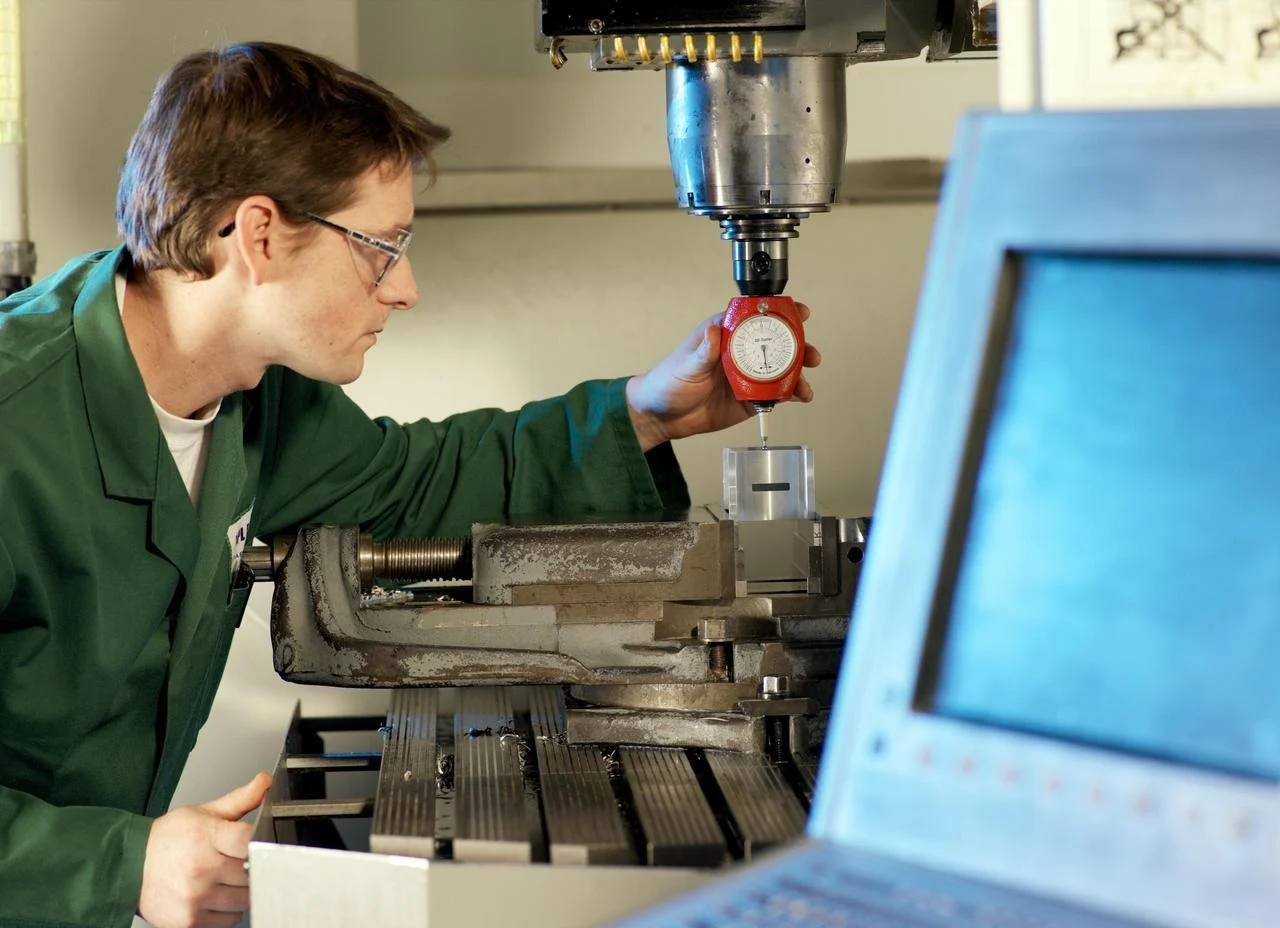
The dimensional and geometric tolerances marked on the drawing are critical indicators in CNC machining. Higher precision requirements demand more accurate CNC equipment, stricter quality control procedures, and potentially lower machining efficiency. A responsible machining factory must allocate resources according to these requirements to ensure the final machined part fully meets specifications.
The Relationship Between Quantity and Efficiency
Batch size changes the price. One part costs more per piece. A thousand parts cost less each. This affects the CNC quote directly.
How Quantity Changes the Cost Structure
The CNC machining drawing tells the factory how to plan. Small batches mean setup time eats most of the cost. Programming. Fixtures. Tool setup. That work takes hours. Spread across five parts, each one pays a share. The per-unit price stays high.
Larger batches change the math. One hundred parts spread the same setup cost thinner. The factory might build a simple fixture or optimize toolpaths. The CNC quote per part drops.
At one thousand pieces, the factory thinks about automation. Dedicated fixtures. Multi-part setups. The CNC machining drawing shows whether the part geometry allows this. Simple parts scale well. Complex parts do not.
Without the drawing, no one can tell the difference. The CNC quote becomes a guess. Guesses lead to bad numbers.
Avoiding Potential Technical Risks
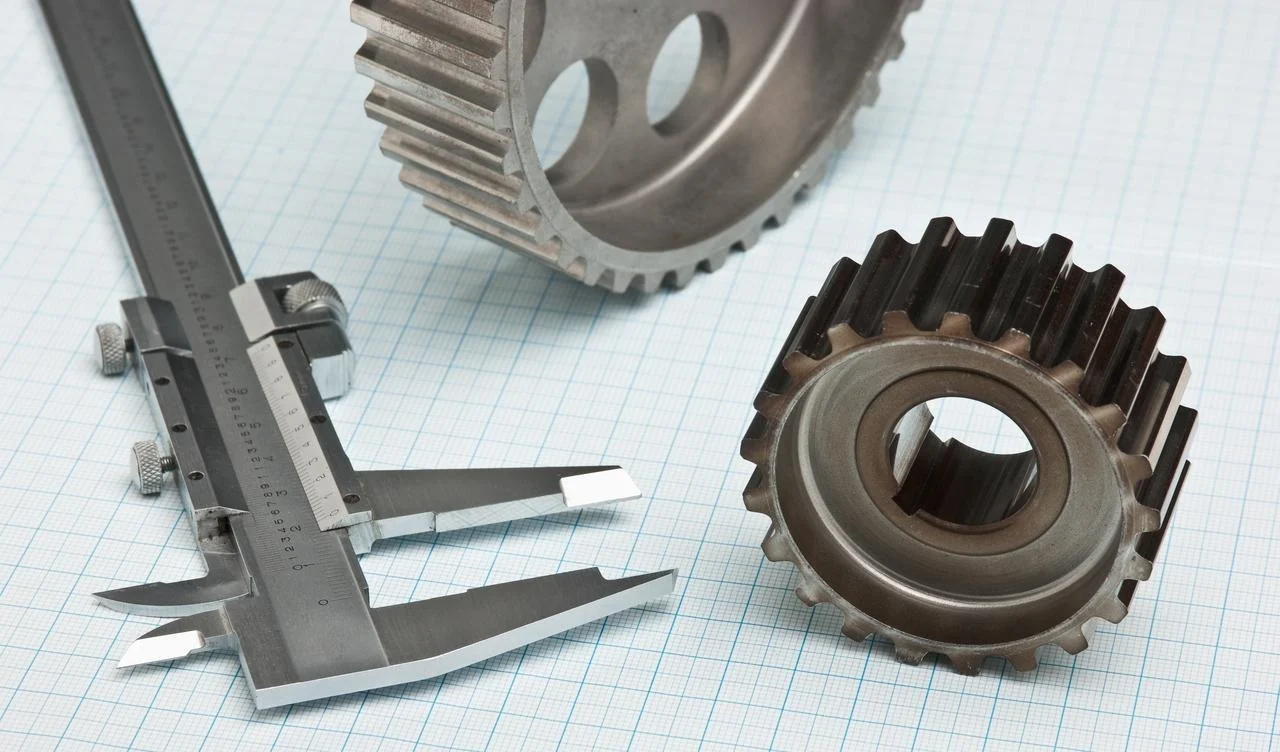
Asking for a drawing before giving a CNC quote is not just about pricing. It is also about avoiding trouble. A good factory reviews the CNC machining drawing and spots problems before they hit the machine.
Common Design Issues Caught During CNC Machining Drawing Review
Deep, Small-Diameter Holes With Tight Tolerances
The hole is narrow. It is deep. The tolerance is tight. Machining this requires a special long-reach tool. The tool wants to wander or break. Cutting speeds drop to a crawl. The CNC quote goes up. A good factory will flag this and ask if the hole can be larger, shallower, or looser.
Sharp Internal Corners
A standard end mill is round. It leaves a radius in the corner. But some CNC machining drawings call out a sharp inside corner. This is not possible with conventional machining. The factory has to use EDM or a different process. Cost jumps. The better solution is to add a small relief or specify a corner radius that matches a standard tool size.
Unnecessarily Tight Tolerances On Non-Critical Features
Some drawings call out plus-or-minus 0.01mm on every dimension. Even on surfaces that do not matter. The factory sees this and knows the cost will be high for no reason. A quick conversation often reveals that plus-or-minus 0.1mm is fine for those features. The CNC quote drops.
Missing Or Incomplete Callouts
A CNC machining drawing might specify a material but not a hardness. Or a finish, but not a specific Ra value. The factory cannot quote accurately without this. Better to ask before cutting metal than to guess and deliver the wrong part.
The upfront review is a risk control mechanism. The factory identifies problems early. The customer gets a chance to fix the design or accept the cost. The project runs more smoothly. No surprises. No scrapped parts. Just a CNC quote that reflects reality and a final part that matches expectations.
Conclusion
Asking for a drawing before giving a CNC quote is not a hassle. Firstly, this enables customers to fully understand the rationale behind the price. Secondly, a complete and detailed CNC machining drawing can help to prevent unexpected issues to some extent.
About NOBLE: Precision CNC Machining & Reliable CNC Quotes
Who We Are
NOBLE is a CNC machining factory. But we do more than manufacturing. We offer a complete manufacturing chain. Design support. Prototyping. Small batch runs. Large batch production. Assembly services. The goal is simple. One supplier. One point of contact. No juggling multiple vendors.
Our Core Capabilities
Full-Process Support: From Design to Assembly
Unlike factories that only handle cutting, we support the entire product lifecycle:
Many factories only handle the manufacturing step. We cover the whole lifecycle.
- Design assistance. DFM feedback. We look at the CNC machining drawing and suggest changes. Lower cost. Easier production. No guesswork.
- Prototyping. Fast turnaround. Functional parts for real testing. Design validation before committing to high volumes.
- Small to large batch production. One piece for R&D. Ten pieces for a pilot run. Thousands for mass production. We handle all of it.
- Assembly services. Part consolidation. Hardware insertion. Sub-assembly. Less work for the customer downstream.
Certifications and Quality Assurance
ISO 9001:2015 – Quality Management System
This certification means we follow documented processes. Purchasing. Machining. Inspection. Traceability. Consistent quality is not an accident. It is built into every step.
ISO 13485:2016 – Medical Device Quality Management
This one is stricter. It adds requirements for risk management, design controls, and documentation. For medical components, surgical instruments, or dental devices, this certification matters. It ensures compliance with regulatory expectations.
FAQ
I only have a 3D model (STEP/IGES) but no 2D drawing. Can I still get a quote?
Yes. Many factories work from a 3D model alone. But there is a catch. A CNC machining drawing carries information that the model does not show. Tolerances. Surface finish requirements. Special notes. Which edges get broken? Which threads are critical?
Without a drawing, the factory assumes standard tolerances. Those defaults may not match what the part actually needs. So, a CNC quote based only on a 3D model is possible but less precise. Adding a CNC machining drawing is always better.
If you only have either 2D or 3D drawings, NOBLE’s structural engineers will create the missing drawings for you.
How quickly can I get a quote after submitting a drawing?
For standard parts, we respond within 24 hours. The estimator reviews the CNC machining drawing. Checks dimensions. Notes tolerances. Identifies materials. Runs the numbers.
Complex parts take longer. Many tight tolerances. Special surface finishes. Unusual materials. Engineers need time to plan the machining strategy before giving a CNC quote. Expect one to two days for those jobs. Good factories do not rush this step. Rushing leads to wrong numbers.
Do I have to pay for the quoting process?
NOBLE gives a free CNC quote based on the CNC machining drawing. No charge to review the drawing and provide a number.
However, some additional services may carry a fee. Design assistance. Detailed DFM feedback. A full process plan with toolpath strategies. For these, we charge a small engineering fee. But the basic quote? Free. People should not pay just to get a number.