Silicone injection molding isn’t the same as plastic injection molding. Plastic melts and flows. Silicone is a liquid that’s been chemically solidified. The machine mixes and heats the silicone parts directly, and then they solidify. You don’t need to melt raw materials or go through a cooling cycle.
This paper looks at the process steps, performance advantages, and industries where key components depend on silicone rubber molding. You’ll find out why the rules of silicone are different from those of plastic, and how to apply this knowledge in factory workshops.
What Are Injection Molded Silicone Parts?
The operator mixes two liquids. The machine pushes it into the hot mold. Then the parts in the mold can be solidified and pushed out. That is silicone injection molding in one sentence.
Two material families exist. LSR is Liquid Silicone Rubber. This kind of silica gel cures quickly. It dominates high-volume silicone rubber molding. HCR is high-quality rubber. Its texture is more stable than LSR and looks like dough. It needs compression molding, not injection molding. Most injection-molded silicone parts use LSR because the process itself will run automatically.
The characteristics of silicone injection molding will be reflected in various applications: flexible but tear-proof, thermal stability range from- 50 °C to 200°C, chemical inertia, no smell, parts will recover after compression, and air and liquid can be reliably sealed.
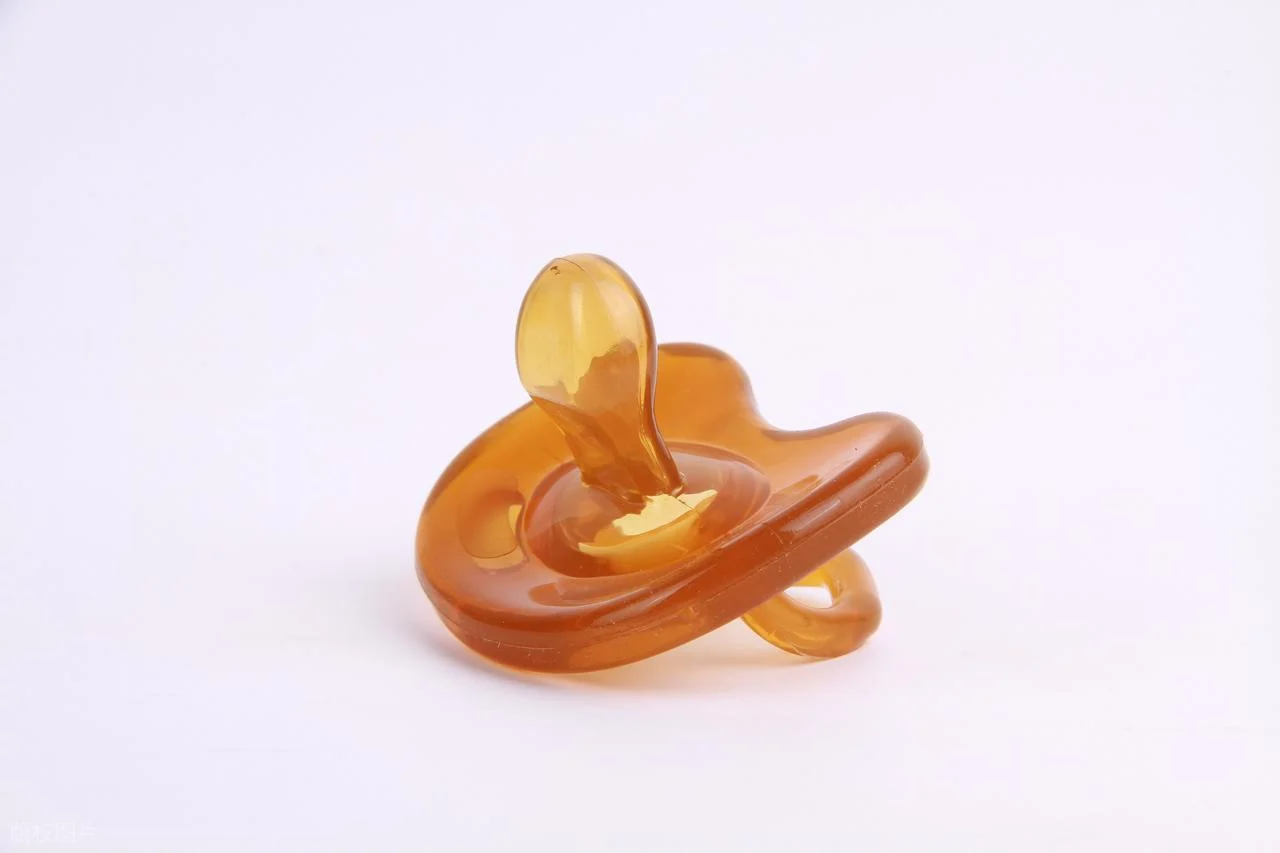
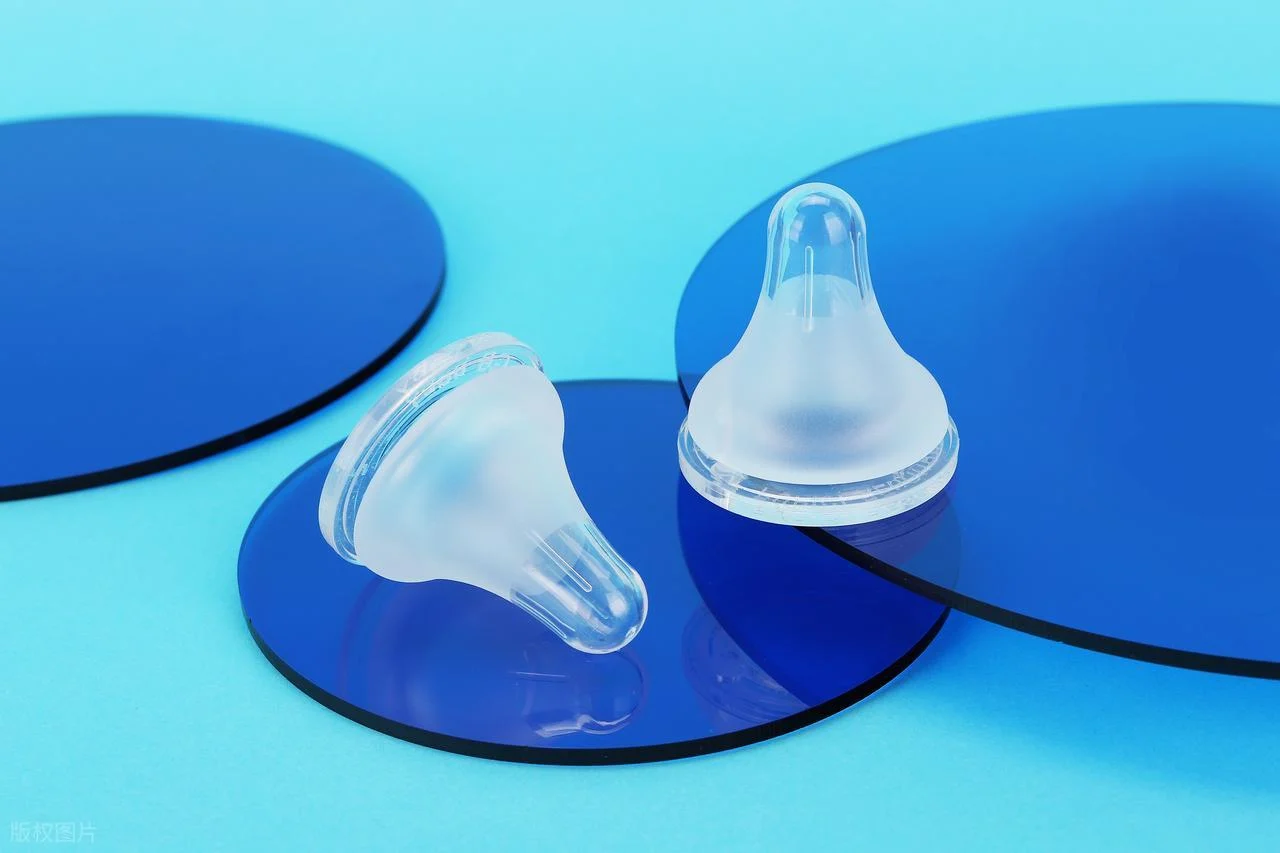
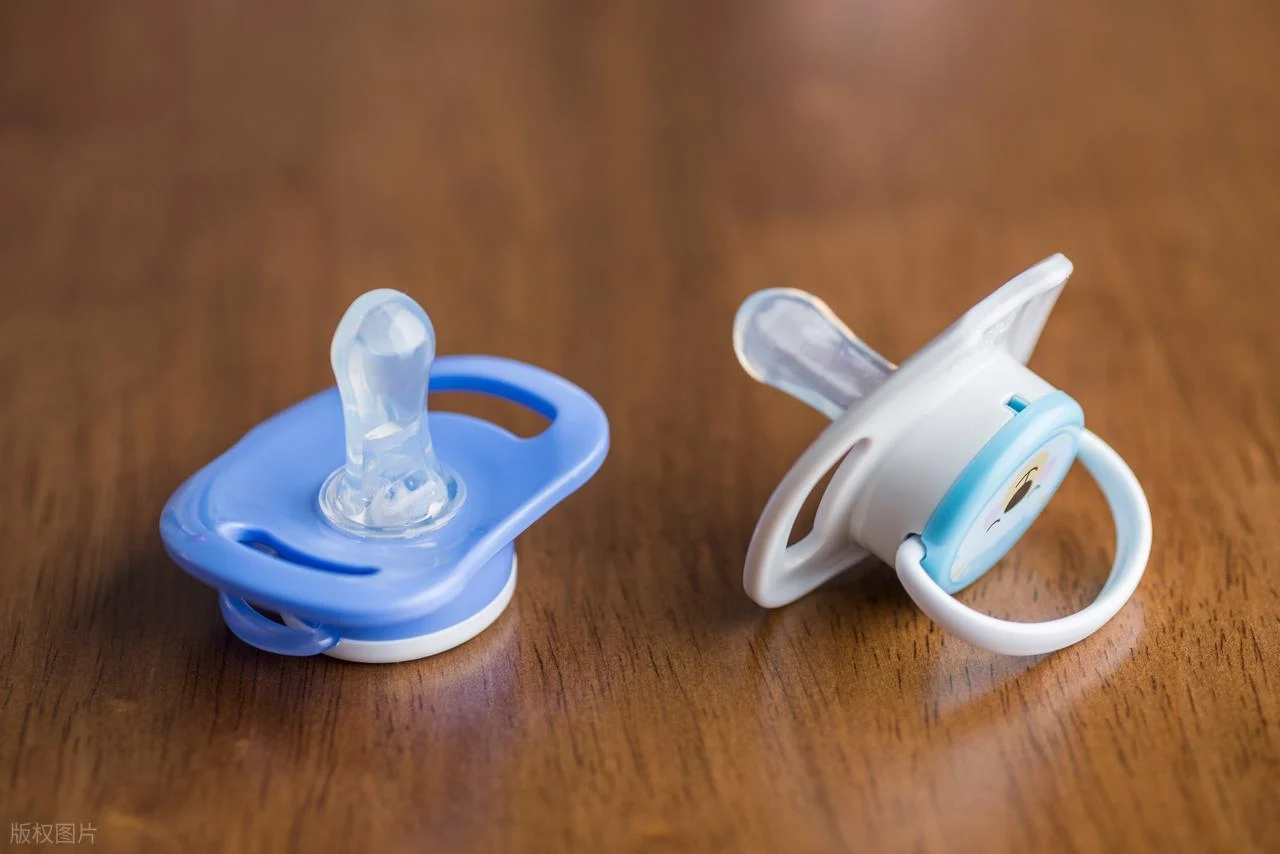
Everyday examples surround the consumer. Such as baby bottle nipples, Medical face mask seals, Keypad buttons on kitchen scales, Gaskets for espresso machines, and O-rings for water filters. All are injection-molded silicone parts produced at scale. The user never thinks about the manufacturing method. That is good design.
The Injection Molding Process for Silicone Parts
Making injection-molded silicone parts follows a different rhythm than plastic. The steps are the same on paper. The details are completely different. Let’s walk through each phase.
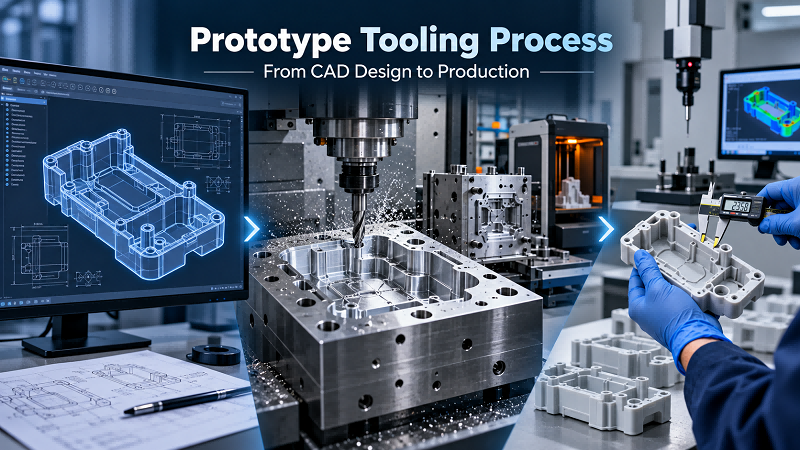
Phase 1: Mold Fabrication
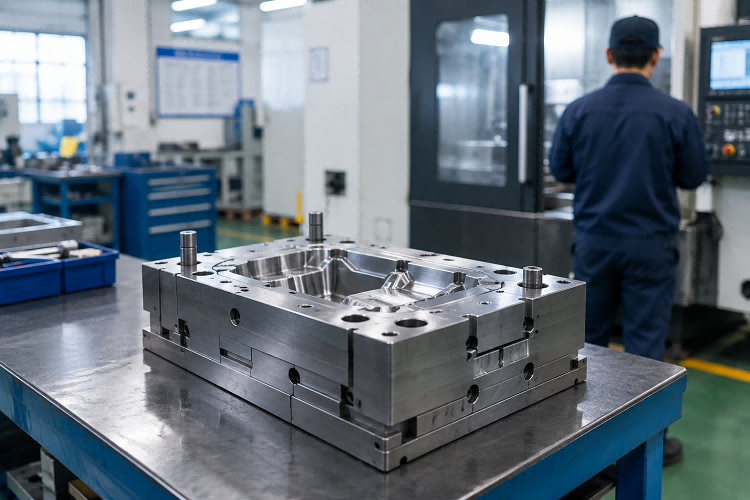
An LSR mold is not a plastic mold. LSR molds need perfect sealing. The material is thin, which makes it prone to leaking.
Venting is the challenge. Too little venting, and air gets trapped. Too much venting, and silicone leaks out. Finding the balance is the mold engineer’s skill.
CNC machining cuts the cavity shapes. EDM—Electrical Discharge Machining—creates the fine details and sharp corners that cutters cannot reach. Both methods are necessary.
Cold runner systems are standard. The material stays cool as it travels from the injection unit to the cavity entrance. Then it hits the hot mold and cures.
Phase 2: Material Preparation & Metering
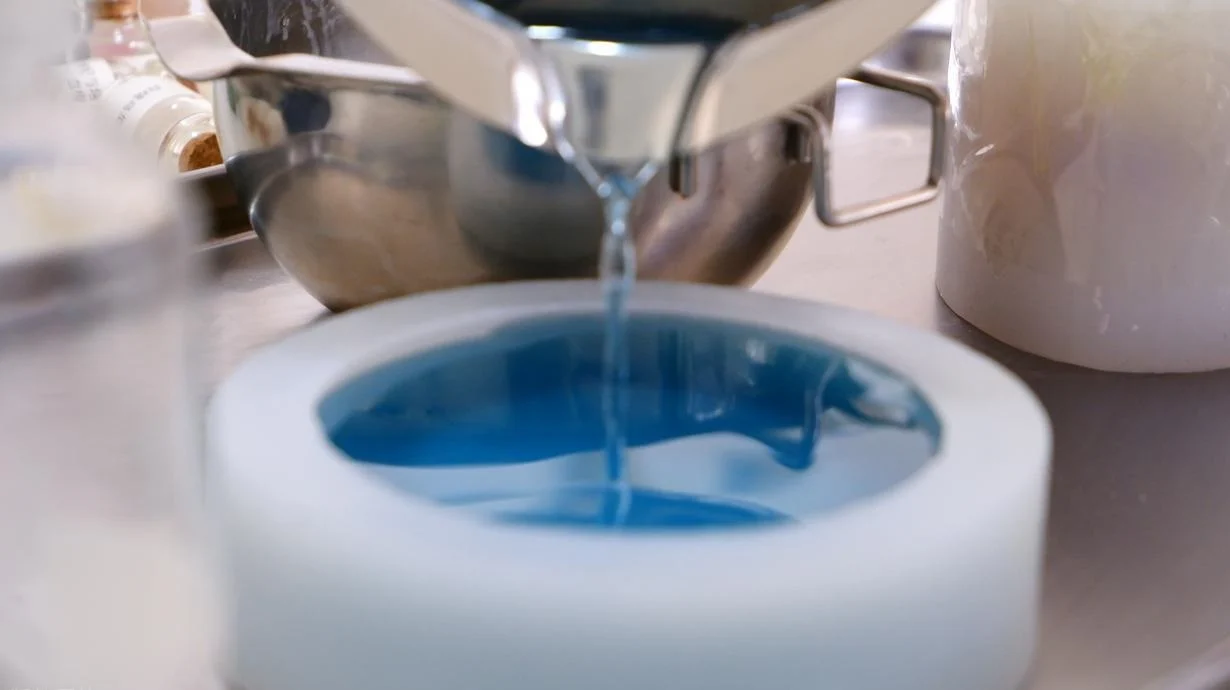
LSR comes in two drums. Part A contains the base polymer and the platinum catalyst. Part B contains the cross-linker and the filler. The machine pumps both. A static mixer blends them at a precise 1:1 ratio. No air gets in. No contamination occurs.
The injection unit will be cold instead of at room temperature. If the material gets hot, it will start curing ahead of time.
Pigments or additives are added in the mixing stage. The injection device will adjust the color and lubricity. and antimicrobial properties according to the preset standards.
Phase 3: Injection into the Mold
Thermoplastics are injected at high pressure—thousands of PSI. Silicone rubber molding uses low pressure (a few hundred PSI is enough). The material flows easily. The mold does not need massive clamping force.
The cold runner system guides the mixed LSR toward the heated cavities. At the gate, the temperature jumps. Curing starts immediately.
A vacuum port pulls air out of the cavity before injection. No air bubbles mean no voids. No voids mean consistent mechanical properties. This step separates quality parts from scrap.
Phase 4: Curing (Vulcanization)
Heat activates the reaction. Mold temperature runs between 150°C and 200°C (300°F to 425°F). The platinum catalyst drives cross-linking. Silicone chains bond together. The liquid turns into a solid elastomer.
Cycle times are short. Ten seconds for a thin-walled part. Ninety seconds for a thick, complex shape. Most injection-molded silicone parts cure in under a minute.
Phase 5: Demolding & Finishing
Ejection is delicate. Pins would puncture the soft material. Air blasts lift the part off the cavity. Ejector plates push evenly from behind. No marks. No damage.
Some parts go straight to packaging. Others need post-curing. An oven runs at 150°C to 200°C for two to four hours. The heat completes the cross-linking reaction. Mechanical properties stabilize. Compression set improves.
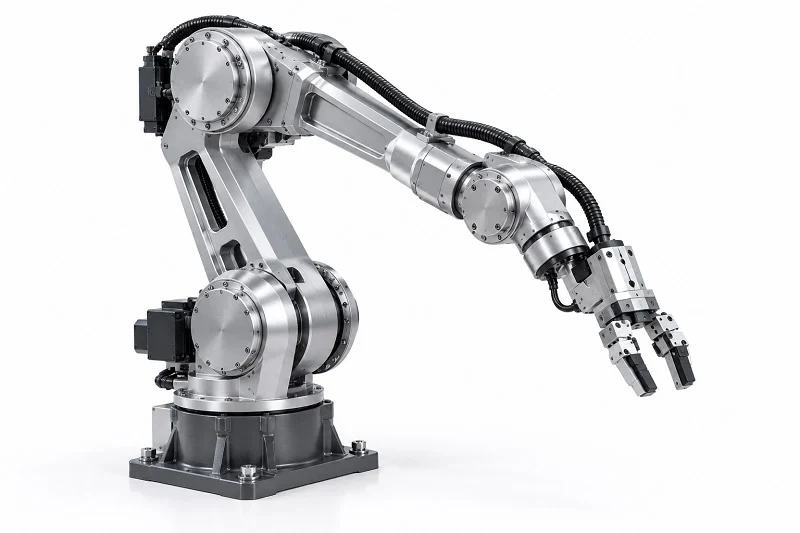
Automation is common. Robots pull parts from the mold, then place them on cooling racks. Silicone injection molding runs lights-out in many factories. The material behaves consistently. The machine repeats the same cycle. Humans just need to monitor and refill.
Key Benefits of Using Injection Molding for Silicone Parts
Silicone injection molding is not the cheapest process. It is not the fastest to set up. But the benefits justify the cost for the right applications.
High Precision & Complex Geometries
Tolerances down to ±0.01 mm are routine. Not special. Not difficult. Thin walls, functional undercuts, and intricate surface features come out of the mold ready to use.
Minimal Waste & No Flash
The closed mold system contains the material. Little excess escapes. What does escape mean? It tears off easily. Most injection-molded silicone parts require no post-processing trimming. The runner system stays liquid. It gets reused on the next shot. Waste is near zero.
Fast Cycle Times
Fifteen to sixty seconds per shot. That includes injection, curing, and demolding. Thick parts take longer. Thin parts fly. For high-volume production, this speed completely changes the economics.
Fully Automated Process
The machine meters and mixes the two components in a closed loop. The ratio stays exact. Contamination risk drops because no operator handles open material. Labor cost per part is very low. One person runs multiple machines.
Excellent Material Properties
Temperature range from -50°C to +230°C. Autoclavable. Biocompatible to ISO 10993 for medical contact. Resists chemicals, UV radiation, and ozone. Compression set stays low. The part bounces back after years of squeezing.
Minimal Shrinkage
Post-cured parts shrink less than 0.5%. That is stable. That is predictable. Designers can trust the final dimensions without guesswork.
Cleanroom Compatible
Silicone injection molding runs in ISO Class 7 or Class 8 cleanrooms. No particulates. No contamination. Medical implants, drug delivery components, and pharmaceutical seals come out ready for sterilization.
Overmolding Capability
The machine can inject LSR directly onto plastic or metal inserts. The silicone bonds chemically during curing. No adhesives. No primers. A rigid handle with a soft grip comes out as one piece. A medical connector with a silicone seal over a metal pin comes out fully assembled. That is the overmolding advantage.

Industries That Use Injection Molded Silicone Parts
Injection-molded silicone parts show up everywhere. The material properties fit certain jobs better than any alternative. Here is where they go.
Medical & Healthcare
Respiratory masks need a soft face seal. Catheters require smooth, biocompatible surfaces. Syringe seals must not leak or shed particles. Implantable device components demand absolute purity and long-term stability. Surgical instrument grips add comfort without trapping bacteria. Baby bottle nipples and pacifiers are silicone because it has no taste and no allergen risk.
Automotive & Electric Vehicles
Engine seals and gaskets live in hot oil. O-rings seal fluids and gases. High-voltage EV connector seals protect electrical contacts from moisture. Vibration dampeners mount between metal brackets. Battery pack seals keep water and dust out of lithium-ion packs. Under the hood, silicone lasts longer than rubber.
Electronics & Consumer Goods
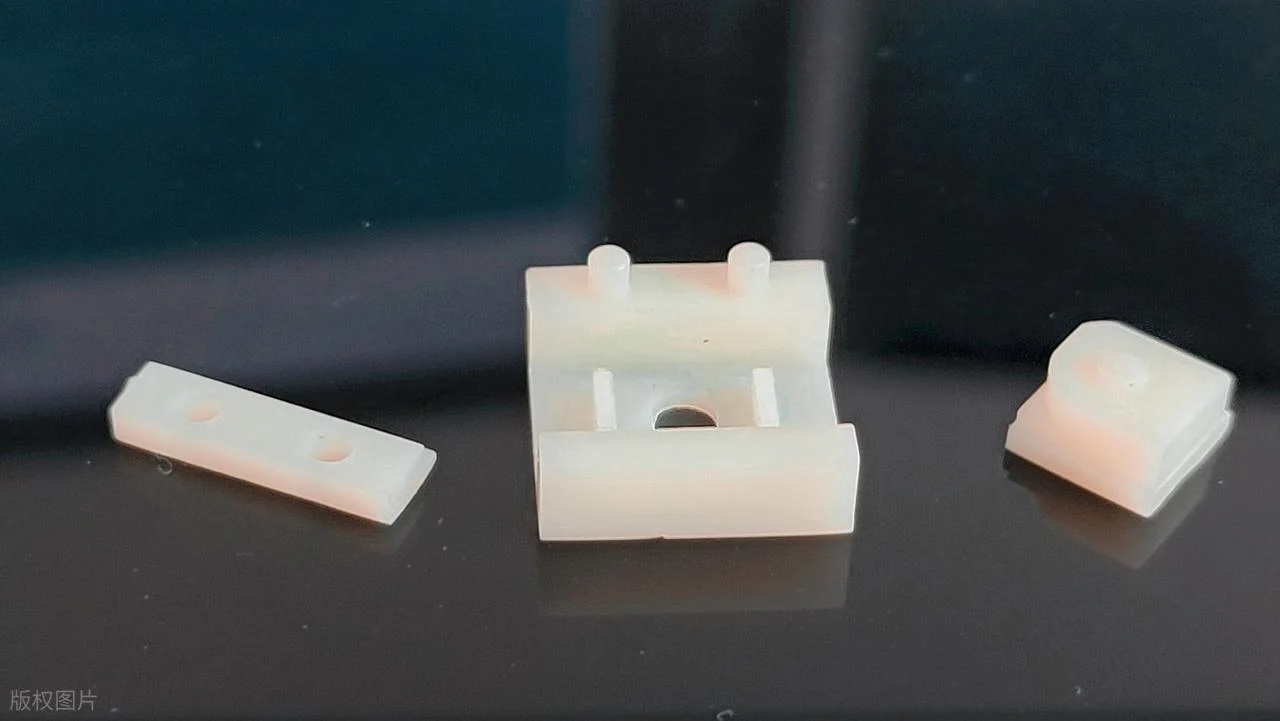
Waterproof seals for smartwatches and smartphones keep moisture out of expensive electronics. Keypads and buttons need a soft, positive feel. Soft-touch grips make tools and appliances comfortable to hold. Protective covers and cable management accessories use silicone for its flexibility and durability. The part must survive drops. It must not crack or tear.
Food & Baby Products
Baking mats and spatulas see high heat. Ice cube trays flex without breaking. Food container seals create airtight closures. Baby bottle nipples and teething toys go into mouths. FDA compliance is mandatory. No toxic additives. No BPA. No phthalates. Silicone rubber molding meets those rules.
Industrial & Aerospace
Industrial sealing systems handle chemicals and pressure. Membranes control fluid flow. Aerospace seals face jet fuel and UV radiation at altitude—Fluorosilicone grades solve that specific problem. Construction seals sit between building panels. Fluid control components manage water, air, and aggressive media. The common thread is durability. These parts fail slowly.
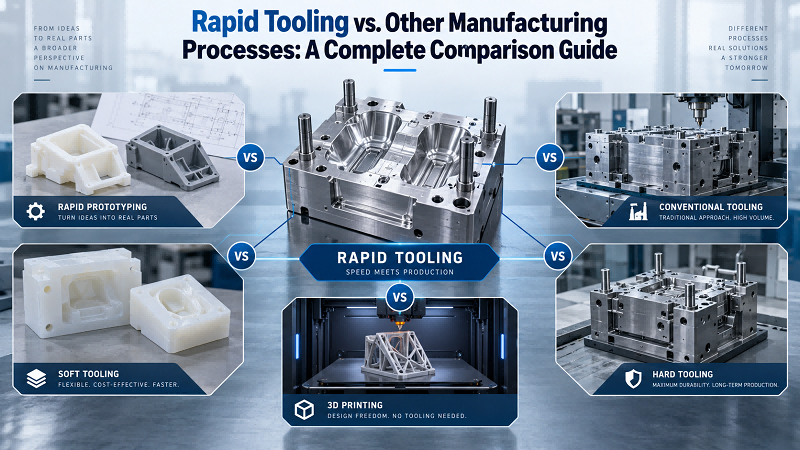
Silicone Injection Molding vs. Other Manufacturing Methods
Not every silicone part needs silicone injection molding. Other methods exist. Each has a place. The table below shows the trade-offs.
| Factor | LSR Injection Molding | Compression Molding | Transfer Molding |
| Cycle time | 15–60 seconds | 2–5 minutes | 1–3 minutes |
| Automation | Fully automatic | Manual or semi-auto | Semi-automatic |
| Waste | Very low (cold runner) | High (flash, overflow) | Moderate |
| Part complexity | High (undercuts, thin walls) | Low to moderate | Moderate |
| Tolerances | ±0.01 mm achievable | ±0.1 mm typical | ±0.05 mm typical |
| Tooling cost | High | Low to moderate | Moderate |
| Volume suitability | High volume (10k–millions) | Low to medium volume | Low to medium volume |
LSR Injection Molding vs. Compression Molding
Compression molding is old school. A pre-formed block of solid silicone rubber—HCR—goes into an open mold. The mold closes. Heat and pressure force the material to fill the cavity. The operator trims flash by hand.
Silicone rubber molding by compression is cheap for low volumes. Tooling costs are low. Simple shapes work fine. But cycle times are long. Waste is high. Automation is difficult. For complex geometries or high volumes, silicone injection molding wins every time. The part comes out clean. The runner system wastes nothing.
LSR Injection Molding vs. Transfer Molding
Transfer molding is a hybrid. The material sits in a pot above the cavity. A plunger pushes it through a sprue and into the mold. It cures. The operator removes the part and the leftover cull.
The advantage? Transfer molding handles inserts better than compression. The material flows into the cavity under pressure, not just by squeezing. The disadvantage? Waste remains. The sprue and cull are cured material that cannot be reused. Cycle times are longer than injection. Automation is limited. For medium volumes with inserts, transfer molding makes sense. For high volumes, no.
LSR Injection Molding vs. 3D Printing Silicone
3D printing silicone exists now. The technology is real. But it is slow. A single part takes hours. Surface finish is rough. Mechanical properties are inferior to those of molded parts.
When to choose 3D printing? Prototypes. One-off parts. Designs that change every week. When to choose silicone injection molding? Production. Any volume above a few hundred pieces. Any part requiring tight tolerances or a smooth surface. Any application where the part must perform reliably for years.
Design Considerations for Injection Molded Silicone Parts
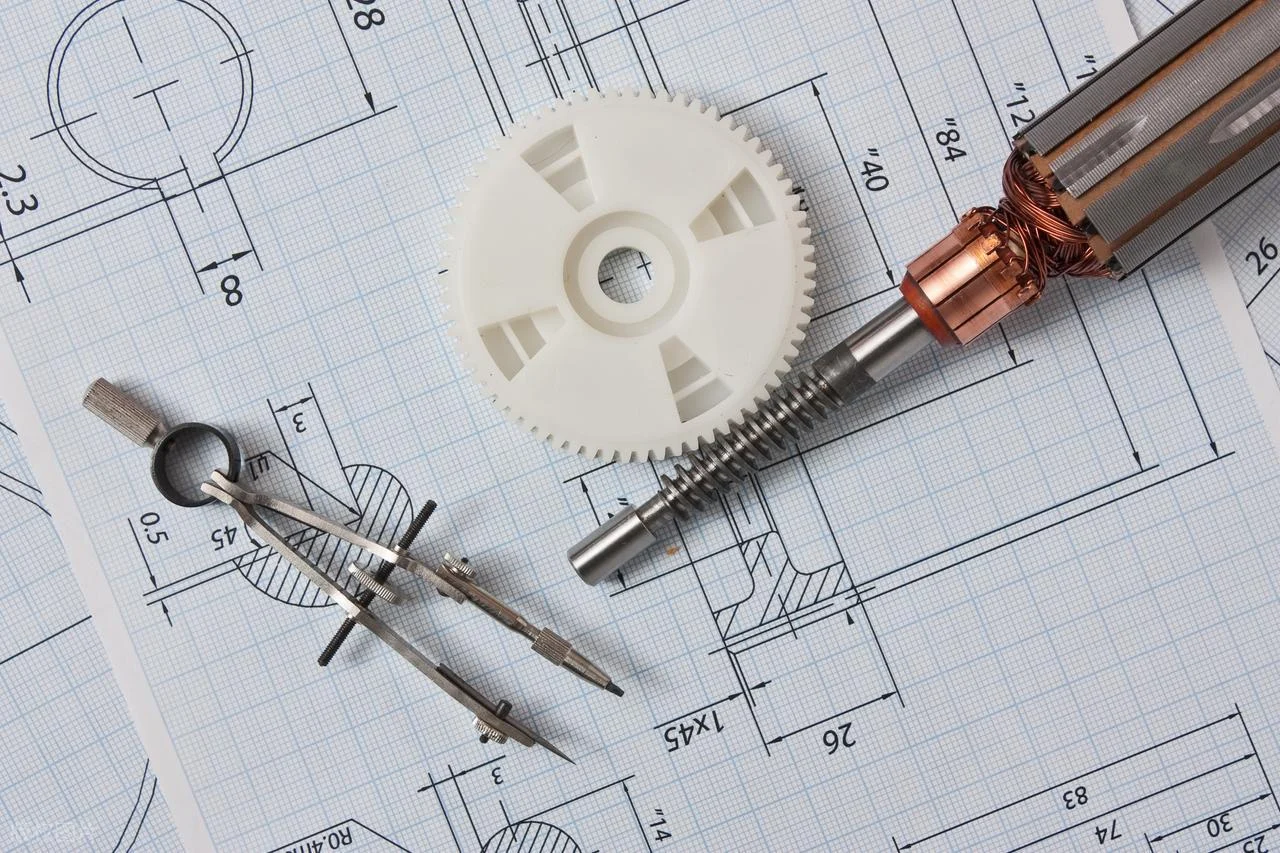
Designing for silicone injection molding is not the same as designing for plastic. The rules overlap. But the differences matter.
Minimum wall thickness
Thin walls are fine. Silicone flows easily. A minimum of 0.5 mm works for small parts. Large parts need more—1.0 mm to 1.5 mm. Go thinner than 0.4 mm, and the material may not fill the cavity before curing starts. The risk is shorts. Incomplete parts.
Draft angles for demolding
Silicone is flexible. It stretches. That helps. But draft angles still matter. One to two degrees is usually enough. For deep cavities or textured surfaces, add more. Three degrees. Maybe five. The part must release without tearing. The mold designer will thank you.
Avoiding sharp corners
Sharp inside corners concentrate stress. The part tears there. It tears during demolding. It tears during use. Add a radius. 0.3 mm minimum. 0.5 mm is better. The mold maker can cut a radius more easily than a sharp corner anyway.
Integrating undercuts
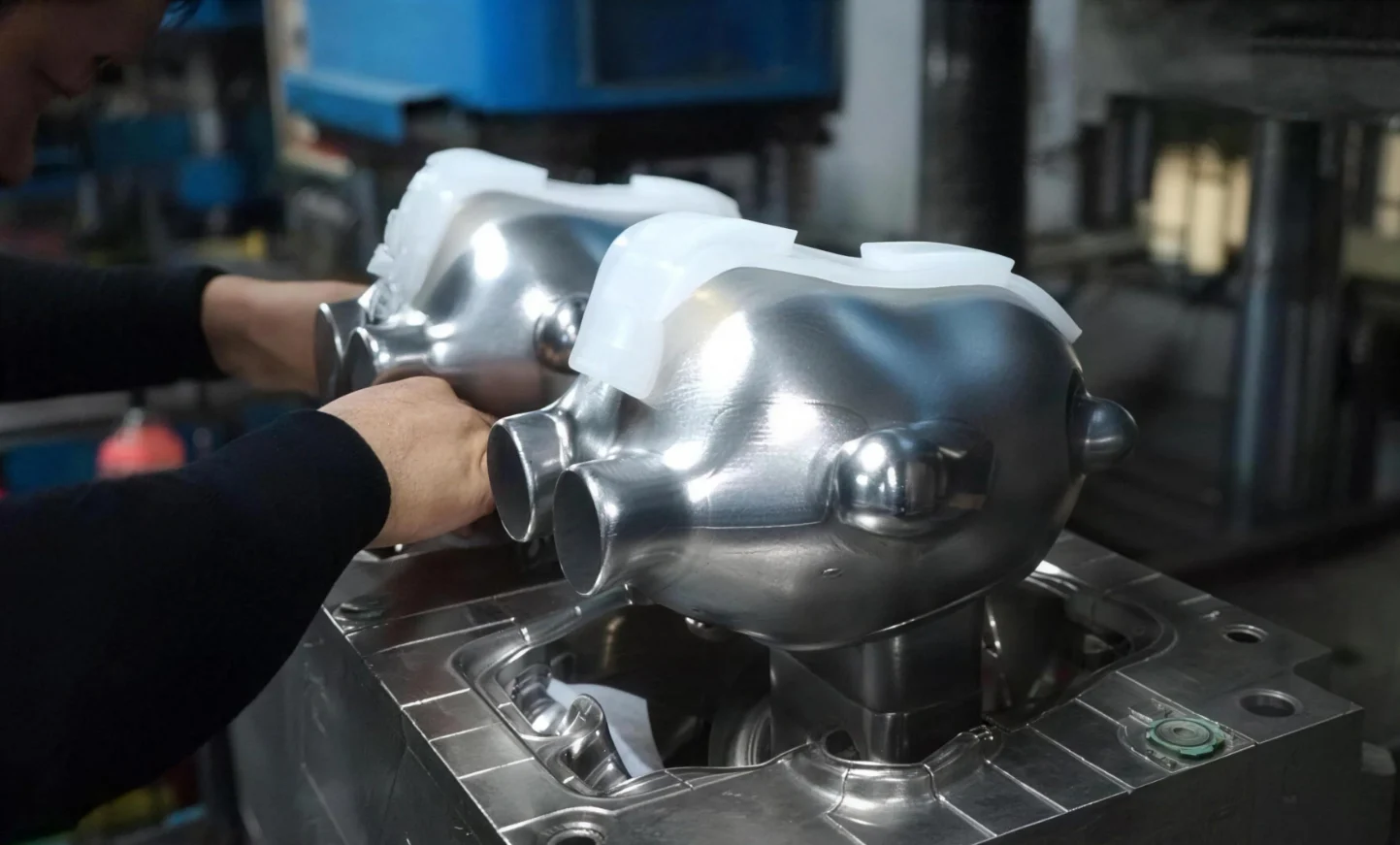
Here is where silicone differs from plastic. Undercuts are not automatic problems. The part is flexible. It can stretch over a core or snap out of a cavity. But there are limits. The undercut must be shallow enough to release without permanent deformation. A good rule? Undercut depth no more than half the wall thickness. Test it in the design. Simulate the demolding. Do not guess.
Parting line placement
The parting line is where the two mold halves meet. On a silicone part, a thin flash line forms there. It is usually removable. But placement still matters. Keep the parting line off cosmetic surfaces. Keep it away from sealing surfaces. Put it on an edge or a corner where the flash is easy to trim.
Venting requirements
Silicone traps air. The mold needs vents—tiny channels that let air escape as the material fills the cavity. Without vents, air bubbles form. The part looks bad. It may fail in service. Vent depth is critical. Too shallow, and air cannot escape. Too deep, and silicone leaks out, creating a flash. The standard vent depth for injection-molded silicone parts is 0.01 mm to 0.02 mm. That is tiny. It requires precision mold making.
Follow these rules. The mold will work. The parts will release cleanly. Scrap rates will stay low. Ignore them, and silicone rubber molding becomes a troubleshooting exercise instead of a production process.
Why Choose NOBLE for Your Injection Molded Silicone & CNC Machined Components?
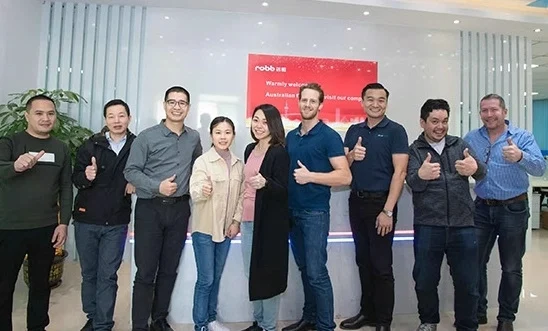
Picking a manufacturing partner is not easy. The wrong choice costs time and money. NOBLE runs silicone injection molding and CNC machining under one roof.
Many factories only handle production. They take a drawing and ship parts. NOBLE starts earlier. Design consultation happens before steel is cut. DFM reviews catch problems early. Assembly and packaging finish the job.
Our Core Manufacturing Capabilities
Injection Molding
- Liquid Silicone Rubber (LSR) injection molding for medical, automotive, electronics, and consumer goods
- Thermoplastic injection molding for rigid components and overmolding applications
- Multi-material molding (LSR overmolded onto plastic or metal inserts)
- In-house mold fabrication and maintenance
CNC Machining
- Precision CNC milling and CNC turning for metal and plastic parts
- Rapid prototyping and low-to-high volume production
- Tight tolerances down to ±0.005 mm
- Capability to produce custom mold tooling for injection molding
Value-Added Services
- Design for Manufacturing (DFM)review and optimization
- Prototyping to validate designs before mass production
- Assembly of finished components into sub-assemblies or complete products
- Packaging and logistics tailored to your requirements
Certifications That Matter
NOBLE operates under internationally recognized quality management systems, ensuring consistent, traceable, and compliant manufacturing.
| Certification | Scope |
| ISO 9001:2015 | Quality management for all manufacturing processes, including injection molding and CNC machining |
| ISO 13485:2016 | Medical device manufacturing quality management—essential for silicone parts used in healthcare, surgical, and diagnostic applications |
These certifications mean you can trust NOBLE to deliver parts that meet stringent regulatory requirements, whether you serve the medical, automotive, electronics, or industrial sectors.
FAQ
Schema markup is recommended for this section
Can any silicone be injection molded?
No. Only liquid silicone rubber (LSR) with low viscosity works for silicone injection molding. Solid HCR silicones require compression or transfer molding instead.
How long do LSR molds last?
A properly built steel mold can produce 500,000 to over 1,000,000 parts. Mold life depends on part complexity, material abrasiveness, and maintenance quality.
Is LSR injection molding expensive?
Tooling costs are high, but per-part costs drop sharply at volume. For high production runs, the process becomes very economical.
What’s your minimum order quantity?
We have no fixed minimum, but low volumes under 1,000 parts rarely justify the tooling investment. Many suppliers prefer runs of 5,000 to 10,000 parts or more.
Can LSR be overmolded onto plastic?
Yes. LSR bonds chemically to certain engineering plastics during curing. No adhesive is required when the materials are selected correctly.
Is LSR food-safe and medical-grade?
Many LSR grades are FDA-compliant for food contact and ISO 10993 certified for medical use. Always check the specific grade certification for the target application.
How does platinum-cured silicone differ from peroxide-cured?
Platinum-cured silicone uses a noble metal catalyst and produces no byproducts, making it cleaner and biocompatible. Peroxide-cured silicone leaves trace chemical residues and is rarely used for medical or food applications.