Introduction
Modern industry pushes materials to their limits. Parts must be able to withstand extreme temperatures, maintain complex shapes, and deliver reliable performance over thousands of cycles. The materials themselves must realize their full mechanical potential without any defects.
Traditional casting methods often fail to meet these requirements. Porosity forms in castings, oxidation causes surface embrittlement, and inclusions contaminate the internal structure. Parts may appear intact, but they fail during actual use.
Vacuum lost-wax casting directly addresses these issues. By excluding the atmospheric environment, the molten metal remains pure; no porosity forms during solidification. The resulting parts meet the application requirements of the aerospace, medical, and power generation sectors. Vacuum lost-wax casting is chosen when the performance requirements are too high for any other method.
Why Use Vacuum Lost-wax Casting Instead of Conventional Casting?
Vacuum Lost-wax Casting Reduces Metal Oxidation During Melting

High-temperature alloys are reactive. Nickel-based superalloys, titanium, and cobalt-based alloys all share one common characteristic: they react with oxygen at high temperatures. This reaction does not occur only on the surface; oxygen also dissolves into the melt, forming oxides that cause grain boundary embrittlement and create inclusions that serve as crack initiation sites.
Traditional casting processes can lead to this situation. When molten metal is exposed to air, it absorbs oxygen and nitrogen, resulting in a decline in quality.
Vacuum lost-wax casting, however, eliminates the atmospheric environment. Without oxygen or moisture, no reaction occurs. The molten metal remains pure, and the alloy retains its intended composition. Purity is enhanced, and mechanical properties—including tensile strength, ductility, and fatigue life—all meet design targets.
This is why vacuum lost-wax casting is a mandatory requirement for certain critical parts. Preventing oxidation is by no means a minor improvement; rather, it is the key factor that determines whether a part will function properly or fail.
Vacuum Lost-wax Casting Minimizes Porosity and Internal Defects
The formation of porosity begins with gas. Hydrogen dissolves in the molten metal and escapes during solidification, forming bubbles that leave voids, resulting in porosity in the casting. This reduces density and consequently lowers fatigue strength.
Vacuum lost-wax casting eliminates the source of gas. The molten metal undergoes degassing treatment before pouring, ensuring it contains neither hydrogen nor nitrogen. After solidification, the casting is dense, resulting in improved fatigue life, enhanced airtightness, and an intact internal structure.
Vacuum Lost-wax Casting Enables Advanced Alloy Manufacturing
Certain materials cannot be cast in air; their properties necessitate the use of vacuum processes.
Applicable materials include:
- Nickel-based superalloys (Inconel, Waspaloy)
- Cobalt-based superalloys (Stellite, Haynes)
- Titanium alloys (Ti-6Al-4V)
These alloys offer high-temperature strength, corrosion resistance, and a long service life. However, they can only demonstrate these properties if the casting is free of impurities. Vacuum lost-wax casting provides the purity these materials require. Without vacuum lost-wax casting, the performance of these alloys would be compromised; with it, they can achieve their intended performance.
Vacuum lost-wax casting makes it possible to manufacture many parts that would otherwise be impossible to produce. Turbine blades, medical implants, and aircraft structural parts—all of these rely on vacuum lost-wax casting to realize their full potential.
When Should You Choose Vacuum Lost-wax Casting?
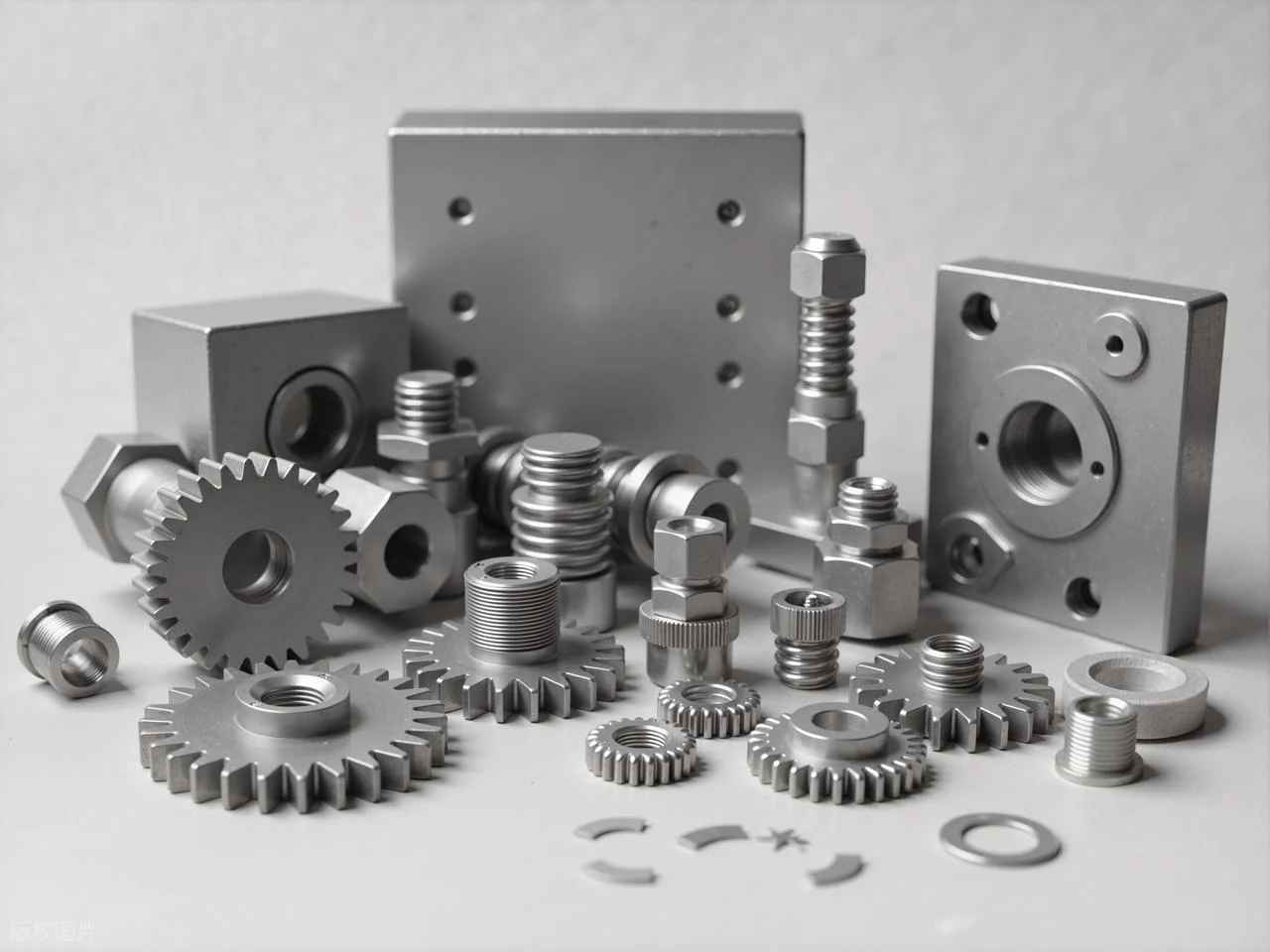
Not every part needs vacuum processing. But in some cases, there is no alternative. Here is when vacuum lost-wax casting becomes the right choice.
Choose Vacuum Lost-wax Casting for High-Temperature Parts
Aerospace engines, gas turbines, and power generation equipment operate at extremely high temperatures. The temperatures experienced by their internal parts are high enough to melt standard alloys.
Turbine blades, guide vanes, and combustion chamber parts are subjected to such conditions. They must possess high-temperature strength and oxidation resistance. Traditional casting processes cannot provide the required integrity, whereas vacuum lost-wax casting can.
Choose Vacuum Lost-wax Casting for Nickel-Based Superalloy Parts
Aerospace engines, gas turbines, and power generation equipment operate at extremely high temperatures. The temperatures experienced by their internal parts are high enough to melt standard alloys.
Turbine blades, guide vanes, and combustion chamber parts are subjected to such conditions. They must possess high-temperature strength and oxidation resistance. Traditional casting processes cannot provide the required integrity, whereas vacuum lost-wax casting can.
Choose Vacuum Lost-wax Casting for Complex and Thin-Walled Parts
Some parts have internal passages: cooling channels and flow passages. These cannot be produced through machining and must be formed through casting.
Thin walls are a casting challenge. The metal must flow far and fill fast before solidifying. Vacuum technology helps promote this flow and prevents air bubbles from becoming trapped and hindering filling.
Near-net-shape manufacturing reduces machining. Complex internal passages come out clean. Nozzles and precision impellers are typical examples. Vacuum lost-wax casting produces them efficiently.
Choose Vacuum Lost-wax Casting When Part Reliability Is Critical
Aerospace parts, medical implants, and nuclear and energy parts must never fail. The cost of failure is too high.
Vacuum lost-wax casting lowers the defect risk. Porosity is minimized. Inclusions are avoided. Consistency improves from part to part. Service reliability increases. Vacuum lost-wax casting is chosen because the application requires it.
Choose Vacuum Lost-wax Casting for Titanium Parts
Titanium is chemically active. It reacts with oxygen readily. At high temperatures, the reaction is rapid. A brittle layer forms on the surface. This layer can crack, leading to part failure.
The vacuum lost-wax casting process prevents this from happening. Without oxygen, the reaction cannot occur, thereby preserving the material’s purity. This process is commonly used to manufacture aircraft parts and medical implants.
Vacuum Lost-wax Casting Applications Across Different Industries
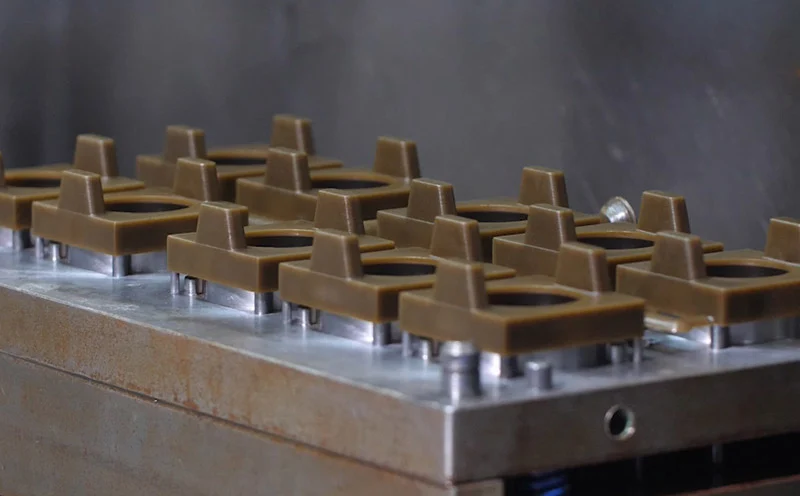
Vacuum lost-wax casting excels in areas where other processes fall short. Its applications depend on material requirements: high-temperature resistance, high purity, and high reliability.
Vacuum Lost-wax Casting Applications in Aerospace
Turbine blades. Guide vanes. Engine parts. Combustor parts. These sit in the hottest sections of a jet engine. They are subjected to temperatures exceeding 1,000°C and cyclic loads and must be capable of continuous operation for thousands of hours.
Vacuum Lost-wax Casting Applications in Gas Turbines and Energy
Turbine blades. Guide vanes. Engine parts. Combustion chamber parts. These parts are located in the hottest areas of a jet engine. They are subjected to temperatures exceeding 1,000°C and cyclic loads and must be capable of continuous operation for thousands of hours.
Vacuum lost-wax casting imparts exceptional high-temperature resistance to the material. The alloy retains its strength. The castings are free of porosity and do not develop cracks.
Vacuum Lost-wax Casting Applications in Medical Manufacturing
Hip replacements, knee replacements, and dental implants. Since these implants are inserted into the human body, they must not corrode, must not release particles, and must be capable of lasting for decades.
Titanium alloys and cobalt-chromium alloys are the standard materials. Both materials require vacuum treatment to maintain their purity. The vacuum lost-wax casting process can produce the complex shapes required to match human anatomy. These implants feature smooth surfaces, dense internal structures, and excellent biocompatibility.
Vacuum Lost-wax Casting Applications in Oil, Gas, and Chemical Industries
Valve parts. Pump parts. Corrosion-resistant pipe fittings. These parts come into contact with corrosive media: sulfur-containing gases, acids, and high-pressure steam. Standard castings are not up to the task; they develop pitting corrosion and leak.
Vacuum lost-wax casting utilizes corrosion-resistant alloys—including nickel-based, cobalt-based, and stainless steel materials. The high density of the castings prevents pinhole leaks, and their surface quality resists corrosion, thereby extending the maintenance intervals for these parts.
The applications across these industries share one pattern. The cost of failure is high. The part is critical. Vacuum lost-wax casting provides the purity and integrity that conventional processes cannot match.
Vacuum Lost-wax Casting vs Conventional Investment Casting
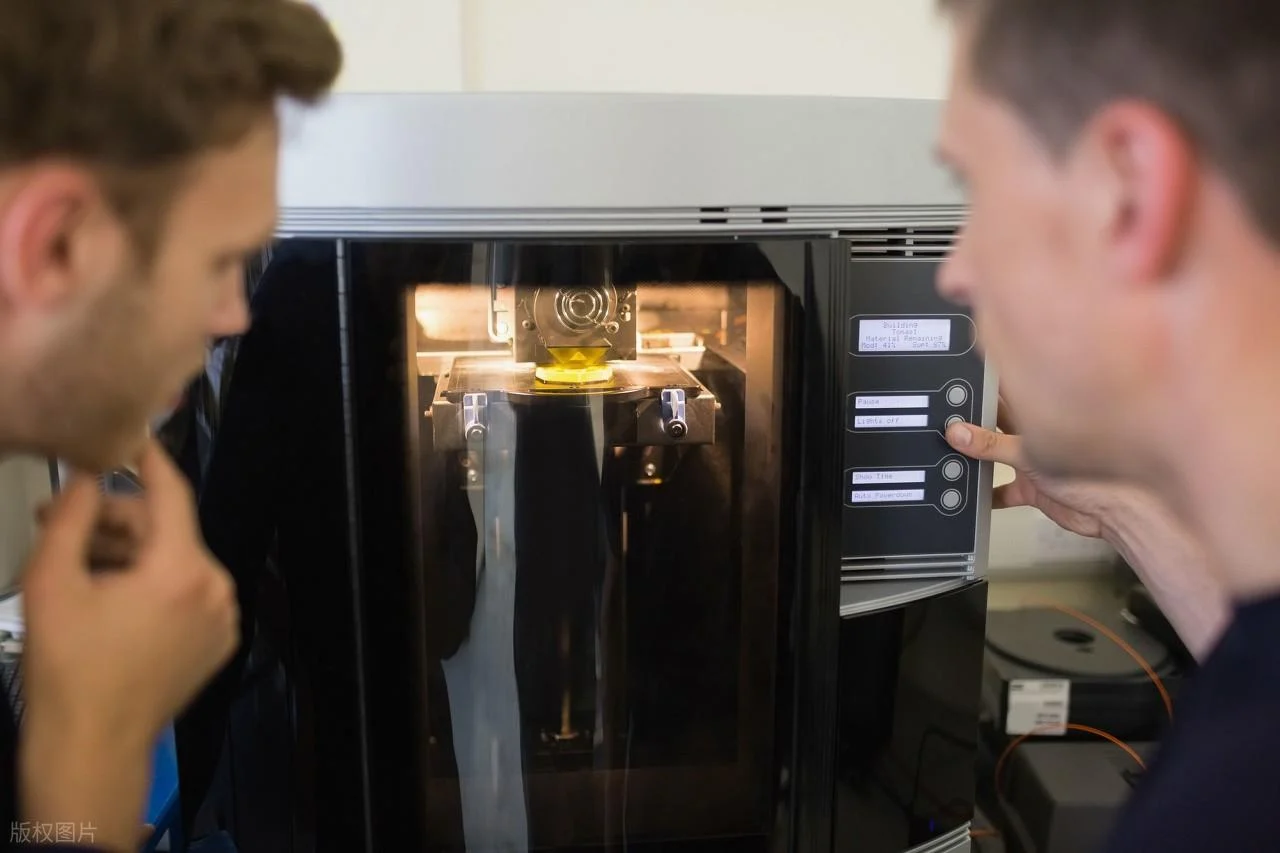
The processes look similar on the surface. Both use a wax pattern. Both invest in ceramics. Both melt out the wax and pour metal. But the casting environment distinguishes them.
|
Factor |
Conventional Investment Casting |
Vacuum Lost-wax Casting |
|
Casting atmosphere |
Air |
Vacuum |
|
Oxidation control |
Moderate |
Excellent |
|
Material purity |
Standard |
High |
|
Gas defects |
Higher possibility |
Reduced |
|
Suitable alloys |
General alloys |
Superalloys and reactive metals |
|
Cost |
Lower |
Higher |
Vacuum Lost-wax Casting vs Other Manufacturing Processes
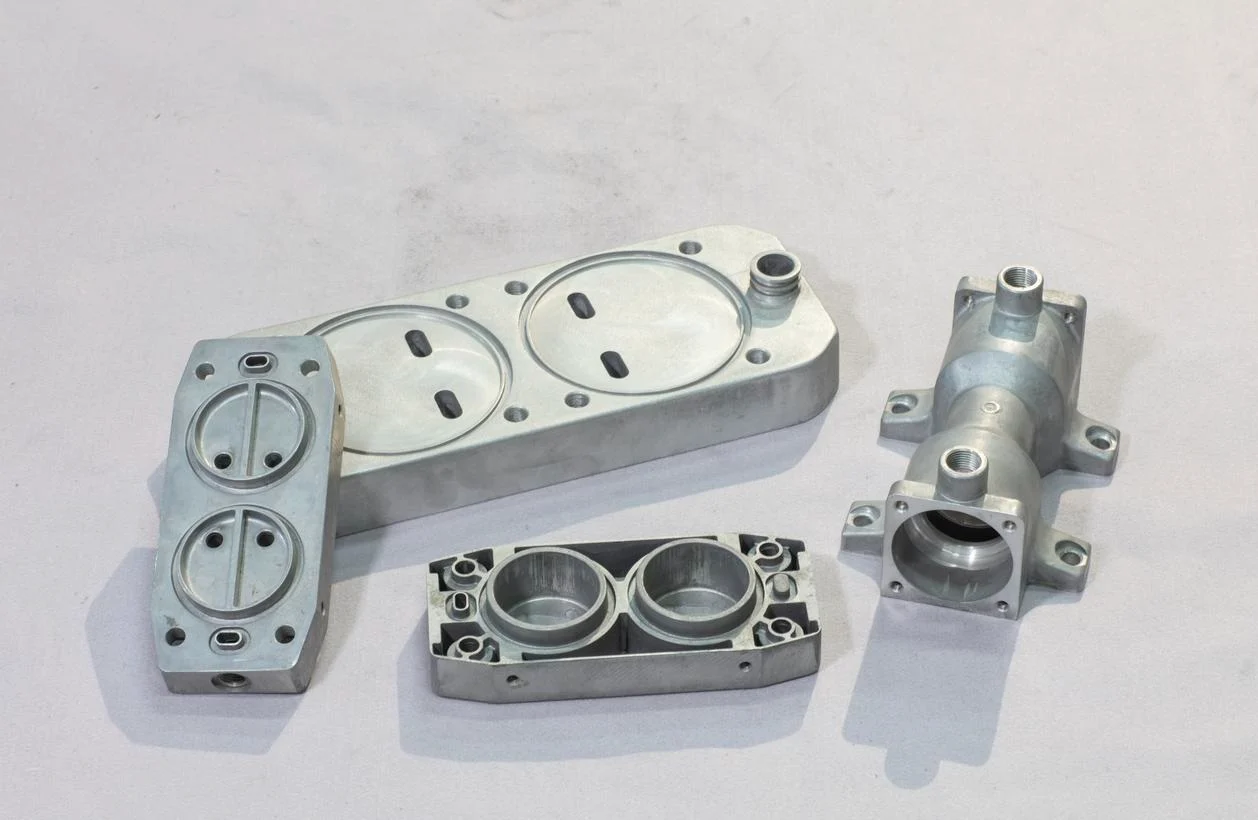
Vacuum lost-wax casting competes with several other methods. Each comparison highlights different strengths and weaknesses. The right choice depends on the part requirements.
Vacuum Lost-wax Casting vs Sand Casting
|
Factor |
Vacuum Lost-wax Casting |
|
|
Accuracy |
Low to moderate |
High |
|
Surface finish |
Rough |
Smooth |
|
Material capability |
General alloys |
Superalloys, reactive metals |
|
Production cost |
Low |
High |
Sand casting is inexpensive and suitable for manufacturing large parts. However, it produces rough surfaces and has limited dimensional accuracy, so surface finish must be improved through machining. Vacuum lost-wax casting can reproduce fine details, offers tighter tolerances, and the parts are ready for use immediately after surface treatment. However, it is more expensive.
Vacuum Lost-wax Casting vs CNC Machining
|
Factor |
CNC Machining |
Vacuum Lost-wax Casting |
|
Material waste |
High |
Low |
|
Geometry limitations |
Significant |
Minimal |
|
Production efficiency |
Low for complex parts |
High for complex parts |
CNC machining starts with a solid blank and removes material through cutting; machining waste typically accounts for 70% to 90% of the material. Complex internal geometries are difficult or even impossible to achieve through machining. Vacuum lost-wax casting can produce near-net-shape castings with minimal waste. Internal passages can be cast directly. Production efficiency is high for complex parts.
Vacuum Lost-wax Casting vs Die Casting
|
Factor |
Die Casting |
Vacuum Lost-wax Casting |
|
Alloy compatibility |
Limited to non-ferrous |
A wide range, including superalloys |
|
Part size |
Small to medium |
Small to medium |
|
Production volume |
High volume |
Low to medium volume |
Die casting is a fast process with high output. However, it is suitable only for aluminum, zinc, and magnesium, and not for steel, nickel alloys, or titanium. The vacuum lost-wax casting process, on the other hand, can be used to process advanced alloys. Although output is lower and the cost per unit is higher, its material compatibility is unmatched. For high-volume consumer parts, die casting is entirely feasible; however, for critical parts requiring superalloys, vacuum lost-wax casting is the only option.
Materials Commonly Used in Vacuum Lost-wax Casting
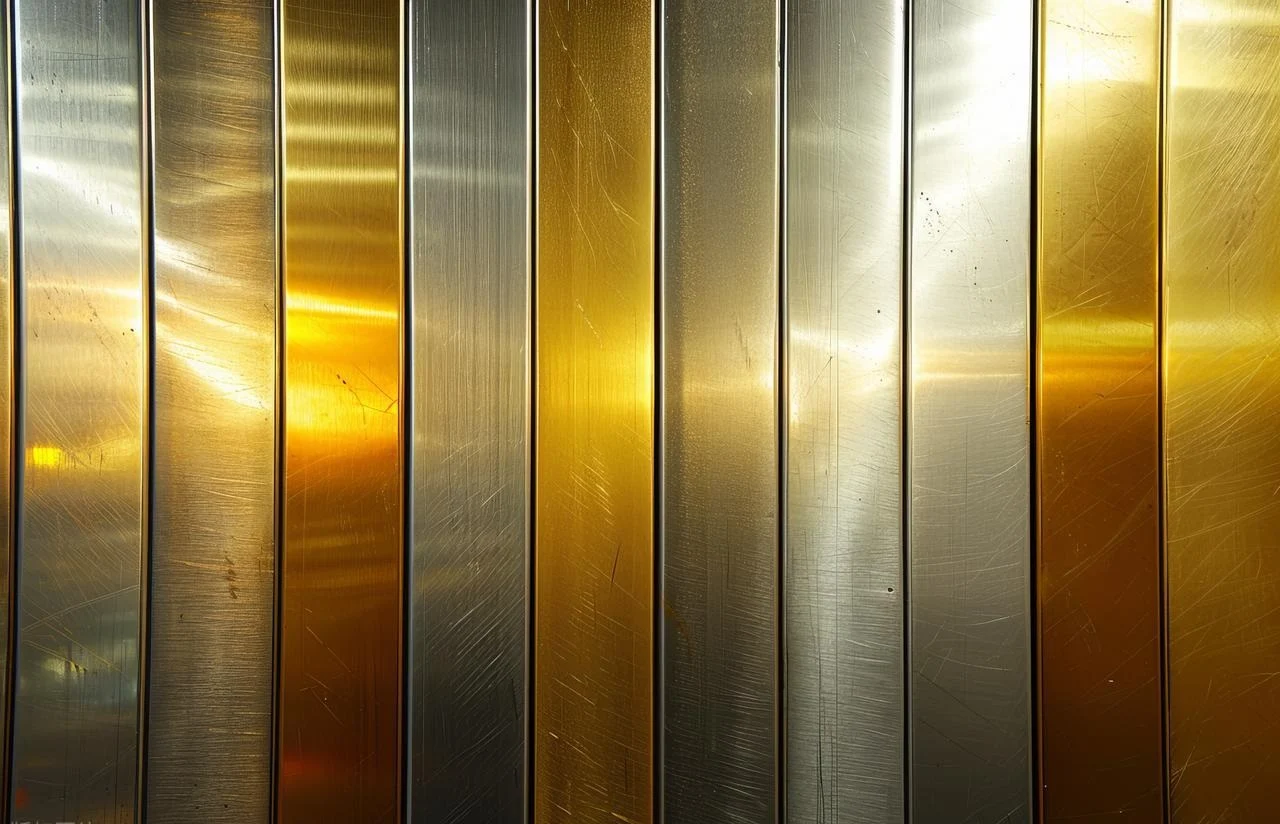
Not all metals are placed in a vacuum furnace. Those that are placed in one are usually there because it is necessary—they cannot be cast into the air. For these metals, Vacuum lost-wax casting is indispensable.
Nickel-Based Superalloys for Vacuum Lost-wax Casting
Inconel, Waspaloy, and René alloys. These are the workhorses of high-temperature applications. They retain their strength at temperatures of 700°C and above and offer resistance to oxidation and creep. However, at their melting points, these alloys are reactive, and exposure to oxygen can cause a decline in their performance.
Aerospace turbine parts are their primary application area. Guide vanes, combustion chamber liners, and turbine blades are all made from these alloys. Gas turbines used for power generation also utilize these alloys. The vacuum lost-wax casting process can produce parts with the required metallurgical integrity: free of oxides and porosity, with alloy properties that fully meet design requirements.
Titanium Alloys for Vacuum Lost-wax Casting
Ti-6Al-4V is the standard grade. In addition, there are other grades suitable for specific applications. Titanium has an excellent strength-to-weight ratio, is biocompatible, and is corrosion-resistant. However, it is highly chemically reactive. Oxygen and nitrogen form brittle layers on its surface, which can crack and peel off.
Titanium is used in aerospace structures to reduce weight, such as in landing gear parts and fuselage parts; it is also widely used in medical implants due to its biocompatibility, such as hip stems, bone plates, and dental abutments. The vacuum lost-wax casting process preserves the material’s purity, prevents the formation of brittle layers, and ensures that parts retain their ductility and strength.
Cobalt-Based Alloys and Stainless Steels
Cobalt alloys like Stellite and Haynes are wear-resistant. They maintain hardness at elevated temperatures. They resist galling and abrasion. Stainless steels—especially precipitation-hardened grades—offer corrosion resistance and moderate strength.
Wear-resistant parts include valve seats, pump impellers, and bearing cages. Corrosion-resistant parts include chemical processing fittings and marine hardware. Vacuum lost-wax casting processes these materials when the application demands high integrity. The vacuum ensures cleanliness. The investment casting method provides the shape complexity. Both are required for critical parts.
Limitations of Vacuum Lost-wax Casting
Although this process is highly capable, it is not a one-size-fits-all solution. In certain situations, it may not be the best choice.
- Cost is the primary consideration. Vacuum lost-wax casting requires expensive equipment, including vacuum pumps, sealed chambers, and specialized alloys, resulting in a higher cost per part. If your budget is tight, it is recommended to consider other processes.
- The parts have simple geometries—such as flat plates, straight rods, and basic cylinders—which do not require precision casting or vacuum treatment. Simple sand casting or machining can accomplish the task at a lower cost.
- High-volume, low-cost production is required. Die casting can produce thousands of parts per day, sand casting can produce hundreds, while vacuum lost-wax casting can only produce dozens. Its cycle time is long, and output is low. High-volume production significantly reduces cost-effectiveness.
For these situations, alternative methods exist. Sand casting can handle large, simple parts at low cost. Die casting is suitable for high-volume production of aluminum and zinc parts. Traditional lost-wax casting (without vacuum) is suitable for medium-volume production of general-purpose alloys.
Vacuum lost-wax casting should only be chosen when the part truly requires it. Not because it is convenient, nor because it is cheap. It should be used only when the material, geometry, or reliability requirements leave no other choice.
About NOBLE – Your Manufacturing Partner for Vacuum Lost-Wax Casting and Precision Parts
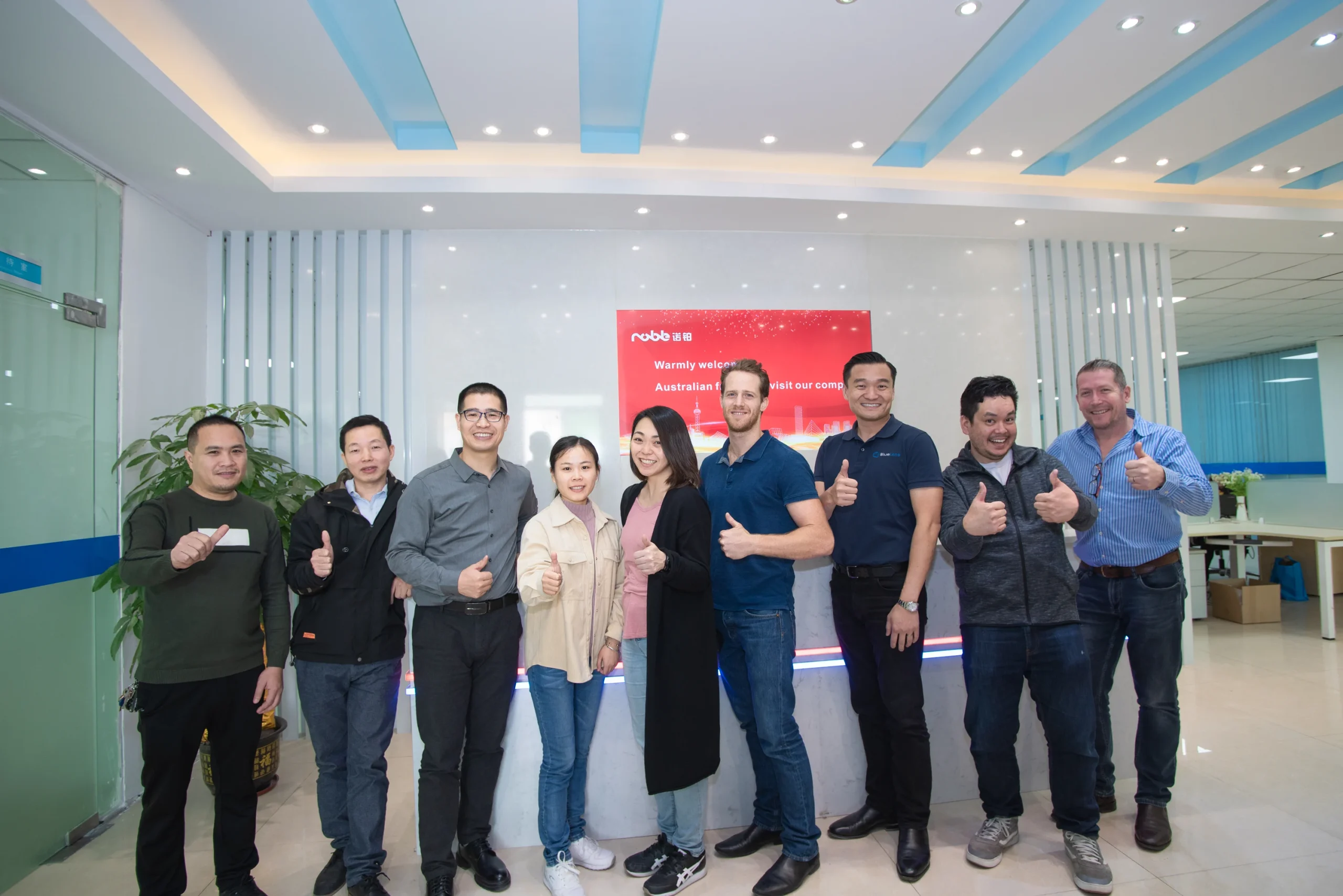
NOBLE is a specialized manufacturer focused on metal and plastic processing. We emphasize precision and are committed to quality.
Core Manufacturing Capabilities
Metal Processing: Precision machining, casting, and finishing.
Plastic Processing: Injection molding, CNC machining, and custom fabrication.
Integrated Solutions: Design support, prototyping, production, assembly, and packaging—all under one roof.
Quality Certifications
ISO 9001:2015 – Robust quality management for general manufacturing. Consistent processes. Documented control. Traceable inspection.
ISO 13485:2016 – Stricter quality standards for medical device parts. Rigorous process validation. Full traceability. Required for implantable and surgical parts.
FAQ
What is vacuum lost-wax casting?
A casting process that combines the lost-wax investment method with a vacuum environment. The wax pattern gets invested in ceramic. The wax is melted out. The metal is melted and poured under vacuum. The result is a defect-free, high-purity casting.
Why use vacuum lost-wax casting instead of conventional investment casting?
Conventional casting pours metal into the air. Oxidation and gas porosity are common. Vacuum lost-wax casting eliminates the atmosphere, preventing oxidation and reducing gas defects. The result is superior material integrity.
What metals can be processed with vacuum lost-wax casting?
Nickel-based superalloys (Inconel, Waspaloy), titanium alloys (Ti-6Al-4V), cobalt-based alloys (Stellite), and certain high-grade stainless steels. These materials are reactive or require high purity. Conventional casting cannot process them reliably.
Is vacuum lost-wax casting expensive?
Yes. The equipment and maintenance are costly. The cycle time is longer than that of conventional methods. But for high-value, critical parts—turbine blades, medical implants—the cost is justified by the performance and reliability.
What industries use vacuum lost-wax casting?
Aerospace, medical, power generation, oil and gas, and chemical processing. Any industry where part failure is not an option.
Can NOBLE handle vacuum lost-wax casting projects from design to production?
Yes. NOBLE provides full-service support. Design review. DFM analysis. Prototyping. Production. Assembly. Finishing. One partner handles the entire process.
What certifications does NOBLE hold?
ISO 9001:2015 for general quality management. ISO 13485:2016 for medical device manufacturing. Both certifications ensure consistent, traceable, and compliant production.
What is the typical lead time for vacuum lost-wax casting?
Tooling and setup take several weeks. Production lead time depends on part complexity and volume. Contact NOBLE for a specific quote based on your project requirements.