Introduction
A wax pattern gets made. Ceramic slurry coats it. The wax melts out. Molten metal pours in. The ceramic breaks away. A finished part remains. This is the process of investment casting—also known as lost-wax casting.
Investment casting has a long history. Jewelry makers used it thousands of years ago. Today it is a precision manufacturing method that produces parts with tight tolerances and smooth surfaces. No secondary machining is needed on most features.
Why is investment casting so widely used? This process can handle complex geometries that cannot be achieved through machining, is suitable for materials that are difficult to forge or weld, and its surface finish reduces the need for subsequent machining operations.
A wide variety of industries rely on investment casting. The aerospace industry uses it for turbine blades and structural components; the medical field uses it for implants and surgical instruments. The automotive industry uses it for turbocharger impellers and fuel system components. In the industrial sector, it is used for valves, pumps, and molds.
What Is Investment Casting?
Definition of Investment Casting
Investment casting is the lost-wax process. A wax pattern gets made. A ceramic mold gets built around it. The wax melts out. Metal pours in. The ceramic breaks away. The part remains.
The history goes back to ancient Egypt and China. Jewelers used it for gold and bronze ornaments. Industrial production started in the 20th century. The name “investment” does not mean money. It comes from the old French word investir—to cover or surround. The ceramic shell invests the wax pattern. The term stuck.
How the Investment Casting Process Works
-
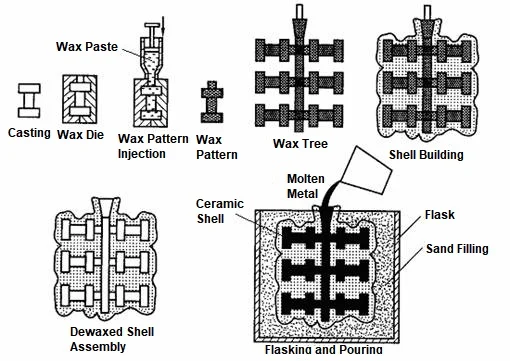
Create a wax pattern
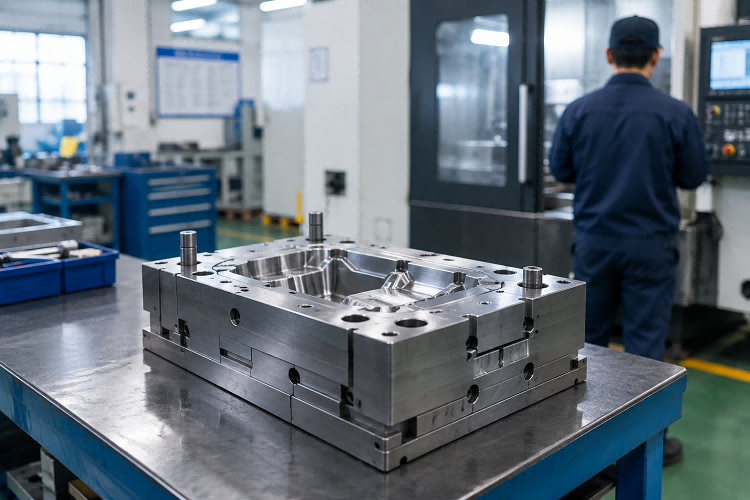
After the metal mold is machined, wax is poured into it. This creates the wax pattern. Multiple wax patterns are connected to a central wax sprue. The entire assembly resembles a tree. This “tree” determines how many parts can be produced in each pour.
-
Build a ceramic shell
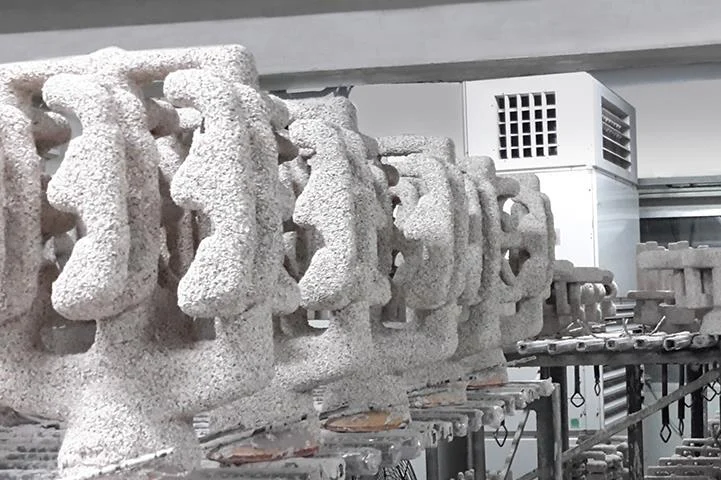
Dip the wax mold into the ceramic slurry. Apply a layer of fine sand—that is, plaster. Repeat this process after each layer dries. After six to eight layers, a sturdy ceramic shell will form around the wax mold.
-
Remove the wax
The shell is placed in the oven. The wax melts and evaporates, leaving a hollow cavity. This cavity matches the shape of the part exactly.
-
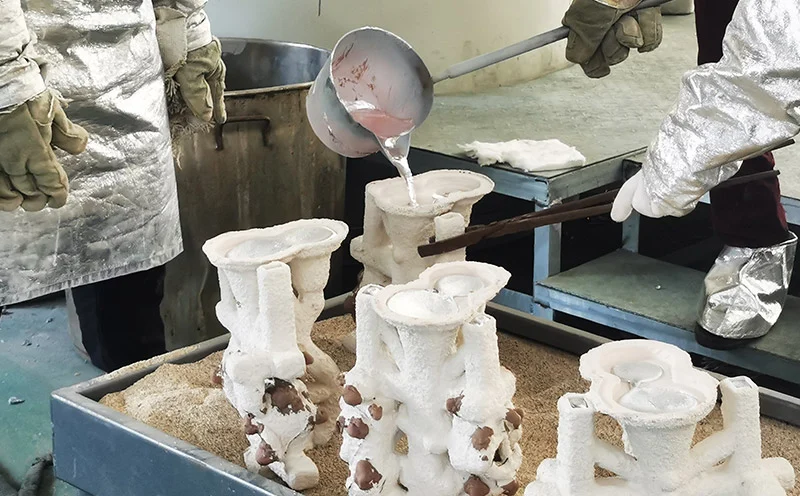
Pour molten metal
Molten metal is poured into a heated ceramic mold. A wide variety of materials are available, including stainless steel, carbon steel, aluminum alloys, titanium alloys, nickel-based superalloys, cobalt alloys, bronze, and brass. Each material has its own specific casting parameters.
-
Cool and break the shell
The metal solidifies. The ceramic shell breaks away. Pneumatic hammers or vibratory equipment do the job. The tree gets cut. Individual castings separate.
-
Finish the part
Remove the gate and sprue. Heat treatment may follow. Machine the part to create features that cannot be achieved through casting alone. Polishing improves the surface finish. Inspect the part to verify dimensions and integrity. At this point, the investment casting is complete and ready to move on to the next stage.
Key Advantages of Investment Casting
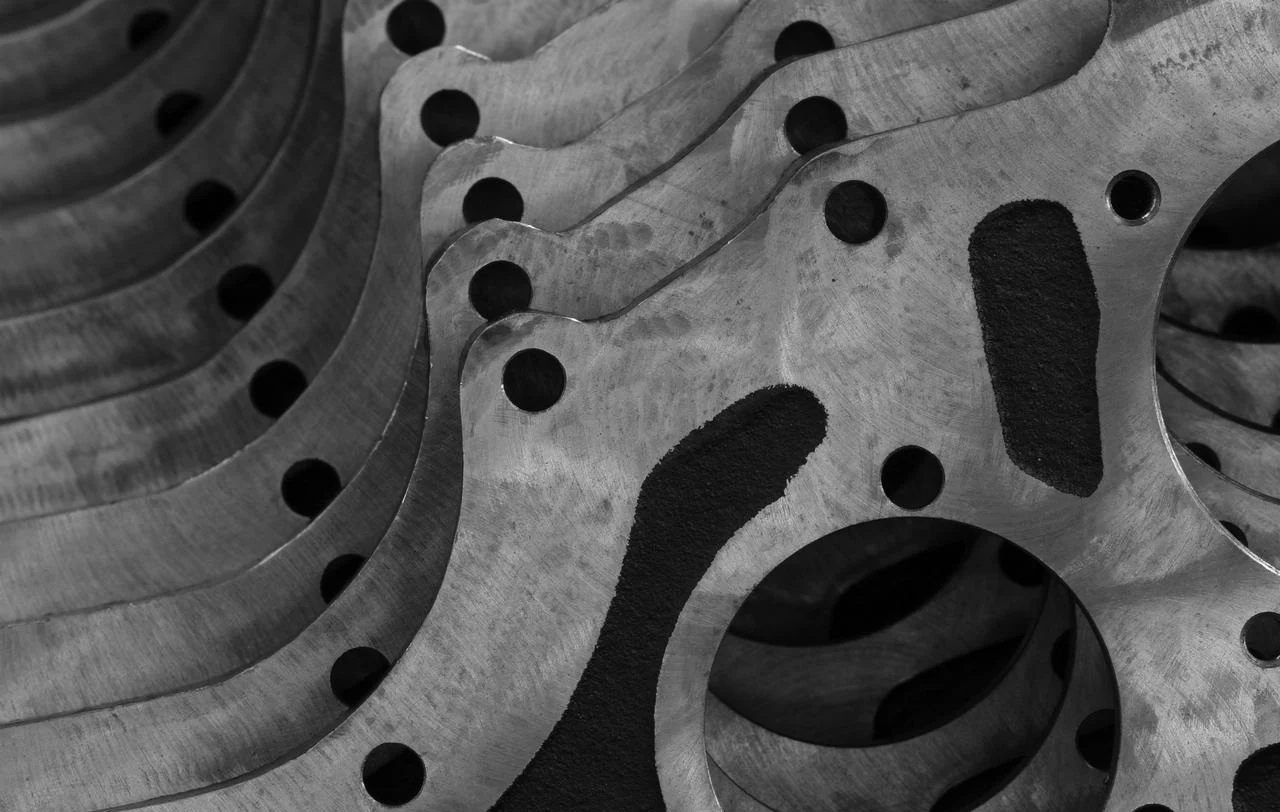
Investment casting is chosen for high-value components because it offers a level of precision that other processes cannot match. Its advantages are wide-ranging, and each one affects cost, quality, or lead time.
1. Excellent Dimensional Accuracy
Near-net-shape manufacturing means that parts are produced with dimensions close to their final dimensions. This reduces the need for machining, improves product consistency, and results in tighter assemblies. This offers direct benefits for parts that require strict tolerances—such as turbine blades and surgical instruments.
2. Superior Surface Finish
Ceramic and wax molds have smooth surfaces, resulting in a smooth surface on the final metal part. Grinding and polishing are kept to a minimum, yielding a better appearance. Furthermore, because surface defects are minimized, fatigue performance is improved.
3. Ability to Produce Complex Geometries
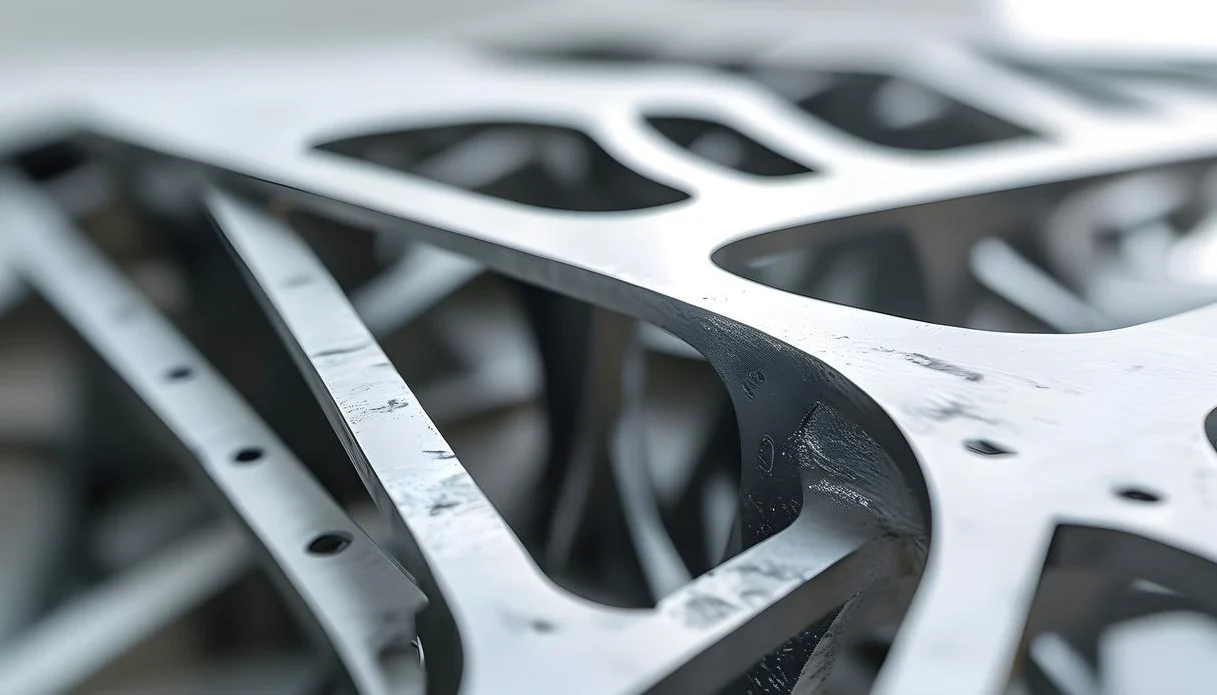
Investment casting can produce shapes that cannot be achieved through machining. Wall thicknesses can be as thin as 1 millimeter. Internal cooling channels can be formed. Complex curves that would otherwise require five-axis machining can be achieved. Undercut features that would otherwise require specialized cutting tools can be handled.
Complex designs can reduce manufacturing costs because multiple processes are consolidated into a single step. Parts that would previously have required welding, machining, and assembly can now be cast as a single piece.
4. Wide Range of Castable Metals
| Ferrous metals | carbon steel, stainless steel, tool steel |
| Non-ferrous | aluminum, brass, bronze |
| High-performance alloys | titanium, nickel superalloys, cobalt alloys |
The process works with almost any castable alloy. That flexibility is rare in precision manufacturing.
5. Excellent Repeatability
Wax patterns are consistent. The ceramic shell process is controlled. Quality inspection is tight. Production runs of thousands or millions of parts maintain the same dimensions. Mass production with tight tolerances is achievable.
6. Reduced Machining Requirements
Since castings are near-net-shape, machining costs are reduced. Production speeds are increased because less material needs to be removed. Tool wear is reduced. Labor costs are lowered. It is common for parts to require only finishing operations—such as gear blanks, valve bodies, structural fittings.
7. Better Material Utilization
Near-net-shape manufacturing means less scrap. Machining from bar stock removes 80% of the material, whereas investment casting requires only the removal of the gate and sprue. For expensive alloys—such as titanium and nickel-based superalloys—the cost savings are significant. With less metal waste, sustainability is also enhanced.
8. Greater Design Flexibility
Complex engineering designs have been successfully implemented. Weight reduction was achieved by using material only where necessary. The integration of parts eliminated the need for welded assemblies. Since the parts are cast as a single piece rather than assembled from multiple components, product performance has been enhanced. The design freedom offered by investment casting is its greatest advantage.
Limitations of Investment Casting
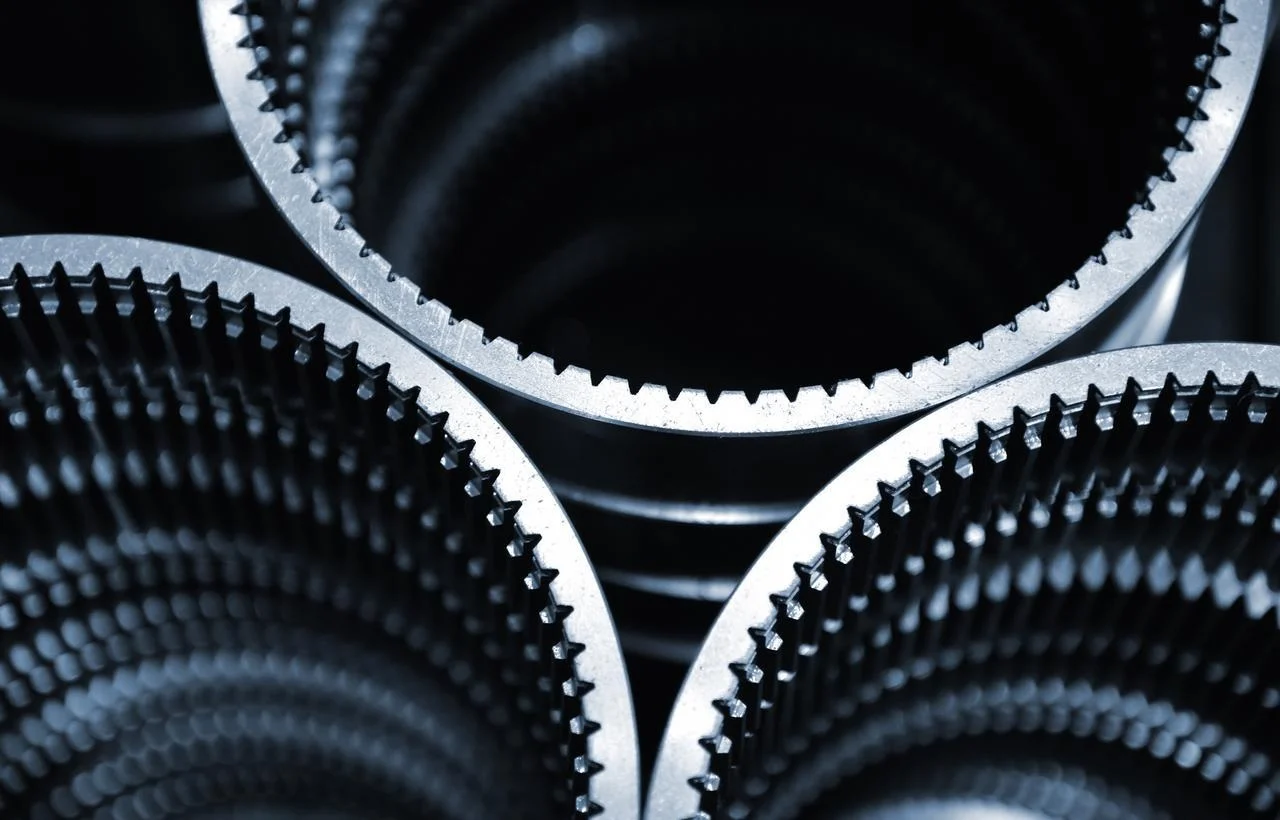
Every manufacturing process involves trade-offs. Investment casting is no exception. Its advantages are real, but so are its limitations. Ignoring these limitations can lead to poor part design and unexpected costs.
1. Higher Tooling Costs
The wax injection dies are expensive to machine. Tool manufacturing requires precision and time. The initial investment is significant. Cost recovery requires sufficient production volume. For low-volume parts, the per-part tooling cost may be prohibitive.
2. Longer Production Cycle
Each stage adds time to the process. Mold making takes several days; the layers must be allowed to dry between applications; dewaxing takes several hours; and firing the mold requires a precise heating curve. This is followed by casting and finishing. Investment casting can produce parts in a matter of seconds. Lost-wax casting, on the other hand, takes days or weeks. The lead time is much longer.
3. Size Limitations
Wax patterns are fragile. Large patterns distort under their own weight. Ceramic shells become heavy and difficult to handle. Large castings are impractical. The practical size limit is around 300 mm in diameter. Larger parts require sand casting or other processes.
4. Fragility of Wax Patterns
Wax bends. Wax breaks. Wax distorts under temperature changes. Storage requires controlled conditions. Transportation demands careful packaging. Handling precautions are mandatory. A damaged wax pattern produces a defective casting.
5. Ceramic Shell Sensitivity
Shell cracking occurs during heating or cooling. Moisture affects the ceramic bond. Thermal shock causes delamination. Mold quality depends on operator skill and environmental control. Shell defects transfer directly to the metal part.
6. Higher Cost for Simple Parts
For simple geometries, investment casting is overkill. Sand casting is cheaper. Machining from bar stock is faster. Forging produces stronger parts. Stamping is more economical at high volume. Investment casting is not economical for parts that can be produced by simpler methods.
7. Slower Production Rate
Multiple stages are required. Manual operations are involved. Shell building is not fully automated. Production scheduling is complex. Die casting produces thousands of parts per day. Investment casting produces hundreds at best. Volume demands must be realistic.
8. Potential Casting Defects
Gas porosity forms when dissolved gases come out during solidification. Shrinkage creates voids in thick sections. Cold shuts occur when metal streams fail to fuse. Misruns result from insufficient metal flow. Ceramic inclusions come from shell fragments. Hot tears form during solidification shrinkage.
Each defect has a cause. Each cause has a prevention. Proper process control reduces defects. But investment casting is not defect-free. The process requires skill, discipline, and quality control at every stage.
Investment Casting vs Other Casting Processes
Investment Casting vs Sand Casting
| Factor | Investment Casting | Sand Casting |
| Accuracy | Tight (±0.1 mm typical) | Loose (±1.0 mm typical) |
| Surface finish | Smooth (3.2 µm Ra) | Rough (12.5 µm Ra) |
| Cost | Higher per part at low volume; lower at high volume | Lower per part; better for large parts |
| Part size | Limited (~300 mm max) | Unlimited (meter-scale parts) |
| Complexity | High (thin walls, internal passages) | Low to moderate |
Investment casting wins on accuracy and finish. Sand casting wins on size and initial cost. The choice depends on the part requirements.
Investment Casting vs Die Casting
| Factor | Investment Casting | Die Casting |
| Production speed | Slow (days per batch) | Fast (seconds per shot) |
| Tooling | Wax dies, ceramic shells | Hard steel dies |
| Materials | Wide range (ferrous, non-ferrous, high-temp alloys) | Limited to non-ferrous (aluminum, zinc, magnesium) |
| Precision | Very high | High |
| Applications | Critical components, low-mid volume | High-volume consumer parts |
Die casting is faster. Investment casting handles more materials and more complex geometries. The cross-over point depends on production volume and material requirements.
Investment Casting vs Machining
| Factor | Investment Casting | Machining |
| Material waste | Low (near-net shape) | High (chip generation) |
| Complexity | High (internal features cast in) | Limited (tool access constraints) |
| Cost | Lower at high volume | Lower at low volume |
| Precision | Good, but may require finish machining | Excellent |
| Production volume | Suitable for production runs | Suitable for prototypes and small batches |
Investment casting uses material efficiently. Machining removes material that was already paid for. For expensive alloys, casting saves significant cost. For simple parts with tight tolerances, machining remains the better choice. The two processes are complementary, not competitive. Many investment castings receive finish machining to achieve critical dimensions. The combination offers the best of both approaches.
Industries That Benefit from Investment Casting
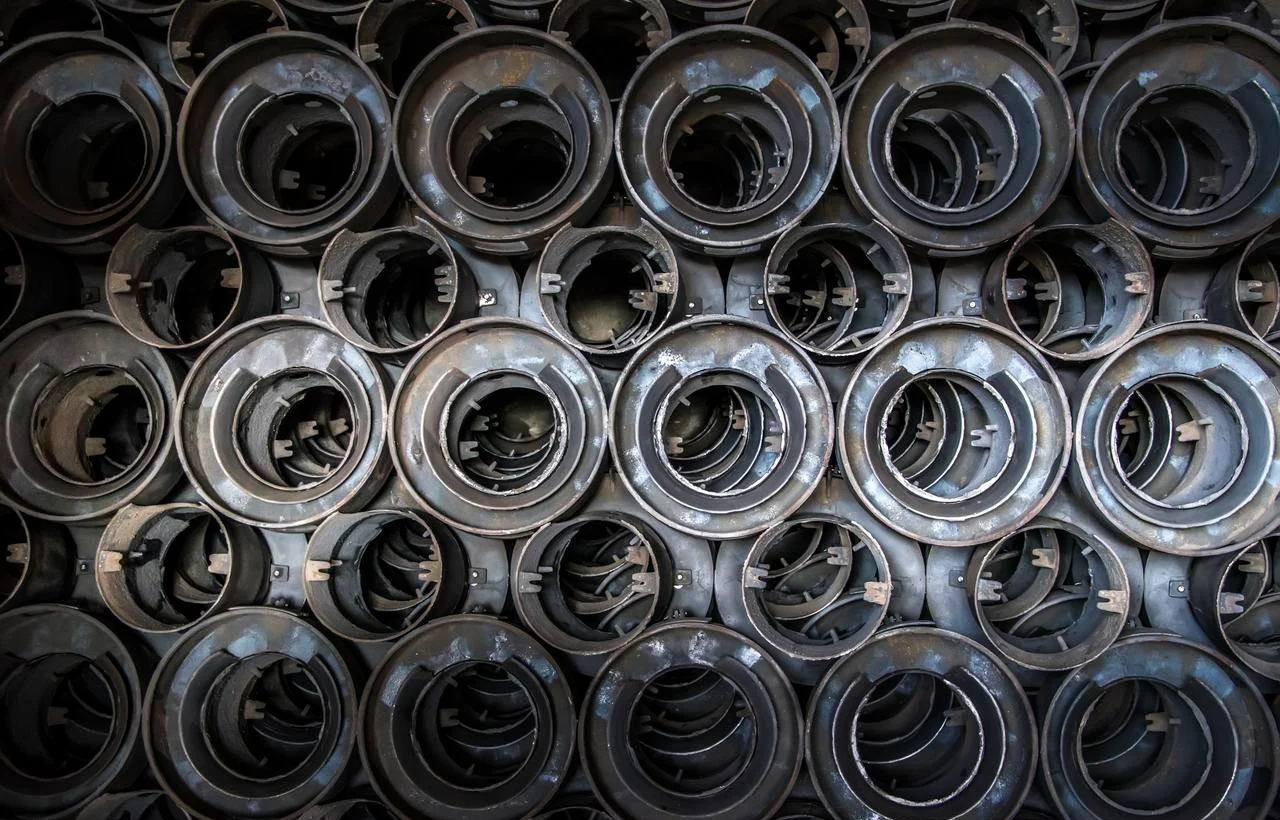
Investment casting serves industries with strict requirements for accuracy, material integrity, and complex geometries. Each industry has its own reasons for choosing this process.
Aerospace
Turbocharger blades, airframe structural components, and fuel system components. These components must withstand extreme temperatures and cyclic loads. Investment casting enables the production of internal cooling channels and thin-walled structures that cannot be achieved through machining. Nickel-based superalloys and titanium are the standard materials. Failure is absolutely not tolerated.
Automotive
Turbocharger wheels. Exhaust manifolds. Fuel injection components. Weight reduction and heat resistance drive the choice. Investment casting delivers near-net shapes that require minimal machining. Production volumes are moderate to high. The process competes with forging and die casting for specific applications.
Medical
Surgical instruments. Orthopedic implants. Dental prosthetics. Biocompatibility and corrosion resistance are mandatory. Stainless steels, cobalt-chromium alloys, and titanium are cast to tight tolerances. Surface finish must be smooth to prevent bacterial adhesion. Investment casting meets these requirements without excessive post-processing.
Oil & Gas
Valve bodies. Pump housings. Downhole tool components. These parts see high pressure, corrosive fluids, and abrasive environments. Material selection is critical. Duplex stainless steels and nickel alloys are common. Investment casting produces the complex internal flow passages that these components require.
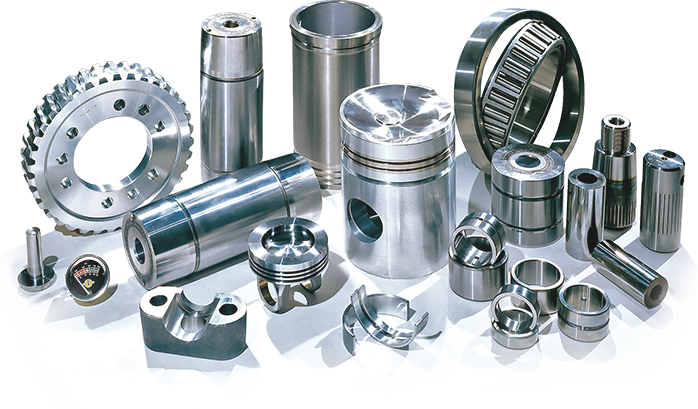
Industrial Equipment
Gear blanks. Lever arms. Bracket assemblies. Agricultural machinery. Construction equipment. Parts consolidation is a major benefit. Multiple components are cast as a single piece. Assembly is simplified. Weight is reduced. Reliability improves.
Marine
Propellers. Pump impellers. Seawater system components. Corrosion resistance in saltwater is essential. Bronze, aluminum bronze, and duplex stainless steels are cast to shape. Investment casting provides the smooth surface finish that reduces drag and improves efficiency.
Food Processing
Valves. Fittings. Pump components. Sanitary design requires smooth surfaces and corrosion resistance. Stainless steel is the material of choice. Investment casting produces parts with no crevices or sharp corners where bacteria can hide. Surface finish meets FDA requirements without additional polishing.
Defense
Firearm components. Aerospace parts. Vehicle components. Military specifications demand high reliability. Material integrity is critical. Investment casting provides the repeatability and quality control that defense programs require.
Power Generation
Turbine blades. Gas turbine components. Steam turbine parts. High-temperature alloys are required. Investment casting produces the airfoil shapes and internal cooling geometries that enable efficiency gains. The process is indispensable for modern power generation.
The primary reasons for choosing investment casting vary across different industries. The aerospace sector requires complex cooling channels; the medical field requires biocompatibility and surface finish; the automotive industry requires weight reduction; and the oil and gas sector requires corrosion resistance. What these industries have in common is that the performance offered by this process is unmatched by other processes.
When Should You Choose Investment Casting?
Whether to use investment casting depends largely on several practical considerations. If the answer to most of these questions is yes, then this process is likely a very good fit.
Complex Geometries
Is the part’s shape difficult or impossible to achieve through machining? Does it have internal passages, thin walls, or complex curves? Compared to any other casting method, investment casting is better suited to handle these features.
Precision Requirements
Does the part require strict dimensional control? Is surface finish critical to function or appearance? This process produces near-net-shape castings, thereby reducing or eliminating secondary machining.
Expensive Materials
Does the part use titanium, nickel-based superalloys, or other expensive alloys? Investment casting minimizes material waste. No chips are produced, and scrap is consequently reduced. The resulting cost savings are sufficient to offset the mold cost.
Medium to High Production Volumes
Do you produce hundreds or thousands of parts annually? Mold costs are spread across the entire production run. As the cost per part decreases, this process becomes cost-effective.
Reduced Assembly Steps
Can multiple components be integrated into a single casting? Investment casting eliminates welded assemblies and eliminates the need for fasteners, thereby reducing assembly time and improving reliability.
High-Quality Surface Finish
Does the part require a smooth surface to function properly or meet regulatory standards? Ceramic housings can feature fine details and a clean surface, minimizing the need for polishing and grinding.
When Is Investment Casting Not the Best Choice?
This process is not suitable for all situations. In some cases, a different approach is required.
Extra-Large Parts
Parts with a diameter or length exceeding 300 millimeters are not suitable for this process. The wax pattern will deform, and the ceramic shell will become bulky and brittle. Sand casting can handle large parts at a lower cost.
Small Batches and Simple Parts
Simple brackets or flat plates do not require investment casting. Machining from bar stock is faster, and sand casting is less expensive. Forging can provide better mechanical properties. In small-batch production, the mold costs associated with investment casting cannot be recouped.
Very Large-Scale Production
Die casting can produce parts in seconds, while investment casting takes minutes or hours. For annual production volumes exceeding 100,000 units, die casting or stamping is more economical. The difference in cycle time is the decisive factor.
Components Better Suited for Forging or Machining
High-strength structural components are typically produced by forging. They offer superior grain structure and longer fatigue life. Simple cylindrical or prismatic parts are more cost-effective to manufacture through machining. Lost-wax casting is not the ideal process for all applications.
This process is specialized and excels in specific fields. When applications fall outside this scope, other methods are more appropriate. The process should be selected based on the characteristics of the part, rather than the other way around.
Why Choose NOBLE for Investment Casting and Precision Manufacturing?
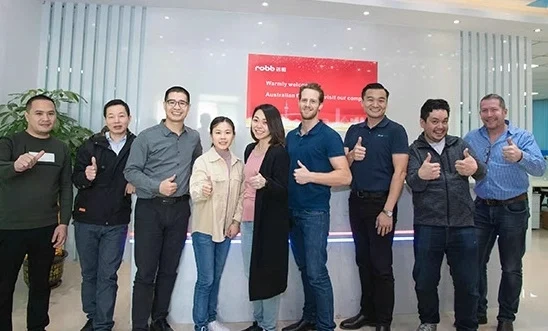
The right process matters. The right partner matters just as much. NOBLE provides more than manufacturing. We deliver engineering and production solutions from concept to finished product.
Comprehensive Manufacturing Services
NOBLE handles metal and plastic processing. Broad capabilities. Diverse industries. Single prototype or high-volume production—the engineering and production teams work closely with customers through every stage of the project.
From Design to Assembly
Production is only part of the story. NOBLE provides end-to-end solutions. We collaborate from the earliest design stage. Technical recommendations improve manufacturability, reduce production costs, and enhance product performance.
Our integrated workflow covers:
- Product Design Support
- Engineering Review
- Material Selection
- Prototype Manufacturing
- Mass Production
- Surface Treatment
- Assembly
- Final Inspection
- Packaging and Delivery
This one-stop approach streamlines development. Consistent quality is maintained throughout the process. No handoff gaps. No finger-pointing.
Quality You Can Trust
Quality is the foundation of every project. NOBLE operates under internationally recognized quality management systems.
Our certifications include:
- ISO 9001:2015 – Quality Management System
- ISO 13485:2016 – Quality Management System for Medical Devices
These certifications demonstrate our commitment to quality, process control, traceability, and customer satisfaction across a wide range of industries.
FAQ
What are the main advantages of investment casting?
High dimensional accuracy, excellent surface finish, ability to produce complex geometries, wide material selection, and minimal material waste.
What are the disadvantages of investment casting?
High tooling cost, longer lead times, size limitations, and slower production rates compared to die casting.
Why is investment casting more expensive?
The wax pattern tooling and ceramic shell building are labor-intensive and time-consuming. The process requires multiple stages and skilled operators, which drives per-part cost at low volumes.
What metals can be used in investment casting?
Carbon steels, stainless steels, tool steels, aluminum alloys, brass, bronze, titanium alloys, nickel-based superalloys, and cobalt-based alloys.
Is investment casting suitable for mass production?
Yes, for moderate to high volumes where the tooling cost is amortized over large production runs. For extremely high volumes, die casting may be faster and cheaper.
How accurate is investment casting?
Typical tolerances are ±0.1 mm to ±0.2 mm, depending on part size and geometry. Some features can hold tighter tolerances with process control.
What industries commonly use investment casting?
Aerospace, automotive, medical, oil and gas, industrial equipment, marine, food processing, defense, and power generation.
What is the difference between investment casting and sand casting?
Investment casting offers tighter tolerances, smoother surface finish, and the ability to produce complex internal features. Sand casting handles larger parts and has lower tooling cost but produces rougher surfaces and looser tolerances.
Can investment casting produce thin-walled parts?
Yes. Wall thicknesses down to 1 mm are achievable. The ceramic shell and wax pattern process allows thin sections without distortion.