What is Tungsten Alloy?
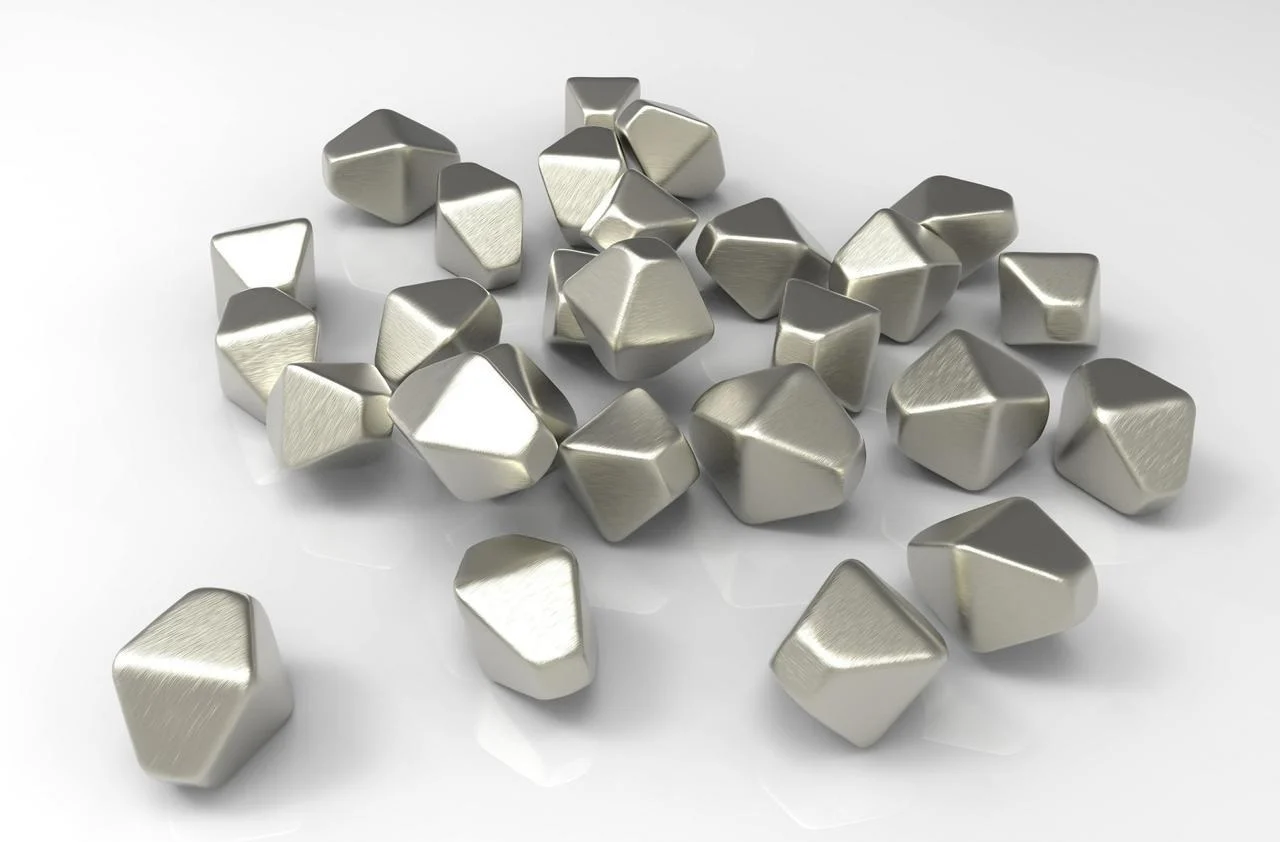
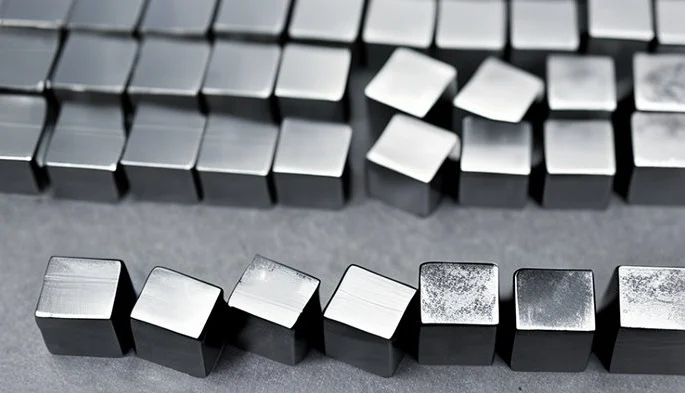
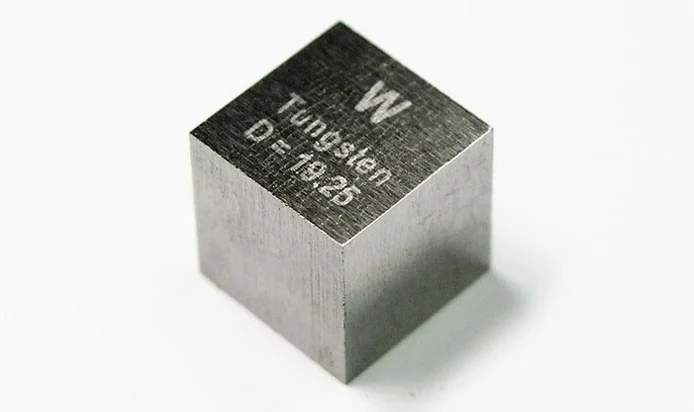
Tungsten has extremely unique properties. It has the highest melting point of any metal, reaching 3422°C. It is dense, hard, and heavy. Its density is approximately 19.3 g/cm³, comparable to that of gold and heavier than lead.
The problem is that pure tungsten is brittle. It cracks and shatters easily and is difficult to machine. Cutting tools wear out quickly. This material is difficult to work with.
The solution lies in alloying. By adding other elements—such as nickel, iron, and copper—a range of tungsten alloys has been created. These alloys retain high density and heat resistance while gaining ductility, making them easier to machine and, therefore, more practical.
The Main Types of Tungsten Alloys
Tungsten alloys split into families. Each family serves a different purpose. Their compositions vary, and so do their properties. The specific choice depends on the function the part is required to perform.
Tungsten Heavy Alloys (WHA) – For Density & Shielding
W-Ni-Fe alloys are magnetic, while W-Ni-Cu alloys are non-magnetic. Both have densities ranging from approximately 17 to 18.5 g/cm³. They are strong, easy to machine, and suitable for radiation shielding.
The primary applications of tungsten alloys in this family are collimators, medical shielding, and aerospace counterweights. If you need to achieve high mass in a small volume, this is the ideal material.
Tungsten Carbide (WC) – For Hardness & Wear
A combination of tungsten and carbon. Cobalt is used as the binder. Its hardness is close to that of diamond. It offers excellent wear resistance. It can cut through steel and drill through rock, and is highly durable.
Its drawback is that it is relatively brittle. Its ductility is inferior to that of heavy alloys. Impact loads can cause chipping. It should be used in applications where wear is the primary concern, rather than impact.
Tungsten Alloyed Steels:
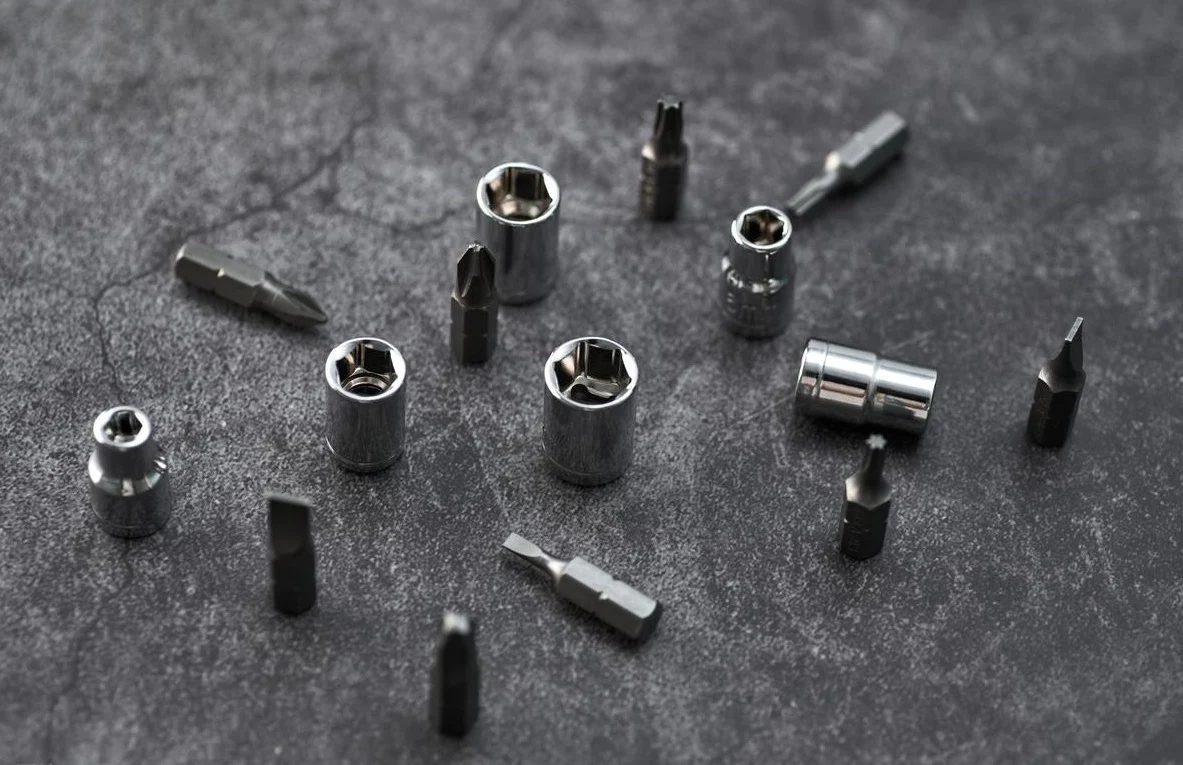
A small amount of tungsten is added to tool steel. This results in “red-hard” properties. This steel retains its hardness even at high cutting speeds. High-speed steel (HSS) is used to manufacture drill bits and milling cutters. Its tungsten content is low—only a few percentage points—but the effect is significant.
Other Common Alloy Systems
Tungsten-copper and tungsten-silver: These materials are used in electrical contacts and heat sinks. Tungsten provides strength and arc resistance, while copper or silver provides electrical conductivity.
Tungsten-rhenium: Specifically designed for extremely high-temperature environments. Rhenium improves the material’s ductility at high temperatures. It is used in thermocouples and high-temperature aerospace equipment.
Each type of tungsten alloy has its niche. Density. Hardness. Conductivity. Heat resistance. The applications of tungsten alloys follow these property clusters. Match the alloy to the demand.
Why is There Such a Big Price Difference Between Tungsten Materials?
Tungsten prices vary wildly. Even for the same element, costs vary widely. This is due to structural factors, not random ones.
Factor 1: The Value-Added Ladder (Processing Stages):
The journey from the mine to the finished product is a long one. The raw ore is processed into APT—ammonium paratungstate. This serves as the base material. APT is reduced to produce tungsten powder. The tungsten powder is then pressed, sintered, and machined to ultimately produce the finished product.
Each step adds cost. Chemical processing is expensive. Energy consumption is high. A finished tungsten alloy part costs many times more than the raw ore. The price difference reflects the processing intensity.
Factor 2: Geopolitics & The “Provenance Premium”:
China controls most of the supply. Export restrictions in 2025 caused a price surge. International buyers saw increases of over 400 percent.
The US defense sector now requires non-Chinese tungsten. Traceable supply chains command higher prices. Western-sourced material costs more because the supply chain is smaller and the certification is stricter.
Factor 3: Supply & Demand in High-Tech Industries:
Tungsten is not just for applications of tungsten alloys in heavy industry. Semiconductors use tungsten hexafluoride (WF₆) for vapor deposition. Solar panels use tungsten wire for cutting silicon wafers. These sectors pay high prices. They outbid traditional buyers like tool makers and aerospace.
Recycling offers a lower-cost alternative. Scrap tungsten gets reprocessed. The cost is lower than that of virgin material. But recycling cannot meet all demand. The quality is not always identical. The price gap between recycled and primary material remains significant.
The result is a fragmented market. The same base metal commands very different prices depending on form, source, and end-use. Buyers of tungsten alloys must navigate all three factors. One cannot assume a stable price. One must track the supply chain.
Key Characteristics of Tungsten Alloys
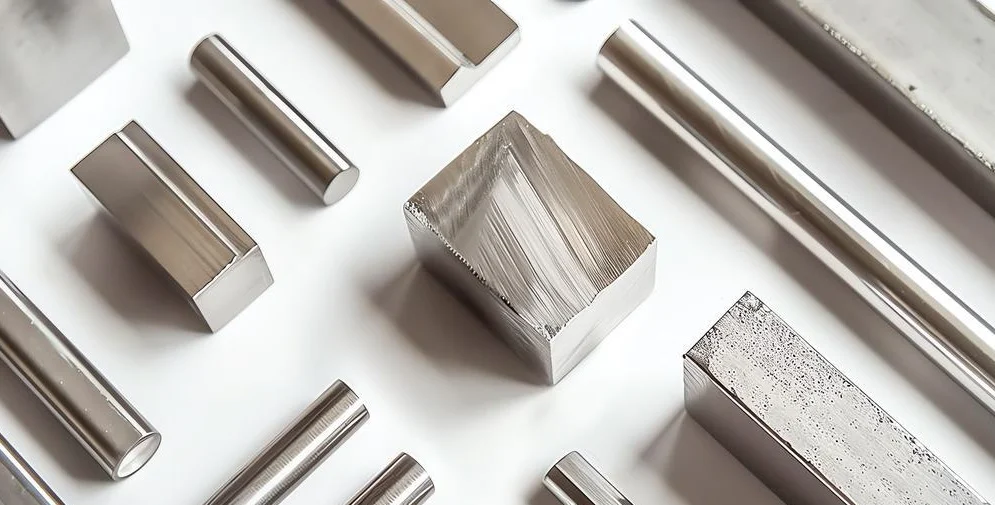
Certain properties are common to all tungsten alloys. Density is consistently high. The melting point is always extremely high. Rigidity remains consistent. Thermal conductivity is excellent. These are fundamental properties, and there are few differences between the various series.
Universal Properties (All Alloys):
Every tungsten alloy shares four things. High density—17 to 19 g/cm³. Ultra-high melting point—above 3000°C. High rigidity—the stiffness is exceptional. Excellent thermal conductivity—heat moves through it efficiently.
These four define the material. Everything else is a variation on the theme.
Specific Property Breakdown by Alloy Family:
WHAs—tungsten heavy alloys—offer ductility. They are machinable. They have high tensile strength. They exhibit good radiation absorption properties. Ni-Fe-based alloys are magnetic, while Ni-Cu-based alloys are non-magnetic.
Tungsten carbide, on the other hand, is different. It has extremely high wear resistance and high compressive strength. However, this comes at the cost of greater brittleness. It does not bend; instead, it fractures.
The Trade-Offs (Limitations):
No material is perfect. Tungsten alloys are heavy and therefore unsuitable for lightweight structures; they are expensive and thus unsuitable for cost-sensitive applications; they oxidize at extreme temperatures (above 600°C in air); and they are difficult to cast, which is why most parts are machined from sintered blanks rather than cast.
These limitations are indeed real. Yet its performance is exceptional. The choice comes down to weighing the pros and cons. People choose tungsten alloys for their advantages while accepting their shortcomings. That is the nature of engineering decisions.
How Are Tungsten Alloys Used in Various Industries?
Tungsten alloys show up in different tiers. Some applications justify the high cost. Others use the density and stop there. The distinction is useful.
High-Cost, High-Performance Applications
The aerospace and defense sectors use tungsten alloys in “zero-tolerance-for-failure” applications. Gyroscopes are used to maintain attitude. Satellite flywheels are used to store energy. Kinetic energy armor-piercing projectiles rely on their density to perform effectively. These are the most demanding applications of tungsten alloys.
Medical devices use tungsten as a shielding material. X-ray collimators are used to guide radiation. MRI shielding rings must be non-magnetic. W-Ni-Cu alloys are ideally suited for this role. This material blocks radiation without interfering with magnetic fields.
Extreme high-temperature environments require tungsten-rhenium alloys. Rocket nozzles can reach temperatures exceeding 3000°C, and components in fusion reactors face similar conditions. While other materials would melt, tungsten-rhenium alloys remain stable.
Mid-Range & Cost-Effective Applications
Balancing applications represent the largest market segment for tungsten alloys. These include counterweights in aircraft, race cars, yachts, and industrial flywheels. Their high density allows them to provide maximum weight in the smallest possible space. This segment accounts for 40% to 45% of the market share.
In the field of machining, tungsten’s rigidity offers significant advantages. Boring bars and tool holders effectively suppress vibration, thereby enabling deeper cutting depths, better surface finish, and reduced vibration.
The oil and gas industry employs tungsten alloy electroplating processes. Depositing a thin layer of tungsten alloy onto the surface of steel components provides both wear and corrosion resistance. This process is more cost-effective than nickel alloys and fully meets the requirements of practical applications.
The Separate World of Tungsten Carbide
Tungsten carbide belongs to a different category. It is used in cutting tools, mining equipment, and wear-resistant components. It is not a heavy alloy, but rather a hard alloy. Its consumption is enormous—accounting for 60% to 65% of global tungsten usage.
The applications of tungsten alloys are broad, but the boundaries between application tiers are clearly defined, and each has its own unique economic characteristics. High-end applications prioritize performance, mainstream applications prioritize density, while tungsten carbide excels in wear resistance. What they have in common is tungsten; what distinguishes them are their alloy compositions and specific application scenarios.

How to Choose the Right Tungsten Alloy for Your Parts
Step 1: Define the Primary Function of Your Part
The starting question is simple. What does the part need to do?
- For weight or balancing, choose Tungsten Heavy Alloy (WHA). The density is the feature.
- For cutting or wear resistance, choose Tungsten Carbide. Hardness is the feature.
- For heat or electrical conductivity, choose W-Cu or W-Ag. Conductivity is the feature.
- For extreme heat, choose W-Re. High-temperature stability is the feature.
Step 2: Refine Your Choice (For Tungsten Heavy Alloys):
Once WHA is selected, three decisions remain.
| 95-97% W (High Density) | For ultimate density in medical collimators and military penetrators. |
| 90-93% W (Balanced) | For general-purpose counterweights and high-machinability parts. |
| W-Ni-Fe | For maximum strength and toughness. |
| W-Ni-Cu | If the part MUST be non-magnetic. |
The choice is a trade-off. Density versus machinability. Strength versus non-magnetic. The applications of tungsten alloys dictate the priority.
Step 3: Check Industry Standards:
Standards exist for a reason. ASTM B777-15 covers tungsten heavy alloys. AMS 21014 is the aerospace specification. MIL-T-21014D is the military standard. If the part is used in a certified product, the material must meet the standard. No shortcuts.
Final Decision Framework:
The flowchart is straightforward.
- Need hardness? → Tungsten Carbide.
- Need weight or shielding? → Tungsten Heavy Alloy (WHA).
- Is non-magnetic required? → W-Ni-Cu.
- Is ultimate density required? → ≥95% W.
- Is cost sensitive? → ~90% W or consider tungsten plating as an alternative.
- Need heat or electrical conductivity? → W-Cu.
Each question eliminates some options. The remaining option is the correct answer. Selecting a tungsten alloy is a systematic process. Please follow the steps, check against the criteria, and then make your decision.

Why Choose NOBLE for Your Tungsten Alloy Components?
Understanding the properties and applications of tungsten alloys is only half the battle. The other half is finding a manufacturing partner who can reliably transform these high-performance materials into precision components that meet your exact specifications. That’s where NOBLE comes in.
Who We Are
NOBLE is a specialized manufacturer with deep expertise in CNC machining and sheet metal fabrication. We don’t just produce parts—we engineer solutions.
Our Manufacturing Capabilities
We offer a comprehensive suite of services that covers every stage of your project lifecycle:
- Design for Manufacturability (DFM) Support: Our engineering team collaborates with you early in the design phase to optimize part geometry for manufacturability, cost-efficiency, and performance—especially critical when working with difficult-to-machine tungsten alloys.
- Precision CNC Machining: Advanced milling, turning, and multi-axis centers handle the challenges of tungsten heavy alloys and tungsten carbide. Tight tolerances are routine. Surface finishes are superior. The machines are capable. The operators are experienced.
- Sheet Metal Fabrication: Beyond machining, we offer full sheet metal capabilities, including laser cutting, bending, welding, and finishing, allowing us to produce complete assemblies rather than isolated components.
- Surface Treatment & Finishing: Post-machining services include grinding, polishing, coating, and passivation. These steps enhance performance and extend the life of tungsten alloy parts. The material does not stop at the machine. It gets finished properly.
- Assembly & Integration: From sub-assemblies to fully finished products, we handle the entire assembly process, ensuring that every component fits and functions as intended before delivery.
End-to-End Partnership
What truly sets NOBLE apart is our commitment to being a full-service partner, not just a production vendor. We offer:
- From Design to Delivery: We manage your project from initial concept through prototyping, production, quality inspection, and final delivery—eliminating the need for multiple suppliers and streamlining your supply chain.
- Rapid Prototyping & Low-Volume Production: Whether you need a few test pieces or full-scale production runs, we have the flexibility to accommodate your project’s scale and timeline.
- Global Shipping & Logistics: We handle packaging, documentation, and international shipping, ensuring your parts arrive on time and in perfect condition, wherever you are located.
FAQ
What is the most common tungsten alloy?
Tungsten heavy alloy (WHA) with 90–95% tungsten content is the most widely used. It covers most counterweight, balancing, and shielding applications of tungsten alloys across industrial sectors.
Is tungsten carbide better than tungsten heavy alloy?
Better depends on the job. Tungsten carbide excels in wear resistance and cutting, while WHA excels in density and machinability—choose based on the primary function.
Why is tungsten so expensive right now?
China’s export restrictions and growing demand for semiconductors and solar have driven prices up sharply. Supply chain constraints and the premium for non-Chinese material add further cost pressure on tungsten alloys.
Can tungsten alloys be machined?
Yes, but it requires specialized tooling, rigid setups, and careful parameter control. WHA is machinable; tungsten carbide typically requires grinding, not traditional cutting.
What is the difference between W-Ni-Fe and W-Ni-Cu?
W-Ni-Fe is magnetic, stronger, and tougher. W-Ni-Cu is non-magnetic, which is essential for applications of tungsten alloys near MRI machines or sensitive electronics.