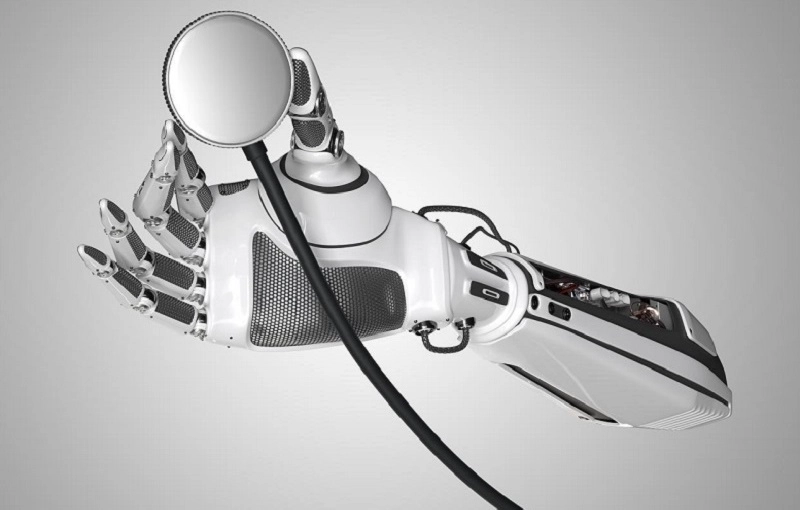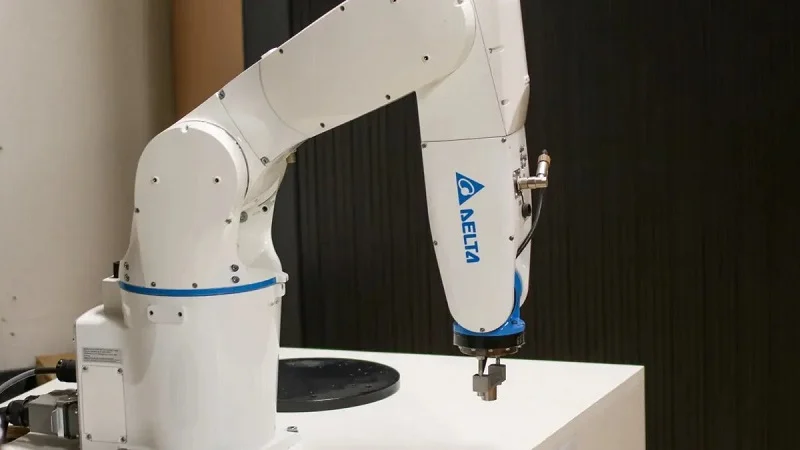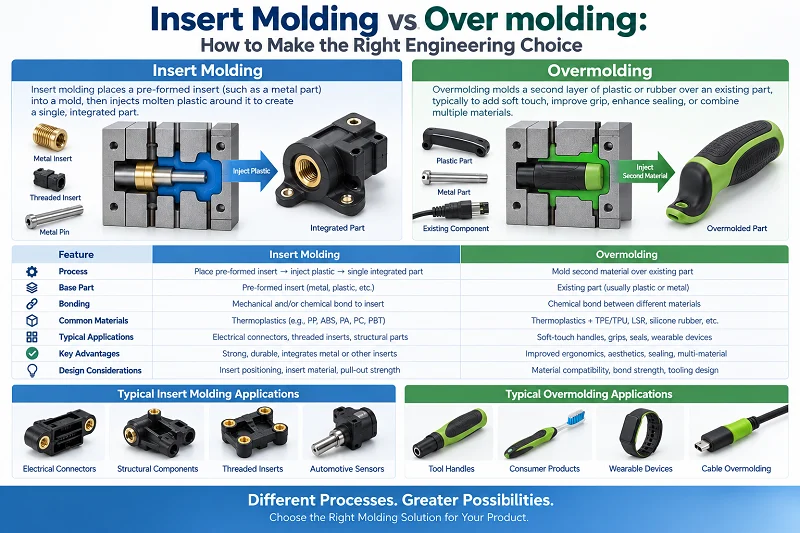
Medical robots are changing healthcare quickly. The market for medical service robots, including smart care robots, will grow from USD 1.4 billion in 2025 to USD 3.9 billion by 2033. The worldwide medical robots market will reach US$49.3 billion by 2033. Surgical robots, robotic prostheses, and medical device robotics all rely on smart care robot parts. Their safety, quality, and cost depend on manufacturing and materials. CNC machining, injection molding, sheet metal fabrication, and off-the-shelf components each have a job to do. Metals, plastics, and silicone complete the picture. Engineers, product managers, and hobbyists in the medical robotics industry need to know this. This guide helps you make smart choices.
Key Processes for Smart Care Robot Parts
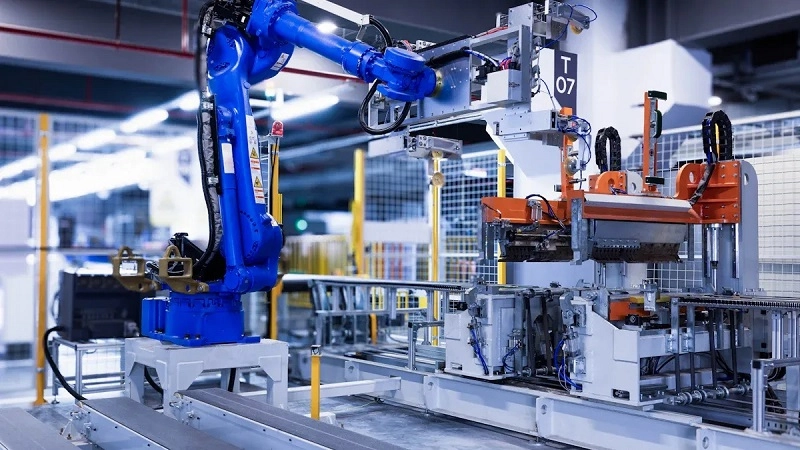
Four main processes build the smart care robot parts that go into today’s medical machines. Each one fits a different job. CNC machining shapes solid metal into joints and shafts. Injection molding forms plastic housings and covers. Sheet metal fabrication creates frames, brackets, and enclosures. Off-the-shelf components fill in the rest. Engineers, product managers, and hobbyists all face the same question. Which process fits which part? The answer shapes cost, lead time, and performance.
CNC Machining for Smart Care Robot Parts
Applications in Joints and Actuators
Robot actuators and joints work under heat, moisture, dust, and heavy loads. A weak part can fail and take the whole system down. CNC machining solves this problem. It cuts high-performance metals into joints, gears, and housings with strong internal structure. Casting and 3d printing can leave hidden weak spots inside a part. CNC machining avoids most of them. That matters a lot for medical robots that lift patients or assist in surgery.
The comparison is clear. CNC machining holds tighter tolerances than 3d printing. It also delivers stronger parts and better surface finishes. Additive methods still work well for prototypes and non-critical pieces. Load-bearing parts belong on a CNC machine. Powder metallurgy offers another path. It gives stable dimensions and uses material efficiently. But it cannot match CNC design flexibility. You can change a CNC design without building new tooling. That freedom helps when a medical robot design shifts late in development.
Tight Tolerances and Material Versatility
Precision drives everything here. Bearing seats in robotic joints typically need a surface finish of Ra 0.4 to 0.8 micrometers. That smoothness keeps full contact and stops micro-fretting. Roundness usually holds at 0.005 mm so bearings carry load evenly. Swiss machining pushes tolerances as tight as plus or minus 0.005 mm on small, complex parts. Coatings on bearing bores need a 0.05 mm allowance. Dry film lubricants like MoS2 and PTFE go on internal sliding surfaces to cut friction.
Material choice matters just as much. Aluminum 6061-T6 is the workhorse for prototypes and general structure. It machines easily, welds well, and takes anodizing beautifully. Its tensile strength reaches 310 MPa. Aluminum 7075-T6 jumps to 572 MPa for high-load links and compact joint yokes. It resists stress-corrosion cracking better in overaged tempers like T73. Stainless steel serves hygiene-critical areas. This is where precision cnc machining earns its keep. NOBLE, a leading manufacturing company in China, runs this kind of work every day. Their CNC team helps clients move from prototype to mass production without losing precision.

Injection Molding for Smart Care Robot Parts
Complex Geometries for Housings and Covers
Plastic housings for medical robots often carry complex shapes. Ribs, bosses, snap fits, and living hinges all come out of one mold. Good design keeps those shapes strong. Ribs should stay under 50 to 60 percent of nominal wall thickness. That stops sink marks on the visible side. Rib height should stay below three times the wall thickness. Inside radii of at least half the wall thickness cut stress concentration by up to 50 percent. Wall thickness of 2 to 4 mm with less than 25 percent variation reduces cosmetic rejects by up to 40 percent.
Medical demands add more rules. Materials need full lot traceability and ISO 10993 compliance for patient contact. Sterilization method shapes the choice too. Gamma radiation can embrittle polypropylene. So geometry must avoid stress concentrators. Cleanliness matters as well. Sharp internal corners and deep crevices trap bioburden. Smooth mating surfaces keep reusable instruments safe.
Cost-Effectiveness in High-Volume Production
Tooling costs money up front. Side-actions for undercuts can raise tool cost by 15 to 30 percent or more. That investment pays off at volume. Per-part cost drops fast once the mold runs. High-performance polymers like PEEK and Ultem need high melt temperatures and tight process control. They also resist degradation and molded-in stress. A formal tolerance stack-up analysis keeps fit and function in line. Specify only the tolerances the assembly truly needs. That one habit controls cost across the whole program.
Sheet Metal Fabrication for Smart Care Robot Parts
Forming Frames, Brackets, and Enclosures
Sheet metal shines for frames, brackets, and box-style enclosures. A flat sheet with a few bends beats machining from solid on both time and cost. Lead time runs 3 to 5 days for small batches. A large enclosure measuring 300 mm by 200 mm by 100 mm costs $50 to $150 per unit at low volume. The same part in CNC machining runs $500 to $2,000. Small brackets flip the math. Sheet metal needs bend tooling, so a 50 mm by 30 mm by 10 mm bracket costs $20 to $50. CNC stays competitive there at $30 to $100.
Strength, Durability, and EMI Shielding
Enclosures also shield sensitive electronics. Traditional metal EMI shields range from 0.5 mm to 3 mm thick. Aluminum at 0.5 to 1.2 mm gives roughly 60 dB of attenuation. Copper at 0.3 to 0.8 mm matches that performance. Stainless steel at 0.8 to 1.5 mm suits harsh environments. Material grade changes the result. Aluminum 5052 and 6061 shield well above 10 MHz. Copper performs best for RF-sensitive surgical instruments. Stainless steel 304 and 316 offer moderate shielding with strong corrosion resistance. Medical devices often use 0.5 to 2.0 mm with multi-layer shielding. A hybrid approach works well too. A sheet metal enclosure with CNC-machined inserts combines low cost with high precision. That pattern shows up often in robotics, industrial equipment, and surgical systems.
Common Robotics Materials for Smart Care Robot Parts
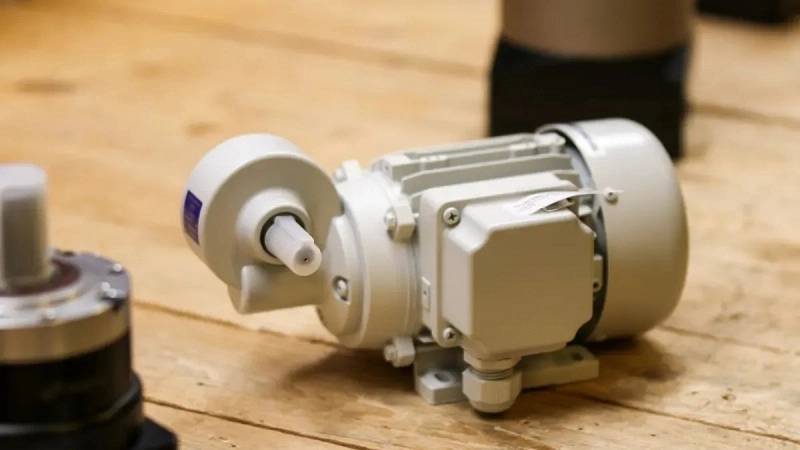
Choosing the right material is very important in medical robotics. Metals, plastics, and elastomers each have different benefits. The choice affects safety, ease of cleaning, strength compared to weight, and cost. Pick the wrong one, and your smart care robot parts may break in use. Pick the right one, and you make machines that last.
Metals for Smart Care Robot Parts
Aluminum Alloys for Lightweight Frames
Aluminum is the main metal for robot frames. It is light, strong, and simple to shape. Aluminum alloy gives a light build with strong performance. That mix is important for mobile medical robots that must move without using up batteries. Light materials allow better motion, less energy use, and longer battery life for robots and drones. Aluminum’s strength-to-weight ratio is much better than most plastics.
| Material | Strength-to-Weight Ratio | Key Characteristics |
| Aluminum Alloy | High | Lightweight, versatile strength |
| Plastics | Low to Moderate | Lightweight, less durable |
Cost also matters. 6061-T6 aluminum bar costs $6.60 to $11 per kilogram. That is cheaper than 304 stainless steel at $8.80 to $18 per kilogram. Stainless costs about $2 to $7 more per kilogram. For big frames, that difference adds up quickly.
Stainless Steel for Hygiene and Structural Integrity
Stainless steel 316L resists rust and is very strong. It works with all ways to clean it. That makes it a great choice for medical robot parts that touch patients or stay in clean rooms. Titanium (Ti-6Al-4V) has a great strength-to-weight ratio and works well with the body. It also works with every cleaning method. These metals are good for structural parts in surgical robots and robotic prostheses. They survive steam, EtO, and gamma cleaning without losing strength.
Plastics for Smart Care Robot Parts
ABS and Polycarbonate for Durable Covers
Covers and housings must resist hits. Polycarbonate gives 15 to 20 times more hit resistance than ABS. It costs more at first: $2.50 to $3.50 per pound versus $1.80 to $2.50 for ABS. But polycarbonate lasts 8 to 10 years. ABS lasts 5 to 7 years. Polycarbonate also needs less care over its life. For medical robots in busy care places, that trade often favors polycarbonate.
Engineering Plastics for High-Stress Components
High-stress parts need engineering plastics. PEEK and PEI (Ultem 1000) are the best in this group. PEEK has a pull strength of 95 MPa and works up to 260°C. Ultem 1000 reaches 110 MPa but stops at 170°C. PEEK resists chemicals and wear very well. It also lasts over 100 rounds of different cleaning methods, including over 1000 rounds of steam cleaning. These plastics drive robotics parts in surgical and ablation tools. They are non-reactive, stable in the body, and cause no MRI problems.
Elastomers and Silicone for Smart Care Robot Parts
Liquid Silicone Rubber (LSR) for Flexible Components
LSR is great for soft, bendy parts. Grips, seals, and soft skins all use it. Medical-grade LSR passes ISO 10993 tests for cell harm, skin reaction, and irritation. It often meets USP Class VI rules. Platinum-cured silicone leaves almost no leftover catalysts. That gives a non-toxic, non-reactive final product. LSR stays stable under autoclave, EtO, and radiation cleaning. It does not react with tissues or fluids. It also resists moisture and bacteria. Unlike latex, it avoids allergies.
Material choice also controls flexibility in soft robot parts. Elastomers and flexible polymers make shapes that bend under load without breaking. Soft grippers fit around uneven surfaces and spread out contact forces. That protects fragile items and lowers injury risk during human contact. Soft materials work as a passive safety feature. Their natural softness reduces impact forces during accidental touch. This is important for elder care, where long skin contact needs even pressure spread.
Material Selection Criteria for Medical Robot Parts
A material choice guide for medical robots must think about several things. Body-safe materials must be non-toxic, kill germs, and survive steam, EtO, and gamma cleaning. They must keep their strength under repeated cleaning. PEEK, PPSU, stainless steel, and titanium all meet these needs. PPSU offers high toughness and great repeated steam autoclave use. Stainless steel 316L resists rust and works with all cleaning methods. In practice, no single material fits every part. The right choice depends on the use, the cleaning method, and the budget.
Design Considerations for Medical Robots

Good design helps smart care robot parts work well in real use. Engineers need to think about how to make parts early. They also must plan how all parts fit together in the whole machine.
DFM for Smart Care Robot Parts
Reducing Complexity and Part Count
Every extra part adds cost, weight, and a chance to break. Design for Manufacturability (DFM) pushes teams to put many jobs into one piece. A machined bracket that also cools removes two parts and one assembly step. Fewer parts mean fewer errors from small size differences. That matters for medical robots that need exact repeated moves.
Designing for Assembly and Serviceability
Medical robots must be easy to fix. A nurse cannot wait days to take one apart. Designers should use screws that stay in place, connectors that fit only one way, and clear wire paths. Parts should slide out without hitting neighbors. This keeps repair time short and protects precision over the product’s life.
Off-the-Shelf Smart Care Robot Parts
Standard Parts vs. Custom Solutions
The choice to build or buy affects cost and speed. Custom work pays off when a part controls accuracy, stiffness, or safety. Standard parts win when the job is common and not special to your design.
| Component Type | When Custom Adds Value | When Off-the-Shelf Wins |
| Actuator housings | Joint accuracy or space needs a custom motor–gear setup | Standard housings meet accuracy needs |
| Bearings | Load, shock, or size falls outside catalog limits | Standard sizes meet load and life needs |
| Frames | Load paths tie tightly to movement or payload | Modular frames meet stiffness needs |
| Motion drives | Unusual paths or built-in mechanisms are needed | Belts, pulleys, and pneumatics work well |
| Covers | Sealing or heat needs match internal layout | Generic enclosures protect and look fine |
Balancing Cost, Lead Time, and Performance
Buying parts is cheaper than making everything. But depending on another supplier ties your fate to theirs. They may give bigger customers priority or change hardware mid-project. So buying parts suits low-volume work. High-volume programs usually cost less when you own the design. Owning the design lets you improve the product over time.
System-Level Integration for Smart Care Robot Parts
Interoperability of Mechanical and Electronic Parts
Mechanical and electronic parts must work together. Mounting holes, cable exits, and connector heights all interact. A misaligned sensor can ruin joint accuracy. Teams should finalize interface drawings early and check them with every change.
Thermal Management and Weight Distribution
Heat and mass decide how long a robot works. Custom brushless motors with tight windings cut weight by mounting near the frame. Quasi-direct drive joints give high torque and save energy. Their low gear ratios reduce backlash and heat loss. Series elastic actuators add flexibility but lower speed. Balanced weight keeps surgical robots steady during fine work.
NOBLE: Your Partner for Smart Care Robot Parts

Our Expertise in Metal and Plastic Processing
Advanced Capabilities in CNC Machining and Injection Molding
NOBLE operates precision CNC machining and injection molding centers. We work with metals and plastics for medical robots. The CNC team builds gears, shafts, and actuator housings. Every part meets the tough demands of medical robots. Our injection molding machines make complex housings. Sheet metal fabrication adds frames and enclosures. This range covers nearly every part a smart care robot needs. The robots we build move through hospitals safely. They handle many care tasks. Safety is built into every part we make.
The team works with aluminum, stainless steel, and engineering plastics. On the molding side, we run high-cavitation tools for structural pieces. Both processes work together. A robot frame can start as sheet metal, get CNC-machined inserts, and end with covers. We manage all that in one facility. That cuts lead times for robotics projects. It keeps precision high across all components. Our precision shows in every medical robot part we ship.
End-to-End Services for Smart Care Robot Parts
From Design and Prototyping to Assembly and Testing
NOBLE does more than production. We help from the first sketch to final test. Engineers review your design. They suggest changes that save money and improve quality of medical robots. We build prototypes using CNC machining or 3d printing. This lets you test fit and function. The 3d printing process helps validate designs quickly.
After design lock, we move to volume manufacturing. We handle assembly of mechanical and electronic components. Our test lab checks every part for dimensional accuracy of medical robot parts. We document every step for regulatory approval. You get a complete package with traceability. This reduces supply chain risk for medical robots. The process supports robotic systems of any size. These robots need consistent performance across every batch.
Certified Quality for Smart Care Robot Parts
ISO 9001:2015 and ISO 13485:2016 Certifications
Quality matters here. A failed surgical robot part can harm a patient. NOBLE holds ISO 9001:2015 and ISO 13485:2016 certifications for medical devices. These standards govern our manufacturing for medical robots.
ISO 9001:2015 covers our management system. It ensures we document processes. ISO 13485:2016 adds requirements for medical applications. We control contamination risks for surgical tools. We maintain traceability for high-precision medical robot parts. The materials we use meet ISO standards. Every batch from precision CNC machining comes with full documentation.
These certifications give confidence. Parts meet standards used in surgical robots worldwide. They meet strict industry requirements. The surgical environment demands absolute precision. Our rejection rates stay low for these robots. That is the standard you need for surgical robotics applications. The process is repeatable for every production run of robot components.
Smart care robot parts come from four main ways. CNC machining, injection molding, sheet metal fabrication, and off-the-shelf components each have a job. Metals, plastics, and elastomers change how medical robots work. These choices affect design, cost, and safety. Working together as a team matters for success in the medical robotics industry. From design to sourcing, every step counts. Medical robot parts need precision at every stage. That is where partners like NOBLE help. Their skills in manufacturing and quality systems support medical robots and surgical robotics. Ready to build your smart care robot? Talk to NOBLE today. Let their team bring your vision to life with precision components and reliable 3d printing support.
FAQs of Smart Care Robot Parts
What materials work best for smart care robot parts?
Medical robots use aluminum for light frames. Stainless steel keeps medical parts clean. Plastics and silicone handle soft covers and seals. Medical certification guides material choice for medical robot parts. Each medical robot needs materials that survive medical cleaning. Medical safety depends on medical material selection.
How does CNC machining help medical robots?
CNC machining gives tight tolerances for medical robot joints. Medical robots need precise components. Precision keeps medical robot movement smooth. Medical applications demand strong parts. CNC machining works for medical robot gears and actuator parts. Medical device manufacturing uses this process often.
Why use injection molding for smart care robot parts?
Injection molding makes complex medical housings. It cuts cost for high volume medical robot parts. Medical robots need consistent quality across many units. Medical device manufacturing benefits from repeatable results. Surgical robot covers and medical robot body parts come from molds.
What role does sheet metal play in surgical robotics?
Sheet metal forms frames and enclosures for surgical robots. It offers strength and EMI shielding for medical electronics. Medical robots use sheet metal for structural parts. Surgical robot frames need durability. Sheet metal fabrication supports medical robot assembly with low cost and fast lead time.
When should you use off-the-shelf parts for medical robots?
Use standard components when they meet medical robot needs. Off-the-shelf parts save time and cost for medical devices. Medical robot projects benefit from ready parts like bearings and motors. Custom parts work when medical robot performance demands unique fit. Balancing medical robot cost and lead time matters.
What design rules make smart care robot parts better?
Reduce part count for medical robots. Design for easy assembly and service. Medical robot parts should align with electronic components. Thermal management and weight distribution affect medical robot performance. Following DFM rules improves medical robot reliability and lowers manufacturing cost.
How does NOBLE ensure quality for medical robot components?
NOBLE holds ISO 13485 and ISO 9001 certifications. Every medical robot part goes through inspection. Medical robot manufacturing follows strict standards. Precision CNC machining and injection molding meet medical requirements. NOBLE provides traceable medical components for surgical robots and smart care robot parts.