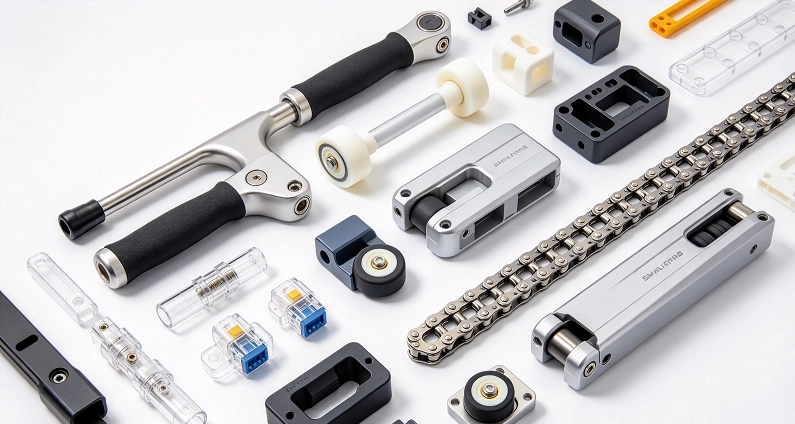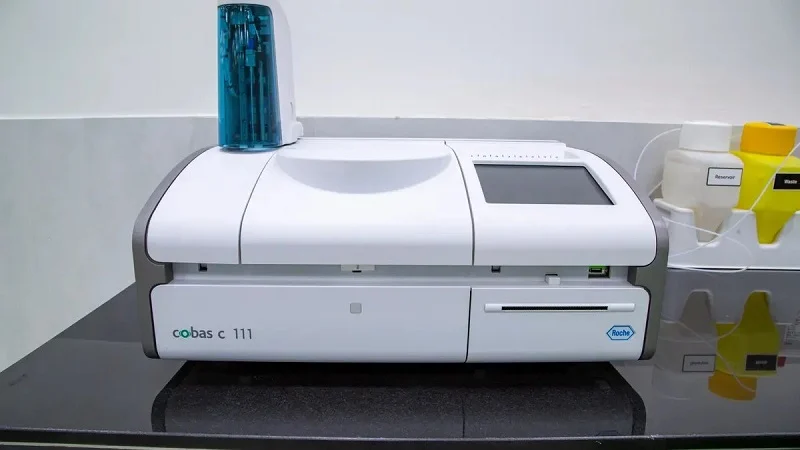
Every diagnostic result depends on how reliable the medical analyzer components are. Making these components takes a careful plan, not guesswork. Success needs a clear method that brings together design for manufacturability, material science, prototyping, production, and strict quality checks. Engineers and people who buy parts need a simple guide for building medical devices. This article gives useful steps for each part of the process. We’ll look at smart ways to avoid costly delays and rule-breaking mistakes. A careful process keeps patients safe and protects your profits. NOBLE, a top maker in China, shows this full approach from early samples to large-scale production of medical analyzer components. Their know-how proves that working together early turns hard medical needs into real, working hardware. Let’s follow the path from an idea to a certified component.
Design for Manufacturability for Medical Parts Manufacturing
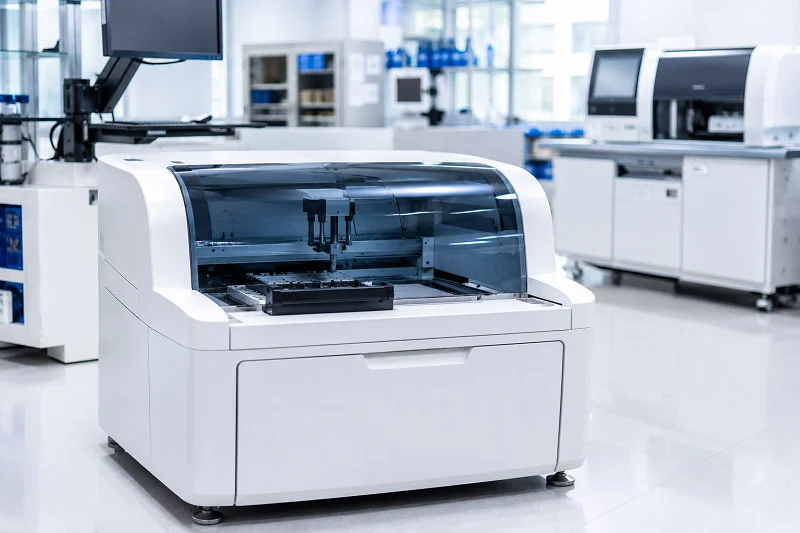
DFM turns a good component design into one that’s easy to build. For medical analyzer components, DFM isn’t optional. It’s a must. You need parts that meet tight specs and pass strict rules. DFM helps you get there without wasting time or money.
DFM Principles for Precision Parts
Precision parts for medical analyzers demand careful planning. The team must think about how each feature gets made. They also need to plan how parts fit together. This saves headaches later.
Tolerancing and Geometric Dimensioning
Tolerancing tells the machinist how much a measurement can vary. Medical analyzer components often need tolerances in the micron range. GD&T goes further. It defines the shape, position, and orientation of features. This makes sure the part works as intended. It also helps the manufacturer choose the right process.
The numbers speak for themselves. DFM leads to fewer defects and less waste.
| DFM Benefit | Statistical Evidence | Cost Reduction Impact |
| Fewer Defects | Up to 30% fewer defects in medical device manufacturing | Reduces rework, scrap, and warranty costs, directly lowering production costs |
| Reduced Material Waste | 20% reduction in material waste | Cuts raw material expenses and disposal costs, improving overall cost efficiency |
A tight tolerance on a non-critical feature wastes money. A loose tolerance on a critical feature risks failure. FMEA helps find those risks early. Teams use FMEA to spot problems before they reach the factory floor.
Assembly and Integration Planning
A part that’s easy to machine might still be hard to assemble. Assembly planning looks at the big picture. How do parts fit together? How does the technician access fasteners? Can a robot handle the part?
DFM removes unnecessary features, reduces part count, simplifies tooling, improves throughput, and reduces scrap from hard-to-build assemblies. By considering HLA factors – like fixtures, repeatable operations, and sub-assembly testing – manufacturers can further reduce costly rework and scrap. It also helps secure alternative components when supply issues arise, maintaining quality while controlling costs.
Collaborative Design with Suppliers
You can’t do DFM alone. Suppliers bring real-world knowledge about what works. They know their machines and materials. Involving them early makes a big difference.
Early Supplier Involvement Benefits
DFM minimizes production costs by simplifying the manufacturing process. It reduces the number of complex or custom-made parts. Material waste drops because the design uses materials efficiently. Manual adjustments during production become rare. The streamlined process leads to shorter lead times. Manufacturers respond faster to market changes. DFM enhances quality, reliability, and performance. It reduces errors across production runs.
When a supplier like NOBLE joins the design phase early, things go more smoothly. NOBLE is a leading manufacturer in China with deep expertise in prototyping and mass production. Their team reviews the design for manufacturability. They suggest changes that make the part easier to machine or mold. This cuts weeks off the timeline and prevents expensive tooling changes later.
Design Reviews and Feedback Loops
Regular design reviews keep everyone on the same page. The design team shares the latest model. The supplier shows what their machines can do. Together, they find the best approach.
Design controls require this kind of traceable process. Every design review gets documented. Every change gets tracked. Good design controls make sure lessons learned carry over to the next project. The result is a design ready for the line from day one.
Material Selection for Medical Analyzer Components
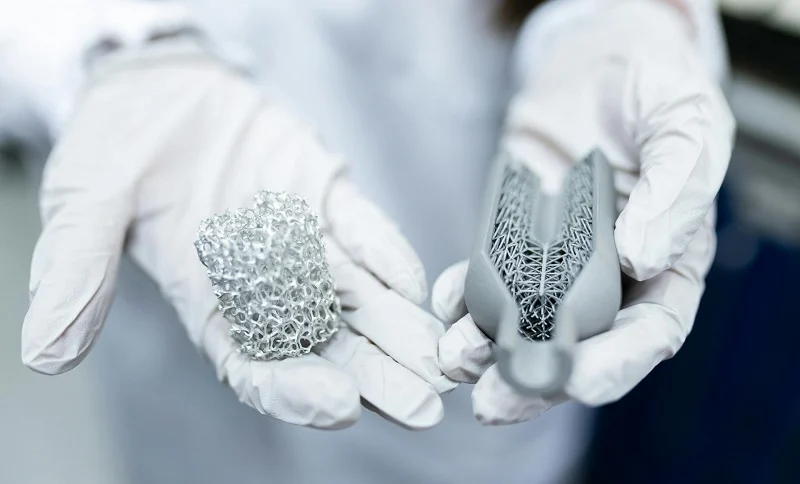
Choosing the right material for medical analyzer components shapes everything downstream. The material must survive contact with reagents, withstand repeated cleaning, and keep patients safe. It also needs to work with your chosen manufacturing process. Getting this decision right saves months of headaches.
Biocompatible Polymers and Metals
Biocompatibility means the material won’t harm living tissue. For medical analyzer components, this matters even when parts never touch a patient directly. Reagents can leach chemicals from incompatible materials. Those chemicals contaminate samples. Test results become unreliable. The stakes stay high.
Common Materials: PEEK, Stainless Steel, Titanium
PEEK stands out among polymers for analyzer parts. It resists chemicals well. It handles high temperatures without warping. Stainless steel 316L offers strength and corrosion resistance at a reasonable cost. Titanium alloys like Ti-6Al-4V bring excellent corrosion resistance and high biocompatibility. They also behave well over long periods.
| Material Category | Common Examples | Key Properties |
| Metals | Stainless steel (316L), Titanium alloys (Ti-6Al-4V), Co-Cr-Mo | Titanium alloys: excellent corrosion resistance, high biocompatibility, good long-term behavior; Co-Cr alloys: good mechanical properties, excellent wear resistance, but lower biocompatibility |
| Ceramics | Alumina, Zirconia, Hydroxyapatite | High corrosion resistance, hardness, wear resistance, low friction, significant biocompatibility; classified as bioactive, bioresorbable, or bioinert |
| Polymers | PE, UHMWPE, PMMA, PLA, PGA | Structural stability, low cost; first-generation polymers have relative biocompatibility; second-generation (PLA, PGA) are biodegradable and resorbable |
| Composites | Ti/HA, Mg/HA, HDPE/HA, Carbon fiber/PEEK | Filler enhances structural properties, biocompatibility, and bioactivity of the matrix material |
Each material brings trade-offs. Titanium costs more than stainless steel. PEEK costs more than standard plastics. Your design team must weigh performance against budget. A cheaper material that fails validation costs far more in the long run.
Compliance with USP Class VI and ISO 10993
Regulatory bodies demand proof that materials are safe. USP Class VI testing checks for biological reactivity. ISO 10993 outlines a broader set of biocompatibility evaluations. Passing these tests gives you confidence. It also gives regulators what they need for approval.
Compliance isn’t just about the raw material. Additives, colorants, and processing aids all affect biocompatibility. A resin supplier might offer a medical grade. That grade has documented test results. Using it simplifies your regulatory path. Using a generic grade means running your own tests. That takes time and money.
Chemical Resistance and Sterilization
Medical analyzer components face harsh environments. Cleaning agents strip away oils. Reagents attack polymer chains. Sterilization methods add heat, moisture, or radiation. Your material must survive all of it without degrading.
Autoclave, ETO, and Gamma Radiation Effects
Different sterilization methods affect materials differently. Ethylene oxide (EtO) sterilization works as a gentle chemical process. It preserves structural integrity and performance across a wide range of plastics. Parts can go through repeated EtO cycles without losing their properties.
Gamma radiation tells a different story. It causes material degradation over time. Clarity suffers. Strength drops. A polymer that looks fine after one cycle might fail after several. Your team needs to know how many cycles a part will face during its service life.
Steam sterilization (autoclaving) is generally limited to devices made from materials that can tolerate high heat and moisture without degrading — commonly metals and certain heat-stable polymers — implying that mechanical properties are preserved only for compatible materials, while many plastics are unsuitable.
Think about the whole picture. A metal fitting handles autoclaving easily. A plastic valve body might not. If your analyzer requires sterile fluid paths, choose materials that match your sterilization method. This decision affects the entire production process.
Material Data Sheets and Testing Protocols
Material data sheets give you the starting point. They list mechanical properties, thermal limits, and chemical resistance ratings. But data sheets don’t tell the whole story. They report results from standard test specimens. Your part has different geometry, different residual stresses, and different surface finish.
Testing protocols close that gap. You expose actual parts to your specific reagents. You run them through your sterilization cycles. You measure dimensions before and after. This verification catches problems early. It also creates documentation that supports your regulatory submission.
NOBLE, a leading manufacturing company in China, helps clients navigate these choices. Their engineers review material selections against manufacturing realities. They know which materials machine well and which ones mold reliably. Their experience with prototyping and mass production means they spot potential issues before tooling gets cut. This collaboration reduces risk across the entire medical applications landscape.
Quality hinges on material consistency. A supplier changes their formulation slightly. Your parts behave differently. That’s why material certifications matter. Every batch should come with documentation. Your incoming inspection should verify key properties. These steps protect your production runs from surprises.
The selection process feeds directly into your design history file. Every material choice gets documented. Every test result gets recorded. This paperwork feels tedious. It also protects you during audits. Regulators want to see a logical trail from material selection to final validation. A well-documented process makes those audits go smoothly.
Medical applications demand this level of rigor. The cost of a material failure extends beyond the failed part. It includes downtime, investigation costs, and potential recalls. For medical components, the stakes include patient safety. That’s why careful material selection matters so much. The right choice at the start prevents problems at every stage that follows.
Prototyping and Testing Medical Analyzer Components
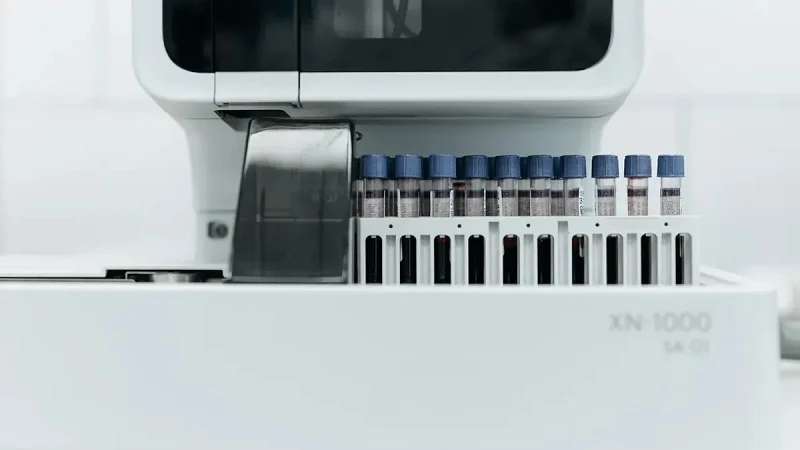
Prototyping turns your design into something you can hold. This stage catches problems before they become expensive. Testing verifies that your part works as intended. Together, they build confidence before you commit to full production.
Rapid Prototyping Techniques
Speed matters during early development. You need parts quickly to test ideas and refine designs. Rapid prototyping gives you that speed without waiting weeks for tooling.
3D Printing for Iterative Design
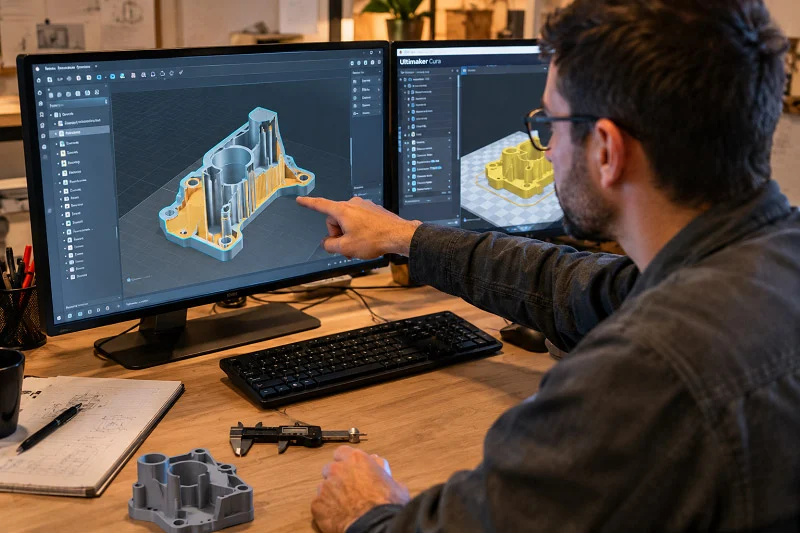
3D printing excels at iterative design work. It offers high design flexibility. Complex geometries that CNC machining struggles with become easy. You can print parts overnight instead of waiting weeks. This speed supports rapid iteration.
The advantages go beyond speed. You can test multiple design variations at once. No tooling costs or minimum order quantities apply. Print one part or many. Material waste stays low compared to subtractive methods. Early detection of design flaws saves money later. Physical prototypes let you validate real-world use. This approach works well for short-run specialty equipment too.
CNC Machined Prototypes for Fit Checks
3D printing handles geometry well. But sometimes you need the real thing. CNC machined prototypes use production-grade materials. They show how the actual part will behave. Fit checks demand this accuracy. Mating surfaces, thread engagement, and tolerance stack-ups all need verification.
CNC prototypes also help with functional medtech prototypes. They let you test moving parts under real loads. The material properties match final production parts. This gives you meaningful data about wear and performance.
Verification and Functional Testing
Prototypes give you something to test. Verification confirms the part meets specifications. Functional testing proves it works in real conditions. Both steps feed into your validation records.
Dimensional Inspection and Metrology
Dimensional inspection verifies that parts meet drawing requirements. Coordinate measuring machines (CMMs) excel at this task. They work well for small to medium parts with tight tolerances. CMMs verify geometric dimensioning and tolerancing (GD&T) relationships. Position, concentricity, flatness, and profile all checked.
Optical inspection systems offer another route. They provide non-contact measurement for delicate features. Small components, implants, and prototypes benefit from this approach. Submicron accuracy comes without touching the part. Portable CMMs handle larger devices right on the factory floor. This reduces downtime during inspection.
Medical device manufacturing relies on traceable quality documentation. Every measurement gets recorded. Every result stays on file. Regulators expect this level of detail as part of your validation package.
Functional Testing in Simulated Environments
Dimensions tell only part of the story. Your part must work under real conditions. Functional testing places prototypes in simulated environments. You expose them to reagents, temperature changes, and mechanical stress. You run them through cycles that mimic actual use.
This testing reveals issues that dimensional inspection misses. A valve might seal perfectly when new. After 10,000 cycles, does it still seal? A pump might move fluid accurately at room temperature. What happens at 40°C? Simulated testing answers these questions. Proper validation of these conditions protects patient safety.
Iterative Refinement Approaches
Testing rarely passes on the first try. That’s normal. The refinement process turns failures into better designs. Structured approaches make this work efficient.
Design of Experiments (DOE)
Design of Experiments (DOE) gives you a systematic way to test variables. Instead of changing one thing at a time, you test many factors together. This reveals interactions between variables. You learn which parameters matter most. You find the optimal settings faster.
DOE applies to both design and manufacturing process development. You might test how different surface finishes affect sealing. Or how injection molding parameters change part dimensions. The results guide your next iteration. This structured approach strengthens your overall validation.
Documenting Design History Files
Every decision needs documentation. Design history files (DHFs) capture the entire development journey. They record design inputs, risk analysis, test results, and design changes. This documentation serves two purposes. It satisfies regulatory requirements. It also preserves knowledge for future projects.
Design controls require this traceable approach. Each prototype iteration gets documented. Each test result gets recorded. Each design change gets justified. When auditors arrive, you can show them the complete story. NOBLE, a leading manufacturing company in China, supports clients through this entire process. Their expertise in prototyping and mass production helps bridge the gap between concept and certified component. They understand that validation isn’t just a final step. It’s woven through every stage of development. Proper validation protects patients and builds trust in your medical analyzer components.
Medical Device Manufacturing: Machining, Molding, and Assembly
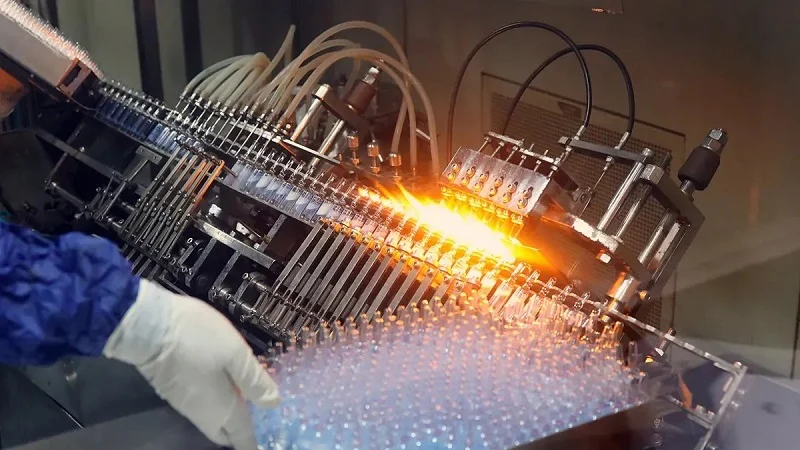
The production floor turns designs into reality. Each manufacturing method brings unique strengths. CNC machining delivers precision. Injection molding handles volume. Additive manufacturing tackles complexity. Smart teams match the method to the part.
CNC Machining for Metal and Plastic
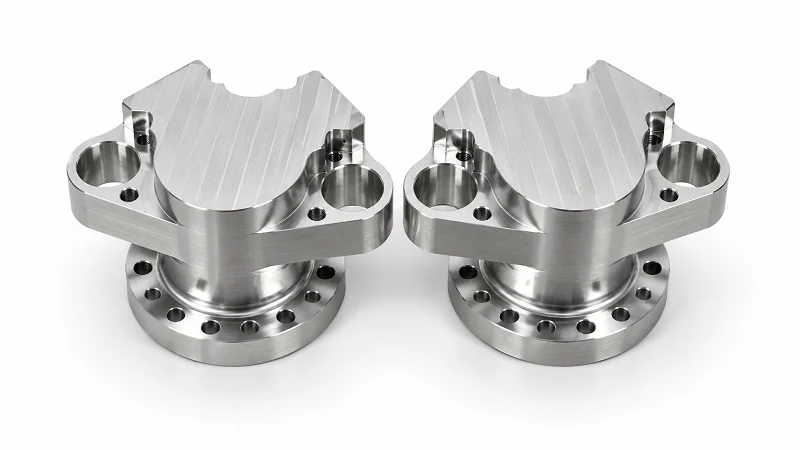
CNC machining removes material to create exact shapes. It works well for metal and plastic parts. Medical device manufacturing relies on this method for components that need tight tolerances and smooth surfaces.
Swiss CNC Turning and Multi-Axis Milling
Swiss CNC turning excels at small, cylindrical parts. These machines hold bar stock while cutting tools shape the piece. The design supports long, slender parts without deflection. Multi-axis milling adds another dimension. It cuts complex features from multiple angles in one setup.
Precision defines this work. The CNC Swiss turning machines at Lampin produce components with tolerance restrictions as tight as 0.0002 inches. Skilled machinists hold this tolerance consistently across production runs.
The CNC Swiss turning machines at Lampin are capable of producing components with tolerance restrictions as tight as 0.0002 inches, and their skilled machinists can hold this tolerance consistently.
That level of accuracy matters for medical analyzer components. A tiny variation in a valve seat or a pump housing changes performance. Tight tolerances keep fluid paths sealed and measurements accurate.
Surface Finishing and Passivation
Machining leaves microscopic residue on metal surfaces. Cutting oils and free iron particles stay behind. These contaminants cause corrosion and contamination. Surface finishing removes them.
- Passivation: a non-electrical process that removes free iron from the stainless steel surface, enhancing corrosion resistance.
- Electropolishing: an electrochemical process that smooths the surface and increases corrosion resistance.
Both treatments extend part life. They also keep reagents from reacting with metal surfaces. Medical device production often specifies these finishes for stainless steel parts that contact fluids.
Injection Molding for High-Volume Parts
Injection molding shapes plastic by forcing molten resin into a mold cavity. The process suits high-volume production. Once the tool exists, parts cycle quickly. Each cycle produces consistent results.
Tool Design for Tight Tolerances
The mold determines part quality. CNC-machined molds with sub-5 micron accuracy and uniformly optimized cooling channels are essential. Tool designers place gates and vents carefully. They plan for material flow and cooling patterns.
Mold precision directly affects part dimensions. A poorly designed tool creates warpage and sink marks. A well-designed tool produces parts that meet specifications from the first shot.
Process Parameter Optimization
Consistent process parameters keep quality high. Temperature, pressure, and cooling time all matter. Small changes shift part dimensions.
Consistent process parameters, such as temperature, pressure, and cooling time, are crucial to maintaining tight tolerances and high-quality output in medical injection molding.
Scientific molding takes this further. It captures key variables like injection pressure, fill time, cooling rate, and gate freeze. This data establishes a repeatable process window. The method improves dimensional accuracy and reduces defects. Medical components benefit from this rigor.
3D Printing, Sheet Metal, and Final Assembly
Not every part needs machining or molding. Some parts suit additive manufacturing. Others require sheet metal fabrication. Final assembly brings everything together.
Additive Manufacturing for Complex Geometries
Traditional methods like CNC milling rely on straight tools. Complex geometries with undercuts or internal structures become expensive. They often require assembly of multiple parts. Additive manufacturing builds parts layer-by-layer. It produces complex shapes as a single piece.
| Feature | Additive Manufacturing (AM) | CNC Machining Only |
| Internal Complexity | High (Lattices, channels) | Low (Limited by tool access) |
| Material Waste | Low | High |
Geometric complexity does not inherently increase cost with AM. It reduces material waste and production time compared to subtractive methods. This makes AM valuable for prototypes and low-volume specialty parts.
Sheet Metal Fabrication and Welding
Analyzer housings and chassis often come from sheet metal. Fabricators cut, bend, and weld flat stock into enclosures. These structures protect internal components. They also provide electromagnetic shielding.
Welding joins metal pieces permanently. Skilled welders create strong, leak-free joints. Surface treatment follows welding to restore corrosion resistance.
PCBA and HMI Integration
Modern analyzers need electronics. Printed circuit board assemblies (PCBA) provide the brains. These boards control pumps, sensors, and heaters. They process signals and communicate results.
Human machine interfaces (HMI) let users interact with the device. Touchscreens display results. Buttons and knobs control settings. The HMI assembly connects these elements to the PCBA.
NOBLE, a leading manufacturing company in China, handles all these processes under one roof. Their expertise in prototyping and mass production means clients work with one partner from start to finish. This approach reduces communication gaps and speeds up delivery.
The manufacturing process for medical device production demands careful planning. Each method has strengths and limits. Matching the right process to each part saves time and money. It also ensures the final product meets regulatory standards. Quality checks happen at every stage. Testing verifies that assembled units work correctly. This discipline separates reliable medical device manufacturing from guesswork.
Quality and Compliance in Medical Device Manufacturing
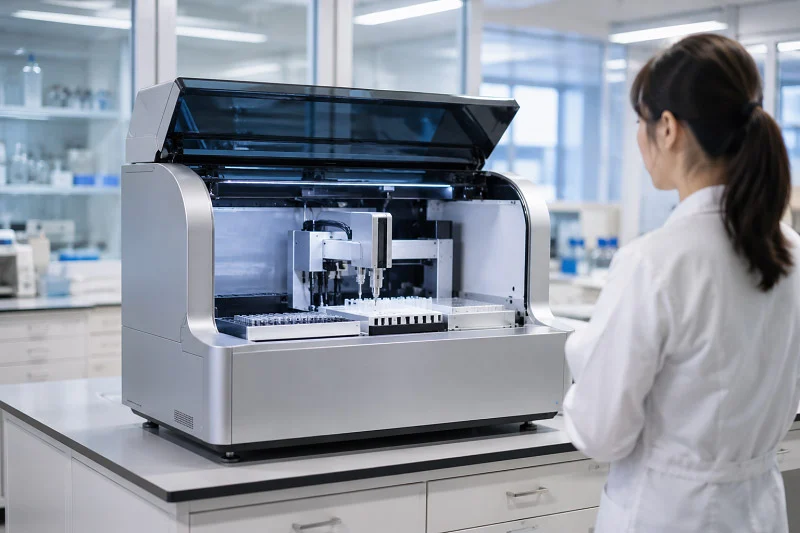
Quality systems protect medical analyzer components. They make sure every part meets requirements. Two standards lead the industry. Both matter for medical device manufacturing. But they have different goals.
ISO 13485 and ISO 9001 Systems
ISO 9001 works for any organization. It focuses on customer satisfaction. ISO 13485 builds on that base. It adds strict rules for regulatory compliance. For medical analyzer components, ISO 13485 is the best pick.
The main differences stand out clearly:
| Aspect | ISO 9001 | ISO 13485 |
| Scope | General; works for any organization | Special framework for medical device quality management |
| Regulatory Focus | Customer satisfaction and ongoing improvement | Regulatory compliance and QMS effectiveness for device safety |
| Documentation | Basic requirements | Needs a Device Master Record, stricter controls |
| Management Responsibility | Lets you assign quality roles without details | Needs a specific manager for each QMS part |
| Product Realization | Focuses on customer needs | Deep validation, traceability, batch records |
| Improvement Model | Ongoing improvement driven by customer satisfaction | Improvement to keep QMS effective for safety and performance |
ISO 9001 focuses on customer satisfaction. ISO 13485:2016 does not mention ‘continuous improvement’. Instead, it asks organizations to focus on ‘improvements’ to keep the QMS effective for medical device safety.
Document Control and CAPA Processes
Document control keeps every change traceable. Each revision has a reason. CAPA goes further. It finds root causes and fixes them in a planned way.
The most common FDA audit findings include CAPA procedures not set up right, complaint review steps missing, and purchasing controls not done correctly. These issues show up often. A strong quality management system stops them.
CAPA brings real benefits. It boosts product quality by removing root causes. It improves how work gets done. It supports regulatory compliance. It raises employee involvement.
A strong CAPA process handles system-wide issues. It feeds back into design controls. When nonconformances pile up, it points to weaknesses. CAPA investigations fix those flaws. Management reviews check CAPA effectiveness. This loop keeps the system working well.
Internal Audits and Management Review
Internal audits catch problems before regulators do. Trained auditors look at every area. They check document control, training records, and production logs. Findings get written down. Corrective actions get assigned.
Management review ties everything together. Leadership looks at audit results, CAPA effectiveness, and quality goals. They decide where to put resources. This review happens on a regular schedule. It keeps the QMS useful.
FDA and EU MDR Compliance
Medical analyzer components sold in the US must meet FDA rules. The European Union follows MDR rules. Both need careful preparation.
Device Classification and Premarket Submissions
Device classification sets the submission path. For Class II medical analyzer devices, the main pathway is Premarket Notification [510(k)]. This means showing the device is similar to one already on the market.
As of October 2023, all 510(k) submissions must use the eSTAR electronic template. The package includes device description, labeling, risk analysis per ISO 14971, performance data, and biocompatibility testing. The FDA goal for review is about 90 days for a well-prepared submission.
If no similar device exists, a De Novo Classification Request creates a new Class II rule. That timeline runs 120-150 days. Getting FDA clearance matters for market access. Without it, commercial sales stay blocked.
Labeling and UDI Requirements
Labeling rules apply to every medical device. They cover instructions for use, warnings, and symbols. The Unique Device Identifier (UDI) system adds another layer. Each device carries a unique code for tracking.
UDI compliance matters for medical applications. It helps with recall management and post-market surveillance. NOBLE, a leading company in China, helps clients handle these rules. Their know-how in prototyping and mass production means they understand labeling from both design and regulatory angles.
Validation plays a key role here. Process validation makes sure the method gives consistent results. Design validation confirms the device meets user needs. Product validation checks for defects. Material validation verifies biocompatibility. Together, these steps build trust in medical device production. They protect both patients and profits. This level of care is vital for medical device manufacturing.
Sheet Metal, PCBA, and HMI for Medical Analyzers
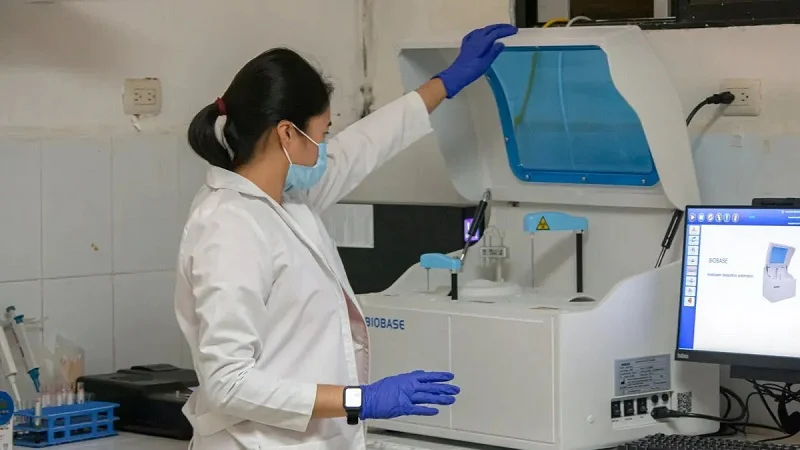
The outer shell and electronic brain of a medical analyzer matter as much as the precision parts inside. Sheet metal enclosures protect sensitive components. Printed circuit board assemblies control every function. Human machine interfaces let operators interact safely. Each piece demands careful attention during the manufacturing process.
Enclosures, Chassis, and Welding
Sheet metal fabrication creates the structural backbone of medical analyzers. These enclosures shield electronics from outside interference. They also protect users from moving parts and electrical hazards.
Durability and Electromagnetic Shielding
Medical analyzers sit near other electronic equipment. Motors, pumps, and wireless devices create electromagnetic noise. That noise disrupts sensitive measurements. Metal enclosures block this interference when properly designed.
Surface treatments play a big role here. Several options enhance both durability and shielding:
- Chromate conversion coating (chem-film)
- Tin plating
- Nickel plating
These treatments strip away the oxide layer and apply a conductive, corrosion-resistant surface. They provide dependable electrical contact and long-term shielding behavior. Without them, bare aluminum oxidizes quickly. That oxide layer acts as an insulator. It weakens the shield’s effectiveness over time.
Surface Treatment and Finishing
Surface finishing also affects how the enclosure looks and lasts. Medical devices face harsh cleaning agents. Those chemicals attack unprotected metal. A proper finish resists corrosion and keeps the device looking professional.
Welding joins enclosure panels into a rigid frame. Skilled welders create strong, leak-free joints. After welding, the entire assembly gets its protective coating. This sequence ensures complete coverage. NOBLE, a leading manufacturing company in China, handles this work in-house. Their expertise in prototyping and mass production means enclosures arrive ready for final assembly.
Printed Circuit Board Assemblies
PCBs carry the electronic circuitry that runs the analyzer. They control pumps, read sensors, and process data. A single fault can compromise an entire test run. That’s why medical PCBs follow strict standards.
Precision Manufacturing and Testing
Medical electronics demand high reliability. IPC-A-610 Class 3 sets the assembly acceptance standard. J-STD-001 Class 3 governs soldering processes. These standards ensure every joint meets strict requirements.
Key requirements for medical PCBs include:
- No annular ring breakout permitted
- Minimum plated through-hole copper thickness of 1 mil
- Tighter tolerances on conductor widths and spacing
IPC-2152 defines minimum trace width requirements. This standard ensures current-carrying capacity and proper thermal management. Following these rules prevents overheating and signal failures.
Reliability for Electronic Functionality
Reliability testing verifies that boards work under real conditions. Thermal cycling checks solder joints. Vibration testing simulates shipping and handling. These tests catch weak connections before they reach customers.
Class 3 boards use controlled materials and plating thickness. They maintain hole integrity and dielectric performance. This level of quality supports life-critical applications. For medical analyzer components, cutting corners here creates unacceptable risk.
Human Machine Interfaces
The HMI connects operators to the analyzer’s functions. A well-designed interface prevents errors. A confusing one causes mistakes that waste samples and time.
Display, Touchscreen, and Control Integration
Touchscreens dominate modern medical interfaces. They replace physical buttons with flexible digital controls. Designers must think about how fingers interact with the screen.
Interactive elements need proper sizing. Touch targets should measure at least 48×48 dp, roughly 9 mm. This prevents accidental taps. A mis-tap could start the wrong test or change critical parameters.
User Experience and Safety Considerations
Visual feedback matters during operation. Users need confirmation within 100–150 ms of touching the screen. Delays beyond 300 ms make people doubt their input. They tap again, causing duplicate operations.
Error prevention starts with smart design. Disable the “Start Test” button until all parameters are set. Show clear state transitions during processing. Users should always know if the device is running, idle, or in error.
Error messages need plain language. Tell users what happened, why, and how to fix it. Generic codes frustrate operators in time-sensitive clinical settings. Every critical action should support reversal or abort options.
Color contrast of at least 4.5:1 keeps text legible. Scalable fonts help operators with visual challenges. Icon-plus-label combinations reduce confusion. These choices support safe operation across diverse laboratory environments.
The quality of these systems determines real-world performance. Careful attention to enclosures, electronics, and interfaces creates analyzers that work reliably for years. This holistic approach defines successful medical device production.
NOBLE: Full-Service Partner of Medical Analyzer Components

Finding one partner who handles everything changes the game. NOBLE brings together design support, precision manufacturing, and assembly under one roof. Their certifications prove they understand medical device manufacturing at every level.
ISO 9001:2015 and ISO 13485:2016 Certified
Certifications tell you a lot about a company’s discipline. NOBLE holds both ISO 9001:2015 and ISO 13485:2016. These aren’t just wall plaques. They shape how work gets done every day.
Rigorous Quality Systems for Medical Applications
ISO 13485:2016 provides the framework for medical applications. It demands more than general quality practices. The standard requires traceability, document control, and risk management throughout the product lifecycle.
| Certification | What It Covers |
| ISO 13485:2016 | Quality management system for medical devices |
| FDA Establishment Registration | Title 21 CFR Part 807 for finished medical devices |
| EAR Compliance | Export Administration Regulations oversight |
| ISO Class 7 Cleanroom | Controlled environment for manufacturing processes |
The benefits reach far beyond paperwork. Regulatory compliance becomes smoother because ISO 13485 aligns with FDA’s updated QSR under 21 CFR Part 820. The framework reduces defects, recalls, and complaints. A structured, proactive risk-based approach protects patient safety across the entire lifecycle. Customers trust certified partners more readily, which strengthens retention and opens new markets.
NOBLE has completed over 1,700 process validations for Class II and III devices. Each validation follows documented protocols with clear acceptance criteria. They work with 18 top medical device OEMs. Those numbers reflect real experience, not promises.
Commitment to Regulatory Compliance and Audits
Audits happen regularly. NOBLE welcomes them. Their QMS keeps documentation current and accessible. Internal audits catch issues before external reviewers arrive. Management reviews track corrective actions and verify they work.
If you outsource any process that impacts standard requirements, you must monitor and control that process. This includes defining roles and responsibilities in documented quality agreements with outsourcing partners.
This quote captures why choosing the right partner matters. NOBLE’s documented quality agreements give clients confidence. Their commitment to regulatory compliance means fewer surprises during FDA inspections or notified body audits.
Metal and Plastic Processing Capabilities
Capabilities matter as much as certifications. NOBLE processes both metal and plastic in-house. This breadth lets clients consolidate suppliers and simplify their supply chain.
CNC Machining, Injection Molding, and Assembly
CNC machining handles tight-tolerance metal and plastic components. Swiss turning and multi-axis milling produce complex geometries with repeatable accuracy. Injection molding supports high-volume plastic parts with optimized process parameters. Assembly brings everything together, including PCBA integration and HMI installation.
This full range means one purchase order covers your entire build. You avoid the headaches of coordinating multiple vendors. Quality stays consistent because one team controls every step. This approach suits medical device manufacturing where consistency protects patients.
In-House Design for Manufacturability Support
NOBLE’s engineers join your project during the design phase. They review drawings for manufacturability. They suggest material alternatives that machine better or mold more reliably. This early collaboration prevents costly tooling changes later.
Their expertise in prototyping and mass production bridges the gap between concept and certified component. Design controls stay intact because documentation flows through one system. Validation testing happens in their ISO Class 7 cleanroom. Production validation confirms every batch meets specifications before shipment. Production scales smoothly from pilot runs to full volume.
For medical analyzer components, this single-source approach reduces risk. You get one accountable partner from first sketch to final shipment. That clarity saves time, money, and stress.
Getting medical analyzer components right takes discipline at every turn. Design controls shape the blueprint. Material science picks survivors. Manufacturing turns drawings into hardware. Quality systems guard each step. Validation confirms performance. Testing catches flaws early. Prototypes prove concepts before production ramps up.
That journey demands more than good intentions. It needs a partner who lives regulatory compliance daily. NOBLE brings ISO 9001:2015 and ISO 13485:2016 certifications to every project. Their QMS keeps documentation audit-ready. Their expertise spans medical device manufacturing from first sketch to final assembly. This single-source approach simplifies medical device product development.
Ready to build something reliable? Contact NOBLE for your next project. Their team handles design, production, and assembly under one roof. Your medical components deserve that commitment.
FAQ of Medical Analyzer Components
Why does design for manufacturability matter for medical analyzer components?
DFM catches problems before they cost money. Engineers review tolerances, material choices, and assembly steps early. This approach reduces defects and speeds up production. A supplier with DFM expertise helps you avoid expensive tooling changes later.
How do I choose the right material for my component?
Match the material to your environment. Consider chemical resistance, sterilization methods, and biocompatibility needs. PEEK handles harsh reagents well. Stainless steel offers strength at a reasonable cost. Material validation confirms your choice works under real conditions.
What role do prototypes play before full production?
Prototypes verify fit and function before you commit to tooling. 3D printing supports quick design iterations. CNC machined prototypes use production-grade materials for realistic testing. Early testing catches flaws that would cost far more to fix later.
Which manufacturing process fits my part best?
CNC machining suits tight-tolerance metal parts. Injection molding handles high-volume plastic components. Additive manufacturing tackles complex geometries. Sheet metal fabrication builds enclosures. Match the method to your volume, tolerance needs, and material choice. Process validation ensures consistent results.
What quality standards should my supplier hold?
ISO 13485 sets the bar for medical device quality systems. It demands traceability, document control, and risk management. Look for FDA registration too. These certifications show a supplier takes regulatory compliance seriously.
How does validation fit into the development process?
Validation confirms your part works as intended. Process validation ensures consistent results. Design validation verifies the device meets user needs. Material validation checks biocompatibility. These steps build trust in medical applications and protect patient safety.
How does working with one partner simplify the process?
A single partner handles design support, machining, molding, assembly, and validation testing. This approach reduces coordination headaches and keeps documentation consistent. NOBLE, a leading manufacturing company in China, offers this full-service model with ISO certifications.