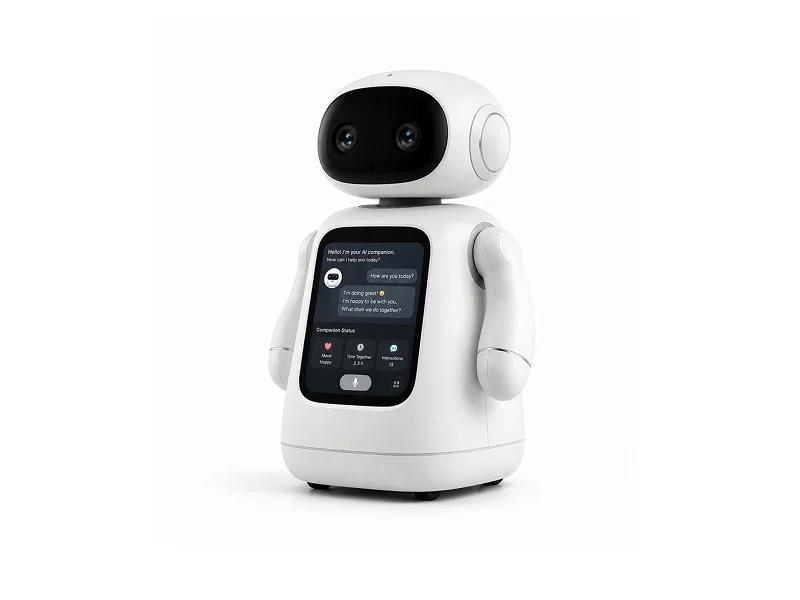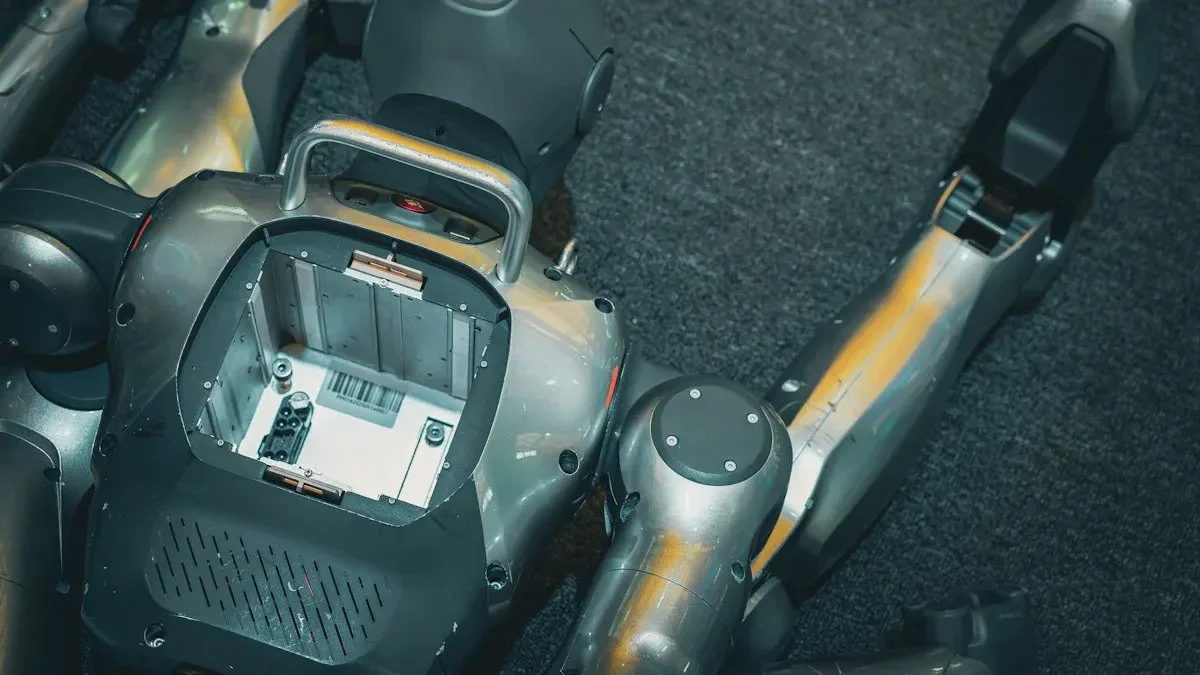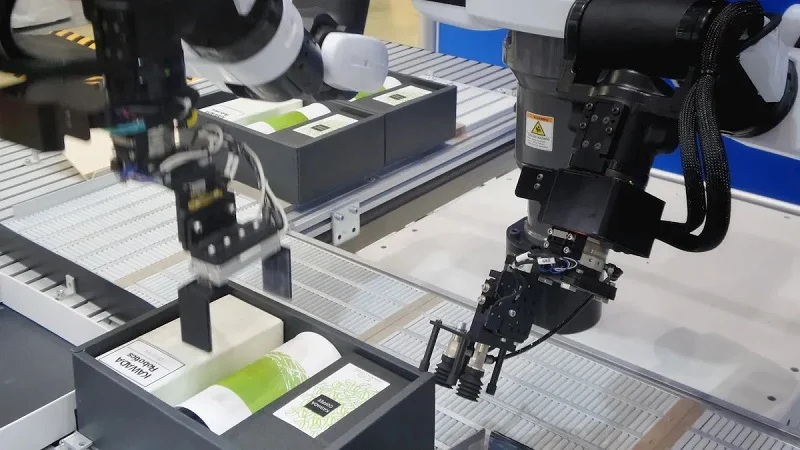
Four main processes are used to make AMR robot parts: CNC machining, injection molding, sheet metal fabrication, and off-the-shelf components. So which one is right for your part? The answer is rarely about what you prefer. It comes down to three limits—what the part must do, how many you need, and what material can do both.
Think about a sensor bracket and a battery tray. Same robot, very different answers. Choose wrong, and you either pay too much for tooling or lose strength where it counts.
Adding an AMR to an autonomous fleet raises the stakes even more. Every choice affects technology, uptime, and productivity. What follows is a practical comparison to help you choose well.
Manufacturing Processes for AMR Robot Parts
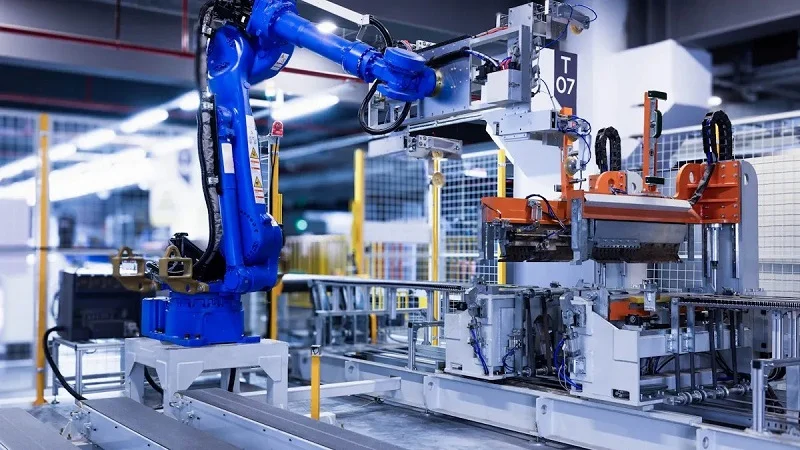
Each production method has its own job. The three main manufacturing processes — CNC machining, injection molding, and sheet metal fabrication — work best for certain part functions and production amounts. Knowing what each one does best helps you make the right choice early.
CNC Machining for Precision Components
CNC machining gives you tight tolerances for actuator housings, joint bodies, gearbox cases, and motor mounts. It works great for low-to-medium volumes and functional prototype parts where exact sizes really matter. This process keeps motion repeatable and joints aligned even under load, which is important for mobile robot reliability. If your part needs to fit components within a few thousandths of an inch, this process is the answer.
Chassis and Bracket Applications
Brackets and chassis parts need this level of precision. A sensor bracket that’s off by a tiny fraction can throw off navigation completely. For AMR structural parts that carry loads during operation, like motor mounts and joint housings, reliability depends on steady tolerances. CNC also handles complex features — internal channels, threaded bosses, and counterbored holes — that are very hard to make with other methods. This makes it perfect for parts that hold alignment-critical subassemblies.
Metal and Plastic Material Options
6061 aluminum is the go-to for CNC-machined brackets. It has great strength-to-weight, machines fast, and takes anodizing well for rust protection. For low-friction parts like bearing sleeves and wear pads, POM (Delrin) is the standard pick. It lubricates itself, is lightweight, and naturally reduces vibration. 7075 aluminum works for higher-strength needs but costs more per part. Stay away from exotic materials like titanium or magnesium unless weight or corrosion demands truly require them. They add machining time and tool wear without clear benefit for most AMR components. Picking the right materials here keeps the project on budget while hitting performance goals.
Injection Molding for Plastic Enclosures
When production volume goes up, injection molding becomes the smart choice. It’s the standard process for non-load-bearing housings, covers, cable-routing features, clips, and bosses. The upfront tooling cost is high, but the per-part cost at scale drops a lot. This is a classic case of high-volume production processes bringing down unit costs in mobile robotics.
High-Volume Housing Production
Tooling costs vary a lot depending on complexity and material. A simple prototype aluminum mold runs $1,000 to $5,000. A standard production mold in P20 steel costs $5,000 to $30,000. High-volume molds in H13 hardened steel with multiple cavities reach $30,000 to $100,000. Complex molds with hot runners or slides cost even more. So when does injection molding pay off? Break-even against CNC machining usually falls between 100 and 500 units. Against 3D printing, it’s between 500 and 1,000 units. Below those numbers, mold costs don’t make sense. Above them, injection molding wins on per-part price and cycle time. The injection molding technology also gives you consistent geometry across every part in the run.
Impact-Resistant Material Choices
Material selection for injection-molded enclosures comes down to impact strength and regulatory compliance. Standard ABS offers good impact resistance with a UL94 HB rating. It works for indoor covers where cost is the main concern. PC/ABS blends deliver about ten times the notched Izod impact strength of ABS at room temperature. That makes them the top choice for robot shells and electronics enclosures that face occasional bumps in shared spaces. This technology gives designers flexibility. When flame retardance is critical — for battery compartments or motor controllers — FR-ABS or FR-PC/ABS rated UL94 V-0 is required. These grades put themselves out within seconds after the flame is removed, meeting regulatory standards. The trade-off is some impact performance, but safety compliance comes first. Automation in the molding process keeps cycle times fast and quality steady across high volumes.
Sheet Metal Fabrication for Autonomous Mobile Robots
Sheet metal is the main manufacturing process for structural frames in AMRs. Laser cutting, bending, and welding create rigid, lightweight structures that carry the AMR robot part’s weight and payload. The process gives moderate precision, but controlling bend allowances and weld distortion keeps alignment predictable for most applications.
Laser Cutting, Bending, and Welding
The process starts with a flat sheet of metal. Lasers cut the outline and all internal features — holes, slots, cutouts — in a single pass using precision automation. A press brake then bends the part into shape along set lines. Finally, welding joins separate panels into a frame, enclosure, or chassis. This method is cost-effective for prototypes and low-volume production because there’s no costly tooling to pay off. You just program the laser path and bend sequence. For AMR chassis and electronics enclosures, sheet metal gives a fast path from design to working part.
Strength-to-Weight Material Selection
Aluminum dominates here because of its strength-to-weight ratio. 6061-T6 is the default for warehouse AMRs and delivery robots — it welds easily, forms well, and keeps the AMR robot part light, which improves battery efficiency. Steel offers maximum rigidity for heavy-duty industrial AGVs but adds a lot of mass, cutting energy efficiency. Carbon fiber composites give premium lightweighting for high-performance applications but are pricey and hard to repair. For most mobile autonomous platforms, aluminum hits the sweet spot between strength, weight, and cost. It balances performance with reasonable production expenses.
Design Considerations for AMR Robot Parts

Good design starts before you choose a process. Smart shape choices lower costs, shorten lead times, and make manufacturing easier. Let’s look at what matters most.
Geometry Optimization for Manufacturing
Simple features save money. A sharp inside corner might need EDM or extra machining steps. A small radius would have worked fine. Tight tolerances force slower cutting, more inspection, and higher scrap risk. One small design tweak can remove a whole machine setup or get rid of special tooling.
Simplifying Complex Features
Designers should stay away from sharp inside corners when they can. Adding a radius removes the need for manual corner work and speeds up the machining setup. Long, thin holes are another trap. Keep drill depth-to-diameter ratios at or below 3:1. Go past that, and your supplier needs special tooling, which raises quotes. Holes drill faster and cheaper on flat surfaces that sit perpendicular to tool motion. Match blind hole endings to standard drill tips too. Non-standard finishes require costly secondary operations.
Standard Tool Size Utilization
Stick with standard drill sizes and stock thicknesses. This lets suppliers use off-the-shelf tooling and material. A single non-critical change can let your manufacturer use more standard stock. That saves time and money without hurting performance.
Structural Design for Autonomous Mobile Robot Frames
Frames carry everything. They hold battery packs, motors, and sensor assemblies. Get the structure right, and your autonomous mobile robots run smoothly for years.
Load Path and Stress Distribution
Route loads through the shortest, straightest paths. Spread stress across wide areas instead of concentrating it at joints. This reduces fatigue and keeps alignment stable over time.
Vibration Damping and Stiffness
Balance stiffness with damping. Too stiff, and vibrations travel straight to sensitive electronics. Too soft, and the frame flexes under load. Aluminum frames with strategic bracing handle both well.
Assembly-Focused Design Approaches
Design for assembly from day one. It speeds up build time and cuts labor costs.
Self-Locating and Modular Features
Modular frames let technicians swap battery packs fast. This matters for material handling robots that run multiple shifts. Self-locating features—like tabs and slots—guide parts into place without fixtures.
Fastener Standardization
Use one or two fastener sizes across the whole AMR robot part. Fewer tools mean faster assembly and less error. Standard hardware also simplifies repairs in the field.
For injection-molded enclosures, follow rib and corner rules to avoid tooling wear. Here are the key parameters:
| Rib Parameter | Recommended Value |
| Rib thickness at base | 50–70% of nominal wall thickness |
| Rib height | 2.5–3× nominal wall thickness |
| Rib draft | 0.5–1.5° |
| Rib base radius | 0.25–0.4× nominal wall thickness |
Sharp corners in plastic parts act as stress concentrators that can lead to crazing, cracking, increased susceptibility to chemical attack and ultimately, part failure — so it’s a really good idea to avoid them at all costs.
For sheet metal, keep bend radii uniform and avoid tight tolerances unless sensor alignment demands them. These small choices add up to big gains in efficiency and productivity.
Materials for AMR Robot Parts
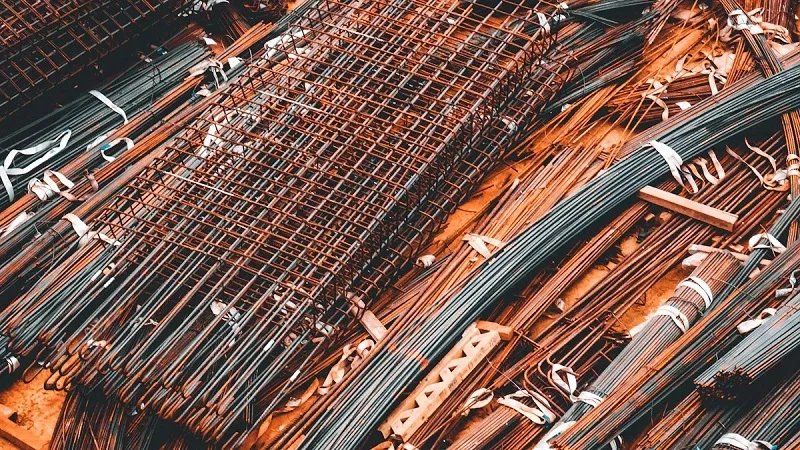
Choosing materials for AMR robot parts means finding a balance. You want low weight, high strength, and a price that won’t ruin the project. If you get it right, your AMR robot part runs longer and needs fewer repairs. If you get it wrong, you end up with cracked frames or a battery that drains too fast.
Metals for Load-Bearing Components
Metals handle the heavy loads. Frames, drive mounts, and structural brackets all rely on them.
6061 Aluminum for Structural Frames
6061-T6 aluminum is the go-to choice for chassis work. Why? Welding is often the deciding factor. You can fusion weld 6061, but 7075 is generally not recommended for structural fusion welding because it tends to crack. The numbers support this. Yield strength of 6061 is about 275 MPa, and 7075 reaches about 500 MPa. Elastic modulus is about 69 GPa versus 72 GPa, and density is roughly 2.70 g/cm³ against 2.80 g/cm³. Yes, 7075 is stronger. But 6061’s lower density gives it a good strength-to-weight ratio, and its excellent weldability makes it the top pick for welded structures like AMR chassis. For a mobile platform that needs to stay light, that trade-off wins.
Steel for High-Wear Drive Parts
Steel appears where wear matters most — gears, shafts, and drive components that rub together thousands of times a day. It’s heavier than aluminum, no doubt. But its hardness and fatigue resistance keep drive systems running much longer. Use it only where needed, and the weight penalty stays small.
Engineering Plastics for Enclosures and Bumpers
Plastics take care of covers, bumpers, and low-friction parts. They’re light, cheap to mold, and easy to color.
ABS and PC/ABS for Impact Resistance
ABS gives good impact resistance with a UL94 HB rating, which works for indoor covers where cost matters most. PC/ABS blends deliver about ten times the notched Izod impact strength of ABS at room temperature. That makes them the top pick for robot shells and electronics enclosures that take occasional bumps in shared spaces. For high-volume plastic parts, PC/ABS is preferred for its balance of toughness and flame retardance.
Polypropylene for Chemical-Resistant Panels
Polypropylene stands up to chemicals that would break down other plastics. Cleaning agents, lubricants, and harsh washdowns don’t harm it. That makes it a good fit for panels in food-handling or industrial settings where spills happen.
Nylon for Wear-Resistant Bushings
Nylon works well for bushings, rollers, and sliding surfaces. It resists wear, handles vibration, and often needs no external lubrication. Pair it with steel shafts, and you get a quiet, long-lasting joint.
Balancing Weight, Strength, and Cost
Every material choice trades one property for another. Here’s what to weigh.
When you compare options for autonomous mobile robots, several criteria matter most:
- Strength-to-weight ratio: Carbon fiber composites offer very low weight with high stiffness, which reduces inertia so actuators move faster, stop more precisely, and use less power. Lighter parts also cut wear on bearings, joints, and drive systems.
- Stiffness: High stiffness keeps arm ends stable during sensor and tool handling, holding positioning accuracy under repeated motion.
- Corrosion resistance: Composites resist rust and beat some metals against humidity, cleaning agents, lubricants, and temperature swings, lowering maintenance needs.
- Design flexibility: Engineers can tailor shape, thickness, layup, and reinforcement to a specific load case instead of settling for standard stock shapes.
- Cost: Material cost must be weighed against performance. Don’t focus on cost alone — look at load cases, duty cycle, environment, joining method, and target weight savings.
Weight Constraints for Battery Efficiency
Every extra gram costs energy. A heavier AMR robot part drains its battery faster and needs more frequent charging. That cuts uptime and raises operating costs over the fleet’s life.
Material Cost vs. Performance Trade-offs
Magnesium alloys look tempting when weight is critical. But they increase processing complexity, so avoid them unless the weight savings truly justify the extra work. From a practical view, the smart move is matching material to function — not chasing the lightest option on the spec sheet.
Selecting the Right Process for AMR Robot Parts

Choosing a process depends on what the part does and how many you need. When you get that match right, everything else works out.
Matching Process to Part Function and Volume
Structural frames hold axles, battery packs, and motors. Sheet metal does this job well because it is strong, light, and cheap at low volumes. Sensor housings are different. They need complex shapes and smooth surfaces, so injection molding wins once volumes go up. Building an AMR means handling both types of parts in the same build.
Low-Volume vs. High-Volume Production
Low volumes work best with CNC machining and sheet metal. There is no tooling to pay off, so you can make changes fast. High volumes change the math. Injection molding’s cost per part drops a lot once you pass the break-even point. For an AMR fleet that is growing, that change matters a lot.
Simple vs. Complex Part Geometries
Simple brackets and plates? Sheet metal or CNC both work fine. Complex hollow shapes with internal ribs? Injection molding or CNC. The rule is simple: match the shape to what the process does best. Don’t force a square peg into a round hole.
Comparing Cost and Lead Time Trade-offs
Money and time pull in opposite directions. Knowing that tension helps you plan better.
Tooling Investment vs. Per-Part Cost
Injection molding requires upfront tooling investment. That cost only makes sense at high volume. CNC and sheet metal skip tooling entirely, so they stay competitive for small batches. Off-the-shelf components like motors and wheels should be used first whenever possible. They cut custom manufacturing costs and shorten lead times. In a practical sense, that is often the smartest move for any AMR robot part build.
Lead Time for Prototyping vs. Production
Prototyping needs speed. CNC and sheet metal deliver parts in days, not weeks. Production runs favor injection molding once tooling is ready. The trade-off is real: pay now for tooling, save later on every part. A good manufacturing partner like NOBLE, a leading company in China, can guide that decision. Their service capabilities and machining expertise help clients move smoothly from prototype to mass production. That kind of support boosts efficiency and productivity across the whole project.
Automation and technology keep reshaping these choices. Industry 4.0 tools now help teams simulate costs before committing. For autonomous mobile robots, the right call balances function, volume, and budget. Do that well, and your AMR robot parts program stays on track from day one.
Partnering with NOBLE for AMR Robot Parts Manufacturing
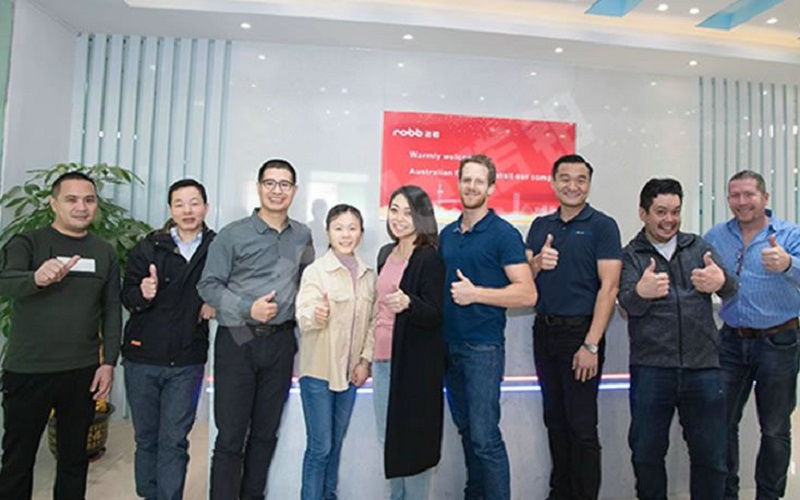
Picking a partner for your AMR robot parts is not just about finding a shop that cuts metal or molds plastic. You need a team that knows how autonomous mobile robots work and what each part must do. NOBLE offers all three main processes in one place. One team takes care of your brackets, enclosures, and structural frames. You won’t have to juggle suppliers or deal with coordination delays.
Metal and Plastic Processing Expertise
NOBLE deals with both metal and plastic parts every day. The team knows when CNC machining is best for a sensor bracket and when injection molding works better for a high-volume housing. That saves you time and money right from the start.
CNC Machining, Injection Molding, Sheet Metal
Each process has a role in an AMR build. CNC machining gives tight tolerances for motor mounts. Injection molding handles enclosures at scale. Sheet metal shapes the structural frames. NOBLE does a design for manufacturability review early on. Engineers look at your CAD files and point out features that raise costs. A sharp corner may need a radius. A tolerance may be tighter than it needs to be. Small fixes like these keep your project on track. Material selection help comes with the service too. Not sure if 6061 aluminum or PC/ABS suits your application? The team explains the trade-offs in a clear way.
In-House Capabilities for Faster Turnaround
In-house processing shortens lead times. With everything in one place, there’s no waiting on outside shops. Changes move fast. Prototypes ship sooner. If a design change comes up, NOBLE updates the program and keeps going. That speed helps you meet your launch date. One point of contact manages the whole build. That makes communication simple. For any mobile platform project, this lowers risk and keeps the timeline tight.
ISO 9001:2015 and ISO 13485:2016 Certified Quality
Quality systems matter for your parts. Components need the same results across every batch. NOBLE holds both ISO 9001:2015 and ISO 13485:2016 certifications. These are not just marketing badges. They stand for real procedures that guide production every day. The same care applies whether the part goes into a warehouse system or a medical device.
Precision Quality Systems for Medical and Industrial AMRs
ISO 9001:2015 covers general quality management. It makes sure processes are documented, measured, and improved. ISO 13485:2016 goes further. It’s made for medical device manufacturing. That matters if your AMR carries supplies in a hospital. Even for industrial uses, the same care applies. You get traceability, inspection records, and repeatable output. When a part reaches your manufacturing assembly line, it matches the spec exactly. This quality control boosts productivity by cutting rework and delays. Advances in quality technology keep raising the bar for customers.
Full-Service from Design to Assembly
NOBLE does more than make parts. The team handles the last step before shipping. Send your bill of materials and get fully built subassemblies back. Battery tray with brackets attached. Sensor housing with inserts molded in. This cuts your workload and shortens your timeline. Design support, material selection, processing technology, and final checks from one supplier. It’s a practical way to move your AMR project faster.
Working with a partner who knows both the processes and the application gives you an edge. Every choice about tooling, material, and geometry gets made with the end use in mind.
The right process for your AMR robot parts comes down to three things: what the part does, how many you need, and what material fits. Get that match right, and the rest follows.
So don’t stop at analysis. Bring your designs to a manufacturing partner like NOBLE for a DFM review. Their engineers will spot cost drivers early and suggest fixes before tooling starts.
That step matters more than ever. Integrating an AMR into a growing mobile fleet demands smart choices from day one. The right technology partner helps you cut time-to-market. Better process selection today means your autonomous mobile robot program ships sooner, runs leaner, and boosts productivity across every shift.
FAQ of for AMR Robot Parts
What process works best for low-volume AMR parts?
CNC machining or sheet metal. No tooling to pay off. You get parts fast and can change designs without breaking the bank. Smart for a growing amr fleet.
When does injection molding actually pay off?
Above 100 to 500 units against CNC. Above 500 to 1,000 against 3D printing. Below that, tooling costs don’t make sense for most mobile platforms.
What material should I use for my robot chassis?
6061-T6 aluminum. It welds well, stays light, and gives good strength. Steel works for heavy-duty parts but adds weight that drains battery on a mobile robot.
Are tight tolerances always necessary?
No. Only use them where sensor alignment demands it. Otherwise, you pay more for no real benefit. Use this technology selectively.
How do I choose between CNC and sheet metal?
Sheet metal handles structural frames best. CNC gives tight tolerances for brackets and mounts. Both serve mobile robots well, just for different jobs.
Can I mix processes for different parts on one AMR robot part?
Yes. Sheet metal for frames, injection molding for housings, CNC for precision parts. That technology mix is standard across the industry.
What about off-the-shelf parts?
Use them first. Motors, wheels, and controllers from a catalog cut custom costs and shorten lead times. A smart move for any build.