A single flaw in a CNC fluidic manifold part can stop a train or harm a medical device. These key parts handle air systems and oils in tough jobs. What does inaccuracy cost? It causes delays, safety risks, and money loss. This requires careful material choice, smart design, and expert CNC work. Your CNC material choice is critical. Each material has different traits. The right material and strong design ensure good parts. CNC precision is a must. Prototyping with a true CNC partner tests your material and design before mass production. NOBLE, a top CNC partner in China, offers this skill. We handle complex materials, including advanced ones like PEEK, and all your material needs. Our CNC machining turns your design into reliable parts. Our quality control and precise CNC work ensure your fluidic manifold project succeeds from start to finish.
Materials for CNC Fluidic Manifold
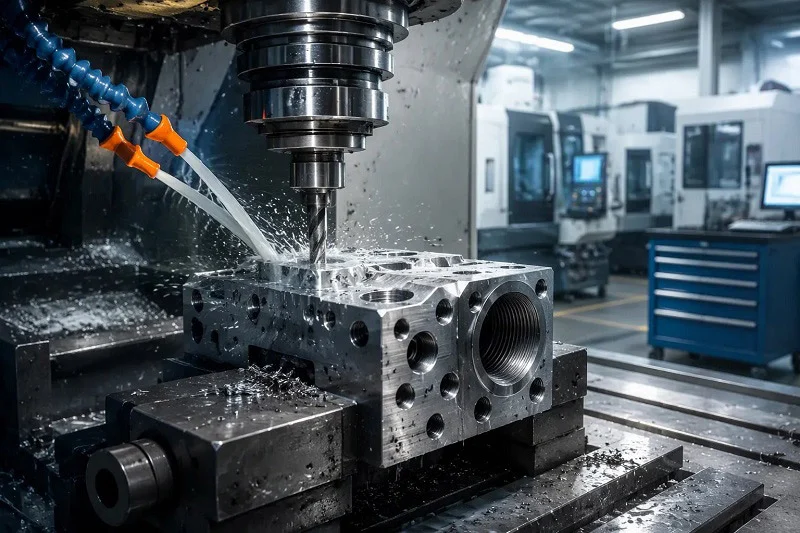
CNC machining opens up a wide range of material choices. You can pick from common aluminum grades to advanced plastics like PEEK. Each material has unique traits for chemical, thermal, and strength needs. Your choice must match the schematic and the application. Manifolds often need large blocks of material. The manufacturing process must account for this. The right material saves money and time. Some projects need transparent manifolds for visual flow inspection. This adds a new layer to the material selection process. Different materials suit different jobs. The CNC machining process works with all of them.
Aluminum Alloys: The Industry Workhorse
Aluminum is the top pick for many manifold projects. It machines well. The custom CNC process handles it with ease. It offers good quality at a lower cost. Many standard parts use aluminum. The material works well for most applications. The design process is straightforward with this material. Even transparent manifolds can start with aluminum prototypes. The manufacturing process is efficient for aluminum.
6061-T6 for General Purpose and Cost-Effectiveness
6061-T6 is the go-to alloy for most fluidic parts. It offers good strength. Many shops use it for standard applications. This material works well for pneumatic and hydraulic systems. The machining process is fast. You get solid parts without high cost. The CNC machining for this material is efficient. The design process benefits from this alloy’s ease of use. Transparent manifolds are not made from this alloy. But it works well for the structural parts around them.
7075-T6 for High-Strength and Demanding Applications
When you need more strength, 7075-T6 steps in. It beats 6061 in tensile strength. Use it for high-pressure systems. The CNC machining process needs more care here. Tool wear is higher. But the result is a stronger part. This material suits demanding applications. The manufacturing process for this alloy requires experience. Transparent manifolds rarely need this strength level. But for high-stress jobs, it is the right pick.
Stainless Steels for Corrosion Resistance and Purity
Stainless steel is the pick for clean environments. Medical devices and chemical processing rely on it. The material resists rust and contamination. The manufacturing process needs proper tooling. The design must account for the material’s hardness. The CNC machining of stainless steel is different from aluminum. Some transparent manifolds use stainless steel fittings. The material offers good durability.
304/316L for Medical and Chemical Machining
304 stainless is a common choice. 316L adds molybdenum for better resistance. Both work well for medical applications. The CNC process needs sharp tools. Surface finish matters a lot. The machining process takes more time but gives better results. The material offers good quality for critical parts. Some medical designs use transparent manifolds for monitoring. Stainless steel works well with these systems.
17-4 PH for High-Strength and Wear Resistance
17-4 PH is a precipitation-hardening steel. It offers high strength and wear resistance. Use it for valves and high-stress components. The heat treatment process adds strength. This material handles demanding applications. The manufacturing process requires precision. Parts made from this alloy last longer. The design must account for post-machining changes. Transparent manifolds rarely use this material. But it works well for structural components.
Engineering Plastics and Specialty Alloys
Plastics bring unique benefits. They resist chemicals and weigh less. PEEK and PTFE are top choices. But they need special care during machining. The material choice affects the whole design. The manufacturing process for plastics is different. Some transparent manifolds use clear plastics for visibility. The design for these materials needs special attention.
PEEK and PTFE for Chemical Inertness and Lightweighting
PEEK is a high-performance plastic. It handles high temperatures. Many medical and aerospace parts use it. But PEEK manifolds fail at many CNC shops. The material is tricky to machine. It needs precise control. NOBLE has proven expertise with PEEK. We ensure high success rates. PTFE is softer but offers great chemical resistance. The machining process for these plastics is different from metals. You need experience with the material. The CNC machining process for PEEK requires specific speeds and feeds. The material can warp if not handled properly. Some designs use transparent manifolds for visual inspection. Both materials work for custom designs. The manufacturing process for these materials is specialized.
Titanium for Aerospace and High-Performance Environments
Titanium is strong and light. It resists corrosion well. Aerospace applications need these traits. The CNC process for titanium is slow. Tool wear is a factor. But the result is a high-quality part. The manufacturing process needs careful planning. The material offers excellent performance. Parts made from titanium last a long time. The machining process for titanium requires rigid setups. Some custom designs use transparent manifolds alongside titanium parts. The material mix depends on the application. Transparent manifolds can help with system monitoring. The design must account for the material’s properties.
Suitable Processes for CNC Fluidic Manifolds
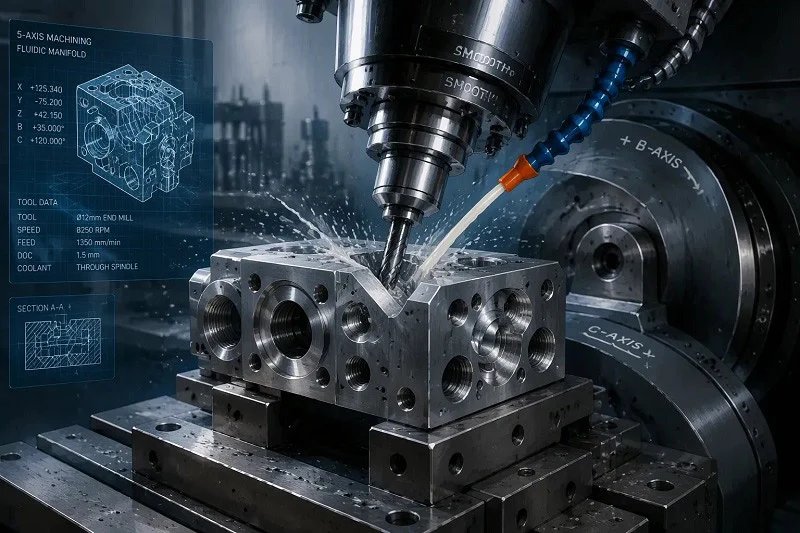
Picking the right machining process affects your part’s quality, cost, and delivery time. The CNC machining process for fluidic manifolds needs careful planning. Every project brings its own challenges. Some parts only need simple drilled holes. Others need complex angled ports. Your choice of machine and method decides success.
3-Axis vs. 4-Axis vs. 5-Axis Machining
The CNC process starts with choosing a machine. A 3-axis machine moves the cutting tool along X, Y, and Z planes. It works well for simple manifold designs with straight holes and flat faces. Many standard parts use this setup. The CNC manufacturing process for these parts is simple. Setup time stays low. The machining process runs smoothly.
But complex designs need more power. A 4-axis machine adds rotation around one axis. This helps with angled ports on the sides of a manifold. The CNC machining process becomes more flexible. You can machine multiple faces without moving the part again. This cuts down on errors from manual setup.
When Complexity Justifies Multi-Axis Capabilities
5-axis machining goes even further. The machine rotates the part around two axes at the same time. This opens up new design options. Complex CNC fluidic manifold components often need this ability. Angled cross-holes, curved flow paths, and intricate port arrangements become possible. The CNC machining process handles these features in one setup. This boosts precision a lot. Each setup can cause misalignment. Fewer setups mean tighter tolerances.
NOBLE uses advanced 5-axis machines for complex manifold shapes. This cuts setup time and improves precision. The CNC process handles tough designs with ease. Parts that would need many operations on a 3-axis machine finish in one pass. This saves time and lowers cost.
The Impact of Machine Choice on Cost and Lead Time
Machine choice directly affects your budget. 3-axis machining costs less per hour. Simple parts benefit from this efficiency. But complex parts may need several setups. Each setup adds labor time and possible errors. The total cost can rise quickly.
5-axis machining has a higher hourly rate. But it often finishes parts faster. The CNC efficiency improves because you remove repositioning steps. For complex manifolds, the total cost often ends up lower. Lead times shrink too. The CNC manufacturing process becomes more streamlined. Your parts arrive sooner without losing quality.
Achieving Precision with Advanced Tooling and Techniques
The right tools make a big difference. Standard drills work for basic holes. But fluidic manifolds often need small, precise passages. Advanced tooling handles these demanding features.
Micro-Drilling and Reaming for Small Diameter Holes
Micro-drilling pushes the limits of what’s possible. The process capability specification for micro-drilling states a minimum achievable hole diameter of Ø 0.1 mm. That’s incredibly small. For reference, a human hair measures about 0.07 mm. These tiny holes appear in medical devices and precision pneumatic systems. The material matters too. 6061-T6 aluminum offers excellent drillability. This makes it a great choice for manifolds with micro-features. The CNC machining process handles these small diameters with specialized tools and careful speed control.
Reaming follows drilling to improve accuracy. A reamer removes a tiny amount of material. This creates a smooth, precise hole. The CNC process achieves tight tolerances this way. Surface finish improves too. This matters for flow characteristics. Smooth holes reduce pressure drop and improve system efficiency.
The Use of High-Speed Machining for Better Finishes
High-speed machining (HSM) uses faster spindle speeds and lighter cuts. This approach produces excellent surface finishes. The CNC machining process runs at higher RPMs. Tool paths are optimized for smooth motion. The result is a better surface on the finished part.
HSM also reduces heat buildup. Less heat means less material distortion. This is especially important for plastics like PEEK. The material can warp under excessive heat. High-speed machining keeps temperatures manageable. The CNC process becomes more reliable for challenging materials.
Secondary Operations: From Deburring to Surface Treatment
Machining doesn’t end when the tool stops. Secondary operations complete the part. These steps ensure performance and longevity. Skipping them leads to premature failure.
Critical Post-Processing for Performance and Longevity
Deburring is the priority. Machining leaves small burrs at hole edges. These tiny imperfections can break loose during operation. They contaminate the fluid system. They can damage valves and other components. Manual deburring works for accessible areas. For internal cross-holes, specialized tools or abrasive flow machining may be needed. The CNC manufacturing process should include deburring as a standard step.
Cleaning is equally important. Machining oils and chips must be removed. Ultrasonic cleaning reaches internal passages effectively. This ensures the part is free from contamination before assembly. The CNC process should include thorough cleaning protocols.
Anodizing, Passivation, and Electropolishing Options
Surface treatments protect the material and improve performance. Anodizing works well for aluminum manifolds. This electrochemical process creates a hard, corrosion-resistant layer. The surface becomes more durable. It also provides a better base for sealing. Anodizing comes in various types. Hard anodizing offers maximum wear resistance. The CNC machining process pairs well with this treatment.
Passivation suits stainless steel parts. This chemical treatment removes free iron from the surface. It enhances the natural corrosion resistance of the material. Medical devices and chemical processing equipment benefit greatly. The CNC process for stainless steel should include passivation for critical applications.
Electropolishing takes stainless steel further. This process removes a thin layer of material electrochemically. The surface becomes smoother and brighter. This reduces friction and improves flow. It also makes the part easier to clean. The CNC manufacturing process for medical and food-grade applications often includes electropolishing.
These secondary operations add value to your parts. They extend service life and improve reliability. The CNC machining process covers the full journey from raw material to finished, protected component. Working with a partner who understands these steps ensures your CNC fluidic manifold parts perform as designed.
Key Design Considerations for CNC Fluidic Manifolds
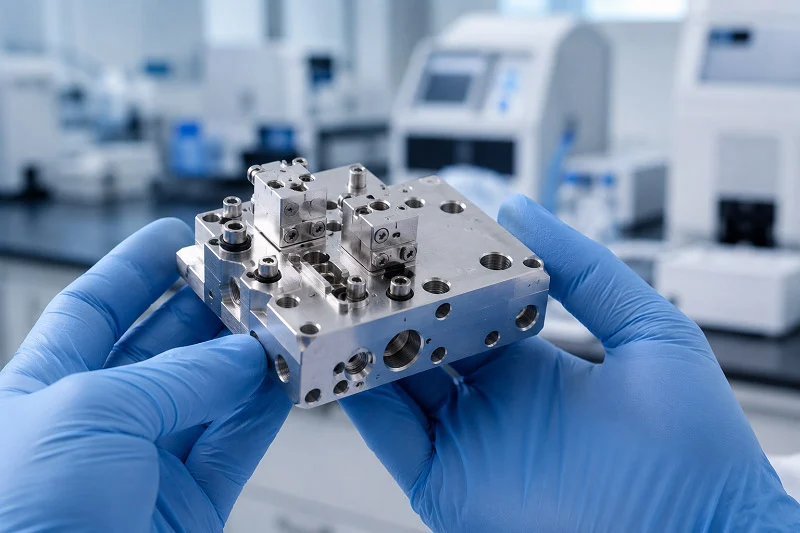
Good design turns a smart idea into a part you can trust. The way you build your CNC fluidic manifold part affects cost, how well it works, and how long it lasts. Every choice you make during planning affects the whole build. Your choices change the final machined parts and their quality.
Designing for Manufacturability (DFM) Principles
DFM means you design with the CNC machining process in mind. You think about how each feature gets made. This way saves time and money. NOBLE offers DFM help to make your design better. We use our CNC machining know-how and build knowledge to improve your parts.
Optimizing Hole Depths, Diameters, and Cross-Sections
Deep holes cause problems. They need longer tools. Longer tools bend more. That bending hurts accuracy. A good rule is to keep hole depth less than six times the diameter. This keeps the CNC machining process steady. The build benefits from good planning. The material you pick matters for how well it works. Different materials act differently for these parts.
Cross-section shape matters too. Round passages work best. The CNC machining process handles round shapes with ease. Avoid square or rectangular flow paths in your manifold. The material affects tool wear. Think about the material you choose. The right material choice improves the build. Different alloys need different approaches.
Managing Internal Features and Avoiding Undercuts
Internal features are hard to reach. The cutting tool must fit inside the part. Undercuts need special tools or more setups. The CNC machining process works best with simple features. The build becomes more predictable. The right material cuts down on problems. Keep things simple here.
Use straight holes that meet at right angles. This lets standard tools do the work. The CNC machining process runs faster with simple features. Complex internal passages need advanced methods. The build becomes more expensive. Smart choices make the build efficient. Balance needs with cost for your manifold. The resulting parts will work better.
The Critical Role of Surface Finish and Flow Paths
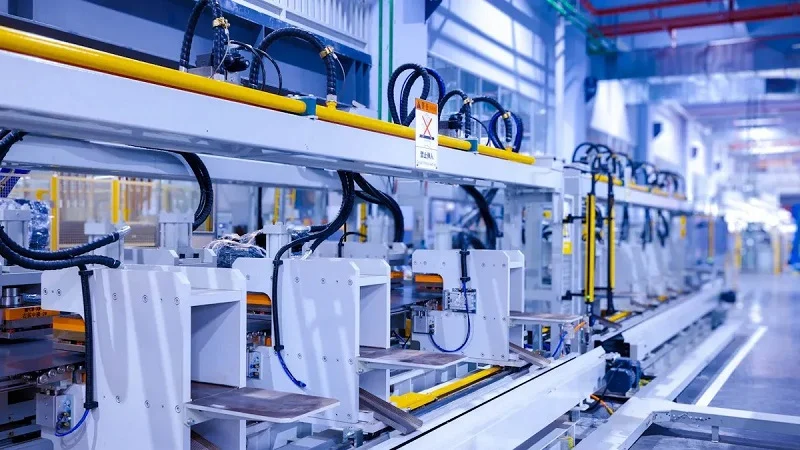
Surface finish directly affects how the manifold works. Rough surfaces create friction. The CNC machining process controls surface finish directly. Accuracy matters for all uses. Choose materials carefully for your custom design.
Minimizing Pressure Drop with Smooth Internal Surfaces
Pressure drop hurts efficiency. Smooth surfaces let the fluid move freely. The CNC machining process can give excellent surface finishes. High-speed methods give you good Ra values. This level of accuracy matters for performance. Good material properties help with smooth finishes. Tell us your surface finish needs for your design. The material affects the surface finish you can get. Add realistic finish targets in your design. Precision machining gives better results for these parts.
Strategies for Chip Evacuation and Deburring
Chips come from the cutting process. Deep holes are prone to chip buildup. Think about how chips get out during the planning phase. Chip management is part of the work. One way is to use through holes. Through holes let chips exit from the other side. The build handles this well. The material you pick affects chip behavior.
Deburring is just as important. Every hole intersection creates a burr. Make deburring possible in your design. Deburring steps are part of the work. The quality of your parts depends on good deburring. Tight tolerances help reduce burrs.
Sealing and Port Design Best Practices
A manifold is only as good as its seals. The right seal choice stops leaks. The CNC machining process creates precise sealing surfaces. Tolerances matter a lot here. Tell us the tolerances for all sealing surfaces.
Choosing Between O-Ring, Gasket, and Tapered Threads
O-rings work well for a wide range of pressures and uses. The O-ring groove must be sized correctly. Follow standard groove sizes for your design. The CNC machining process provides the needed accuracy. The choice depends on the use. Match the seal to the working conditions for your design. Tight tolerances ensure good seals for custom parts.
Specifying Port Sizes and Locations for Assembly Efficiency
Port placement affects how easy assembly is. Leave enough space between ports. Standard port sizes are easier to find. Custom port sizes add cost. The build benefits from standard sizes. Think about port direction for your design. This approach helps with prototyping. Custom parts need extra care for accuracy.
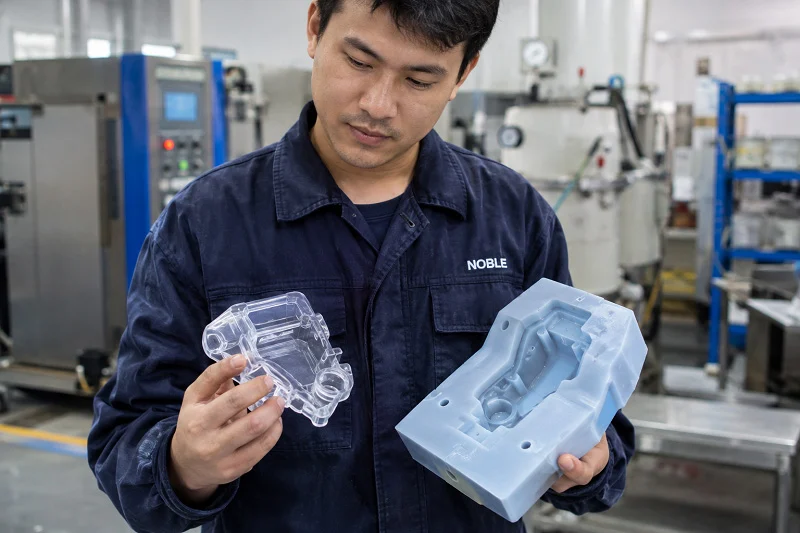
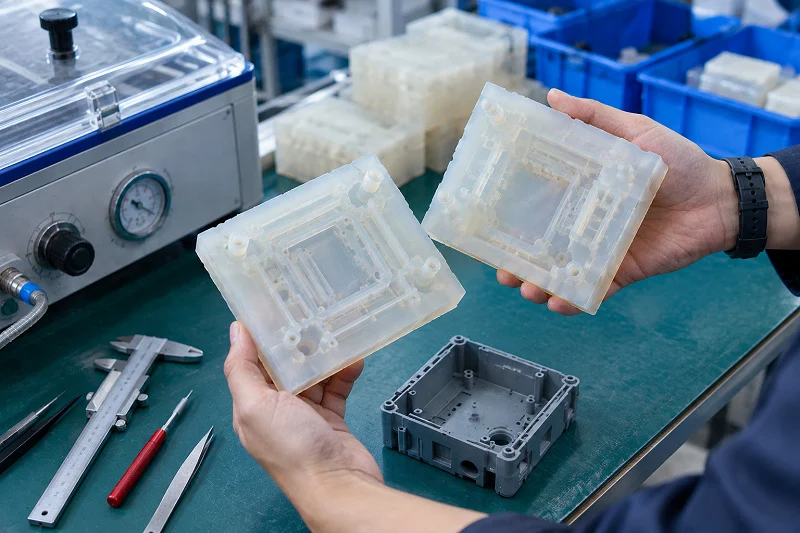
Transparent manifolds help with testing. They let you see the flow paths. Transparent manifolds show internal flow patterns. Transparent manifolds help check your design. Transparent manifolds are a great tool. This approach benefits from seeing the flow and quality results. Prototyping with transparent manifolds catches problems early. These parts need full testing.
Precision and Quality Control in CNC Fluidic Manifolds
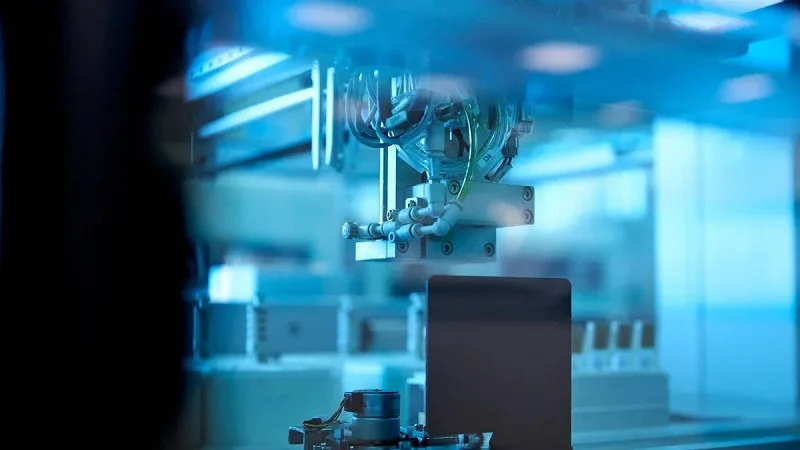
Quality control is what makes a CNC fluidic manifold part trustworthy. Every passage, port, and sealing surface must work exactly as planned. One small flaw can cause leaks, contamination, or total system failure. That’s why precision matters at every step of making the part.
Mitigating Risks of Internal Contamination and Corrosion
Contamination starts during machining. Metal chips, oils, and debris can hide inside passages. These contaminants ruin the fluid system once the manifold is in use. Thorough cleaning is a must. Ultrasonic cleaning reaches deep into small holes and cross-drilled passages. This step removes particles that regular washing might miss.
Corrosion is another danger. The material you pick matters here. Aluminum needs anodizing to resist oxidation. Stainless steel benefits from passivation. Both treatments create a protective layer that makes parts last longer. The CNC machining process should include these steps for critical uses. Your design should clearly state the required surface treatment.
Porosity is a hidden risk in cast materials. Tiny voids can appear inside the metal. These weak spots may leak under pressure. CNC machining from solid bar stock removes this risk completely. The material starts dense and uniform. This is one reason machined parts beat cast parts in demanding jobs.
Pressure and Flow Testing to Validate Functional Performance
Testing proves the part works before it ships. Pressure testing checks for leaks. The manifold gets filled with fluid or gas at set pressure levels. Any drop in pressure means a leak. This test checks all seals and internal passages.
Flow testing verifies that fluid moves through the right paths. Each port gets checked for proper flow rate and direction. This catches cross-drilling errors that visual checks might miss. The testing process confirms the part meets its performance specs. Quality control includes recording these results for traceability.
NOBLE follows strict quality management systems. Our ISO 9001:2015 certification covers all manufacturing processes. For medical uses, we hold ISO 13485:2016 certification. These standards ensure consistent quality across every batch. We test each manifold thoroughly to guarantee reliability.
The Difference Between Standard and High-Precision Tolerances
Tolerances define how much variation is acceptable. Standard tolerances work for general uses. These might allow ±0.1 mm variation on hole positions. Most pneumatic systems work fine with this level of precision.
High-precision tolerances go much tighter. We’re talking ±0.005 mm or better. Medical devices and aerospace applications need this accuracy. The CNC machining process must account for thermal expansion and tool wear. Machine calibration becomes critical. The material also affects achievable tolerances. Aluminum machines more precisely than harder alloys.
Geometric Dimensioning and Tolerancing (GD&T) helps specify these needs. Position tolerances control hole locations. Flatness ensures sealing surfaces mate properly. Perpendicularity keeps ports at correct angles. Using GD&T communicates your needs clearly to the machining team.
Transparent manifolds help with quality control during prototyping. They let engineers see internal flow paths directly. Transparent manifolds reveal burrs, blockages, or misaligned passages. Transparent manifolds serve as excellent validation tools before production. This visual check complements dimensional inspection methods like CMMs and optical comparators.
The right tolerances balance cost and performance. Over-specifying adds machining time and expense. Under-specifying risks functional failure. Work with your manufacturing partner to find the sweet spot for your specific application.
Choosing the Right CNC Machining Partner for Fluidic Manifolds
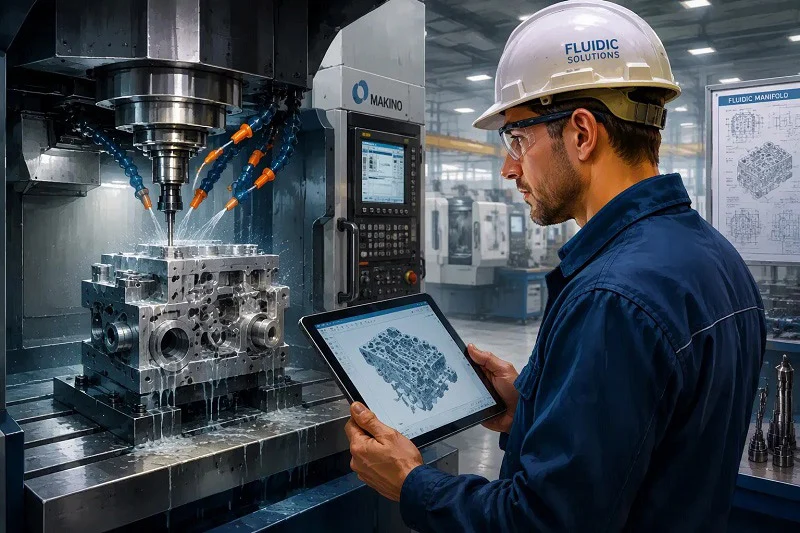
Core Competencies and Technical Expertise
Picking the right partner for your fluidic manifold project comes down to their core skills. A specialized shop understands the unique demands of these parts. They don’t just run general jobs. They focus on the details that make a manifold work reliably.
Evaluating Experience with Complex Fluidic Components
Experience with complex fluidic components matters a lot. A good partner keeps tight tolerances on internal bores and intersecting passages. They achieve high surface finish quality. This stops fluid turbulence, pressure drops, and seal damage. They show material expertise in picking the right alloys and treatments for strength and corrosion resistance. They perform complex drilling and porting of multiple intersecting holes without hurting structural integrity. They overcome machining challenges like keeping alignment in intersecting bores, preventing burrs and debris, avoiding internal leaks, and ensuring pressure rating compliance. Not every shop can do this. These requirements separate a specialized fluidic manifold shop from a general machine shop. Only a qualified shop can produce parts that work reliably. The material selection is crucial for the performance of the manifold.
The Importance of Advanced Machinery and Software
Advanced machinery and software play a big role in precision. A partner with modern CNC machines can handle tight tolerances. They use simulation software to plan tool paths. This reduces errors and improves the efficiency of the machining process. The right equipment ensures that the cnc machining is efficient and accurate. It also helps with complex geometries common in fluidic manifolds. The cnc machining process for these parts needs careful planning. Advanced machines do multiple operations in one setup. This cuts down on lead time and boosts quality. The material choice also affects the machining process. A skilled partner knows how to adjust for different materials. They use the right speeds and feeds for each material. This ensures that the parts meet the required precision and surface finish.
Quality Certifications and Compliance Standards
Quality certifications show that a partner follows strict standards. They prove that the company has a solid quality management system. This is important for fluidic manifolds used in critical applications.
The Significance of ISO 9001:2015 for Quality Management
ISO 9001:2015 is a global standard for quality management. It covers all aspects of the manufacturing process. A certified partner has procedures for design, production, inspection, and delivery. They track quality at every step. This reduces the risk of defects. For fluidic manifolds, this means consistent quality across every batch. The cnc machining process is monitored and controlled. The material handling is documented. The final inspection is thorough. This certification gives you confidence that the parts will work as intended. It also helps with traceability. If a problem arises, you can trace it back to the source. This is crucial for safety-critical applications like railway systems and medical devices.
The Criticality of ISO 13485:2016 for Medical Device Manufacturing
ISO 13485:2016 is the standard for medical device manufacturing. It is stricter than ISO 9001. It focuses on risk management and regulatory compliance. If your fluidic manifold goes into a medical device, this certification is a must. The partner must show that they can handle the specific requirements of the medical industry. This includes cleanroom protocols, material traceability, and validation of processes. The cnc machining process for medical parts needs extra care. The material must be biocompatible. The surface finish must be smooth to prevent contamination. The precision must be high. A partner with ISO 13485:2016 certification proves they can meet these demands. They have the systems in place to ensure quality and safety. The cnc machining process is critical for achieving the desired precision.
Why NOBLE is Your Partner for Precision CNC Fluidic Manifold

NOBLE stands out as a partner for precision fluidics. We have the skills, the certifications, and the commitment to deliver high-quality parts. We work with you from start to finish.
Our Full-Service Approach: From Design and DFM to Assembly
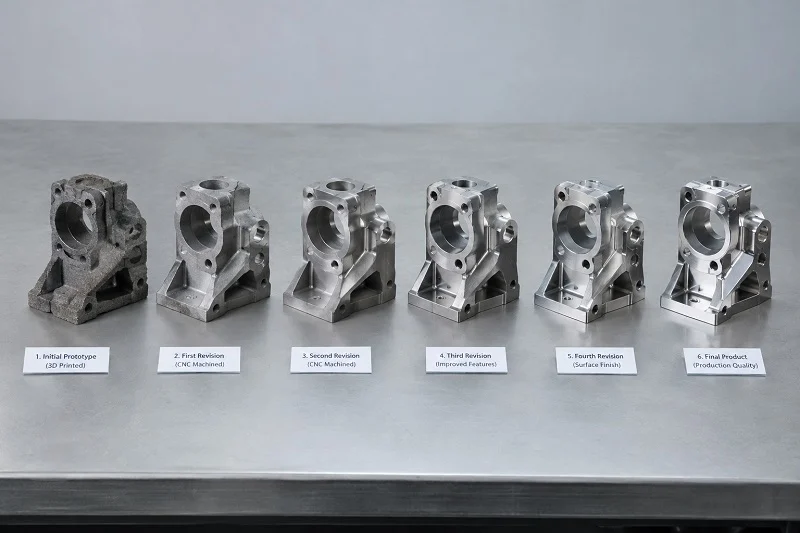
We offer a full-service approach. It starts with design and DFM. We help you optimize your design for the cnc machining process. This saves time and money. We then move to prototyping. We use transparent manifolds to validate the design. This allows us to see the flow paths and catch any issues early. The transparent manifolds help ensure that the internal passages are correct. After prototyping, we move to production. Our cnc machining capabilities handle all types of materials. From aluminum to PEEK, we have the expertise. We also handle custom designs with ease. We offer assembly services too. We can put together the complete manifold system. This reduces the number of vendors you need to manage. It also ensures that the parts are assembled correctly. Our quality control checks every step of the manufacturing process. We test the parts for pressure and flow. We make sure they meet your specifications.
Our Commitment to Quality, Precision, and On-Time Delivery
Our commitment to quality, precision, and on-time delivery is at the core of what we do. We hold ISO 9001:2015 and ISO 13485:2016 certifications. These standards guide our processes. We invest in advanced machinery and software. Our precision cnc machining ensures tight tolerances. We treat every part with care. Whether it’s a simple manifold or a complex custom design, we give it the same attention. Our team is experienced with fluidic components. We understand the challenges of internal passages, sealing surfaces, and pressure ratings. We work hard to meet your deadlines. On-time delivery is a promise we keep. We know that delays can cost you time and money. That’s why we plan our production carefully. We communicate with you throughout the process. You always know where your project stands. This commitment has made us a trusted partner for many industries. From railway systems to medical devices, our parts perform reliably.
Success with fluidic manifold cnc components comes down to three things: smart material picks, thoughtful design, and a skilled manufacturing partner. The cost of inaccuracy runs high—downtime, safety risks, and financial losses. The strategies we covered help you avoid those pitfalls. Careful material selection prevents corrosion and contamination. Thoughtful design keeps flow paths smooth and seals reliable. A partner like NOBLE brings full-service capabilities, from DFM guidance to assembly. We handle challenging materials like PEEK that trip up many shops. Our ISO-certified processes ensure quality across every batch. The cnc machining journey doesn’t end at prototyping. It continues through production, testing, and delivery. Choose a partner who supports you from concept to completion. Your next project deserves that commitment. We’re ready when you are.
FAQ of CNC Fluidic Manifolds
What is a fluidic manifold in CNC terms?
A fluidic manifold is a block with drilled passages. It directs air, water, or oil through a system. CNC machining creates these parts with high precision. Think of it as a central hub for fluids.
Why choose CNC machining for manifolds?
CNC machining gives you tight control over every feature. You get smooth surfaces and precise hole locations. This method works with many materials. The result is a reliable part every time.
What materials work best for fluidic manifolds?
Aluminum 6061-T6 works for most jobs. Stainless steel suits medical and chemical applications. PEEK handles high temperatures. Each material needs different CNC settings. Your choice depends on the application.
How tight can CNC tolerances get?
Standard tolerances run around ±0.1 mm. High-precision work hits ±0.005 mm. The CNC process, material, and machine all affect what’s possible. Talk to your partner about realistic targets.
What causes most manifold failures?
Burrs left inside passages cause contamination. Poor sealing leads to leaks. Wrong material choices cause corrosion. Thorough CNC machining and proper testing prevent these issues.
How do you test a fluidic manifold?
Pressure testing checks for leaks. Flow testing confirms correct paths. Visual inspection catches surface defects. CNC quality control includes all these steps before shipping.
Why pick a specialized CNC partner?
Manifolds need expertise in internal passages and sealing. A specialized partner understands chip evacuation, surface finish, and material behavior. They deliver parts that work right the first time.