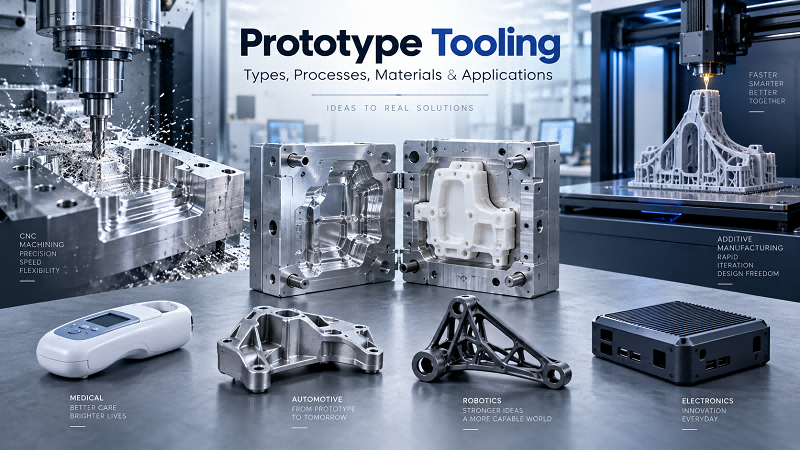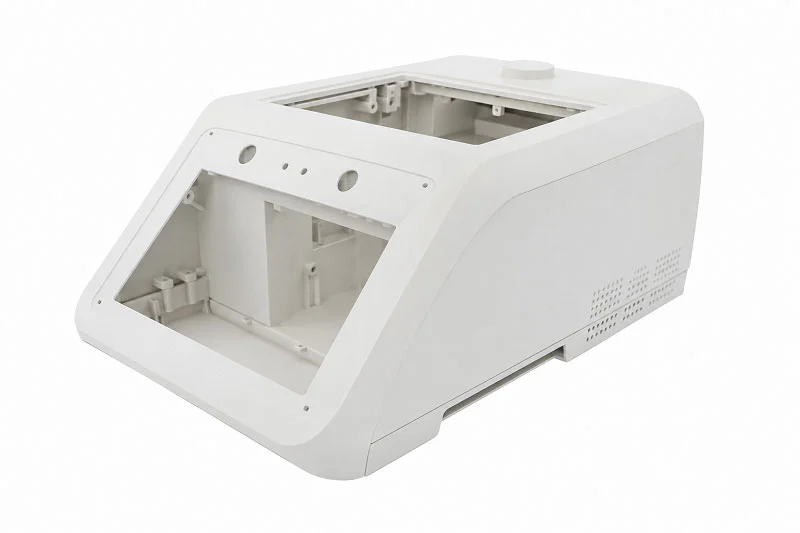
How can you quickly turn a computer design into a real device? Engineers use fast building methods to send files directly to 3D printers. This modern process creates a physical PCR Machine Housing in only a few hours. Early hands-on models help teams test how the product looks right away. They check if the design is comfortable to use and prove that the structure works. You can feel the latch handles and check the inside space immediately. Building a working model helps teams find design mistakes early in the product creation process. Fast test cycles show important errors long before mass production starts. This clever approach gives your team the speed required to get products to store shelves much faster.
Rapid Prototyping Methods for PCR Machine Housing Parts
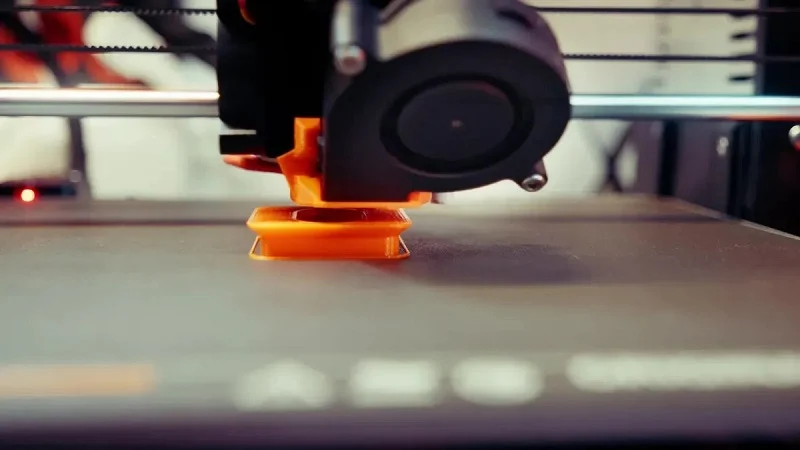
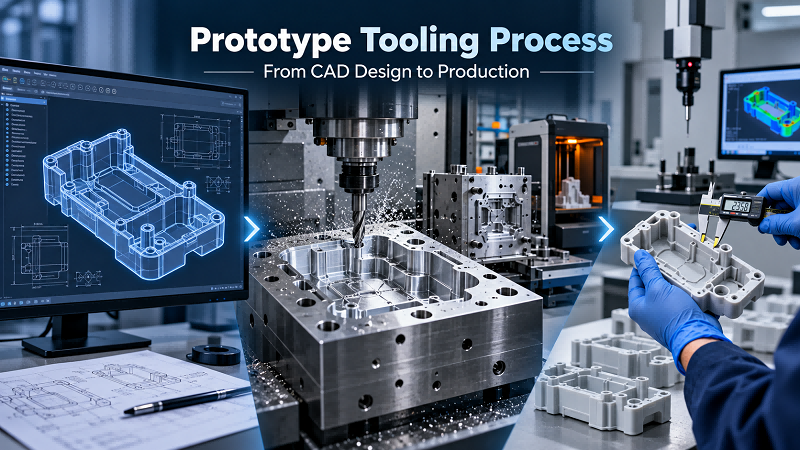
Digital files help teams make physical PCR machine housing parts very quickly. Engineers use special printing and cutting tools to turn computer designs into working models. This streamlined process improves speed during the early stages of a project.
| Technology | Achievable Tolerances | Surface Finish Options | Key Characteristics |
| SLA | ±0.1 mm | Highest surface quality and detail | Ideal for clear optical covers |
| SLS | ±0.3 mm | Slightly grainy, good mechanical surface | Strong, durable parts |
| CNC | ±0.05 mm | As-Milled (Ra 125μin), Bead blast + Anodized, Brushed, #1000 sanding | High precision structural parts |
3D Printing Technologies for Enclosures
Stereolithography for Optical Covers
Stereolithography uses a bright light beam to harden liquid plastic resin. Designers select 3D printing to make transparent display windows and clear covers.
This tech supports smart design methods while keeping clear parts easy to see through. Fast 3D printing speeds up checks for sensitive light detectors.
Selective Laser Sintering for Chassis Frames
Selective laser sintering melts nylon powder to build tough, sturdy parts. This quick modeling process shapes inner frames without needing extra supporting material.
Engineers choose 3D printing to check frame fits quickly. It offers great speed during early strength and fit tests.
CNC Machining for Metal and Plastic Housings
Aluminum Machining for Heat Sink Integration
CNC tools shape solid metal blocks into precise outer housing parts. Machine shops carve strong Aluminum 6061 or 7075 parts with great precision.
These metal parts move heat away from delicate temperature control units. They offer flexible manufacturing choices for unique custom parts.
Precision Milling of Engineering Polymers
Precision milling shapes strong engineering plastics like Delrin and PEEK. Engineers choose plastic milling to reduce weight while keeping high mechanical strength.
Technicians apply bead blasting, electropolishing, or smooth powder coats to finished parts. This standard step readies parts for daily laboratory use. Modern build techniques guarantee reliable quality.
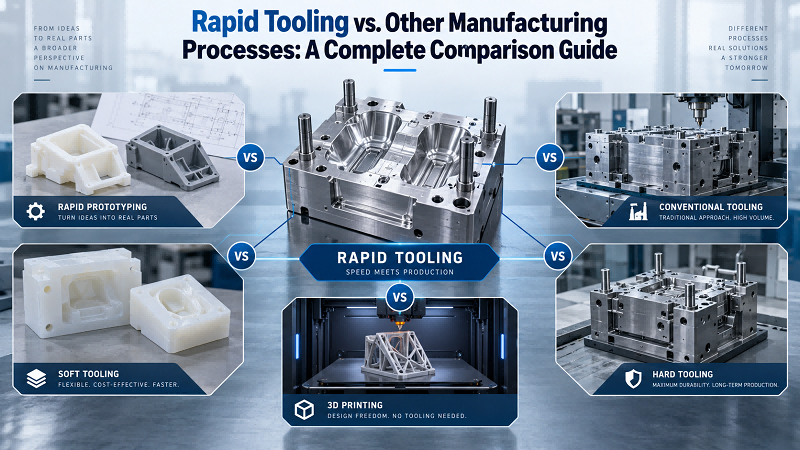
Rapid Tooling and Bridge Molding
Aluminum Molds for Pre-Production Runs
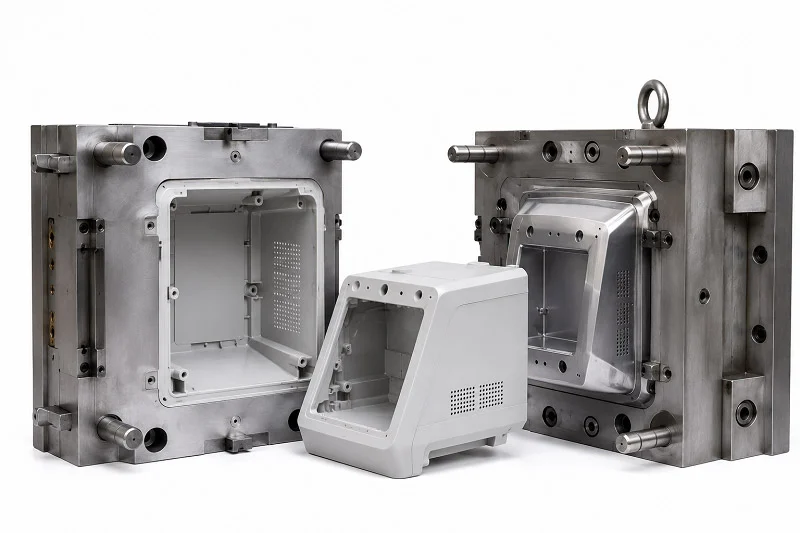
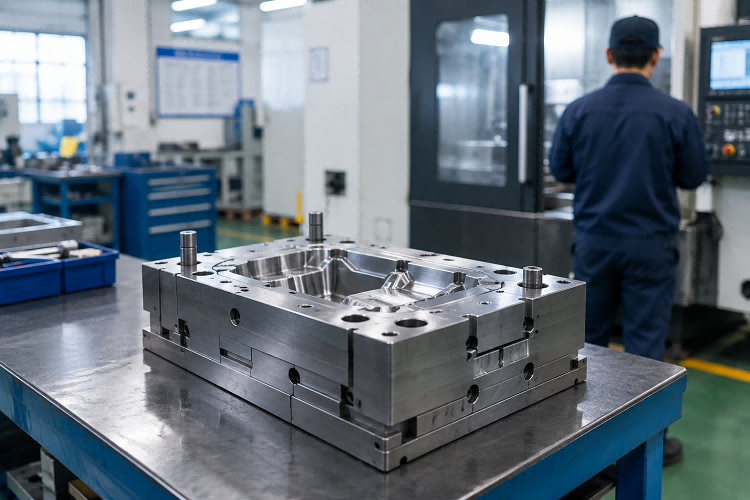
Aluminum molds bridge the gap between early sample models and final factory runs. Soft tooling lets factories make small batches of real test parts fast.
This approach supplies real production parts needed for final safety checks. Medical device makers gain high efficiency during early test runs. The factory gets ready for mass production quickly.
Validating Draft Angles and Mold Flow
Engineers test sample parts to correct design mistakes right away. Quick modeling reveals plastic flow problems before workers cut expensive steel tools.
Modern 3D printing makes precise shapes for important design tests. Industrial printing methods produce lightweight, strong parts. Advanced 3D printing boosts accuracy across all builds. The design team checks every single surface detail carefully. Using 3D printing cuts overall costs. Engineers choose 3D printing for fast early tests. Industrial 3D printing makes light frame parts. Prototyping helps teams refine critical product features. Digital tools streamline early testing steps. Final factory runs need stable, durable tooling. Mass production requires fully proven designs. Engineers rely on fast prototyping to lower project risks. Every single test part meets strict quality targets. Engineers move much faster through every design phase.
Material Selection for PCR Machine Housing Performance
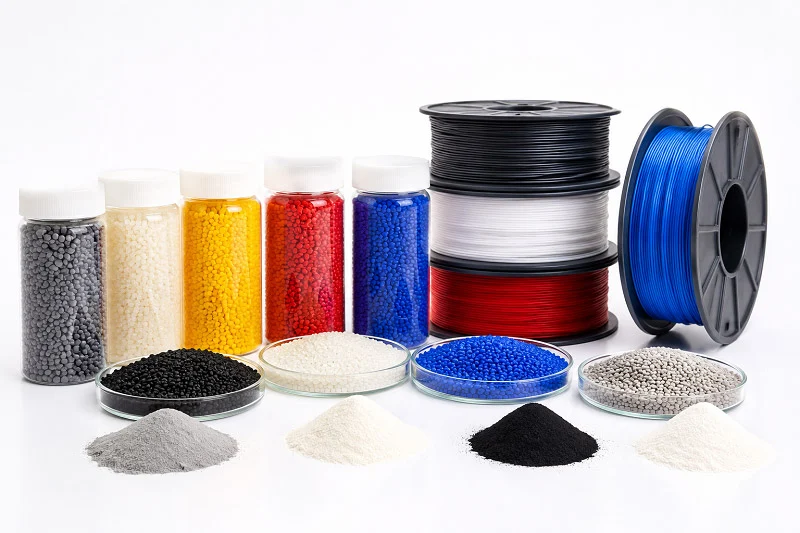
Choosing proper materials guarantees good performance for your PCR machine housing. Medical gear needs strong plastics that survive rough laboratory settings.
Chemical Resistance for Lab Disinfection
Testing Resistance to Alcohol and Bleach
Lab staff wipes down surfaces often with strong isopropyl alcohol or bleach. Teams run tough chemical tests using ISO 175 rules to check sample reactions.
You need plastics that will not stain or weaken from daily cleaning. Basic modeling materials usually fail these harsh exposure checks very fast.
Preventing Stress Cracking in Resins
Built-in pressure in molded parts can trigger fast cracks from chemical exposure. Early hands-on checks reveal weak areas across outer plastic panels.
You can tweak product shapes to spread physical pressure evenly. Smart builders pick tough plastic mixes to stop long-term material failure. Early sample runs show surprise stress points near hinges and snap fits. This smart step shields initial factory models from sudden structural breaks.
Thermal Stability and Flame Retardancy
Selecting UL94 V-0 Rated Resins
Testing gear must pass tough fire safety rules during long daily runs. Builders pick approved flame-resistant plastics that pass the UL94 V-0 safety test.
These special plastics stop burning ten seconds after touching open flames. Fire-resistant polycarbonates work extremely well for these outer cover parts. Fast sample tests help teams check material traits during heavy power spikes. Picking approved plastics early simplifies final factory clearances for safety rules.
Heat Deflection Analysis Under Thermal Cycling
Heating cycles create strong heat inside small inner housing spaces. Engineers check heat distortion levels with ASTM D648 tests to measure material strength.
Fast 3D printing lets teams build heat-proof sample parts quickly. Modern 3D printing options speed up checks on frame strength during high-heat runs.
Surface Finishing for Cleanroom Housings
Vapor Smoothing and Bead Blasting
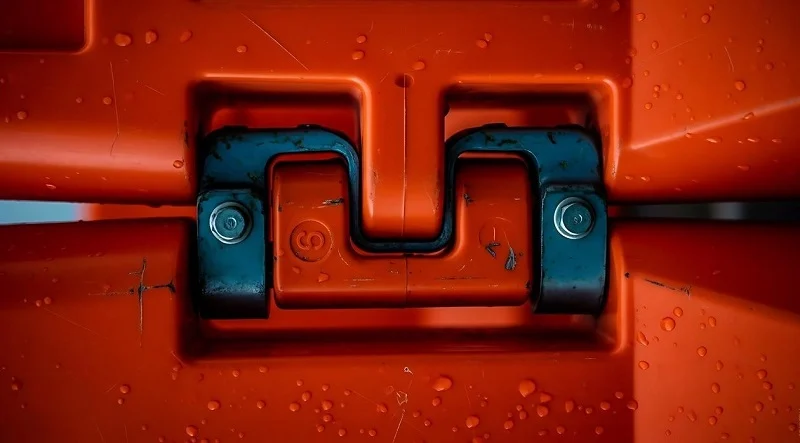
Rough 3d printing parts often display visible print lines. Automated vapor polishing seals small surface holes to ensure high visual quality.
Techs also use fine bead blasting to make smooth matte coatings on test models. Smooth faces keep spilled liquids from sticking to the device body. That makes daily cleaning fast and simple for lab staff. This step readies early machine builds for clean lab areas.
Shielding Coatings for EMI Protection
Delicate sensor setups need safety against outside radio signals. Workers spray metallic copper or nickel paint on inside frame surfaces.
These safety layers protect fragile sensors from electrical noise during fast runs. Smart build methods help add protective layers to real machine parts smoothly. Fast 3d printing makes special test tools, while smart 3d printing helps check final shield fits.
Iterative Engineering of PCR Machine Housing Mechanics
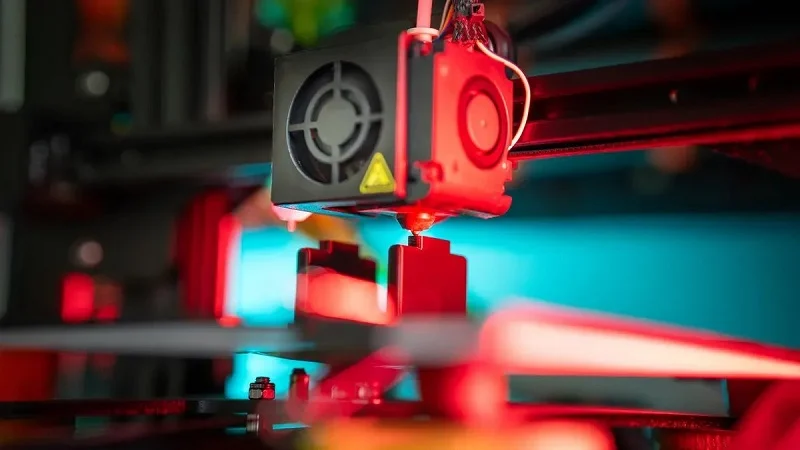
Engineers must test how physical parts work together inside a PCR machine housing. Fast physical models allow teams to fail fast and fix issues early. You can catch mechanical flaws long before mass manufacturing begins. Physical builds also bring biomedical, mechanical, and industrial design experts together around one table. This shared experience makes iterative development smooth and clear.
Thermal Management and Airflow Optimization
Prototyping Vents and Ducting Channels
Internal fans move hot air out of your diagnostic device. You can use additive manufacturing to build curved air ducts right away. These physical parts help you measure real air movement through small side vents.
Airflow paths need proper clearance so internal fans can cool vital electronics without creating loud noise in quiet laboratory settings.
Early prototyping lets your team try several duct shapes in a few days. You can adjust wall shapes quickly to boost cooling efficiency. Fast physical iterations ensure fans blow air across hot power supplies smoothly.
Isolating Amplification Modules from Heat
Thermal cycling modules reach high temperatures during DNA copying cycles. Heat must stay away from sensitive optical readouts and outer touchscreens. Designers build physical partitions using 3d printing to check thermal barriers.
You can run actual bench testing to see how heat spreads inside the box. Early physical testing reveals hot spots near delicate sensor arrays. Teams make fast design changes to airflow walls based on real temperature data. This iterative feedback loop protects delicate electronics before mass production begins.
Light-Tight Sealing and Optics Protection
Elastomeric Overmolds for Fluorescence Shielding
Fluorescence sensors require a completely dark chamber to read DNA samples accurately. Outside light leaks lower measurement precision during delicate diagnostic runs. Engineers use multi-material 3d printing to add flexible rubber gaskets onto rigid frame parts.
This modern prototyping process lets you test soft light seals instantly. Rubber seals fit snugly against dark inner walls to block outside light. You can verify light tightness using actual optical sensors in a bright room. Using additive manufacturing for custom parts helps you create tight seals without buying hard tooling early. Physical prototyping reveals real fit issues before final assembly.
Testing Gasket Compression and Latches
Door latches must press rubber gaskets tightly every time a user closes the lid. You can test latch feel and clasp forces on a physical prototype.
- Mount the flexible seal onto the lower chassis wall.
- Close the latch handle to feel the initial resistance.
- Measure gasket squeezing using soft plastic gauges.
- Adjust latch geometry to improve sealing performance.
Fine tweaks give your door handle a solid feel. Proper squeeze prevents light leaks while keeping the latch easy for lab staff to open.
Rapid Prototyping for Ergonomics and Assembly
Validating Threaded Inserts and Boss Strength
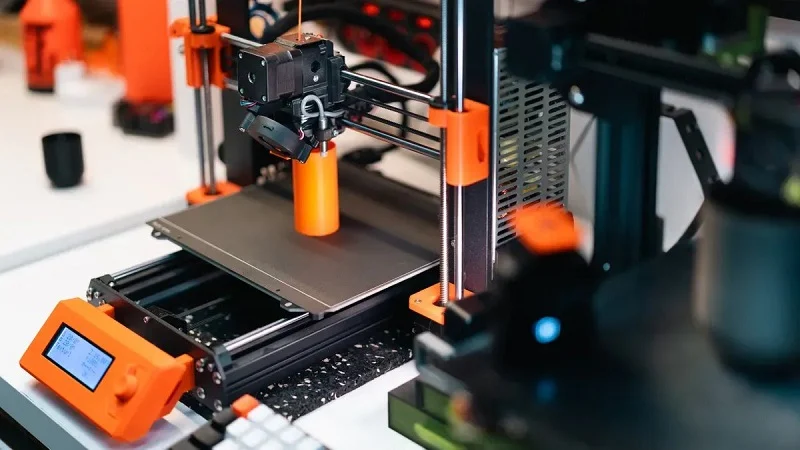
Outer covers rely on internal screw bosses to hold circuit boards securely. Engineers use additive manufacturing to craft test bosses with varied wall thickness. You can push brass threaded inserts into resin parts using a simple heat tool.
Technicians turn screws into these metal threads to test pull-out limits. Strong joint design validation prevents stripped threads during daily assembly operations. Rapid prototyping makes it easy to find weak spots in small screw pillars.
Snap-Fit Joints for Maintenance Access
Field technicians need fast access to inner parts during routine service visits. Flexible snap joints let workers open outer panels without special hand tools. Engineers choose 3d printing to test arm bending and hook strength on physical panels.
- Polycarbonate resin gives snap arms high flex strength.
- SLS nylon prints let arms bend repeatedly without breaking.
- CNC-machined parts test final plastic friction levels.
Testing physical snap joints helps you tune hook engagement depth quickly. Perfect snap tension speeds up routine maintenance in busy clinical labs. Early physical tests lower overall production risk and support smooth product development.
You can adjust overall wall thickness to boost frame strength before volume production starts. Using 3d printing helps you check interior spatial limits for complex wiring harnesses. Digital files turn into physical models rapidly, which gives your engineering team maximum design freedom. High build speed helps your company deliver reliable medical hardware on tight deadlines. Modern 3d printing techniques deliver the high part quality needed for smooth pre-compliance checks. Advanced additive manufacturing options allow quick updates that optimize thermal performance throughout the unit. Every design iteration increases overall manufacturing efficiency, which ensures your final production run meets strict medical requirements. This fast loop improves assembly speed, readies parts for full production testing, streamlines production workflows, and supports production goals.
Driving Rapid Prototyping to Reduce Tooling Risk and Time-to-Market
Building real models lowers costly errors before full production begins. Factories build hard steel molds after engineers check CAD designs. Fixing mistakes on steel tooling wastes money and delays projects. Smart engineering groups use rapid prototyping to cut major product risks. Using rapid prototyping avoids costly re-tooling steps while making final tools.
Early physical tests help teams correct mistakes fast. Quick work improves efficiency across every design step. This practical plan lowers the time-to-market for modern diagnostic hardware.
Managing Design Iteration with Digital Models
Correcting CAD Geometries Early
Engineers use additive manufacturing to change digital files into solid parts. Building early physical shapes reveals hidden spacing problems near inside parts. You can spot tight areas near inner circuit boards fast. Fast prototyping lets engineering teams catch structural alignment errors early.
Early sample models show physical fit problems before mass production starts. Engineers fix design files directly within computer programs. These quick design changes help protect metal tools from costly fixes later. Modern additive manufacturing makes inside frame checks very simple.
Optimizing Wall Thickness for Injection Molding
Thick plastic walls cool unevenly inside complex injection molds. This heat problem causes surface dips and warp damage on outer covers. Engineers use 3d printing to inspect thin wall areas. Using 3d printing helps workers catch warping across flat housing panels.
Additive manufacturing gives teams total freedom to try different outer shapes. Early testing lets workers improve inner support beam patterns. Proper support ribs give plastic panels strong structure without adding extra weight. This step clears production plans for full factory runs.
Accelerating Regulatory and Usability Testing
Functional Units for IEC 61010-1 Pre-Compliance
Medical diagnostic tools must pass strict safety rules before reaching stores. Workers build working prototypes to test electrical safety under IEC 61010-1 rules. Early tests confirm correct safety grounding and proper wire spacing inside the frame. Digital modeling tools improve build accuracy for detailed outer frames.
Engineers check frame strength with actual drop tests and physical push tests. Using physical models ensures steady performance during early safety check steps. This early design test step keeps your project moving smoothly toward final approval. Mechanical testing finds structural flaws early.
Ergonomic Validation with Clinical Users
Lab workers use diagnostic devices for many hours each day. Physical models let doctors and lab techs touch real doors, latches, and screens. Clinical workers give valuable feedback about everyday device comfort. Custom building methods make realistic panel faces for user tests.
Early prototyping speeds up user feedback steps. Modern prototyping options keep hardware projects moving forward smoothly. Engineers move handle locations to boost daily work speed. High build speed speeds up project timelines. Fast design work shortens the whole product build cycle greatly. Multiple design fixes improve frame quality over time. A smooth product build path helps diagnostic tools reach clinic shelves on tight schedules. Early hands-on testing boosts overall factory output while shielding your build schedule. Every single update improves final product readiness before volume production starts. This modern approach keeps total time-to-market goals on track while keeping build output steady. Mass production plans move forward safely when engineers check each build step early.
NOBLE: Precision Rapid Prototyping for PCR Machine Housing

ISO 9001:2015 and ISO 13485:2016 Certification
Are you searching for a reliable partner to build diagnostic hardware? NOBLE stands out as a leading custom manufacturing partner and CNC supplier in China. Creating outer shells for medical tools demands great skill and careful factory control. NOBLE follows ISO 9001:2015 rules to keep every step clear and steady. This system guarantees that workers check raw materials before cutting starts. Every metal chassis part and plastic panel meets exact project targets. Operators check tool paths on advanced mills to eliminate tiny errors. Their systematic methods help teams deliver consistent results across every build cycle. That consistency protects your money during every phase of product development.
Medical tools need extra safety checks to protect lab staff and patients. NOBLE maintains strict ISO 13485:2016 rules for medical device creation. This setup helps engineers control cleanroom spaces and track raw parts accurately. Workers document every step so you get complete component history reports. High-quality standards help your medical enclosure pass tough safety checks easily. The factory uses calibrated measuring tools to check tight tolerances on surfaces. This deep commitment gives diagnostic equipment makers real peace of mind during assembly. Your team receives full quality documents with every completed order.
Services from Design Support to Assembly
NOBLE guides clients through every single step of hardware development. You can start your project with rapid prototyping to test physical parts quickly. Expert machinists use multi-axis CNC tools to carve complex plastic and metal parts. Their technical team checks your computer design to optimize wall thickness and strength. Finding small errors on early models prevents major project delays later. Hands-on prototyping gives your engineering team high confidence before moving forward. Clear guidance from experienced engineers makes mechanical updates fast, simple, and affordable.
After testing your sample parts, NOBLE helps you transition smoothly into mass production. Their factory handles post-processing like bead blasting, anodizing, painting, and EMI shielding. Factory technicians assemble hinges, light seals, touchscreens, and mounting brackets. Moving from sample prototyping into bridge production saves valuable project time. This unified process keeps your production costs predictable and secures your schedule. Choosing one skilled partner simplifies supplier management, cuts tooling risks, and speeds up product release. Full batch production proceeds efficiently when experts manage every assembly step.
Mixing digital CAD tools with quick design builds makes your PCR machine housing project work much better. You can turn computer ideas into real test parts very fast.
Engineering teams should follow a clear path:
- Check the strength needs for the inside frame.
- Use 3D printing and CNC tools to get fast model results.
- Test heat and chemical limits during early design updates.
- Check final tool settings to speed up factory work.
Using rapid builds makes early testing phases move quickly. Modern 3D printing choices help workers check visual details easily. At the same time, fast modeling methods speed up overall product design work. These smart choices check device quality before real factory production begins. Quick test cycles help deliver ready diagnostic tools to store shelves fast.
FAQ
Which 3D printing method works best for clear PCR housing covers?
Stereolithography (SLA) works best for clear optical covers. It makes smooth surfaces with high detail and tight tolerances of ±0.1 mm. This process creates see-through windows so light sensors read tests clearly.
Why do engineers use CNC machining for PCR machine housing chassis parts?
CNC machining cuts solid metals like Aluminum 6061 or 7075 within ±0.05 mm precision. These parts pull heat away from thermal cycling units. CNC methods make strong frames that handle daily lab work.
How does rapid prototyping reduce tooling risks for injection molding?
Early physical models help you spot plastic warping and bad wall thickness fast. Fixing CAD files early prevents costly changes to hard steel molds. Rapid prototyping saves money before mass manufacturing starts.
What flame retardancy rating should a PCR machine housing have?
Outer plastic parts should meet the UL94 V-0 safety standard. This rating means the material stops burning ten seconds after touching an open flame. Fire-resistant polycarbonates keep diagnostic gear safe during power spikes.
Why is chemical resistance testing important for lab devices?
Lab staff clean surfaces daily with strong isopropyl alcohol and bleach. Engineers follow ISO 175 rules to test resin reactions. Choosing good materials stops cracking and fading on outer PCR machine housing parts.
What certifications should you look for in CNC suppliers in China?
Look for ISO 9001:2015 for general quality control and ISO 13485:2016 for medical device standards. Certified CNC suppliers in China like NOBLE trace every raw component to deliver reliable housing parts.
How do working prototypes support safety compliance testing?
Working prototypes let engineers test physical drop strength and electrical safety under IEC 61010-1 rules. Early safety tests show structural flaws long before final factory production begins.