Introduction
Magnesium alloys are 33% lighter than aluminium. This is a big deal for the aerospace and medical device industries. But there’s a problem. But if you’re not careful, the same material can catch fire during CNC machining. Things like sparks from a dull tool or a fast feed rate can set the chips alight. The fire that results is intense and hard to put out.
This creates a real problem for machine factories. People want weight savings. They’re after something strong but light. But they’re worried about how the material will react during machining. It’s not a paranoid delusion, though. Just a heads-up: magnesium fires can be dangerous.
What follows is a practical look at CNC machining magnesium alloys. We will cover why this material is hard to machine safely.
Why Is Magnesium Alloy Difficult to CNC Machine?
Many people ask why magnesium is difficult to CNC machine. The material looks soft. It cuts easily. But the risks are serious. People who ignore them learn expensive lessons.
Extreme Flammability & Fire Risk
Magnesium catches fire at around 650 degrees Celsius. A dull tool reaches that temperature fast. Friction from cutting generates enough heat. The real danger is that magnesium produces its own oxygen once burning starts. Water makes it worse. CO2 makes it worse. Standard fire extinguishers do nothing. Facilities need Class D extinguishers specifically for metal fires. Many factories do not have them.
Chip Ignition from Friction Stir
Magnesium chips are thin and stringy. They have a very high surface area compared to their volume. That means they ignite easily. One hot chip landing on a pile of others starts a chain reaction. Aluminum chips smolder. Magnesium chips burn. The difference is critical for factory safety.
Dangerous Reactions with Water-Based Coolants
People often use standard coolant on magnesium. That is a mistake. Water-based coolants react with fine magnesium particles. The reaction produces hydrogen gas. Hydrogen explodes. The coolant also breaks down into a thick sludge that clogs lines and ruins sumps. Factories that try to use their standard setup for magnesium often regret it.
Abrasiveness & Unusual Tool Wear
Magnesium is soft. But it contains impurities like iron, silicon, and aluminum. Those hard particles make the material abrasive. Tools wear differently than expected. Built-up edge forms on the cutter. Galling transfers material onto the tool surface. People assume soft metal means easy machining. Magnesium proves that assumption wrong.
Explosive Dust from Fine Cuts
Fine machining operations create dust, not chips. Grinding. Honing. High-speed finishing. Magnesium dust in the air is explosive. A static spark from a conveyor belt or a dust collector sets it off. The deflagration moves fast. Whole rooms have been lost this way. Factories that machine magnesium without proper dust control are gambling.
How to CNC Machine Magnesium Alloys Safely
CNC machining of magnesium alloys requires a different mindset than cutting aluminum or steel. The material cuts easily. But the risks are not obvious to new operators. People who learn the hard way often deal with fires.
Tool Geometry & Sharpness
Dull tools generate heat. Heat ignites magnesium. So the rule is simple. Sharp inserts. Positive rake angles. Polished cutting edges. Operators check tools before every run in CNC machining of magnesium alloys. A tool that looks fine for aluminum is dangerous here.
Chip Formation & Evacuation
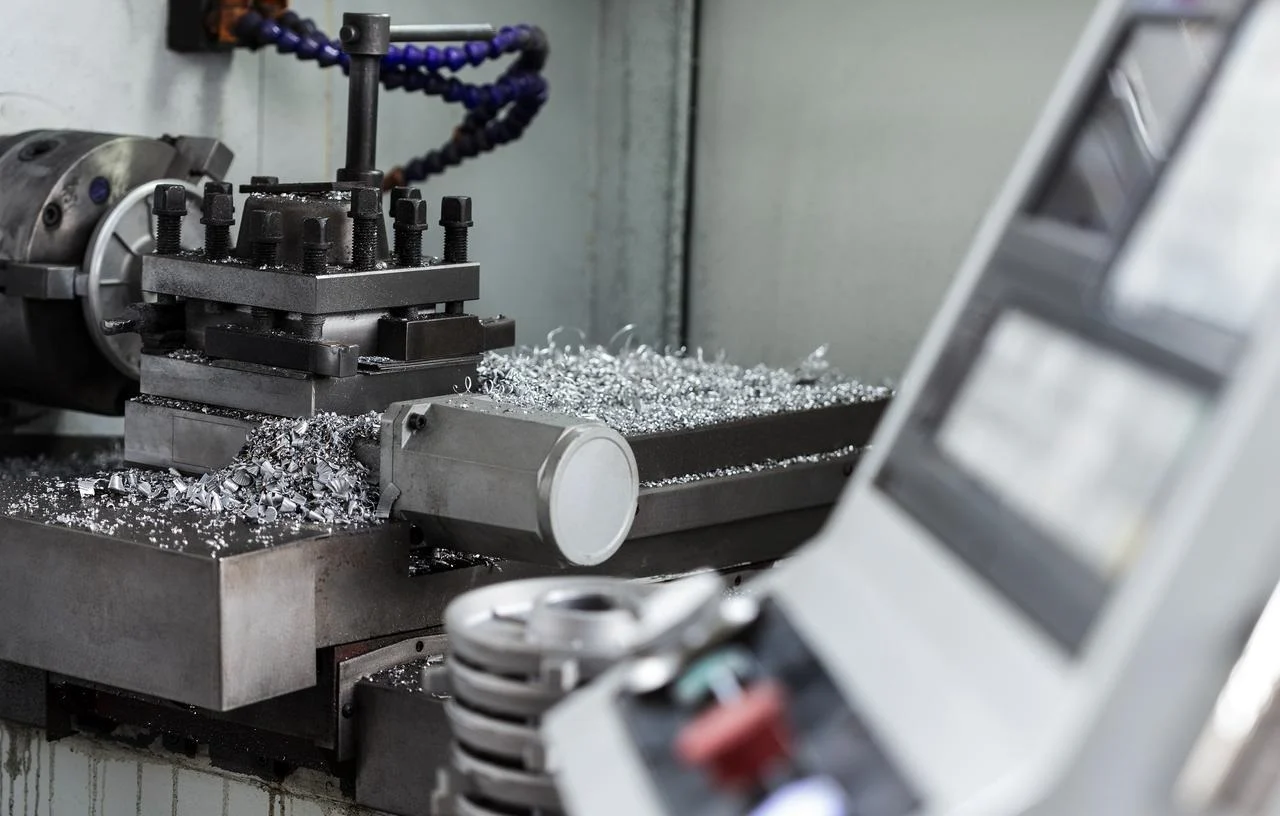
This is the highest priority in any safe CNC machining of magnesium alloys process. Thick, broken chips are safe. Thin, stringy chips burn. People design toolpaths specifically to break chips into small, dense pieces. High-pressure air blasts clear chips from the cutting zone. Some factories use vacuum systems. Never let chips pile up on the machine bed. A pile of magnesium chips is a fire waiting to happen.
Cutting Fluids – What Works and What Doesn’t
Standard water-soluble oil is a trap. It reacts with magnesium dust. It creates hydrogen gas and sludge. People who use it during CNC machining of magnesium alloys learn the hard way.
Dry machining with compressed air is the safest approach. No fluid. No reaction risk. When fluid is necessary, specially approved synthetic coolants exist. Minimum quantity lubrication also works. A fine mist provides enough lubrication without pools of standing coolant.
Machine & Workspace Preparation
Remove every ignition source before starting any CNC machining of magnesium alloy jobs. No open flames. No smoking. No static discharge points. Electrical cabinets need sealing against dust. Magnesium dust inside a control panel is a short-circuit hazard. The entire machine gets cleaned after every shift. Chips do not stay overnight. Dust does not accumulate. Clean machines run safely. Dirty machines burn.
Recommended Cutting Parameters
The numbers seem backward. High feed rates are safer than low feed rates. Moderate speeds are safer than high speeds. Low feed plus high speed produces fine dust. Dust explodes. People avoid that combination in CNC machining of magnesium alloys.
The following example uses 6061-series magnesium alloy.
| Operation | Cutting Speed (m/min) | Feed Rate (mm/rev or mm/tooth) | Depth of Cut (mm) |
| Roughing milling | 500–800 | 0.10–0.20 per tooth | 2–5 |
| Finishing milling | 300–600 | 0.05–0.10 per tooth | 0.5–1 |
| Turning roughing | 400–700 | 0.15–0.30 | 1–3 |
| Turning finishing | 300–500 | 0.08–0.15 | 0.2–0.5 |
| Drilling | 300–600 | 0.10–0.25 per rev | Peck 0.5–1×D |
Drilling, Tapping & Post-Machining
Parabolic flute drills improve chip evacuation. Aggressive pecking cycles break chips before they become long strings. Taps break sometimes. The correct response is not heat. Not force. People dissolve broken taps using specialized removal solutions for magnesium. Acid-based removers exist. Mechanical extraction with a carbide drill works in some cases. Forceful extraction creates sparks and fires.
Chip storage matters as much as chip creation. Operators store magnesium chips from CNC machining of magnesium alloys in sealed, labeled metal containers. No plastic bags. No open bins. Disposal follows local hazardous waste regulations.
Fire Emergency Response – What to Do (And Not Do)
Even with precautions, fires can still happen during the CNC machining of magnesium alloys. It’s really important to understand the right way to respond. If you don’t handle it properly, a small fire can quickly turn into a big problem.
Never Use Water, CO2, or Standard ABC Dry Chemical
People reach for familiar extinguishers. That instinct kills. Water on a magnesium fire generates hydrogen and steam. The fire gets worse. CO2 does nothing. Magnesium produces its own oxygen. Standard ABC dry chemical lacks the agent to stop a metal fire. Those extinguishers stay on the wall during CNC machining of magnesium alloys. They are not for this job.
Only Class D Extinguishers
The correct tools are Class D extinguishers. Look for Lith-X. Met-L-X. Purple-K is for other fires, not primary magnesium. These special agents smother the fire by forming a crust over the burning metal. No oxygen reaches the fuel. The fire stops. Factories that run CNC machining of magnesium alloys keep Class D extinguishers mounted within reach of every machine.
If Smoke Appears – Do Not Open the Machine Door Immediately
Smoke inside the enclosure means something is burning. The natural reaction is to open the door and look. That is wrong. Opening the door rushes fresh air into the enclosure. Air feeds the fire. People have watched small chip fires erupt into full machine fires this way. Wait. Let the fire burn itself out in the oxygen-starved enclosure if possible. If intervention is needed, use the machine’s built-in fire suppression or discharge Class D agent through a port.
Smother, Do Not Spray Directly into the Burning Pool
When applying a Class D extinguisher during CNC machining of magnesium alloys, technique matters. People often spray directly at the flames. That scatters burning chips and spreads the fire. The correct method is to smother. Apply the agent gently from a safe distance. Aim at the base. Let the powder fall onto the fire. Build a crust. Once the crust forms, do not break it. Disturbing the crust re-exposes burning metal to air. The fire can restart. Let the material cool completely before moving anything.
Why Bother? The Unique Advantages of Magnesium Alloys
Some might ask: If CNC machining of magnesium alloys is so dangerous, why is it still necessary? The answer is performance. Magnesium offers properties that other materials cannot match. That is why CNC machining of magnesium alloys remains a critical process despite the hazards.
Unbeatable Weight-to-Strength Ratio
Magnesium density sits at 1.74 grams per cubic centimeter. That makes it the lightest structural metal on the market. No other metal comes close for weight savings.
Let’s compare:
| Material | Density (g/cm³) | Tensile Strength (MPa, typical) |
Strength-to-Weight Ratio |
| Magnesium alloy | 1.74 | 230 | High |
| Aluminum alloy | 2.70 | 310 | Medium |
| Steel (mild) | 7.85 | 400 | Low |
| Engineering plastic (ABS) | 1.05 | 40 | Very low |
Magnesium gives people metal strength at near-plastic weight. That combination drives demand for CNC machining of magnesium alloys in aerospace and automotive applications.
High Specific Stiffness
Stiffness per weight matters. Magnesium holds its own here. The ratio of elastic modulus to density for magnesium is comparable to that of aluminum and steel. People get the rigidity they need without the weight penalty. A magnesium part machined to the right geometry performs like a much heavier steel component.
Superior Vibration Damping
It absorbs vibration better than any other structural metal. Aluminum rings. Steel transmits harmonics. Magnesium quiets them. For handheld tools, automotive brackets, and aircraft interior components, this damping reduces noise and operator fatigue. Parts produced through CNC machining of magnesium alloys often see longer service life because vibration does not loosen joints and threads.
Natural EMI Shielding
Plastics and carbon fiber composites need special coatings to block electromagnetic interference. Magnesium does it natively. The metal itself acts as a shield. Medical devices, electronics housings, and communication equipment benefit from this property. No secondary coating operation. No added cost. Just the material doing its job.
Good Thermal Conductivity
Magnesium conducts heat at roughly 150 watts per meter-kelvin. That is not as high as aluminum. But it is far better than plastics or composites. For LED lighting housings, engine components, and electronic enclosures, magnesium pulls heat away from sensitive areas. CNC machining of magnesium alloys produces parts that manage thermal loads while keeping weight low.
Recyclability & Sustainability
Magnesium is abundant. Recycling requires far less energy than primary production. The material supports vehicle lightweighting, which reduces fuel consumption and emissions. People concerned about environmental impact find magnesium attractive. The metal can be recycled repeatedly without significant property loss. That fits circular economy goals that many manufacturers now pursue.
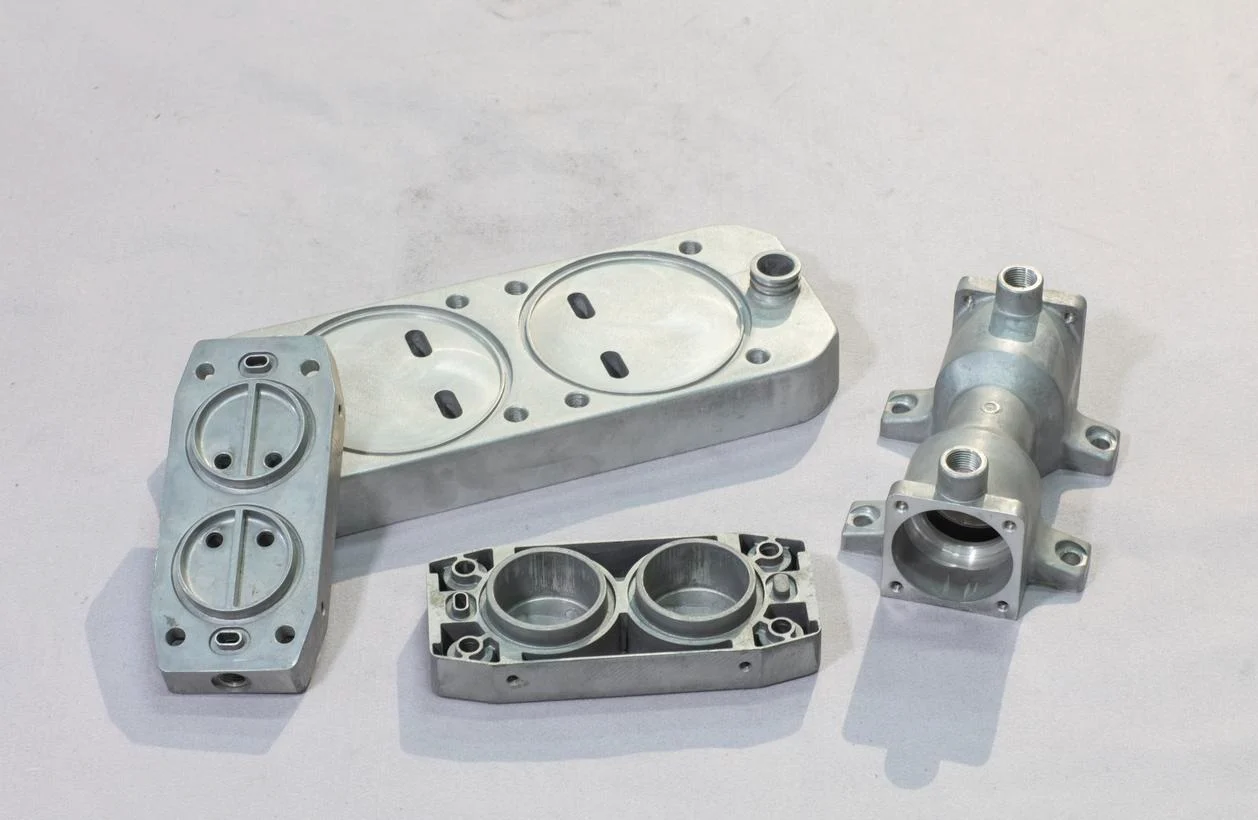
Magnesium vs. Aluminum vs. Plastic – Which One Should You Choose?
Designers face a choice. Magnesium, aluminum, or plastic. Each material has strengths. Each has trade-offs. The right answer depends on the application.
| Property | Magnesium Alloy | Aluminum Alloy | Engineering Plastic (ABS/PC) |
| Weight (density g/cm³) | 1.74 – lightest structural metal | 2.70 – moderate | 1.05 – lightest overall |
| Specific stiffness (stiffness/weight) | Very good. Comparable to aluminum. | Very good. Benchmark for metals. | Poor. Requires thicker sections. |
| Vibration damping | Best among structural metals. | Poor. Rings and resonates. | Excellent. Natural energy absorber. |
| EMI shielding | Excellent. No coating needed. | Excellent. No coating needed. | None. Requires conductive coatings. |
| Thermal conductivity (W/m·K) | ~150. Good for heat management. | ~205–235. Very good. | ~0.2. Very poor. |
| Corrosion resistance | Poor without treatment. Requires coating. | Good with anodizing or bare in some environments. | Excellent. Does not corrode. |
| Machinability (CNC) | Good with proper safety protocols. Stringy chips. Fire risk. | Excellent. Clean chips. No fire hazard. | Good. Soft. Requires sharp tools. Chip management is needed. |
| Raw material cost | Moderate to high. | Moderate. Widely available. | Low to moderate. |
| Secondary finishing | Often required (conversion coating, paint). | Often required for corrosion or appearance. | Often optional. Color can be molded in. |
About NOBLE – Your Partner in Precision CNC Machining
NOBLE is a specialized CNC machining plant dedicated to high-precision manufacturing of complex metal and alloy components.

Our Core Processing Capabilities
Present this clearly, possibly as a bullet list or two-column table.
CNC Machining Types
- 3-axis, 4-axis, and 5-axis CNC milling for complex geometries
- CNC turning with live tooling for round parts that need secondary features
- Mill-turn centers that reduce setups. Fewer setups mean better accuracy and faster delivery.
Secondary Services
- Surface finishing. Anodizing, passivation, chemical film.
- Heat treatment for strength and stress relief.
- Deburring and cleaning. Parts ship ready for assembly.
- Assembly of multi-component products.
Our Certifications (Quality & Medical Grade)
Engineers and buyers filter suppliers by certifications. We maintain the ones that matter.
| Certification | Scope | Relevance |
| ISO 9001:2015 | Quality Management System | Guarantees consistent process control, traceability, and continuous improvement across all production. People trust this standard. |
| ISO 13485:2016 | Medical Devices – Quality Management | Enables us to machine components for surgical instruments, implants, diagnostic equipment, and medical device housings. |
FAQ
Can I machine magnesium on a standard CNC mill?
Yes, but carefully. A standard CNC mill works fine for CNC machining of magnesium alloys as long as factories use sharp tools, dry air or approved coolants, and aggressive chip evacuation.
Is magnesium more expensive than aluminum?
Generally yes. The raw material cost for magnesium alloys is higher than that of common aluminum grades like 6061 due to smaller production volumes and more complex refining. People pay a premium for the weight savings.
Does magnesium corrode easily?
Yes, in the untreated form. Magnesium is more reactive than aluminum and corrodes faster in humid or salty environments without a conversion coating or anodizing. Engineers factor in surface finishing when specifying magnesium for outdoor or medical applications.
Can I weld magnesium?
Yes, but with a special technique. People use gas tungsten arc welding with argon shielding gas and filler rods matched to the base alloy. Factories without magnesium welding experience should send the work to specialists.
Is magnesium safe to use in consumer products?
Yes. Modern magnesium alloys are flame-resistant in bulk form and meet UL safety ratings for electronics and automotive components. The fire risk is in the CNC machining of magnesium alloys, not in the finished solid part.