Lab automation is transforming how laboratories conduct research and testing, delivering faster, more reliable outcomes. Automated systems establish streamlined workflows that significantly boost productivity. But what exactly goes into these systems? What are the essential laboratory automation parts, and how are they engineered? What steps are involved in turning these components into finished, functional products?
From a practical standpoint, the manufacturing approach for laboratory automation parts is critical. The global market for these systems reached USD 6.97 billion in 2023, with a projected annual growth rate of 7.84% from 2023 to 2030. This expansion is fueling greater demand for precision-engineered automation components. Techniques such as CNC milling, injection molding, and 3D printing are commonly used to produce laboratory automation parts, each offering distinct advantages depending on the application. Rigorous quality control measures are applied to every component to verify performance and reliability. Collaborating with the right manufacturing partner ensures you select the most suitable method for producing high-quality laboratory automation parts that meet your exact specifications.
Common Laboratory Automation Parts
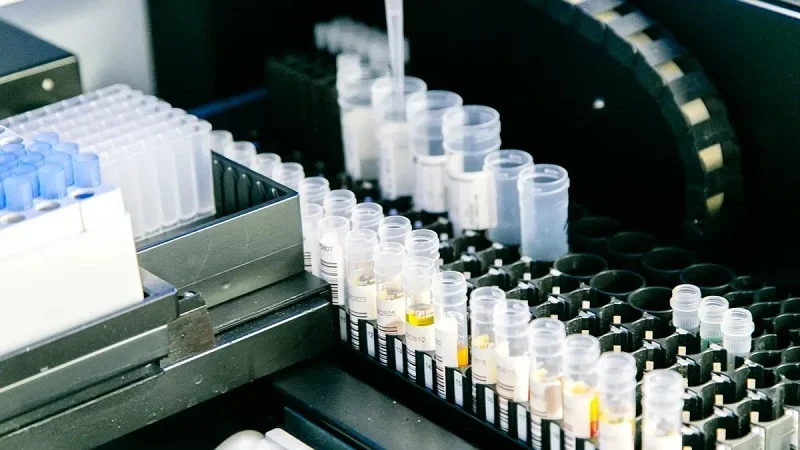
Modern lab systems depend on a few main groups of parts. Each group has a special job, like moving samples, measuring liquids, or running the whole process. Knowing these groups helps you choose better when you design or buy equipment.
Robotic Arms, Grippers, and Transport Systems
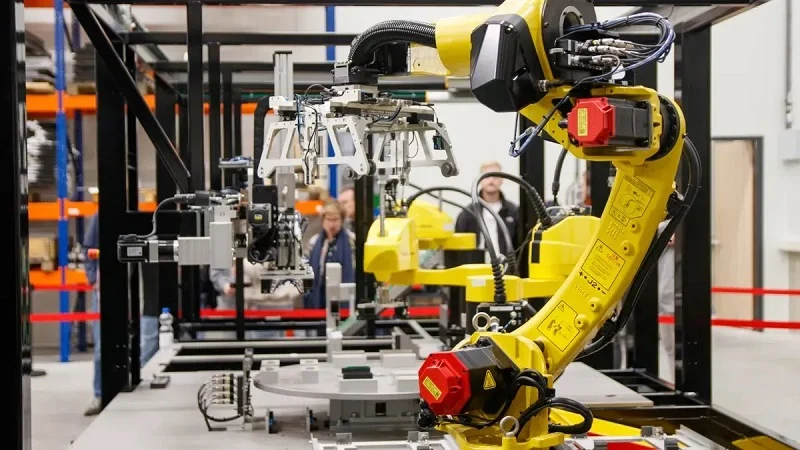
Robotic arms are the main movers in many automated machines. They grab tubes, shift plates, and place samples exactly the same way every time.
Robotic Arm Types and Gripper Designs
Two arm styles are common in labs. SCARA arms are great for quick, flat pick-and-place jobs. Collaborative arms, called cobots, work next to people without needing safety cages. Both types need a gripper on the end to hold items.
Choosing a gripper matters more than most buyers think. Pneumatic grippers have been used in factories for years. They grip hard and are easy to run. But they make noise and need air lines that can leak oil mist into clean areas. Electric grippers fix these issues. They run clean, stay quiet, and let you set grip strength with a program. You can adjust the force digitally in tiny steps instead of using air pressure. That exactness helps avoid breaking delicate lab items like glass vials or thin PCR plates. Electric grippers also save energy because they don’t need constant air compression. With fewer moving parts, they need fewer repairs. For labs using Industry 4.0, electric parts offer better connections and data tracking.
Conveyors, Rotary Tables, and Linear Actuators
Transport systems move materials between stations. Conveyors carry many sample tubes or plates along straight routes. Rotary tables spin samples around a circle for multi-step work. Linear actuators give exact back-and-forth motion for jobs like placing probes or taking off lids. These parts work together to make a smooth automated process. Each piece must match the speed and accuracy of the robotic arms it works with.
Liquid Handling and Dispensing Modules
Handling liquids is central to most lab automation. Mistakes in dispensing ruin tests and waste costly reagents. Modern systems solve this with different pump types.
Pipetting, Syringe, and Peristaltic Pump Systems
Automated liquid handlers use air-displacement pipettes for filling many plates quickly. These systems swap tips between samples to stop contamination. Syringe pumps give exact amounts for jobs like adding reagents or making dilutions. Peristaltic pumps move liquid through soft tubing with rotating rollers. They handle bigger volumes and work well with sterile fluids because the liquid never touches pump parts. Many liquid handling machines mix these methods. They use syringe pumps for tiny, exact amounts and peristaltic pumps for moving larger volumes of media.
Material Selection for Chemical Compatibility
Chemical resistance guides what materials go into fluid paths. Lab automation parts face repeated contact with strong reagents, acids, and cleaners. Weak materials break down, rust, or leak chemicals. That contamination ruins samples and harms equipment. Chemically resistant materials keep their strength and smooth finish through many uses. Smooth, non-porous surfaces also make cleaning simpler. This stops buildup and cross-contamination between runs.
| Material | Key Chemical Compatibility & Durability Attribute |
| Stainless Steel | Resists many acids, bases, and solvents; strong for structural parts |
| PEEK | High-performance plastic; good chemical resistance and thermal stability |
| PTFE | Very strong resistance to most chemicals; low friction; used in seals and tubing |
| POM (Acetal) | Good resistance to organic solvents and bases; strong and dimensionally stable |
| Glass/Borosilicate | Good thermal and chemical resistance; used in analytical devices |
PTFE is best for strong solvents and corrosive liquids. Hastelloy works in tough corrosive places where normal alloys fail. PVC fits certain chemicals when you watch temperature and concentration. 316L stainless steel is common where strength, easy cleaning, and corrosion resistance matter. Special coatings and seals are needed when liquids attack regular rubber parts.
Core System Components
Beyond moving parts and fluid paths, every automated platform needs a control system. Sensors collect data. Controllers make choices. Software connects everything.
Sensors, Controllers, and Actuators
Sensors watch what happens inside the system. They confirm that liquid arrived, that temperature stayed steady, or that a plate is in the right spot. Common sensor types include:
| Sensor Type | Application in Process Monitoring |
| Conductivity | Monitors and controls mixing ratios of media |
| pH | Measures acidity or alkalinity of a medium |
| Chlorine | Verifies correct water disinfection |
| ORP | Monitors disinfection quality in water |
| ISE | Measures specific ions (Na+, K+, Ca2+, Mg2+) |
| Flow | Regulates nutrient supply in bioreactors or reagent supply for pipetting |
| Pressure | Measures medium pressure for specific processes |
Controllers, often called PLCs, take in sensor data and send commands to actuators. Actuators turn those commands into movement. They open valves, lift platforms, or start dispensing. This control loop runs nonstop during operation.
User Interfaces and Software Platforms
Operators use screens to control automation. These displays show run status, warnings, and maintenance alerts. Behind the scenes, lab information systems track samples and results. They store data from every run and link to larger data tools. Modern software also allows remote monitoring. You can check a machine from another room or building. This connection turns separate robots into one linked, automated workflow. The software layer changes raw measurements into useful results for researchers.
Each part group adds to the whole system. Robotic arms give physical reach. Liquid handlers provide accuracy. Sensors and software supply intelligence. Together, they make up the laboratory automation parts that drive modern research.
Manufacturing Laboratory Automation Parts
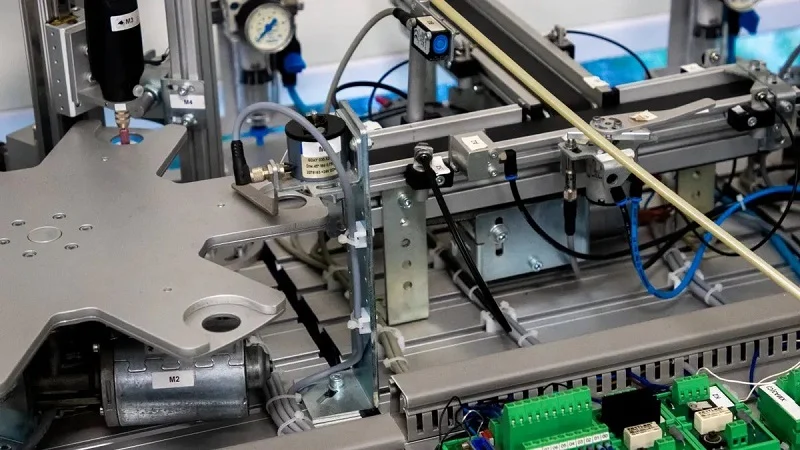
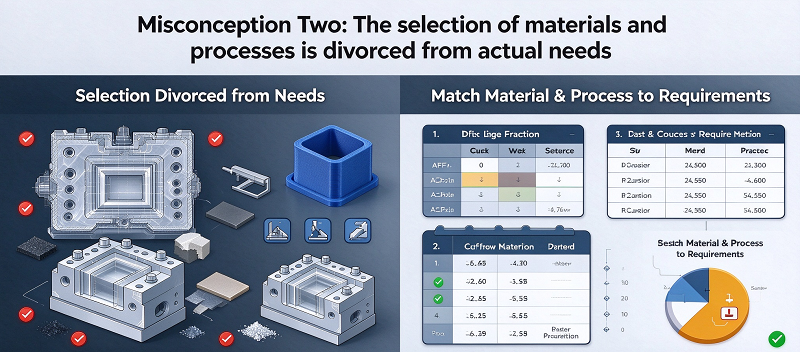
Turning a design into a part that works takes careful planning. You have to think about materials, how exact the part must be, and how many you need. Each way of making parts has its own good points for lab automation. The best choice depends on what the part does, how many you need, and how precise it really has to be.
CNC Machining and Sheet Metal Fabrication
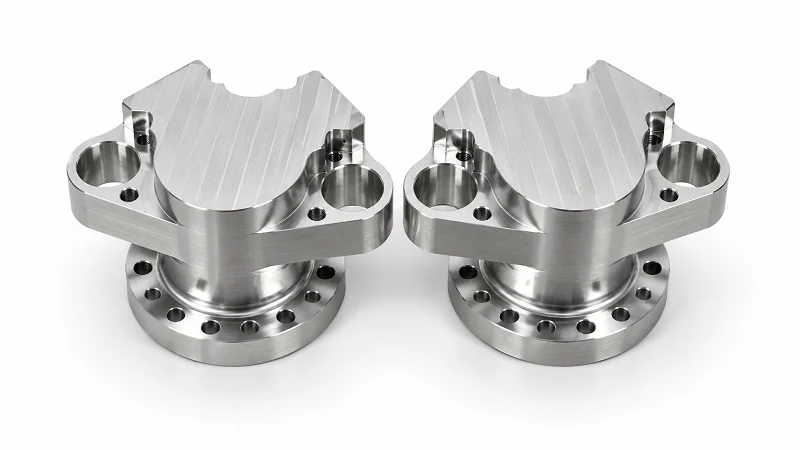
CNC machining cuts away material from solid blocks to make very precise parts. It works well for metal parts that need to be strong and fit exactly.
Precision Milling, Turning, and Drilling
Milling cuts flat surfaces, slots, and complex shapes. Turning spins the piece of metal while a cutting tool shapes it. This is great for round parts like shafts and fittings. Drilling makes accurate holes for screws or fluid paths. These methods give repeatable results with very small error. That matters when parts must line up perfectly inside an automated system.
The choice between custom parts and standard parts affects both cost and how well things work. Custom actuator housings improve how accurately joints move and how stiff they are. But they cost more to make because you have to control the tolerances. Standard housings cost less if they already meet the accuracy needs. The same idea applies to frames. Custom frames can be made to spread loads and reduce weight for precision. Yet modular aluminum extrusions let you try new designs faster and cost less while still being stiff enough. Motion drives follow the same pattern. Custom routing handles unusual packaging for precision but costs more. Standard belts, chains, and pulleys cost less because they use proven designs.
Bending, Cutting, and Welding Enclosures
Enclosures protect electronics, fluid parts, and moving parts. Sheet metal fabrication builds these boxes through several steps. The process usually starts with a flat sheet. A laser cutter or punch machine cuts the sheet into the right shape. It also makes mounting holes, air slots, and cable openings. After that, the part goes to a press brake. Operators bend the sheet along programmed lines to form the walls of the enclosure.
Hardware may be pressed into the sheet using PEM inserts. Some panels are welded together. Some parts get powder coating, anodizing, or bead blasting to make them last longer and look better. Medical equipment uses these enclosures too. Diagnostic machines, monitoring devices, and lab instruments need strong boxes that keep sensitive electronics safe and properly aligned.
Card cages are a special type of enclosure. Research and development labs, aerospace testing facilities, and electronics manufacturing operations use them to hold and test circuit boards during development. Precision card cages keep tight tolerances for card alignment. They have backplane mounting systems for connections between cards. They also provide access hatches so technicians can check test points during troubleshooting.
Injection Molding and Additive Manufacturing
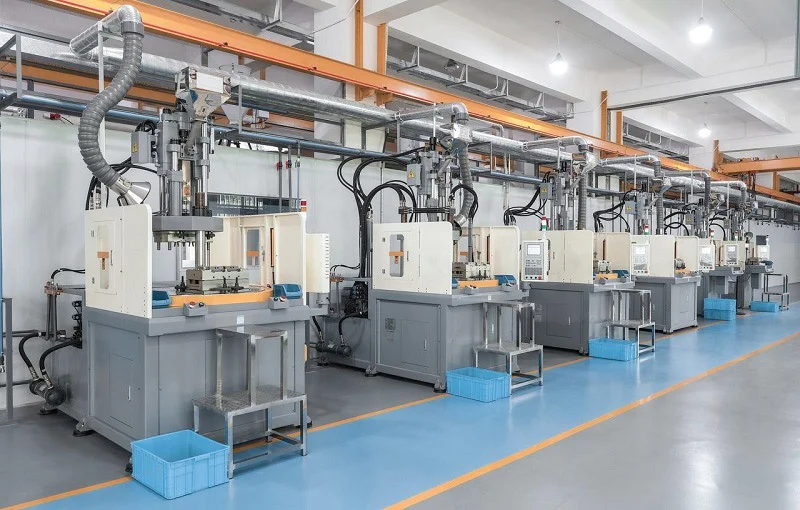
Plastic parts are used in many lab automation tasks. Two main methods make them, and each method fits different stages of a product’s life.
High-Volume Plastic Part Production
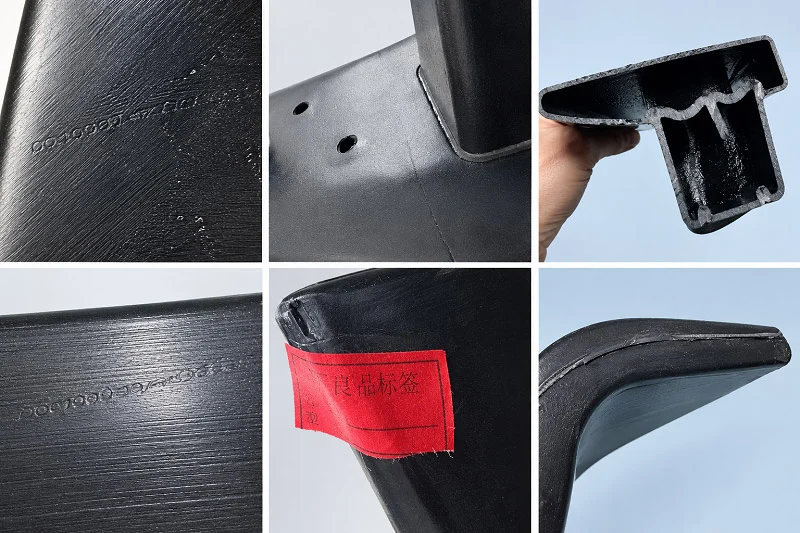
Injection molding forces melted plastic into a steel mold under high pressure. Once the plastic cools, the mold opens and the part pops out. This method works best for making many parts at once. The upfront cost for the mold is high, but the cost per part drops a lot as you make more. Custom molding adds to the tooling cost, but it allows for better sealing and thermal precision. Off-the-shelf enclosures cost less when a basic box is enough.
Standard labware sizes let rigid, non-adaptive grippers place items more accurately and move faster. This directly improves precision without adding cost. If labware sizes vary, even a little, it can cause automated systems to fail or need expensive adaptive solutions. Clinical labs avoid this cost by using standard plastic parts. This lets them run reliable automated processes with less complex engineering.
Rapid Prototyping with 3D Printing
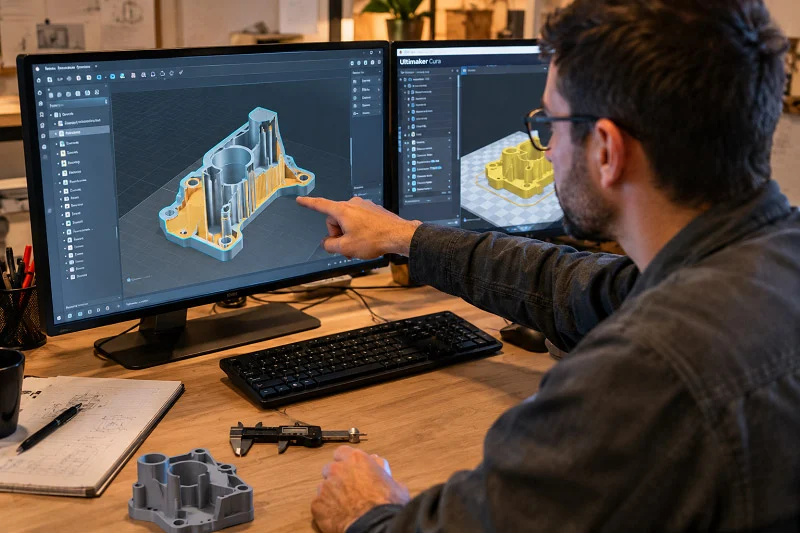
Additive manufacturing builds parts layer by layer. FDM printers push out melted plastic filament. SLA uses a laser to harden liquid resin. SLS melts powder with a laser. These methods let engineers test designs quickly before paying for expensive molds.
Cheap 3D printers, off-the-shelf actuators, and programmable microcontrollers let labs make parts in-house. This approach cuts cost while keeping enough precision for many lab tasks. Low-cost temporary automation is not widely used because it is not popular for research papers or profitable for companies. This leaves a gap between manual work and expensive systems. For researchers, 3D printing fills that gap with custom parts made in days, not months.
Cleanroom Assembly and Functional Testing
Assembly is just as important as making the parts. Dust, moisture, or static can ruin sensitive components.
Contamination Control for Fluidics and Optics
Cleanrooms control airborne particles using filtered air and strict rules. Fluid parts need this environment because tiny particles can clog channels or dirty reagents. Optics also need clean assembly. Dust on a lens or mirror can reduce measurement accuracy. Assembly staff wear special clothing and follow careful procedures to keep parts clean.
End-of-Line Validation and Leak Testing
Every assembled system must be checked before it is shipped. Leak testing looks for leaks in fluid paths that would waste reagents or ruin results. Functional testing runs the system through its intended motions to make sure everything works together. These checks catch problems early, reducing failures in the field and warranty costs.
A leading manufacturing company in China offers great service and professional machining skills. Their full-service approach helps clients efficiently complete prototyping and mass production of laboratory automation parts. From CNC machining to injection molding, they handle the entire manufacturing journey under one roof.
The manufacturing processes you choose affect your product’s quality, cost, and timeline. Understanding each method helps you make smart decisions that keep your automated workflow running smoothly.
Quality Assurance for Laboratory Automation Parts
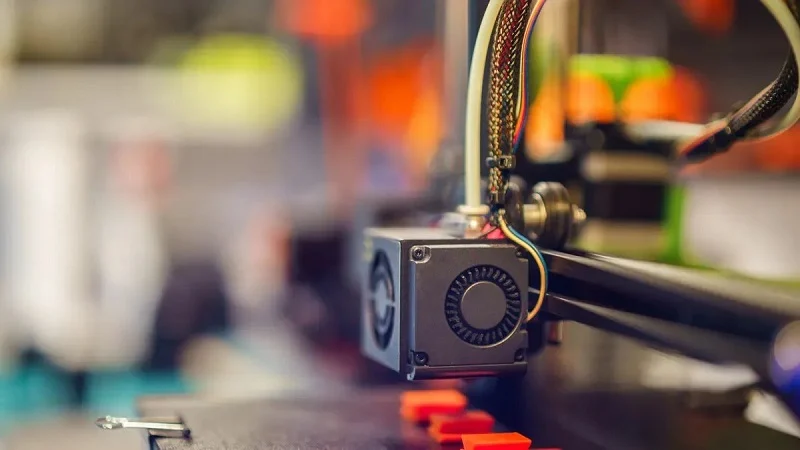
Quality checks protect every automated system. A single faulty part can stop an entire lab run. That costs time and money. Strong quality assurance catches problems before parts ship. For lab automation, these checks matter even more because systems run unattended for hours.
Inspection Methods and Metrology
Manufacturers measure parts against exact specifications. They use several tools to verify dimensions and surface quality.
CMM, Optical Comparators, and Surface Measurement
Coordinate measuring machines, called CMMs, probe parts from many angles. They confirm that holes sit where they should and surfaces line up correctly. These machines deliver precise measurements for complex geometries. Optical comparators project a magnified part silhouette onto a screen. Operators compare the shape against a reference drawing. This method works fast for checking profiles and contours. Surface measurement tools check roughness. A smooth finish matters for sealing surfaces and moving joints. Rough spots cause leaks or premature wear. Each tool serves a purpose. CMMs handle 3D complexity. Optical comparators excel at 2D profiles. Surface tools verify finish quality.
First-Article and In-Process SPC
First-article inspection happens on the first part from a production run. Technicians measure every critical dimension. They compare results against the engineering drawing. This step catches setup errors before mass production starts. In-process statistical process control, or SPC, monitors parts during production. Workers take samples at set intervals. They plot measurements on control charts. When readings drift toward limits, operators adjust the process. This approach prevents bad parts from piling up. It also documents quality trends over time. That data supports later analysis when problems appear in the field.
Standards and Certifications
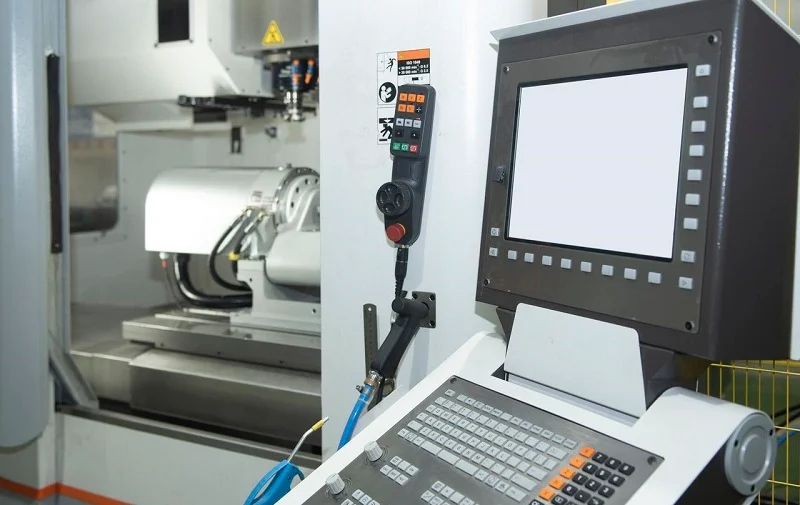
Certifications show that a manufacturer follows recognized quality systems. Buyers should check which standards a supplier holds. The right certification often determines whether a supplier can serve medical or diagnostic markets.
ISO 9001 and ISO 13485 Requirements
ISO 9001 sets general quality management requirements. It focuses on customer satisfaction and continuous improvement. ISO 13485 goes further for medical devices. The standard demands stricter documentation and traceability. Manufacturers must keep Device Master Records and Device History Records for each batch. They need documented procedures for training, cleanliness, and risk management. The term “risk” appears about 40 times in the 2016 version of ISO 13485. That emphasis reflects patient safety concerns. ISO 9001 treats risk more generally. ISO 13485 also requires a management representative for each quality system element. Companies must document why complaints did not trigger corrective action. They need procedures for notifying regulators about adverse events. These requirements make ISO 13485 more demanding than ISO 9001.
Industry-Specific Compliance (CE, UL)
CE marking shows compliance with European safety regulations. Products need this mark to sell in the EU market. UL certification covers electrical safety in North America. Lab automation equipment often needs both marks. Each certification involves testing and documentation. Manufacturers must design products to meet these standards from the start. Retrofitting compliance later costs more.
Testing and Validation Protocols
Testing proves that parts work under real conditions. Validation confirms the whole system performs as intended. Both steps guard against field failures that disrupt research.
Accelerated Life and Environmental Testing
Accelerated life testing pushes parts beyond normal use. Engineers run components at higher speeds or temperatures. This reveals weak points quickly. Environmental testing exposes parts to humidity, vibration, and temperature swings. Lab equipment may face harsh conditions during shipping or operation. These tests verify that parts survive their expected service life. Results guide material choices and design improvements.
Software and Hardware-in-the-Loop Validation
Modern lab automation relies on software control. Hardware-in-the-loop testing connects real components to simulated inputs. Engineers verify that sensors, controllers, and actuators respond correctly. Software validation checks that programs handle errors properly. Together, these tests confirm that the automated workflow runs smoothly. They catch integration issues before deployment. This testing also feeds data into laboratory information management systems for full traceability. Automated workflows depend on this validation step to prevent costly downtime.
Quality assurance turns good designs into reliable products. Each inspection, standard, and test adds confidence. That confidence matters when your lab depends on automation every day.
Choose NOBLE for Your Laboratory Automation Parts

Picking the right manufacturing partner can make or break your product. You need a team that knows precision machining and understands how strict labs are. A skilled manufacturing partner brings both skills together in one place. Such a partner works with metal and plastic and offers services that go beyond basic production.
Capabilities and Process Range
A full-service manufacturer handles the whole manufacturing process. You won’t need to juggle different vendors or worry about parts showing up with uneven quality. Everything happens in one building with schedules that line up.
Machining, Molding, Additive, and Fabrication
Such a company runs CNC milling and turning machines for metal parts that need exact measurements. Injection molding makes large numbers of plastic parts that stay the same every time. Additive manufacturing helps you test designs quickly before you pay for production molds. Sheet metal work builds the enclosures and frames that guard sensitive electronics and fluid systems. With all these options, you can pick the best method for each part based on what it does and how many you need.
In-House Assembly and Testing
Assembly takes place in controlled rooms. Cleanroom settings keep dust and dirt away from fluid parts and lenses while workers put things together. Technicians check fluid paths for leaks and run full tests on complete systems. These steps catch issues before anything ships. You get units that work right away, not prototypes that need fixes at your site.
Quality Systems and Certifications
Quality paperwork matters when your lab gear has to pass inspections from regulators. A reputable manufacturer holds certifications that make audits and reviews easier for you.
ISO 9001:2015 and ISO 13485:2016 Compliance
ISO 9001:2015 certification means every part follows clear, step-by-step rules. Each piece meets tight standards with proper calibration and validation support. ISO 13485:2016 adds more rules for medical use. It sets guidelines for design and production while keeping clean surfaces free from contamination. Every part can be tracked back through each batch from start to finish.
The Quality Management System tracks everything from the first design to the final delivery. Modern QMS software watches how suppliers perform and checks regulatory compliance as it happens. Full document packages meet FDA and European MDR standards. Every part gets careful quality checks before it leaves the building.
Support from Design to Production
You get engineering help from day one. The team looks at your designs to see if they can be made easily and suggests ways to improve them. They help you choose materials that stand up to chemicals and keep their shape over time. Working together early prevents expensive design changes later.
Applications and Custom Solutions
Such a partner serves fields where precision and dependability are must-haves. Their experience covers many different lab uses.
Life Sciences, Diagnostics, and Pharmaceuticals
Diagnostic machines need exact liquid handling and smooth motion control. Drug research depends on samples being processed the same way every time. Such a manufacturer makes parts for these strict settings. Their components support automated workflows that run for hours without anyone watching. Each part has to perform the same way across thousands of cycles.
Prototyping Through High-Volume Production
Start with a prototype to test your design. Move to small production runs for clinical trials or field tests. Scale up to full production when demand grows. A full-service manufacturer supports every step without making you switch suppliers. An automation engineer can stick with the same team from the first idea through full manufacturing. This steady partnership lowers risk and gets products to market faster.
Choosing the right partner turns your automation problems into working solutions. Such a partner offers the certifications, skills, and know-how to deliver laboratory automation parts that perform reliably in critical applications.
You have now seen the whole process of laboratory automation parts. From robotic arms and liquid handlers to CNC machining and quality checks, each step is important. Knowing these parts helps you make better decisions. You can find good designs, ask better questions, and avoid expensive mistakes.
Lab automation keeps changing. New technologies come out each year, making systems faster and more dependable. Your automated workflow relies on parts that work together smoothly. That is why picking the right partner is important.
Think about your own automation problems. What could work better? A full-service manufacturer offers full automation solutions, from making prototypes to full production. Their skills cover design, making, and testing. Working with them gives you an advantage as lab automation grows. Ready to build something better?
FAQ of Laboratory Automation Parts
What materials resist chemicals best for fluid paths?
PEEK and PTFE handle most strong chemicals well. Stainless steel gives strength and resists rust. Your choice depends on which solvents touch the parts daily. Smooth, non-porous surfaces clean more easily and stop cross-contamination between runs.
How do I pick between CNC machining and 3D printing?
CNC machining fits metal parts that need tight tolerances and strong structure. 3D printing works for quick prototypes and complex plastic shapes. Choose machining for production volumes. Choose printing when you test designs fast or need custom shapes without costly tooling.
Which certifications matter for medical lab equipment?
ISO 13485:2016 covers medical device making with strict tracking rules. ISO 9001:2015 applies to general quality management. CE marking opens European markets. UL certification covers North American electrical safety. Ask your manufacturer which standards they hold before starting production.
Can one partner handle prototyping and full production?
Yes. A full-service manufacturer supports every stage. You test your design with 3D-printed prototypes. Then you scale to injection molding or CNC machining for larger runs. Staying with one partner keeps quality steady and removes the hassle of moving files between vendors.
Why does cleanroom assembly matter for my parts?
Dust particles clog fluid channels and settle on optical surfaces. That contamination ruins measurements and wastes reagents. Cleanroom assembly controls airborne particles with filtered air and strict rules. Staff wear special clothing and follow careful steps. This protects sensitive components before they reach your lab.
What questions should I ask a potential manufacturing partner?
Ask about their quality certifications and inspection methods. Request first-article inspection reports. Ask which materials they work with regularly. Inquire about their experience with diagnostic or pharmaceutical applications. An automation engineer should review your design early to catch manufacturing issues before tooling begins.
How does lab automation reduce human error?
Automated systems repeat the same motion thousands of times without getting tired. They dispense exact liquid volumes consistently. Sensors catch deviations right away. This reliability matters for research where small mistakes waste expensive reagents or ruin experiments. The automation handles routine tasks while researchers focus on analysis.