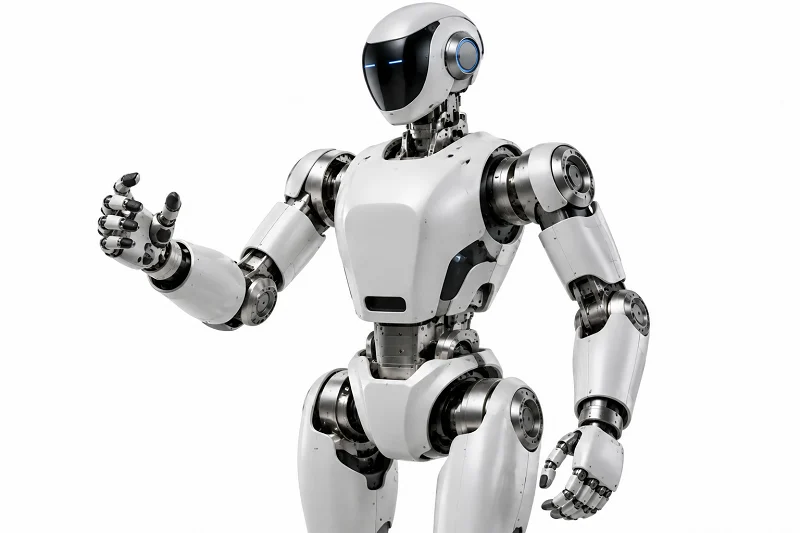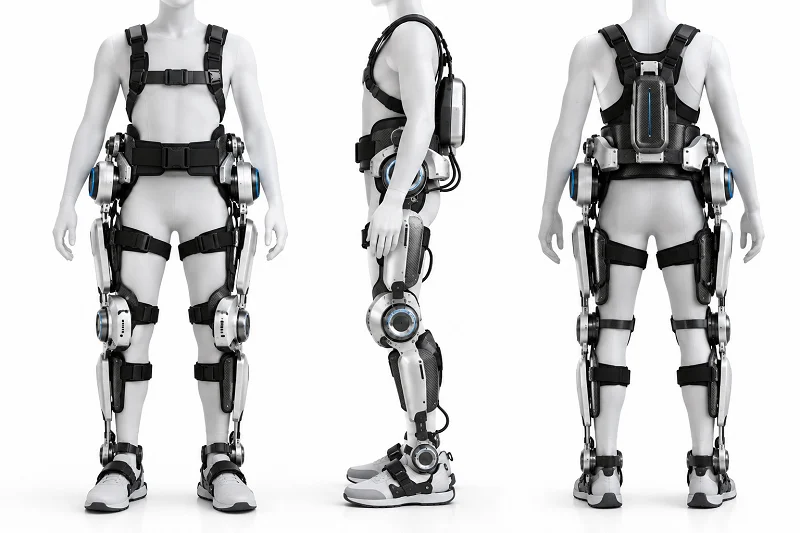
The exoskeleton market reached US$850 million in 2025. It grows by 21.4% each year. This drives demand for exoskeleton structural parts that balance strength and weight.
Exoskeletons in nature give us ideas. Crustacean exoskeletons have a cuticle with layers. The crustacean cuticle contains chitin and calcium carbonate. The epicuticle seals the cuticle surface. The exocuticle has dense chitin that makes it hard. The endocuticle has flexible chitin that makes it tough. Chitin gives the cuticle its strength. Chitin in the exocuticle resists wear. Chitin in the endocuticle absorbs impact. Calcium carbonate hardens the exocuticle. The epicuticle has little chitin. The exocuticle and endocuticle form the bulk of the cuticle. This cuticle system balances weight and toughness. Engineers study the cuticle for ideas. The exocuticle shows how to resist wear. The endocuticle shows how to absorb impact. The epicuticle shows how to seal. These natural materials inspire human designs.
Human exoskeletons use these lessons. Medical exoskeletons help with rehabilitation. Industrial exoskeletons reduce strain.
This guide answers your questions. What parts matter? Which materials work best? How do we make them? Read on.
Core Components of Exoskeleton Structural Parts
Every exoskeleton depends on three main building blocks. Load-bearing frames hold the weight. Joints and actuators move happen. Human-machine interfaces link the device to your body. These exoskeleton structural parts work together as one system. Each piece changes how the others work.
Load-Bearing Frames and Chassis
The frame is the skeleton of any exoskeleton. It holds payloads, moves forces, and keeps every other exoskeleton structural part in place. Engineers choose materials based on strength, weight, and cost. The mechanical properties of the frame decide how much load the user can carry without getting tired.
Aluminum and titanium frame designs
Aluminum alloys like 7075 give a high strength-to-weight ratio. They cost less than titanium and are easy to machine. Titanium offers corrosion resistance and long-term durability. It stands out in medical and military exoskeletons that face sweat, moisture, or harsh environments. Both metals handle repeated stress well. A machined aluminum frame might weigh a few kilograms. A titanium version weighs more but lasts longer in the field.
Carbon fiber composite structures
Carbon fiber composites cut weight by a lot. They give high stiffness with low mass. That matters for exoskeletons worn all day. Carbon supports and carbon fiber links show up in upper-limb and lower-limb devices. The resin-fiber layup lets engineers tune stiffness in different directions. A carbon frame might bend in one axis and stay stiff in another. That kind of control is hard to get with metal alone.
Joints, Actuators, and Propulsion
Joints let the frame move. Actuators give the power. Together they turn a rigid structure into a working machine. The design challenge is fitting motors, reducers, sensors, and wiring into a small space near the body.
Artificial muscles and motor-driven systems
Powered exoskeletons use electric motors, hydraulic actuators, or pneumatic systems. These parts give active assistance. Sensors and control algorithms detect what the user wants to do. Then they coordinate powered help for limb movement. This links the actuation system with human-machine interfaces. The result is better strength and endurance for industrial, military, or rehabilitation use. Harvard’s Wyss Institute takes a different path. They build soft exoskeletons with flexible textile-based actuators and built-in sensing. Their systems stay lightweight and work with existing mobility aids.
Articulation mechanisms for motion range
The actuator physically moves joints such as hip, knee, ankle, shoulder, and elbow. It turns motor rotation into joint speed and torque. A compact drive unit like a BCSA puts a frameless motor and cycloidal reducer into a slim structure. The cycloidal reducer raises torque through reduction. It also spreads load across multiple contact areas. That helps the joint handle repeated loads and outside impacts during walking. Size matters too. If the drive unit sticks out too far, it can get in the way of nearby structures. That limits natural movement. Slimmer actuators placed close to the body keep natural joint movement. Multiple joint actuators make weight add up. Making size smaller alone is not enough if torque becomes too low. Required joint torque, range of motion, operating speed, actuator dimensions, and weight must all be considered together.
| Factor | Effect on exoskeleton joints |
| Actuator role | Decides whether the joint can give the needed movement and assistive torque |
| Actuator type example | BCSA puts a frameless motor and cycloidal reducer into a slim, compact structure |
| Torque output | Cycloidal reducer helps give high torque and handle repeated loads or outside impacts |
| Range of motion | Slimmer actuators placed close to the body help keep natural joint movement |
| Size and weight | Design must balance compactness with enough torque to help movement and support joint loads |
| Design consideration | Actuator choice directly affects both motion capability and torque performance |
Human-Machine Interface Parts
The interface is where machine meets body. It must feel comfortable, stay secure, and pass forces without causing pain. Good interface design keeps the user safe and the device effective.
Chest supports and limb cuffs
Chest supports spread load across the torso. They hold the exoskeleton steady during lifting or overhead work. Limb cuffs wrap around arms or legs. They pass assistive torque to the user. Powered arm parts often include cuffs at the forearm and upper arm. These cuffs must fit different body sizes. Modular and adaptive attachment systems solve this problem. They use adjustable components, quick-release mechanisms, and customizable interfaces. Adjustable straps, modular joint units, and reconfigurable frame elements let one device fit many users.
Padded contact points and straps
Padding lowers pressure on the skin. Straps keep the device in place during movement. Össur builds prosthetic and orthotic solutions with built-in sensor technology and microprocessor control. Their exoskeletons use real-time adaptive algorithms. These adjust support based on user movement patterns and environmental conditions. Intelligent sensors detect what the user wants to do. They give seamless assistance during walking, standing, and transitional movements. This shows how exoskeleton structural parts, actuation, and human-machine interfaces come together.
From a practical view, making these exoskeleton structural parts demands tight tolerances and consistent quality. NOBLE, a leading Chinese manufacturing company, brings exceptional service capabilities and professional machining expertise to this field. Their team helps clients move from prototype to mass production efficiently. Whether you need machined aluminum frames or custom carbon fiber supports, a partner with the right equipment makes the difference.
Materials for Exoskeleton Structural Parts
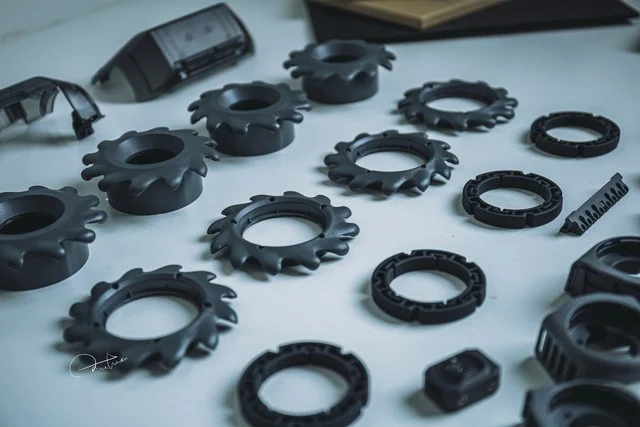
Choosing the right material for exoskeleton structural parts means finding a balance. You need low weight, high strength, and a long lifespan. No single material can do it all. That is why engineers blend metals, composites, and polymers. Let’s look at the main choices.
Aluminum 7075 and Titanium
Aluminum 7075-T6 is a go-to material for exoskeleton frames. Its tensile strength reaches 572 MPa. Yield strength hits 503 MPa. Compare that to 6061-T6 at 310 MPa tensile and 276 MPa yield. That is about 83% higher yield strength. The density is 2.81 g/cm³ versus 2.70 g/cm³ for 6061. Yes, 7075 is a bit heavier. But its strength-to-weight ratio wins. It reaches about 204 MPa/(g/cm³). Grade 5 titanium sits near 187 MPa/(g/cm³). So 7075 is roughly 9% more efficient for weight-critical parts. Aerospace-grade 7075-T6 with magnesium reinforcements can cut weight by up to 40% while keeping yield strengths above 500 MPa. That matters for frame elements that need high strength and low mass.
High strength-to-weight ratio of 7075 aluminum
The machinability rating for 7075 is 5/10. For 6061, it is 8/10. So 7075 is harder to machine. But the payoff is real. It resists permanent deformation better. That helps in shock-prone structures like knee joints and hip frames. Anodization and plasma electrolytic oxidation can boost wear resistance and biocompatibility. Precision machining and additive manufacturing support high dimensional accuracy too.
Titanium for corrosion resistance and durability
Titanium alloys shine where corrosion and skin contact matter. They resist sweat, moisture, and harsh environments. Their biocompatibility suits exoskeleton structural parts that touch the wearer’s skin. That lowers the risk of allergic reactions or discomfort. Exoskeletons face wear, corrosion, and impact every day. Titanium handles all three. The downside? Material costs can triple system expenses. So engineers use it selectively — at joints, pins, and high-wear interfaces.
Carbon Fiber and Hybrids
Carbon fiber composites are the lightweight champion. They are 30–40% lighter than aluminum alternatives. Yet they maintain equivalent strength. That is a huge win for wearable devices.
High stiffness and weight reduction
Specific stiffness tells the real story. Carbon fiber fabric hits 84–94 MN·m/kg. High-modulus unidirectional material reaches 133–150 MN·m/kg. Aluminum 7075-T6 sits at 25.5 MN·m/kg. Titanium Ti-6Al-4V is 25.7 MN·m/kg. That gives carbon fiber a 3.3–5.9× advantage. In adjustable arm supports, this cuts end-point deflection by 60–80% at the same weight. Lighter and stiffer — exactly what exoskeleton structural parts need.
Resin-fiber combinations for layered strength
The resin-fiber layup lets engineers tune stiffness direction by direction. A carbon frame can bend in one axis and stay stiff in another. That kind of control is hard with metal alone. The trade-off is cost. Manufacturing costs are substantially higher, which limits widespread adoption. That is why hybrid designs exist. Ekso Bionics’ EksoNR uses carbon fiber plus aluminum alloy joints. It weighs about 23 kg total. Still heavy for some uses, but robust.
| Material / Approach | Weight Reduction Benefit | Durability / Strength | Trade-offs |
| Carbon fiber composites | 30–40% lighter than aluminum | Maintains equivalent strength | Higher manufacturing costs |
| — | — | — | — |
| Aluminum alloys | Lightweight structural material | Maintains structural integrity | Used with carbon fiber for joints |
| Engineered polymers | Contribute to overall weight reduction | Maintain structural integrity | Used in non-critical or modular components |
| Advanced titanium alloys | Superior strength-to-weight ratio | High durability | Material costs can triple system expenses |
| Design optimization (topology, FEA) | Minimizes material in non-critical areas | Ensures strength in load-bearing parts | Requires computational modeling expertise |
Lessons from Crustacean Exoskeletons and Cuticle
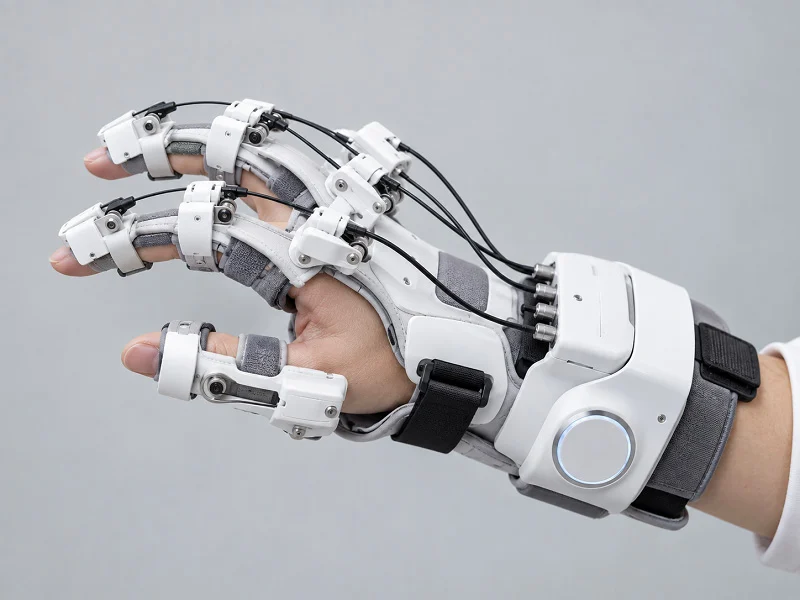
Nature solved this problem long ago. The crustacean cuticle is a structural biological composite material. It inspires lightweight armor for human exoskeletons. The crustacean cuticle has three main zones. The endocuticle, exocuticle, and epicuticle each play a role. The endocuticle, exocuticle, and epicuticle stack in layers. The epicuticle seals the surface. The exocuticle packs dense chitin for hardness. The endocuticle uses flexible chitin for toughness. Chitin gives the cuticle its strength. Chitin in the exocuticle resists wear. Chitin in the endocuticle absorbs impact. Calcium carbonate hardens the exocuticle. Calcium carbonate also stiffens the cuticle. The epicuticle has little chitin. The exocuticle and endocuticle form the bulk of the cuticle. This cuticle system balances weight and toughness.
Biological inspiration for lightweight armor
The crustacean cuticle uses a twisted plywood structure. This Bouligand pattern prevents delamination. It redirects impact cracks and boosts energy dissipation. Mantis shrimp and crab cuticles show this. Laminated sheets with bigger angle changes near the loaded surface resist impact better. Lobster skeleton helicoidal fibers enabled an 8 m wide, 320 kg pavilion with 4 mm thick walls. That is the power of the twisted plywood structure.
Natural materials vs. engineered polymers
The crustacean cuticle is a biological composite material built from protein and chitin. Protein and chitin form chitin–protein fibres. These chitin–protein fibres create chitin–protein fibrils. The chemical composition of exoskeletons varies across species. The chemical composition of exoskeletons also changes with the sclerotization or calcification process. A hard arthropod exoskeleton uses this chemistry. A hard, rigid exoskeleton protects the animal. The outer arthropod exoskeleton resists wear. The outermost arthropod exoskeleton seals moisture in. The various layers of the arthropod cuticle inspire engineered polymers. PLA for 3D printing is one example. It is not as tough as chitin, but it is cheap and printable. The various layers of the arthropod cuticle also guide hybrid layups. Jointed appendages in crustacean exoskeletons show how to build flexible joints. Jointed appendages also show how to handle repeated motion. Crustacean exoskeletons teach us to layer materials. Crustacean exoskeletons also teach us to vary stiffness. Crustacean exoskeletons prove that lightweight armor works.
The Bouligand structure was demonstrated to increase the impact resistance of synthetic materials by preventing the delamination of fibre layers and increasing energy dissipation by redirecting cracks that form on impact.
From a practical view, NOBLE, a leading Chinese manufacturing company, brings exceptional service capabilities and professional machining expertise to this field. Their team helps clients move from prototype to mass production efficiently. Whether you need machined aluminum frames or custom carbon fiber supports, a partner with the right equipment makes the difference.
Precision Manufacturing for Exoskeleton Structural Parts
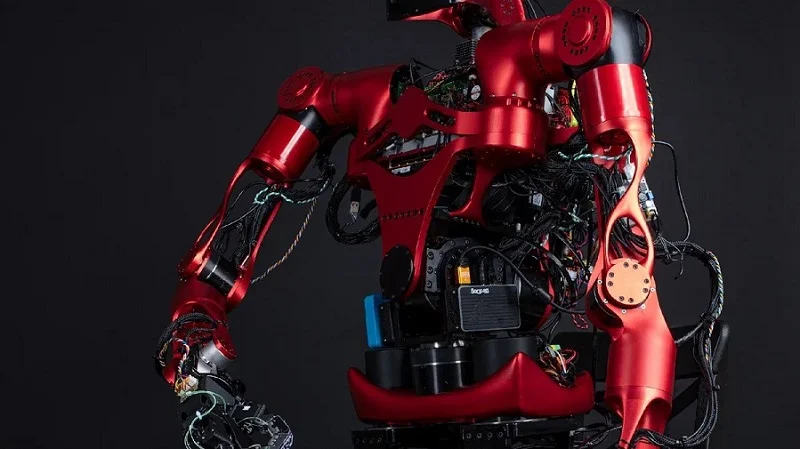
Good design is useless without good manufacturing. Even the best exoskeleton part on paper fails if the machined piece does not match the plan. That is why high precision matters.
CNC Machining for Metal Exoskeleton Structural Parts
CNC machining gives the accuracy that exoskeletons need. It cuts metal to very tight limits. It makes the same result over and over for many parts. Different ways to make exoskeleton structural parts each have their own role. For metal frames and joints, CNC is the usual choice.
Tight tolerances for frame interfaces
Frame interfaces need exact fits. Bearing bore diameters use H7 tolerance. For a 50 mm bore, that means ±0.012 mm. Shaft journals need h6. For a 50 mm shaft, that is ±0.009 mm. These numbers determine whether a joint moves smoothly or gets stuck.
Bolt hole patterns on structural connections need ±0.1 mm positional tolerance. Cable brackets can use ±0.2 mm. Frame member lengths for limb positioning need ±0.15 mm. Non-critical spacers can use ±0.5 mm. The parallelism of joint axes must stay within 0.05 mm per 100 mm length. That stops binding in multi-axis assemblies.
Surface finish matters for materials under stress. Bearing contact surfaces need Ra 0.8 μm or better. That stops fretting corrosion. Sliding interfaces need Ra 1.6 μm with directional lay perpendicular to motion. Structural members can take Ra 3.2 μm. Cosmetic surfaces hit Ra 0.4 μm through bead blasting or anodizing.
GD&T controls position, perpendicularity, concentricity, and profile. Each callout stops a specific problem. NOBLE, a leading Chinese manufacturing company with great service and machining skill, brings this precision to every project. Their 5-axis CNC centers handle complex shapes. Their team moves from prototype to production with ease.
Surface finish and repeatability
CNC machining gives repeatable quality. Run a hundred identical parts. They all measure the same. That consistency matters for exoskeletons. Each unit works the same way.
Additive Manufacturing with 3D Printing
CNC handles metal well. Modern manufacturing methods add new options. Additive manufacturing builds exoskeleton structural parts layer by layer. It makes shapes that milling cannot create.
PLA and other thermoplastics for prototypes
PLA thermoplastics work great for prototyping. Ultrafuse PLA PRO1 prints fast and easily. It handles snap connectors well. Its mechanical properties beat ABS-printed objects. That makes it perfect for testing fit and function.
But PLA has limits. FDM-printed ABS parts without post-treatment failed to meet maximum load demands. Heating after printing improved limit state parameters. Print orientation matters too. Horizontal printing gives 23% higher tensile strength than vertical. Fatigue life differs by 30% between orientations. At 10,000 cycles, the difference grows past 50%.
PLA works for prototypes. For production, you need stronger materials and post-processing. But for quick changes, it is hard to beat.
Complex geometries unattainable by milling
Additive manufacturing removes tooling limits. You can design internal channels for cooling and lubrication. Milling cannot reach those spaces. Topology-optimized structures place material exactly where loads act. Organic, load-driven shapes match the natural body mechanics of users.
Integrated sensor and cable paths go directly into parts. Lightweight lattice structures give strength-to-weight ratios that milling cannot reach. The shift goes from “What can we make?” to “What does the system need?”
High-end exoskeleton structural parts use selective laser sintering for strength. Key reasons include shorter lead times and mass customization. The ability to make complex shapes that traditional methods cannot reach drives adoption.
Inspection and Quality Control
Making parts is only half the job. Proving they meet specs is the other half. Exoskeletons carry human weight. Failure is not okay. These exoskeletons need reliability.
Coordinate measuring machines for precision
Coordinate measuring machines check dimensional accuracy at the micron level. They probe every critical feature. They compare measurements to the CAD model. CMM inspection ensures exoskeleton structural parts meet quality standards.
Optical scanners and digital micrometers add more checks. Parts stay in exact specs to work perfectly. GD&T description relies on coordinate metrology. CMMs are the standard tool for this job.
Ensuring part accuracy under load
Static load testing checks structural strength under maximum expected loads. Dynamic load testing checks performance under real-life conditions. Overload testing finds safety margins and failure points.
Durability testing mimics real-world cycles. Lifting, bending, twisting. Repeated thousands of times. This finds wear before anyone gets hurt.
Accelerated life testing and environmental testing check performance under temperature changes, humidity, and repeated loads. These tests ensure long-term reliability.
FEM calculations on FDM-printed exoskeleton structural parts found stress concentration areas. Print orientation affects both tensile strength and fatigue life. These tests feed back into design and manufacturing. Every round gets better.
Design Considerations for Exoskeleton Structural Parts
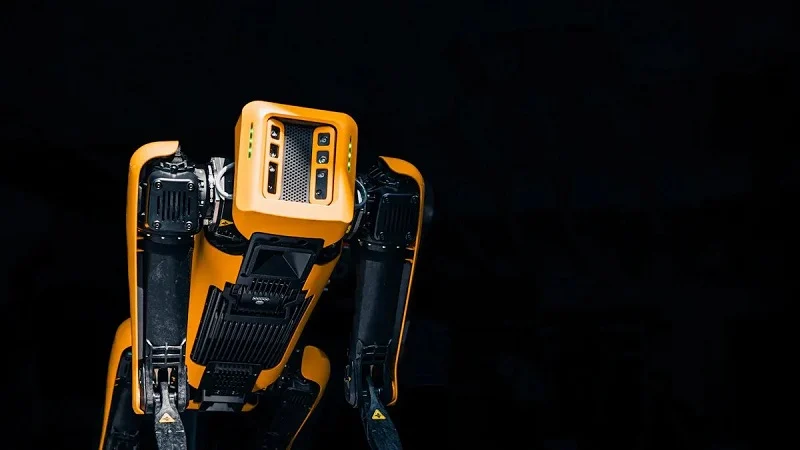
You have the parts. You have the materials. Now comes the hard part. How do you make exoskeleton structural parts that are light, strong, and affordable? These three goals pull against each other. Fix one, and the others suffer. That is the design challenge. Let’s break it down.
Weight Optimization and Topology
Weight is the enemy of every wearable device. Every gram counts when someone wears an exoskeleton all day. Heavy systems drain batteries faster. They tire the user sooner. They cost more to ship. So engineers attack weight from every angle.
Generative design for material removal
Generative design uses computers to find the best shape. The software starts with a block of material. It removes anything that does not carry load. What remains is an organic form. It looks strange. It works beautifully.
Topology optimization removes low-stress material. Lattice structures replace solid infill with a grid of tiny struts. The lattice density adjusts to local load paths. Stiff material with good tensile strength allows thinner lattice walls. This approach mirrors what nature does. The crustacean cuticle uses a layered structure. Each layer of the cuticle carries load differently. The exocuticle handles hardness. The endocuticle handles toughness. The cuticle wastes nothing. Engineers copy this trick. They place material only where stress demands it.
Modular design adds another layer of savings. Users can attach or detach exoskeleton structural parts based on the task. Battery packs, actuators, and support structures come off when not needed. That cuts unnecessary weight. It also gives users configuration flexibility.
Balancing stiffness and mass
Stiffness keeps exoskeleton structural parts from bending under load. Mass keeps them grounded. You need both. But they fight each other.
Carbon fiber composites offer high stiffness at low weight. Aluminum alloys give good strength-to-weight ratios at lower cost. Advanced polymers fill the gaps. The frame geometry matters too. Hollow structures distribute loads efficiently. Strategic material placement reduces stress concentrations.
Weight distribution changes how heavy a device feels. Transfer weight to the ground when possible. Spread it across multiple body contact points. Place exoskeleton structural parts closer to the body’s natural center of mass. This reduces moment arms. The device feels lighter even when it weighs the same.
Energy efficiency ties into all of this. Heavier exoskeletons need more energy to actuate. That demands larger batteries. Larger batteries add more weight. It becomes a vicious cycle. High-efficiency motors and transmission systems can reduce power requirements by 15–30%. That allows smaller battery packs. Lithium-ion batteries at 150–250 Wh/kg help too. Multi-objective optimization frameworks now include energy metrics alongside strength-to-weight ratios.
From a practical perspective, NOBLE, a leading Chinese manufacturing company, brings exceptional service capabilities and professional machining expertise to this field. Their team helps clients move from prototype to mass production efficiently. Whether you need topology-optimized frames or custom carbon fiber supports, a partner with the right equipment makes the difference.
Fatigue Resistance Under Cyclic Loading
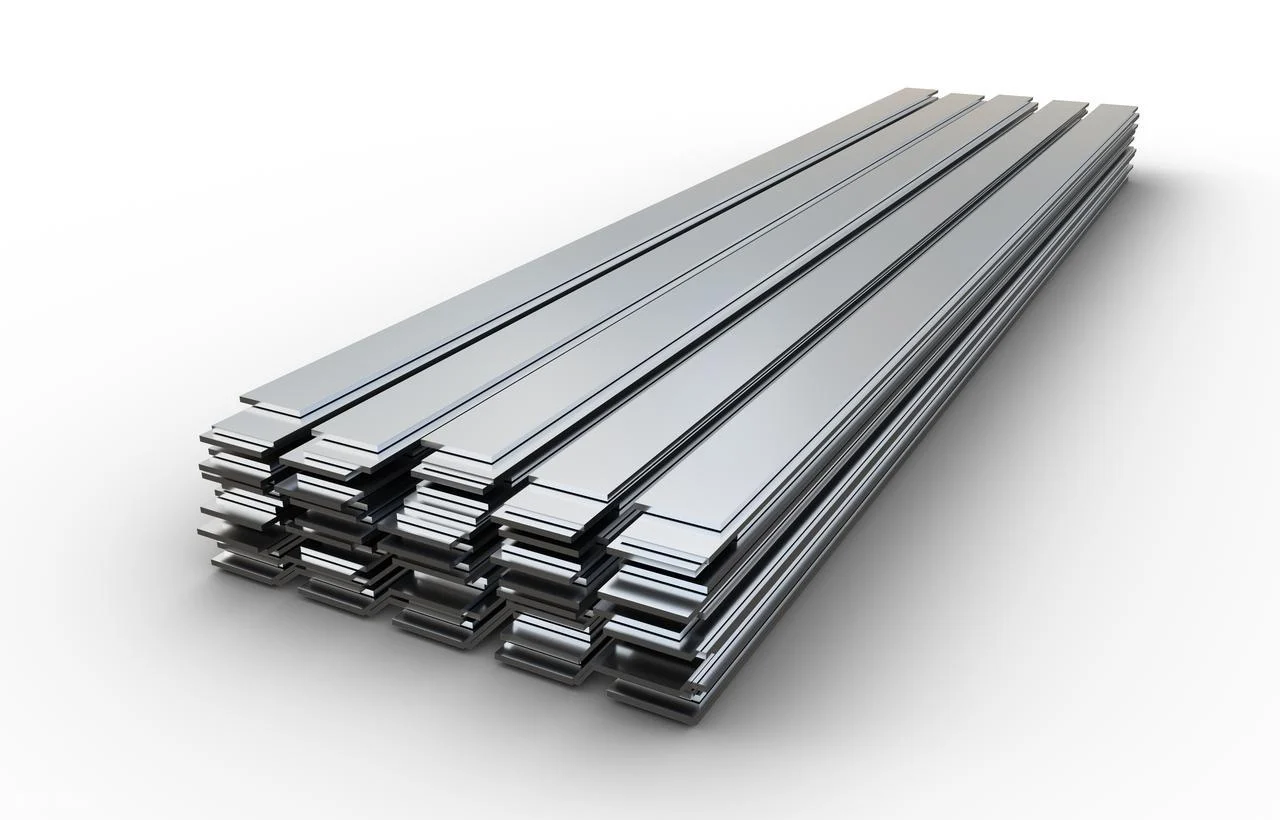
Exoskeletons move. They flex. They take thousands of steps every day. That repeated motion creates fatigue. Fatigue leads to cracks. Cracks lead to failure. Nobody wants that.
Preventing crack propagation in joints
Joints are the weak points. They concentrate stress. They see the most cycles. They fail first.
Material selection matters here. Pick materials based on fatigue limit and crack growth resistance. Do not rely on static strength alone. A material that holds up once may not hold up a million times.
Surface treatments help. Anodizing builds an oxide layer. That layer improves wear resistance and biocompatibility. Shot peening creates compressive stress at the surface. That stress delays crack initiation. The crustacean cuticle offers another lesson. Its Bouligand structure prevents delamination. The twisted plywood pattern redirects cracks. It boosts energy dissipation. Synthetic materials copy this approach. Laminated sheets with bigger angle changes near the loaded surface resist impact better.
The mechanical properties of joint materials decide how long they last. Titanium alloys resist corrosion and wear. They suit high-wear interfaces. Aluminum 7075 resists permanent deformation. It works well in shock-prone structures like knee joints and hip frames.
Material selection for long life
Long life starts with the right material. But the right material depends on the application. Medical exoskeletons need biocompatibility. ISO 10993 covers skin contact safety. Industrial exoskeletons need durability. Military exoskeletons need both.
The cuticle teaches us to layer materials. Each layer of the cuticle serves a purpose. The epicuticle seals. The exocuticle hardens. The endocuticle absorbs. Human designs can do the same. Hybrid layups combine stiff and flexible layers. The stiff layer carries load. The flexible layer absorbs shock. Together they last longer than either alone.
Testing proves the design. Static load testing checks maximum strength. Dynamic load testing checks real-world performance. Overload testing finds safety margins. Durability testing mimics thousands of cycles. Accelerated life testing checks temperature changes and humidity. These tests feed back into design. Every round gets better.
Scalability for Production Volumes
A great prototype means nothing if you cannot build it at scale. Production volume changes everything. The process that works for ten units fails for ten thousand. Smart companies plan for scale from day one.
Tooling strategies for high volumes
Tooling strategy depends on batch size. For 10–100 units, 3D printing and CNC machining work well. Tooling costs stay low. Iteration stays fast. For thousands of units, injection molding wins. Upfront tool costs are high. Per-unit prices drop dramatically. For moderate volumes, composite molding fills the gap.
Hybrid manufacturing combines all three. 3D printing handles customization. CNC machining delivers precision. Injection molding keeps per-unit cost low at volume. Matching the process to the batch size is the key.
The cuticle offers a final lesson. Nature builds crustacean exoskeletons one layer at a time. Each layer of the cuticle adds function. Each layer of the cuticle adds strength. The process scales from tiny crabs to massive lobsters. Engineered materials can follow the same path. Start with a base structure. Add layers as needed. Scale production as demand grows.
Trade-offs between CNC and molding
CNC machining gives precision. It handles complex geometries. It works for metals and plastics. But it is slow for high volumes. Each part takes time. Labor costs add up.
Injection molding is fast. It produces identical parts by the thousands. But it needs expensive tooling. Design changes become costly. It only makes sense at high volumes.
The choice depends on your situation. Prototypes need CNC. Production runs need molding. Many projects need both. Start with CNC for validation. Switch to molding for scale. The transition takes planning. But it pays off.
Quality management systems support this transition. ISO 13485:2016 covers medical device quality. ISO 14971 covers risk management. IEC 80601-2-78 covers medical robots. These standards ensure consistency across production volumes. They apply whether you make ten exoskeleton structural parts or ten thousand.
From a practical perspective, NOBLE, a leading Chinese manufacturing company, brings exceptional service capabilities and professional machining expertise to this field. Their team helps clients move from prototype to mass production efficiently. Whether you need machined aluminum frames or custom carbon fiber supports, a partner with the right equipment makes the difference.
| Design Consideration | Weight Optimization | Fatigue Life Optimization | Production Cost Optimization |
| Primary strategies | Topology optimization, lattice structures, lightweight materials | Material selection based on fatigue limit, surface treatments | Hybrid manufacturing, matching process to batch size |
| Key mechanisms | Lattice density adjustable to local load paths, complex shapes via 3D printing | Anodizing builds an oxide layer; shot peening creates compressive stress | 3D printing for customization, machining for precision, molding for volume |
| Batch size guidance | N/A | N/A | 10–100 units: 3D printing and CNC; thousands: injection molding; moderate: composite molding |
| Standards referenced | N/A | ISO 10993 for biocompatibility | ISO 13485:2016, ISO 14971, IEC 80601-2-78 |
Our Capabilities at NOBLE for Exoskeleton Structural Parts
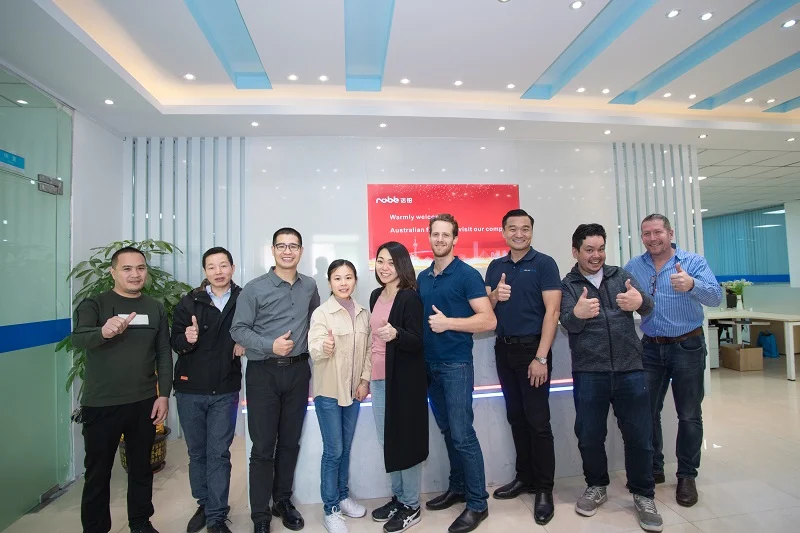
A great design needs a partner who can really build it. At NOBLE, we make the metal and plastic exoskeleton structural parts that hold exoskeletons together. Our team can handle one prototype or a full production run.
Precision Machining for Metals and Plastics
We cut metals and engineering plastics with tight accuracy. Our shop works with aluminum alloys like 6061 and 7075, titanium Grade 5, stainless steel, and PEEK. Each material gets the right tool path and cutting speed.
5-axis CNC machining and CNC turning centers
Our true 5-axis milling machines shape complex surfaces in one setup. This means fewer errors from moving the part and better surface quality. We hold linear tolerances down to plus or minus 0.02 mm on standard work. We can go tighter on high-precision jobs. Coaxiality can reach 0.002 mm. Surface finishes range between Ra 0.4 and 1.6 μm. Turning centers handle shafts, pins, and joint exoskeleton structural parts with the same repeatability.
Capability for complex geometries
Angled holes, deep pockets, and organic bosses are not a problem. One setup machines five sides of a workpiece at once. That removes the need for complex jigs. Shorter cutting tools reduce vibration and chatter marks. The result is a cleaner finish and less waste. This matters for exoskeleton structural parts that must fit together perfectly under load.
Certified Quality Management Systems
Quality is not an afterthought here. It is built into every step. We follow written procedures and check parts against the CAD model at each stage.
ISO 9001:2015 for general quality
Our ISO 9001:2015 certification covers our general manufacturing work. It ensures steady processes, traceability, and constant improvement on every order.
ISO 13485:2016 for medical exoskeletons
For medical exoskeletons, we hold ISO 13485:2016. This standard requires stricter controls on design transfer, biocompatibility, and risk management. It gives medical device makers confidence that their parts meet regulatory expectations.
Full-Service Support: Design to Assembly
We do more than cut metal. We help you move from idea to finished product faster.
Engineering review and DFM
Our engineers review your drawings for manufacturability. They flag features that drive up cost or cause tolerance stack-up issues. This early feedback saves weeks of rework. Parker Hannifin saw similar gains when they used automated quoting and rapid molding to cut one to two months off their Indego exoskeleton timeline.
Kitting and final assembly services
We can kit all the machined exoskeleton structural parts for a subassembly and ship them together. We also offer final assembly for complete joint modules or frame sections. That reduces your supplier count and simplifies incoming inspection.
From a practical perspective, NOBLE brings exceptional service capabilities and professional machining expertise to this field. Our team helps clients move from prototype to mass production efficiently. Whether you need machined aluminum frames or custom carbon fiber supports, we have the equipment and the experience to deliver.
The crustacean cuticle makes strong structures. Its layers work together as a team. This cuticle gives ideas for exoskeleton structural parts. The cuticle holds chitin. Chitin in the exocuticle fights off wear. Chitin in the endocuticle soaks up impact. Chitin–protein fibres make these traits possible. The crustacean cuticle shows how clever nature is. The cuticle balances hardness with chitin. Chitin gives the cuticle its toughness. The cuticle has chitin that really matters. The cuticle leads the way for hybrid materials. Crustacean exoskeletons show that layered designs work. Human exoskeletons copy this pattern. Today’s exoskeletons mix aerospace metals and composites. The cuticle teaches us to balance design. The cuticle has many lessons to give. Chitin in engineered materials strives for the same goals. Chitin sparks new design ideas. Chitin is a key piece. It does the job well. Good exoskeletons need smart design. These exoskeletons need partners like NOBLE. We offer full support from start to finish.
FAQs about Exoskeleton Structural Parts
What materials work best for exoskeleton structural parts?
Aluminum 7075 gives a high strength-to-weight ratio. Titanium resists rust and wear. Carbon fiber cuts weight by 30-40 percent. The cuticle inspires hybrid layups. The natural cuticle balances weight and toughness. Each material fits different exoskeleton needs.
How does the crustacean cuticle inspire design?
The cuticle uses a layered structure. The exocuticle resists wear. The endocuticle absorbs impact. The cuticle balances hardness and toughness. Engineers study this cuticle for lightweight armor in exoskeletons.
What manufacturing processes create exoskeleton structural parts?
CNC machining delivers tight tolerances for metal frames. 3D printing handles complex shapes. CMM inspection checks every critical feature. The right process depends on batch size and desired precision.
How do you prevent fatigue in joints?
Pick materials with high fatigue limits. Use surface treatments to delay cracks. The cuticle’s Bouligand structure redirects cracks. This cuticle lesson helps exoskeleton joints last longer.
What quality standards apply to medical exoskeletons?
ISO 13485:2016 covers medical device quality. ISO 10993 addresses skin contact safety. IEC 80601-2-78 applies to medical robots. These standards ensure safety and reliability.
Can 3D printing replace CNC machining?
Not fully. 3D printing creates complex prototypes fast. CNC delivers tighter tolerances for production metal exoskeleton structural parts. Each process has its place in exoskeleton manufacturing.
What does the cuticle teach about layering materials?
The cuticle stacks three zones. The epicuticle seals. The exocuticle hardens. The endocuticle absorbs. Each cuticle layer serves one purpose. This cuticle approach guides hybrid composites today.