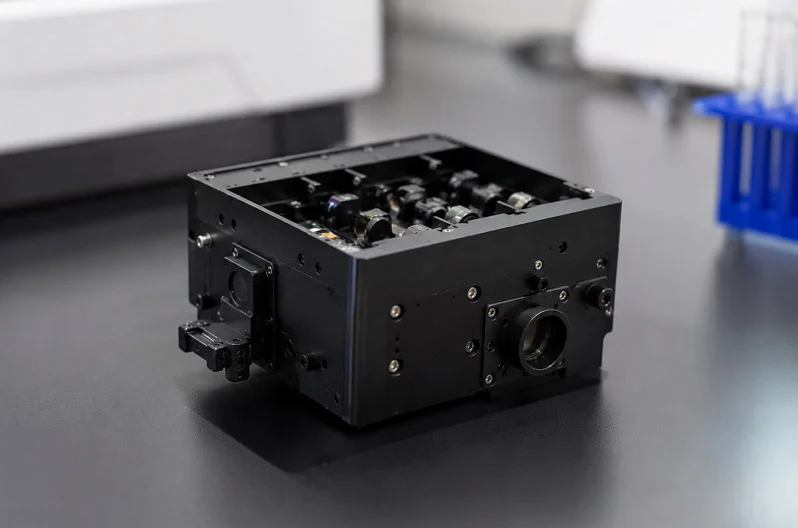
An edge AI housing protects AI hardware in tough places. This AI enclosure keeps AI sensors, NPUs, and GPUs safe on factory floors. The CNC machining of each AI housing creates very precise measurements for AI features. The data center needs quality control in AI computing. Machine learning needs proper AI enclosure design. Our AI-powered CNC machining for these housings ensures automation. The CNC machining process controls heat removal. Each CNC machining step focuses on the enclosure design. The data and computing control in each AI enclosure matter. The CNC machining of AI housings needs quality. The enclosure features include sensor ports. The enclosure needs proper data routing. The enclosure sensors need protection. The enclosure walls require precision. Each enclosure protects the AI hardware. The enclosure needs thermal management.
Common Structures of Edge AI Housing
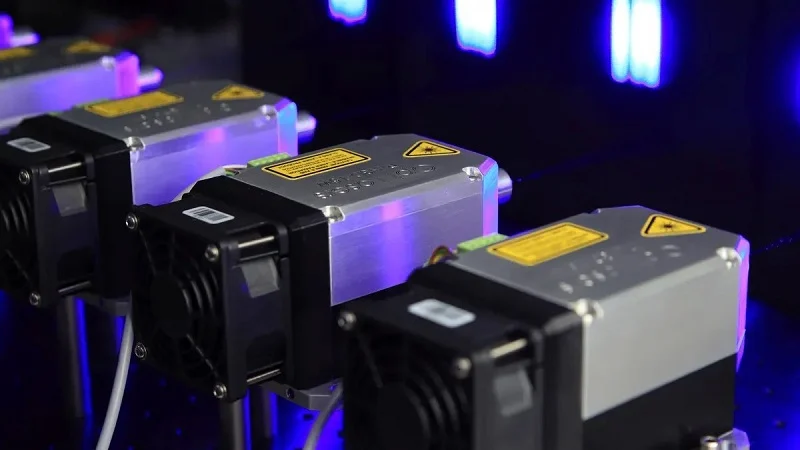
Every edge AI housing starts with a simple question. Where will this AI system live? The answer shapes the whole enclosure. A factory floor needs a tough box. A control cabinet needs a slim rail mount. A field worker needs a portable AI unit. Each case pushes the design differently. The machining plan follows the structure. Let’s look at the three main types in detail.
Wall-Mounted and Pole-Mounted Enclosures
These housings sit in harsh places. Think factory walls, outdoor poles, or warehouse ceilings. They face dust, water, and shaking. The AI processor inside generates heat. The enclosure needs to seal tightly. It needs to stay in place. It needs to let cables in without letting dirt in. The work for these enclosures focuses on flat surfaces and exact sealing features. This AI device often also works as a CNC electronics enclosure for industrial sensor networks.
Flanges, Gaskets, and Cable Glands
The flange gives a flat surface for joining. A gasket sits between the lid and the base. It compresses to form a seal. Cable glands seal the spots where wires enter. These features need exact machining. The flange face must be perfectly flat. The groove for the gasket must hold a steady depth. The cable gland holes must match standard thread sizes. A small error breaks the seal. The machine cuts these features in one setup. This keeps everything lined up. The machinist uses a facing tool for the flange. A slot drill creates the gasket groove. Each operation happens in order. Good alignment means the lid closes evenly every time.
Machining Sealing Surfaces for IP Ratings
IP ratings like IP65 or IP67 need good seals. The machine cuts the sealing surface with a finishing pass. Surface roughness matters here. A rough surface lets water seep through. The toolpath needs to leave a smooth finish. The machinist controls the feed rate and spindle speed carefully. The result is a flat surface that the gasket can press against. This is where the enclosure earns its rating. The surface finish needs to meet a certain Ra value. A lower Ra means a smoother surface. The machining process can do this reliably across every unit.
DIN-Rail and Panel-Mount Housings
These housings live inside control cabinets. They snap onto standard DIN rails. They save space. They allow quick installation and replacement. The environment is cleaner but tighter. Heat can build up in a crowded cabinet. The AI module needs to move heat away from the processor. This is a common case for CNC enclosure use in industrial settings. The enclosure design needs to fit within standard cabinet depths. This is another type of CNC electronics enclosure for factory AI hardware.
Precision Slots and Clip Features
The clip that snaps onto the DIN rail needs exact geometry. Too loose and the housing falls off. Too tight and it won’t install. The machine cuts the slot and the clip shape in one setup. This ensures the sizes match. The clip often uses a spring-like shape. The material needs to bend without breaking. The machining process avoids sharp corners that could cause stress cracks. The machinist uses a small end mill for the slot. A finishing pass cleans up the clip edge. The result is a clip that works reliably over hundreds of install cycles.
Tapping and Threading for Standard Rails
Some DIN-rail housings use screws instead of clips. The threaded holes need to line up with the rail. The tolerance is tight. The machine taps the hole or uses thread milling. The thread depth must be enough for the screw to grip. A shallow thread strips easily. A deep thread risks breaking through the wall. The machinist picks the right tap for the material. Aluminum needs a sharp tap. Steel needs a coated one. The control over depth is precise. The CNC-machined enclosure for rail mounting needs steady thread engagement across all holes.
Handheld and Portable Edge AI Devices
These housings go where the worker goes. A technician carries one to a remote site. A field engineer uses one to collect data. The housing needs to be lightweight. It needs to fit in the hand. It needs to survive drops. The AI features inside need protection too. The sensors and data ports need to be reachable but sealed. The portable AI unit must balance weight and strength. The CNC machine enclosure for portable devices handles complex shapes.
Ergonomic Curves and Thin Walls
The housing follows the shape of the hand. The curves need to feel natural. The walls need to be thin to save weight. Thin walls create challenges for machining. The material can vibrate. The tool can chatter. The machinist uses a light cut and a sharp tool. The result is a smooth, comfortable surface. The design needs to balance comfort with strength. The machining process for portable devices often uses a 3D contouring method. The toolpath traces the shape of the housing in smooth passes.
Managing Complex 3D Surfaces with 5-Axis Machining
This is where 5-axis work shines. The machine can tilt the tool. It can reach undercuts. It can cut complex curves in one setup. This matters for portable edge AI housings. The machine can cut the outer ergonomic shape. It can cut internal channels for sensors or antennas. It can do all of this without moving the part. The result is better shape freedom. The housing can have organic curves and hidden cavities. This removes the need for multi-part assembly. A one-piece enclosure is stronger. It seals better. The surface quality is also better. The machine leaves a smooth finish. This cuts down on post-processing work. The enclosure looks premium. It feels premium. The AI processor runs at high speeds. The material is the real production material. The designer can check heat removal using the exact alloy or plastic planned for production. This makes sure the enclosure survives the heat load from the AI processor.
CNC Machining Methods for Edge AI Housing Features

Now we get into the actual cutting. The methods you use depend on the features you need. A heat sink needs deep pockets. A mounting hole needs tight positioning. A connector cutout needs a smooth edge. Each feature asks for a different approach. The machine setup changes. The tool selection changes. The cutting speed changes. This section walks through each method. It covers the tools, the speeds, and the results you can expect.
CNC Milling Operations for Pockets and Heat Sinks
Most edge AI housings have heat sinks. These are fins or pockets that pull heat away from the AI processor. The heat sink sits inside the enclosure. It needs deep cavities. The machine has to cut these cavities without overheating the tool. That is where trochoidal milling comes in.
Trochoidal Milling for Deep Pockets
Trochoidal milling uses a circular toolpath. The tool moves in a loop. It enters the material at a low angle. The engagement angle stays around 30 degrees. This reduces cutting forces by 25 percent. It lets the chips escape easily. The step size is small, around 0.6 mm. This minimizes tool load and heat generation. The result is a clean, deep pocket. The tool lasts longer. The surface finish stays consistent. This method works well for aluminum. It also works for hardened steel. The principle is the same. You get a deep cavity without burning the tool or the material.
| Parameter | Value | Effect on Chip Evacuation |
| Engagement angle | 30° | Reduced cutting forces by 25%, aiding chip flow in deep grooves. |
| Step size | 0.6 mm | Minimized tool load and heat generation. |
| Material | Hardened steel (principle applicable to aluminum) | Demonstrated consistent finishes and tool life improvement. |
| Result | 25% reduction in tool load, consistent surface finish | Validates trochoidal milling as a strategy for deep cavity milling in AI housing production. |
Finishing Passes for Surface Roughness (Ra)
After the rough cut, you need a finishing pass. This pass removes the last bit of material. It leaves a smooth surface. The surface roughness matters for sealing. A rough surface lets water leak through. The sealing surface needs a low Ra value. A standard finishing pass can achieve 0.8 µm Ra. That is good for bearing seats and close-tolerance assemblies. For hydraulic sealing surfaces, you need 0.4 µm Ra or below. That requires a special finishing pass. The tool must be sharp. The feed rate must be slow. The spindle speed must be high. The result is a surface that seals perfectly. The IP rating depends on this. IP65 needs a smooth sealing surface. IP67 needs an even smoother one. The machining process controls this.
| Surface roughness (Ra) | Typical machining condition | Common applications |
| 0.8 µm Ra | Fine finishing passes, sharp tooling, reduced feed rates | Precision components, bearing fits, shafts, and close-tolerance assemblies |
| 0.4 µm Ra and below | Specialised finishing, polishing, grinding, or honing | High-precision components, sealing surfaces, hydraulic systems, and critical wear interfaces |
| Drawing Requirement | Typical Application | |
| ——————— | ——————— | |
| Ra 0.8 | Bearing seats | |
| Ra 0.4 | Hydraulic sealing surfaces |
Drilling, Tapping, and Thread Milling for Mounting Holes
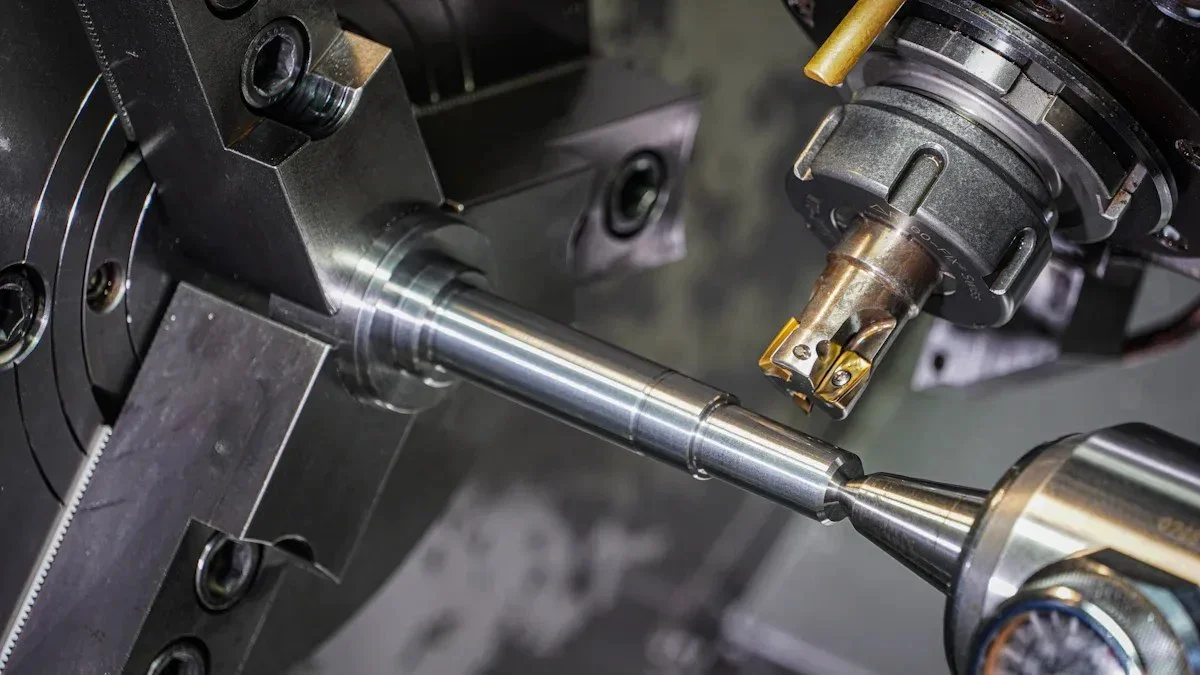
Mounting holes hold the enclosure together. They also hold the PCB inside. The holes need to line up exactly. If they are off by a little, the screws won’t fit. The whole assembly fails. That is why positional tolerance matters.
Achieving Tight Positional Tolerances
Standard tolerance for hole location is ±0.1 mm. That is the baseline. It costs 1x. You can use calipers to check it. The scrap rate is low, under 2 percent. Tight tolerance is ±0.01 mm. That costs 2.8 times more. You need a high-end 5-axis machine. You cannot flip the part across multiple setups. You need a CMM or laser scanner for inspection. The scrap rate goes up to 15 percent. You can use MMC to reduce the cost. MMC stands for Maximum Material Condition. It gives a bonus tolerance. If the hole is slightly larger, you get more positional allowance. This turns a high-scrap feature into a stable process. The drawing shows an M with a circle. The machinist understands the bonus. It lowers the risk premium.
| Factor | Standard Tolerance (±0.1mm) | Tight Tolerance (±0.01mm) |
| Machining Time | Normal | 2x – 4x Slower |
| Inspection Method | Calipers, Micrometers | CMM, Laser Scanners |
| Typical Scrap Rate | < 2% | 5% – 15%+ |
| Tooling Needs | Standard | High-Performance / Custom |
| Operator Skill | Skilled Machinist | Senior Specialist |
Thread Depth and Engagement for Screws
The thread depth must be enough for the screw to grip. If it is too shallow, the thread strips. If it is too deep, it breaks through the wall. The minimum engagement depends on the material. For aluminum 6061-T6, you need 1.5 times the bolt diameter. For soft aluminum, you need 2.0 times. For reinforced plastics, you need 2.5 times. For soft industrial plastics like nylon, you need 3.0 times. These multipliers prevent stripping. The thread depth is the length of the threaded hole. The screw engages that length. The deeper the engagement, the stronger the joint. But you cannot go too deep. The wall thickness limits it. The design must balance engagement and wall thickness.
| Material | Minimum Engagement Multiplier |
| Aluminum Alloys (6061-T6) | 1.5 x Bolt Diameter |
| Soft Aluminum (Cast/Pure) | 2.0 x Bolt Diameter |
| Reinforced Plastics / Phenolics | 2.5 x Bolt Diameter |
| Soft Industrial Plastics (Nylon/PVC) | 3.0 x Bolt Diameter |
Creating Connector Cutouts and Openings
Connector cutouts let cables pass through the wall. The cutout must match the connector shape. It must be precise. A loose cutout lets dust and water in. A tight cutout damages the cable. The machining process must create a clean opening.
Precision Contouring for IP Ratings
The contouring pass creates the cutout shape. The tool follows the outline. The surface finish matters for the seal. The same Ra values apply. You need 0.8 µm Ra for a standard seal. You need 0.4 µm Ra for a hydraulic seal. The sealing gasket presses against this surface. A smooth surface means a better seal. The IP rating depends on this. The toolpath must be smooth. The machine must be rigid. The feed rate must be consistent. The result is a clean cutout that seals perfectly.
Deburring and Edge Breaking for Safety
After cutting, the edges are sharp. Sharp edges can cut cables. They can cut fingers. They can cause stress risers. The machinist must deburr the edges. This removes the sharp burrs. It also creates a small chamfer. The chamfer protects the cable. It protects the installer. It also makes the enclosure look better. The deburring can be done with a tool. It can be done with a file. Some machines have a deburring cycle. The result is a safe, clean edge.
Materials for Your CNC Machined Edge AI Housing
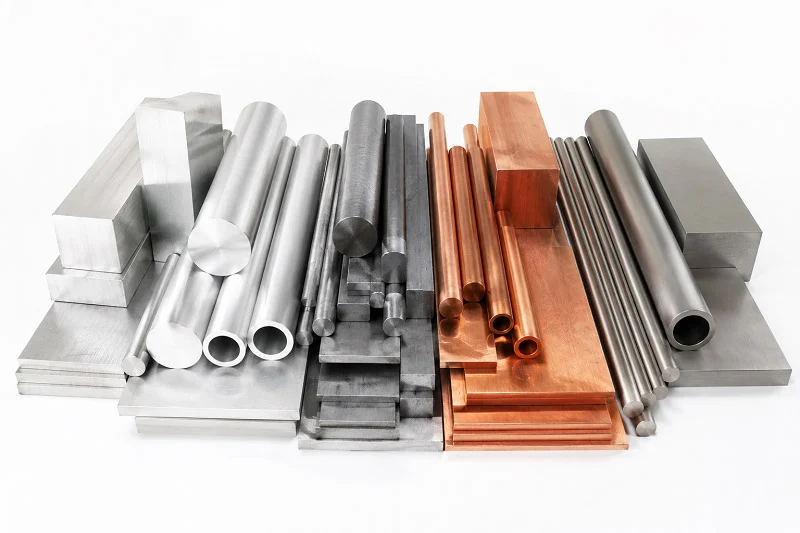
The material you pick shapes the whole project. It changes how the CNC machine works, how well heat moves, and what the final cost is. Each edge AI housing needs a different balance. Let’s look at the options.
Aluminum Alloys for Thermal Performance
Aluminum is the top choice for most AI enclosures. It machines well, moves heat, and does not cost too much. The AI processor inside the housing pushes heat into the walls. Aluminum pulls that heat away. Two alloys stand out for this job.
6061-T6 vs. 5052: Machinability and Strength
6061-T6 machines very well. You can hit tight measurements without much trouble. The chips break cleanly, and the tool stays sharp. This makes it great for the precise features in an AI housing. 5052-H32 is softer. It can stick to the tool if you are not careful. But 5052 bends better. If your design needs a curved shape, 5052 handles it. 6061-T6 cracks under heavy bending. The heat flow of 6061 is high, which makes it perfect for heat sinks. 5052 has better resistance to rust right away. The cost difference matters too. 6061 costs a bit more, but the machining time is shorter. You save on the machine hours.
| Property | 5052-H32 | 6061-T6 |
| Machinability | Lower — softer material may gum up tools | Excellent — easy to machine with tight tolerances |
| Thermal Conductivity | Not specifically noted | High — suitable for heat sinks and electronics enclosures |
| Formability | Excellent — ideal for bends | Fair — prone to cracking |
| Weldability | Very Good | Good |
| Corrosion Resistance | Excellent | Good |
| Cost | Lower | Higher |
Anodizing for Corrosion Resistance and Aesthetics
A raw aluminum edge AI housing rusts over time. Anodizing fixes that. It grows a hard oxide layer on the surface. The layer resists rust. It also takes color dyes. You can get a black, silver, or custom finish. The anodizing happens after the CNC machining. The housing goes into a chemical bath. An electric current creates the oxide layer. The thickness depends on the needs of the application. Standard anodizing works for most indoor enclosures. Hard anodizing works for outdoor units. The surface becomes scratch-resistant too. The AI housing looks good and lasts longer.
Steel and Copper for High-Durability and Conductivity
Some environments beat up enclosures. Factory floors have chemicals. Marine sites have salt. Outdoor poles have UV rays. Aluminum might not be enough. Steel steps in when you need serious toughness.
Stainless Steel for Harsh Environments
Stainless steel handles the worst conditions. It resists rust from chemicals, salt, and moisture. The strength is much higher than aluminum. But it is harder to machine. The CNC machining process runs slower. Tools wear out faster. The cutting speed drops significantly compared to aluminum. The machine needs a rigid setup. The heat buildup needs coolant. The cost goes up. But for a harsh environment, it is worth it. The enclosure lasts years of abuse.
Copper Components for Thermal and Electrical Conductivity
The retrieved results do not include copper for edge AI housings. Copper mentioned in the second document pertains to thermal dissipation components, not enclosures.
Copper does not work as a main enclosure material. It is too heavy and expensive. But it shows up inside the AI housing. Copper heat sinks pull heat from the processor. Copper busbars carry power in data center AI racks. The CNC machining of copper is similar to aluminum. But the tool wear is higher. The surface finish needs careful control. Copper is a specialist material. Use it for the thermal features, not the walls.
Engineering Plastics for Weight and Insulation
Plastics offer a different path. They are light, cheap, and do not conduct electricity. The AI housing does not conduct electricity, which helps with safety. The CNC machining of plastic is fast. The cutting forces are low. But plastics have their own problems.
Avoiding Warpage in Thin-Walled Designs
Plastic warps during machining. The heat from the tool softens the material. Thin walls cannot hold their shape. The result is a bent housing. The solution is to take light cuts. Use a sharp tool. Keep the material cool with air or mist. The quality of the cut depends on this control. The design needs thicker walls than metal. A plastic wall should be sufficiently thick to avoid warping during machining. Even then, you need to manage the heat. The CNC-machined enclosure for portable devices often uses plastic. But the design must account for the warpage.
The Role of Fixturing in Plastic Machining
Fixturing matters more for plastic than metal. A metal part holds its shape under clamping. A plastic part bends. The fixture must support the whole part. Vacuum fixturing works well. It holds the part flat without squeezing. The machinist can also use double-sided tape. The key is to avoid local pressure points. The fixturing must spread the force evenly. This keeps the housing flat during machining. The result is a part that holds its intended shape.
| Material | Advantages | Limitations |
| Aluminum | Excellent machinability, good strength-to-weight ratio, natural corrosion resistance, moderate material cost | Lower absolute strength compared to steel; may need anodizing in harsh environments |
| Stainless Steel | Very high strength and stiffness; excellent corrosion resistance in humid, chemical, or marine environments | Difficult machinability (slower cutting speeds, higher tool wear); higher machining cost |
| Engineering Plastics | Very easy machinability, low cutting forces, fast material removal; excellent corrosion resistance; lightweight and electrically isolating | Lower structural strength compared to metals; deformation during machining; not suitable for heavy mechanical loads |
- Excellent Machinability: Machines to a good surface finish, with predictable chip formation.
- Thermal Conductivity: Useful for heat sinks, electrical enclosures, and parts that need heat removal.
- Moderate Strength: Suitable for structural parts due to its good strength-to-weight ratio.
CNC Edge AI Housing Design: DFM Rules
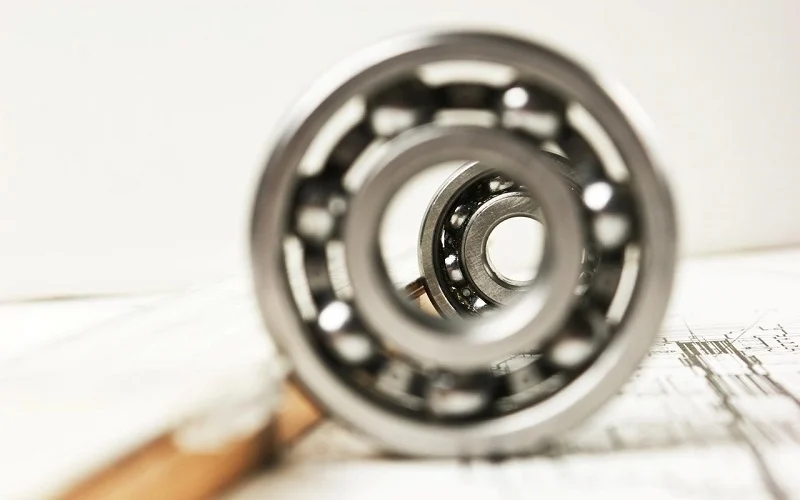
Good CNC enclosure design starts with the machine. The machine has limits. The CNC works within those limits. The rules guide the work. This section covers the rules that keep your cost low and your quality high. Every decision shapes the final part.
Wall Thickness and Rib Design
Thickness is the first thing to set. Too thin and the wall flexes. Too thick and you waste material. The right thickness depends on the material.
Minimum Thickness Guidelines for Metals vs. Plastics
Each material has a minimum thickness that depends on the material, wall height, and machining strategy. The minimum wall thickness is chosen to ensure structural integrity and machinability.
Aluminum is the most common choice for an AI enclosure. The wall thickness should be chosen based on the design requirements. For plastics, a thicker wall is often needed to avoid warping.
Adding Ribs for Stiffness Without Increasing Thickness
Ribs add stiffness without adding weight. A rib is a thin wall that runs across the enclosure. It creates a closed section. Closed sections resist bending. A flat wall bends easily. A ribbed wall holds its shape.
The trick is to support the rib. A free-standing rib chatters under side loading. But when you connect the rib to other walls, it gains strength. The rib becomes part of a closed box. The box resists vibration. The CNC machining process runs smoother.
The rib design needs good control. Keep the height under three times its thickness. This keeps the rib stable during cutting.
Internal Corners and Radii
Every internal corner needs a radius. A sharp corner is a problem for the tool. The CNC tool cannot reach into a sharp corner. The corner also creates stress risers.
The Rule of Thumb for Tool Diameter
The minimum radius must match the tool. The tool has a diameter. The radius at the corner must be at least the tool radius. Larger radii improve stability and reduce tool wear. The radius should be proportional to the cavity depth to maintain rigidity. Clearance should be added to the minimum tool-fit radius for smoother machining.
A larger radius is better. It lets the tool move faster. It reduces tool wear. Use a standard tool size. Common end mills come in 3 mm, 6 mm, and 10 mm diameters. Match your radius to these sizes.
Avoiding Sharp Internal Corners to Prevent Stress Risers
Sharp corners create stress risers. The enclosure can crack at the corner. The AI processor inside creates heat. The heat cycles expand and contract the material. Sharp corners concentrate the stress. The crack grows over time.
A radius spreads the stress. The load distributes across the curve. The enclosure lasts longer. The machining process also benefits. The toolpath runs smoothly. The toolpath control is better. Use a radius that is large enough to avoid stress risers. For thicker walls, use a larger radius. The enclosure protects the AI processor.
Tool Access and Part Orientation
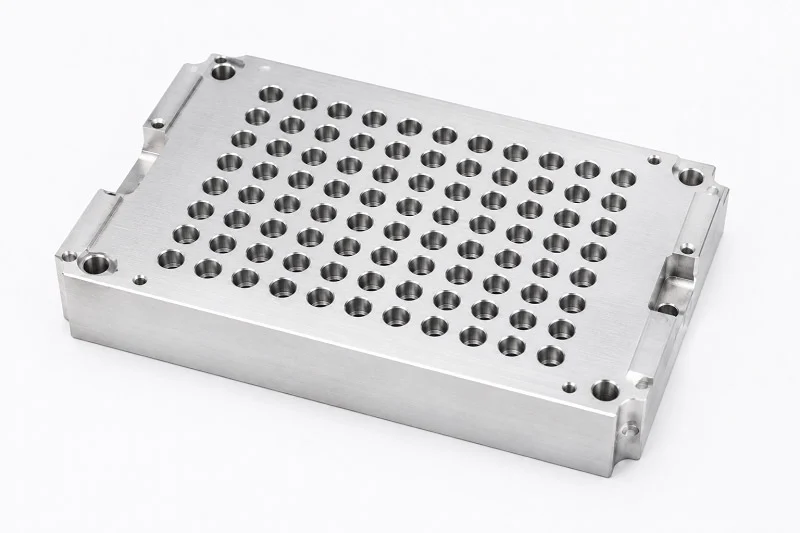
The CNC tool must reach every feature. If the tool cannot reach, the design needs a change. Part orientation matters. The way you set the part affects tool access.
Designing for Standard Tool Lengths
A standard tool has a certain length. A long tool is less rigid. It deflects. It chatters. Avoid deep, narrow slots.
- Open pocket widths to allow shorter tool‑to‑diameter ratios, reducing the need for long, slender tools.
- Increase corner radii to match standard end mill sizes, which improves tool access and machining stability.
- Convert blind features to through features where possible, eliminating the need for special tool orientations.
- Add temporary support material that is removed in a final operation to maintain rigidity during machining.
- Segment large parts into sub‑components with precision locating features and flat mating faces, enabling simpler fixturing.
Use these tips to keep the tool short. A short tool cuts faster. The cost drops. The AI enclosure features become easier to machine. The enclosure needs to be precise.
Minimizing the Need for Complex Fixturing
Fixturing holds the part in place. Complex fixturing costs time and money. The design should minimize the need for it.
5-axis CNC machining provides better tool angles for deep cavities and internal features. This reduces the need for multiple setups. The tool can tilt. It can reach undercuts. The part stays in one place. The AI data processing needs a stable enclosure. The AI unit also needs a secure enclosure.
3-axis machining has a limitation. It cannot machine undercuts or hidden internal features. The cutting tool can only approach from a top-down orientation. Any feature beneath an overhanging edge is physically inaccessible. This requires manual re-fixturing. That introduces tolerance stack-up risk.
Design the features to be accessible from one direction. This keeps the setup simple. The quality stays high. The CNC enclosure design for AI housings needs this approach. The toolpath should be smooth. The AI features need to be sealed.
Cost and Lead Time Factors in Edge AI Housing Machining
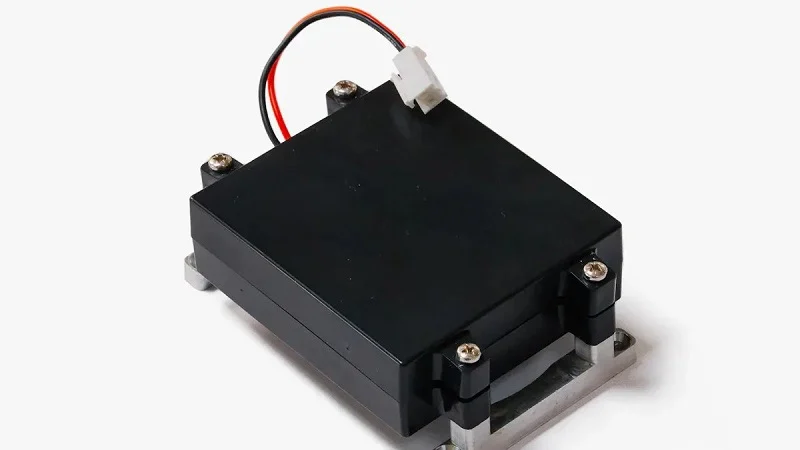
Cost and lead time shape every enclosure project. The number of setups, the material choice, and the finishing steps all add up. A simple part can ship in days. A complex AI housing with tight tolerances can take weeks. The key is knowing what drives the price up.
The Impact of Design Complexity on Setup Time
Number of Setups and Machine Hours
Every time the machinist moves the part, the clock ticks. A simple 3-axis cnc part needs one or two setups. The workholding is simple. The machine runs in a standard vise. The toolpath is straightforward. This setup handles the majority of low-volume machined parts. The cnc process can produce flat features, pockets, slots, holes, and profiled edges. But a complex enclosure with features on multiple sides needs more setups. Each setup adds hours. The machine stops. The machinist realigns. The tolerances stack up. The cost climbs. The cnc process for an AI housing with deep pockets and angled surfaces may need four or five setups. That doubles the machining time. The AI-powered CNC machining can optimize the toolpath to reduce the number of setups. The automation of the setup process helps. The machine learning in the control system can plan the sequence.
The Cost of Tight Tolerances
Tight tolerances cost more. A standard tolerance of ±0.1 mm is fine for most features. It costs baseline. A tight tolerance of ±0.01 mm costs 2.8 times more. The machine needs to be rigid. The inspection needs a CMM. The scrap rate jumps to 15 percent. The quality control process adds time. The cnc operator slows down the feed rate. The toolpath needs more passes. The result is a precise enclosure. But the lead time stretches. The cost rises. For an AI housing, the critical features like the connector openings and the sealing surfaces need tight control. The rest can stay at standard tolerance. That balance keeps the cost in check. The data from the inspection process helps validate the quality.
Secondary Operations: Finishing and Assembly
How Surface Treatments Add Value and Time
The machining is only part of the story. The finishing steps add value and time. Anodizing adds weeks to the lead time. The housing goes to a finishing shop. The chemical bath and the current create the oxide layer. The process takes several days. The housing needs to be cleaned and racked. The cost adds up. But the value is real. The corrosion resistance improves. The AI enclosure lasts longer in the field. The surface looks better. The data from the sensors inside stays accurate. The anodizing is worth the wait.
The Cost-Benefit of In-House vs. Outsourced Finishing
In-house finishing saves time. The enclosure stays in one facility. The turnaround is faster. But the investment in equipment is high. Outsourced finishing costs more per part. The shipping adds time. The handling adds risk. The quality depends on the vendor. For low-volume parts, outsourcing is often cheaper. The setup cost is lower. For high-volume parts, in-house finishing makes sense. The per-part cost drops. The control over the process is better. The AI-assisted CNC machining setup can coordinate the finishing steps. The ai-powered cnc machining helps manage the schedule.
Prototyping vs. Production Runs
Optimizing for Low-Volume (1-100 pcs) vs. High-Volume (1000+ pcs)
Low-volume CNC machining works well for small batches. The tooling cost is minimal. The lead time is relatively short. The housing is machined from the actual production material. The functional validation is real. The thread strength and the thermal expansion match the final part. The design can change easily. If a feature needs adjustment, the CAD update is fast. The next batch is better. High-volume production needs a different approach. For higher volumes, die casting may be cheaper per part. But the upfront tooling cost is high and the lead time is longer. The cnc machine enclosure for early production units can bridge the gap while the tooling is being made.
When to Consider Die Casting or Injection Molding as Alternatives
Die casting works for high-volume metal parts. The tooling cost is high. The per-part cost is low. The lead time is long. For very high volumes, the math works. The tooling investment pays back. But the design risk is high. Finding a mistake after the mold is made costs a lot. The design change is expensive. The cnc process avoids that risk. The housing can be validated before committing to tooling. The same logic applies to injection molding for plastic housings. The upfront investment only makes sense at high volume. For low volume, cnc machining is the right choice. Processes that look cheaper per part, like injection molding, require upfront investment that only makes sense at high volume.
Partnering with NOBLE for Your Edge AI Housing Manufacturing

You have learned about the parts, the materials, and the design rules. Now comes the real work. Who makes your enclosure? The right partner can mean the difference between a smooth start and a costly delay. NOBLE brings every step together in one place. That means fewer handoffs, quicker answers, and better control over the final product.
Our Full Range of Services: From Design to Assembly
In-House CNC Machining and Finishing Services
NOBLE runs a complete machine shop. We handle all the CNC work for your edge AI housing from start to finish. Our team checks your enclosure design before any metal is cut. We catch problems early. We suggest changes that save time and money. The CNC process runs on modern machines. We work with aluminum, steel, copper, and plastics. Each material gets the right tools and speeds. The finishing also happens in-house. Anodizing, powder coating, and bead blasting all occur under our roof. You get one point of contact. No shipping parts to another finisher. No waiting on a third party. The CNC-machined enclosure comes back ready for assembly.
Our machinists focus on the details that matter. Sealing surfaces get the right finish. Mounting holes meet their position requirements. The toolpath gets optimized for each job. We use AI-powered CNC machining to improve the cutting steps. This cuts cycle time and boosts consistency. The machine learning in our systems helps predict tool wear. That means fewer surprises during production. Your enclosure arrives on time.
Extra Services: PCB Assembly and System Integration
The housing is only part of the picture. Your edge AI device needs a PCB inside. It needs wiring. It needs testing. NOBLE offers PCB assembly and system integration. We place parts, solder connections, and run functional tests. The finished unit goes through a final check. We verify that the sensors work. We confirm that the data ports line up with the openings. The complete system ships as one unit. This saves you the trouble of managing multiple vendors. One partner. One bill. One responsible team.
Quality Assurance and Certifications
ISO 9001:2015 for Quality Management Systems
Quality control runs deep at NOBLE. Our quality management system certification proves it. This standard covers our entire quality system. We document every process. We track every inspection. We audit our own work regularly. The certification means our quality control follows a proven framework. You get consistent results batch after batch. The inspection records stay on file. If a problem shows up later, we can trace it back to the source. That level of accountability matters for production runs.
ISO 13485:2016 for Medical Device Manufacturing Standards
Some edge AI housings end up in medical devices. Those applications demand stricter standards. NOBLE holds certification for medical device manufacturing standards. This standard focuses on medical device manufacturing. It covers risk management, traceability, and cleanliness. The requirements go beyond general manufacturing. Our team follows these protocols for every project, not just medical ones. You benefit from the higher bar. The CNC electronics enclosure you order meets the same strict standards as a medical device component.
How to Start Your Project
Sending Your CAD Files for a DFM Review
Ready to move forward? Send us your CAD files. Our engineers review the design for manufacturability. We look at wall thickness, internal corners, and tool access. We check the enclosure design against our machine capabilities. You get a detailed report within a few business days. The report highlights any risky features. It suggests improvements. It points out areas where you could save money. This review is free. No obligation. Just honest feedback from people who cut metal every day.
Getting a Quote and Lead Time Estimate
After the design review, we prepare a quote. The quote breaks down material costs, machining time, and finishing. You see exactly where your money goes. We also provide a lead time estimate. Simple enclosures ship quickly. Complex CNC machine enclosure projects take longer. The timeline depends on the number of setups and the tolerance needs. We work with you to find the right balance. Need parts faster? We can discuss options. The goal is to get your edge AI product to market without unnecessary delays. The CNC electronics enclosure you need is within reach. Let’s build something great together.
Your edge AI housing depends on the deployment site. The design must match the environment. CNC machining gives you precision for each enclosure. The AI processor needs good thermal control. The quality of the enclosure matters. The machine learning in our AI-powered CNC machining helps hit tight tolerances. The CNC enclosure balances performance and cost. The process creates the housings that protect the AI. The features of the enclosure must be exact. The AI hardware needs a sealed enclosure. The AI computing inside the housing runs better. The AI unit needs a precise enclosure. The CNC enclosure for the AI must meet IP ratings. The machining ensures the housing meets the specs. The design of the enclosure affects the AI system. The enclosure needs a good seal. The CNC of the AI enclosure is our specialty. Send your CAD files for review.
FAQ of Edge AI Housing Manufacturing
What tolerances can CNC machining achieve for edge AI housing seals?
Standard CNC holds ±0.1 mm. Tight tolerance of ±0.01 mm costs about 2.8 times more. AI-powered CNC machining helps make the toolpath better for steady results. Quality control checks make sure each part meets the spec.
How does anodizing affect aluminum enclosure performance?
Anodizing adds corrosion resistance and scratch protection. It also lets you add color. The process happens after CNC machining and adds a few days to lead time. The enclosure design must account for the added thickness.
What is the minimum wall thickness for a plastic AI housing?
For engineering plastics, start with a sufficient thickness to avoid warping. Use ribs to add stiffness without making the wall thicker. The enclosure design must balance weight and strength.
How do I choose between 6061-T6 and 5052 aluminum?
6061-T6 machines better for tight features. 5052 bends better for curved shapes. Both work well. Your design needs will guide the choice. AI-powered CNC machining can handle both alloys well.
What IP rating is right for outdoor edge devices?
A high IP rating handles dust and water jets. An even higher rating handles brief immersion in water. The sealing surface must be smooth, typically 0.8 µm Ra or lower. CNC inspection with a profilometer checks the surface quality.
How does trochoidal milling help with deep pockets?
Trochoidal milling uses a circular toolpath with a low engagement angle. This cuts cutting forces by 25 percent. The result is cleaner deep pockets. CNC operators use this method for heat sink cavities.
What is the difference between standard and tight tolerances?
Standard tolerance of ±0.1 mm costs baseline. Tight tolerance of ±0.01 mm costs about 2.8 times more. Use tight tolerances only on key features. CMM verification confirms tight-tolerance parts.
How does 5-axis CNC machining benefit portable AI enclosures?
5-axis CNC cuts complex curves and undercuts in one setup. This removes the need for multiple setups and improves accuracy. The result is a stronger, better-sealed part. The process cuts total machining time.