Modern healthcare relies on accurate diagnostic equipment parts to save lives. Precision components ensure every medical device delivers fast, reliable results for patients. High standards in medical device manufacturing protect patient safety and guarantee strict regulatory compliance.
Engineers select specific manufacturing processes to build complex systems. Advanced fabrication techniques turn tough materials into ultra-precise components. Methods like cnc machining shape metal frames with extreme accuracy. Injection molding creates lightweight housings, while 3D printing accelerates custom prototype design. Meanwhile, cleanroom assembly keeps sensitive diagnostic systems contamination-free.
This comprehensive technical resource helps biomedical engineers and procurement managers optimize device reliability and simplify global sourcing.
Manufacturing Processes for Diagnostic Equipment Parts
Picking the correct manufacturing processes helps you build reliable diagnostic equipment parts. Each medical device needs exact components to work safely in busy clinics. Modern production shops use high-tech fabrication techniques to meet tight tolerances, cut costs, and ensure full regulatory compliance. Learning these core manufacturing processes helps biomedical engineers pick the best methods for every build phase.
CNC Machining for High-Precision Components
High-precision multi-axis machining shapes critical components for sensitive lab tools. Through advanced cnc machining, engineers make complex metal parts with tight tolerances down to ±10 µm or tighter. CNC machining centers, EDM systems, and precision grinders give repeatable results and traceable quality control for critical assemblies.
Multi-Axis Milling for Structural Frames
Multi-axis milling forms strong aluminum and stainless steel structural frames. You can shape tricky mounting spots for light paths and sensor alignment without moving the part between setups. This method keeps components aligned across big production runs. Regular machining tolerances start around ±0.005″, but precision runs reach ±0.0005″ or tighter. Quality issues during component fabrication cause 38% of FDA recalls. So, picking stable fabrication techniques protects your project budget from one recall that can cost up to $600 million.
CNC Turning for Fluidic Valves and Fittings
CNC turning makes round parts like fluidic valves, manifolds, and tube fittings. Swiss turning centers make ultra-precision features below 2 µm for microfluidic paths. Tight tolerances ensure smooth liquid flow with no leaks or splashes. Picking ultra-precision tolerances can boost cost up to 24× compared to standard tolerances, so engineers balance design needs with budget limits. Quality system overhead, documentation needs, material tracking, cleaning, passivation, and ISO 13485 certification ensure every turned component stays safe for clinical use.
Plastic Injection Molding and Overmolding
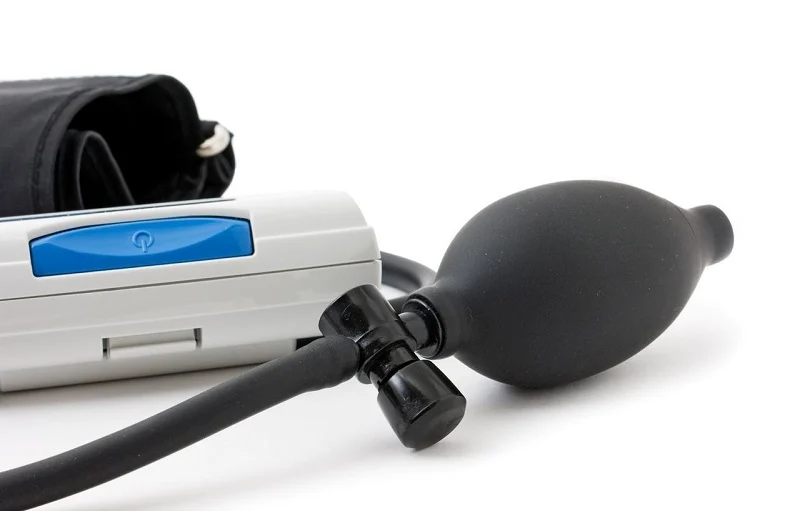
Plastic fabrication methods boost production speed while keeping unit costs low for light housing components and inside mounting structures.
Enclosure Tooling for Handheld Devices
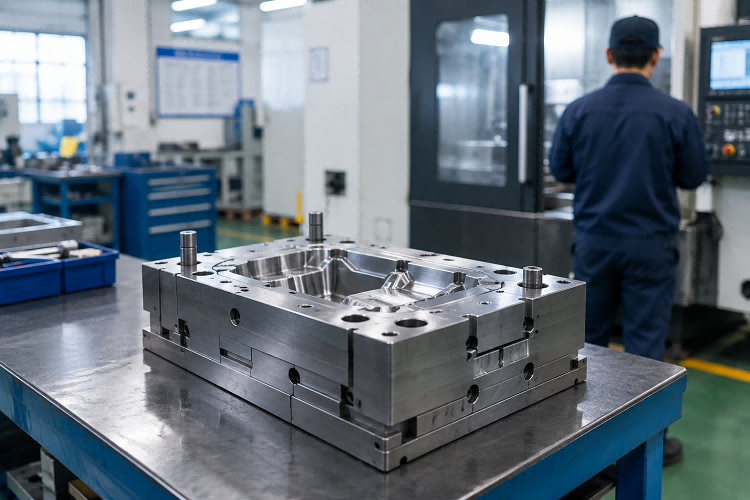
High-volume injection molding saves money on outer diagnostic housings compared to low-volume 3D printing. While 3D printing is great for fast shape checks and working prototypes, injection molding gives cheaper piece prices during mass production. Custom enclosure tooling makes smooth surfaces that withstand harsh clinical cleaners. These tough outer shells protect each delicate diagnostic device during daily clinical work.
Insert Molding for Integrated Electrical Controls
Insert molding puts metal pins, threaded screws, or printed circuit board parts right into the mold before adding plastic resin. Overmolding then covers these parts with soft protective layers to make comfortable, tough outer grips. This smart manufacturing process skips manual assembly steps and shields hidden electronics from liquid spills during regular patient testing.
Sheet Metal Fabrication and Laser Processing
Big floor-standing medical equipment needs strong structural frames and clean signal paths. Sheet metal fabrication techniques give tough structural strength and signal shielding for large analytical systems.
Sheet Metal Laser Cutting and Bending for Heavy Chassis
High-powered laser cutters trim sheet metal with clean edges before automated CNC press brakes shape heavy structural chassis parts. Sheet metal panels hold heavy inside parts and offer tough outer protection for floor-standing analytical units. These steel and aluminum boxes also give natural EMI/RFI shielding to stop stray signal noise from messing up sensitive medical sensors inside the device. This metal wall guarantees accurate readings while tracking vital signals on the diagnostic device screen.
Precision Sheet Metal Stamping for Internal Shielding
Precision stamping makes thin metal plates, internal brackets, and shielding covers quickly. Stamped metal boxes block outside signal noise from messing with delicate diagnostic measuring paths. Other extra processes also help finish complex medical equipment parts. For example, Metal Injection Molding makes tiny detailed fittings, precision grinding makes smooth fluid surfaces, and special casting forms heavy structural centers, ensuring every made device works well.
Prototyping, Electronics, and Assembly Integration for Diagnostic Equipment Parts
Prototyping and Functional Testing
3D Printing for Rapid Ergonomic Validation
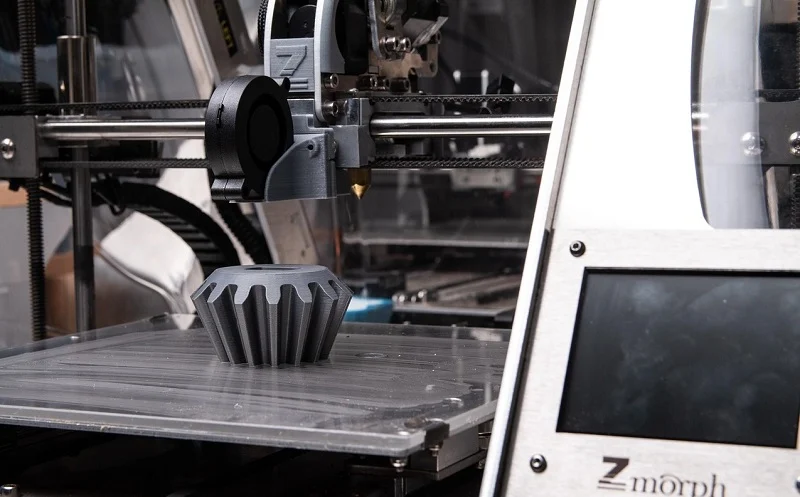
Early design iterations help engineering teams find physical flaws long before mass production. Building quick 3D-printed models allows technicians to check hand grips and button placement during physical testing. These tactile evaluations confirm user comfort before tooling begins.
Fast design and development cycles cut costly rework later in the cycle. This rapid feedback optimizes every device handle for comfortable daily use in busy clinical environments. Engineers resolve small issues early to streamline future shop operations.
Low-Volume Injection Molding for Field Units
Bridge tooling allows short runs of diagnostic parts using actual engineering resins. These real plastic parts help teams perform thorough functional testing on working pilot units. Testing real materials verifies mechanical strength under realistic operating stress.
Catching structural issues early speeds up commercial rollout and reduces development costs. Optimizing part features early saves money and ensures full alignment with regulatory standards before full production. Early issue resolution cuts waste and protects project timelines.
Electronic Integration for Diagnostic Systems
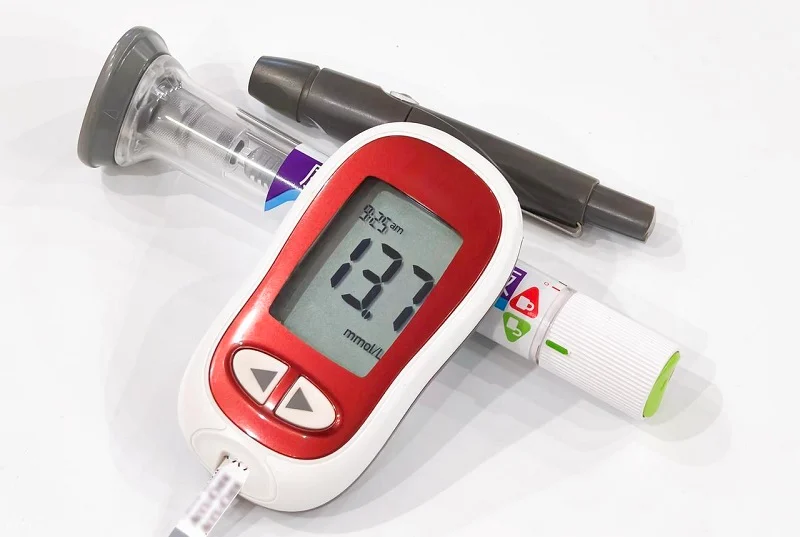
Printed Circuit Board Assembly Integration
High-density printed circuit boards route complex signals inside each compact diagnostic device. Technicians use high layer counts and microvias with an IPC-2226 aspect ratio maximum of 1:1 to maintain signal clarity. High routing density keeps signal noise very low.
Quality teams run SPI, AOI, and mandatory X-ray checks per IPC-A-610 Class 3 standards. These layered inspection methods verify electrical contacts, preventing corrosion and ensuring device readiness before clinical deployment. Comprehensive testing removes early hidden electrical defects.
Human Machine Interface Display Assembly
Touchscreens and display modules connect directly to internal control systems. Smooth integration lets clinicians operate medical equipment parts easily without software or control delays. Fast touch response prevents operational mistakes during critical patient testing.
Clear screens help users track crucial patient data in real time. Protective rubber seals shield inner circuit boards, which protect the diagnostic device from accidental spills. Strong display mountings also absorb shocks during transit.
Sub-System Modular Assembly
Cleanroom Integration of Sensitive Assemblies
Assembling delicate optical blocks requires strict environmental controls inside regulated spaces. Cleanrooms use active HEPA and ULPA filtration to sweep away tiny airborne particulates. Constant positive pressure maintains safe air quality throughout assembly.
Maintaining clean spaces stops contamination defects in sensitive fluidic and optical paths. This clean process supports ISO 13485 standards and stabilizes overall device performance. Strict cleanliness controls directly lower batch rejection rates.
Cable Harness and Sensor Wiring Integration
Organized wiring harnesses connect internal sensors to main computing modules. Clean wire routing prevents electrical noise from ruining sensitive measurement signals. Neat routing prevents wire pinching during regular cabinet servicing.
Careful harness installation improves overall build quality during custom manufacturing. Executing process validation during final assembly protects delicate wires during mass production. Proper strain relief protects connectors from long-term wear.
Material Selection for Diagnostic Equipment Parts
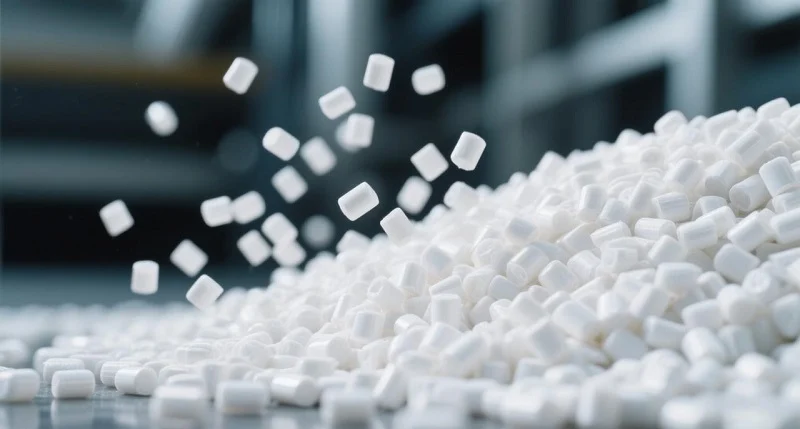
Choosing the right materials keeps every diagnostic device running smoothly in demanding medical environments. Engineers balance biocompatibility and functionality so each component withstands daily cleaning without wearing out. Selecting clean polymers prevents harmful chemicals from leaching into liquid test paths. High-purity resins protect delicate device sub-assemblies during long testing cycles.
| Criteria | Standards & Testing Limits |
| Biocompatibility | ISO 10993-5 (cytotoxicity), ISO 10993-10 (sensitization), and ISO 10993-23 (irritation) |
| Disinfection | Gamma irradiation (25-50 kGy) and steam autoclaving at 134°C |
High-Performance Medical Metals
Stainless Steel for Fluidic Path Corrosion Resistance
Grades 316 and 321 stainless steel resist harsh liquid exposure inside internal fluid channels. These strong alloys handle aggressive chemical cleaning without rusting, which stops device measurement errors. Smooth metal surfaces also lower flow resistance inside fluid valves.
Aluminum Alloys for Lightweight Structural Enclosures
Aluminum alloys 6061, 2024, and 7075 offer great strength with very low weight. They make overall parts lighter while keeping mobile carts and heavy outer shells strong during transport. Smooth surfaces accept tough outer coatings to prevent surface scratching.
Titanium Alloys for High-Strength Components
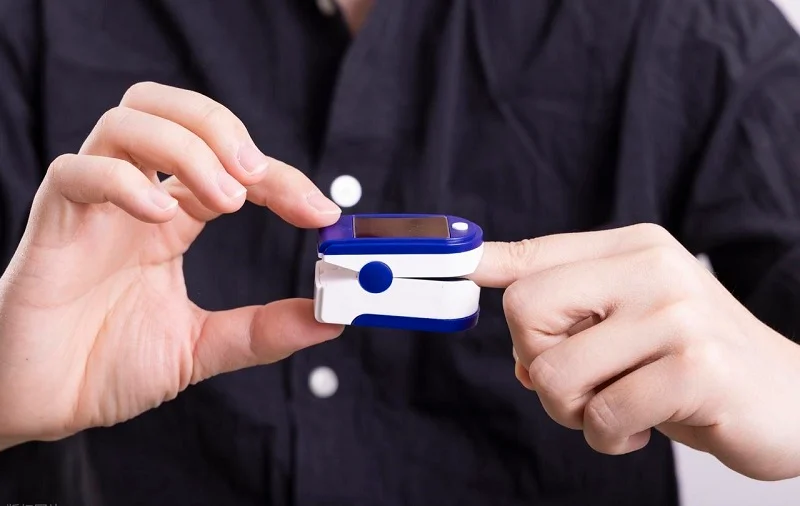
Titanium alloys like Ti-6Al-4V use beta alloying elements like vanadium and zirconium. This non-magnetic metal gives high strength and superior protection in radiation environments. Long part life lowers how often you need to replace internal components.
PEEK and ULTEM for Chemical Resistance
Machined PEEK handles over 1,500 steam cycles without losing its strength. It works continuously in hot spaces up to 260°C. Polyetherimide resins like ULTEM keep tight shapes up to 338°F while resisting strong acids. Low outgassing resin options stop fogging, which protects sensitive device optical parts.
Polycarbonate and ABS for Enclosure Shells
Tough thermoplastics like polycarbonate and ABS resist common clinical cleaners, including peracetic acid and sodium hypochlorite. These plastics absorb physical bumps, which protects patient safety during mobile tests. Outer shells resist yellowing under bright room lighting.
Medical Silicones for Gaskets and Seals
Elastomers like MasterSil 151Med pass USP Class VI standards for biocompatibility. This special silicone keeps flexible seals across wide temperatures ranging from -65°F to +400°F. Low shrinkage during cure ensures a tight moisture seal around delicate circuits.
Advanced Ceramics and Composites
Technical Ceramics for Wear-Resistant Sensors
Technical ceramics offer supreme hardness for delicate internal contact points. Their heat stability prevents shape changes near hot optical light paths. High insulation protects internal electrical modules from high-voltage spikes.
Carbon Fiber for Radiolucent Imaging Components
Carbon fiber structures let X-rays pass cleanly through medical equipment parts with minimal signal interference. Advanced fabrication techniques give these lightweight structures high strength to shield internal medical equipment. These carbon assemblies ensure reliable operation and improve overall user safety.
Available Post-Processing Methods for Diagnostic Equipment Parts
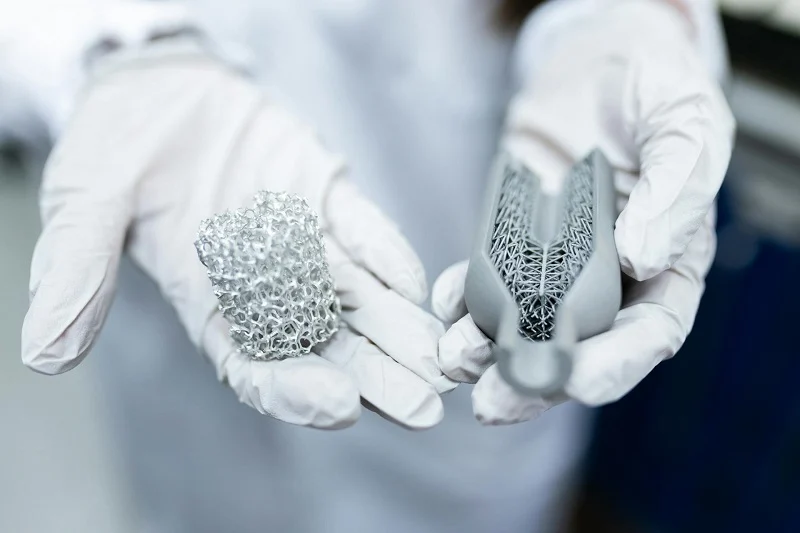
Raw parts need special extra steps after machining or molding. Proper surface treatments protect medical device components from daily wear and keep liquid paths clean.
Surface Finishing and Protective Coatings
Anodizing for Durable Aluminum Housings
Anodizing forms a protective outer layer on aluminum frames. This process boosts wear resistance and creates a clean visual finish.
Machined outer covers get electrical insulation and chemical resistance from standard anodizing treatments. These protective qualities keep structural frames safe during repeated clinic wipe-downs.
Electropolishing for Ultra-Clean Fluid Lines
Electropolishing smooths metal surfaces by removing tiny burrs and surface dirt. This treatment creates a clean, protective layer on fluid fittings.
| Finish | Benefits for Diagnostic Equipment Enclosures and Fluid Lines |
| Anodizing | Provides electrical insulation, chemical resistance, and a clean cosmetic surface for frames. |
| Electropolishing | Improves corrosion resistance, smooths surfaces, and reduces spots for residue or microorganisms. |
| Powder Coating | Delivers a hard, impact-resistant surface that withstands hospital-grade disinfectants. |
Removing tiny rough spots stops bacteria from growing inside fluid lines. The smooth finish allows easy cleaning and protects sensitive diagnostic flows.
Powder Coating for External Enclosures
Powder coating adds a strong protective layer over metal covers. This thick finish shields equipment frames from accidental bumps and scratches.
The sealed surface withstands strong hospital cleaners. Workers can wipe down outer panels quickly without harming the underlying metal frame.
Passivation and Surface Treatments
Chemical Passivation for Stainless Steel
Chemical passivation under ASTM A967 removes free iron from stainless steel parts. This treatment stops metal bits from leaking into sensitive fluid paths.
Stopping metal leaks protects patient safety in every diagnostic device during testing. Passivation also improves long-term rust resistance for parts in active use.
Antimicrobial Surface Coatings
Special coatings stop tiny germ growth on inside parts. A 2021 study with Abbott Labs showed Dursan coating with a gentle soap wash achieved 100% removal of tested proteins.
This total protein cleanup stops sample contamination and reduces wrong test results. Adding smart extra treatments with helpful coatings makes parts last much longer.
Specialized Cleanroom Post-Processing
Ultrasonic Cleaning for Debris Removal
Ultrasonic baths use fast sound waves to shake tiny metal bits out of complex shapes. Other methods like tumbling or blasting clean outside surfaces, but ultrasonic washing removes deep hidden dirt.
Removing loose bits protects sensitive sensors from sudden mechanical damage. Clean parts cut down internal defects across full production runs.
ISO Class 7 and 8 Cleanroom Packaging
Workers package clean sub-assemblies inside ISO Class 7 and ISO Class 8 cleanrooms. Double-bagging keeps parts safe from dust during shipping.
Sealed bags protect each delicate device from airborne dust. Clean shipping ensures every device arrives ready for immediate cleanroom assembly.
Quality Standards in Medical Device Manufacturing
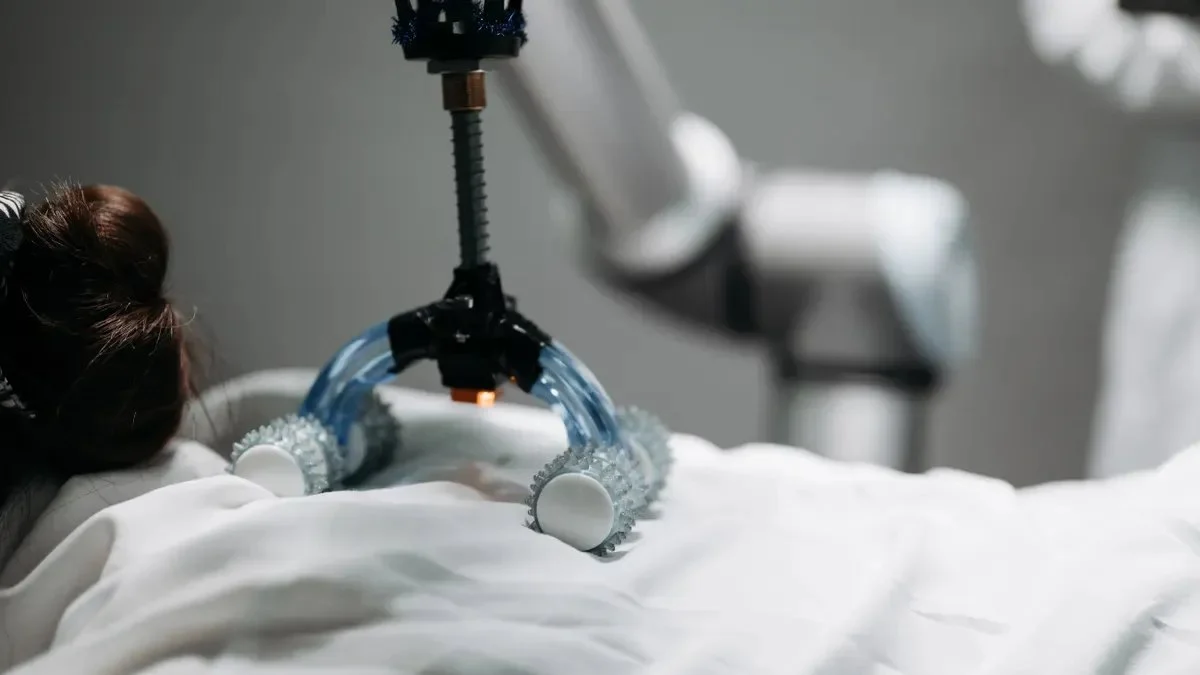
Factories use careful tests to make sure your parts are built safely.
Comprehensive Quality Testing for Medical Devices
Coordinate Measuring Machine Dimension Checks
Detailed diagnostic equipment parts need careful testing before cleanroom packing. Workers use a special measuring machine to check small holes and shapes. Touch tools follow every edge to ensure the part matches your exact digital file.
These automatic checks help workers find bad shapes early on the line. Finding small size errors early protects your build process and improves overall testing.
Non-Destructive Leak Testing for Manifolds
Fluid paths must stay completely sealed to prevent leaks during blood tests. Quality tests check sealed parts without damaging the plastic or metal structure.
- Radiographic testing: Uses X-rays to find hidden air pockets or internal cracks inside solid parts.
- Ultrasonic testing: Sends high-frequency sound waves through bonded parts to find hidden internal flaws.
- Dye penetrant testing: Uses bright dyes to highlight tiny outer cracks on smooth fluid blocks.
- Magnetic particle testing: Uses magnets to find tiny hidden surface cracks in iron parts easily.
New digital scanners create fast digital files for quick inspection feedback. Using these safe tests keeps your manufacturing setup clean and reliable.
Regulatory Quality Management Frameworks
ISO 13485 Standard Compliance
Every factory making diagnostic device parts must keep organized safety records. ISO 13485 gives global quality rules for medical device manufacturing. This rule covers incoming material checks, safe warehouse storage, and customer complaint tracking.
Following these rules keeps your global supply chains moving smoothly. Strict record-keeping lets teams track raw metals, plastics, and final finishes.
FDA 21 CFR Part 820 Requirements
In the United States, medical device manufacturing must follow FDA 21 CFR Part 820 quality rules. Factories must record every step to prove their tools work safely. Other global rules also demand strict safety steps to protect patient health:
- EU MDR 2017/745: Demands full safety checks and complete part tracking across European countries.
- IEC 60601: Sets strict safety testing rules for electrical and mechanical diagnostic tools.
Process Validation Protocols
Installation Qualification and Operational Qualification
Process checks prove that your factory setup builds clean parts every time. Teams follow clear steps during setup to ensure long-term safety.
| Phase | Steps and Protocol Items | Documentation and Parameters |
| IQ | Check packing lists, look for shipping damage, check power lines, and log early tool calibrations. | IQ rules, setup checklists, hardware details, and final summary reports. |
| OQ | Test display panels, temperature controls, pressure tools, humidity sensors, and motor speed controls. | OQ test files, calibration logs, tracking lists, fan speed records, and error notes. |
Performance Qualification for Mass Production
Performance checks prove your setup makes good parts during big factory runs. Quality teams build complete data plans to monitor real factory conditions.
Workers check sample groups against simple acceptance rules before starting full production. This careful testing proves that your custom manufacturing process builds identical parts without sudden flaws.
Challenges in Manufacturing Diagnostic Equipment Parts
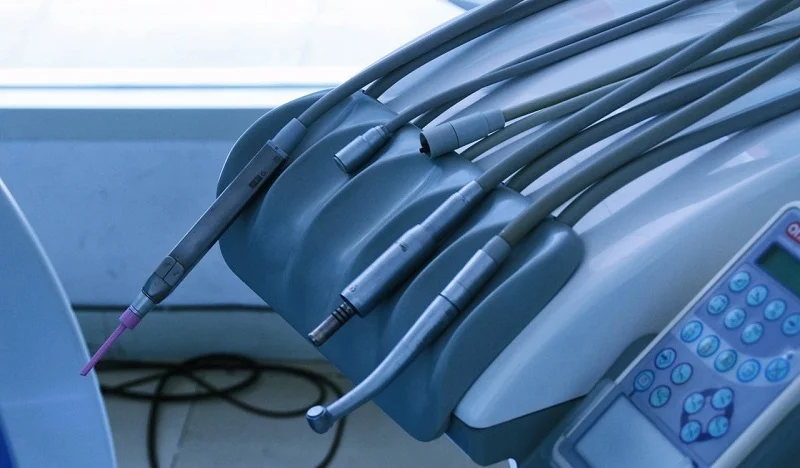
Tight Tolerances and Complex Geometries
Controlling Distortion in Thin-Walled Components
Making thin metal shells or plastic frames causes physical problems. Tool heat makes metals and plastics warp easily. Thin walls also shake during fast cutting steps. These movements ruin part accuracy and wear out tools.
Machining tools with heat controls help stop these shifts. High-precision machines hold exact sizes during long cuts. Special plastics like PEEK react fast to heat. Machinists must keep shop temperatures steady within ±5°C to protect these soft materials.
Micro-Machining Fine Microfluidic Channels
Modern fluid testing needs tiny channels inside liquid manifolds. Cutting small paths for blood samples requires special tools and steady setups. Bending in tiny drills causes size errors across complex patterns.
Constant cutting creates heat that wears out small tool bits quickly. Shops check cutting tools constantly to swap worn blades before sizes shift. Smooth liquid coolant removes heat and washes tiny metal bits out of narrow slots.
Material Compatibility and Regulatory Risk

Chemical Resistance to Clinical Cleaners
Diagnostic equipment parts must handle daily exposure to harsh cleaners. Strong hospital chemicals wear down surfaces and weaken inside plastic structures over time. Chemical cracks cause internal leaks that ruin clean fluid samples.
Material choice decides how long a medical device lasts in busy clinics. Picking tough plastics stops stress cracks near fluid fittings. Careful material testing proves that chosen parts will not break down during daily hospital wipe-downs.
Biocompatibility Validation for Contact Surfaces
Parts touching patients need strict safety checks under global health rules. ISO 10993 requires full part checks and complete material tracking for every contact surface. Factories group each device by contact type and contact time, like short visits under 24 hours or longer use up to 30 days.
Teams test safety limits using old chemical records or direct biological tests. Full testing protects patient safety by checking that no bad chemicals leak from physical parts. This careful review lowers legal risks before selling new clinical devices.
Bridging Prototyping to Full Production
Design for Manufacturability Optimization
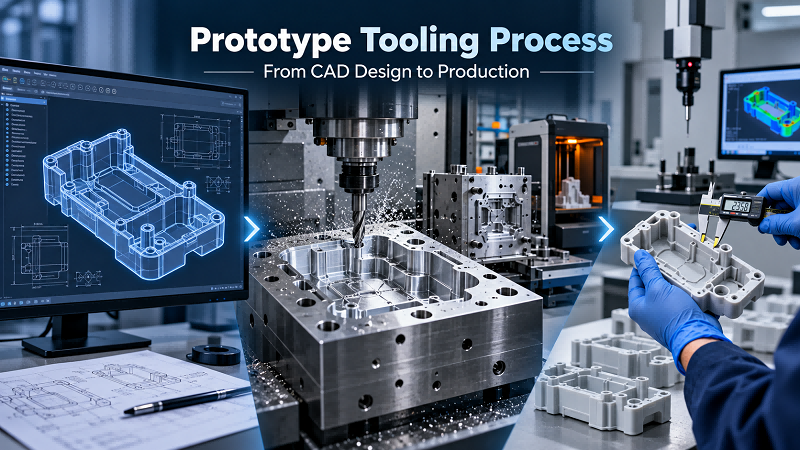
Moving from early models to full production needs smart design changes. Engineers simplify part shapes and loosen tolerances to cut tool setup times. Early teamwork between design and build teams catches costly manufacturing errors before factory floors start big runs.
Good design habits focus on common tool sizes and matching hardware types. Simple features need fewer holders and lower scrap rates. Running digital mold tests improves part designs long before cutting hard steel molds.
Reducing Lead Times for Custom Tooling
Custom molds and complex setups often delay product launches by several months. Working with suppliers early helps teams design around standard tools and available material sizes. Building real test models helps teams check tool choices before making expensive factory molds.
Using standard shapes lets shops run faster setup steps on active factory lines. Simple tooling cuts upfront costs and stops production delays. Fast tool making helps medical equipment parts reach health markets quickly without losing final quality.
Choose NOBLE for the Best Manufacturing of Diagnostic Equipment Parts

Are you searching for a reliable partner to produce high-precision medical components? NOBLE stands out as a premier custom manufacturing partner and leading CNC supplier in China. We assist engineering teams as they build complex diagnostic equipment parts with exceptional accuracy. Our dedicated team supports your project from the very first design drawing all the way through full-scale volume manufacturing.
Advanced Multi-Axis Machining Capabilities
At NOBLE, we utilize state-of-the-art machinery to handle intricate part geometries. Our 5-axis cnc machining equipment features X, Y, and Z linear axes alongside A and C rotational axes. This advanced configuration enables true 5-axis synchronous cutting for challenging component shapes.
- One-setup capability: Parts are completed in a single clamping step, which completely eliminates alignment errors caused by multiple setups.
- Tight tolerances: Overall tolerances are strictly held within 0.01mm to ensure a perfect fit for every sensitive diagnostic device.
This high level of precision keeps your critical optical paths and liquid channels working smoothly. You can rely on our modern machine shop to deliver durable structural frames, custom fittings, and leak-free fluidic valves without hassle. We focus on clear communication and careful craftsmanship to help your project succeed.
Stringent Quality Systems and Full Traceability
Uncompromising safety is the core foundation of medical device manufacturing. NOBLE holds official ISO 9001:2015 and ISO 13485:2016 quality management standards to guarantee consistent excellence. Our facility strictly follows international safety rules for every single medical device manufacturing order.
We maintain a robust Quality Management System that provides full traceability from initial design through final product delivery. Modern QMS software tracks supplier performance, regulatory compliance, and potential risks in real time. Furthermore, we issue comprehensive document packages meeting FDA, European MDR, and ISO 13485 criteria. Our strict quality assurance procedures offer complete confidence during clinical audits. Every component goes through meticulous quality control checks before leaving our clean facility.
End-to-End DFM Support and Rapid Production
Transitioning a medical concept into a commercial product should be simple and stress-free. NOBLE offers comprehensive Design for Manufacturability support to refine your component features early in the development cycle. Our expert engineering feedback helps lower tool wear, reduce raw material waste, and control overall unit costs.
Our engineering team helps you transition effortlessly from rapid functional prototypes into full-scale production runs. We review your part design to remove manufacturing bottlenecks and eliminate unexpected production delays. Early DFM collaboration accelerates your commercial production timeline while maintaining reliable part quality across every single batch. Partnering with us protects your project timeline and keeps your build expenses predictable.
Choosing the right manufacturing processes, good materials, and strong surface finishes keeps every device working safely. Smart medical device manufacturing uses early design reviews to catch mistakes quickly. Working together on design choices lowers costs and cuts production risks while easily meeting ISO 13485 rules.
Your engineering and buying teams should use modern building tools and modular assembly services today. Simplifying how you make diagnostic equipment parts helps bring your medical device to market fast. Are you ready to streamline your next production run? Send us your CAD files for a design review, ask for a price quote, or talk directly with our expert engineers today!
FAQ
Why is ISO 13485 compliance critical for medical components?
ISO 13485 rules guarantee safe, reliable production. This global quality management system tracks every raw metal and plastic batch. Following these strict guidelines helps factories maintain exact process verification during full mass production runs.
How do engineers check microfluidic manifold dimensions?
Technicians use coordinate measuring machines for accurate size checks. Safe leak tests also scan delicate inside fluid paths. These checks keep your diagnostic tool leak-free without harming delicate plastic or metal parts.
What machining tolerances can precision CNC shops achieve?
Standard machining tolerances start near ±0.005 inches. However, multi-axis milling holds tight precision tolerances down to ±0.0005 inches or better. Swiss turning centers even shape tiny fluid features below 2 micrometers.
How do proper material choices protect patient safety?
Chosen materials must pass strict ISO 10993 testing limits for toxicity and irritation. Selecting chemical-resistant plastics like PEEK or ULTEM protects patient safety when parts face daily exposure to strong hospital cleaners.
What quality checks prevent component defects during production?
Inspection teams perform strict quality control during every build step. Technicians run automatic optical checks, X-ray scans, and safe leak testing. These quick checks find hidden size errors early on the factory floor.
How does early DFM review reduce production costs?
Early design feedback simplifies complex shapes before cutting hard steel molds. Improving your part design cuts raw material waste, lowers tool wear, and stops unexpected factory delays during big production runs.
Why use Swiss turning for fluidic valves and fittings?
Swiss turning centers craft smooth round fittings with ultra-precision details. This high accuracy stops liquid leaks and keeps liquid flowing smoothly inside your important diagnostic device.