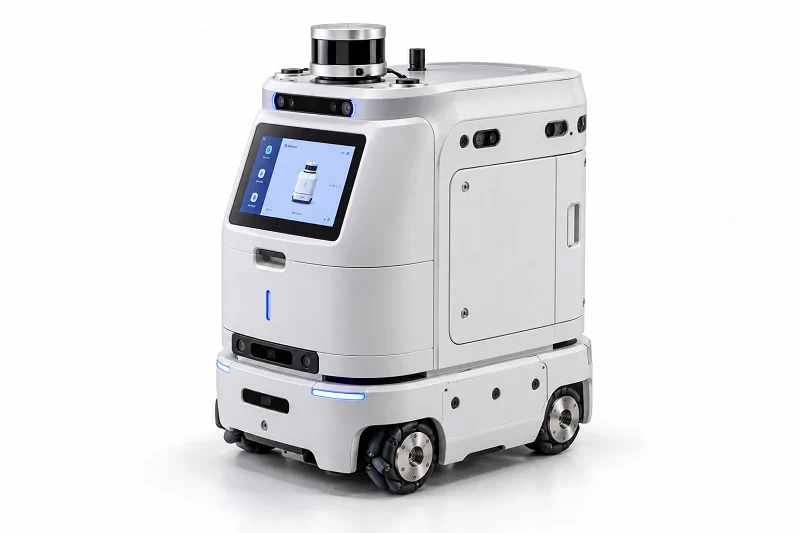
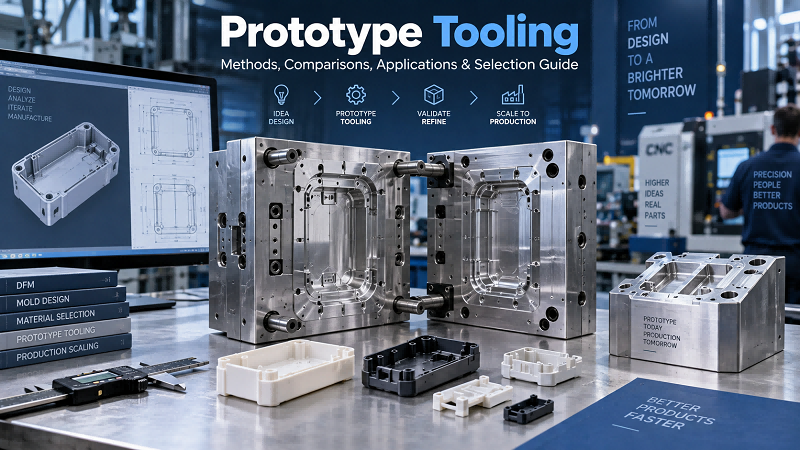
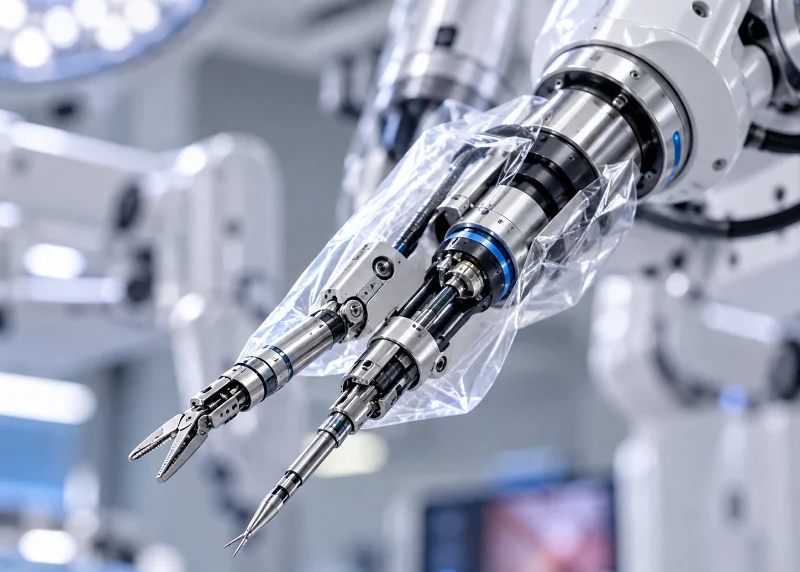
Precise Machining is like carving fine jade. Only with careful attention to detail can the soul of beauty be presented. Medical robot technology has far exceeded the stage of researching prototypes and novel demonstrations. Today, robot-assisted surgical platforms, automated rehabilitation exoskeletons and high-throughput laboratory automation systems have become standard equipment in hospitals, clinics and research centers across Europe, North America, Japan and Australia.
Behind every joint, every sub-millimeter incision, and every reliable haptic feedback loop lies a crucial layer of physical hardware: precisely numerically controlled machined mechanical components. These components must simultaneously meet high-cycle fatigue, biocompatibility or disinfection requirements, as well as complex geometries that traditional casting or sheet metal processing techniques cannot reliably achieve.
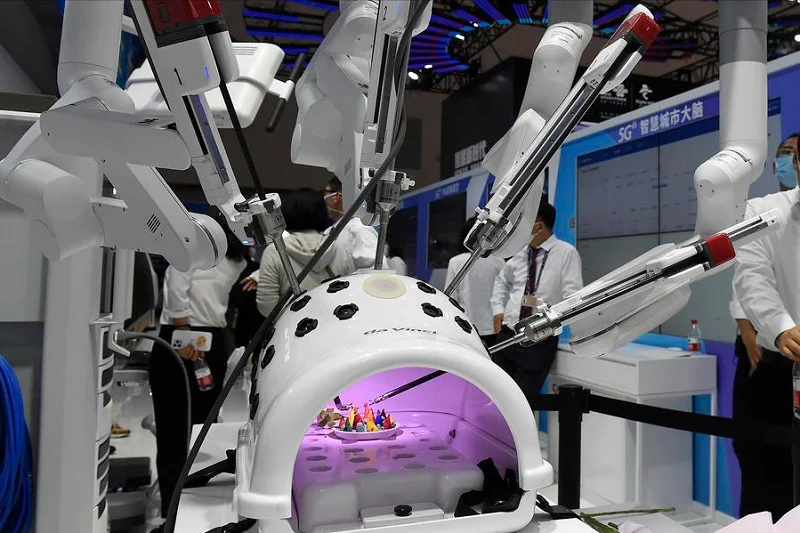
1. What are precision parts machining, precision assemblies, and part assembly?
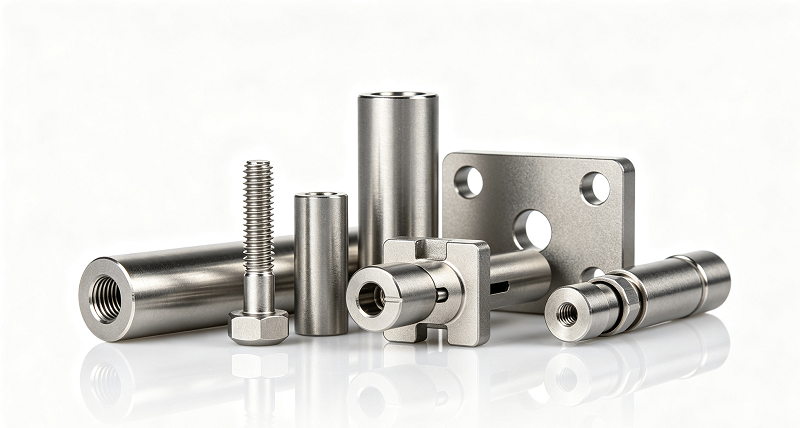
Precision parts machining
It is a precise way to make finished parts. Workers use high-accuracy machine tools to process raw materials or half-finished blanks into target components.
Precision assemblies
They are high-tech finished products. They are made of many complex small parts. They have three strong points: high accuracy, reliable performance, and stable long-term use.
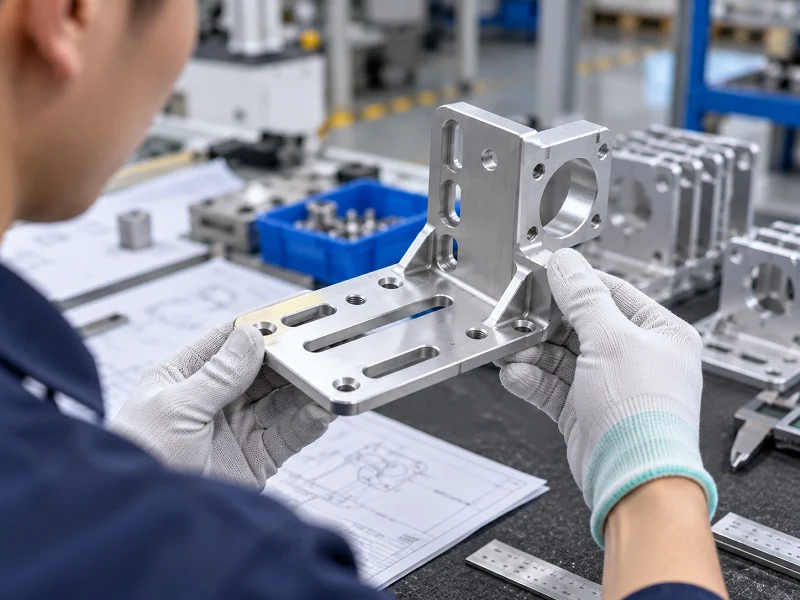
Part assembly
It is the work of putting tiny, complex parts together into a full machine or system. A single part is the smallest unit of equipment. It is made of one whole piece of metal or other material. A kit has one or more separate parts.

2. How precision parts machining connects with precision assemblies
Precision parts machining and part assembly play key roles in making medical robots.
Better machining skills and careful assembly work provide strong support to medical robot production. Only with precise machining and precise assembly can factories make accurate and reliable medical robots. This pushes the whole medical robot industry forward. More research and new ideas will keep improving machining and assembly skills. They bring new energy to medical device making.
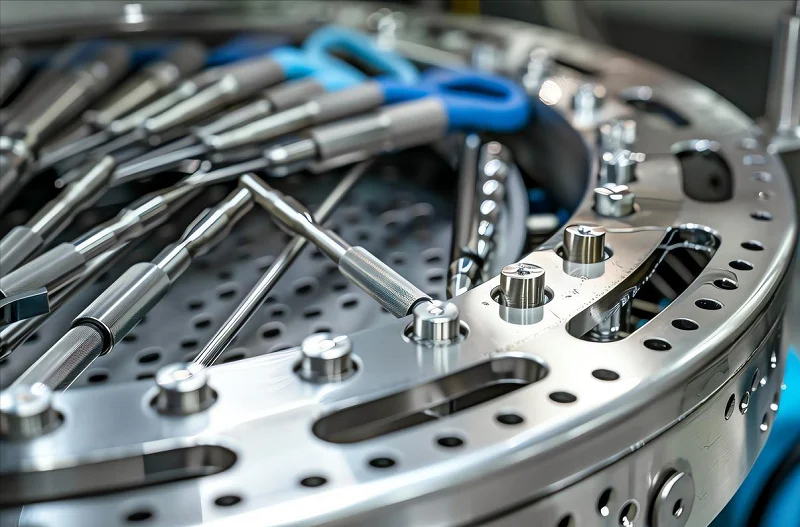
3. Why CNC machining is very important for medical robots
Medical robot machines work under strict mechanical limits. Common factory automation machines do not face these limits.
High cycle, low fatigue failure:
The joint housing and transmission couplings must withstand millions of repeated hinge cycles without causing clearance due to wear.
Biocompatibility and sterilization tolerance:
Instruments that come into contact with patients or during surgery must be capable of withstanding steam autoclaving, gamma-ray irradiation, or vaporized hydrogen peroxide (VHP) sterilization protocols.
Miniaturization and structural integrity:
Endoscopes and catheter surgical robots require extremely small yet robust components, as well as internal channels for transporting liquids, optical elements, or cables.
Multi-material integration:
A single robotic arm assembly can integrate titanium structural connectors, PEEK insulating gaskets, 316L stainless steel instrument interfaces, and aluminum transport frames.
CNC machining
Especially 5-axis linkage milling, Swiss-type precision turning, and micromachining can provide the geometric freedom, surface integrity, and batch-to-batch repeatability required for mass production of these parts. Unlike additive manufacturing, precision CNC machining can achieve the strict tolerances and smooth surface finishes required for the mating of bearing housings, sealing surfaces, and sterile instruments without lengthy secondary processing.
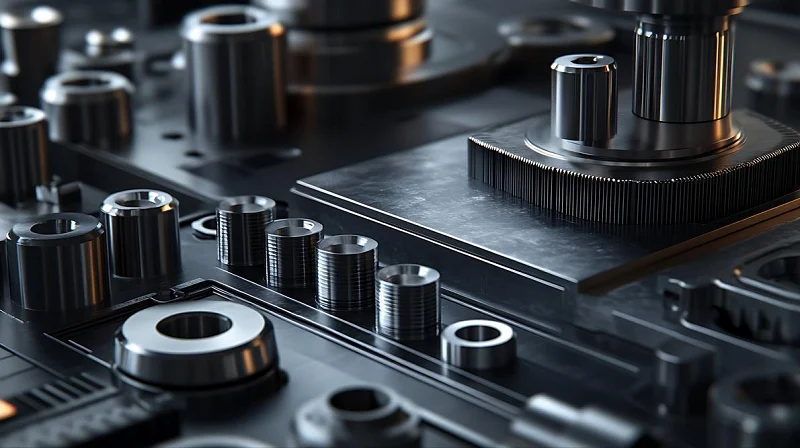
4. How to pick a reliable factory for part machining and assembly
We share eight key points for you to check.
4.1 Understand the processing procedure of parts
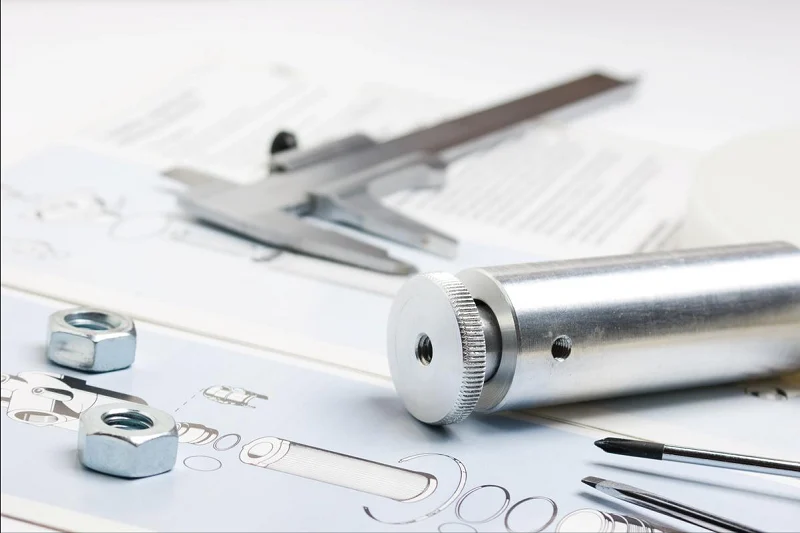
- Analyze and study the part drawings and assembly drawings of the components. When necessary, analyze the CAD drawings and 3D model drawings.
- Determine the size of the raw material blank.
- Draft the process route and select the positioning base surface.
- Determine the mechanical processing equipment to be adopted in each process.
- Determine the cutting tools, jigs, measuring tools, and auxiliary tools to be adopted in each process.
- Determine the cutting parameters.
- Determine the machining allowances for each process, and calculate the process dimensions and tolerances.
- Determine the technical requirements and inspection methods for each major process.
- Carry out programming and machine operation.
- After the components are taken off the machine, they should be inspected according to the process.
- Perform surface treatment after the completion of component processing.
- Recheck the parts after surface treatment.
- Select the appropriate protective packaging method and proceed with packaging and boxing.
4.2 Select the billet
Select the appropriate billet based on the size of the components, assembly requirements, and functional working conditions. According to the usage requirements and process conditions of the parts, the processing performance and cost of the materials should be taken into consideration, and materials with high cost performance should be selected. For parts that require high-precision processing, blanks with higher precision should be selected. Different billet manufacturing processes have a significant impact on the performance of parts.
Metallic materials
Stainless steel: SUS304, 304L, 316, 316L
Aluminum profiles: Aluminum 5052, aluminum 6061, aluminum 6063, alumina
Titanium alloys: TC4, TC5, cemented carbide
Die steel: S50C, 718H, NAK80, S136, SKD11, SKD61
Copper materials: H62, H69, beryllium copper
Plastic profile
General-purpose plastics: PP, PE, PVC, UPE
Engineering plastics: PA, POM (acetal), PC, PMMA (plexiglass)
High-temperature materials: PEEK, PPSU, PEI, PTFE (Teflon), PVDF
Insulating materials: Fr4, Bakelite, synthetic stone
Due to the excellent properties of plastic such as light weight, high-temperature resistance, chemical corrosion resistance, strong radiation resistance, wear resistance, no need for lubricating oil, impact resistance, shock resistance, sound insulation, good electrical and insulation properties, it can largely replace copper, iron, aluminum, stainless steel, ceramics and wood.
4.3 Factory machining technology and experience
1) First of all, understanding the technical team of the factory is crucial.
The technical team should include experienced mechanical engineers, numerical control programmers, and skilled operators. They can carry out reasonable design and process planning based on the requirements of components to ensure processing quality and efficiency.
2) Secondly, it is necessary to assess its production equipment and technological level.
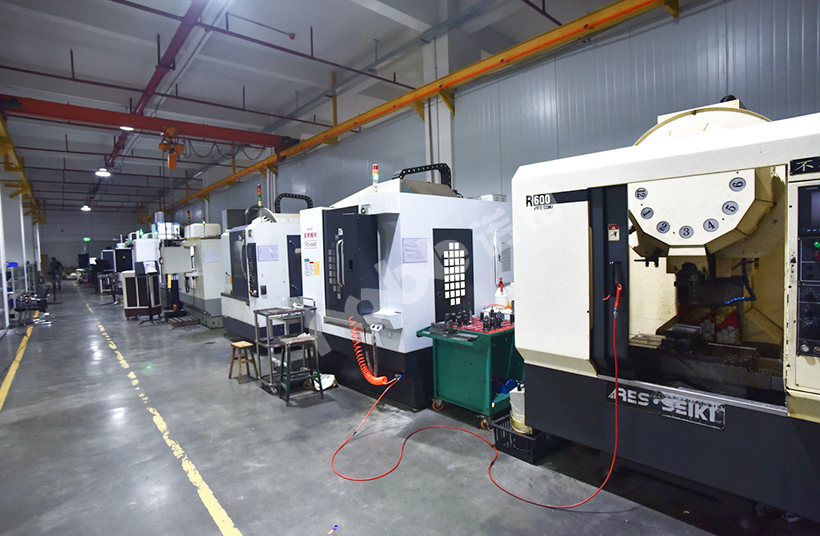
The modernization level of production equipment directly affects the processing accuracy of parts and production efficiency. Advanced equipment such as high-precision CNC machine tools and CNC lathes can ensure that parts maintain a high level of precision during processing.
3) Then the production process of the factory should be systematized and standardized.
From raw material procurement, processing, and assembly to the final quality inspection, every link requires detailed process management to ensure the consistency of the products. It is best to choose factories that can provide transparent production processes.
4.4 Factory quality control
A reliable factory will establish a strict quality control system and formulate its own quality standards by referring to international standards (such as ISO 9001) or advanced industry standards. From the inspection of raw materials to the final inspection of finished products, each link should have clear quality requirements and testing methods to ensure that the quality of components meets the standards. The improvement of its quality management system directly affects the final quality of the products when choosing a medical equipment parts processing and assembly factory.
1) Quality inspection process
Factories need to have clear quality inspection procedures, including the inspection of raw materials, random spot checks during the production process, and the final inspection of finished products. Ensure that every link has corresponding quality supervision.
2) Defect handling mechanism
Often, parts may have defects, and the factory’s handling mechanism for this is also a key aspect of concern. A good factory will have a complete defect traceability and handling mechanism, which can promptly identify problems and take targeted measures.
4.5 Evaluate the factory’s production capacity and delivery time
Evaluate the production scale and flexibility of the factory to ensure that it can meet the order requirements. For small-batch and multi-variety orders, factories need to have the ability to quickly adjust their production lines. In addition, it is also important to understand the average delivery time of the factory and the measures taken to ensure on-time delivery.
4.6 Service level and reputation
1) After-sales service: It is one of the important factors in choosing a medical equipment parts processing and assembly factory. Good after-sales service can not only solve problems promptly but also lay a solid foundation for long-term cooperation in the future. The factory should be able to respond promptly to customers’ inquiries and demands, providing technical support and after-sales service. In addition, refer to the evaluations and word-of-mouth from other customers to understand the factory’s service quality, on-time delivery, and product quality, among other aspects.
2) Prompt response: During the use of the product, various problems may arise at any time. Whether the factory can provide solutions in the first instance is an important criterion for evaluating its after-sales service capabilities.
4.7 Price and cost performance
Under the premise of ensuring product quality and service, compare the prices of different manufacturers and choose the one with high cost performance for cooperation.
4.8 Geographical location and logistics support
Finally, the geographical location of the factory is also an indispensable factor for supply chain management and logistics transportation. Factories with prime locations can reduce logistics costs and enhance the efficiency of goods transportation at the same time.
Inspect the equipment and processes of the processing and assembly factory. Precise assembly requires a high level of technology and experience. Only manufacturers with professional technical standards and rich experience can provide high-quality products. It is necessary to choose a manufacturer with a quality management system and quality standards to ensure that the products meet the requirements and standards of customers. The corresponding system standards can reduce the probability of defective products, thereby improving efficiency and achieving reasonable adaptation effects. Having both ISO9001 and ISO13485 international standard system certifications is an important factor in measuring the professionalism of processing manufacturers in the field of precision processing, ensuring the quality of equipment and saving more time and costs invisibly.
Choosing a reliable factory for processing and assembling medical equipment parts is an important decision related to medical safety and equipment quality. Through a detailed assessment of the above eight aspects, you can make a choice with more confidence and ensure that your product reaches the best level in terms of quality, delivery time, and service.
5. Why Choose NOBLE as Your Medical Component Manufacturer
NOBLE turns your design ideas into test samples and mass-production parts. Many suppliers only make test samples. NOBLE provides full one-stop manufacturing service. It covers design help all the way to final assembly.
NOBLE’s fast silicone sample-making ability
Silicone sample work connects with all our other production lines. Design support runs through the whole production process. CNC machines make master molds. Injection molding makes large batches. Our team finishes surface work and assembly in our own factory. You only work with one supplier for all steps.
Quality standards and certificates
Our full quality system has official certificates and complete written records.
ISO 9001:2015 covers general quality management. Fixed processing rules make every product the same. Test steps check part sizes and surface quality.
ISO 13485:2016 sets strict special rules for medical device making. It requires full part tracking and strict processing tests.
FAQ
1. What precision level can CNC machining reach for medical robot parts?
Most core surgery robot parts keep size errors between ±0.005 mm and ±0.025 mm. The exact rule changes based on bearing holes, gear seats, or tool connection ends. Parts with tighter size rules are made in temperature-controlled rooms. Workers use CMM coordinate measuring machines to test every piece during production.
2. Can workers machine PEEK into MRI-safe robot parts with CNC tools?
Yes. Medical-grade PEEK-OPTIMA™ and similar plastics do not block X-rays and have no magnetic force. They fit robot guide plates and structural parts used in MRI surgery or radiation treatment. Proper heat treatment, a stable crystal structure, and burr-free cutting are necessary.
3. Do CNC factories making medical robot parts need ISO 13485 certificates?
ISO 13485 is not a mandatory requirement for all second-level suppliers. But all medical robot original machine makers treat it as a global standard. It proves your CNC supplier has a quality system to make steady, trackable, and fully tested parts.
4. What good points does CNC machining have over MIM metal injection molding for tiny robot parts?
For small and medium batch orders, CNC machining makes smoother surfaces, tighter size tolerances, and faster design changes. MIM can make complex shapes in very large batches, but it usually needs extra cutting work for key areas. MIM may leave small inner holes inside parts. These holes stop full disinfection and shorten the part’s working life.
5. What material works best for reusable surgery robot tools?
Titanium alloy Ti-6Al-4V ELI is the top choice. It resists wear well, is safe for human bodies, and withstands all disinfection chemicals. For low-cost single-use tools, 316LVM stainless steel balances easy cutting, stable anti-rust treatment, and safe clinical use.