Introduction
Dull cutting tools are more likely to break. If you’ve got a broken tool, you’ve got a piece of scrap. This means hours of wasted time. This is what happened.
CNC tool damage does not announce itself. It builds slowly. You’ll see tiny notches on the cutting edge, chips building up on the flank, and microcracks caused by thermal cycling. After that, cutting performance worsens, the surface becomes rougher, and dimensions are no longer as precise.
It’s really important to understand how CNC cutting tools damage so you can make sure you’re getting the best bang for your buck. Every failure means a loss of productivity due to machine downtime, tool replacement, and scrap parts. This article will look at what causes failure and what the consequences are, as well as the ways in which operators can avoid it.
What Causes Cutting Tools to Become Unusable?
A cutting tool fails. The reason is not always obvious. Here is what actually happens at the edge.
Abrasive Wear
Hard particles can cause friction with the cutting tool. The material being machined may contain carbides or oxides, or the workpiece surface may have a hard oxide scale. These particles act like sandpaper. As a result, the CNC cutting edge becomes worn—so please reduce the cutting speed. Then the tool stops cutting cleanly. This is a primary form of damage to CNC cutting tools in cast irons and high-silicon aluminum.
Adhesive Wear (Built-Up Edge)
Workpiece material sticks to the tool tip. Pressure and heat weld it there. The buildup grows. It changes the tool geometry. Then it breaks off, taking a piece of the tool with it. This happens with sticky materials like low-carbon steel and aluminum. The edge comes out looking chipped. Classic CNC tool damage from adhesion.
Diffusion Wear
High temperature does it. The tool material and the workpiece material chemically mix at the atomic level. Atoms migrate from the tool into the chip. The tool loses its hardness at the surface. The edge wears away fast. No mechanical friction—just heat.
Thermal Cracking
The cutting tool is heated and then cooled—over and over again. This causes the surface to repeatedly expand and contract. These cycles lead to the formation of cracks. At first, the cracks are small, but they gradually grow larger. As the cracks spread to the cutting edge, the coolant exacerbates the problem. At the same time, thermal shock further increases the stress.
Mechanical Chipping and Fracture
There’s always something that gives way—excessive force, the tool hitting a hard spot, excessive cutting depth, too fast a feed rate, a chipped cutting edge, or a complete breakage of the tool’s edge. This is sudden CNC tool damage.
Plastic Deformation
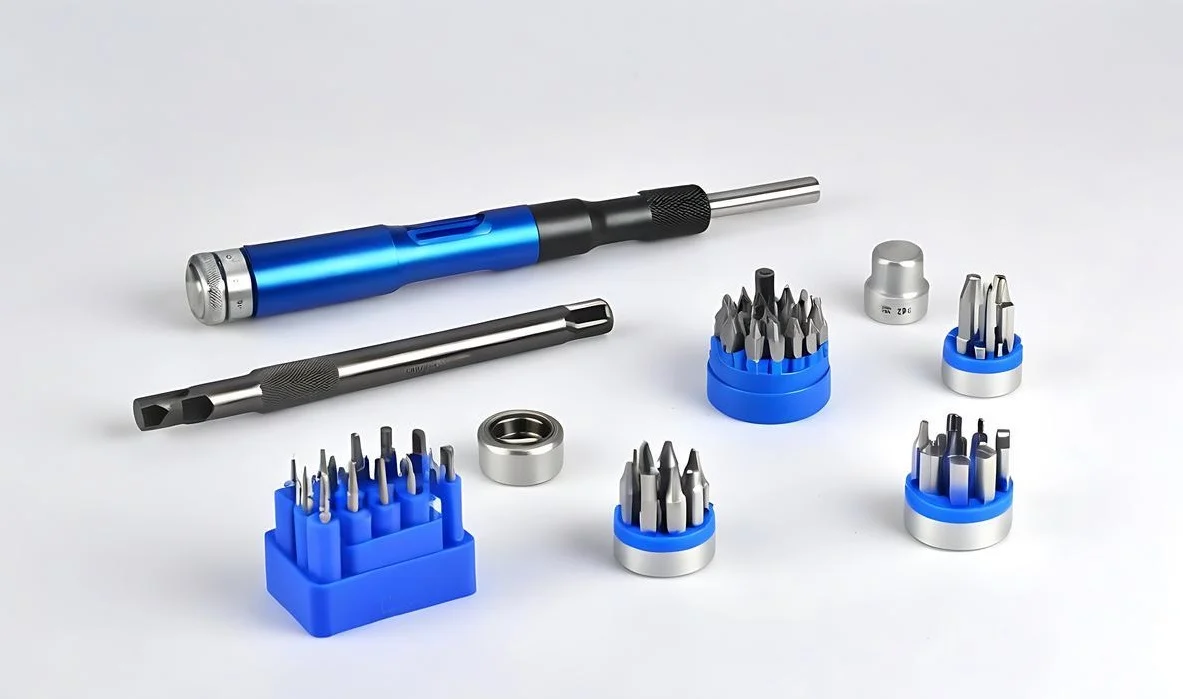
The cutting edge was originally very hard, but the heat made the tool material softer. The cutting pressure made the softened cutting edge go flat and curly. The tool’s seen some use, but the cutting edge’s still in good nick. The cutting geometry’s a bit off. This is usually what happens when you’re cutting hard materials at high speeds.
Edge Chipping from Vibration (Chatter)
During operation on a CNC lathe, both the cutting tool and the workpiece vibrate. The cutting edge strikes the workpiece thousands of times per second. Each impact is like a light hammer blow. Over time, the cutting edge begins to chip. By the time the operator hears a noise, damage to CNC cutting tools has already started.
The tool material is incompatible with the workpiece or with the coolant. The sulfur in the workpiece reacts with the cobalt in the carbide tool—causing the binder to dissolve, reducing the tool’s strength, and leading to chipping of the cutting edge. This is not wear; it is corrosion.
Improper Handling or Coating Damage
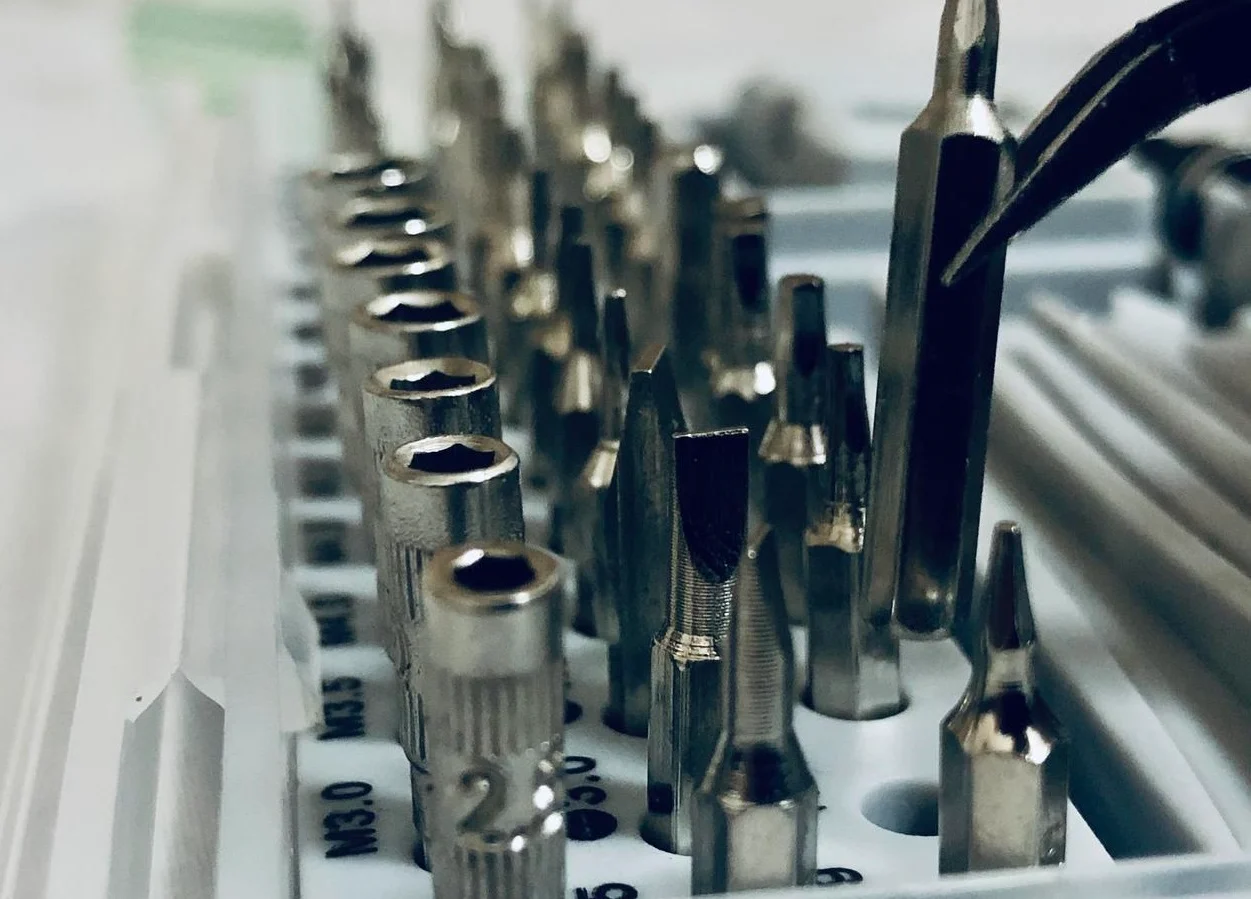
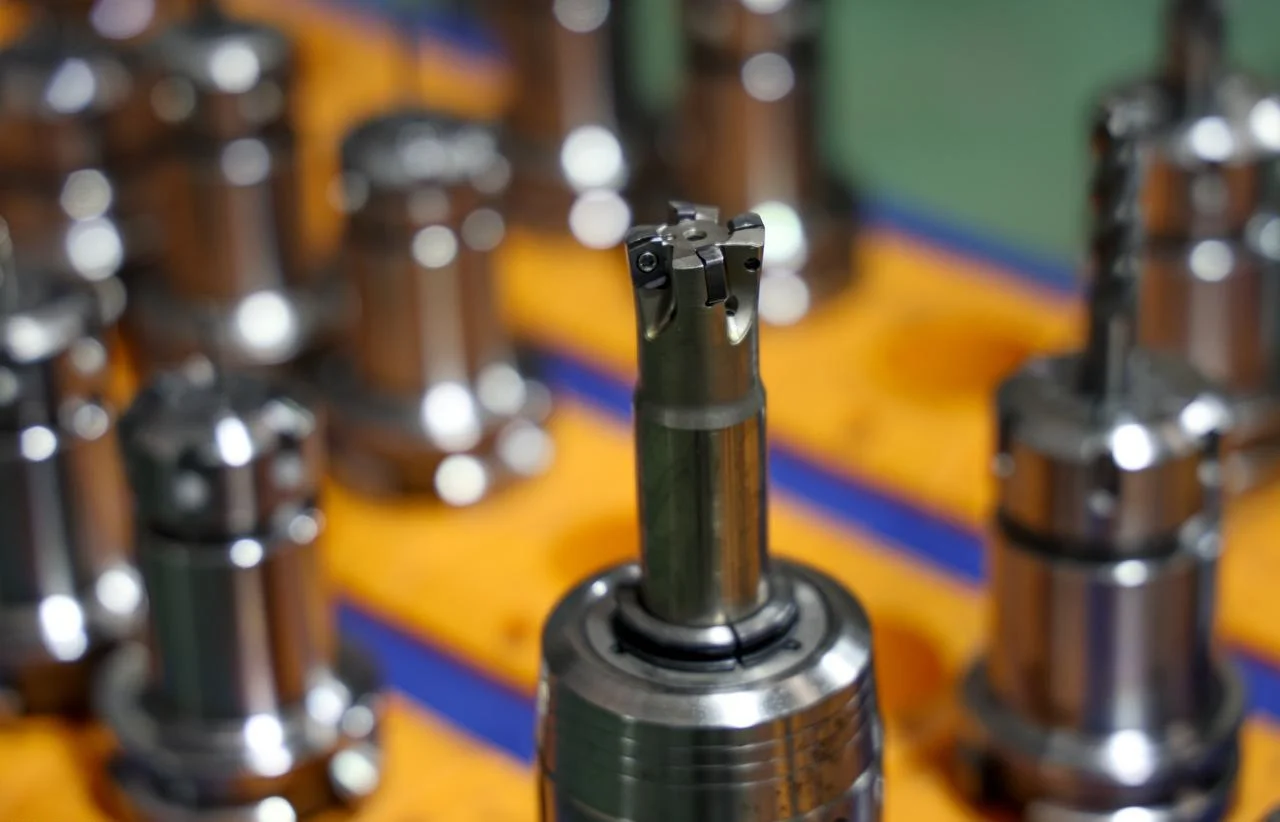
Sometimes, damage happens even before the tool touches the workpiece. Dropped on the floor. Banged against a tool holder. Stored loose in a drawer. A cracked coating or a chipped edge from handling leads to premature failure in the cut. All of these can lead to the tool breaking too soon during the cutting process. Some operators think this is down to the machining process. That is preventable CNC tool damage.
Will the Part Be Damaged When a CNC Tool Chips or Breaks?
Yes – Common Types of Part Damage
- The broken tool drags across the workpiece. It digs in. The surface gets scratched.
- Dimensions drift. The tool is missing a corner. The programmed path does not match reality. The part comes out undersized or out of round.
- Friction from the damaged edge generates heat. Lots of heat. The surface burns. Work hardening follows. Now the next tool cannot cut it either.
- Burrs get worse. The broken edge tears the material instead of shearing it. The part looks rough. The edge quality fails inspection.
Worst case? The part is a complete scrap. No rework possible. This is the real cost of CNC tool damage.
Subsurface Damage
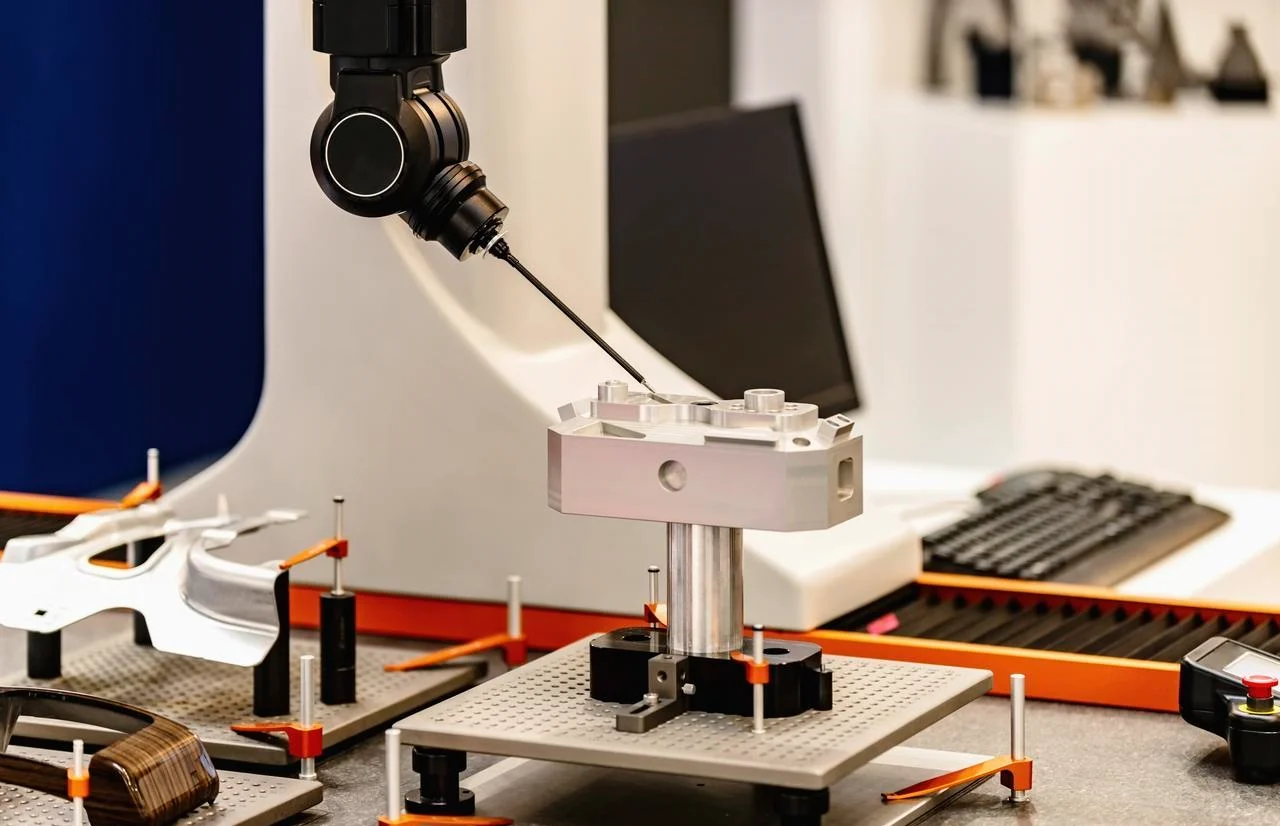
The visible scratches are not the whole story. Brittle materials such as ceramics, hardened steel, and certain composite materials can develop microcracks beneath the surface. These cracks are invisible to the naked eye. Once the part is put into service and subjected to stress, the cracks will propagate, eventually leading to part failure. It is difficult for operators to knew CNC cutting tools damage has started the failure chain.
When Can a Part Survive CNC Tool Failure?
Roughing passes have wiggle room. There is stock left. A chipped tool might still leave enough material for the finishing tool to clean up. The operator catches it fast. The machine stops. The part gets saved.
Finishing passes have no wiggle room. The cut is the final dimension. A broken tool ruins that surface. No stock remains to fix it.
Operator response time matters. Stop the machine within seconds, and the damage might be shallow. Let it run for another pass, and the part is gone.
That is why preventing CNC tool damage during finishing passes is critical. The loss caused by a broken end mill is small, whereas the loss resulting from a scrapped titanium medical component is huge. Understand the difference. Plan accordingly.
CNC Machine Operator’s Checklist to Minimize Tool Damage
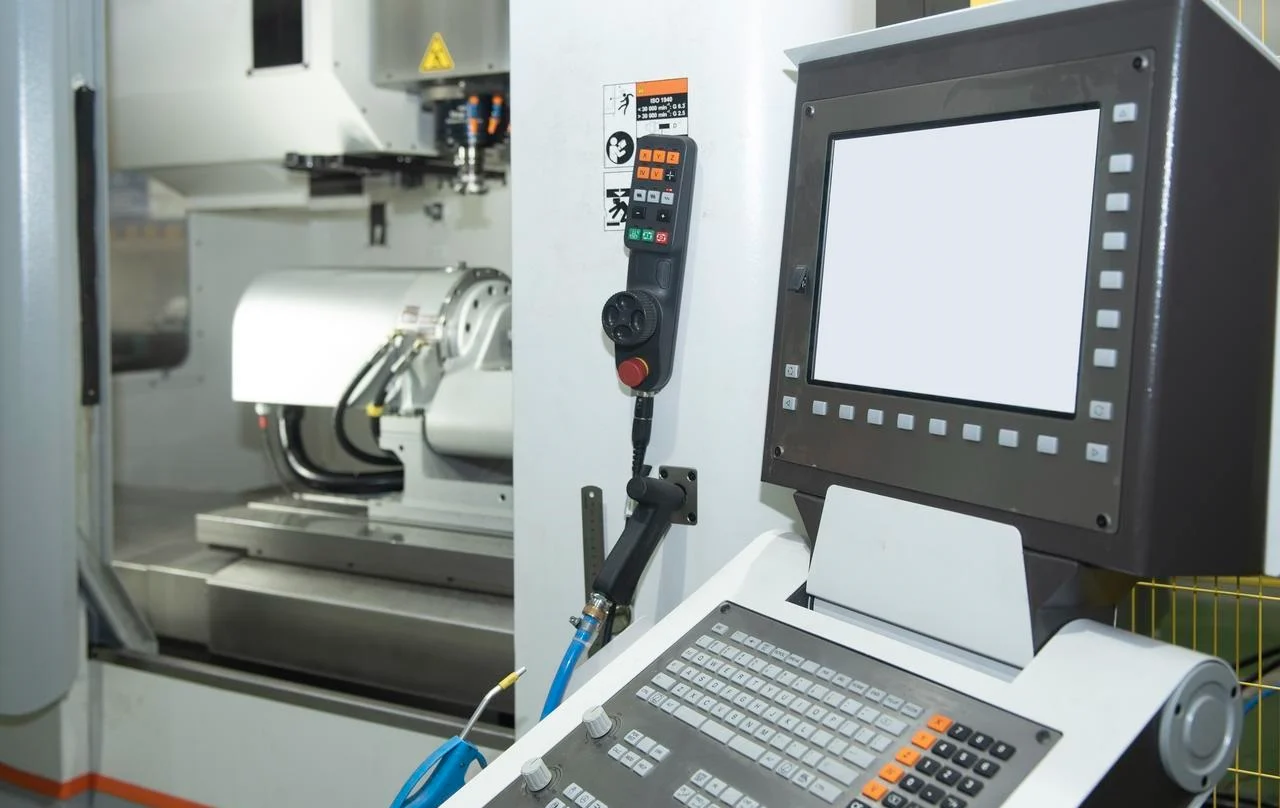
Here’s a list of things that CNC lathe operators should check, put together by NOBLE engineers. If you stick to these guidelines, you can really reduce the risk of damage to CNC cutting tools and workpieces.
Master the Setup
The machine is only as rigid as the weakest clamp. Check workholding. No movement. No vibration. Check runout at the tool holder. A few microns of wobble kill edges fast. Keep the tool stick-out short. Every extra millimeter adds leverage. Leverage breaks tools. Good setups prevent CNC tool damage before the spindle turns.
Listen to the Cut
The machine talks. Listen.
A squeal means rubbing, not cutting. Change speed or feed. Chatter is a low-frequency vibration. The tool bounces. The edge chips. Popping sounds mean the tool is engaging too hard. Back off. Ignoring these sounds guarantees damage to CNC cutting tools.
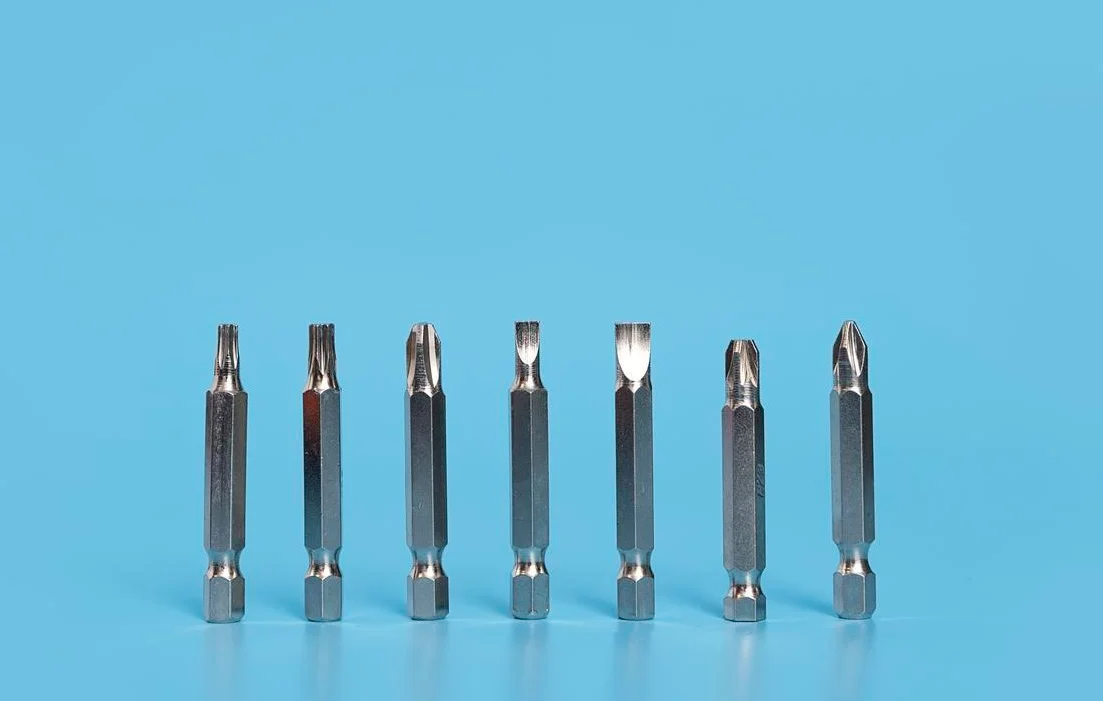
Watch the Chips
Chip color tells temperature. Silver chips are cool. Straw color is warm. Blue or purple chips are too hot. The tool is cooking.
Chip shape tells load. Long, stringy chips wrap around the tool. They recut. They break edges. Small broken chips are the goal. C-shaped chips are ideal. Powder chips mean the tool is dull.
Chip size tells feed. Thin chips mean not enough load. The tool rubs. Thick chips mean too much load. The tool will break.
Proactive Chip Management
Chips must be removed from the cutting zone. Coolant washes them away, and airflow blows them out. Chip recirculation is the primary cause of damage to CNC cutting tools. When a tool cuts the same chip twice, each cut accelerates edge wear.
The pecking cycle is highly effective when machining deep holes or deep slots. As the tool retracts, chips are cleared away, and coolant can reach the bottom. This prevents secondary cutting and heat buildup, thereby avoiding tool breakage.
Follow the checklist. Every time you set up the machine, for every job. This reduces CNC tool breakage rates, extends tool life, and ensures part quality.
Know When to Intervene
The machine does not know the tool is dying. The operator does.
Listen for tone shifts. A healthy cut has a steady pitch. Does the pitch rise? The tool is dull. It drops? The tool is chipped. Look at the surface finish. It was smooth. Now it is rough. Something changed. Track tool life. Count parts per edge. When the average is fifty parts, and this tool hits forty-eight, change it early. Waiting for failure guarantees CNC tool damage and a scrapped part.
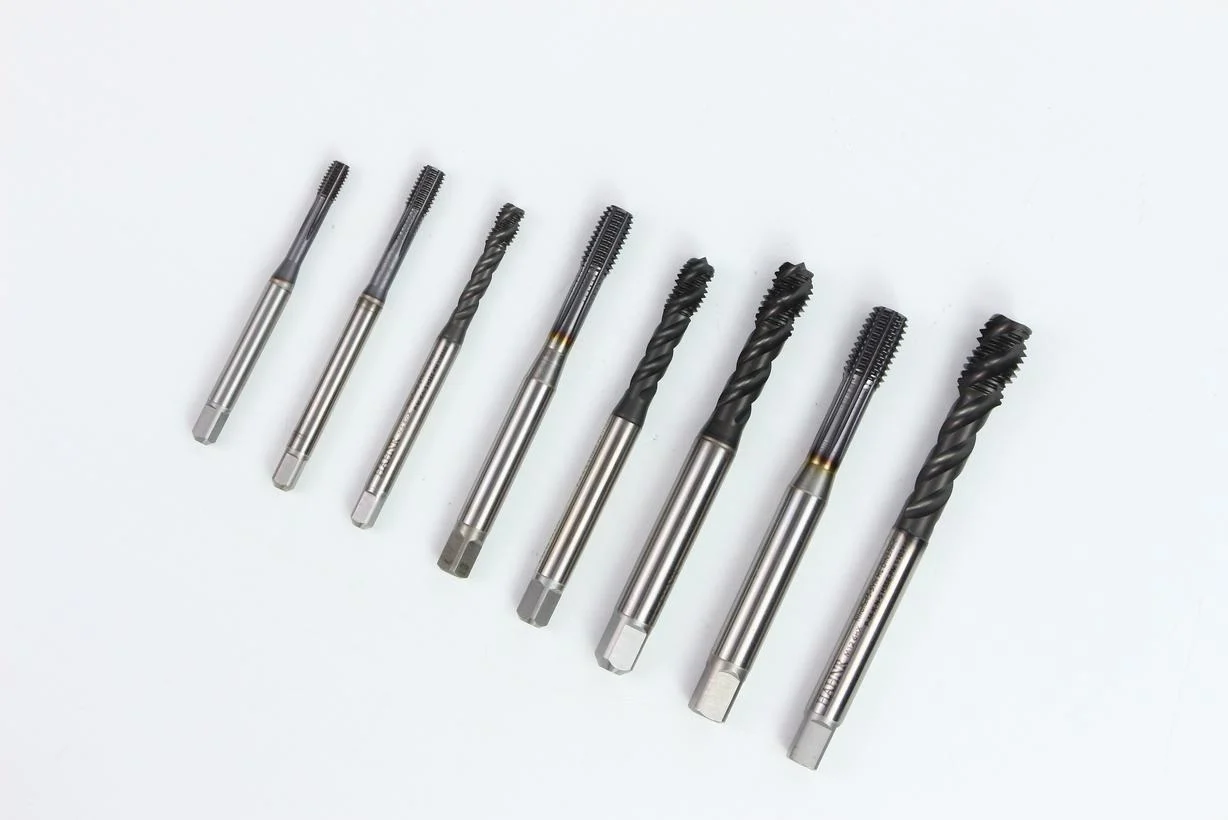
Coolant and Lubrication Discipline
The direction of the coolant flow is critical. It should be directed toward the cutting surface, not the tool shank. The cutting edge needs cooling, but the shank does not.
Coolant flow rate is critical. If the flow rate is too low, chips will remain in the cutting zone, where they will be re-cut repeatedly, causing tool wear. Although a high flow rate can flush away chips, it increases the risk of thermal shock. Contact between a hot tool and cold coolant can cause cracking, which is a hidden cause of damage to CNC cutting tools. Please use coolant correctly. For materials that are not resistant to thermal cycling (such as carbide on hard steel), it is recommended to switch to air-blow cooling.
Critical Don’ts for Operators
Never ignore a problematic workpiece. A workpiece with a rough surface is a warning sign. The next workpiece will be even worse. The tool will break.
Never arbitrarily adjust the feed rate and cutting speed. If you increase the feed rate to 150% just because the deadline is tight, the tool will pay the price. It will break, and the spindle will stop. The deadline will become even tighter.
Never leave a broken tool in the tool holder. Remove it immediately, inspect the holder, and clean it. This prevents broken tool fragments from damaging the mounting surface of the next tool. This would cause radial runout. Radial runout leads to further damage to CNC tools. A vicious cycle begins here.
The Soft Touch Rule
Cutting tools are not pry bars; never force them into the tool holder by striking them or drop them onto the workbench.
When using any cutting tool, treat it as if the cutting edge is extremely sharp—because it is. Nicks in the cutting edge caused by improper handling will render the tool ineffective immediately during cutting. This is entirely preventable.
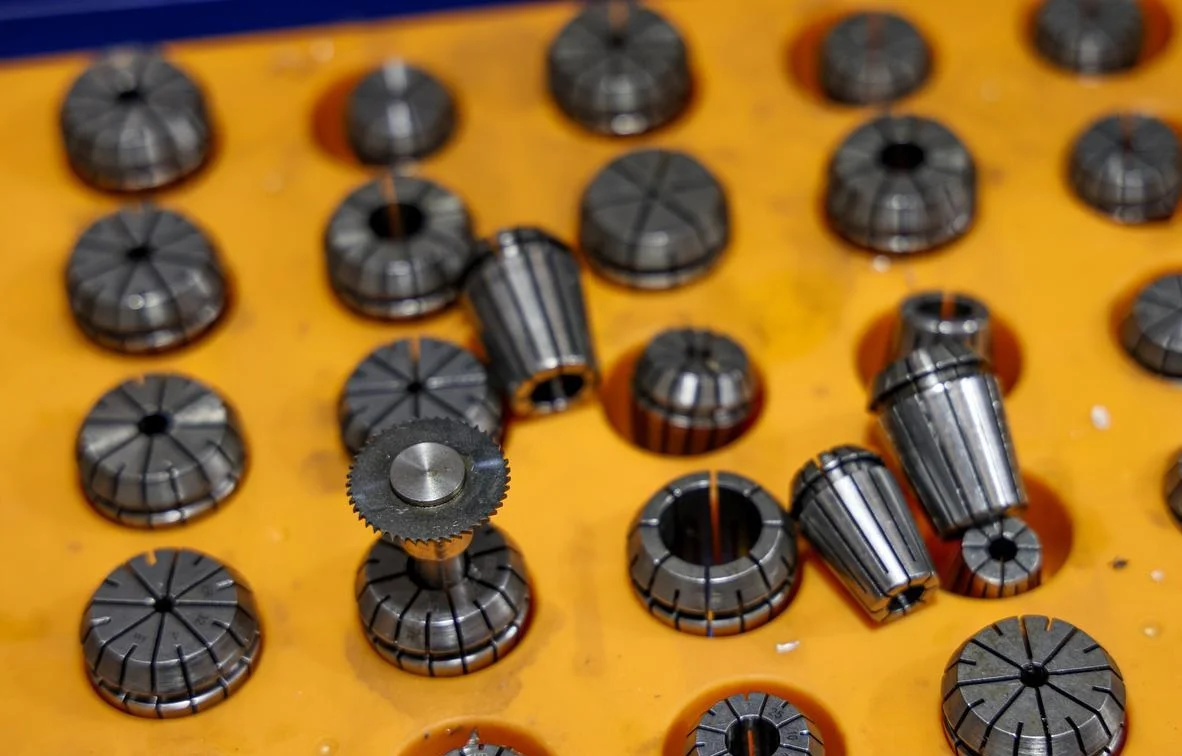
Use a torque wrench to tighten the collet nut, and tighten it to the specified torque. Overtightening can deform the collet, causing the tool to become misaligned; undertightening can cause the tool to fall out. Both situations can lead to blade breakage.
Handle tools gently. Keep your hands, the tool shank, and the tool clean. This is professionalism. That is how CNC tool damage gets stopped before the machine starts.

NOBLE: Your Partner in Precision Manufacturing
We are a specialized manufacturer in CNC machining and sheet metal fabrication. We see the real cost of worn edges, broken end mills, and scrapped parts. This guide comes from that experience.
Our Manufacturing Capabilities
We offer a complete end-to-end manufacturing solution, bridging the gap between design and delivery:
- CNC Machining: 3-axis, 4-axis, and 5-axis milling. CNC turning. Mill-turn compound machining.
- Sheet Metal Fabrication: Laser cutting, punching, bending, welding, finishing.
- Full Service Scope: Design assistance. Prototyping. Production runs. Surface treatment. Final assembly.
Certified Quality You Can Trust
Our commitment to precision and reliability is backed by internationally recognized certifications:
- ISO 9001:2015 – Consistent processes. Documented controls. Repeatable quality.
- ISO 13485:2016 – Medical device standard. Stringent process control. Critical for components where CNC cutting tools damage cannot be tolerated.
Why Work With NOBLE?
One-Stop Solution: From sketch to finished product. A single supplier. No need for constant follow-ups.
Engineering Support: DFM reviews. We identify wear risks before the tool even touches the machine. We reduce tool breakage on CNC machines by optimizing designs—not just running programs.
Transparent Communication: Clear lead times. Honest feedback. Continuous improvement. No surprises.
FAQ
How can I tell if a tool is about to break before it actually fails?
Listen for a tone drop or a new squeal. Watch for chip color shifts or surface finish degradation. Our operators use real-time load monitoring and scheduled tool checks to prevent CNC tool damage before it causes unplanned downtime.
Can a chipped or slightly worn tool be resharpened and reused?
Yes, for HSS and some carbide tools, but resharpening changes the geometry and removes coatings. For precision work, replacement is safer, so we track tool life rigorously to avoid relying on resharpened tools for critical features.
How does sheet metal fabrication differ from CNC machining in terms of tool wear?
Sheet metal uses punches, dies, and lasers—no rotating cutting tools. However, punch wear causes burrs, and laser nozzle damage affects cut quality.
Can NOBLE handle both prototyping and high-volume production?
Yes, from 1–10 pieces for rapid prototyping to 10,000+ production runs, with consistent quality across both. We use the same processes and inspection standards regardless of quantity.
What design formats do you accept for quoting?
STEP, IGES, SolidWorks, AutoCAD DWG/DXF, and PDF. For sheet metal, a flat pattern DXF is preferred. Our engineers can also advise on DFM changes to reduce CNC cutting tools damage and lower cost.
How do you ensure part quality if a tool shows signs of wear mid-batch?
In-process inspections, tool wear monitoring systems, and immediate re-qualification of the first piece after a tool change. ISO 13485 demands this discipline—we do not ship guesswork.
Do you offer assembly services beyond just machining parts?
Yes, including hardware insertion, welding, mechanical assembly, and packaging. We deliver ready-to-use products, not just loose components.