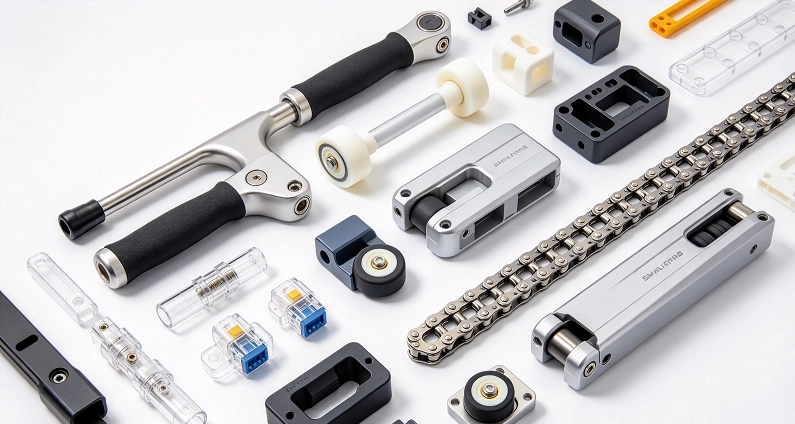
Is your electronic device slowing down because it gets too hot? That happens when heat control fails. A thermal block—used as a heat sink or spreader—keeps temperatures steady. How well it works depends on two things: the material and how it’s made, which is the core of thermal block manufacturing.
Heat control systems often use graphite blocks because they are light and carry heat very well. Copper and aluminum are also used, but graphite blocks win when weight is important. In phones and laptops, graphite blocks move heat fast through thin designs. Big machines in factories use graphite blocks because they last under heavy use. Buildings also use graphite blocks to store heat. The quality of thermal block manufacturing directly affects performance in these applications.
Heat control choices affect every design step. Knowing how thermal blocks are made helps you choose the right one. This guide explains materials and methods simply, so you can pick the best option for your needs, with a focus on the key aspects of thermal block manufacturing.
What Are Thermal Blocks? Defining the Core Component
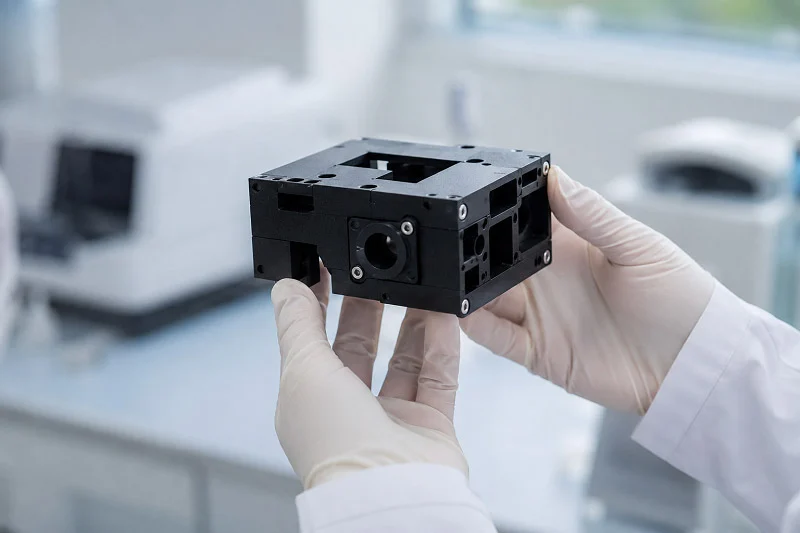
A thermal block is a solid piece of material made to control heat. It takes in heat from a source, carries it away, and lets it go into the air around it. You can find these parts in many things, from phones to big factory power systems. Their job is easy to understand: keep temperatures safe so devices work well.
Primary Functions and Heat Transfer Mechanisms
Heat moves through a thermal block by conduction. Conduction happens when moving atoms pass energy to nearby atoms. Materials with tightly packed atoms move heat better. This is why metals are so good at this job. Copper and aluminum have free electrons that carry heat fast across the material.
The thermal block does three main things. First, it takes in heat from the hot part touching its surface. Second, it spreads that heat through its whole body. Third, it lets the heat go into the air, a heat sink, or a cooling liquid. How well this works depends on the material’s ability to conduct heat and the block’s surface size. A bigger surface lets more heat escape. That is why many thermal blocks have fins or other shapes.
Heat spreaders and heat sinks do similar but different jobs. A heat spreader moves heat evenly over a wide area. This stops hot spots from forming. A heat sink pulls heat away and releases it into the air. A thermal block can act as either one, based on its design. Some blocks do both jobs. They spread heat sideways while also letting it out from their surfaces. The speed of heat transfer decides how fast a device cools down. Faster transfer means better performance and longer life for parts.
Diverse Applications Across Industries
Thermal blocks show up in many products in many fields. Consumer electronics are one of the biggest markets. Smartphones use thin graphite blocks to spread heat from processors. Laptops use copper or aluminum blocks attached to CPUs. These blocks pull heat away from important chips and push it toward cooling fans. Without them, modern devices would slow down or stop working.
Factory machines also need thermal blocks a lot. Power converters, motor drives, and welding tools make a lot of heat when they run. Thermal blocks protect sensitive electronic parts from this heat. They keep performance steady even under heavy use. The car industry uses thermal blocks in electric vehicle battery systems. These blocks manage heat while charging and discharging. This stops battery damage and makes the vehicle go farther.
Buildings use thermal blocks in a different way. Here, the goal is to store heat, not move it fast. Concrete and ceramic blocks soak up heat during the day. They let it out slowly at night. This natural cycle keeps indoor temperatures steady. It cuts down on the need for heating and cooling systems. Using thermal mass in building insulation helps lower energy use a lot. The materials are different from those in electronics. But the main idea is the same: manage heat to get better performance and comfort.
Key Materials Used in Thermal Block Manufacturing
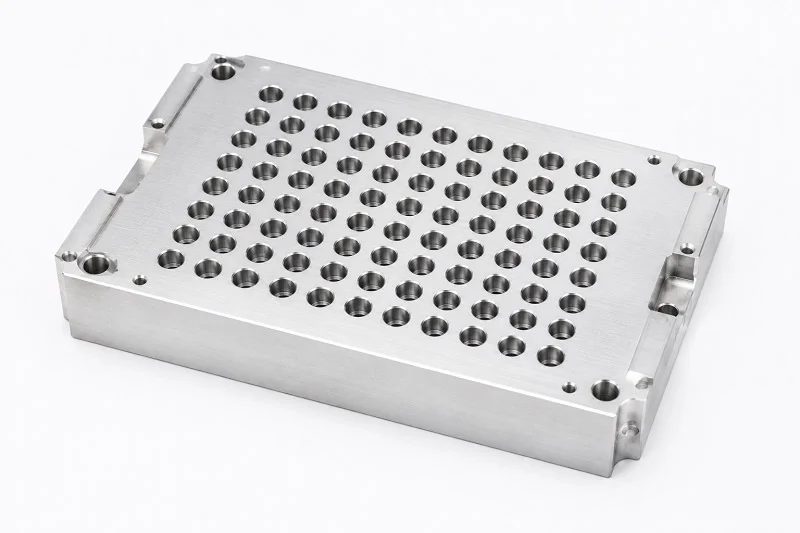
Choosing the right material shapes every part of thermal block manufacturing. Each option brings different strengths to the table. Some move heat quickly. Others resist heat damage or store warmth for hours. Your choice depends on what your application needs most.
Metals: Copper and Aluminum for High Conductivity
Metals dominate thermal management because they conduct heat so well. Copper and aluminum lead the pack. Pure copper reaches about 398 W/m·K in thermal conductivity. Aluminum follows at roughly 237 W/m·K. These numbers tell you how fast heat travels through each metal.
Copper wins on raw performance. It moves heat about 67 percent faster than aluminum. That makes copper ideal for compact designs where every degree matters. High-end CPUs and power electronics often use copper thermal blocks. The trade-off shows up in cost and weight. Copper typically costs three to four times more than aluminum per kilogram. A copper block also weighs much more than an aluminum one of the same size.
Aluminum offers a smarter balance for many applications. It costs less, weighs less, and still conducts heat well enough for most jobs. Laptop heat sinks and LED light housings commonly use aluminum. The metal also resists corrosion better than copper in many environments. That extends product life without extra coatings.
Manufacturing methods differ between these metals too. Aluminum extrudes easily into long profiles with fins. Copper requires more force and wears tools faster. These differences affect production speed and tooling costs. For large runs, aluminum often wins on total manufacturing expense. For small, high-performance parts, copper justifies its higher price.
Graphite Block Manufacturing and Properties
Graphite blocks offer something metals cannot: lightweight with excellent heat spreading. The graphite block manufacturing process starts with carbon-rich precursors. These materials undergo graphitization, a high-temperature treatment that rearranges carbon atoms into ordered layers. Temperatures exceed 2,000°C, and the process can take up to two months depending on desired properties.
The result is remarkable. Synthetic graphite blocks achieve thermal conductivity between 100 and 600 W/(m·K), depending on purity and direction. High-purity graphite shows even better performance. In-plane conductivity for high-purity natural graphite reaches 300–400 W/(m·K). Through-plane values range from 150–250 W/(m·K). This directional difference matters in design. You orient the block so its best-conducting direction aligns with your heat path.
Graphite block production also creates materials that handle extreme temperatures. At 1,000°C, conductivity stays around 100–200 W/(m·K). Even at 2,000°C, it remains at 150–250 W/(m·K). Metals lose strength and conductivity at these temperatures. Graphite keeps working. That makes synthetic graphite blocks essential for furnaces and aerospace applications.
The weight advantage is substantial. Graphite is significantly lighter than copper. Smartphones and tablets use thin graphite sheets to spread heat from processors without adding bulk. Electric vehicle batteries also benefit from graphite’s light weight and high in-plane conductivity.
Beyond metals and graphite, other materials serve specific needs. Ceramics provide electrical insulation while still conducting some heat. They protect sensitive circuits from shorts. Concrete and ceramic blocks store thermal mass in buildings. They absorb heat during the day and release it at night, providing natural insulation. These applications show how material properties guide material selection across industries.
Every material brings unique strengths to thermal management. Understanding these differences helps you match the right option to your performance goals and budget constraints.
Core Techniques in Thermal Block Manufacturing
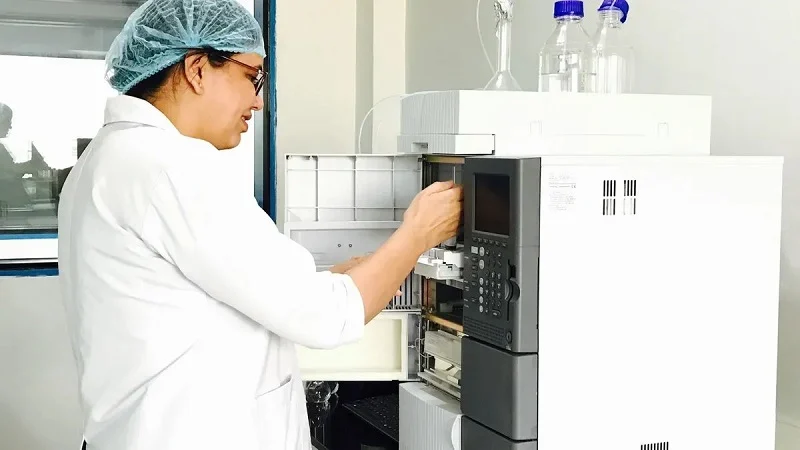
The way you shape a thermal block is just as important as the material you choose. There are two main ways to do it: subtractive methods and additive methods. Subtractive methods remove material to get the final shape. Additive methods build the shape layer by layer. Each method works best for certain materials, amounts, and budgets. Picking the right method saves time and money. Knowing these methods helps you choose the right process.
Subtractive Methods: Machining and Casting
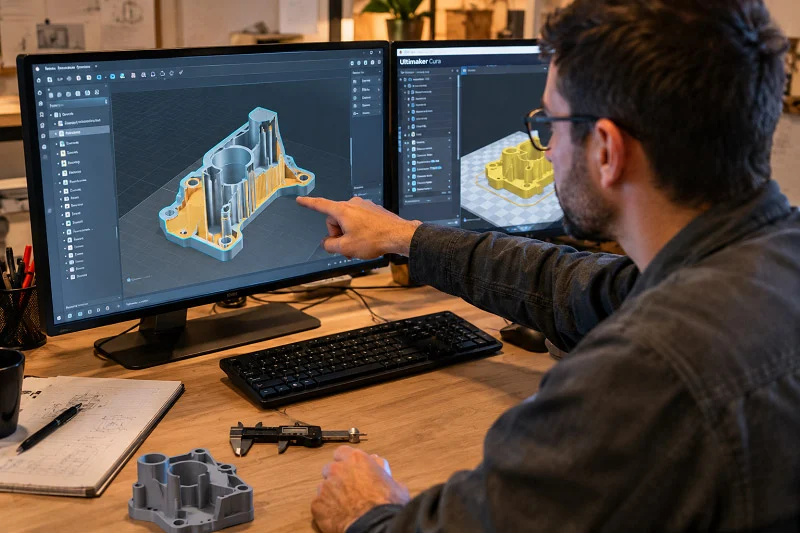
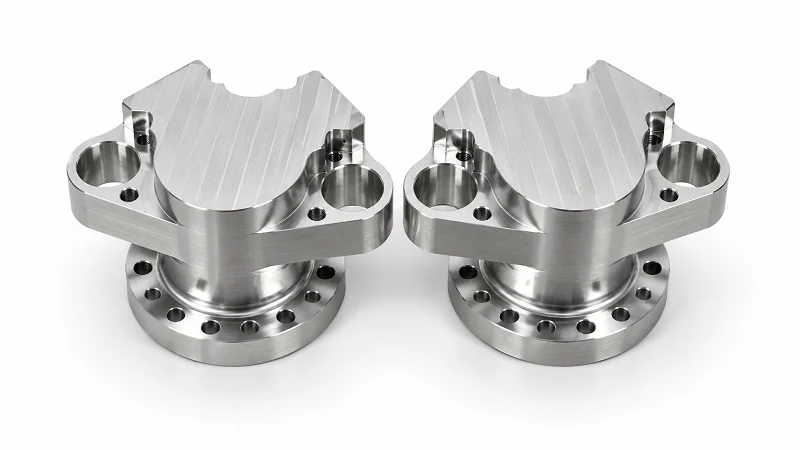
Machining is the top way to make metal thermal blocks. CNC mills and lathes cut copper and aluminum into exact shapes. The process removes material from a solid block. This works well for low to medium numbers of parts. It also handles complex features like fins or mounting holes.
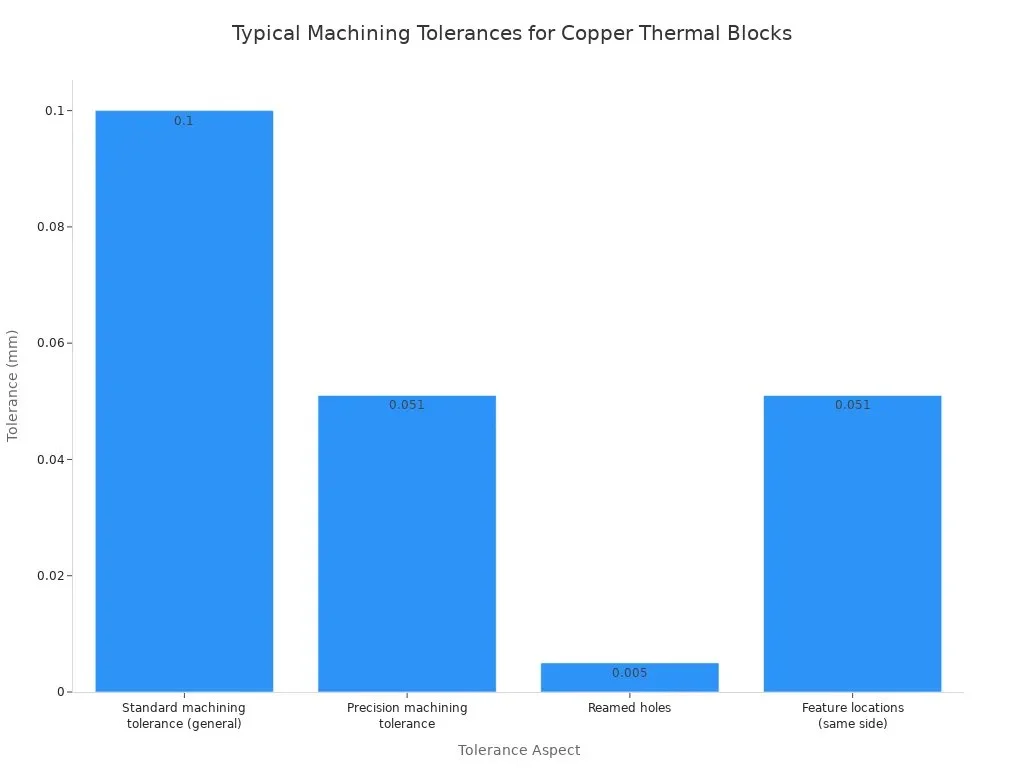
Tolerances matter a lot in managing heat. A tight fit between the thermal block and the heat source helps heat move better. Standard machining holds dimensions to ±0.1 mm for normal features. Precision work reaches ±0.051 mm on important surfaces. Reamed holes can get as tight as ±0.005 mm. These numbers come from the ISO 2768-f tolerance class for metal parts. The chart below shows typical tolerances for copper thermal blocks.
Casting offers a different way. Hot metal is poured into a mold shaped like the final part. The metal cools and hardens. Die casting works well for aluminum and zinc alloys. Sand casting handles larger parts in copper and iron. Casting is cheap for high volumes because the mold cost is spread across many parts.
Extrusion is another common method for metals. Heated aluminum is pushed through a die to make long profiles with fins. These profiles are cut to length. Extrusion is fast and cheap for heat sink shapes. Many consumer electronics use extruded aluminum thermal blocks.
For graphite blocks, machining is a common choice. Graphite is soft and easy to cut. But it makes fine dust. Special ventilation systems keep the workspace safe. CNC machining of graphite blocks gives good tolerances. The process works for both natural and man-made graphite blocks. Man-made graphite blocks give steady performance across batches. The graphite block making process often includes a final machining step to get exact sizes. Many graphite blocks need this step for quality. The heat properties of graphite blocks make them popular. Graphite blocks spread heat well in thin designs. Graphite blocks are lighter than metal options. This makes graphite blocks great for portable devices. Graphite blocks handle very high temperatures well. Making these parts needs careful handling.
Additive Methods: 3D Printing and Injection Molding
Additive methods build parts from scratch. 3D printing creates complex inside shapes that machining cannot reach. Binder jetting drops a liquid binder onto layers of powder. Directed energy deposition melts material as it is placed. Powder bed fusion uses a laser or electron beam to melt powder layers. These methods work for metals, plastics, and some ceramics. Additive manufacturing lets you create complex shapes.
The main plus is design freedom. You can make inside channels for liquid cooling. You can also make lattice structures that save weight. The trade-off is cost. 3D printing is slower than traditional methods for high volumes. It makes sense for prototypes, custom parts, and low-volume production.
Molding is another additive approach. The material is heated and pressed into a mold cavity. Injection molding works for plastics and some ceramics. Compression molding handles larger parts in graphite and ceramic materials. Molding is fast and steady for high volumes. The mold cost is high, but the cost per part drops with more parts.
Ceramic blocks made by extrusion can significantly increase their heat storage. This makes them useful for storing heat in buildings. The extrusion lines up the material structure. These ceramic blocks are different from graphite blocks. But they share the same goal of managing heat.
The choice between subtractive and additive methods depends on your needs. Low volumes and complex shapes favor additive methods. High volumes and simple shapes favor subtractive methods. The best process matches your design and budget. Every process has trade-offs. Understanding how thermal blocks are made helps you decide. The right process depends on your heat needs. Good manufacturing ensures reliable performance. Success in making thermal blocks depends on picking the right approach. Knowing these core techniques helps you make the right call.
Design for Manufacturability (DFM) in Thermal Block Manufacturing

Design for Manufacturability, or DFM, means planning how to build a part while you are still designing it. This method saves money and time. When engineers talk with manufacturing partners early, they often cut production costs by 15-30%. That saving comes from simpler shapes, smarter material choices, and better process planning. You avoid costly redesigns later. You also skip expensive fixes. Good DFM turns a good idea into a part you can actually build.
Balancing Performance with Cost and Weight Constraints
Every thermal block design walks a tightrope. You want maximum heat transfer. You also want low cost and light weight. These goals often clash. Pure copper moves heat best, but it costs more and weighs more. Aluminum costs less and weighs less, but it does not conduct heat as well. Graphite blocks offer a middle path. They spread heat well across their surface. They weigh far less than copper. That makes graphite blocks attractive for portable devices.
Your choice depends on what matters most. A server CPU might justify copper’s cost. A smartphone needs the light weight of graphite blocks. Think about the whole system, not just one number. A cheaper material might need a bigger block to do the same job. That adds weight and takes up space. Sometimes the expensive material wins overall. Sometimes the cheap one does. Early talks with your manufacturer help you see the full picture. They know what materials cost and how they act in production.
Optimizing Geometry: Fins, Channels, and Surface Area
Shape matters as much as material. Heat leaves a block through its surface. More surface area means better cooling. That is why fins exist. Thin vertical plates stick up from the block’s base. They multiply the surface area without adding much bulk. Air flows between them and carries heat away.
But fins make manufacturing harder. Deep, narrow gaps between fins are tough to machine. Cutting tools struggle to reach them. Each fin adds machining time. That drives up cost. Extrusion solves this for aluminum. The die creates the fin profile in one pass. Graphite blocks, however, usually need machining. Their softness makes cutting easy, but the dust requires special ventilation.
Internal channels offer another path. Liquid cooling systems run fluid through passages inside the block. These channels pull heat out faster than air ever could. But you cannot drill a curved channel with standard tools. This is where 3D printing shines. Additive methods build channels layer by layer. You get shapes that machining cannot produce. The trade-off is speed. Printing takes longer than cutting for simple shapes.
The best geometry balances cooling needs against production reality. Simple fin patterns work well for high volumes. Complex internal channels justify their cost only when performance demands them. Your manufacturing partner helps you find that balance. They show you where small design tweaks cut production time without hurting performance. That teamwork turns a good thermal design into a manufacturable product.
Ensuring Reliability: Quality Control in Thermal Block Manufacturing
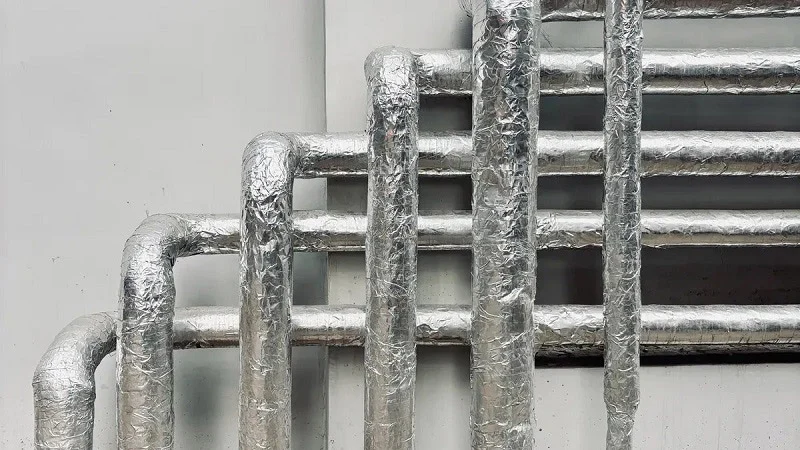
Quality control is what makes a thermal block safe to use. A block may look fine on the outside but fail quietly when it gets hot. That is why good makers test every batch. They check materials before making parts. They test performance after making parts. This two-step plan catches issues early and stops failures later.
Material Verification and Inspection Protocols
You cannot trust a thermal block if you do not trust its material. Makers start by checking what the material is made of. Spectroscopy methods find the elements inside a sample. Optical emission spectroscopy works well for metals. It heats a tiny piece and reads the light it gives off. Each element makes its own color pattern. This proves the alloy matches the spec. For graphite blocks, X-ray diffraction shows the crystal structure. It reveals whether the carbon atoms lined up correctly during graphitization. The graphite block manufacturing process needs this check because small changes alter heat flow.
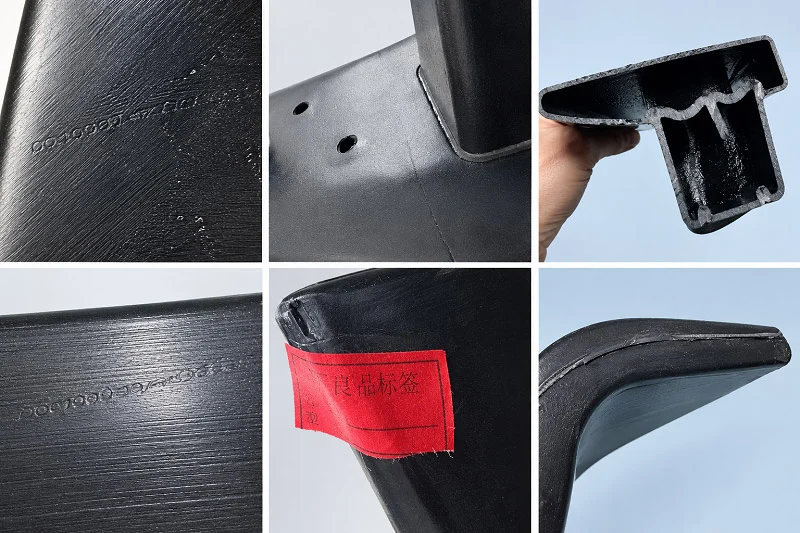
Dimensional inspection comes next. Calipers and coordinate measuring machines check key features. They verify fin spacing, mounting hole positions, and surface flatness. A flat contact surface matters a lot. Tiny gaps trap air, which stops heat transfer. Even a small gap can lower performance noticeably. Makers also check surface roughness. Smoother surfaces touch the heat source better. Visual inspection catches cracks, holes, and color changes that tools miss. These checks make sure every graphite block meets its drawing before moving on.
Performance Testing: Thermal Resistance and Heat Flux
Material checks alone cannot prove performance. Testing shows how the block really acts under heat. Thermal resistance testing is the industry standard. It tells you how much temperature rises for each watt of power. Lower resistance means better heat flow. Heat flux testing measures how fast heat moves through the block per unit area. Together, these numbers confirm the block does its job.
The test method for measuring thermal resistance of heat sinks and CPU coolers is based on a modified ASTM D 5470 standard, which simulates working conditions using a controllable dummy heating module and an adjustable press load device to determine heat flux and thermal resistance.
This standard copies real working conditions. A dummy heating element stands in for the actual chip. An adjustable press applies the same pressure the block would feel in use. This setup shows how graphite blocks perform under real loads. Makers test sample units from each batch. They compare results against design goals. Steady thermal performance across batches builds trust. When graphite block performance changes, engineers cannot predict cooling behavior. That uncertainty leads to overheating or oversized designs. Careful testing removes guesswork. It gives you confidence that your thermal management solution will work as designed, every time.
How to Choose the Right Material and Process for Thermal Block Manufacturing
A Step-by-Step Selection Framework for Engineers
Start with three questions. What is the heat load? What is the environment? What is the budget? These factors guide every choice in thermal block manufacturing.
The component type comes first. Processors and voltage regulators have different thermal challenges. The right thermal block depends on the specific application. Different applications need different materials. Synthetic graphite blocks work well for many applications. Graphite blocks suit thin, light applications too. Both offer excellent thermal conductivity for their applications.
Next comes your production workflow. Automated dispensing or manual assembly? These constraints determine the material format. Thermal performance matters, but you cannot use a material that does not fit your process. Synthetic graphite blocks handle high-temperature applications well. Graphite blocks work for portable devices. Their applications range from phones to factory machines. Different applications need different materials.
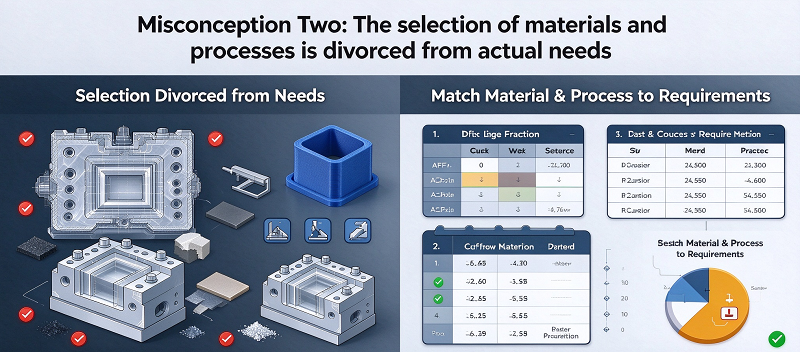
A decision matrix helps here. You cross-reference the application type against your production needs. The matrix points to specific materials for your scenario. Synthetic graphite blocks offer steady performance for high-temperature jobs. Graphite blocks fit portable devices where weight matters. The manufacturing process affects every part of the thermal design. Good thermal block design starts with good material selection.
The choice of materials also depends on the environment. Different materials suit different environments. Thermal conductivity tells you how fast heat moves. But do not pick a material just for that number. The application environment matters too. Is there vibration? Moisture? Nearby electrical parts needing insulation? Some applications need electrical insulation from the thermal block. Synthetic graphite blocks provide good heat management with electrical insulation. Graphite blocks offer similar benefits in certain applications. The insulation properties of these materials matter for many applications. Synthetic graphite blocks are used in many applications. Graphite blocks are common in portable devices. Both materials are popular for thermal block applications. Graphite blocks are popular in many devices. The right application determines the best material.
Common Pitfalls to Avoid in Material and Process Selection
Engineers often make the same mistakes. The most common one is choosing a material based solely on thermal conductivity. High numbers look good on paper. But a material that is hard to machine or expensive to source can kill a project. Always consider manufacturability and cost alongside heat management. Synthetic graphite blocks and graphite blocks offer a good balance in many applications. Their materials work well for both performance and cost. Synthetic graphite blocks and graphite blocks work in many thermal settings. Synthetic graphite blocks are reliable for many applications.
Poor thermal via design is another frequent error. One or two tiny vias trap heat under components. Heat needs multiple paths to escape. Undersized copper traces create localized hot spots. Concentrating heat sources together makes temperatures rise quickly. Good thermal design avoids these errors.
Mounting problems also cause failure. Uneven mounting pressure leads to poor contact. A cold plate not centered on the heat source wastes cooling potential. Overtightening warps components. Undertightening reduces contact.
The best approach is simple. Test prototypes under worst-case loads in the actual enclosure. Thermal failures show up only after hours or days of use. Catching them early saves time and money. Good thermal block manufacturing depends on avoiding these pitfalls. The right materials and processes make all the difference. Synthetic graphite blocks and graphite blocks are excellent choices for many thermal applications. Their insulation properties help in sensitive electronics. The right materials for your application depend on your specific needs. Graphite blocks and synthetic graphite blocks serve many applications well. The target application guides your final choice.
Partnering with NOBLE for Advanced Thermal Block Manufacturing

The right manufacturing partner makes a big difference. You need someone who understands both materials and processes. NOBLE brings deep experience with copper, aluminum, and graphite blocks. We handle every step from first concept to final assembly. This saves you time and reduces risk.
Our Capabilities: From Design to Assembly
NOBLE does more than just make parts. Our team helps with design support early in your project. We look at your heat needs and suggest the best material and process. For portable devices, we often recommend graphite blocks. Our engineers know how graphite blocks behave during machining and assembly. We have the right tools and ventilation for graphite blocks. Our team works with graphite blocks every day. Graphite blocks are a key part of our offerings for many applications. Many applications benefit from using graphite blocks instead of metals. We make sure your graphite blocks fit perfectly into your system. Our graphite blocks meet strict quality standards for every order.
We also handle prototyping and production in one place. This means no back-and-forth between different shops. You get faster turnaround and better communication. Our assembly services include attaching interface materials and mounting hardware. This full-service approach cuts your supply chain complexity. You deal with one partner from start to finish. Our experience covers many applications across different industries. Consumer electronics, automotive systems, and industrial equipment all benefit from our work. We tailor every solution to the specific needs of your applications.
Certifications and Quality Assurance: ISO 9001:2015 and ISO 13485:2016
Quality matters a lot in heat management. A failed cooling block can damage expensive equipment. That is why NOBLE holds key certifications. One certification covers our overall quality management system, meaning we follow strict processes for every order. We document every step and track every batch of materials.
Another certification goes further, applying to medical device manufacturing. It demands even tighter controls on traceability and documentation. For critical applications like medical devices, this certification gives you confidence. Every graphite block we ship meets the same high standards. We test materials upon arrival. We inspect parts during production. We verify performance before shipping. This three-step process ensures reliable results for your applications. Our quality system catches problems early. It stops defective parts from reaching your line. Many applications require this level of assurance. Our certifications prove we can deliver it consistently. For demanding applications, our quality system matters most. Your applications deserve the best quality we can provide.
Every choice in making thermal blocks involves trade-offs. Copper moves heat fast but costs more. Aluminum balances price and performance. Graphite blocks are light and spread heat well. The right material depends on what you need.
Your manufacturing process matters just as much. Machining gives precision. Casting handles high volumes. 3D printing makes complex internal shapes. Each method fits different production sizes and budgets.
No single solution works for every heat problem. Your application’s heat load, environment, and cost limits guide the choice. Graphite blocks work great in portable devices. Metals win where maximum heat flow matters. Ceramics provide insulation when needed.
That’s why heat management know-how pays off. A full-service partner like NOBLE helps you handle these tough choices. We know how graphite blocks act in production. Our team makes sure your heat solution works well. We deliver strong, cost-effective results every time.
FAQ of Thermal Block Manufacturing
What makes graphite blocks different from metal options?
Graphite blocks spread heat across their surface while staying very light. They weigh much less than copper. This makes graphite blocks ideal for thin devices. Graphite blocks also handle extreme temperatures well.
When should I choose graphite blocks over aluminum?
Choose graphite blocks when weight and in-plane heat spreading matter most. Aluminum costs less. But graphite blocks perform better in tight spaces. Graphite blocks excel in portable electronics.
Why do graphite blocks handle high temperatures so well?
Graphite blocks keep their conductivity even at 1,000°C. Metals lose strength at those temperatures. The manufacturing process uses heat over 2,000°C to create this stability. This makes graphite blocks essential for furnaces.
How do manufacturers test graphite blocks for quality?
They use X-ray diffraction to check the carbon structure. They also test thermal resistance using a modified ASTM D 5470 standard. These checks ensure graphite blocks meet performance specs before shipping.