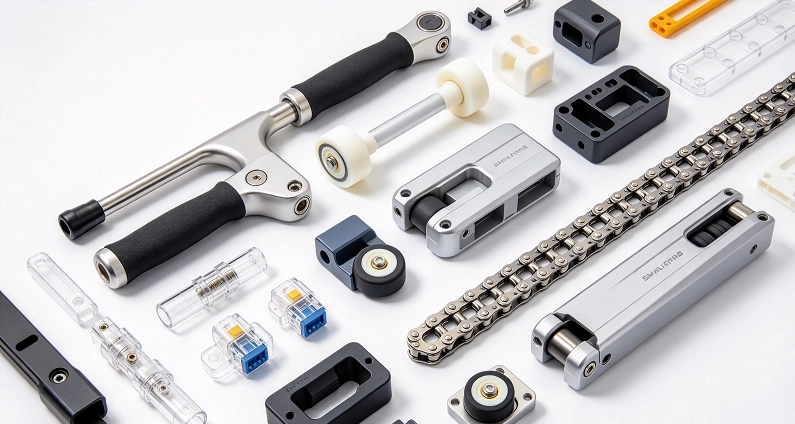
In the world of materials science, magnesium alloys are beacons of innovation, combining strength, lightness, and versatility to revolutionize modern engineering. Capturing the attention of industries from aerospace to automotive, these advanced alloys are setting new standards for performance, efficiency, and sustainability.
What are Magnesium Alloys?
A magnesium alloy is an alloy composed of magnesium and other elements. Its characteristics are: low density, high strength, large elastic modulus, good heat dissipation, good shock absorption, greater impact load-bearing capacity than aluminum alloy, and good resistance to organic and alkali corrosion. The main alloying elements are aluminum, zinc, manganese, cerium, thorium, and a small amount of zirconium or cadmium. The most widely used is magnesium-aluminum alloy, followed by magnesium-manganese alloy and magnesium-zinc-zirconium alloy. It is mainly used in aviation, aerospace, transportation, chemical industry, rockets, and other industrial sectors.
Benefits of Magnesium Alloys
-
Lightweight and High Strength:
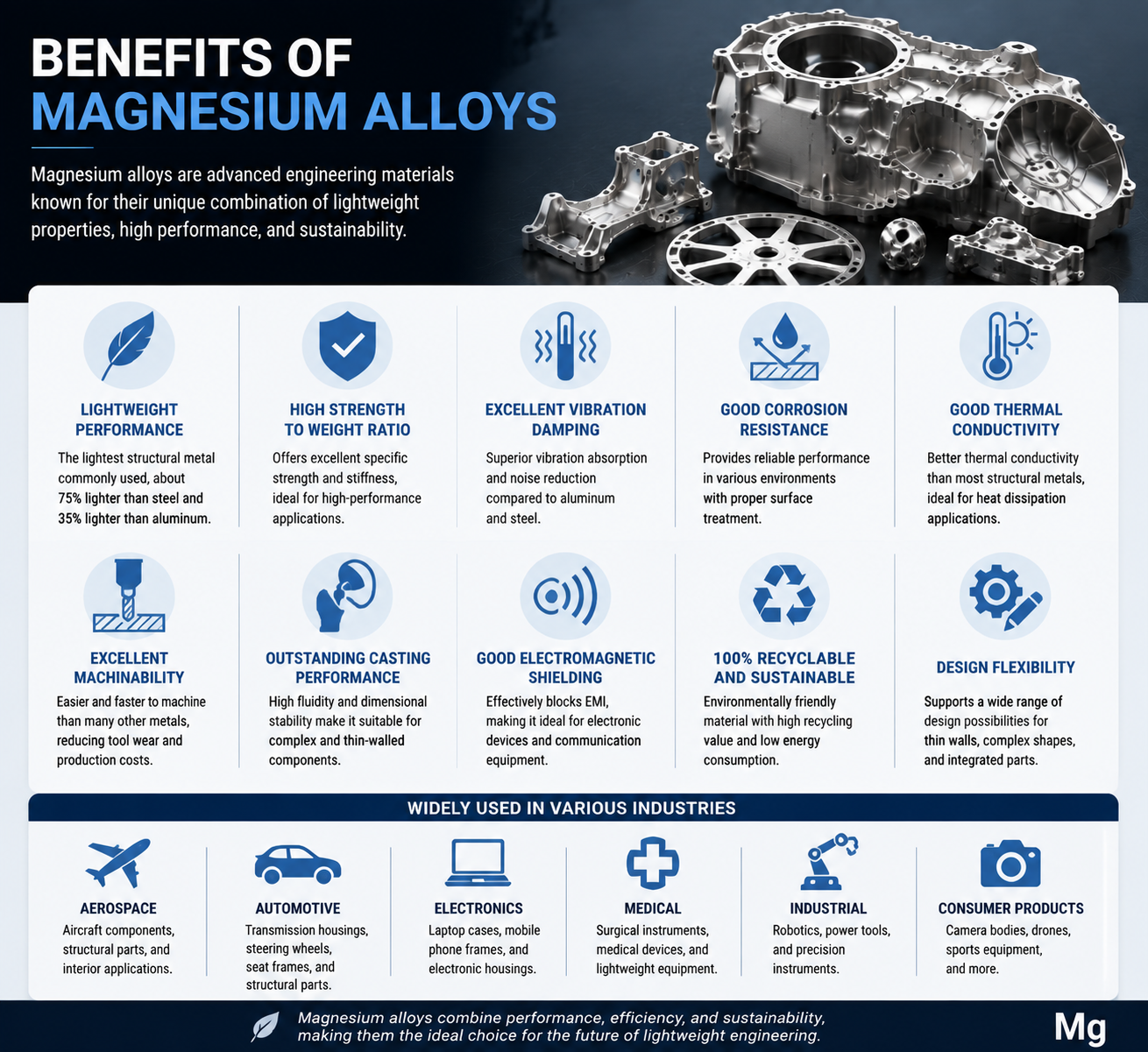
Magnesium alloys are known for their exceptional strength-to-weight ratio, making them one of the lightest structural materials available. Industries such as aerospace and automotive take advantage of the lightweight properties of magnesium alloys to reduce overall weight, improve fuel efficiency, and increase performance without compromising strength and durability.
-
Corrosion Resistance:
Magnesium alloys offer excellent corrosion resistance, especially in harsh environments and high-temperature applications. This corrosion resistance makes magnesium alloys ideal for components exposed to moisture, chemicals, or extreme weather conditions, ensuring long-term durability and reliability.
-
High Damping Capacity:
Magnesium alloys have high damping capacity, which can effectively dampen vibrations and reduce noise levels in various engineering applications. The industry uses magnesium alloys in structural components to improve comfort, reduce noise pollution, and improve the overall performance of mechanical equipment.
-
Formability and Machinability:
Magnesium alloys have excellent formability and machinability, and complex shapes can be easily manufactured using traditional manufacturing processes. Designers and engineers benefit from the versatility of magnesium alloys to produce complex components in a precise, efficient, and economical manner.
-
Environmentally friendly and recyclable:
Magnesium alloys are environmentally friendly and fully recyclable, contributing to sustainable manufacturing practices and circular economy initiatives. By choosing magnesium alloys, industries can reduce their environmental impact, improve resource efficiency, and support the transition to a greener and more sustainable future.
-
Thermal conductivity and electrical properties:
Magnesium alloys have excellent thermal conductivity and electrical properties, making them suitable for applications that require efficient heat dissipation and electrical conductivity. Industries such as electronics and telecommunications benefit from magnesium alloys’ thermal management capabilities, ensuring optimal performance and reliability of critical components.
Common Processes for Machining Magnesium Alloys
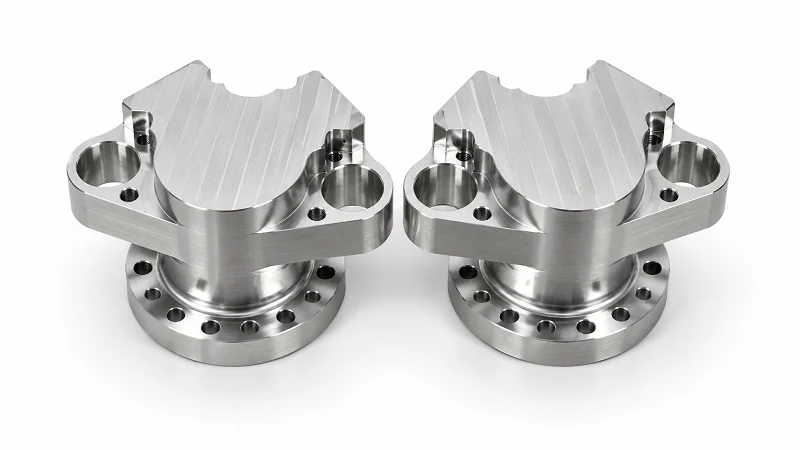
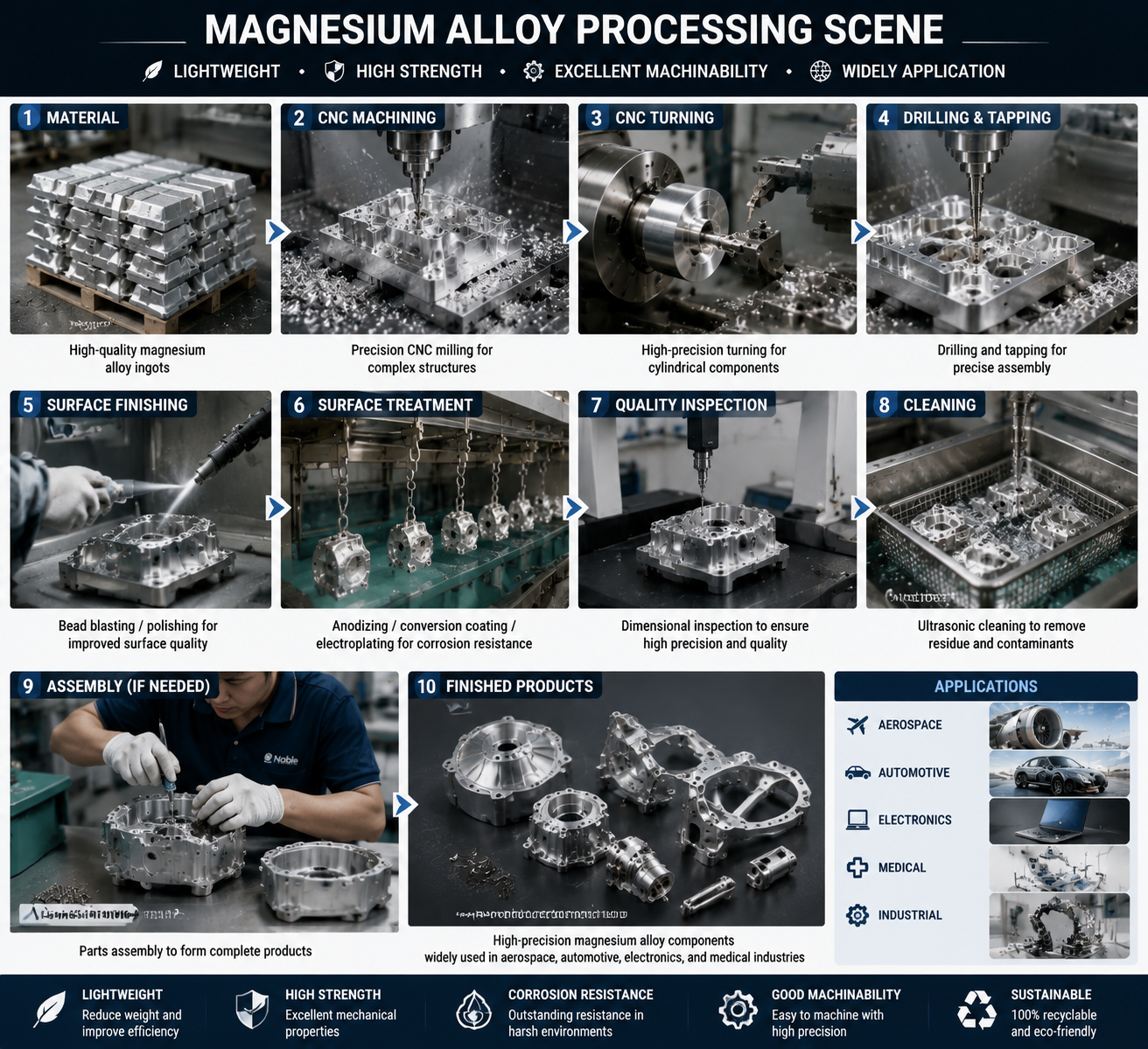
Magnesium alloys are lightweight metals known for their excellent strength-to-weight ratio, good machinability, and vibration damping properties. CNC machining is widely used to manufacture magnesium alloy components for aerospace, automotive, electronics, and industrial applications. Common machining processes include:
1. CNC Milling
CNC milling is one of the most widely used processes for machining magnesium alloys. It uses rotating cutting tools to remove material and create complex geometries.
Advantages:
- Produces complex shapes and contours
- High dimensional accuracy
- Suitable for prototypes and small-to-medium production
- Excellent surface finish capability
Typical applications:
- Aerospace brackets
- Automotive housings
- Electronic enclosures
- Lightweight structural components
2. CNC Turning
CNC turning uses a rotating magnesium alloy workpiece and stationary cutting tools to produce cylindrical parts.
Advantages:
- High machining efficiency
- Excellent roundness and concentricity
- Suitable for shafts and rotational components
Typical applications:
- Bushings
- Housings
- Connectors
- Rotating mechanical parts
3. CNC Drilling
Drilling creates precise holes in magnesium alloy components for assembly and fastening.
Advantages:
- Fast hole production
- High positioning accuracy
- Suitable for threaded and mounting holes
Common applications:
- Engine components
- Mechanical brackets
- Electronic device frames
4. CNC Tapping and Threading
Tapping creates internal threads, while threading produces external threads on magnesium parts.
Advantages:
- Enables component assembly
- Provides accurate thread dimensions
- Supports lightweight mechanical structures
Applications:
- Fastener holes
- Aerospace assemblies
- Precision equipment components
5. CNC Boring
Boring enlarges existing holes to achieve higher accuracy and better surface quality.
Advantages:
- Improves hole precision
- Achieves tight tolerances
- Suitable for critical assemblies
Applications:
- Engine housings
- Gear components
- Precision mechanical parts
6. CNC Grinding
Grinding uses abrasive wheels to achieve fine surface finishes and tight dimensional control.
Advantages:
- Excellent surface quality
- High dimensional accuracy
- Suitable for precision components
Applications:
- Bearing surfaces
- Precision tooling
- Finished mechanical parts
7. 5-Axis CNC Machining
5-axis machining allows cutting tools to move along multiple axes simultaneously, enabling complex magnesium alloy parts to be manufactured in fewer setups.
Advantages:
- Machining of complex geometries
- Reduced setup time
- Improved accuracy
- Better surface consistency
Applications:
- Aerospace components
- Robotics parts
- High-performance automotive components
8. Laser Cutting
Laser cutting uses a focused laser beam to cut magnesium alloy sheets or thin components.
Advantages:
- High cutting speed
- Minimal mechanical stress
- Suitable for complex profiles
Applications:
- Lightweight panels
- Electronic covers
- Prototype components
9. Electrical Discharge Machining (EDM)
EDM removes material using controlled electrical sparks and is suitable for difficult geometries.
Advantages:
- Machines complex shapes
- No direct cutting force
- Suitable for precision features
Applications:
- Micro components
- Complex cavities
- Precision tooling
10. Surface Finishing After Machining
After machining, magnesium alloy parts often require surface treatments to improve corrosion resistance and appearance.
Common finishing processes:
- Chemical conversion coating
- Anodizing
- Electroless nickel plating
- Powder coating
- Bead blasting
- Polishing
Benefits:
- Improved corrosion resistance
- Enhanced wear resistance
- Better appearance
- Longer service life
Comparison of Magnesium Alloy Machining Processes
| Process | Main Advantage | Typical Applications |
|---|---|---|
| CNC Milling | Complex shapes and precision | Aerospace parts, housings |
| CNC Turning | Efficient cylindrical machining | Shafts, connectors |
| Drilling | Fast hole production | Assembly components |
| Tapping | Accurate threads | Mechanical fastening |
| Boring | High hole accuracy | Precision assemblies |
| Grinding | Superior surface finish | Precision parts |
| 5-Axis Machining | Complex geometries | Aerospace and medical |
| Laser Cutting | Fast sheet processing | Panels and prototypes |
| EDM | Complex precision features | Special components |
Magnesium alloy machining offers excellent efficiency due to the material’s low cutting resistance and good machinability. By combining CNC milling, turning, drilling, 5-axis machining, and suitable surface treatments, manufacturers can produce lightweight, high-precision magnesium components for demanding industries such as aerospace, automotive, electronics, and medical equipment.
Characteristics of Magnesium alloys
Compared with other metals, magnesium alloys have the following characteristics:
(1) Magnesium alloys have a low specific gravity and are currently the lightest structural material. Their density is between 1.75 and 1.85 g/cm3, which is 23% of the density of steel, 67% of the density of aluminum, and 170% of the density of plastic. The specific strength of magnesium alloys is significantly higher than that of aluminum alloys and steel, and only slightly lower than that of fiber-reinforced materials with the highest specific strength; their specific stiffness is comparable to that of aluminum alloys and steel, but much higher than that of fiber-reinforced materials, which has excellent advantages.
(2) Magnesium alloys have good damping properties and have a lower elastic modulus than aluminum alloys, steel, and iron. Under the same stress conditions, they can consume greater deformation work, have noise reduction and vibration reduction functions, can withstand large impact and vibration loads, and are suitable for the preparation of seismic components.
(3) Magnesium alloys have good thermal conductivity, thermal stability, electromagnetic interference resistance, and shielding properties.
(4) Magnesium alloys have good castability. Magnesium has very low reactivity with iron. Iron crucibles can be used for smelting. Magnesium has low enthalpy per unit volume. Its die-casting speed can be higher than that of aluminum. The casting and processing precision of magnesium castings is high. The minimum wall thickness of magnesium alloy die-castings can reach 0.6mm, while that of aluminum alloy is 1.2- 1.5 mm. Magnesium alloys can be processed at high speed and have high production efficiency. They solidify quickly in the mold and have a productivity that is 40-50% higher than that of die-cast aluminum parts, up to twice as high. They are suitable for mass production in the automotive industry.
(5) Magnesium alloys have good dimensional stability and stable shrinkage. The dimensional precision of castings and finished products is high. Except for magnesium-aluminum-zinc alloys, the dimensional changes caused by phase transformation during heat treatment and long-term use of most magnesium alloys are basically zero.
(6) They have excellent cutting performance, and their cutting speed is much higher than that of other metals. Cutting magnesium alloys requires low tool consumption and low cutting power. The power ratio of cutting the same parts of magnesium alloys, aluminum alloys, cast iron, and low-alloy steel is 1:1.8:3.5:6.3. Magnesium alloys do not require grinding or polishing after cutting, and a machined surface with very low roughness can be obtained without cutting fluid. In addition, magnesium alloys do not produce sparks on the surface when impacted or rubbed, which is beneficial to production safety. (7) Compared with plastic materials, magnesium alloys can be recycled, with low recycling costs and high recycling rates, which is very beneficial to reducing product costs, saving resources, and improving the environment. (8) Liquid magnesium is prone to violent oxidation and combustion, so the smelting of magnesium alloys must be carried out under flux coverage or in a protective atmosphere. Magnesium alloy castings need to be protected by SO2, CO2, or SF6 gas, or solution treated under vacuum conditions, and the solution treatment and aging treatment times are both relatively long.
Common Surface Treatments for Magnesium Alloy Machining
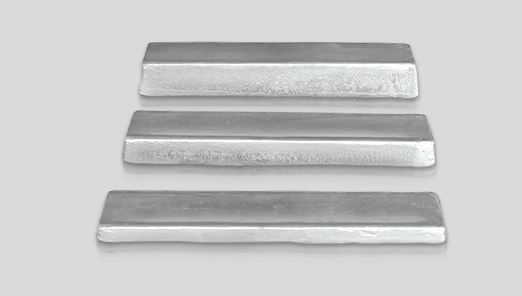
Magnesium alloys are lightweight materials with excellent strength-to-weight ratios, but they have relatively low corrosion resistance compared with aluminum and steel. Surface treatments are commonly applied after CNC machining to improve corrosion resistance, wear resistance, appearance, conductivity, and service life.
1. Chemical Conversion Coating
Chemical conversion coating is one of the most common treatments for magnesium alloy machined parts.
Advantages:
- Improves corrosion resistance
- Provides a good base layer for painting
- Maintains dimensional accuracy due to thin coating thickness
- Suitable for complex geometries
Common types:
- Chromate conversion coating
- Chromium-free conversion coating
- Phosphate-based coating
Applications:
- Aerospace components
- Electronic housings
- Defense equipment
- Precision mechanical parts
2. Anodizing
Anodizing creates a protective oxide layer on the magnesium surface through an electrochemical process.
Advantages:
- Enhances corrosion resistance
- Improves wear resistance
- Provides decorative finishes
- Suitable for lightweight structural parts
Typical finishes:
- Natural metallic appearance
- Black anodized surface
- Colored finishes
Applications:
- Automotive components
- Drone parts
- Consumer electronics
- Medical equipment housings
3. Electroless Plating
Electroless plating deposits a metal coating onto magnesium alloy surfaces without using an external electrical current.
Common coatings:
- Nickel plating
- Copper plating
- Zinc plating
Advantages:
- Excellent corrosion protection
- Improves surface hardness
- Enhances electrical conductivity
- Provides uniform coating thickness
Applications:
- Electronic components
- RF shielding parts
- Precision mechanical components
4. Powder Coating
Powder coating applies a dry polymer powder that is cured under heat to form a protective layer.
Advantages:
- Strong corrosion resistance
- Excellent appearance
- Good chemical resistance
- Wide range of colors and textures
Applications:
- Automotive covers
- Industrial equipment housings
- Outdoor components
5. Painting
Painting is a flexible and cost-effective surface treatment for magnesium alloy parts.
Advantages:
- Improves appearance
- Adds corrosion protection
- Supports custom colors and branding
- Suitable for large components
Common paint systems:
- Epoxy primer
- Polyurethane coating
- Acrylic coating
Applications:
- Automotive interiors
- Equipment panels
- Consumer products
6. Laser Surface Treatment
Laser treatment modifies the magnesium alloy surface using a controlled laser beam.
Advantages:
- Improves surface hardness
- Enhances wear resistance
- Creates precise surface patterns
- No chemical waste
Applications:
- High-performance mechanical parts
- Aerospace components
- Precision devices
7. Sand Blasting / Bead Blasting
Abrasive blasting uses high-speed particles to clean and texture the magnesium surface.
Advantages:
- Removes machining marks
- Creates uniform surface texture
- Improves coating adhesion
- Enhances appearance
Applications:
- CNC prototypes
- Decorative parts
- Equipment housings
8. Polishing
Polishing mechanically smooths the magnesium alloy surface.
Advantages:
- Improves surface smoothness
- Enhances visual appearance
- Reduces surface roughness
Applications:
- Decorative components
- Consumer electronics
- Precision parts
Comparison of Magnesium Alloy Surface Treatments
| Surface Treatment | Corrosion Resistance | Wear Resistance | Appearance | Typical Use |
|---|---|---|---|---|
| Chemical Conversion Coating | ★★★★ | ★★ | ★★★ | Aerospace, electronics |
| Anodizing | ★★★★ | ★★★★ | ★★★★ | Automotive, medical |
| Electroless Plating | ★★★★★ | ★★★★★ | ★★★★ | Electronics, precision parts |
| Powder Coating | ★★★★★ | ★★★★ | ★★★★★ | Industrial products |
| Painting | ★★★★ | ★★★ | ★★★★★ | General applications |
| Sand Blasting | ★★ | ★★ | ★★★★ | Prototype finishing |
How to Choose the Right Surface Treatment for Magnesium Parts?
Selection depends on:
- Operating environment: Indoor, outdoor, marine, chemical exposure
- Performance requirements: Corrosion, wear, conductivity, heat resistance
- Appearance requirements: Color, texture, surface quality
- Production volume: Prototype, small batch, mass production
- Cost considerations: Coating process and maintenance requirements
For CNC machined magnesium alloy components, chemical conversion coating + painting is widely used for cost-effective protection, while anodizing and electroless plating are preferred for high-performance applications requiring improved durability and reliability.
Applications of Magnesium Alloys
Magnesium alloys can be used in aerospace, transportation, electronics, medical, and other fields, with advantages such as light weight and high strength.
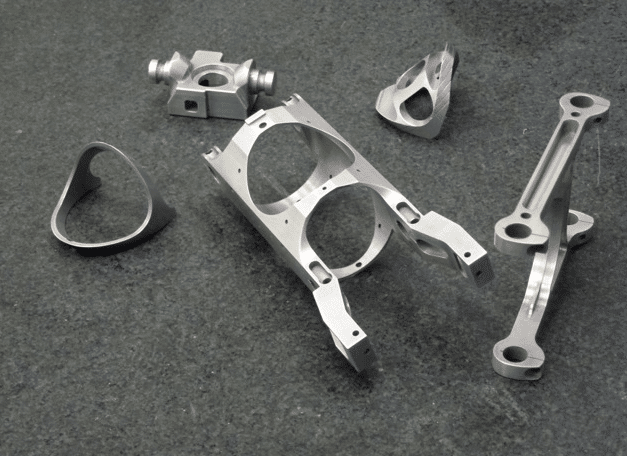
Magnesium alloys are lightweight, high-strength, and have excellent high-temperature and corrosion resistance, so they are widely used in the aerospace field. For example, screws, fasteners, components, etc. in aircraft can be made of magnesium alloys to reduce weight, increase strength, and reduce fuel consumption.
-
Transportation field
Magnesium alloys are also widely used in the field of transportation. For example, the brake systems, engines, chassis, and frames in vehicles such as cars and trains can be made of magnesium alloys to reduce weight, increase strength and rigidity, and improve the economy and safety of vehicles.
-
Electronic field
With the rapid development of the electronics industry, the application of magnesium alloys in the electronics field is becoming more and more extensive. High-purity magnesium alloys can be used to manufacture high-performance batteries, capacitors, and other electronic devices, especially for aerospace and satellite applications that require long-term operation.
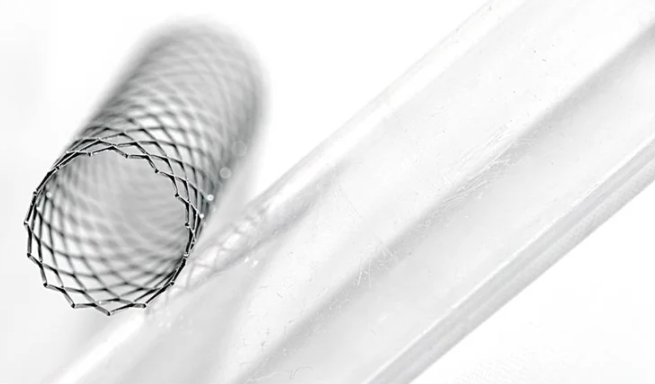
Magnesium alloys are also widely used in the medical field. For example, magnesium alloys can be used in the manufacture of medical devices such as body support systems, bone supports, artificial hearts, and joints. Because magnesium alloys have good biocompatibility and absorbability, they can reduce patients’ postoperative pain, promote healing, and prevent secondary surgery.
In short, as a lightweight, high-strength material, magnesium alloys have broad application prospects in many fields. In the future, with the continuous improvement of magnesium alloy technology and the deepening of research, its application in various fields will become more common and extensive.
Challenges of Magnesium alloy Machining
-
Difficulty in gas shielded welding
Magnesium alloy has good processing performance and thermal conductivity, but its ignition point is low, and it is easy to oxidize. During processing, it is easy to have oxide film and holes, which affects the processing quality. Therefore, gas shielded welding technology is needed when processing magnesium alloy, but this technology has high requirements and requires skilled welding workers and sophisticated equipment to complete.
-
Difficulty in plastic deformation
Unlike other metals, magnesium alloy has a relatively slow plastic deformation speed. Even at high temperatures, it is still difficult to carry out large-scale plastic deformation, which greatly limits its application range. To solve this problem, researchers have made a lot of efforts in alloy formulation, heat treatment, and processing technology. By enhancing the ductility and deformation performance of magnesium alloy and improving its plastic deformation speed, its application range has been further expanded.
-
Difficulty in surface treatment
The surface activity of magnesium alloy is very strong, and it is easy to react with oxides in the atmosphere to form oxide film and attachments, which reduces its surface quality and service life. Therefore, during the processing, its surface needs to be treated to eliminate the oxide film and attachments and improve the surface quality. However, magnesium alloy surface treatment is also difficult. It is necessary to control the process conditions of surface treatment while ensuring the processing quality. In practice, multiple attempts and adjustments are required.
In short, the difficulties in magnesium alloy processing are inevitable, but through scientific formulations and processing technology, and full mastery of relevant technologies, these difficulties can be overcome, and the quality and efficiency of magnesium alloy processing can be further improved.
Conclusion:
The strength of magnesium alloy is not as good as that of aluminum alloy, but its density is small, only 1/3 of that of aluminum, so its specific strength is still higher than that of aluminum alloy, and it has good rigidity, strong shock resistance, and good cutting performance. Parts die-casted with magnesium alloy are thin and light, with a bright surface, light weight, high strength-to-weight ratio, stable size, good shock absorption, fast heat dissipation, anti-static, and other characteristics.
Magnesium alloy is widely used in aviation (engine casing, casing cover, etc.), aerospace, defense industry, automobile industry, and the production of various magnesium alloy profiles. It can be used in the manufacture of high-end household appliances, such as wall-mounted TV casings, laptop casings, communication electronic products, and automotive parts and components.
Magnesium Alloys Machining FAQs
1. What is magnesium alloy machining?
Magnesium alloy machining is a precision manufacturing process that uses CNC milling, turning, drilling, and other machining methods to produce lightweight magnesium alloy components with a high strength-to-weight ratio, good machinability, and excellent dimensional accuracy.
2. Why are magnesium alloys used for CNC machining?
Magnesium alloys are widely used because they offer:
- Excellent strength-to-weight ratio
- Low density and lightweight properties
- Good vibration damping performance
- High machinability
- Good electromagnetic shielding capability
- Easy recycling characteristics
These advantages make magnesium alloys suitable for aerospace, automotive, electronics, and medical applications.
3. What are the common magnesium alloys used in machining?
Common magnesium alloys include:
| Magnesium Alloy | Characteristics | Applications |
|---|---|---|
| AZ31 | Lightweight, good formability | Aerospace panels, electronic housings |
| AZ61 | Higher strength than AZ31 | Structural components |
| AZ80 | High mechanical strength | Automotive and aerospace parts |
| AZ91 | Excellent castability and corrosion resistance | Housings, covers, industrial parts |
| WE43 | High-temperature performance | Aerospace and medical applications |
4. Is magnesium alloy easy to machine?
Yes. Magnesium alloys are considered among the easiest metals to machine because of their:
- Low cutting resistance
- Low cutting forces
- Excellent chip formation
- Reduced tool wear compared with harder metals
However, proper machining parameters and safety controls are required because magnesium chips can be flammable.
5. What CNC machining processes are suitable for magnesium alloys?
Common machining processes include:
- CNC milling
- CNC turning
- Drilling
- Tapping
- Boring
- Grinding
- 5-axis machining
CNC milling and turning are commonly used for producing precision magnesium components.
6. What cutting tools are used for magnesium alloy machining?
Typical cutting tools include:
- Carbide cutting tools
- High-speed steel (HSS) tools
- Diamond-coated tools for high-precision applications
Sharp cutting edges and proper tool geometry help reduce heat generation and improve surface quality.
7. What are the machining challenges of magnesium alloys?
Although magnesium alloys are easy to machine, challenges include:
- Flammability of magnesium chips
- Low melting temperature
- Potential oxidation issues
- Surface corrosion without protection
- Need for proper chip management
Manufacturers must use suitable cutting speeds, coolants, and safety procedures.
8. Are magnesium alloys safe to machine?
Yes, magnesium alloys can be safely machined when proper precautions are followed:
- Use sharp tools to reduce heat buildup
- Maintain proper cutting parameters
- Remove chips regularly
- Avoid excessive friction
- Use appropriate fire prevention measures
Dry machining or specialized coolant methods are often used depending on the application.
9. What surface treatments are available for magnesium alloy parts?
Common surface treatments include:
- Chemical conversion coating
- Anodizing
- Electroless nickel plating
- Powder coating
- Painting
- Laser surface treatment
- Bead blasting
- Polishing
These treatments improve corrosion resistance, wear resistance, and appearance.
10. What tolerances can magnesium CNC machining achieve?
With modern CNC machining equipment, magnesium alloy parts can typically achieve tolerances of:
±0.01 mm to ±0.05 mm
The actual accuracy depends on:
- Part geometry
- Material condition
- Machine capability
- Surface finish requirements
11. What industries use magnesium alloy machined parts?
Magnesium alloy CNC machined components are widely used in:
Aerospace
- Aircraft brackets
- Lightweight structural parts
- Instrument housings
Automotive
- Transmission housings
- Steering components
- Engine covers
Electronics
- Laptop housings
- Camera bodies
- Heat dissipation components
Medical
- Surgical instruments
- Lightweight medical equipment
- Biodegradable implant research components
Industrial Equipment
- Machine housings
- Robotics components
12. What are the advantages of CNC machining magnesium alloys?
The main advantages include:
- Lightweight components
- Fast machining speed
- Lower machining costs
- Excellent dimensional accuracy
- Good vibration absorption
- Reduced energy consumption during manufacturing
13. What are the disadvantages of magnesium alloy machining?
Potential limitations include:
- Lower corrosion resistance compared with aluminum alloys
- Higher fire safety requirements
- Limited high-temperature performance
- Need for protective surface treatments
14. How can machining costs of magnesium alloys be reduced?
Costs can be reduced by:
- Optimizing part design for CNC machining
- Selecting suitable magnesium grades
- Reducing unnecessary tight tolerances
- Using efficient tooling strategies
- Minimizing material waste
- Combining machining with suitable finishing processes
15. How does magnesium machining compare with aluminum machining?
| Feature | Magnesium Alloy | Aluminum Alloy |
|---|---|---|
| Density | Lower | Higher |
| Machinability | Excellent | Excellent |
| Strength-to-weight ratio | Very high | High |
| Corrosion resistance | Lower | Better |
| Vibration damping | Excellent | Moderate |
| Applications | Lightweight structures | General engineering parts |
16. Can magnesium alloys be used for prototypes?
Yes. Magnesium alloys are suitable for CNC prototypes because they allow:
- Fast machining
- Lightweight functional testing
- Accurate design verification
- Reduced prototype weight
They are especially useful when the final product requires lightweight performance.
17. Why choose CNC machining for magnesium alloy parts?
CNC machining is an ideal manufacturing method for magnesium alloys because it provides:
- High precision
- Complex geometry capability
- Fast production cycles
- Excellent surface quality
- Consistent repeatability
It is widely used for producing lightweight, high-performance components in demanding industries.