Introduction
Choosing the wrong plastic molding process can double a project’s costs and delay production by months. A part that works fine in one process becomes a nightmare in another. The mold cracks. The material flows poorly. The cycle time drags on.
Three common methods exist for plastic parts. Injection molding. Compression molding. Rotational molding. Each one works differently. Each one suits different shapes, volumes, and materials.

What is Injection Molding?
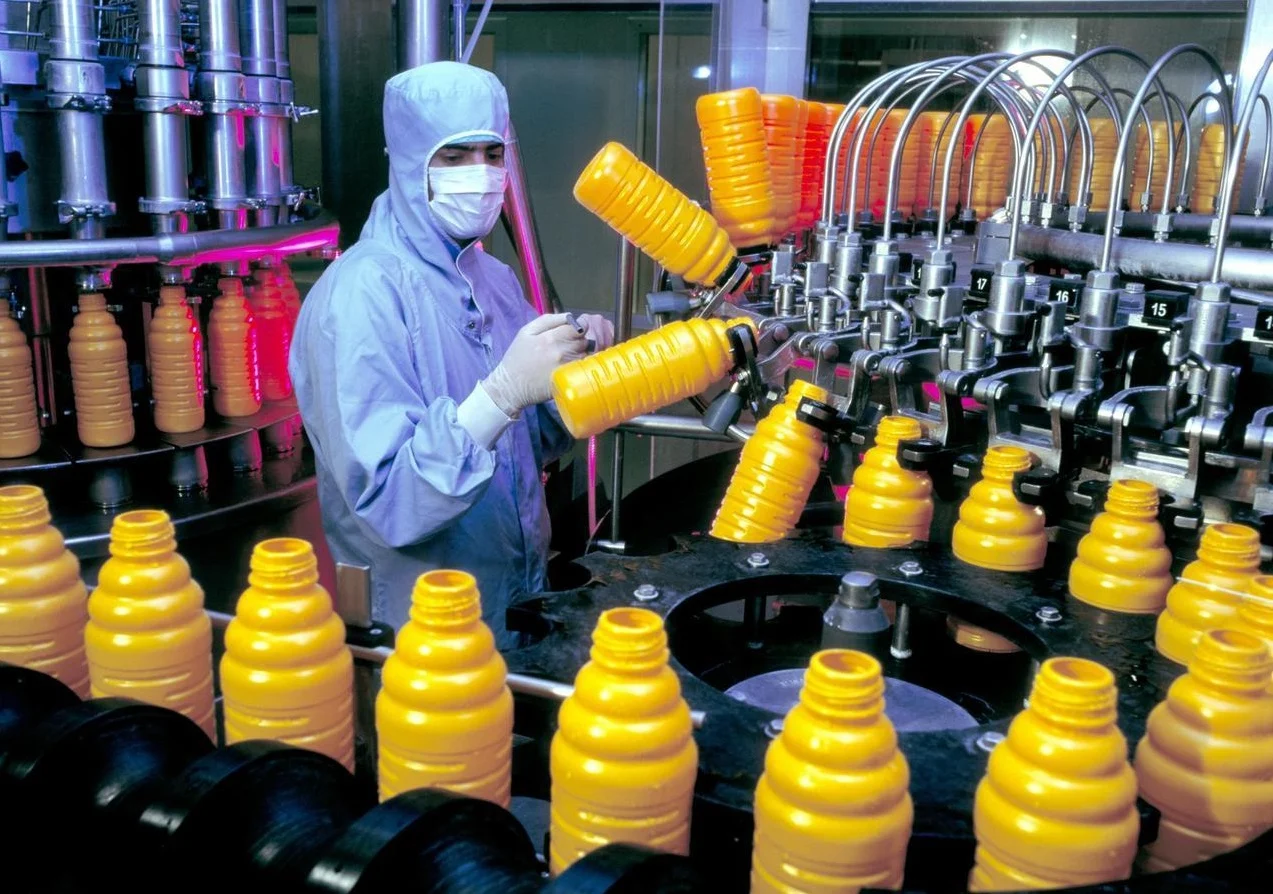
This is the process most people picture when they hear “plastic molding.” A machine takes plastic pellets, melts them, and then blasts the molten material into a closed metal mold. The plastic fills every cavity, cools, and solidifies. Then the mold opens and ejects the part. Cycle times are short. Thirty seconds is common for small parts.
How does it work?
A screw inside a heated barrel rotates. It melts the plastic pellets. Then the screw moves forward like a plunger. It forces the melted plastic through a nozzle and into the mold cavity. The mold stays closed under clamping pressure while the part cools. Once solid, the mold opens. Ejector pins push the part out. The whole cycle repeats automatically. No human intervention is needed between cycles.
Best Applications
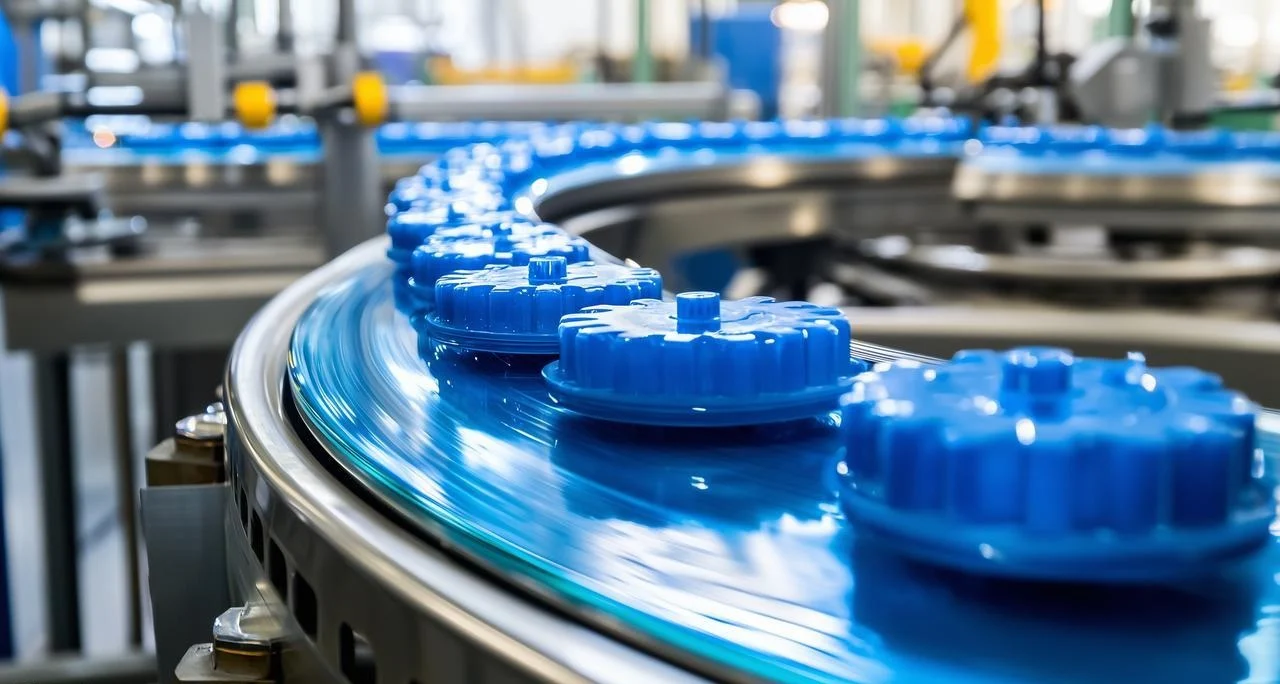
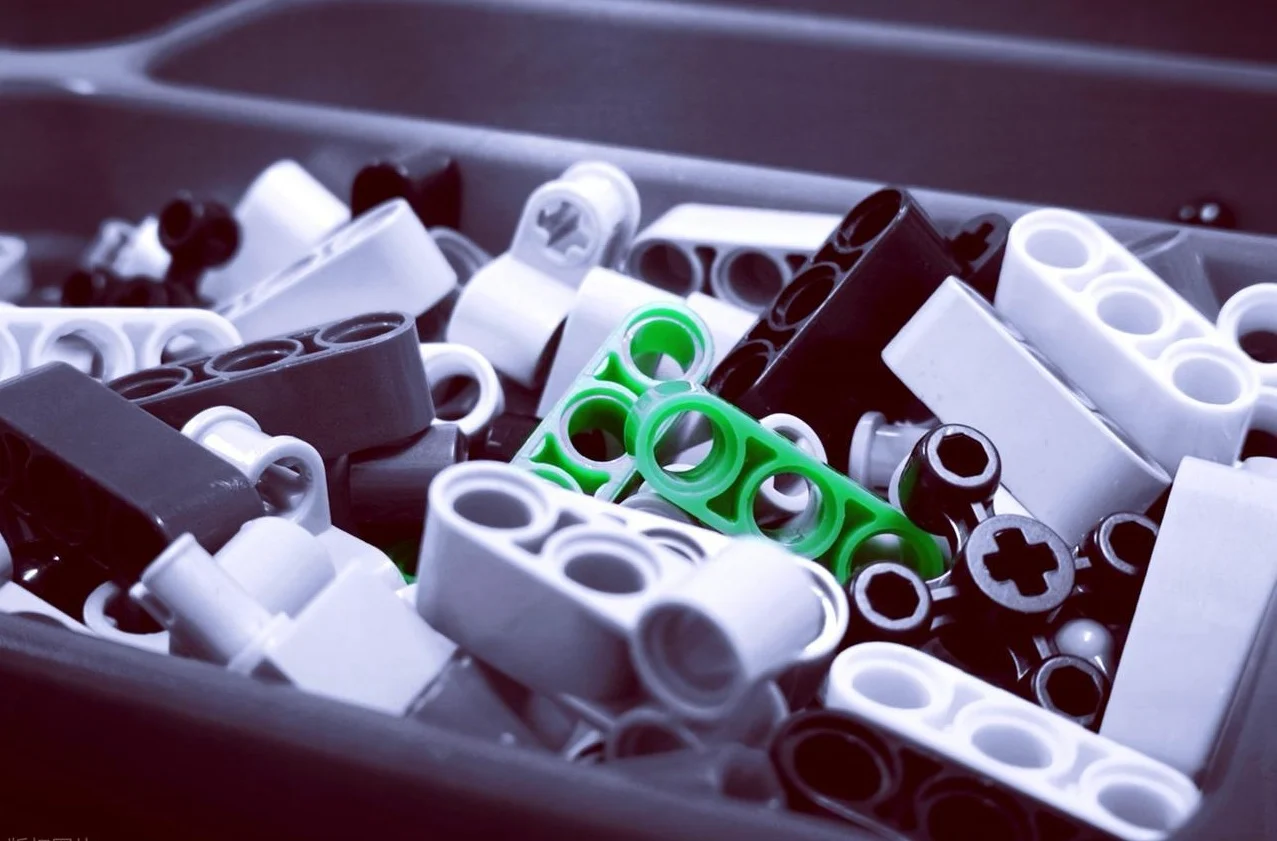
High-volume production is where injection molding dominates. Complex geometries. Tight tolerances. Consistent results across millions of parts. Think LEGO bricks. Bottle caps. Medical device housings. Automotive connectors. Electrical switches. Any product that requires precision and large quantities points toward this process.
Small, intricate parts work well. Thin walls are possible. Features like ribs, bosses, and snap-fits are easy to incorporate. Clients choose injection molding when they need identical parts by the hundreds of thousands.
Key Advantages
- Cycle times are fast once the mold is running. Fifteen to sixty seconds per part is typical. Accuracy is excellent. Tolerances of ±0.05mm are routine with proper tooling and material. Surface finish comes directly from the mold. No secondary finishing needed for many applications. Automation is straightforward. Robots can remove parts and insert components.
- Material waste is low. Runners and sprues can be ground up and reused as regrind. Labor cost per part is tiny once the machine is running.
Key Disadvantages
- The tooling cost is very high. A production-grade steel mold often costs twenty thousand to one hundred thousand dollars or more. Lead times are long. Eight to sixteen weeks for a complex mold is normal. Design changes after the mold is cut are expensive and slow.
- Injection molding only makes economic sense at higher volumes. Below five hundred or one thousand parts, the tooling cost per part becomes prohibitive. People needing small batches should look at other processes first. The up-front investment is real. It is not recoverable if the product fails in the market.
What is Compression Molding?
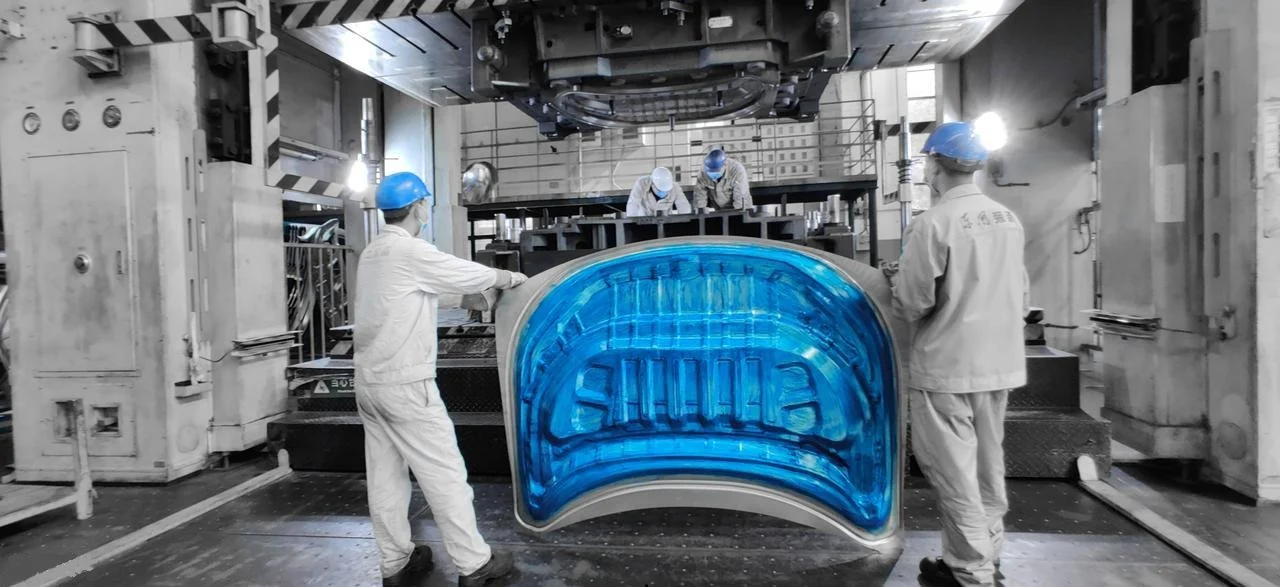
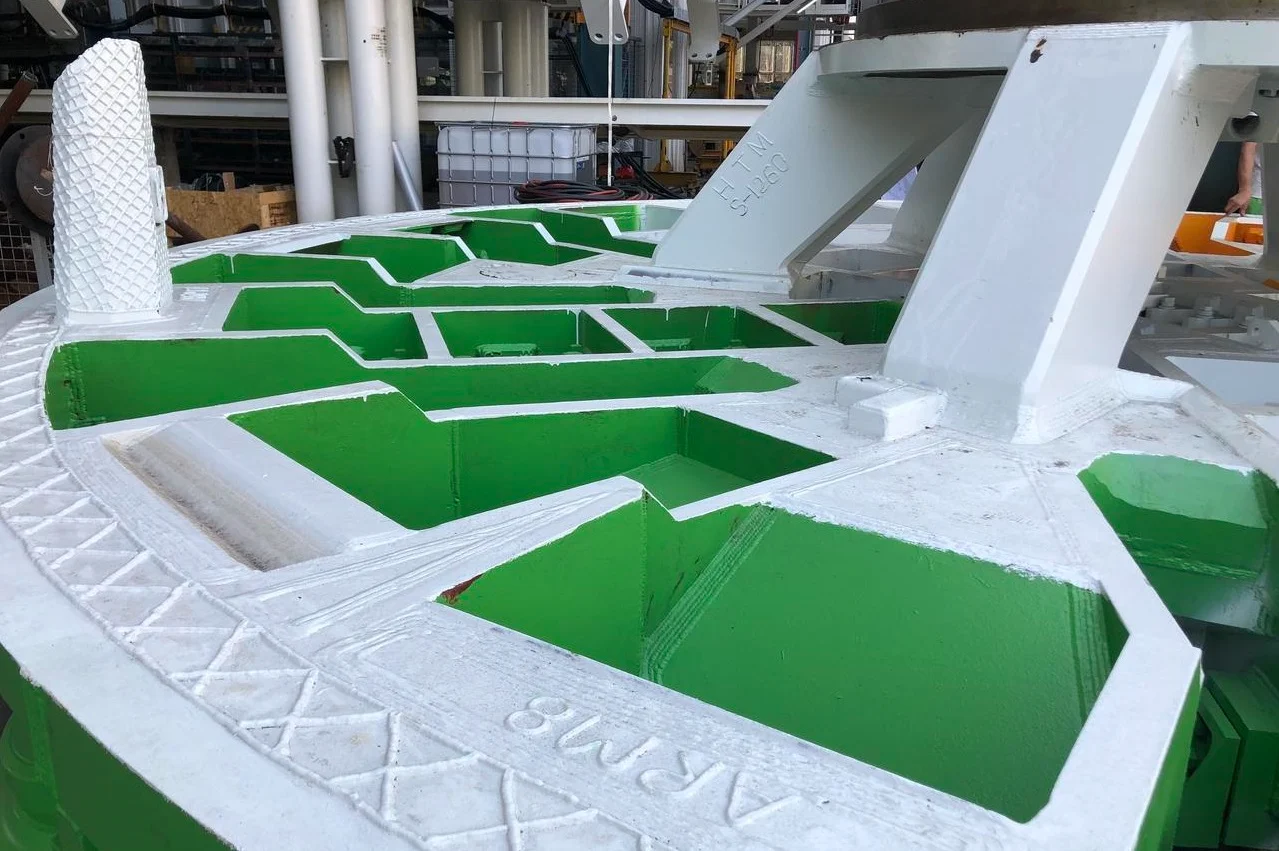
This process works differently from injection molding. There is no screw. No high-pressure injection. Instead, someone places a pre-measured amount of material into an open mold cavity. The mold closes slowly. Heat and pressure force the material to flow into the shape of the cavity. Then the part cures. The mold opens. Someone pulls the finished piece out. Simple equipment. Lower pressures. A completely different approach.
How It Works
An operator places a “charge” of material—usually a preform or a measured lump—into the cavity. The press brings the top half down. Heat softens the material. Pressure pushes it into every corner of the mold. For thermoset plastics, a chemical reaction occurs. The material crosslinks and hardens permanently. For rubber or silicone, the process is similar, but the material remains flexible. After curing, the mold opens. Someone removes the part and trims off the excess flash.
Cycle times are longer than injection molding. Two to five minutes is common. The curing step cannot be rushed.
Best Applications
Compression molding excels with materials that injection molding struggles to handle. Thermoset plastics like phenolic, epoxy, and melamine. Natural and synthetic rubber components. Silicone keypads for electronics. Large, flat, or gently curved items like electrical housings, container lids, and appliance components.
Car tires are a classic example. The rubber compound goes into the mold cold. Heat and pressure cure it into the final tire shape with tread patterns and sidewall markings.
Key Advantages
- Tooling cost is lower than that of injection molding. The molds are simpler. No complex runner systems or gate designs. No need for high-pressure clamping mechanisms. Aluminum or even composite molds work for shorter runs.
- The process handles fiber-reinforced materials well. Long glass or carbon fibers stay intact. In injection molding, the screw action can break fibers and reduce strength. Compression molding preserves the reinforcement. Large parts are feasible.
- Material waste is minimal. The charge weight is calculated close to the final part weight. Leftover material in the cavity is minimal.
Key Disadvantages
- Cycle times are slow. Two to five minutes per part is normal. Injection molding produces parts every thirty seconds. The difference adds up quickly at high volumes.
- Flash is a problem. Excess material squeezes out between the mold halves. Someone has to trim it off after demolding. This is often a manual operation. Labor cost adds to the total.
- Part complexity is limited. Undercuts are difficult. Deep ribs and intricate features are hard to form because the material does not flow like a liquid. It moves more like thick dough. People needing complex geometries should look at injection molding instead.
- Consistency can vary. Operator skill matters. The charge weight and placement affect the final part. Automated systems exist, but many factories still rely on manual loading. Part-to-part variation is higher than in injection molding. For non-critical applications, this is fine. For precision medical or automotive components, it is a concern.
What is Rotational Molding?
This process is almost the opposite of injection molding. No high pressure. No complex runner system. Instead, the operator puts plastic powder into a hollow mold. The mold spins slowly in an oven. Two axes. Sometimes more. The powder melts and coats the inside surface evenly. Then the mold moves to a cooling station. The plastic solidifies. The operator opens the mold and pulls out a hollow, seamless part.
How It Works
An operator opens the mold, drops in a measured amount of plastic powder, and closes it. The mold goes into an oven. It rotates biaxially—around two perpendicular axes simultaneously. Gravity does the work. The powder falls onto the hot inner surface, melts, and fuses into a uniform layer. Once all the powder has melted and coated the cavity, the mold moves to a cooling chamber. Cool air or water spray reduces the temperature. The plastic solidifies. The mold opens. The operator removes the finished part.
Cycle times are long. Twenty to sixty minutes is normal. The heating and cooling steps cannot be rushed without compromising quality.
Best Applications
Rotational molding excels at large, hollow, seamless parts. Things that would require assembly or complex cores with other processes. Kayaks and small watercraft. Water storage tanks from fifty to five thousand gallons. Traffic cones. Bulk bins. Medical device housings that require smooth interior surfaces without weld lines. Agricultural tanks. Automotive fluid reservoirs.
One-piece construction is the key advantage. No seams seem to leak. No welds to fail. The part comes out of the mold as a single, continuous shell. People making fluid-handling components or outdoor equipment often choose this method.
Key Advantages
- Tooling cost is low compared to injection or compression molding. Molds are made from sheet metal or cast aluminum. No high-strength steel is required because the process uses low pressure—typically less than ten psi. A rotational mold might cost 500 to 3000 dollars. An injection mold for a comparable part could cost ten times that.
- Parts are stress-free. No high pressure means no residual internal stresses. This is important for outdoor applications where temperature cycling and UV exposure cause stress cracking in injection-molded parts. Wall thickness is uniform. The rotation distributes the material evenly.
- Design changes are easier. Modifying a rotational mold is simpler than modifying a hardened steel injection mold. Composite molds can be patched or altered with standard fabrication tools.
Key Disadvantages
- Cycle times are very long. Twenty to sixty minutes per part. Injection molding produces a part every thirty seconds. For high volumes, that difference is enormous. Rotational molding only makes sense for lower annual quantities or very large parts where multiple injection molds would be cost-prohibitive.
- The internal surface finish is rough. The part exterior takes the finish of the mold—usually smooth if polished. The interior, however, is as-cast. Unmelted particles and flow marks are common. For visibility applications or clean-in-place requirements, the interior may need secondary finishing. That adds cost and time.
- Material selection is limited. Most rotational molding uses polyethylene—LLDPE, MDPE, HDPE. Other materials like nylon or polypropylene are possible but less common. People needing engineering plastics like ABS, PC, or reinforced composites will struggle with this process.
- Wall thickness control is less precise than injection molding. A target of three millimeters might vary by plus or minus half a millimeter. For structural parts, this is fine. For precision components with tight tolerances, it is not acceptable.
- Part size has practical limits. Very large molds require enormous ovens and cooling chambers. A ten-foot diameter is possible. Twenty-foot is rare and expensive. Most factories focus on parts measured in feet, not meters. Anything larger becomes a custom engineering project with corresponding costs.

Similarities Between the Three Processes
At first glance, injection molding, compression molding, and rotational molding look completely different. Different machines. Different cycle times. Different part geometries. But dig a little deeper. They share four fundamental characteristics.
- All three processes use a mold. Every plastic part starts with a cavity. Injection molding uses a closed, two-part tool. Compression molding uses an open mold that closes under pressure. Rotational molding uses a hollow, multi-piece mold that rotates. The mold material changes. Steel, aluminum, or sheet metal. The purpose stays the same. The mold defines the final shape. Without it, none of these processes work at all.
- All three require heat application. Cold plastic does not flow. It cannot take the shape of a cavity. Injection molding melts the material in a barrel before injection. Compression molding applies heat through the mold platens as the material compresses. Rotational molding heats the entire mold in an oven while it spins. The method differs. The necessity does not. Heat is non-negotiable across all three.
- All three include a cooling phase. Melted plastic must solidify before someone removes the part. Injection molding cools the part inside the closed mold under pressure. Compression molding allows the material to cool and cure while the press remains closed. Rotational molding moves the hot mold to a dedicated cooling chamber. The cooling medium varies—air, water mist, or sometimes oil. The physics does not. Plastic hardens as it loses thermal energy. Every process respects that reality.
- All three are polymer processing methods. These processes shape synthetic or natural polymers. Thermoplastics like polypropylene and ABS. Thermosets like phenolic and epoxy. Elastomers like rubber and silicone. Each process handles specific polymer families better than others. But all three exist to transform raw polymeric materials into finished, usable products. They compete and complement each other within the same broader category of manufacturing technology.
These similarities matter because they explain the boundaries of what plastic molding can achieve. The differences lie in how each method applies heat and pressure, not in the fundamental steps themselves.

How to Choose the Right Molding Process
The choice comes down to three questions. Part geometry. Material type. Annual volume. Answer those honestly, and the right process becomes obvious.
Here is a simple decision framework based on the summary above.
- Millions of small, precise parts→ Injection molding. Think bottle caps, medical connectors, LEGO bricks. High tooling cost. Very low per-part cost. Long mold lead time. Worth it only at scale.
- Large, flat, rubber or thermoset parts→ Compression molding. Silicone keypads, electrical housings, gaskets. Lower tooling cost than injection. Slower cycles. Flash trimming required. Works well for fiber-reinforced composites.
- Large, hollow, one-piece items→ Rotational molding. Kayaks, water tanks, traffic cones. A low-pressure process means cheap molds. Very long cycle times. Rough interior surface. No seams or weld lines.
A Practical Note
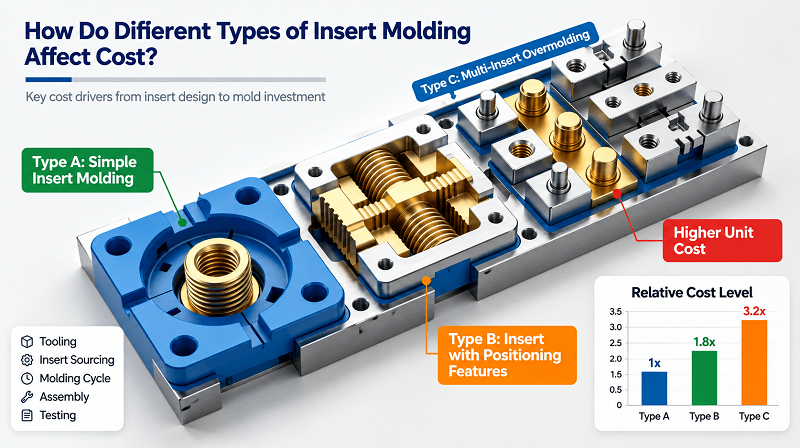
Some parts fit multiple processes. A simple round cover could be compression molded, injection molded, or even rotomolded depending on volume and material. People should not assume only one process works. Get quotes. Run the numbers. The cheapest mold does not always mean the cheapest total project cost. Conversely, the most expensive mold might pay for itself within a year if volumes are high enough.
The decision framework above provides a starting point. It is not a universal rule. But for most plastic parts made by most factories, it points in the right direction.

About NOBLE – Your Trusted Plastic Manufacturing Partner
NOBLE is a dedicated plastic parts manufacturing factory. We specialize in high-precision molding solutions. Not just one process. Several. Clients come to us when they need engineering expertise, not just a machine factory. We serve industries ranging from consumer goods to medical devices. The common thread is quality. Consistent, measurable, documented quality.
Our Core Processing Capabilities
Injection Molding
We run high-volume jobs for complex parts with tight tolerances. Multi-cavity molds reduce per-part cost. Clients get more parts per cycle. In-house tooling maintenance keeps the molds running. Secondary operations like insert molding and overmolding happen on the same floor.
Compression Molding
This is our capability for thermoset materials. Phenolic, epoxy, melamine. Rubber seals and gaskets. Large electrical components that need heat resistance. We also have expertise in fiber-reinforced composites. Long glass or carbon fibers stay intact in compression molding.
Rotational Molding
Large, hollow, seamless parts are our specialty here. Water tanks. Industrial containers. Agricultural bins. The tooling investment is low compared to injection molding. Wall thickness stays uniform. No weld lines. No assembly of multiple halves.
Additional Capabilities
Prototyping for design validation. CNC machining for secondary features. Finishing and assembly. Packaging and logistics. Clients do not need to manage five different vendors. We handle the full chain from raw material to ready-to-ship product.
Certifications – Quality You Can Rely On
ISO 9001:2015 ISO 9001:2015
Our quality management system meets customer and regulatory requirements consistently. Continuous improvement is not a slogan. It is embedded in every process. Audit trails exist. Corrective actions get documented. Nothing slips through without review.
ISO 13485:2016 ISO 13485:2016
This is the global standard for medical device manufacturing. Rigorous risk management. Regulatory compliance. Product safety from design through production. Not every factory holds this certification. We do.
Why Partner with NOBLE?
- End-to-end support. We help with material selection. We assist with mold design. We handle production and logistics. One point of contact. No finger-pointing between vendors.
- Quality assurance. In-process inspection catches issues early. Dimensional reporting provides proof. Full material traceability means every part can be traced back to its raw material certificate.
- Low-volume pilot runs for clinical trials or market testing. High-volume mass production for established products. We switch between injection, compression, and rotational molding as the part demands. Clients do not need three different suppliers.
- Regulatory confidence. Our ISO certifications reduce risk for the supply chain. Auditors see the certifications and move on to other questions. People responsible for quality and regulatory affairs can sleep better knowing NOBLE is on the vendor list.
FAQ
Which molding process is the cheapest for low-volume production?
Rotational molding. The molds are cheap. Sheet metal or cast aluminum. No high-strength steel required. Low pressure means simpler construction.
Can you make hollow parts with injection molding?
Yes, but with caveats. Gas-assisted injection molding uses nitrogen to create hollow channels. Core-out techniques use retractable pins to remove material from thick sections. Both methods add complexity and cost to the tool. For truly hollow, seamless parts—think a water tank or a kayak—rotational molding is the better choice.
Is compression molding only for thermosets?
Primarily, but not exclusively. Thermosets like phenolic, epoxy, and melamine are the most common materials. They cure under heat and pressure. The reaction is irreversible. However, some thermoplastics also work with compression molding. Ultra-high molecular weight polyethylene is a good example. UHMWPE does not flow well in an injection barrel. Compression molding shapes it into sheets, rods, and simple parts.
Which process gives the strongest parts?
Injection molding generally produces the highest strength and precision for unfilled thermoplastics. Consistent melt temperatures. High packing pressure. Dense, void-free parts. However, compression molding is better for fiber-reinforced composites. Long glass or carbon fibers stay intact because there is no screw action to break them. The resulting part has superior stiffness and impact resistance. For structural applications with continuous fiber reinforcement, compression molding outperforms injection molding every time.