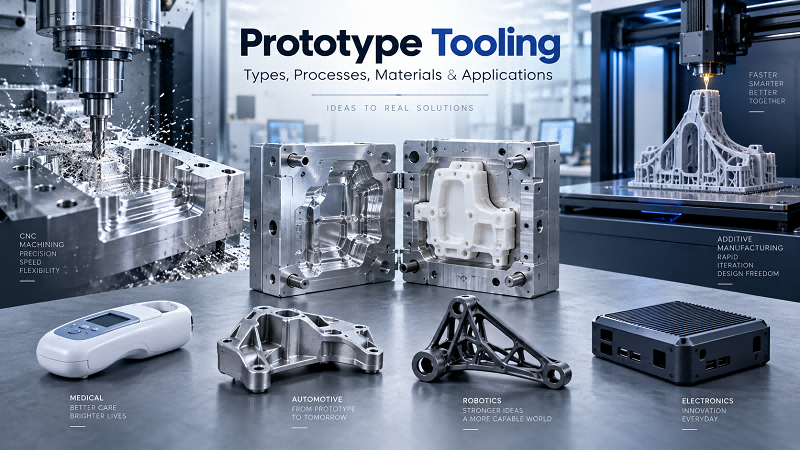
For a startup or a small shop, the price tag on an injection mold hurts. It just does. A standard tool runs from tens of thousands to well over a hundred grand, depending on where you are. This is a real problem. Working with limited cash is probably the single most common headache in this business.
So you’re stuck. No mold means no mass production. No mass production means you can’t sell. You miss the market window. But if you pour all your money into that mold? That pressure is heavy. And here’s the worst part. What if the product flops? That upfront cost is gone. Down the drain.
But don’t pack it in just yet. A tight budget doesn’t shut the door. It just means you have to be smarter.
Let me walk you through a practical, low-cost strategy. We’ll look at four things: the mold design itself, your production methods, who you partner with, and the traps you need to avoid. Get these right, and you can pull off a lot without going broke.
Optimize Your Mold Design
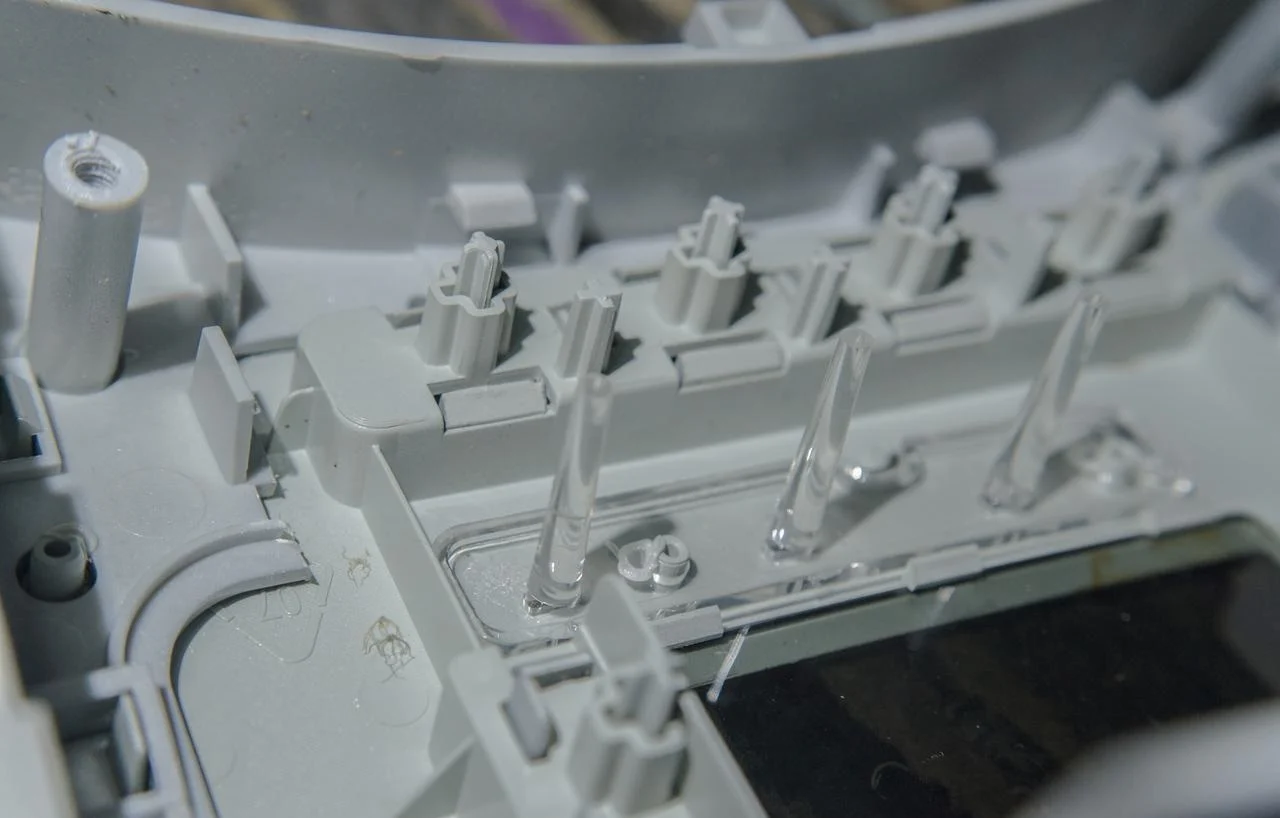
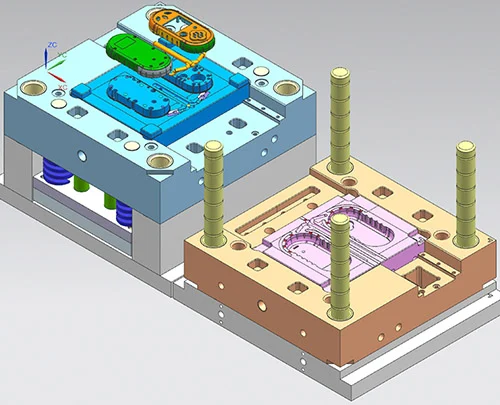
Up to seventy percent of your mold cost is locked into its design and setup. That’s the big number. So when cash is tight, your first smart move is this: simplify. Strip away the fancy stuff. Don’t try to build a do-it-all super mold on day one. Build one that just covers your basic needs.
Cut the cavity count
People think multi-cavity molds are better. Faster cycle time. Lower cost per part. That’s true. But if your budget is small and your volume is uncertain, that extra capacity is just burning money.
Start with a single cavity. Use it for small trial runs. Test the market. You don’t need a huge upfront bet. Once sales stabilize and orders grow, you add more cavities later or upgrade the tool. For a new product trial, a niche item, or custom-made-to-order work, a simple single-cavity mold is almost always your best call.
Simplify the product shape
Complex features cost real money. Sliders, lifters, undercuts, core pulls. Each one adds machining time and drives up the price.
On a limited budget, you need to work with your designer. Optimize the look and structure without breaking the core function. Kill unnecessary undercuts. Ditch irregular edges. Skip overly intricate textures or wild shapes. A simpler product design is easier to mold and much cheaper.
One more thing. If you don’t need a premium finish, don’t pay for it. High-gloss polishing, texturing, and electroplating — all that adds cost. A basic matte finish works fine for most needs. It can cut your cost by about thirty percent.
Choose the right mold steel
Steel costs money. A lot of it. And prices jump depending on what you pick. Blindly grabbing the high-end stuff is usually a waste.
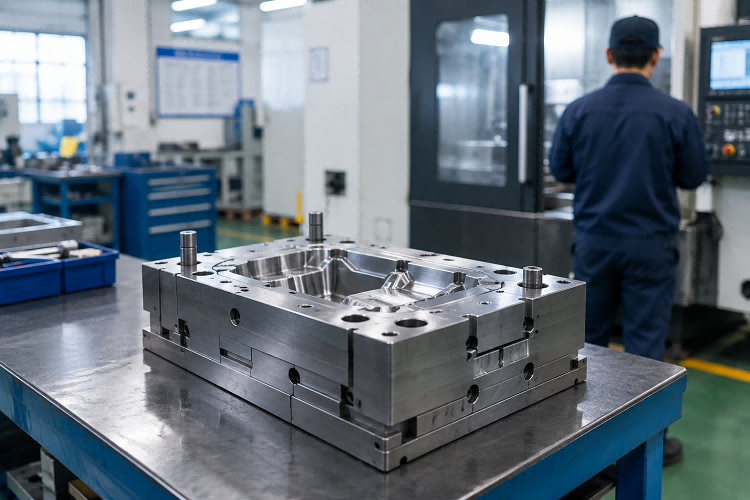
For small batches or short runs, stick with standard pre-hardened steels. P20. 718H. They’re cheap. Easy to cut. And they handle tens of thousands of shots just fine. That’s plenty for most startups.
Do you really need the fancy grades? S136. NAK80. These cost two to three times more. Unless you need a mirror-like finish or the mold will touch corrosive materials, skip them. Those steels are for high-volume, high-precision work. Not for you right now.
Use standard off-the-shelf mold bases. Don’t custom-order oversized ones. Just pick a size that fits your product. No need to over-spec. This cuts material cost further and doesn’t hurt function at all.
Avoid Heavy Upfront Investment
Don’t get locked into building a permanent, high-life production mold right at the start. That mindset burns cash. Be flexible with your production approach instead. You can still get your product to market while keeping initial costs painfully low.
Start simple. Use a trial mold.
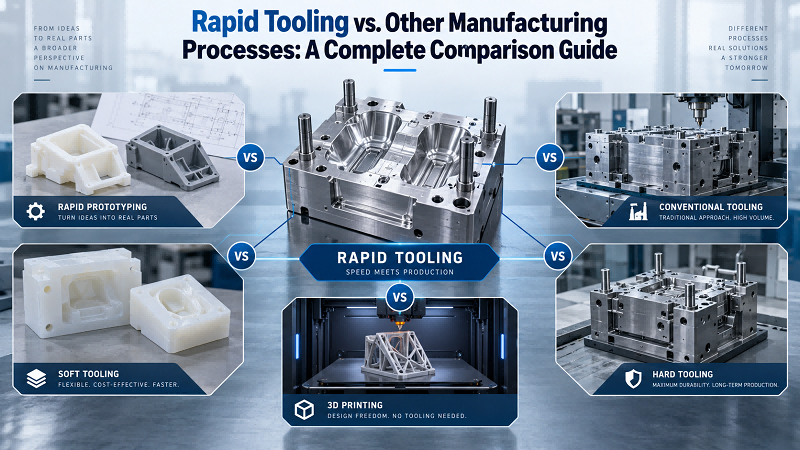
If you’re doing early trial runs or filling small first orders, go with a soft mold. Not a full hard steel production tool. A soft mold typically costs thirty to fifty percent of what a hard mold costs. Lead time is much shorter, too. Perfect for tight budgets and fast turnaround.
It won’t last forever. A simple mold handles maybe one thousand to ten thousand shots. That’s it. But that’s plenty for market testing and small orders. Once you validate demand and free up some cash, you invest in the real production mold. Little risk.
For very small batches, skip steel entirely.
Is the order volume only a few dozen to a few hundred pieces? You don’t need a mold. Not at all. Use 3D printed patterns combined with silicone molding. Total cost is less than ten percent of hard tooling. And you get usable plastic parts in just a few days.
The appearance and accuracy are fine for most everyday needs. Prototypes. Small custom orders. Trade show samples. That’s the sweet spot. You eliminate mold costs upfront completely. Then, when orders grow into the thousands or tens of thousands, you consider a real injection mold. That’s how you dodge financial risk in the early stages.
Optimize Collaboration and Payment Terms
Saving money isn’t just about the steel and the cavities. You can also ease your upfront cash burden by being smart about how you work with your mold maker and how you pay them. Small changes here help you avoid a cash flow crunch.
Use milestone payments. Control quality and progress.
Never pay the full amount up front. That’s a basic rule. Negotiate a milestone-based plan with a reputable shop instead. A fair structure looks like this:
- A thirty percent deposit when you approve the design.
- Another thirty percent after rough machining finishes.
- Thirty percent after trial molding passes, and parts meet your specs.
- The last ten percent is a quality hold. You pay it only after the mold has run for a while with no issues.
This does two things. It cuts your initial cash outlay. More importantly, it gives you leverage. The mold maker stays committed to quality. You avoid the common nightmare: no after-sales support, nobody to fix or modify the tool, because you already paid for everything. Don’t let that happen to you.
Share a mold with other businesses to split costs.
Here’s another angle. If your product is generic — a standard component, something other businesses in your niche also need — think about sharing the mold. Find two or three partners and split the cost.
You divide the design, machining, and steel expenses equally. A single mold gets split between you. Each party cuts its individual investment by more than half. Fifty percent or better. That’s real money.
This works best for common plastic parts. Nothing too specialized. But you do need one thing up front: a clear agreement. Who owns the mold? What are the production priorities? Who gets to use it when? Spell it out.
With clear terms, co-oping a mold is a known, low-cost strategy in the industry. Everyone gets to produce parts. Nobody bears the full cost alone. That’s the win.
Choose a reliable small to medium-sized mold shop — avoid big-brand premiums.
Big-name mold shops charge for the name. That’s just how it works. Their quotes run much higher, even for the same level of function. You pay a brand premium.
When your budget is tight, don’t go there. Look for a smaller or medium-sized shop instead. One with a solid reputation and proven experience. These shops have lower operating costs. Their prices are more reasonable. And they can still meet basic production needs with good craftsmanship. Their after-sales response is often faster, too.
Do your homework. Verify their credentials. Look at past case studies. Get the warranty terms clear upfront. A good small or medium shop can absolutely deliver a qualified, low-cost mold. Often, at a much better value than blindly picking a big-name supplier. That’s the smarter play.
Pitfalls to Avoid When on a Tight Budget
Low-cost moldmaking is not the same as low-quality moldmaking. People forget this. They try to save money and walk right into expensive traps. Then the rework and repairs cost more than the original mold ever did. Avoid the following mistakes.
Don’t use an unqualified small workshop.
A tiny, unlicensed shop quotes you a stupidly low price. Tempting, right? But here’s what happens. They cut corners. Substandard steel. Poor machining accuracy. The mold you get has flashing, warpage, and ejector pin marks. You name it. You face constant repairs. The mold dies fast. It feels like you saved money upfront. But in the long run, you pay much more.
Don’t oversimplify to the point of failure.
Cutting costs is smart. But not at the expense of your product’s core function or the mold’s basic structure. Example: using steel that’s too thin. Or reducing the ejector pin count too much. That leads to high rejection rates and terrible production efficiency. A mold that can’t run reliably isn’t a bargain. It’s a liability.
Don’t ignore long-term costs.
Never make a decision based only on the upfront mold price. That’s a mistake. You also need to look at the per-part production cost. The repair expenses. The after-sales support. Real value is the overall cost-performance ratio. Not the first invoice.
Define your needs clearly. Optimize every aspect of your mold — design, materials, production methods, and partnerships. You can launch a plastic product without a massive investment. You avoid the financial pressure and market risk. That’s what smart, budget-conscious moldmaking actually looks like.;
Conclusion
A tight budget doesn’t kill your project. That’s the truth. The key is to change your thinking. Stop chasing a perfect, permanent mold. Build a practical, cost-effective solution that fits what you actually need right now.
Plan carefully. Make smart trade-offs. You can launch your product. Test the market. Scale up later. No drowning in upfront costs. No unnecessary risks.
That’s the most practical and reliable way to get your mold made when every single dollar counts.
About NOBLE: Who We Are
At the end of the day, a great mold comes down to two things. Precision machining. And experienced hands. That’s where we step in.
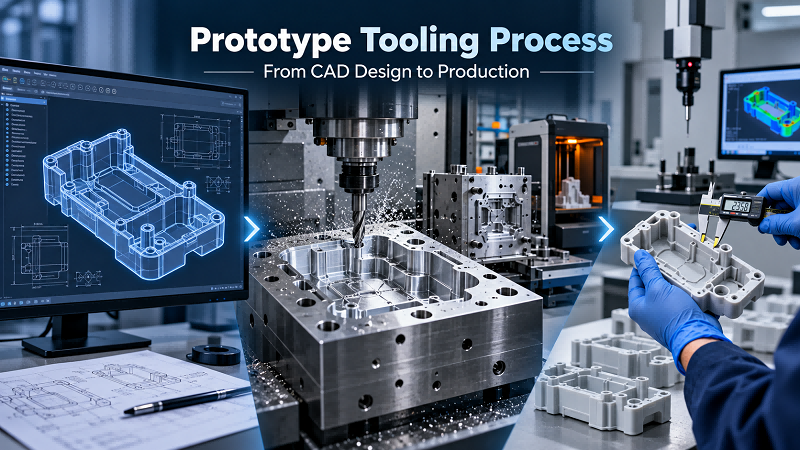
We are a CNC machining shop. Nothing fancy. We specialize in high-precision plastic injection molds, prototype development, and small-to-medium batch production. Years on the job. We’ve served startups, small factories, and big established manufacturers. So we understand the real pressure you feel. Balancing quality, cost, and lead time. Every day.
Here’s what we can do:
- CNC milling and turning
- EDM (electrical discharge machining)
- Wire cutting
- Surface grinding
- Precision mold assembly and debugging
And our certifications:
- ISO 9001:2015 – Quality management system
- ISO 13485:2016 – Medical device quality management
These aren’t just badges on a wall. They mean something. Consistent quality. Traceability. Continuous improvement. Whether we’re making a simple trial mold for a startup or a high-precision medical-grade mold for a regulated industry, we follow the same discipline.
We believe in clear talk. Fair prices. Long-term partnerships.
Got a project? Tight budget? Tricky design? We’re here to help you make it real.
FAQ
What’s the difference between a single-cavity and a multi-cavity mold? Which one should I pick?
A single-cavity mold makes one part per cycle. A multi-cavity mold makes several identical parts at the same time. Multi-cavity is faster for high volumes. But it costs a lot more upfront. Tight budget? Testing a new product? Not sure about demand? Start with a single cavity. You can always add more later.
How many shots can a simple soft mold actually produce?
A typical soft mold — pre-hardened steel like P20 or 718H — gives you one thousand to ten thousand shots. That’s it. But that’s plenty. Market testing. Small orders. Initial product validation. Once your volume grows, then you invest in a hard mold for the long haul.
Do you take small orders or trial molds?
Yes. All the time. NOBLE works with startups and small shops regularly. Need one simple trial mold? A few hundred parts from 3D printing plus silicone molding? A small-batch production run? We’re happy to help. No project is too small for us to take seriously.
What industries do you serve?
A wide range. Consumer goods. Automotive parts. Electronics. Medical devices — we’re ISO 13485 certified. Household products. Industrial components. If it can be injection molded, we’ve probably done something like it.
Can you help optimize my design to cut mold cost?
Yes. And we strongly recommend you let us. Our engineers work with you to simplify the product shape. Kill unnecessary undercuts. Remove complex features. Pick the most cost-effective steel and surface finish. Remember, up to seventy percent of mold cost is locked into the design. Getting this right saves you real money.