Bevezetés
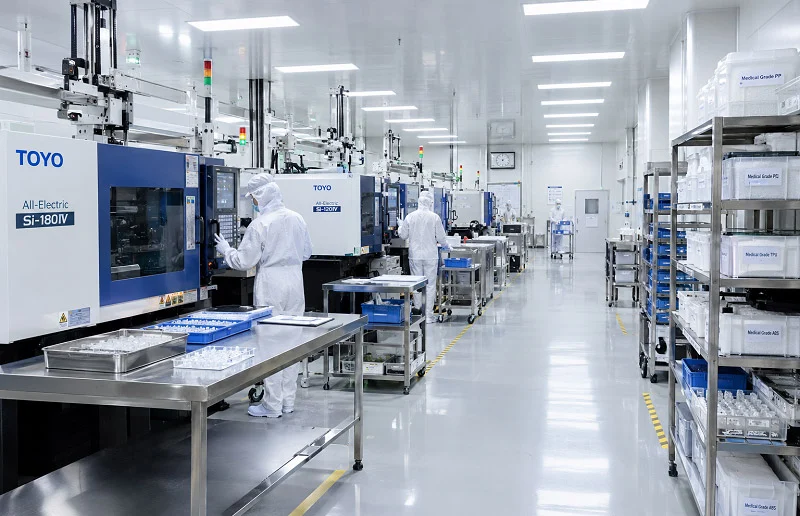
Medical injection molding produces precise, reliable plastic components for surgical instruments, diagnostic equipment, medical device housings, and drug delivery systems. These parts must perform consistently because component failure can affect patient safety.
The design challenges are significant. Dimensional accuracy, material compatibility, cleanliness, and manufacturing consistency all require careful attention. Compared with conventional injection molding, medical injection molding may involve stricter documentation, specialized validation, and more demanding quality requirements, depending on the device and its intended use.
This article explores ten key design considerations, balancing product performance, regulatory requirements, and manufacturability. Successful medical injection molding depends on a structured design process rather than guesswork.
10 Key Medical Fröccsöntés Tervezési irányelvek
1. Tartsa fenn az állandó falvastagságot
Uniform wall thickness supports consistent mold filling and cooling. In medical injection molding, uneven walls can cause sink marks, warpage, internal stress, and voids, affecting dimensional accuracy and part performance.
Design gradual wall transitions and avoid unnecessarily thick sections. Consistent wall geometry helps the material cool more evenly, improves dimensional stability, and makes manufacturing results more predictable.
2. Incorporate Appropriate Draft Angles
Draft angles help molded components release from the mold. Without sufficient draft, ejection forces increase, potentially causing scratches, deformation, or surface damage. Medical injection moldingdesign should account for draft on vertical walls and other surfaces parallel to the mold-opening direction.
The required angle depends on material properties, wall depth, and surface texture. Deeper walls and textured surfaces may need greater draft. Appropriate angles help protect part quality and maintain efficient production cycles.
3. Optimize Corners, Ribs, and Bosses
Rounded corners reduce stress concentrations, while properly designed ribs reinforce parts without adding excessive material. In medical injection molding, sharp corners and poorly proportioned features can increase stress, create sink marks, or affect dimensional stability.
Bosses used for fasteners or inserts need adequate support without creating overly thick sections. Balancing radii, rib thickness, and boss geometry helps improve structural performance and manufacturability.
4. Plan Gate Locations and Material Flow
Gate placement influences filling patterns, weld-line locations, surface appearance, and part strength. Poor positioning can create defects or weaknesses in functional areas. Medical injection molding design should consider gate locations in relation to sealing surfaces, critical interfaces, and areas subject to mechanical stress.
Mold-flow analysis can help predict filling behavior and identify potential problems before tooling is finalized.
5. Define Appropriate Dimensional Tolerances
Medical injection molding components may require precise dimensions to ensure proper assembly, sealing, and functional performance. However, applying extremely tight tolerances to every feature can increase tooling costs, inspection requirements, scrap rates, and lead times.
Material shrinkage, process variation, mold design, and feature geometry all affect achievable tolerances. Prioritize tight tolerances for critical dimensions and functional interfaces, while allowing wider tolerances for noncritical features where appropriate. This approach helps control costs without compromising performance or safety.
6. Select Suitable Medical-Grade Materials

Material selection affects strength, flexibility, chemical resistance, transparency, and heat resistance. In medical injection molding, polypropylene may suit chemical-resistant components, polycarbonate offers strength and transparency, polyethylene provides flexibility, and PEEK supports applications requiring high-temperature performance.
Designers must also assess biocompatibility and compatibility with the intended sterilization method, such as autoclaving, gamma irradiation, or ethylene oxide. The material must maintain its required properties after processing and sterilization while meeting the device’s applicable safety requirements.
7. Design for Efficient Cooling and Warpage Control
Uneven cooling can cause warpage, dimensional variation, and residual stress. Medical injection molding design should account for wall thickness, part geometry, and heat transfer from the earliest stages. Thick sections generally cool more slowly, potentially creating uneven shrinkage across the component.
Cooling channel placement influences both cycle time and part quality. Working with the mold designer to promote uniform cooling helps improve dimensional stability and repeatability. Consistent thermal management is essential when producing medical components with demanding dimensional requirements.
8. Account for Assembly and Functional Interfaces
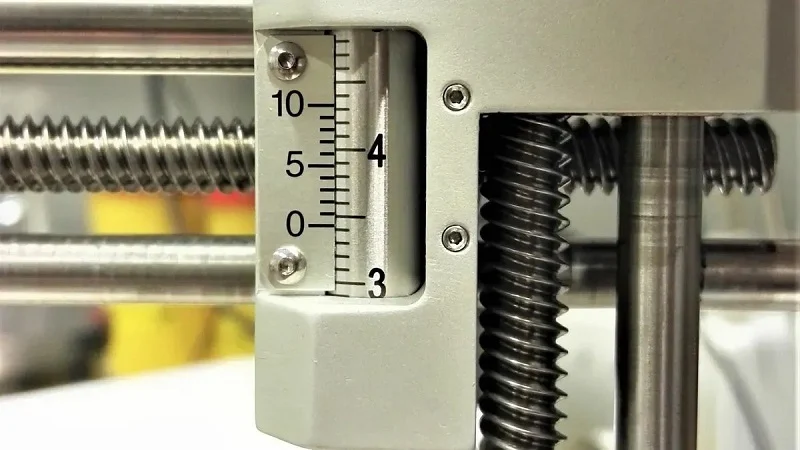
Molded components often connect with other parts through snap fits, threaded connections, press fits, seals, or insert-molded features. Medical injection molding design must account for these interfaces to ensure reliable assembly and function.
Tolerance stack-up can cause problems even when individual components meet their specifications. Validate the complete assembly, including snap-fit engagement, sealing performance, and critical connections.
9. Specify Surface Finish and Cleanliness Requirements
Surface finish affects appearance, fluid contact, cleaning, and functional performance. Medical injection molding designs should define appropriate surface requirements according to the component’s intended use. Some applications need smooth, easily cleanable surfaces, while others require specific textures or functional finishes.
Flash, burrs, and poorly designed crevices can affect part quality and complicate cleaning. Consider inspection access, contamination control, and residue-trapping features during design. Appropriate manufacturing controls and verification help ensure components meet their specified cleanliness and surface-quality requirements.
10. Consider Manufacturability, Validation, and Compliance
Design for manufacturability (DFM) helps identify tooling and production risks before manufacturing begins. Medical injection molding reviews should assess parting lines, undercuts, tool access, and process repeatability to support efficient production and consistent quality.
Validation, traceability, and documented controls are also important. ISO 13485 provides a quality management framework for medical devices, but certification alone does not establish that every component or process meets all regulatory requirements.
Közös Orvosi fröccsöntés Tervezési hibák, amelyeket el kell kerülni

Ignoring Material Shrinkage and Dimensional Variation
Different plastics shrink at different rates. Polypropylene, polycarbonate, PEEK, and polyethylene each respond differently to molding conditions. Medical injection molding design must account for material shrinkage, mold geometry, and process variation to achieve the required dimensions.
Machine settings and material batches can also affect consistency. A component that meets specifications during initial inspection may vary during production if the process is not adequately controlled. Designing for expected shrinkage and establishing appropriate tolerances help reduce fit problems and assembly failures.
Overlooking Sterilization and End-Use Conditions
Sterilization methods can affect material properties. Autoclave heat may damage unsuitable plastics, while gamma irradiation can cause discoloration or changes in performance. Medical injection molding material selection should consider the intended sterilization method, along with exposure to cleaning agents, disinfectants, body fluids, and operating temperatures.
Choosing materials without evaluating these conditions can lead to premature degradation or functional failure. Define the component’s end-use environment early, then verify that the selected material can withstand the expected conditions throughout its intended service life.
Finalizing Designs Without Manufacturing Input
A design that looks correct in CAD may present molding challenges. Undercuts can complicate ejection, uneven wall thickness can cause defects, and poorly positioned gates can affect filling. Medical injection molding projects benefit from manufacturing input before tooling begins.
Early design-for-manufacturing (DFM) reviews help identify tooling limitations and improve moldability before changes become expensive.
How to Improve Medical Injection Molding Design Before Production
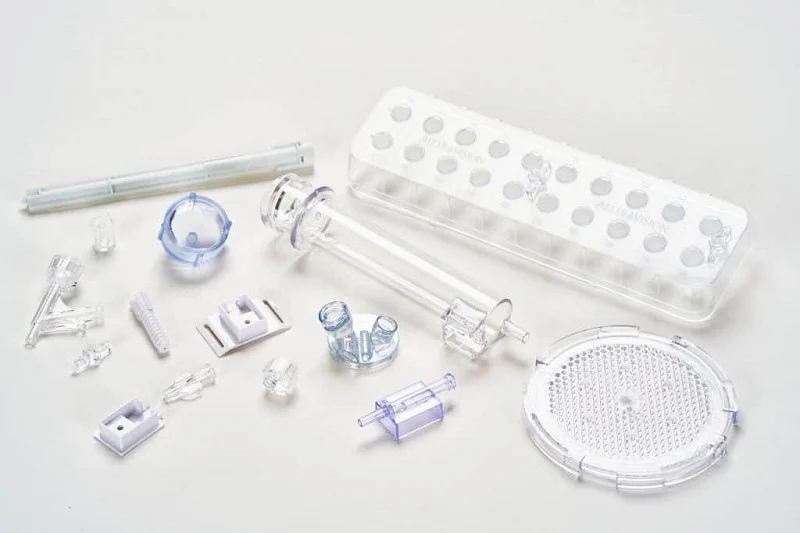
Conduct a Design for Manufacturability Review
A design for manufacturability (DFM) review evaluates wall thickness, draft angles, tolerances, gate placement, and other mold-related features. Medical injection molding designs benefit from this early assessment because it identifies potential defects and tooling limitations before mold fabrication begins, when changes are generally less costly.
Validate the Design Through Prototyping and Testing
Prototypes help evaluate fit, functionality, and material performance before mass production. Medical injection molding projects benefit from physical testing because it can reveal problems that CAD models may not show, such as snap-fit failures, dimensional mismatches, or leaking seals. Resolve these issues before finalizing the production design.
Establish Quality Requirements Early
Define critical dimensions, inspection methods, documentation, traceability, and validation expectations before production starts. Medical injection molding quality depends on clear, documented requirements and appropriate inspection and validation plans.
Choose NOBLE to Támogatás Your Medical Injection Molding Project

NOBLE is a leading manufacturer in China, combining professional manufacturing expertise with engineering support throughout product development and production. Our capabilities help customers move efficiently from early-stage prototyping to manufacturing and assembly, with services tailored to their medical injection molding project requirements.
Tanúsított minőségirányítási rendszerek
NOBLE holds ISO 9001:2015 and ISO 13485:2016 certifications. ISO 9001 addresses general quality management, while ISO 13485 focuses on quality management systems for medical devices. These systems support documented processes, consistent manufacturing practices, and quality control throughout production.
For medical injection molding projects, we review project-specific requirements before manufacturing begins. Certification alone does not guarantee that every component meets all regulatory requirements, so material selection, inspection criteria, and applicable validation needs must also be confirmed.
Átfogó szolgáltatások a tervezéstől az összeszerelésig
NOBLE provides engineering assistance, prototyping, manufacturing, surface finishing, and assembly. Integrating these services helps medical injection molding customers coordinate multiple production stages through one manufacturing partner.
Early collaboration helps identify design and manufacturing issues, clarify technical requirements, and reduce unnecessary handoffs. From prototype evaluation to production preparation and final assembly, our team works to keep the process organized and aligned with each project’s specifications.
Efficient Prototyping and Tömegtermelés
Early engineering collaboration helps identify design issues before production tooling is finalized. Through prototype evaluation and design refinement, medical injection molding projects can address potential problems before committing to full-scale manufacturing. This approach supports a more controlled transition from initial concepts to mass production.
NOBLE combines manufacturing expertise with responsive communication and project coordination to help customers manage each development stage. By reviewing requirements early and aligning manufacturing processes with project goals, our team helps streamline the path from prototype to production.
Support for Your Medical Plastic Component Requirements
Share your CAD files, material requirements, target quantities, critical tolerances, and intended applications with NOBLE. This information helps our team assess manufacturability and recommend a suitable production approach. Successful medical injection molding starts with clear technical requirements and effective communication.
NOBLE reviews project needs, discusses manufacturing options, and answers technical questions to help clarify the next steps.
Contact our team to discuss your medical injection molding project and explore a practical path from prototyping to production.
FAQs About Medical Injection Molding
Mi az orvosi fröccsöntés?
Medical injection molding is a manufacturing process in which molten plastic is injected into a mold, cooled, and formed into a finished component. It produces parts for surgical instruments, diagnostic equipment, medical device housings, and drug delivery systems. Precision and repeatability are essential because component performance can affect patient safety.
Which plastics are commonly used in medical injection molding?
Common materials include polypropylene, polycarbonate, polyethylene, and PEEK. Each offers different levels of strength, flexibility, transparency, chemical resistance, and heat resistance. Medical injection molding material selection depends on the component’s intended use, biocompatibility requirements, sterilization method, and required performance.
What are the most important medical injection molding design guidelines?
Key guidelines include maintaining consistent wall thickness, providing adequate draft angles, optimizing ribs and corners, selecting suitable materials, controlling cooling, and defining appropriate tolerances. Medical injection molding design should also consider gate placement, assembly interfaces, surface finish, and manufacturability to reduce defects and support reliable component performance.
Why is ISO 13485 important for medical injection molding?
ISO 13485 establishes quality management system requirements for organizations involved in medical devices. It supports documented processes, traceability, risk management, and consistent quality practices. Medical injection molding suppliers with ISO 13485 certification demonstrate that their quality systems meet the standard’s applicable requirements, but certification does not replace product-specific testing or regulatory approval. NOBLE holds ISO 13485:2016 certification.
When should medical injection molding prototyping begin?
Prototyping should begin early enough to evaluate design assumptions before committing to production tooling. Physical prototypes can help verify snap fits, seals, dimensions, and assembly interfaces. Early testing allows medical injection molding teams to identify and address design problems before they become more expensive to correct.
How can I choose a reliable medical injection molding manufacturer?
Evaluate the manufacturer’s engineering expertise, manufacturing capabilities, quality management systems, traceability practices, validation support, and communication. A reliable medical injection molding partner should understand the project’s technical and regulatory requirements and explain how its processes address them. NOBLE, a leading manufacturing company in China, supports customers from design review and prototyping through manufacturing and assembly.