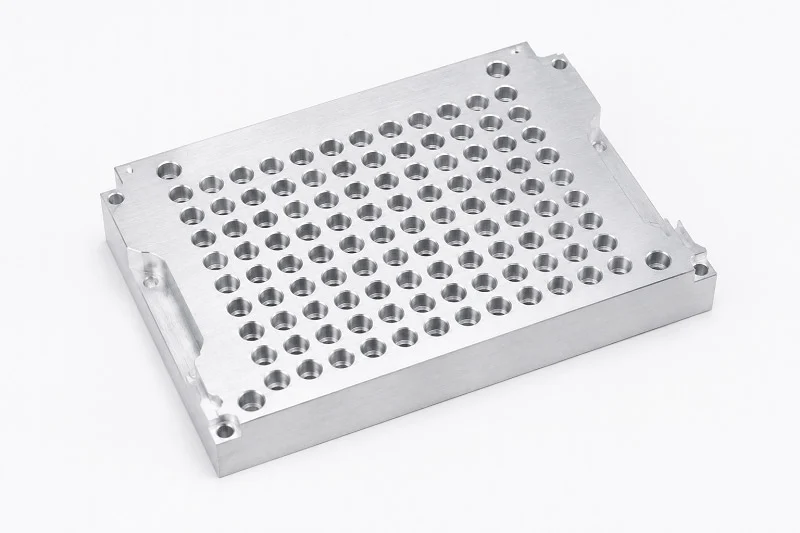
PCR thermal block machining is the precise manufacturing behind the metal heart of a thermocycler. This block directly controls temperature changes during polymerase chain reaction. Its machining precision decides whether your nucleic acid targets amplify correctly.
Why does precision matter for DNA amplification? Standard PCR thermal cyclers might claim ±0.5°C uniformity. But for qPCR or High-Resolution Melting, you need ±0.2°C or even ±0.1°C. A 1.0°C difference between wells causes a single Ct shift, leading to a twofold copy-number error.
Material choice plays a huge role in rapid cycling. Silver offers excellent thermal conductivity (429 W/m·K). However, a block rated at 6°C/s peak ramp rate realistically delivers only 3–4°C/s in-tube due to thermal resistance. This gap between peak and average is a critical factor for PCR amplification.
Understanding PCR Thermal Block Machining
The Role of the Thermal Block in PCR Cycles
The thermal block is the core of any thermocycler. It holds your samples and changes the temperature for the polymerase chain reaction. Each cycle has three steps: denaturation near 95°C, annealing around 55°C, and extension at 72°C. The block must shift between these temperatures quickly and evenly.
Design matters here. Old blocks use Peltier parts on the side. This creates an edge effect. Corner wells can stay 13–20°C below the target denaturation temperature when the display reads 95°C. That causes complete amplification failure in those wells. A center-fixed block design solves this. The active heating zone goes beyond the outer well boundary. This removes cold zones at plate edges.
This thermocycler function depends on steady heat spread. Every well needs the same temperature profile. Without it, your nucleic acid amplification results become unreliable. The block must also work with different reagents. Each primer set may need a slightly different annealing temperature. Good nucleic acid handling starts with the block design. A well-made thermocycler block also handles reagent volumes the same way.
Key Performance Requirements: Uniformity and Ramp Rates
Two specs define a good PCR thermocycler: ramp rate and uniformity. Ramp rate is how fast the block changes temperature. Uniformity is how evenly it holds that temperature across all wells.
Industry standards give us clear benchmarks:
| Specification | Minimum Acceptable | Premium |
| Ramp Rate (Sample) | 1.0°C/s | 4.0°C/s+ |
| Thermal Uniformity (Well-to-well at 90°C) | ≤±0.5°C within 30 s | ≤±0.2°C within 10 s |
Commercial thermocyclers go beyond these minimums. The Applied Biosystems ProFlex has a block ramp rate of 6.0°C/s. Bio-Rad PTC Tempo hits 5.0°C/s with uniformity of ≤±0.4°C within 10 seconds. The Eppendorf Mastercycler X50 reaches 10°C/s using silver blocks.
But ramp rate alone doesn’t tell the whole story. For a standard Taq polymerase, the best ramp rate drops sharply with target length. At 50 bp, it’s 12.3°C/s. For 100 bp, it’s only 5.2°C/s. Longer amplicons need polymerase processing time during temperature changes.
Real-time qPCR needs even tighter control. A difference of just ±1°C between wells gives different Ct values. This makes quantitative comparisons invalid. Premium thermocyclers use segmented blocks with 3–6 insulated zones. These give linear gradients instead of the S-shaped inaccuracies of simpler designs. The gradient function helps find the best protocols for different primers.
The thermocycler function also involves fast temperature changes. Faster cycles mean higher throughput. But speed must be balanced with accuracy. A good thermocycler does both.
How Machining Precision Affects Amplification Accuracy
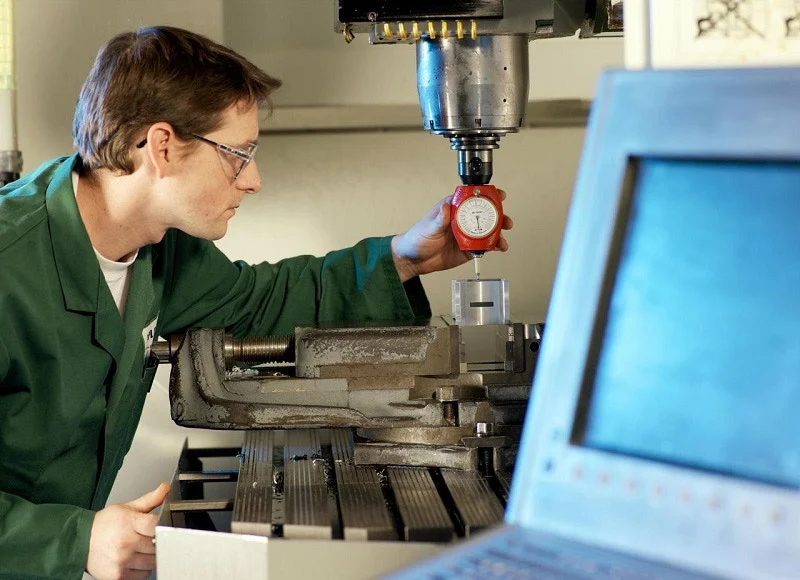
Machining precision directly shapes these performance numbers. Wells must be at exact depths with the same wall thickness. Any variation creates thermal resistance differences between wells. This leads to uneven heating and cooling.
The PCR thermal block machining process decides how well the block transfers heat to your samples. Tighter tolerances mean better thermal contact. This improves PCR efficiency across the whole plate.
For high-speed PCR, every detail matters. The block material, surface finish, and well shape all affect heat transfer. Silver blocks have the best thermal conductivity at 429 W/m·K. But even the best material fails if machining creates hot spots or cold zones. Rapid cycling needs precise control.
The PCR reaction depends on steady temperature exposure. Each cycle must give the same conditions to every sample. Machining precision makes this possible. Without it, your PCR amplification shows well-to-well variation that ruins reproducibility. Good machining also helps with rapid thermal cycling by cutting thermal mass where possible. Proper DNA amplification relies on this precision. The whole reaction benefits from uniform heating.
Material Selection for PCR Thermal Block Machining
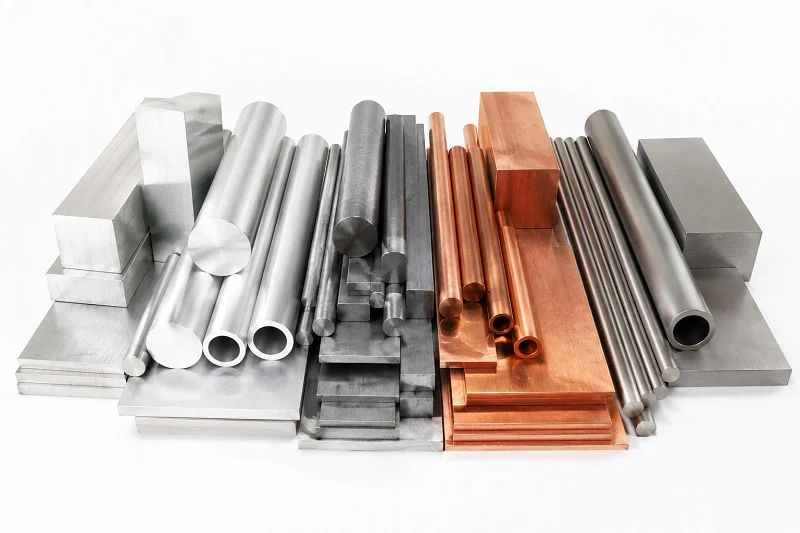
The material you choose for your thermal block sets the top limit for performance. It decides how fast heat travels, how evenly it spreads, and how long the block lasts. Three main choices lead the market: aluminum alloys, silver, and gold-plated silver. Each one balances cost, heat flow, and how long it lasts in a different way.
Aluminum Alloys: Balance of Conductivity and Cost
Aluminum is the main workhorse of the industry. It gives good heat flow at a much lower cost than precious metals. Most standard thermocyclers use aluminum because it keeps costs low and still meets basic PCR needs.
But aluminum has real downsides. It often cannot reach target temperatures fast. It heats slowly and spreads heat unevenly across the block. These problems cause well-to-well differences. Some samples denature properly while others are late. This lack of consistency harms reproducibility and makes fixing problems very hard.
For basic endpoint PCR, aluminum works well. The heat mass is okay, and saving money matters for making many units. But if you need even heat or fast changes, aluminum will slow you down. The material just cannot move heat fast enough for quick cycling steps.
Silver and Gold-Plated Silver for High Performance
Silver sits at the top of the heat flow chart. At 429 W/m·K, it beats aluminum by a large amount. This makes silver the top choice for premium thermal cyclers that promise fast heat changes and even temperatures.
Silver and gold-plated silver blocks give high temperature stability, accuracy, and uniformity across the whole heating block. They make sure heat moves evenly and reliably to every well. That sameness directly helps fast PCR methods by keeping equal sample temperatures through each cycle.
The gold plating adds protection against rust. Silver gets dull over time, mainly when wet and cleaned with chemicals. A thin gold layer guards the silver below while keeping its heat flow. This makes the block last longer and keeps its performance steady for years.
The downside? Cost. Silver costs a lot, and gold plating adds more. But for clinical tests, qPCR, and high-volume labs, the money spent is worth it. The better heat properties directly boost PCR amplification efficiency and repeatability. When every Ct value matters, you cannot handle uneven heating.
Corrosion-Resistant Coatings and Surface Treatments
Raw metal blocks face a tough environment. They go between 4°C and 99°C, meet water drops, and are cleaned with strong chemicals. Without protection, rust damages the surface and ruins heat contact.
Gold plating is the top choice. It fights rust, keeps heat flow, and gives a smooth surface for tube contact. Many high-end cyclers use gold-plated silver blocks for this reason.
Teflon coatings give another choice. They offer great chemical resistance and low friction. But Teflon works as a heat insulator, so it lowers heat transfer a little. This trade-off works for some uses but hurts fast cycling performance.
Some makers use anodized aluminum. This makes a hard, rust-proof surface layer. It makes the block last longer without adding much cost. But anodizing also lowers heat flow a bit, so the block needs careful design to make up for it.
The right coating depends on what you need most. For the best heat performance, gold-plated silver wins. For saving money on production, anodized aluminum gives good protection. The key is matching the coating to your PCR reaction needs and how often you use the block.
Processes for PCR Thermal Blocks Machining
CNC Milling for Complex Well Geometries
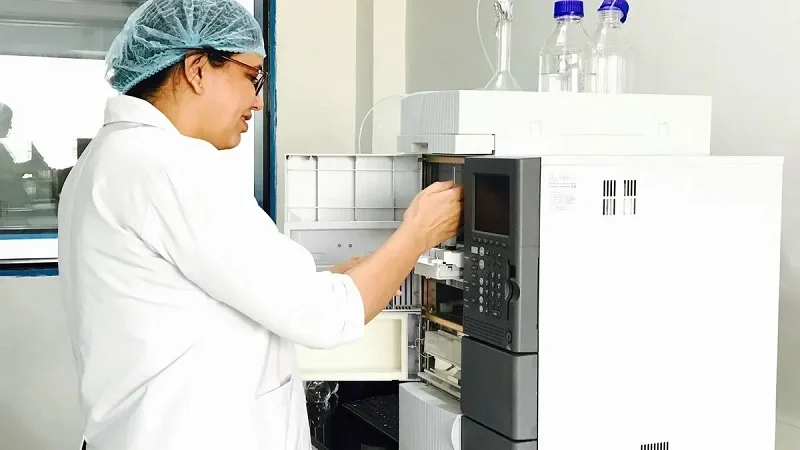
CNC milling does the main work in PCR thermal block machining. It starts with a solid piece of aluminum or silver. A computer-controlled tool removes material bit by bit to cut out the well pattern. Modern 5-axis machines can reach the part from many angles, which helps with the undercut shapes found in some tube types.
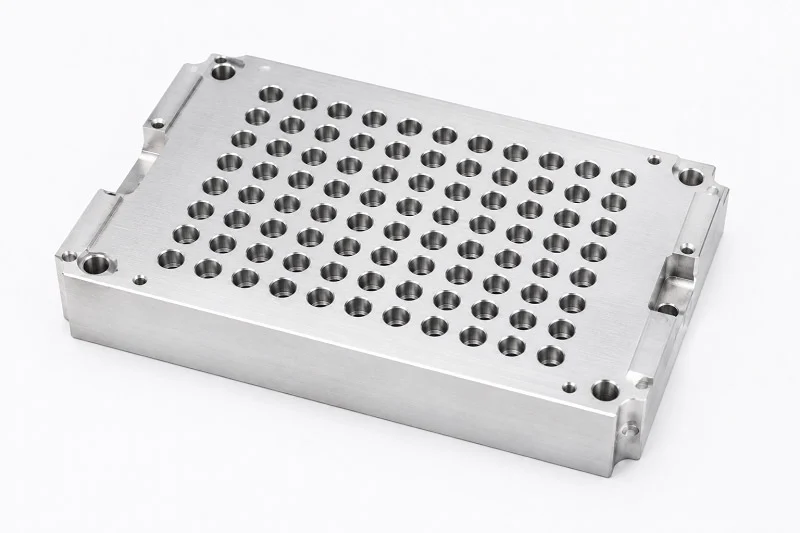
The well shape needs careful planning. Standard 0.2 mL tubes need a well depth that fits the tube’s tapered form. The walls must stay thin for quick heat flow but thick enough to stay strong through thousands of heating and cooling cycles. A typical block may have 96 wells in an 8×12 grid, though 384-well versions are common for labs that process many samples.
Multi-block setups add more complexity. Some thermocyclers use three separate blocks side by side, each with its own heaters. This lets users run different programs at the same time. Each block must be machined on its own, then lined up exactly during assembly. The milling process must keep the same sizes across all three blocks so they work the same way.
Tool choice matters during milling. Diamond-coated end mills handle silver without sticking. Standard carbide tools work fine for aluminum but wear out faster on precious metals. The spindle speed and feed rate must balance cutting speed against heat buildup. Too much heat during machining can change the metal’s inner structure, which hurts heat performance later.
Surface Finishing for Optimal Thermal Contact
The surface finish of each well controls how well heat moves from the block into your tubes. A rough surface traps air pockets. Air does not conduct heat well, so those pockets create hot spots and cold zones. The goal is a smooth, even surface that touches the tubes as much as possible.
Mechanical polishing is the usual method. The process uses finer and finer abrasives to remove tool marks. Starting with a coarse grit takes off rough edges, then finer grits smooth the surface to a shiny finish. For silver blocks, this step is vital because the metal is soft and scratches easily.
The well walls need extra care. The side surfaces touch the tube walls and move heat sideways. A polished sidewall with a surface roughness of just a few microinches makes a real difference in heat evenness. The bottom of the well matters even more, since that is where the sample sits during the pcr reaction.
Some makers add a lapping step after polishing. Lapping uses a loose abrasive paste between the block and a flat plate. This creates a very flat surface with the same finish across the whole block face. The result is better heat contact and more even heat spread across all wells.
Precision CNC Grinding and EDM for Tight Tolerances
CNC milling gets you close, but precision grinding and electrical discharge machining (EDM) get you exact. These methods achieve the tight tolerances that separate top thermocyclers from cheaper models.
Precision grinding uses an abrasive wheel to remove tiny amounts of material. This method excels at making flat, parallel surfaces. The bottom of the thermal block must sit perfectly flat against the heating element below it. Any gap creates a heat barrier that slows heat flow and lowers evenness. Grinding can hold flatness within a few microns across the whole block face.
EDM takes a different route. It uses electrical sparks to wear away material from the part. This method works well for making complex inside features that milling tools cannot reach. Some advanced block designs include internal channels for active cooling. EDM can cut these channels with accuracy that mechanical methods cannot match.
The mix of grinding and EDM lets makers hold tolerances that directly improve PCR amplification. When every well has the same size, every sample gets the same heat pattern. That sameness leads to repeatable results across the whole plate.
Checking tolerances needs special tools. Coordinate measuring machines (CMMs) probe the finished block to confirm sizes. Optical comparators check surface finish and well shape. These measurements feed back into the making process, allowing changes that keep production within spec.
The finished block must also survive heating and cooling without bending. The machining steps create internal stresses that can cause warping over time. Many makers add a stress-relief annealing step after machining. This heat treatment steadies the material so the block keeps its accuracy through thousands of pcr cycles.
For fast cycling uses, the machining steps must also cut down thermal mass. Thinner walls heat and cool faster, but they also weaken the structure. The design must balance speed against strength. Precision machining makes this balance possible by keeping the same wall thickness throughout the block.
The whole process chain, from raw material to finished block, decides whether a thermocycler meets its performance promises. Each step builds on the one before. Good milling creates the base, surface finishing improves heat flow, and precision grinding or EDM locks in the final tolerances. Together, these steps produce blocks that heat evenly, cycle quickly, and give researchers the dependable results they need.
Design Considerations for PCR Thermal Blocks Machining
Getting the design right goes beyond picking a material. The block’s shape, where you place sensors, and how the whole setup handles heat all matter. These choices directly affect how well a thermocycler performs.
Optimizing Well Layout and Thermal Mass
The well layout decides how evenly heat spreads across the block. Outer wells often lose heat faster than inner ones. One fix is to put dummy wells around the edges. These wells hold no samples but keep the heat pattern steady for the real PCR samples inside.
Thermal mass is another big factor. The block needs enough material to hold temperature steady. But too much mass slows down heating and cooling. For rapid protocols, every extra gram adds seconds to each cycle. Designers cut away metal where possible, leaving thin walls between wells.
The well depth must match the tube shape exactly. The well must follow the tube taper so the tube makes full contact with the wall. Any gap traps air and slows heat transfer. This hurts PCR amplification efficiency. For 384-well plates, the wells are smaller and closer together. The thinner walls need careful machining.
Integrating Temperature Sensors and Heaters
A thermocycler is only as good as its temperature control. Sensors and heaters must work together to keep every well at the right temperature. Most systems use thermocouples or resistance temperature detectors. Single-sensor blocks assume the whole block is at one temperature. But real blocks have hot spots and cold zones. Multiple sensors give a more accurate picture.
The best designs place sensors at several points, like the center and edges. This lets the control system adjust for uneven heating. The heaters, usually Peltier elements, sit below the block. They must cover the full area to avoid cold spots. Multi-block machines need separate heaters for each section. This lets operators run different programs with different primers.
The control loop must respond fast. When the PCR reaction calls for a new temperature, the system should overshoot slightly and then settle. Good algorithms learn how the block behaves and adjust the power. This matters most for rapid cycling.
Managing Thermal Expansion and Material Compatibility
Every metal expands when heated. A thermal block going from 4°C to 99°C changes size. The design must account for this movement.
Silver expands less but still moves. The block must sit in a housing that allows this expansion. If the block is bolted down tight, it will bend or crack. The solution is to use sliding mounts or flexible brackets that let the block grow and shrink freely.
Material compatibility matters in multi-block systems. If one block is aluminum and another is silver, they expand at different rates. The frame must handle this difference. Otherwise, the thermal cyclers develop alignment problems. The sensors must also match the block material. A sensor glued to a silver block needs a glue that expands with the metal. Otherwise, the sensor loses contact. The control system tracks the temperature of your reagents and nucleic material.
The whole system, block, housing, sensors, and heaters, must work as one. Good design considers all these interactions from the start. That is how you build a thermocycler that delivers reliable results.
Precision and Quality Control in PCR Thermal Block Machining
Tolerances and Measurement Techniques
Precision starts with clear numbers. A thermal block’s well depth, wall thickness, and surface finish all carry specific tolerances. These tolerances decide how evenly heat reaches your samples. When wells vary by even a fraction of a millimeter, thermal resistance changes between wells. That variation shows up as uneven amplification across your plate.
The industry sets tight targets. Premium thermocyclers like the Prime Pro 48 hold temperature uniformity at ±0.1°C within 1 second. Temperature stability stays at ±0.1°C. Other high-end models promise uniformity of ≤±0.2°C at 90°C, with accuracy at the same level. These numbers represent the gold standard for pcr thermal block machining.
| Source | Parameter | Value |
| Prime Pro 48 | Temperature uniformity | ±0.1°C within 1 sec |
| Prime Pro 48 | Temperature stability | ±0.1°C |
| Another thermal cycler | Temperature uniformity | ≤±0.2°C at 90°C |
| Another thermal cycler | Temperature accuracy | ≤±0.2°C at 90°C |
| Yet another model | Uniformity across block | ±0.1°C instantly |
| Fourth specification | Accuracy/Uniformity | ±0.2°C at 90°C |
Measuring these tolerances requires the right tools. Coordinate measuring machines probe the finished block to confirm dimensions. Optical comparators check surface finish and well shape. But dimensional checks alone don’t tell the whole story. You also need thermal verification.
The standard approach uses an independent NIST-traceable reference probe. Technicians place this probe directly into representative wells, typically the four corners and the center. This captures the temperature spread across the whole block face. Some labs use a calibrated multi-well verification device instead. This tool measures several wells at once, giving a complete thermal picture in a single run. Multipoint temperature probes serve the same purpose for annual thermal block verification.
Thermal Uniformity Testing and Validation
Thermal uniformity testing answers one question: does every well reach the same temperature at the same time? The answer determines whether your pcr reaction produces consistent results across the entire plate.
Routine verification follows a clear schedule. Research labs check block temperature accuracy annually. Clinical labs do it every six months. Facilities operating under cGMP rules verify quarterly. Each check measures actual block temperature against the set point using NIST-traceable sensors.
| Procedure | Description | Typical Frequency |
| Block temperature accuracy | Measure actual block temperature vs. set point using NIST-traceable sensors | Annual (research), semi-annual (clinical), quarterly (cGMP) |
| Temperature uniformity (well-to-well ΔTmax) | Maximum temperature difference across wells; should be ≤ ±0.5°C | Same as above |
| Ramp rate verification | Measure heating/cooling rate in °C/sec to ensure cycle time and specificity | Same as above |
| Heated lid temperature | Verify lid temperature against set point to prevent condensation | Same as above |
| Calibration interval | Frequency based on regulatory requirements and usage intensity | As per laboratory type (see frequency column) |
The uniformity test measures the maximum temperature difference across wells. The acceptable limit sits at ≤ ±0.5°C for standard work. Premium cyclers do far better, hitting ±0.1°C or ±0.2°C. Ramp rate verification checks heating and cooling speed in °C/sec. This ensures cycle times stay accurate and specificity holds. Heated lid temperature gets checked too, preventing condensation that ruins reactions.
Before each run, operators should confirm the heating block is clean. Debris in any tube holder changes heat transfer. Tubes should sit evenly across the block for uniform lid contact. After use, turning off the machine preserves component integrity. These simple habits extend block life and keep thermal performance steady.
Statistical Process Control (SPC) in Manufacturing
Quality control doesn’t stop at the finished block. Smart manufacturers build quality into the process itself. Statistical process control tracks measurements during production to catch problems early.
SPC works by sampling blocks at regular intervals during machining. Technicians measure key dimensions like well depth and wall thickness. They plot these measurements on control charts. The charts show when the process drifts outside normal variation. This lets operators adjust before producing out-of-spec parts.
For PCR thermal block machining, SPC tracks several parameters. Well diameter, depth, and spacing all get monitored. Surface roughness measurements confirm the finish stays within spec. Thermal testing results feed back into the system too. If uniformity starts trending worse, the process gets corrected.
The payoff is consistency. When every block leaves the factory with the same dimensions, every thermocycler performs the same way. Researchers can trust their results across instruments and labs. This consistency directly supports PCR efficiency and reliable PCR amplification.
SPC also reduces waste. Catching problems early means fewer rejected blocks. That lowers production costs without sacrificing quality. For manufacturers serving clinical and research markets, this balance matters. The best thermal cyclers come from processes that monitor themselves continuously.
The combination of tight tolerances, thorough thermal validation, and statistical process control creates blocks that perform reliably for years. Each element reinforces the others. Good measurement catches machining errors. Thermal testing confirms real-world performance. SPC prevents errors from happening in the first place. Together, they ensure every block delivers the rapid, uniform heating that modern PCR demands. This precision protects your nucleic acid targets and keeps your reagents working as intended. The result is a thermocycler you can trust through thousands of cycles.
Future Trends in PCR Thermal Block Machining
Additive Manufacturing for Custom Block Designs
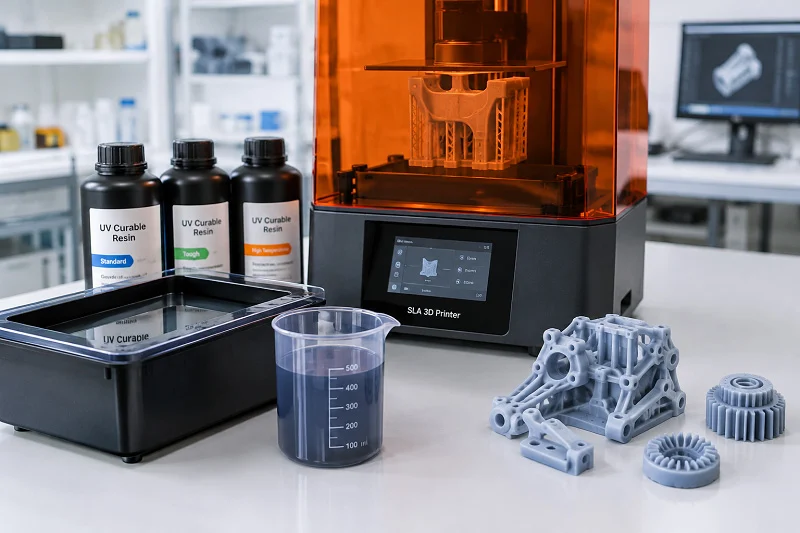
Additive manufacturing, also called 3D printing, changes how we make thermal blocks. Instead of cutting metal away, you build it up layer by layer. This allows for complex internal features that regular machining cannot reach.
You can make cooling channels that follow the exact shape of the well array. You can add lattice structures that reduce thermal mass without losing strength. The result is a block that heats and cools faster while staying uniform across the whole plate. Metal powders like aluminum and silver work well for printing. The layer-by-layer method lets you combine materials in ways casting cannot.
For low-resource settings, additive manufacturing offers a way to make affordable custom blocks. You can design a block for a specific set of reagents or primers without retooling an entire line. This flexibility matters when you need to adapt quickly to new protocols. Custom well depths become practical. You can match the block to specific tube types without new tooling.
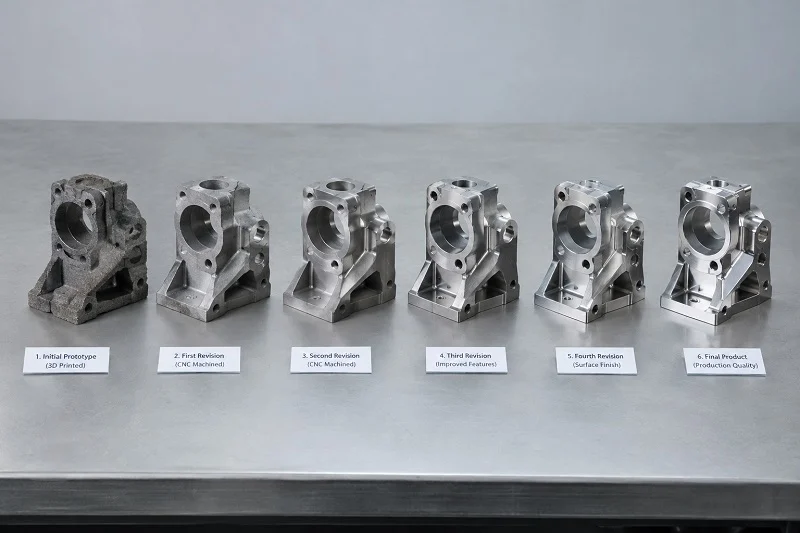
The technology also supports rapid prototyping. Instead of waiting weeks for a machined prototype, you can print a test block in days. This speeds up development for new thermocycler designs and lets engineers iterate faster.
Advanced Materials and Composite Blocks
The next generation of thermal blocks uses materials beyond pure aluminum and silver. Composite blocks combine layers of different metals to get the best properties from each. Think of a copper core for heat spread, clad in stainless steel for corrosion resistance.
Graphene and carbon-based materials are entering the picture too. These materials conduct heat even better than silver in some directions. They also weigh less, which helps with ramp rates. Ceramic coatings offer another path. They resist corrosion better than metal alone.
These new materials also help with rapid diagnosis. When you need quick results in a clinic, faster thermal cycling means faster answers. The block material directly affects how fast you can run your cycles.
Smart Manufacturing and In-Process Monitoring
Sensors on machining tools track every cut in real time. If a tool starts to wear, the system adjusts the cutting speed or alerts the operator. This keeps the block dimensions within spec from the first piece to the last.
In-process monitoring checks surface finish and well depth as the machine runs. No more waiting for final inspection to find problems. The system catches issues early and corrects them. AI systems analyze tool wear patterns. They predict when to change tools before parts go out of spec. Digital twins of the machining process let engineers test changes without wasting material.
For commercial thermal cyclers, this means every block leaving the factory performs the same way. Researchers can trust their results across instruments. The data from the manufacturing process feeds back into design improvements, creating a cycle of continuous refinement.
This approach also supports real-time qPCR applications where consistency is critical. Every cycle needs even heat for reliable amplification. Smart manufacturing ensures that variation stays below the detection threshold. For labs handling many samples, this consistency saves time and reduces repeats.
For low-resource settings, the trend toward smarter manufacturing could lower costs. Less waste means cheaper blocks. And cheaper blocks make thermocyclers more accessible to labs that need them most. New cyclers entering the market benefit from these advances.
NOBLE Supports Your PCR Thermal Block Machining Project

Our Manufacturing Capabilities
NOBLE is a top Chinese maker of precision parts. We bring years of hands-on skill to every thermal block job. Our shop runs advanced CNC mills, precision grinders, and EDM machines. This gear lets us handle complex well shapes and hold tight tolerances that modern thermocycler designs need.
Our team works with aluminum, silver, and gold-plated silver. We know how each metal acts under the cutting tool. Silver needs diamond-coated tooling and careful speed control. Aluminum cuts faster but needs attention to surface finish. We match our process to your material choice so the final block works exactly as designed.
We serve both prototyping and mass production. A small batch of test blocks helps you check your design. Once approved, we scale to larger production runs without changing the process. Our machining settings stay the same across every run. That consistency means every block leaving our facility matches the first approved sample.
Certifications
Quality systems matter when you build parts for medical and research gear. NOBLE holds quality management certifications. This certification covers our whole production flow, from incoming material checks to final packaging. We document every step and track every measurement.
For medical device work, we also hold certifications for medical device manufacturing. This standard goes beyond general quality. It focuses on safety and traceability for medical parts. Our paperwork meets the strict needs of clinical thermocycler makers. You get full traceability on every block we ship. This helps you pass your own regulatory audits with confidence.
These certifications are not just wall plaques. They shape how we work daily. Our operators follow written steps. Our inspectors use calibrated tools with documented accuracy. Our quality team reviews every batch against your specs. This discipline reduces surprises and keeps your production timeline on track.
Comprehensive Services from Design to Assembly
We do more than cut metal. NOBLE offers a full service package that covers your entire project. Our engineers review your design files and suggest improvements. We look for ways to cut thermal mass, improve heat flow, and simplify machining. These suggestions often lower costs and boost performance at the same time.
Surface finishing happens in-house. We polish, lap, and coat blocks to meet your thermal contact needs. Our plating partners apply gold and other protective coatings with even thickness. We check coating quality before shipping.
Assembly services round out our offering. We put together heaters, sensors, and wiring into complete subassemblies. This saves you time and cuts your supplier management load. You receive a tested unit ready for final integration into your thermal cyclers. For rapid cycling designs, our assembly team knows the importance of proper sensor placement and thermal interface materials.
We also support your validation work. Our test reports document thermal uniformity and ramp rate performance. These reports give you data for your own verification steps. Whether you need a prototype or large production runs, NOBLE delivers with the same care and precision. Your pcr amplification results depend on the quality of your block. We make sure that quality never varies.
PCR thermal block machining determines whether your thermocycler delivers reliable results. Material choice, machining precision, and quality control all work together. Silver blocks offer the best thermal performance, while aluminum balances cost and function. Every step, from CNC milling to surface finishing, affects how evenly heat reaches your samples.
Precise machining ensures thermal uniformity and fast ramp rates. These factors drive consistent amplification across all wells. Your primers and reagents depend on that consistency. Without it, rapid cycling becomes guesswork.
Ready to build a better thermal cycler? Partner with NOBLE. We offer full-service capabilities from design to assembly, backed by quality management and medical device certifications. Let’s create blocks that perform flawlessly.
FAQ About PCR Thermal Block Machining
Why does block material matter so much for PCR?
The block material decides how fast heat moves and how evenly it spreads. Silver conducts heat at 429 W/m·K, far better than aluminum. This speed directly affects ramp rates and evenness. For standard PCR, aluminum works fine. For qPCR or high-resolution melting, silver makes a real difference in your results.
What tolerance should I expect from a quality thermal block?
Premium cyclers keep temperature evenness at ±0.1°C within one second. Well depth and wall thickness stay within microns of spec. Coordinate measuring machines check these sizes after machining. If your supplier cannot show these numbers, ask for thermal validation reports before you buy.
How often should I verify my thermocycler’s block temperature?
Research labs check once a year. Clinical labs check every six months. Labs under cGMP rules test every three months. Each check uses NIST-traceable sensors in representative wells. The biggest temperature difference across wells should be at or below ±0.5°C for standard work.
Can I machine a silver block with regular CNC tools?
Silver is soft and gummy. Standard carbide tools grab and tear the metal. Diamond-coated end mills cut silver cleanly. Spindle speed and feed rate need careful tuning to avoid heat buildup. That heat can change the metal’s inner structure and hurt heat performance later.
What causes uneven heating across a thermal block?
Edge effects create cold zones at the edge. Corner wells can be 13–20°C below the set point when the display reads 95°C. A center-fixed block design with active heating beyond the outer well boundary fixes this. Multiple sensors also help the control system adjust for hot spots.
How does gold plating affect thermal performance?
Gold plating adds rust resistance without losing heat flow. The thin layer protects silver from rust and chemical damage. Teflon coatings also resist rust but act as insulators, lowering heat transfer. For fast cycling, gold-plated silver is best. For budget builds, anodized aluminum offers good protection at lower cost.
What role does surface finish play in thermal contact?
A rough surface traps air pockets between the block and your tubes. Air does not conduct heat well, creating hot spots and cold zones. Polishing and lapping create a smooth surface that touches the tubes fully. A fine surface finish improves heat evenness across the whole plate.
Can additive manufacturing replace CNC machining for thermal blocks?
Additive manufacturing allows complex internal cooling channels and lattice structures that reduce thermal mass. These designs heat and cool faster. But printed metal often needs post-machining to hit tight tolerances. For now, hybrid approaches work best: print the complex shape, then machine important surfaces to final spec.