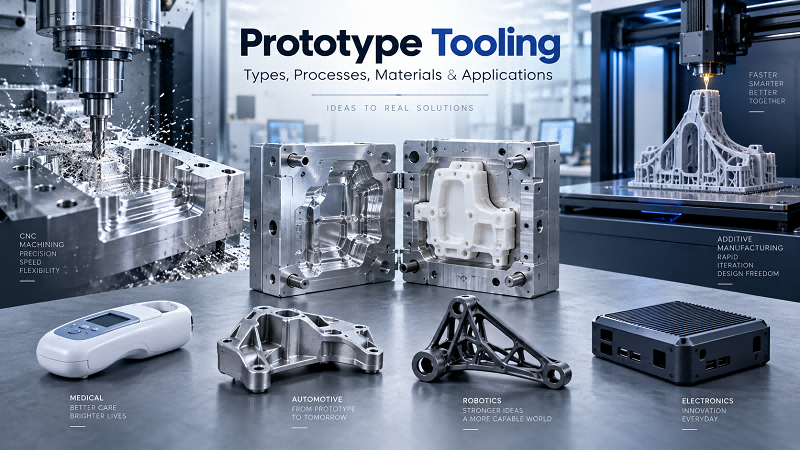
Medical precision parts feature strict tolerances, complex structures, high hygiene standards, and strong stability requirements. As a core process of high-end precision manufacturing, 5-axis CNC machining, relying on its technical advantages such as multi-axis linkage, one-time clamping and forming, and high-precision cutting, has become the mainstream solution for the processing of medical and aesthetic precision parts at present.
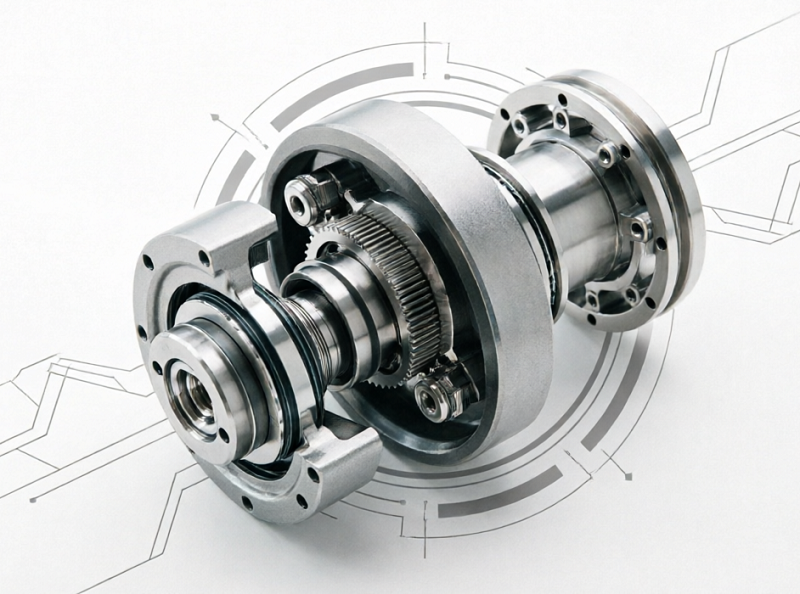
One-setup Machining for Higher and More Consistent Precision
Medical precision components have extremely high requirements for dimensional and positional tolerances. Even a micron-level error can lead to assembly failure of the equipment, abnormal operation, and even affect the safe use of medical and aesthetic equipment.
Traditional 3-axis CNC machining only supports three-axis linear cutting. When dealing with complex medical parts, multiple flips, re-clamping, and repeated positioning and alignment are required.
Each time manual clamping and alignment are carried out, there will be a tiny positioning error. After multiple accumulations, it will form a serious cumulative tolerance, directly causing problems such as hole position deviation, flatness deviation, and excessive assembly clearance of the parts, resulting in a decrease in the yield rate and an increase in the rework rate.
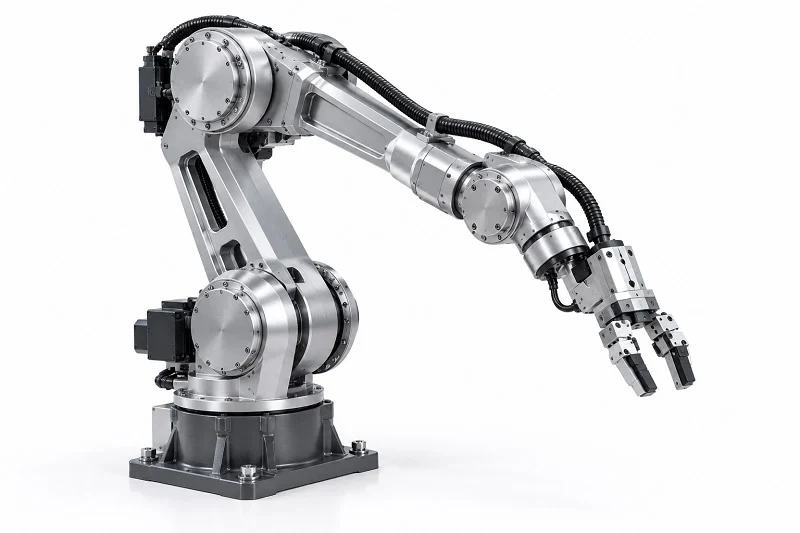
5-axis CNC Machining is equipped with A linear motion structure of X, Y, and Z axes and A dual-axis rotational linkage structure of A and C, which can achieve 5-axis synchronous cutting and significantly enhance the processing freedom.
For complex-structured medical precision parts, the equipment can achieve one-time clamping and complete the entire processing procedure without the need for multiple disassemblies, alignments, and adjustments.
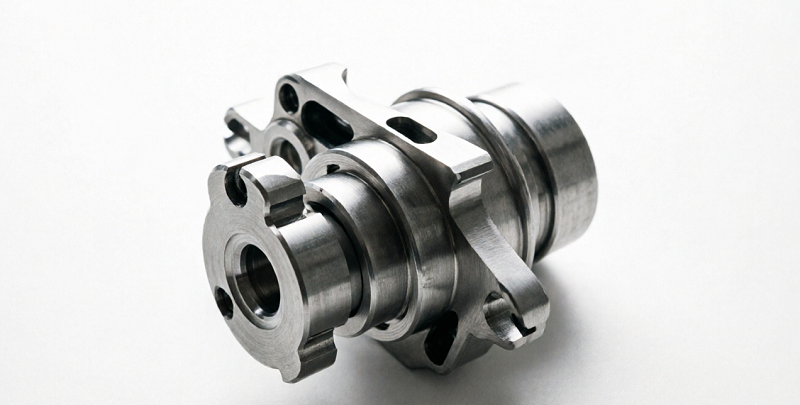
Eliminate the cumulative errors caused by multiple positioning from the root, effectively ensure the relative position accuracy of each hole, curved surface, slot, and installation reference of the parts, and significantly improve the dimensional consistency and shape and position stability of the finished parts.
In the production of precision medical components, the cumulative tolerance of complex workpieces processed by 3-axis machining is generally between 0.02mm and 0.05mm, which makes it difficult to meet the assembly standards of high-end medical equipment. However, 5-axis machining can stably control the overall tolerance within 0.01mm, making it suitable for the high-precision assembly requirements of diagnostic equipment, treatment equipment, and medical aesthetic devices.
Accommodate Complex Structures with Superior Forming Capacity
At present, medical and aesthetic equipment is gradually upgrading towards lightweight, integrated, and miniaturized designs. The core components inside the equipment are no longer simple regular structures. A large number of irregular curved surfaces, deep cavity structures, inclined holes, and grooves, etc., are widely used.
Such complex structures can effectively reduce the volume of the equipment, optimize the internal pipeline and circuit layout, and enhance the user experience of the equipment. However, they also pose extremely high challenges to the processing technology, and the traditional three-axis processing technology has obvious technical bottlenecks.
In traditional 3-axis machining, the tool Angle is fixed and can only cut perpendicularly to the workpiece plane, making it unable to perform in-depth processing. When dealing with complex and irregular structures, only disassembly processing, secondary splicing, and manual shaping can be adopted to complete the task.
This processing mode not only damages the overall structure of the parts, reducing structural strength and sealing performance, but also leads to problems such as splicing gaps and alignment deviations, which cannot meet the usage standards for the long-term stable operation of medical equipment.
5-axis CNC machining can flexibly adjust the cutting Angle of the tool by the rotation of the worktable and the real-time swing of the tool axis, keeping the tool in the optimal cutting posture at all times. Without too many operations, it can achieve the integrated and integral forming of complex irregular structures.
Whether it is high-precision optical bases, irregular cavities, multi-angle connection brackets, or other accessories, 5-axis machining can precisely complete the forming process, meeting the personalized structural design requirements of high-end medical equipment.
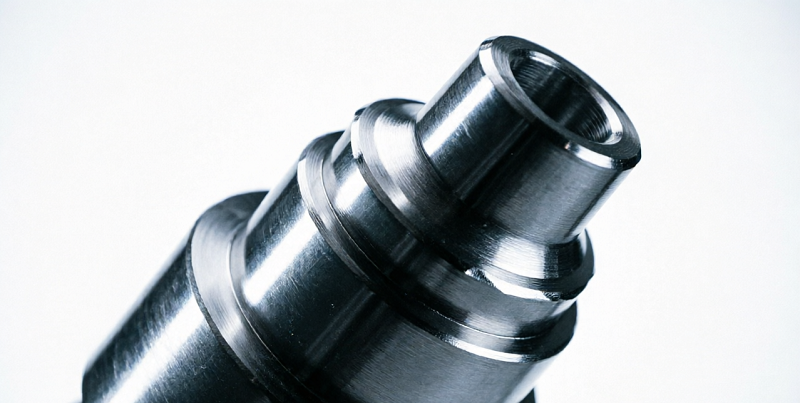
Outstanding Surface Precision Meets Medical Sanitation Requirements
In addition to dimensional accuracy, medical and aesthetic components have strict industry standards for surface finish, flatness, and burr-free.
On the one hand, the precise and smooth surface of parts can reduce friction loss, vibration, and noise during the operation of equipment, lower the wear rate of components, and extend the overall service life of the equipment.
On the other hand, most medical aesthetic and diagnostic devices come into direct contact with human skin and tissues. The surfaces of their parts are free of burrs, unevenness, and residual machining marks, making them easier to clean and disinfect, less prone to bacterial growth, and fully compliant with medical and health safety standards.
When traditional three-axis machining is used for cutting curved surfaces and irregular structures, it can only rely on the point contact of ball-end tools for cutting. The cutting trajectory is intermittent, which is very likely to cause defects such as tool marks, ripples, and burrs.
After the workpiece is processed, a large amount of manual handling is required, which not only increases working hours and costs, but also easily leads to problems such as uneven grinding, dimensional wear, and surface damage, seriously affecting the accuracy and appearance quality of the parts.
5-axis machining relies on an angle-adjustable tool axis system and can adopt a full-contact surface continuous cutting method, with a continuous and smooth tool movement trajectory.
At the same time, it can shorten the overhang length of the cutting tool, enhance the cutting rigidity, suppress the processing vibration, and eliminate problems such as tool marks, burrs, and unevenness at the source.
The surface of the processed parts is smooth and clean, with a lower roughness value. It can reach the medical-grade surface standard without complex secondary fine processing, which not only ensures the stability of equipment operation but also meets the core requirements of hygiene, safety, and easy cleaning in the medical industry.
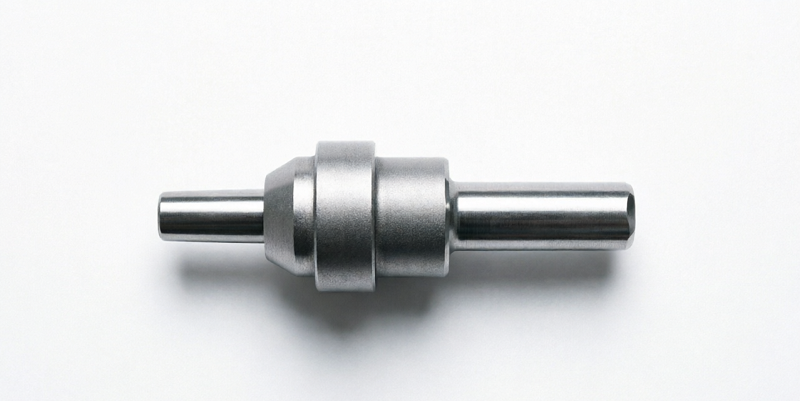
Multi-material Compatibility for Machining of Various Medical Materials
The material selection for medical precision components differs from that of ordinary mechanical parts. The core criteria for material selection are corrosion resistance, good biocompatibility, and non-toxicity. Commonly used materials include medical stainless steel, titanium alloy, medical ceramics, etc.
The hardness, toughness, thermal deformation coefficient, and cutting characteristics of different materials vary greatly. Traditional processing techniques find it difficult to balance the processing accuracy and material integrity of various materials, and are prone to problems such as chipping, deformation, and cracking.
5-axis CNC machining has an extremely strong material adaptation capability. It can intelligently match exclusive cutting parameters based on the physical properties and processing difficulties of different medical materials, achieving targeted precision processing.
For high-hardness and wear-resistant materials such as 316L stainless steel and titanium alloy, the cutting Angle can be optimized to reduce the load on the tool and avoid material compression deformation.
For materials that are prone to deformation and damage, such as PEEK and medical plastics, a lightweight and uniform cutting mode can be adopted to eliminate problems like material cracking, shrinkage, and burrs.
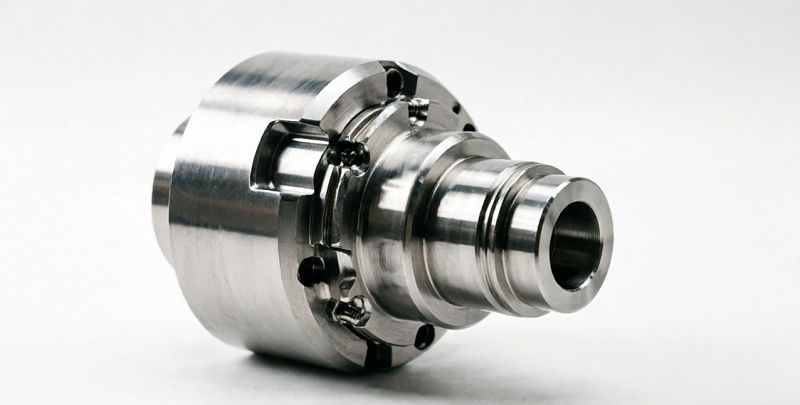
Highly Integrated Processes for Greatly Improved Production Efficiency
The product iteration speed in the medical aesthetics industry is fast. There are frequent demands for new product research and development testing, small-batch sampling, and large-batch mass production. Equipment manufacturers have extremely high requirements for the delivery cycle of components and the stability of supply.
The traditional 3-axis machining process is characterized by scattered procedures, complicated processes, a high proportion of ineffective working hours, and a long production cycle, which cannot meet the market demand for rapid implementation in the industry.
5-axis CNC machining is an integrated processing technology. A single device can complete the entire process in one stop, greatly simplifying the production process, reducing ineffective processes, and significantly improving overall production efficiency.
Compared with traditional three-axis machining, the production cycle of complex medical parts can be shortened by more than 30%, the sample-making and delivery speed is faster, and the stability of batch supply is stronger.
Meanwhile, 5-axis machining features a high degree of automation with minimal human intervention. The processing procedures are standardized and digitalized, effectively avoiding errors and efficiency losses caused by manual operations. It can not only meet the urgent sample-making needs during the new product development stage but also adapt to large-scale standardized mass production orders, perfectly adapting to the flexible and diverse production demands of the medical and aesthetic industry.
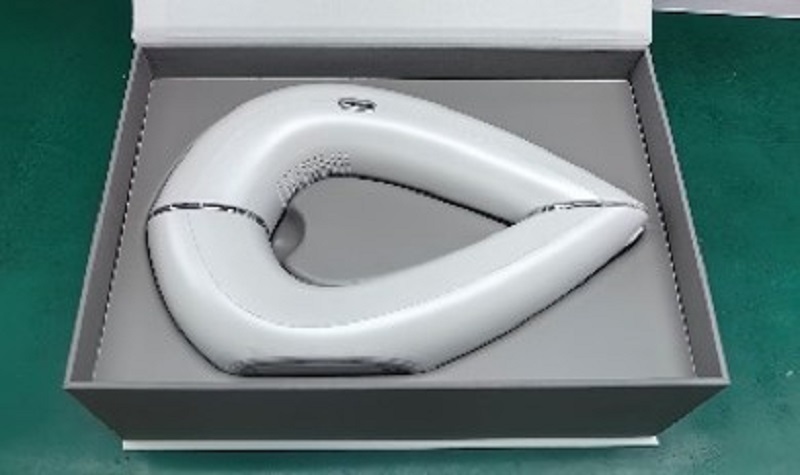
NOBLE Self-developed Hair Removal Device Practical Case
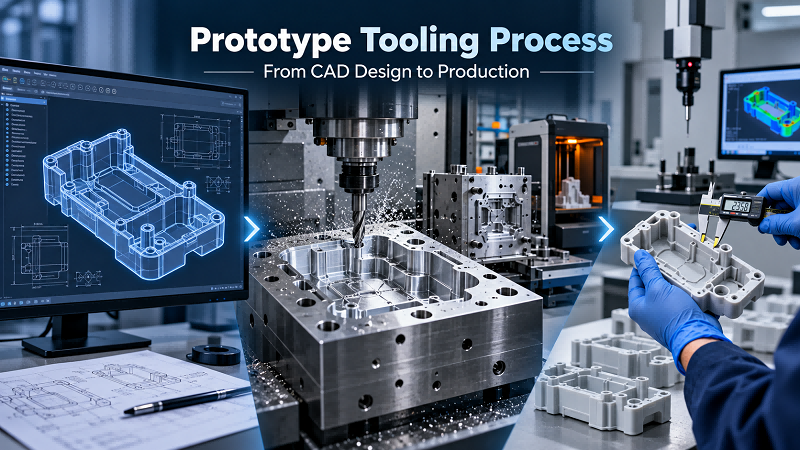
Our company has full-process project development capability for beauty care equipment. The M6-pro hair removal device is an independently developed project, which can start from the complete design of appearance, structure, electronics, and software, and successively complete mold design, mold processing and assembly, trial mold injection molding, product testing and verification, packaging, and shipment and delivery.
Relying on mature and precise processing technology, the shell structure accuracy, curved surface fit, and assembly stability of the hair removal device are guaranteed, and the dimensional consistency of the components is excellent.
Customers only need to put forward product requirements, and we will undertake the full-chain implementation work. We will complete the entire set of services, including R&D, molds, injection molding, testing, and mass production in one stop, and stably achieve standardized batch delivery of medical aesthetic equipment.

Why choose NOBLE as your medical parts manufacturer
NOBLE is a Sino-British joint venture awarded by the government as a “National High-tech Enterprise”. We have two major business directions: “Smart Manufacturing” and “Care Products”. The “Smart Manufacturing” business specializes in providing customers with project-supporting services, including parts machining and manufacturing.
More than 10 years of professional manufacturing and rapid prototyping experience. Our efficient team provides strong support for your new projects to 100% realize your requirements; Standardized management brings strict quality control of parts & products; a reasonable workflow achieves lower cost with the same quality.
After years of hard work and development, NOBLE has gradually transformed from a precision parts machining and manufacturing enterprise with complete industrial chain supporting service capabilities to a service-oriented enterprise that provides full support for customers’ entire projects.
NOBLE is your trusted one-stop custom manufacturing solution, from prototype design to manufacturing, through huge manufacturing resources, suitable technology, streamlined process, expert guidance, and a perfect quality inspection process to turn your ideas into reality.
NOBLE has the following qualification certificates:
ISO 9001: 2015 – Robust quality management for general manufacturing. Consistent processes. Documented control. Traceable inspection.
ISO 13485: 2016 – Stricter quality standards for medical device parts—rigorous process validation. Full traceability. Required for implantable and surgical parts.
Conclusion
From the perspective of overall processing advantages, 5-axis CNC machining, with its five core capabilities, has addressed the industry pain points of traditional three-axis machining and meets the strict production standards of precision components in the medical and aesthetic fields.
Under the development trend of medical equipment becoming increasingly precise, miniaturized, and high-end, 5-axis machining has become the mainstream process in the production of high-end medical components and is the core foundation for ensuring equipment accuracy, usage safety, and stable operation.
FAQs of
1、 What special surface treatments are required for CNC-machined medical parts?
Electropolishing, passivation, dust-free ultrasonic cleaning, biocompatible coating
2、What measuring equipment is used to inspect ultra-precision medical 5-axis components?
CMM coordinate measuring machines, optical image detectors, roughness testers, and micrometers with micron accuracy.
3、What cleanroom grades are standard for processing medical device precision parts?
Mainly Class 10000 and Class 1000 cleanrooms to avoid particle contamination affecting biocompatibility.
4、What limits the service life of cutting tools during 5-axis machining of titanium medical parts?
High cutting temperature, strong material adhesion, and severe abrasion will accelerate tool wear.
5、What packaging standards should be followed for finished medical precision components before delivery?
Anti-static film wrapping, independent dust-proof PE bags, and shock-resistant EVA inner trays.
6、What risk factors will affect the biocompatibility of machined medical alloy parts?
Residual cutting fluid, unremoved metal burrs, and unqualified surface oxidation layers.
7、How to solve thermal deformation when machining thin-walled medical aluminum alloy parts?
Adopt low-speed, light cutting, segmented cooling, and low-stress fixture positioning processes.