Introduction
Medical devices keep getting smaller. Tighter. More tailored to a single patient. That trend creates a manufacturing problem. Some traditional methods—molding, casting, basic hand fabrication—cannot keep up. Plastic CNC machining solves that problem. It cuts precise parts directly from solid plastic stock.
What Is Plastic CNC Machining?
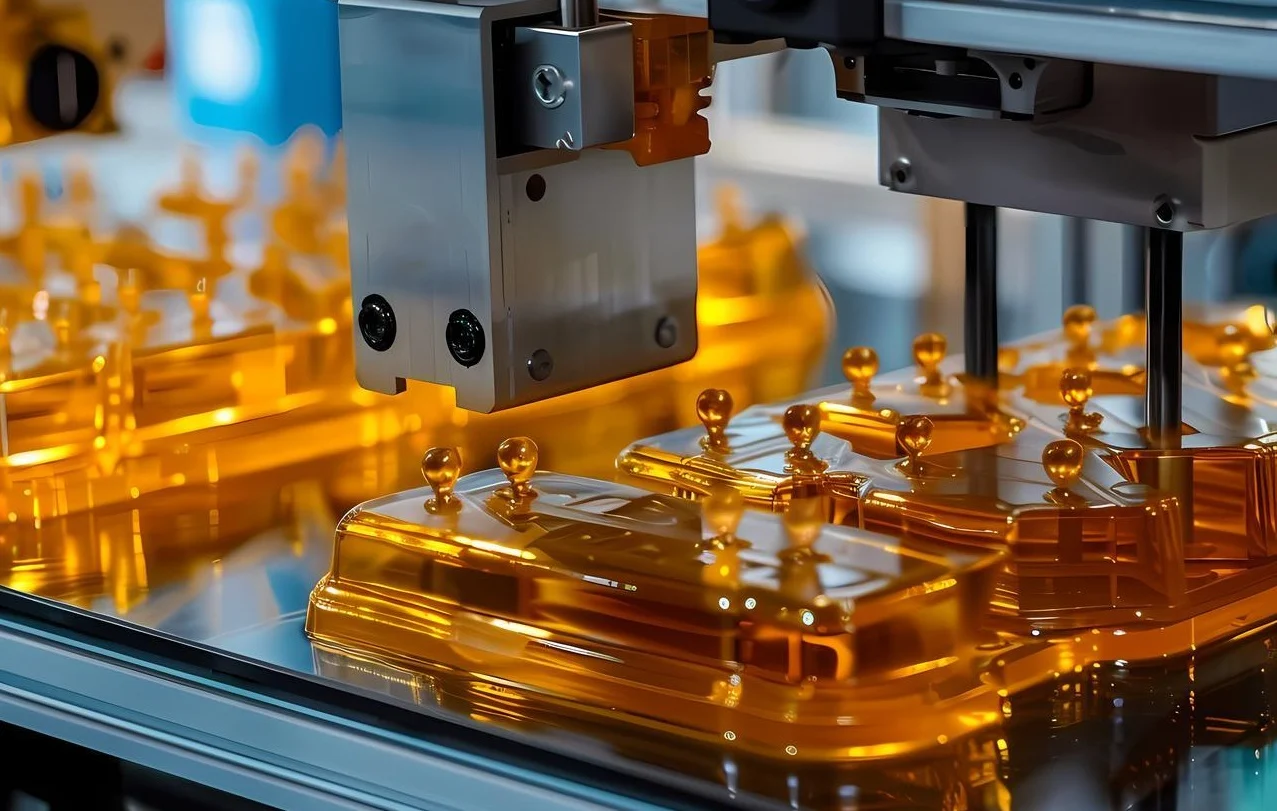
A computer guides a cutting tool. The tool removes material from a solid block of plastic. No heat. No molds. Just subtraction until the right shape remains. That is plastic CNC machining.
Metal machining runs hot and heavy. You can push a carbide tool through steel at high feed rates. Plastics behave differently. Too much heat and the material melts, not cuts. Too much feed and the part deflects, not shears. A sharp tool, high spindle speed, and light chip load are required.
CNC Milling for Complex 3D Shapes
Milling creates pockets, curves, undercuts, and contoured surfaces. The cutter moves in three, four, or five axes. For CNC machining medical components, this capability is essential. Surgical instrument handles, implant trial bodies, and device housings all start on a mill.
CNC Turning for Cylindrical Components
The plastic rod spins. A stationary tool shapes it. Round parts come off the lathe: bone screw testers, syringe barrels, catheter connector bodies. Turning is fast. Turning is precise. For high-aspect-ratio cylinders, nothing else works as well.
CNC Drilling for Precision Holes
Hole location and hole size matter. A drill bit spins and plunges. Coolant flushes chips away. For medical device manufacturing, a misplaced hole means a scrap part. Drilling is often a secondary operation after milling or turning. But it is a critical one.
Plastic CNC machining is not metal machining with a different material. It is a distinct discipline. Mastering the differences and CNC machining medical components becomes repeatable, reliable, and cost-effective. Ignore them, and scrap rates climb.
Top Medical-Grade Plastics Used in CNC Machining
Thermoplastics are the workhorses here. But not every plastic belongs in a patient. Some degrade under sterilization. Others leach chemicals. A few cannot hold a tolerance after machining. The table below shows the ones that work.
| Material | Key Properties | Typical Medical Use |
| ABS | Tough, impact-resistant, cheap | Device housings, non-implant prototypes |
| POM (Delrin) | High stiffness, low friction, and dimensional stability | Gears, bearings, instrument handles |
| Nylon | Strong, wear-resistant, and absorbs moisture | Catheter components, suture retainers |
| Acrylic (PMMA) | Crystal clear, rigid, shatter-resistant | Fluidic manifolds, transparent housings |
| Polycarbonate (PC) | Very tough, transparent, and sterilizable | Surgical instrument cases, IV components |
| PTFE (Teflon) | Extremely low friction, chemically inert | Wire liners, guide sheaths, seals |
| PEEK | High strength, biocompatible, radiolucent | Spinal cages, dental implants, trauma plates |
High-Performance Implant Materials
PEEK and PEI stand above the rest. PEEK resists heat. It survives autoclaving. It does not show up on an X-ray—radiolucent. Surgeons can see bone healing right through the implant. PEI offers similar strength with slightly different processing characteristics. Both are machinable. They are worth it for load-bearing, long-term implants.
Properties That Matter
Three things determine if a medical-grade plastic belongs in a device.
Biocompatibility first. ISO 10993 testing. No toxicity. No immune response. No leachables.
Sterilization resistance second. Steam autoclave. Gamma radiation. Ethylene oxide gas. The plastic must survive the chosen method without cracking, yellowing, or losing strength.
Radiolucency third. For implants near bone, the surgeon wants to see through the device on an X-ray. Dense plastics like PEEK are naturally radiolucent. Reinforced or filled plastics are not.
Choose the wrong medical-grade plastic and the part fails. Choose right, and CNC machining medical components delivers reliable, implant-ready hardware every time.
Why Precision Matters in Medical Device Manufacturing
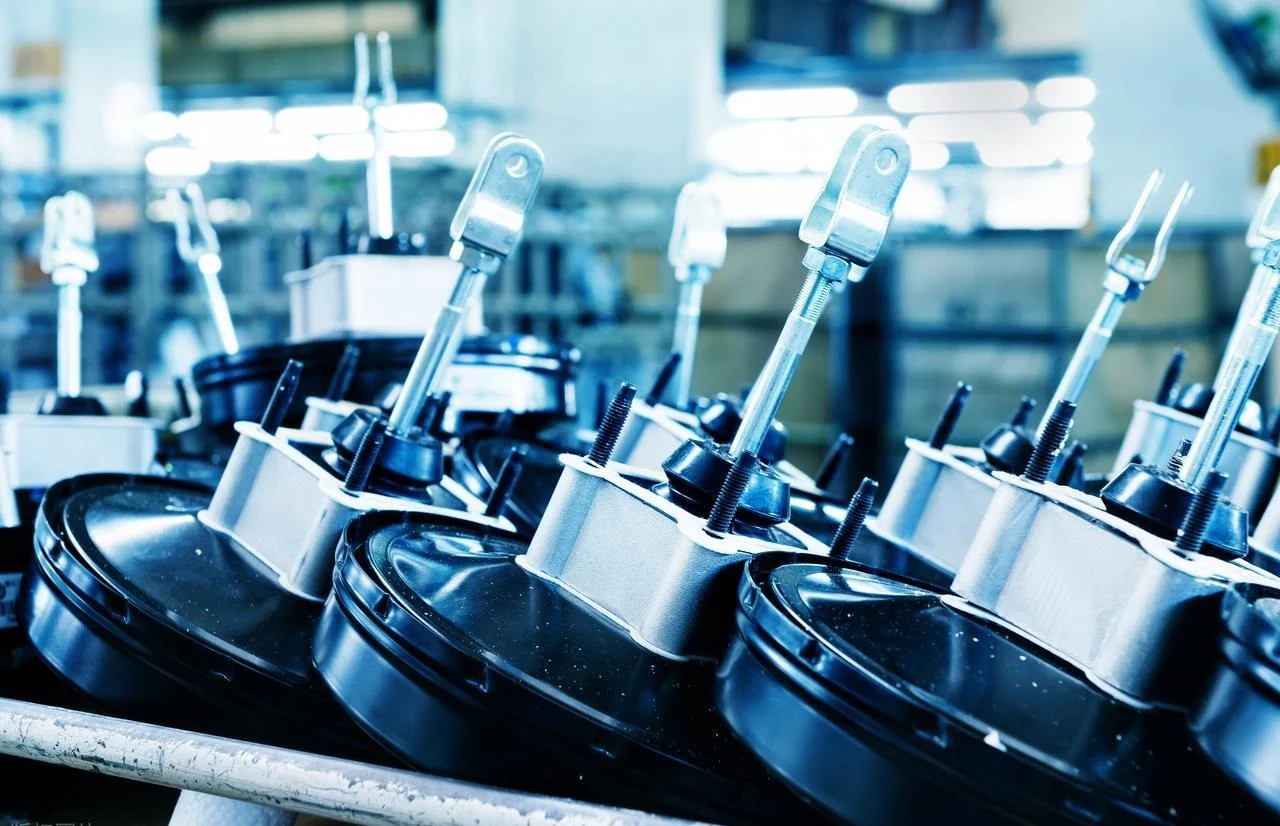
If a bone screw is 0.02 inches larger than the standard, it will not thread properly; if a catheter connector is 0.01 inches smaller than the standard, leakage will occur. These are not mere theoretical figures, but actual rejection criteria.
In the field of precision CNC machining for medical devices, typical tolerance ranges are ±0.001 inch or less. Certain components—such as locating pins, valve seats, and thread starts—even require tolerances of ±0.0005 inch. This is equivalent to half the thickness of a human hair.
Surgical Tools
A rongeur tip must meet exactly. The biopsy needle bevel must align. A trocar point must penetrate without excessive force. Dirt in the machining process turns into grime on the surgeon’s hands. This leads to fatigue and errors, which in turn cause injuries. Plastic CNC machining produces these tools from rigid, sterilizable materials with repeatable precision.
Implants
A spinal cage sits between vertebrae. It bears a load. It promotes fusion. If the height is off by a few thousandths, the cage either shifts or fails to restore proper disc space. Dental implants use threads measured in microns. A mismatch means the abutment does not seat. The crown rocks. Medical device manufacturing relies on machined PEEK and PEI for these load-bearing components because no other process delivers the same accuracy.
Drug Delivery Systems
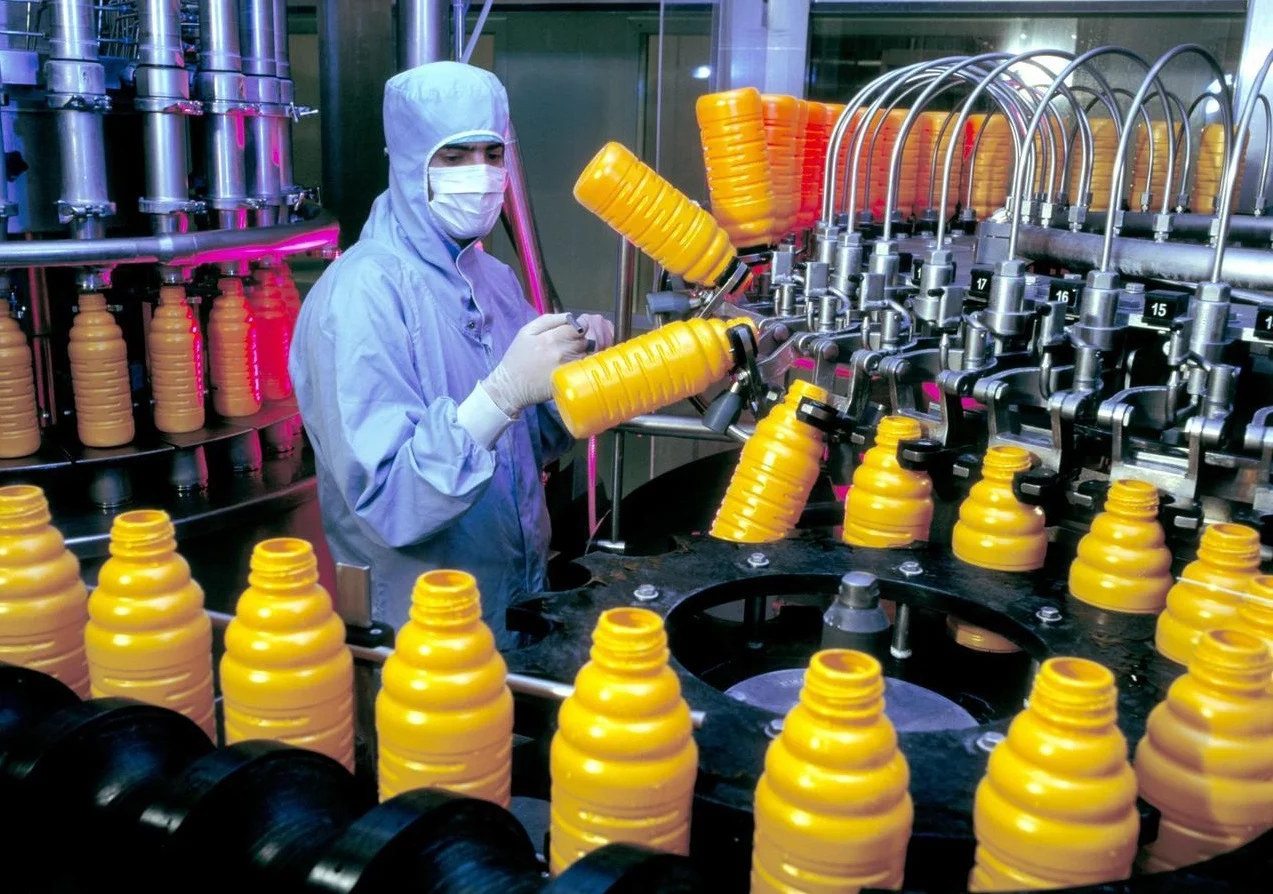
An insulin pen injects a precise volume. The plunger fit inside the barrel determines that volume. Too loose, the dose varies. Too tight, the plunger sticks. Same for auto-injectors, infusion pumps, and metered-dose inhalers. Plastic CNC machining makes these sliding fits repeatable, part after part.
Surface Finish and Infection Control
Machined plastic parts come off the tool with characteristic tool marks. Those marks are valleys. Valleys hold fluid. Fluid holds bacteria. Cleaning and sterilization reduce the load, but cannot reach into every microscopic crevice. The solution is a fine surface finish—32 microinches Ra or better. That finish comes from sharp tools, proper feeds, and sometimes a secondary polishing step.
In medical device manufacturing, surface finish is not a cosmetic specification. It is a patient safety requirement.
Multi-Axis Machining
A three-axis machine cuts from three directions. Top, side, front. A part with undercuts or compound angles requires repositioning. Repositioning introduces error.
Four-axis adds rotation around one axis. 5-axis adds rotation around two. The tool reaches more surfaces in one setup. One setup means one reference point. One reference point means tighter tolerances. For complex geometries—spinal implants with bone-facing textures, surgical guides with patient-matched curves—multi-axis plastic CNC machining is not optional. It is the only way.
Rapid Prototyping for Medical Devices Using CNC Machining
The old way took months. Draw the part. Build the mold. Wait for tooling. Run the first samples. Find the problem. Start over.
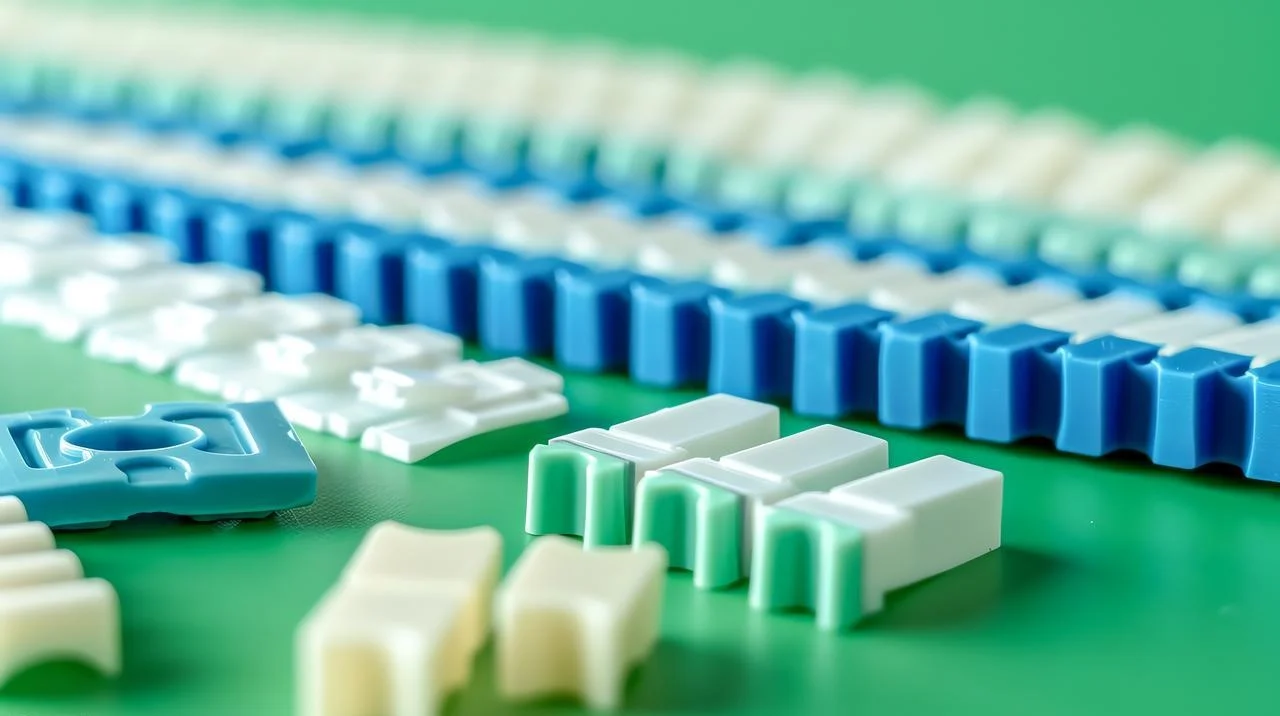
The new way is faster. CAD model becomes CAM toolpath becomes machined part. In days. Sometimes hours.
Why CNC Beats 3D Printing for Functional Prototypes
3D printing builds layers. Layers create weak spots. A printed part breaks along the layer lines. A machined part is isotropic. It is strong in every direction because it comes from a solid block.
3D-printed surfaces are rough. Layer lines trap bacteria. They hide dimensional errors. A machined surface is true to the toolpath. What you measure is what you get.
3D printing uses limited materials. Resins that mimic polypropylene are not polypropylene. Machining starts with the actual production of plastic. Test a machined PEEK prototype. Then run molded PEEK parts. The material behaves the same because it is the same.
For rapid prototyping of medical devices, machining delivers functional data. Printing delivers directional approximations.
Real Example: Arthroscopic Shaver Blade Development
A surgical device company needed a new shaver blade. The blade has a curved cutting window. It has a thin wall. It has a precise hub that locks into a handpiece.
First iteration. Machined from clear acrylic in two days. The surgeon tested the ergonomics. The hub fit was too tight.
Second iteration. Machined from POM in three days. The locking mechanism worked. The cutting window geometry was off by 0.010 inches.
Third iteration. Machined from the final PEEK material in four days. Everything fit. The blade cut cadaver tissue correctly.
Total time from concept to validated prototype: nine days. Total cost: a few thousand dollars. Injection molding tooling would have taken ten weeks and cost fifty times more.
CNC vs 3D Printing for Medical Prototyping
| Factor | CNC Machining | 3D Printing (SLA/FDM) |
| Material | Actual production plastic (PEEK, Delrin, PC) | Resins or filaments, often different from the final |
| Strength | Isotropic, same in all directions | Anisotropic, weak along layer lines |
| Surface Finish | Smooth, machined finish (32 microinches or better) | Layered, requires post-processing |
| Tolerance | ±0.001 to ±0.005 inches | ±0.005 to ±0.020 inches, varies with height |
| Lead Time | 2-5 days for a typical part | 1-3 days, plus post-processing |
| Best Use | Functional testing, fit checks, and material verification | Visual models, ergonomic studies, non-critical fits |
Customization and Personalization of Medical Components
Every patient is different. Bones curve differently. Tumors sit at different angles. Surgeons cannot use the same off-the-shelf plate for every skull.
Plastic CNC machining solves that problem. It makes one part as easily as one hundred. The setup is the same. The programming time is the same. The only difference is the CAD model.
How Patient-Specific Parts Get Made
Three steps. First, a 3D scan of the patient. CT or MRI data gets converted into a surface model. Second, an engineer designs the component directly onto that model. The part fits the patient’s unique anatomy. Third, the design goes to a CNC machine. The machine cuts the part from a solid block of medical-grade plastic.
Real-World Applications
Surgical positioning aids. A patient-specific drill guide snaps onto a bone. It has one hole. The drill goes through that hole. The screw goes exactly where the surgeon planned. The guide took a day to machine. It saved thirty minutes in the OR.
Custom orthotics and prosthetics. A foot insert machined from EVA foam. A prosthetic socket machined from polypropylene. The patient’s scan drives the geometry. The result fits better than any off-the-shelf product.
Cranial and facial implants. A skull defect gets scanned. An implant is designed to bridge the gap. The part gets machined from PEEK. The surgeon fixes it in place with standard screws. The implant is radiolucent. Follow-up X-rays show bone healing through the material.
Custom surgical instruments. A tumor sits near a critical nerve. The surgeon needs a retractor blade that curves around the anatomy. That blade gets designed and machined in two days. It works once. For that one patient. That is enough.
Why Precision and Material Properties Matter
A custom implant that does not fit is useless. A surgical guide that slips is dangerous. The tolerance on these parts is the same as on production devices: ±0.001 inches or better.
Material selection is equally critical. The part must survive sterilization. It must not leach chemicals. It must have the right stiffness—not too hard, not too soft. Medical device manufacturing standards apply even when the run length is one.
The Synergy with 3D Printing
3D printing creates the scan-derived model quickly. It produces a visual prototype for surgeon approval. That is valuable.
But a printed implant may not have the strength or surface finish required for surgery. That is where plastic CNC machining takes over. The approved design gets machined from the final material. The patient gets a part that is both custom and clinically reliable.
For custom medical implants, the workflow is clear. Scan. Design. Print for visualization. Then the machine for reality. Both technologies have a role. Machining provides the final, implantable part.
Cost Reduction Strategies with Plastic CNC Machining
Where CNC Saves Money
No expensive molds. An injection molding tool costs ten thousand to one hundred thousand dollars. A CNC program costs a few hundred dollars of engineering time. That is it.
No tooling delays. A mold takes eight to sixteen weeks. A machined part takes two to five days. Faster time to market means faster revenue.
Prevents costly design errors. Find a mistake in a machined prototype. Fix the CAD file. Run another part. Find the same mistake after the mold is cut. Pay for a tool modification. Pay for lost production time. Pay for scrapped parts.
Just-in-time inventory. Keep raw stock on the shelf. Machine parts as orders come in. No warehouse full of finished goods. No obsolete inventory when the design changes.
Where CNC Costs More
Higher per-unit price than injection molding. A machined part takes minutes of machine time. A molded part takes seconds. At volume, molding wins on piece price.
Material waste. The cutter removes plastic from a block. That removed material becomes chips. Chips get recycled or thrown away. Either way, you paid for them. Molding puts material only where it belongs.
Labor and programming time. A skilled machinist sets up the job. A programmer creates the toolpath. That expertise costs money. Molding, after the tool is built, runs with less attention.
For low-volume, iterative medical device manufacturing, plastic CNC machining is not just cheaper. It is the only viable path. The CNC vs injection molding cost analysis favors machining until the design stabilizes and volumes climb. That is the strategy. Prototype and iterate with CNC. Scale with molding later.

About NOBLE – Your Partner in Medical CNC Machining
NOBLE is a specialized CNC machining plant with 20 years. The focus is on high-precision plastic and metal components.
Our Core Processing Capabilities
CNC Milling. Three-axis for simple parts. Four-axis for parts with one rotating feature. Five-axis for complex geometries that need full contouring. The same machines. Different strategies.
CNC Turning. Precision lathe work. Bushings, shafts, connectors. Any cylindrical component. Round parts made right.
Combined Milling-Turning. Multi-tasking machines. Both operations in one setup. One setup means one reference point. One reference point means tighter tolerances. No repositioning errors.
Prototyping to Production. Volumes from one to one hundred for rapid prototypes. Up to thousands for low-to-mid volume production. No gaps in between.
Certifications That Matter in Medical Manufacturing
ISO 9001:2015 – Quality management systems. Consistent processes. Documented control. The foundation.
ISO 13485:2016 – The gold standard for medical device manufacturing. This certification is not a badge. It is a set of requirements. Risk management. Traceability. Regulatory compliance.
Why Partner With NOBLE?
No minimum order quantity. One custom implant. Thousands of production parts. Same setup. Same attention. Same quality.
Rapid turnaround. Prototype to finished part in days, not weeks. A surgeon waiting for a patient-specific guide does not have months. Neither do we.
Design collaboration. We read your CAD file. We find the features that will be hard to machine. We suggest changes that keep the function while improving manufacturability. That is plastic CNC machining with engineering support, not just a purchase order.
Supply chain transparency. Lead times are stated clearly. Costs are broken down. Capabilities are listed honestly. No surprises. No excuses.
FAQ
Can a CNC machine produce medical-grade PEEK?
Yes. PEEK machines work well with sharp tools and proper cooling. It is a common material for plastic CNC machining of spinal cages and dental implants.
How fast is rapid prototyping for a simple plastic part?
A simple part—flat plate, basic housing, simple bracket—can go from CAD to finished piece in one to two days. Complex geometries with tight tolerances may take three to five days.
Is CNC machining cheaper than 3D printing for medical parts?
For a single visual model, 3D printing is usually cheaper. For functional prototypes that need real material properties and tight tolerances, plastic CNC machining delivers better value per part.
What tolerances can plastic CNC machining achieve?
Standard production tolerances are ±0.001 to ±0.005 inches. Critical features on medical device manufacturing components can hold ±0.0005 inches with proper setup and inspection.
Can I machine a custom implant in one day?
A very simple implant—flat cranial plate, basic wedge—might be machined in one day with an existing program. Most patient-specific parts require two to three days for programming, machining, and inspection.