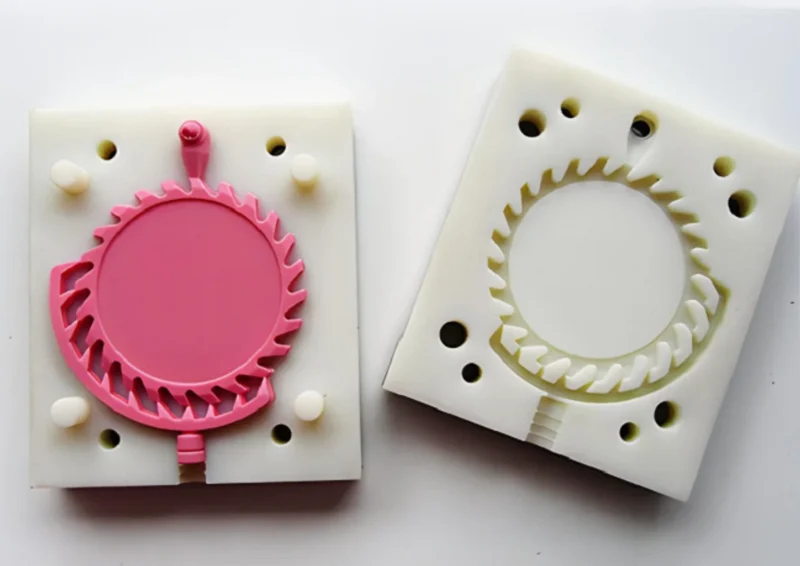
Silicone vacuum casting is a method for making small batches of plastic parts. A master pattern sits in a box. Liquid silicone pours over it. The silicone cures into a flexible mold. The master comes out. Resin goes in. Vacuum pulls the air out. The part cures. You get a copy.
This process is widely used in prototyping and small-batch production. Why? It’s fast—molds can be produced in just a few days. It’s inexpensive—these molds cost less than steel molds. And the quality is high—the appearance and feel of the final product are indistinguishable from mass-produced injection-molded parts.
This guide covers the entire process. You will learn when to use silicone vacuum casting and when to choose other methods.
Definition of Silicone Vacuum Casting
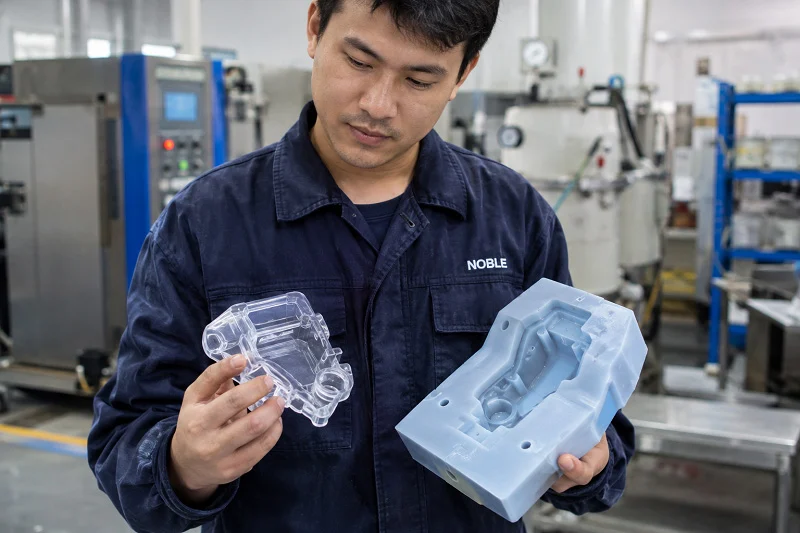
Silicone vacuum casting uses a flexible silicone mold to produce plastic parts. A master pattern—typically 3D-printed or machined—gets suspended in a container. Liquid silicone is poured around it. The silicone cures. The master is removed. The resulting cavity is a perfect negative of the original.
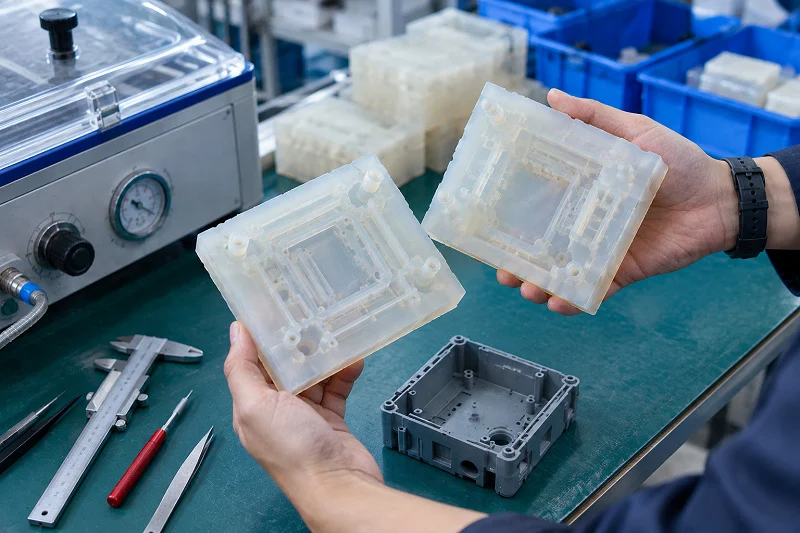
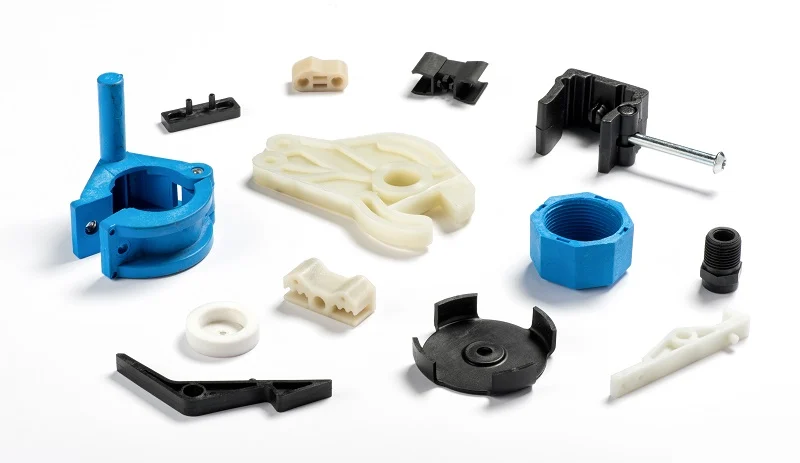
The cast material is different. Resin—polyurethane, epoxy, or similar—is poured into the silicone mold. Vacuum pulls air out. The resin cures. The part comes out. The silicone flexes. Undercuts release without damage.
The distinction is critical. The mold is silicone. Flexible. Soft. It makes the casting possible. The cast material is rigid plastic. Hard. Durable. Two different materials. Two different functions. One process connects them.
This is the core of silicone vacuum casting. A flexible mold for rigid parts. Limited quantity. High fidelity. Fast turnaround.
Silicone Vacuum Casting Process Step by Step
Step 1: Creating the Master Model
The master is the starting point. Every cast part copies it. Imperfections on the master show up on every copy. Scratches, rough surfaces, dimensional errors—all transfer directly.
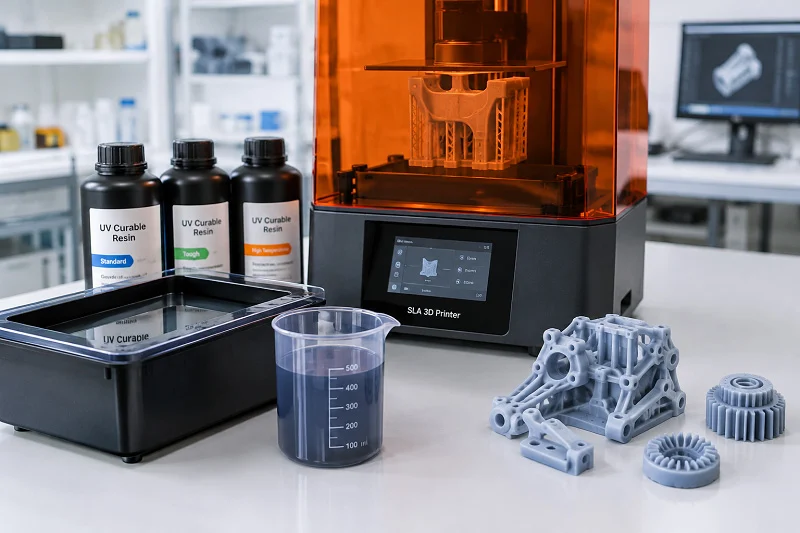
The master is typically 3D-printed or CNC-machined. SLA printing gives a smooth surface. CNC machining gives tight tolerances. The choice depends on the part requirements. The master must survive the silicone pour. It sits in the liquid. It gets removed. It must not deform.
Step 2: Manufacturing the Silicone Mold
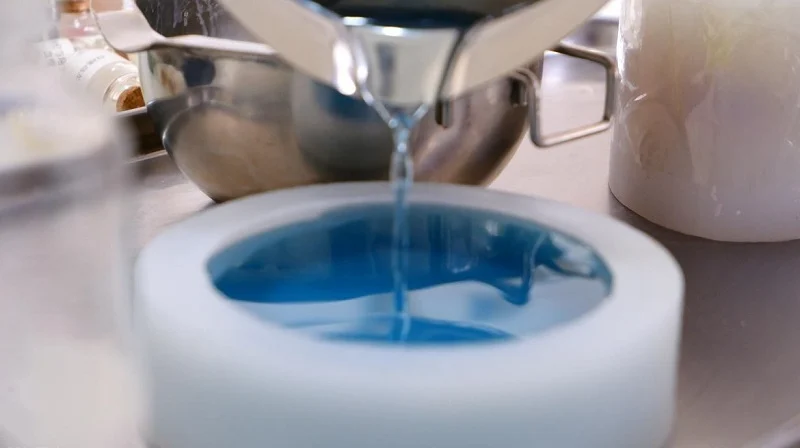
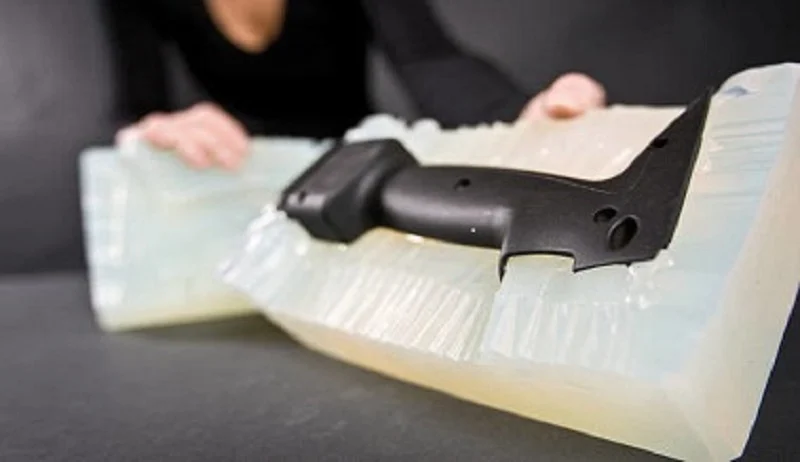
Liquid silicone pours around the master. It fills every undercut. It replicates every surface detail. Once cured, the master is pulled out. The cavity is a negative of the original.
The mold material matters. Shore hardness determines flexibility. A softer mold releases complex undercuts easily. A harder mold holds tighter tolerances. The silicone must resist the casting resin. It must not swell or degrade after repeated pours.
Step 3: Vacuum Degassing and Resin Casting
The resin mixes. Air bubbles get trapped in the liquid. The vacuum chamber pulls them out. The resin becomes dense and clear.
Then the resin pours into the silicone mold. The chamber closes. Vacuum pulls again. The resin flows into every cavity. No trapped air. No voids. Silicone vacuum casting depends on this step for consistent results.
Step 4: Curing and Demolding
The resin cures at room temperature or in a low-temperature oven. Curing time depends on the resin system. Faster cures generate heat. Slower cures reduce shrinkage.
Demolding is careful work. The silicone flexes. The part releases. No force. No prying. The mold stays intact. It can be used again. Proper demolding extends mold life. A torn mold cannot be repaired.
Step 5: Post-Processing and Surface Finishing
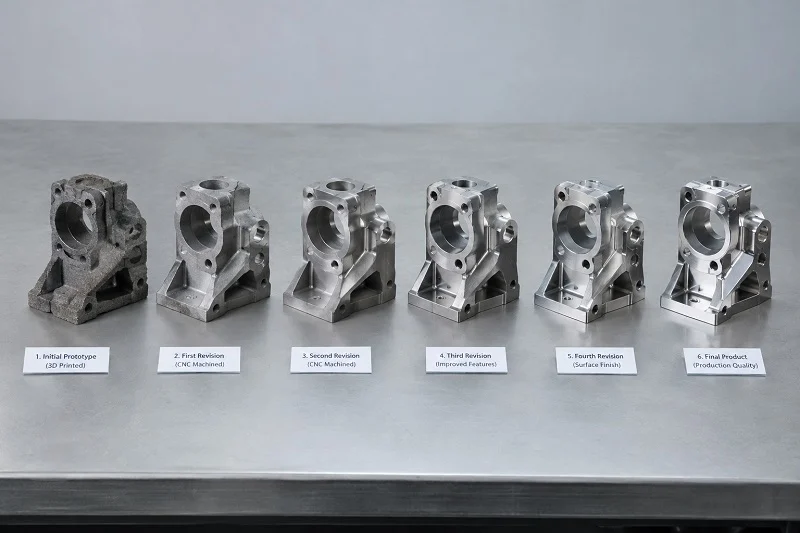
The cast part is not the final part. Excess material at the pour gate needs removal. Surface blemishes need sanding or polishing. Paint and textures get applied.
Some parts need secondary operations. Tapping holes. Bonding inserts. Painting surfaces. The post-processing step refines the part to its final form and function.
These five steps define the silicone vacuum casting workflow. Each step influences the next. The master determines the part. The mold determines the detail. The vacuum determines the density. Post-processing determines the finish. All five must be executed correctly.
Materials Used in Silicone Vacuum Casting
Silicone Rubber for Mold Making
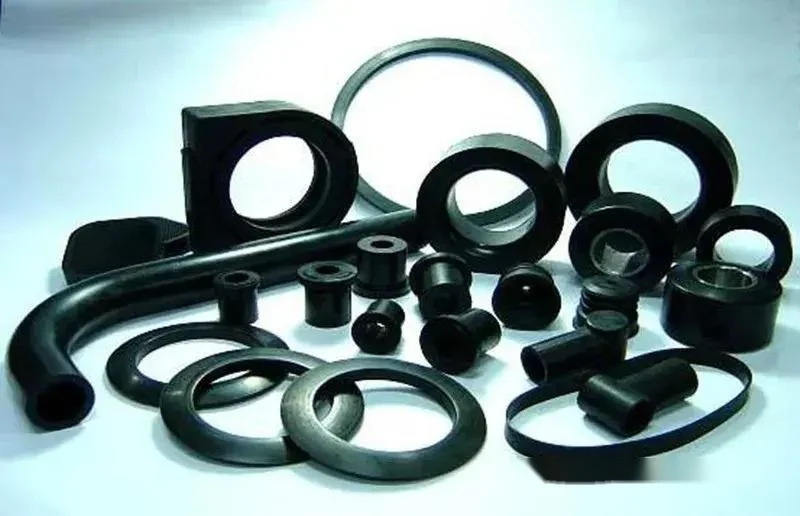
The mold material is silicone. It is flexible. It is durable. It captures fine surface detail. It releases undercuts without damage.
Not all silicone rubbers are the same. Shore hardness ranges from soft (A20) to firm (A60). A softer mold handles complex undercuts. A firmer mold holds tighter dimensions. The choice depends on the part geometry. The silicone must also resist the casting resin. Some resins attack the mold. The wrong silicone degrades after a few pours.
Polyurethane Casting Resins
The casting resin is polyurethane. It is a two-part system. Mix it. Pour it. It cures. The mechanical properties come from the formulation.
ABS-like resins mimic injection-molded ABS. Stiff. Tough. Good impact resistance.
PP-like resins simulate polypropylene. Semi-flexible. Chemical resistant. Good for living hinges.
PC-like resins copy polycarbonate. High strength. High heat deflection. Good for structural parts.
Rubber-like resins are soft. Flexible. They simulate TPE or silicone. Gaskets, grips, and seals.
Transparent resins are clear. Optical clarity varies. Some are crystal-clear. Others have a slight yellow tint. They are used for lenses and light guides.
Flame-retardant materials meet UL 94 V-0 ratings. Used in electrical and automotive applications.
The resin determines the part’s performance. Choose the right one for your silicone vacuum casting project.
Coloring and Surface Texture Options
Add the colorant to the resin before casting. The color is uniform throughout the part, eliminating the need for painting.
The surface texture is derived from the prototype. Silicone can precisely replicate this texture. Matte finishes, glossy surfaces, and engineering-grade textured patterns can all be fully transferred to the cast part. The part looks just like a mass-produced component. This is the true value of silicone vacuum casting. It is not merely a prototype, but a pre-production sample. Its appearance and feel are indistinguishable from the final product.
Advantages of Silicone Vacuum Casting
Low Tooling Cost
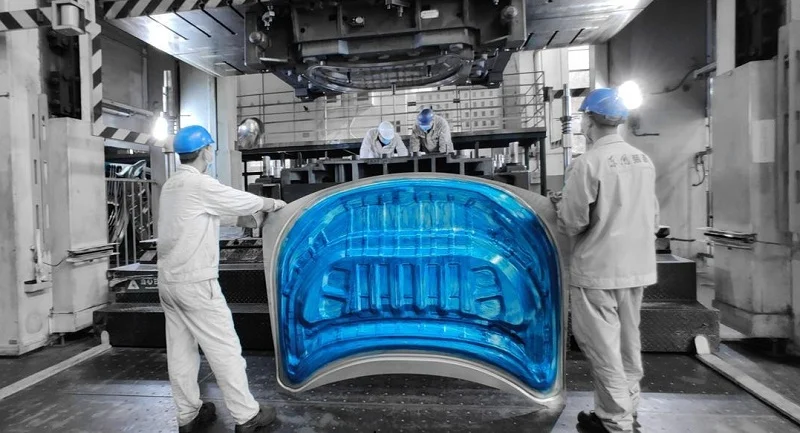
The molds are made of silicone. Unlike steel and aluminum molds, this material is inexpensive and quick to produce, and the mold cost is only a fraction of that of injection molding. For prototyping and small-batch production, this method is cost-effective and requires no significant capital investment.
Fast Lead Time
Silicone molds can be completed within a few days. Once the master mold is finished and the silicone has been poured, after curing overnight, production can begin the very next day. This shortens time to market and accelerates the pace of design iterations.
Excellent Surface Finish
The silicone replicates the master exactly. Every scratch. Every texture. Every polish. The cast part matches the master’s surface. Smooth, cosmetic surfaces are standard.
High Detail Reproduction
Fine details are reliably reproduced. Ribs, text, micro-grooves… silicone fills every indentation. Resin fills every detail, resulting in a finished product that closely matches the original.
Flexible Mold Design for Complex Geometries
Silicone is flexible, allowing parts to be removed from the mold without damage at the chamfers. When the mold opens, the parts are ejected without the need for auxiliary tools such as sliders or ejector pins. Compared to rigid molds, silicone vacuum casting makes it easier to produce parts with complex shapes.
Ideal for Low-Volume Production
For 3D printing, orders with excessively high production volumes can take weeks to print, and the cost per unit is too high; for injection molding, production volumes are too low to recoup the cost of the mold. Silicone vacuum casting falls right in between, filling this gap. That is its advantage: it offers a moderate price and moderate speed, making it just right for the appropriate production volume.
Limitations of Silicone Vacuum Casting
Limited Mold Life
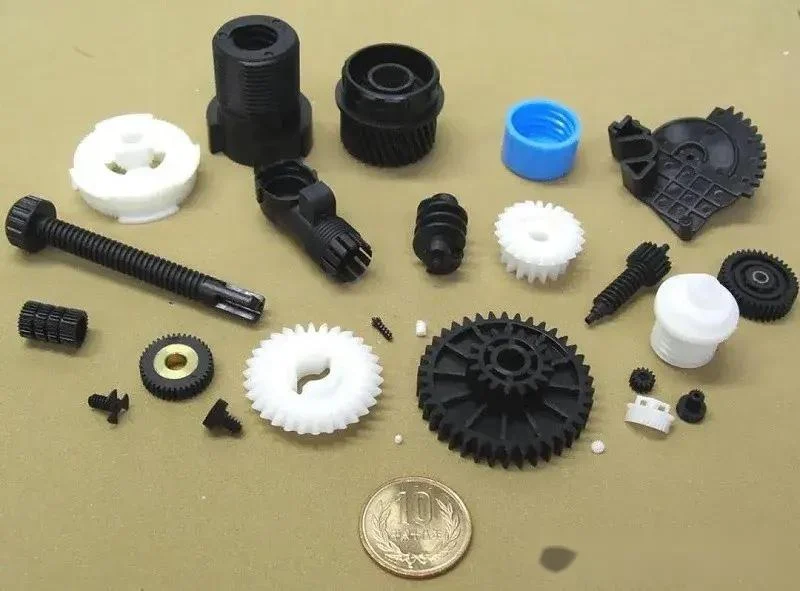
Silicone molds can typically produce only 20 to 30 parts. If the geometry is simple and the resin properties are mild, this number can sometimes reach 50. After that, the mold begins to age. The surface becomes rough, details become blurred, and dimensions drift. Silicone molds are consumables used in silicone vacuum casting; they are not production tools.
Lower Dimensional Stability than Metal Tooling
Silicone is flexible. It bends under pressure. This bending causes dimensional changes. Consequently, parts removed from the mold will differ slightly from the prototype. As the mold ages, this discrepancy gradually increases. Metal molds do not bend and maintain dimensional stability. Silicone vacuum casting is a process that sacrifices long-term stability in exchange for speed and cost advantages.
Material Performance Compared to Injection-Molded Plastics
These resins mimic the characteristics of production-grade plastics but cannot fully match them. They have lower impact strength, lower heat deflection temperatures, and shorter fatigue lives. While the performance of certain resin systems approaches that of ABS or polypropylene, they cannot fully replace them. These parts are intended for prototyping, not mass production.
Production Volume Constraints
Production volume is a decisive factor. Silicone vacuum casting is suitable for runs of 10 to 50 parts. Once production exceeds 100 pieces, the process becomes economically unfeasible. Molds wear out, and replacing them increases costs, leading to higher unit costs. For quantities above a certain threshold, injection molding is more cost-effective; for quantities below that threshold, 3D printing is faster.
Silicone vacuum casting has a clearly defined operational range. Please use it within this range. If you exceed this range, please select an alternative method. This is not a failure, but rather a limitation of the process.
Silicone Vacuum Casting vs Injection Molding
Cost Comparison
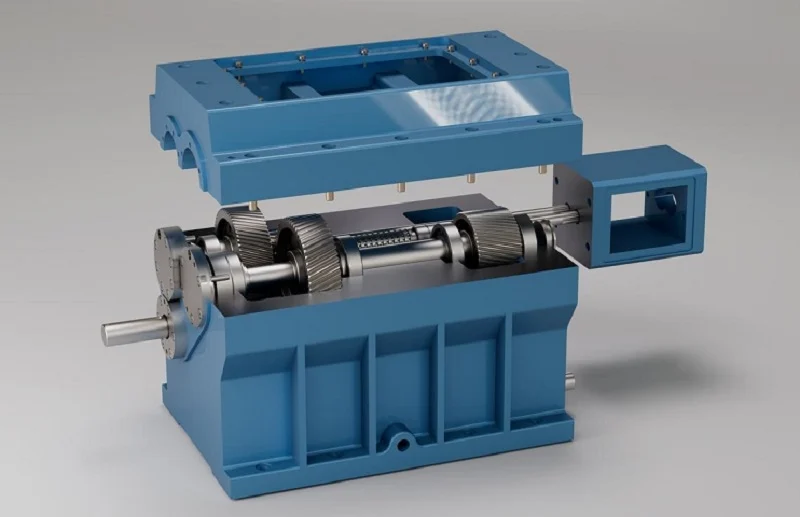
Silicone molds are inexpensive, costing only a few thousand dollars. Injection molds, on the other hand, are expensive, costing tens of thousands of dollars and sometimes even hundreds of thousands. Unit costs paint a different picture: the unit cost of injection molding is lower, while that of silicone vacuum casting is higher. The break-even point for total cost depends on production volume. If 50 units are produced, vacuum casting is cheaper; if 10,000 units are produced, injection molding offers a greater cost advantage.
Production Speed
Silicone molds can be produced in just a few days. The first batch of parts can be produced within a week. Injection molds, on the other hand, take several months—typically eight to sixteen weeks. This is followed by prototyping, then adjustments, and finally mass production. This is precisely where the difference in time to market lies. Silicone vacuum casting accelerates the development process, while injection molding slows it down.
Part Quality
Both silicone vacuum casting and injection molding can produce high-quality parts. Their quality metrics differ. Silicone vacuum casting achieves excellent surface finish and can reproduce fine details, while injection molding offers better dimensional stability, maintaining tight tolerances even after millions of cycles. The material properties of the two processes also differ: injection molding uses industrial-grade thermoplastic plastics, whereas vacuum casting uses polyurethane resin. Although these two resins are similar, they are not the same.
Best Production Volumes
The production volume determines the choice of manufacturing process. Silicone vacuum casting: 10 to 100 pieces. Injection molding: 1,000 pieces or more. The situation that falls between these two is less clear-cut. The specific choice depends on the part’s complexity, material requirements, and budget.
Which Process Should You Choose?
The choice depends on the stage of development. Are you in the early development phase? Silicone vacuum casting offers speed and flexibility. Need functional parts for the validation phase? Vacuum casting can meet those needs. Mass production? Injection molding is the ultimate goal.
The evaluation process is simple. Determine the production volume. Set the timeline. Identify the material requirements. The choice of process will naturally follow. Vacuum casting is a bridge. Injection molding is the final destination.
About NOBLE: Your Trusted Manufacturing Partner

NOBLE is a manufacturing company. Precision metal and plastic processing are at the core of its business. Its customer base spans multiple industries, including medical devices, industrial equipment, and consumer goods. Its services range from rapid prototyping to large-scale production. Our goal is to provide reliable manufacturing solutions that transform ideas into high-quality products.
Comprehensive Manufacturing Capabilities
Our services cover the entire spectrum. Silicone vacuum casting is used for prototyping and pilot production; CNC machining meets stringent tolerance requirements; plastic injection molding is suitable for high-volume parts; sheet metal fabrication is used for enclosures and frames; precision metalworking is used for structural components; rapid prototyping is used for design validation; and custom parts manufacturing meets specialized needs.
Integration is our strength. Multiple manufacturing processes are consolidated under one roof. No outsourcing, no handoffs. We tailor efficient and cost-effective solutions for every project.
Certified Quality Management
Quality is verifiable. ISO 9001:2015 covers general quality management, while ISO 13485:2016 is specific to the manufacture of medical devices. These systems meet the stringent requirements of the medical device, industrial equipment, and consumer goods sectors.
FAQ
What is silicone vacuum casting?
A flexible silicone mold is made from a master mold, and resin is poured into the mold under vacuum. After the part has cured, it is removed from the mold. This process can be used to produce small batches of high-precision plastic parts.
What materials can be used in silicone vacuum casting?
Polyurethane resins are standard materials. They can mimic ABS, polypropylene, polycarbonate, and rubber-like materials. In addition, transparent and flame-retardant varieties are available. The choice of resin determines the mechanical properties of the part.
How many parts can one silicone mold produce?
Typically, there are 20 to 30 parts. When the geometry is simple and the resin properties are mild, this number may reach 50. Complex undercuts or resins with aggressive properties will shorten mold life.
Is silicone vacuum casting suitable for production?
This is true for small-batch production—10 to 100 pieces. However, it is not the case for large-scale production. Molds wear out, and the cost per unit increases. Once production exceeds a certain quantity, the cost of injection molding actually becomes lower.
What is the difference between silicone vacuum casting and injection molding?
Silicone vacuum casting uses inexpensive silicone molds and has short lead times, making it suitable for small-batch production. Injection molding, on the other hand, uses expensive steel molds and has long lead times, making it suitable for high-volume production.
How accurate is silicone vacuum casting?
Accuracy depends on the prototype. Silicone can closely replicate the prototype. Dimensional tolerances can reach ±0.1 millimeters. The flexibility of the mold may cause some deviation. Long-term stability is lower than that of metal molds. This level of accuracy is sufficient for prototypes and small-batch production. For high-precision production, please choose injection molding or machining.