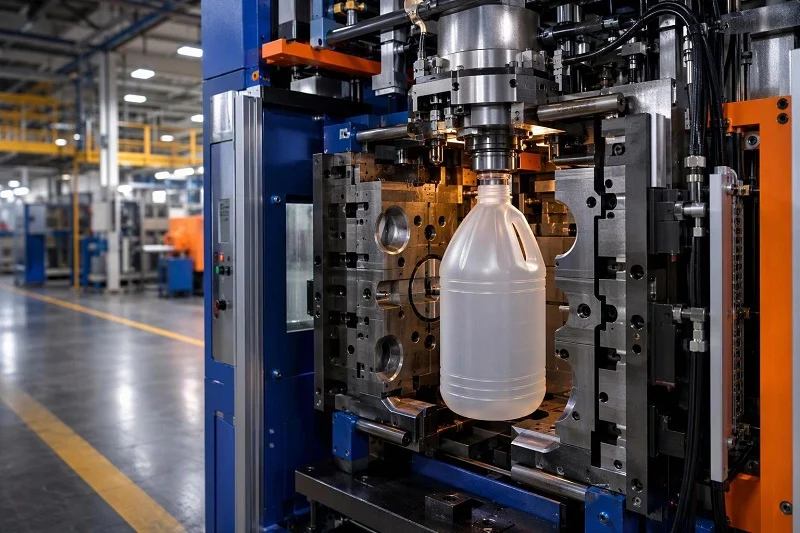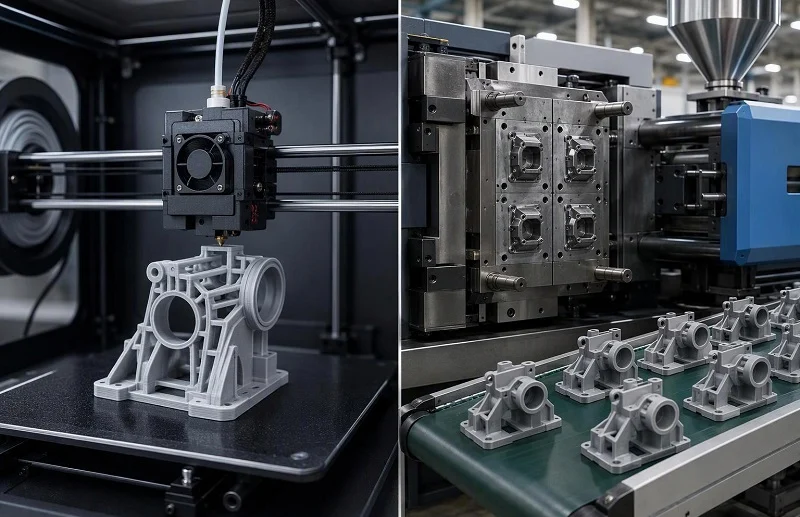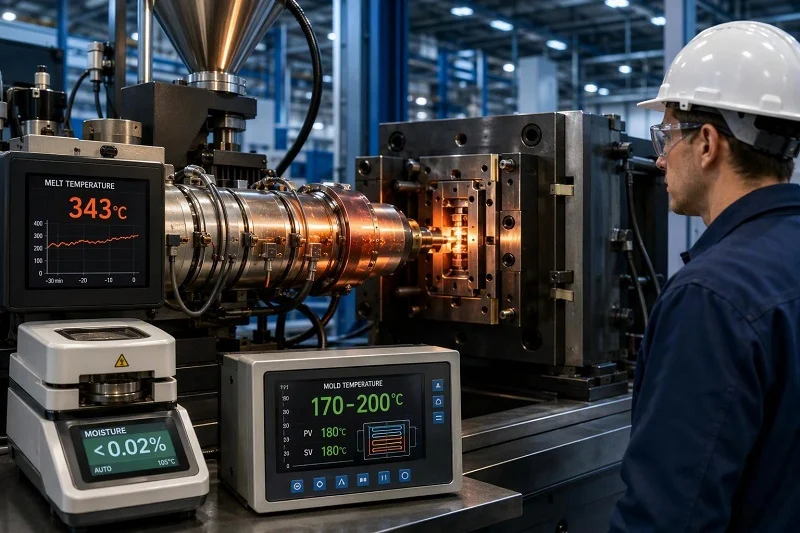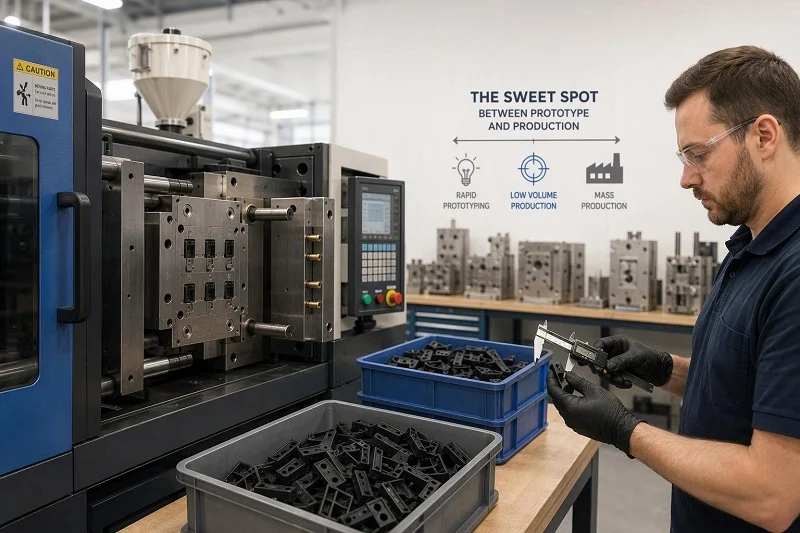
Low volume plastic injection molding is the production tier between rapid prototyping and mass production: typically runs of roughly 100 to 10,000 parts, molded in aluminum or soft-steel tooling. It exists for a specific reason. It delivers real molded parts in production-grade resin without committing to hardened production tooling, so a design that has just been validated can reach tens, hundreds or a few thousand units for clinical trials, pilot builds, bridge supply or market testing while the design and the demand forecast are still allowed to move.
This guide is written for engineers, product developers and procurement teams in medical devices, automotive, industrial equipment, robotics, communications and consumer products. It covers process selection, mold classes and tooling materials, the cost structure of a low-volume quote, material and design decisions that protect an inexpensive tool, tolerance specification, quality documentation, and how to compare quotes that are structured differently. It draws on published mold-classification guidelines, the ISO 20457 tolerances standard and published material shrinkage data rather than on any single supplier’s claims.
Hvad tæller som Lavt volumen Støbning af plast
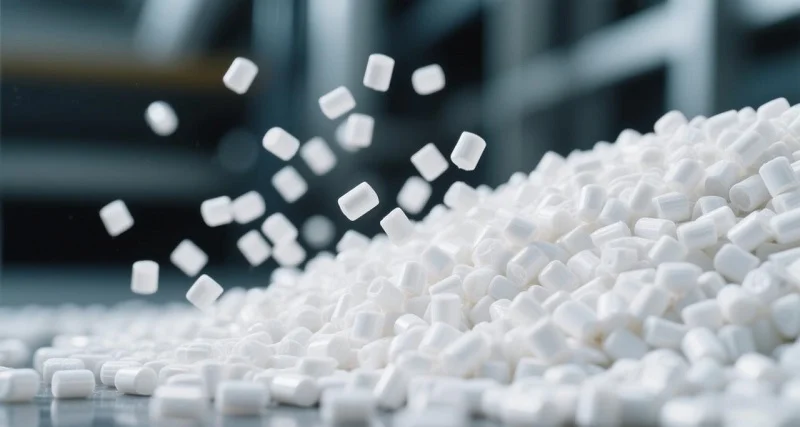
The working definition most quotations assume is 100 to 10,000 parts produced in aluminum or soft-steel tooling such as P20. Buyers will also meet the same tier under other names — short run injection molding, small run injection molding, low-volume plastic molding and bridge tooling — and these describe the same band between 3D printing at the low end and hardened-steel mass production at the high end.
Treat the numbers as a convention, not a rule. The tier is really defined by the tooling investment a quantity can justify, and that calculation depends on the part. A 20,000-part order for a simple, non-abrasive part may still be economic in aluminum, because the tool is cheap to cut and the resin does not wear it quickly. A 3,000-part order in a glass-filled grade may not be, because an aluminum tool will not survive the abrasive filler and a steel tool’s cost has to be recovered over a small run. Quantity alone does not decide it.
Four questions locate a project on the spectrum:
- How many parts, and how confident is that number? A firm purchase order and a forecast with a wide range justify different tooling.
- What resin? Abrasive fillers, corrosive polymers and high-temperature grades push toward steel; commodity unfilled resins usually do not.
- What is the part’s size and geometry? Large parts and parts with side actions need more tooling regardless of quantity.
- What happens after this run? If production tooling is already being designed, the run is a bridge; if the product may never scale, the low-volume tool may be the permanent tool.
Why Low Volume Plastic Sprøjtestøbning Deserves a Place

The tier exists to defer risk. A design change after a hardened production tool is cut is expensive and slow — a parting line adjustment or gate relocation on a hardened steel tool can add thousands of dollars and weeks to a program. An aluminum or soft-steel tool absorbs the same revision at a fraction of that cost and on a much shorter schedule, which is why the tier is worth having even when the per-part price is higher.
The uses that make it valuable in its own right follow from that:
- Clinical and pilot builds. Real molded parts in the final resin, in quantities large enough for trials and pilot lines, before the design is frozen.
- Bridge supply. Aluminum tooling can produce production-grade parts while permanent tooling is being designed or machined, so a launch date does not depend on the production mold being finished.
- Market tests. A product can reach limited distribution and generate real demand data before a production tool investment is justified.
- Low-demand and configured products. Some products never reach volumes that justify hardened tooling, and for them the low-volume tool is the production tool.
The trade is explicit: a higher per-part price in exchange for lower tooling cost, faster first parts and design flexibility. That trade suits hardware startups, medical device developers, automotive tier suppliers preparing pilot lines, and industrial equipment makers whose unit volumes stay modest by design.
Choosing the Right Process for a Low Volume Plastic Project
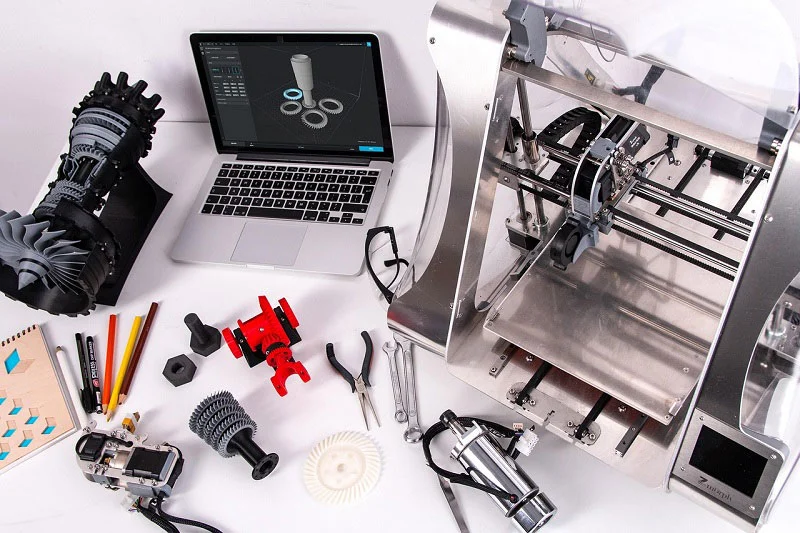
Before comparing molds, confirm that injection molding is the right process. At low quantity there are three realistic alternatives, and each wins under different conditions.
CNC Machining
CNC machining of the same resin wins when the geometry can be cut from stock, when quantities are in the tens, and when the point of the exercise is to hold the final material in hand quickly. It cannot reproduce molded features such as undercuts formed by side actions, and its per-part cost falls slowly with quantity because each part is cut individually.
Støbning
Urethane casting in silicone molds wins for tens of parts with fine surface detail and for geometries that would need complex tooling, but the cast resin is a substitute, not the production grade.
3D Printing
3D udskrivning wins for form-and-fit checks and for the earliest iterations, where layer lines and printable-grade materials are acceptable.
Sprøjtestøbning
Injection molding wins when the parts must be made the way the final product will be made. That is often the deciding condition rather than cost: process validation, material certification and customer approval usually attach to the production process and the production resin, so a part proved in a substitute process still has to be proved again in molding. A clinical build in cast urethane does not validate a molding process, and an automotive approval does not transfer from a printed prototype.
A short decision sequence keeps the comparison honest:
- Confirm the resin and grade. The grade, not just the family, determines shrinkage, abrasiveness and documentation.
- Confirm the quantity band. Tens, hundreds or thousands change which process is economic.
- Confirm tolerance and documentation requirements. If the part needs a first-article report against a drawing, or material traceability, that narrows the field.
- Then choose the process — and only then compare tooling quotes within the chosen process.
Mold Classes and Tooling Options for Low Volume Plastic Injection Molding

The vocabulary a quotation uses usually comes from the SPI mold classification system, a set of guidelines published for obtaining quotations and placing orders for uniform types of molds. The guidelines classify molds by construction and give approximate cycle expectations; they explicitly do not guarantee workmanship, and the cycle figures exclude wear from material abrasion, poor maintenance and improper molding technique.
The classes relevant to low volume are the lower ones. The prototype class is built in the least expensive manner possible for a very limited quantity of parts. The low-production class is intended for limited production, preferably with non-abrasive materials, and permits a mold base and cavities in mild steel or aluminum. The medium-production class sits above it and is described as a popular choice for low-to-medium production needs. The higher classes — medium-to-high and extremely high production — specify hardened molding surfaces and are the territory of mass production.
One caution when reading these tables: published reproductions of the classification differ. Cycle expectations for the same class vary between versions of the chart, and hardness figures are given on different scales in different reproductions. Treat any cycle number as approximate and for comparison only, and make the class and its expected life a written requirement in the quotation rather than an assumption.
At this tier the practical tooling choices are narrower than the class list suggests:
- Aluminium is the default for low volume. It costs less, machines faster and shortens lead time. Tool life is commonly cited in the region of 10,000 cycles or more, depending on material type and geometry.
- Soft steel such as P20 is significantly harder than most aluminum grades and is cited at roughly 50,000 to 100,000 shots. It suits abrasive resins, corrosive polymers and longer runs.
- Hærdet stål such as H13 are reserved for high volume, with tool life cited in the hundreds of thousands to a million shots and beyond.
Two material effects shorten aluminum tool life and belong in the tooling decision, not in a later surprise: glass-filled resins are abrasive and wear molds faster, and corrosive grades such as PVC and POM can wear away aluminum quickly. Finally, settle maintenance and rework in the quote. The classification guidelines note that normal maintenance — broken springs, ejector pins, worn rings, rework of nicks and scratches — is generally borne by the molder, while maintenance on tools running beyond their life cycle may fall to the customer. Which side of that line a quote puts you on is worth asking about before the tool is cut.
How the Cost Structure of Low Volume Plastic Injection Molding Works

A low-volume quote is a fixed cost plus a small variable cost, and that structure explains almost everything about the per-part price. The components are tooling, resin, machine time per shot, cavitation, secondary operations, inspection and packaging. Tooling is one-time; the rest recur per part.
Illustrative arithmetic only, not a quote. Assumes a single-cavity aluminum tool at $6,000 and a recurring cost of $1.20 per part for resin, machine time, inspection and packaging; effective unit price = 6,000 ÷ quantity +1.20. The marginal cost of each additional part stays at $1.20 — the curve falls only because the one-time tooling block is spread over more parts.
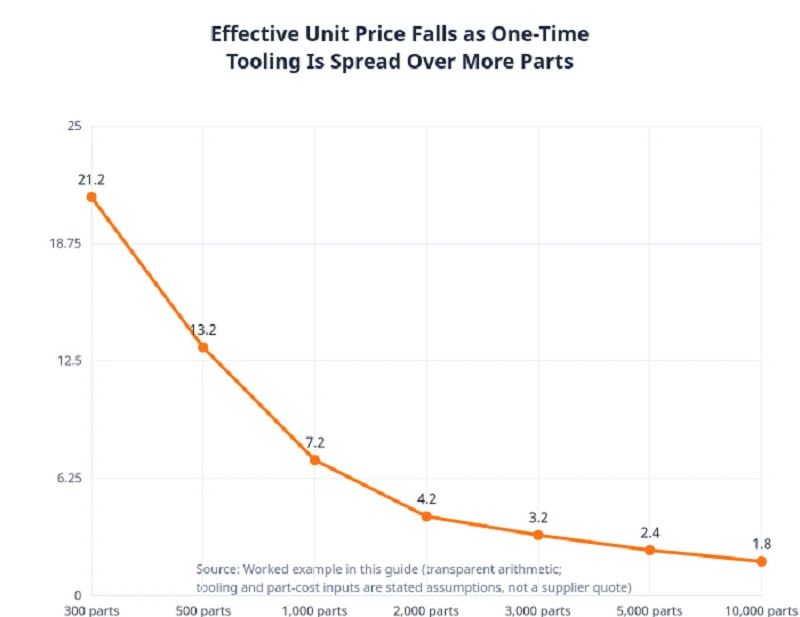
A worked example makes the arithmetic visible. Suppose a single-cavity aluminum tool is quoted at $6,000 and the molded part costs $1.20 in resin, machine time, inspection and packaging. At 300 parts, the tooling adds $20.00 to every part, so the effective unit price is $21.20. At 3,000 parts, the same tooling adds $2.00, and the effective unit price falls to $3.20. The marginal cost of the next part never changed — it stayed near $1.20 throughout. The per-part price falls because the fixed tooling cost is spread over more parts, not because molding gets cheaper.
That is why the levers that move a low-volume quote are the ones that change either the fixed block or the marginal rate:
- Antal hulrum. More cavities raise tooling cost and machine cost per cycle but divide cycle time across parts. At a few hundred pieces a single cavity is usually right; at several thousand, two or four cavities can pay back.
- Part size relative to the press. A small part in a large press wastes machine time per shot.
- Cycle time, driven mainly by wall thickness. Thick walls cool slowly, and cooling dominates the cycle.
- Resin price and grade. Filled and high-temperature grades cost more per kilogram and may force a more expensive tool.
- Tool construction. A tool built for the quoted run is cheaper than one built for a longer life you may never use.
The question of paying for tooling twice deserves a direct answer. A low-volume tool can carry a bridge run while production tooling is built, and it can sometimes serve as the production tool for a product whose volumes stay modest. It cannot substitute for a hardened tool at high volume or with abrasive resin. What a buyer should ask is whether any part of the low-volume tooling cost is credited against a later production tool order, and whether the tool is owned by the buyer or retained by the molder — both affect what happens when the program moves on.
Materials and Part Design for Low Volume Plastic Injection Molding

Resin choice and part geometry decide whether an inexpensive tool survives the run, so they belong in the tooling conversation rather than after it.
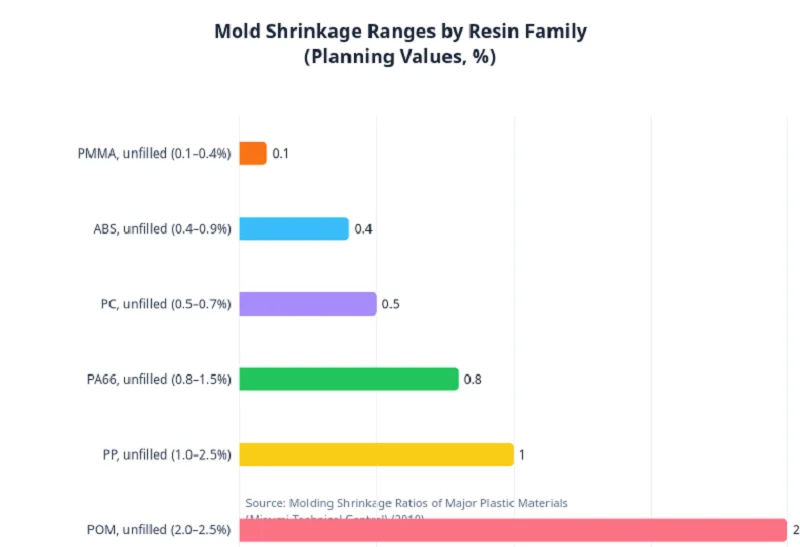
Planning values for mold shrinkage, unfilled grades unless noted. Ranges are reference values from published tables; actual shrinkage depends on grade, wall thickness, gate location and process, and filled or semi-crystalline grades can shrink differently in the flow and transverse directions. Design the cavity from the resin supplier’s data for the specific grade, then correct on first shot.
The properties that matter most at this tier are shrinkage, abrasiveness, corrosiveness and temperature. Shrinkage varies widely by family and must be designed into the tool cavity dimensions. Published tables show the spread: unfilled ABS is commonly listed around 0.4–0.9% and unfilled polycarbonate around 0.5–0.7%, while unfilled polypropylene is listed at roughly 1.0–2.5% and acetal (POM) at 2.0–2.5%. The reason is structure. Amorphous materials such as ABS, PC and acrylic shrink relatively little and roughly equally in the flow and transverse directions, while semi-crystalline materials such as PP, polyethylene and nylon shrink more and can shrink differently in the two directions. Filled grades shrink less than their unfilled equivalents — 40% glass-filled PP is listed at 0.2–0.8% against 1.0–2.5% unfilled — but the filler brings abrasiveness with it.
Abrasiveness and corrosiveness point the other way. Glass- and fiber-filled grades wear tool steel and wear aluminum faster. PVC and POM are corrosive to aluminum. High-temperature resins may rule aluminum out on temperature grounds alone. None of these forbid a low-volume tool; they change which tool material is appropriate.
The design rules that protect a low-cost tool are well established:
- Ensartet vægtykkelse. Varying walls cool at different rates and produce sink, warp and dimensional drift.
- A common rule of thumb is about one degree of draft per inch of cavity depth, with more for textured surfaces. Note that low-volume aluminum tools machined by CNC may need additional draft because of the diameter, length and draft of the cutters used to form the cavity.
- ribben at roughly half to three-quarters of the nominal wall thickness to avoid sink, with adequate spacing and draft.
- radier at internal and external corners, with the outside radius set at the inside radius plus the wall thickness.
- Bosses designed with a radiused base and wall thickness that avoids sink and stress concentration.
One pattern is worth flagging because it is so common: designs proven by 3D printing or CNC machining frequently lack draft and uniform walls, because neither process needs them. Draft may also change the form, fit and appearance of a part, so it is better designed in early than discovered at tooling. A design-for-manufacturability review before the tool is cut is the cheapest correction available, and it is far cheaper than reworking a mold.
Tolerances and Inspection for Low Volume Plastic Injection Molding

A molded-part tolerance is not a single number chosen from a table. It is the sum of the tool contour tolerance and the variation in molding shrinkage, which is why copying a blanket figure from another project rarely produces a drawing a molder can meet economically.
ISO 20457 is the international standard for tolerances and acceptance conditions on plastics molded parts. It defines general tolerances as the default for geometrical elements that have no direct (individual) tolerance, and a change to the default specification operator for size is to be indicated on the drawing in or near the title block. In practice, direct tolerances are best reserved for the dimensions on which function depends. The standard also sets out a preferred sequence: the designer specifies the functionally required tolerances from application, environment and assembly requirements; the molder confirms that the required tolerance is at least as wide as the process capability; and the required tolerances are recorded in the design documentation as the basis for determining shrinkage. Verification method and acceptance conditions are meant to be fixed in the contract between producer and customer.
That sequence gives the reader a practical method:
- Identify critical dimensions first. These are the ones assembly or function depends on, and they get direct tolerances.
- Relax everything else. Features that depend on the parting line, on moving mold parts such as slides, or on a secondary operation are harder to hold and should not carry tight tolerances by default.
- Agree the inspection method and sampling plan before production. The standard recommends separating the initial sample inspection report from running production reporting, and notes that if nothing is stated in the contract, only individually indicated tolerances are subject to verification.
- Plan for first-article measurement and a documented tool correction. Shrinkage values published by resin suppliers are measured on standardized specimens and do not always predict an actual part, so the first shot is a measurement step, not a verdict.
One current detail matters for contracts. ISO 20457 was first published in 2018 and a second edition was published in August 2026. Drawings and purchase orders should name the edition they are written against, and older drawings that cite DIN 16742 should be reviewed rather than assumed equivalent.
Quality Documentation for Low Volume Plastic Injection Molding in Regulated Industries
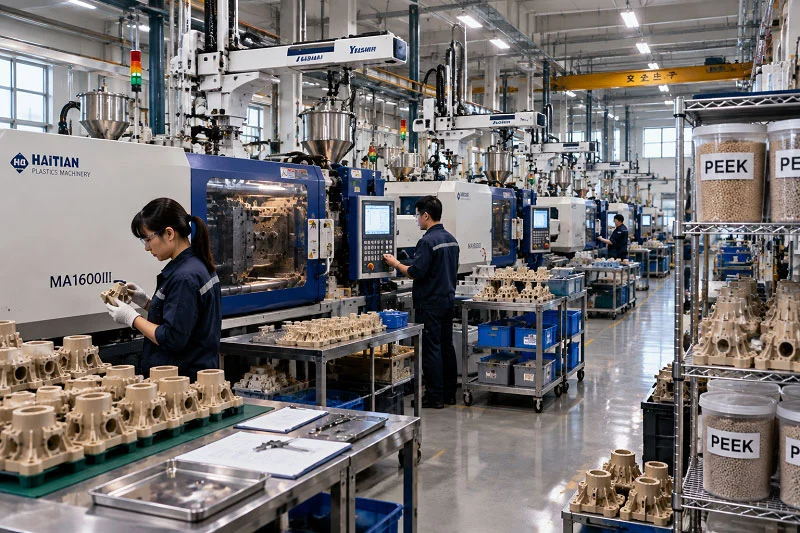
Volume does not exempt a supplier from a quality system. Medical device quality expectations attach to the device and its quality management system, not to the number of units produced, and a 500-part clinical build carries the same documentation logic as a million-part production run.
The documentation that typically accompanies a low-volume run includes:
- Material certificates and grade identification, so the resin in the parts can be traced to the grade specified.
- First-article inspection reports, with dimensions measured against the drawing.
- Dimensionsrapporter for the agreed sample, using the inspection method fixed at quotation.
- Procesparametre, recorded so the run can be repeated.
- Traceability by lot or batch, linking parts to material and process records.
- Skift kontrol, so a tool correction or resin substitution is documented and approved rather than absorbed silently.
In medical devices, ISO 13485 is the quality management standard, and it has become the reference point for regulation as well as certification. The U.S. FDA’s 2024 Quality Management System Regulation incorporates the 2016 edition of ISO 13485 by reference, with additional requirements connecting it to other FDA rules. For a molding supplier, that means the quality system, process validation and record-keeping expectations follow the device program regardless of batch size. Automotive programs commonly expect production-part approval and traceability discipline in the same way.
The practical consequence is commercial as well as technical: inspection and record-keeping are real costs, and a quote that omits them is not cheaper, only incomplete. Agree the documentation package at quotation — which reports, at what sampling, in what format — so that the comparison between suppliers is made on the same deliverables.
How to Compare Low Volume Plastic Injection Molding Quotes
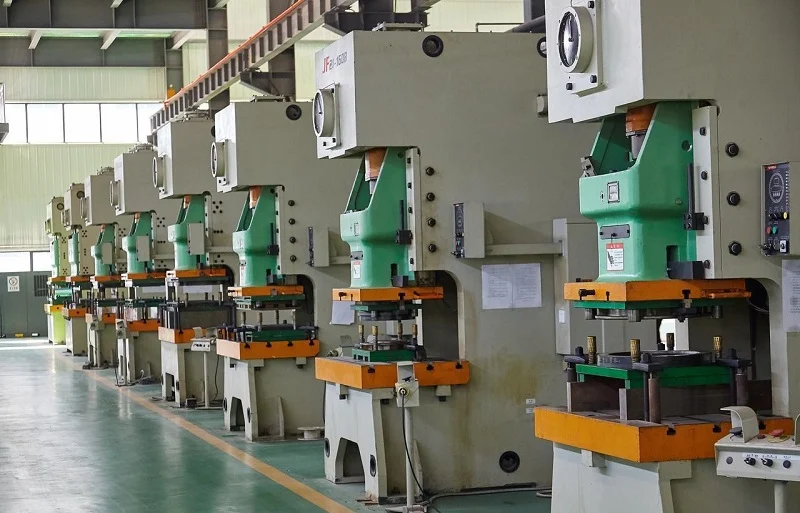
Quotes for the same part often arrive in different structures, and the lowest total is not automatically the answer. The first step is normalization: put every quote on the same basis of quantity, resin and grade, cavitation, tolerance, surface finish, documentation and delivery, and state the assumed order quantity for each. Then separate one-time tooling from recurring part cost, because a quote that bundles tooling into the part price cannot be compared directly with one that prices it separately until the tooling is isolated.
Several items are frequently omitted and later added. Watch for tool maintenance, engineering changes, additional sample rounds, inspection beyond first article, packaging, freight and duties. A quote that looks lower may simply have left these out, and the gap usually surfaces after the order is placed.
Reading a bundled quote requires one extra calculation: multiply the bundled part price by the quoted quantity, subtract the estimated part-only cost, and see what tooling charge is implied. If the implied tooling is far below the separately quoted tools, the supplier may be amortizing a cheaper tool, or may be recovering the difference in a later price. Either way, the question is worth asking before awarding.
The questions to settle before awarding are:
- What mold class and tool material is being quoted, and to which classification?
- What tool life is expected in this specific resin, given its fillers and corrosiveness?
- Who owns the tool, and who maintains it — including maintenance beyond its expected life?
- What happens to price and schedule if the design changes after the tool is cut?
- What does the price become at two and five times the quoted quantity?
That last question is the most revealing. It shows whether the supplier has priced the tool for the run you described or for a longer life, and it tells you where the per-part price will land if demand grows.
Konklusion
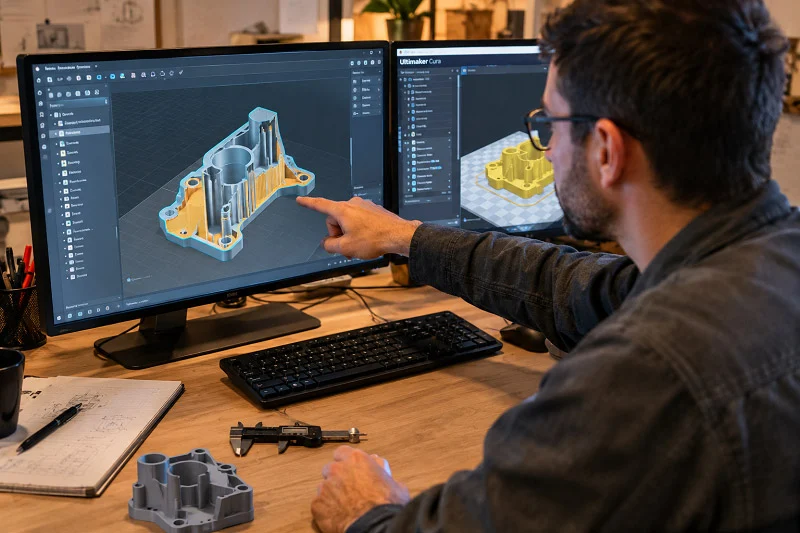
Low volume plastic injection molding is a deliberate engineering tier, not a compromise. It is defined by the tooling investment a quantity can justify, and it exists to let a validated design reach real molded parts in production-grade resin before a hardened tool is committed.
The decision chain is short enough to keep in view: confirm that molding is the right process for the stage you are in; choose the mold class and tool material against the resin and the run length; design for the tool with uniform walls, draft and adequate radii; specify tolerances on the dimensions that matter and relax the rest; agree the documentation package at quotation; and compare quotes on a normalized basis with tooling and parts priced separately.
The next step is preparation. Assemble the part drawing, the resin grade, the quantity band and your documentation requirements, and request a quote that prices tooling and parts separately so the comparison is meaningful. If you would like that review carried out alongside the tooling decision, NOBLE’s team can take the project from design through assembly.
Choose NOBLE for Low Volume Plastic Injection Molding
NOBLE is a Sino-British joint venture and a government-recognized “National High-tech Enterprise,” with more than ten years of professional manufacturing and rapid prototyping experience. As a leading Chinese contract manufacturer, our service capability and machining expertise help customers complete prototyping and volume production efficiently — including low volume plastic injection molding programs that sit between the two.
We are certified to ISO 9001:2015 and ISO 13485:2016. Those certifications matter at low volume for the reason set out earlier in this guide: quality expectations attach to the program and its quality system, not to the quantity produced, and a clinical or pilot build carries the same documentation logic as a production run.
What distinguishes NOBLE is scope. We provide a full service from design to assembly — not production alone. Our in-house capabilities, engineering support, inspection equipment and overall quality control system are set up to carry a project through its stages rather than hand it off between separate suppliers. For a low-volume program, that means the same organization can support the design-for-manufacturability review before a tool is cut, the tooling and molding decisions that follow from the resin and run length, and the inspection and assembly steps after parts are molded.
If you are preparing a low volume plastic injection molding project, bring us the part drawing, the resin grade, the quantity band and your documentation requirements. Our team can review the design against the tooling decision, advise on mold class and material for your resin and run length, and quote tooling and parts so the comparison is meaningful.
FAQs about Low Volume Plastic Injection Molding
How do I know whether my order quantity counts as low volume?
The conventional band is roughly 100 to 10,000 parts in aluminum or soft-steel tooling, but the band is a convention rather than a rule. The real test is whether the tooling investment your quantity can justify is a low-cost tool or a hardened production tool, and that depends on the resin, the part geometry and how certain the quantity forecast is. A simple non-abrasive part may stay economic in aluminum well past 10,000; an abrasive glass-filled part may need steel at a few thousand.
Should I choose aluminum or steel tooling for my batch size and resin?
Aluminum is the default for low volume: lower cost, faster machining, shorter lead time, with tool life commonly cited around 10,000 cycles or more depending on material and geometry. Soft steel such as P20 is cited at roughly 50,000 to 100,000 shots and suits abrasive fillers, corrosive polymers such as PVC and POM, and longer runs. Hardened steels are for high volume. The resin often decides the question before the quantity does.
Why is the per-part price so high at a few hundred pieces, and when does it start to fall?
Because one-time tooling is spread over very few parts. In the worked example in this guide, a $6,000 tool adds $20.00 per part at 300 pieces and $2.00 at 3,000, while the marginal cost per part stays near $1.20. The price falls as quantity rises because the fixed block is divided more times, not because molding becomes cheaper. The fall is steepest at the lowest quantities and flattens as volume grows.
Can a low-volume tool later serve mass production, or will I pay for tooling twice?
Sometimes it can serve as the production tool for a product whose volumes stay modest, and it can certainly carry a bridge run while production tooling is built. It cannot substitute for a hardened tool at high volume or with abrasive resin. Ask at quotation whether any low-volume tooling cost is credited against a later production tool, and confirm who owns the tool.
What tolerance is realistic to specify, and which dimensions should I relax?
Specify tight tolerances only on the dimensions function depends on, and apply general tolerance grades to the rest, following the ISO 20457 approach. Features that depend on the parting line, on moving mold parts or on secondary operations are harder to hold and should carry wider tolerances. Agree the inspection method and sampling plan before production, and name the edition of the standard your drawing references.
What quality documentation will a medical or automotive customer expect at low volume?
The same categories as at high volume: material certificates and grade identification, first-article inspection reports, dimensional reports against the drawing, process parameters, lot or batch traceability and change control. Medical device expectations attach to the device and its quality management system rather than to quantity, and ISO 13485 is the reference standard; the FDA’s 2024 Quality Management System Regulation incorporates the 2016 edition by reference. Automotive programs commonly expect production-part approval and traceability discipline.
How do I compare two molding quotes that are structured differently?
Normalize both to the same quantity, resin and grade, cavitation, tolerance, finish, documentation and delivery, then separate one-time tooling from recurring part cost. Check for omitted items such as maintenance, extra sample rounds, inspection beyond first article, packaging and freight. Finally, ask what each price becomes at two and five times the quoted quantity — that reveals how each supplier has priced the tool.