Picture this: you’re in the lab, testing a corrosive chemical at high heat. Your current holder reacts with the substance, ruining your samples. Frustrating, right? This lab scenario happens more often than you’d think. The real issue isn’t your technique—it’s your equipment. Choosing the right casework starts with understanding your options. This guide offers a practical comparison of materials and manufacturing methods. We’ll skip the history and get straight to the point. Which laboratory sample holder fits your specific application? Your lab’s success depends on this decision. We’ll examine metals, plastics, and ceramics, plus machining, molding, and printing processes. By the end, you’ll have a clear framework for your next laboratory purchase. Let’s explore what works best for your unique needs.
Materials for Laboratory Sample Holder
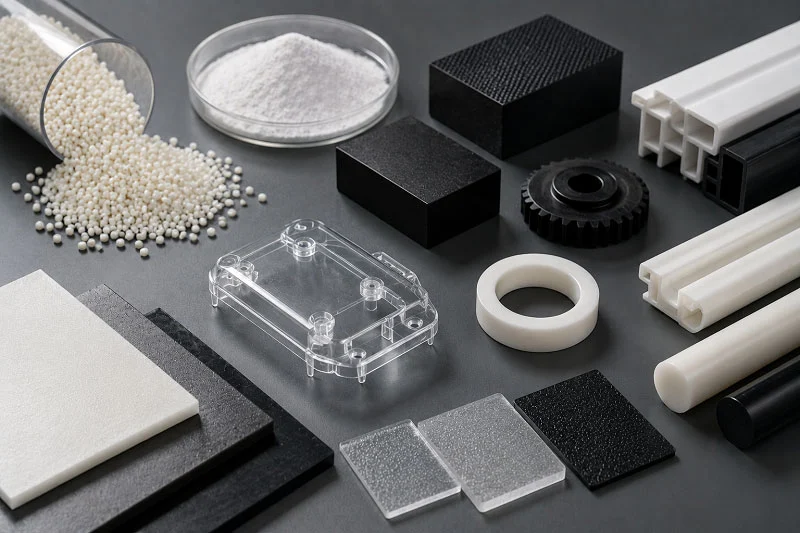
Choosing the right material for your laboratory sample holder takes careful thought. Each option has its own strengths and trade-offs. Your choice affects data integrity, safety, and long-term durability. Let’s break down the main categories and see how they compare.
Metals
Corrosion Resistance and Strength
Metals are the top choice when you need structural strength and reliable performance under stress. Stainless steel offers excellent corrosion resistance for routine lab work. It handles repeated exposure to aqueous solutions without degrading. For demanding applications, titanium stands out. Grade 5 titanium (Ti-6Al-4V) delivers roughly three times the tensile strength of aluminum 6061-T6:
| Material | Ultimate Tensile Strength (typical) |
| Titanium Grade 5 (Ti-6Al-4V) | 895–965 MPa (130–140 ksi) |
| Aluminum 6061-T6 | ~310 MPa |
This strength advantage matters for load-bearing holders that must resist deformation during centrifugation or heavy sample loads. Titanium also forms a protective oxide layer that resists corrosion in aggressive chemical environments.
Lightweight Properties
Weight matters more than you might expect. Aluminum 6061-T6 offers a compelling balance. It provides adequate strength for many applications while weighing significantly less than steel or titanium. This makes aluminum ideal for holders you handle frequently. The reduced mass also minimizes inertial forces during automated processing steps. For routine specimen collection containers, aluminum’s combination of moderate strength and light weight often proves sufficient.
Platinum for High Temperatures
Some experiments push temperatures to extremes. Standard metals cannot survive. Platinum handles conditions that would destroy other materials. Its melting point exceeds 1,700°C, allowing use in furnaces and high-temperature reactions. Platinum also resists oxidation at these elevated temperatures. The cost is substantial, but for specialized research, no substitute exists.
Engineering Plastics
Chemical Inertness
Plastics offer different advantages. PTFE stands out for its remarkable chemical inertness. It resists attack from nearly all solvents and reagents. PEEK also performs well in many environments, but it has limits. Consider dichloromethane, a common aggressive solvent:
PEEK may swell when exposed to solvents like methylene chloride (dichloromethane), indicating that this solvent can compromise PEEK’s structural integrity, unlike PTFE, which remains unaffected.
This distinction matters when you work with chlorinated solvents. PTFE provides peace of mind that your laboratory sample holder won’t react with your sample.
Adsorption and Leaching
Plastics present a hidden risk: they can adsorb chemicals from your sample or leach additives into it. This contamination pathway threatens sample integrity. A plastic holder might absorb trace analytes, reducing recovery rates. Alternatively, plasticizers could leach into your specimen, creating false signals. For trace analysis or sensitive biological assays, consider glass or metal instead.
Ceramics and Glass
Hardness and Wear Resistance
Ceramics bring exceptional hardness. Alumina (Al₂O₃) resists scratching and abrasion far better than metals or plastics. This durability extends the holder’s service life. Ceramic surfaces also withstand harsh chemical cleaning protocols. Temperature performance varies significantly:
| Material | Maximum Service Temperature (°C) |
| Fused Quartz | ~1100°C |
| Alumina (Al₂O₃) | ~1700°C – 1800°C |
Alumina handles extreme heat that would soften quartz. This makes alumina the preferred choice for high-temperature processes.
Glass for Inert Storage
Glass excels at inert storage applications. Borosilicate glass provides excellent chemical resistance and optical clarity. For UV-Vis spectroscopy, material choice becomes critical:
- Optical Glass (Borosilicate): Best for visible and near-infrared (NIR) ranges (~340 nm to 2,500 nm). Not suitable for UV measurements below ~340 nm.
- UV-Grade Quartz (Fused Silica): Covers the full UV, visible, and NIR spectrum (~190 nm to 2,500 nm). Highly transparent in the UV.
For DNA quantification at 260 nm, quartz is essential. Glass simply blocks those wavelengths. Glass also serves well for nitrogen-filled ampoules, providing an inert atmosphere for oxygen-sensitive specimens during transport and storage.
NOBLE, a leading manufacturing company in China, specializes in material selection and processing for laboratory sample holders. Their expertise helps researchers match materials to application requirements, ensuring optimal performance and safety across diverse laboratory environments.
Manufacturing Processes for Laboratory Sample Holders
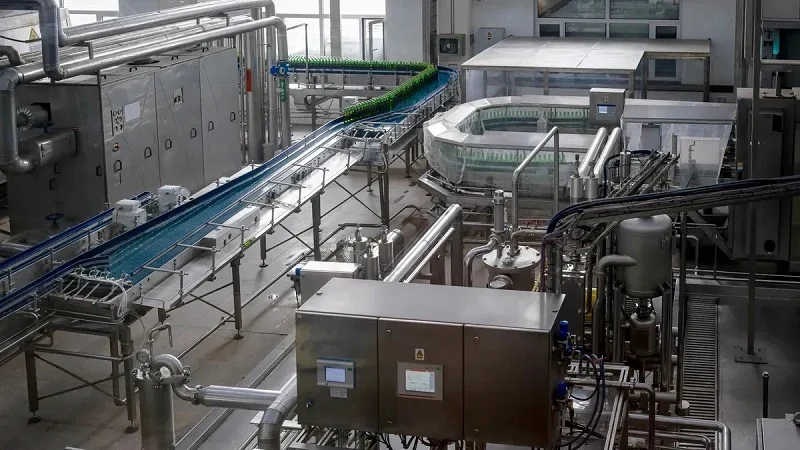
The way you build a laboratory sample holder matters just as much as the material you choose. Every process has its own pros and cons. Let’s look at the three main options and see where each one works best.
CNC Machining
Tight Tolerances
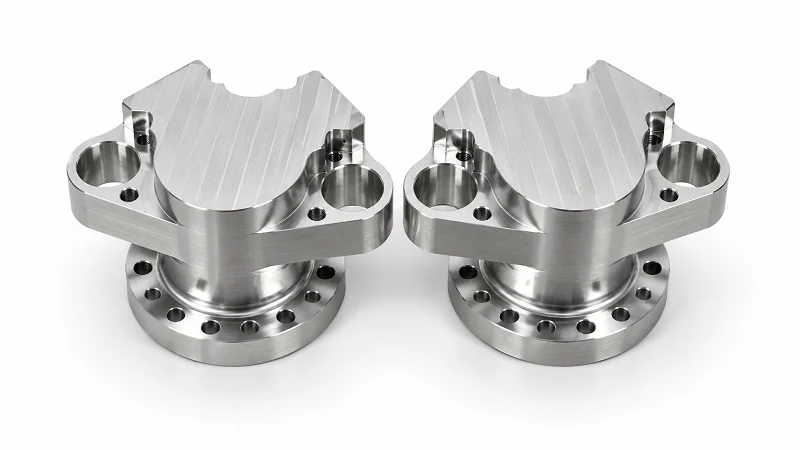
CNC machining is the best option when you need exact measurements. This process removes material from a solid block. It gives you great control over the final shape.
Under standard ISO 2768 machining practice, CNC machining usually holds a dimensional tolerance of ±0.05 mm, which is a common baseline for small metal lab parts. When you need tighter specs, precision machining can go even further.
Under standard ISO 2768 machining practice, CNC machining typically holds a dimensional tolerance of ±0.05 mm, which is a common baseline for small metal laboratory parts.
Here’s what typical tolerances look like for different features:
| Tolerance Type | Standard Value | Precision Value |
| General Machining | ±0.005 in. (0.13 mm) | ±0.002 in. (0.051 mm) |
| Reamed Holes | – | ±0.0005 in. (0.0127 mm) |
| Feature Locations | – | ±0.002 in. (0.051 mm) |
These numbers matter for sterile casework that needs a perfect fit. A holder that’s off by a tiny amount can ruin your specimen placement. The lab depends on repeatable positioning. That’s why many pharmaceutical labs choose CNC for their critical parts. The safety of your specimen depends on consistent placement. The sterile collection of samples relies on tight tolerances. The casework used in these settings must meet strict standards. The resistance of the material to corrosion is a key factor here.
Cost for Small Batches
CNC machining works well for low-volume production. You don’t need a custom mold. You just need a CAD file and a machine. Setup costs stay low compared to other methods. For small batches, CNC is the most affordable choice. You pay for machine time and material. No expensive tooling. No long lead times. This makes it perfect for prototype work or specialized lab casework materials. The materials you choose affect the final price.
The downside? Per-unit cost stays high for large volumes. Each part takes time to cut. But for most lab applications, the volumes stay small enough that CNC makes sense. The overall lifecycle of a machined part depends on the material you choose. The durability of the metal helps it last through many sterile cycles. The collection of samples during testing becomes easier with precision.
Injection Molding
Low Per-Unit Cost
Injection molding changes the game for high volumes. Once you have the mold, each part costs very little. The machine shoots molten plastic into a cavity. It cools. You get a finished part in seconds. This process works great for sterile specimen collection containers. You can make thousands of identical holders. Each one costs pennies. The consistency is excellent. Every part comes out the same. The sterile nature helps maintain specimen integrity.
For labs that need large quantities of simple holders, injection molding is hard to beat. Its low per-unit cost makes it the standard for disposable lab casework. Teams that focus on pharmaceutical work often choose this method. The collection of sterile specimens becomes efficient at scale. The casework for these applications must be reliable.
High Tooling Costs
But there is a catch. The mold itself costs a lot. Here is what you can expect for a small plastic sample holder:
| Cost figure | Context |
| ~$12,000 | Average cost for a typical mold producing a relatively simple part small enough to hold in your hand |
| $1,000–$5,000 | Small and simple single-cavity mold |
| $5,000–$8,000 | Simple hand-sized design with no undercuts |
That is a big upfront investment. You need to make enough parts to spread that cost out. For a small run, CNC is cheaper. For a large run, injection molding wins. The chemical resistance of the plastic also matters. You need to pick materials that handle your specific chemicals. This affects the mold design. The chemical environment in your facility will determine your material choice. The durability of the mold itself affects the total lifecycle of your production. The safety of the operator during production matters. The resistance to heat is also a factor for some applications.
3D Printing
Design Freedom
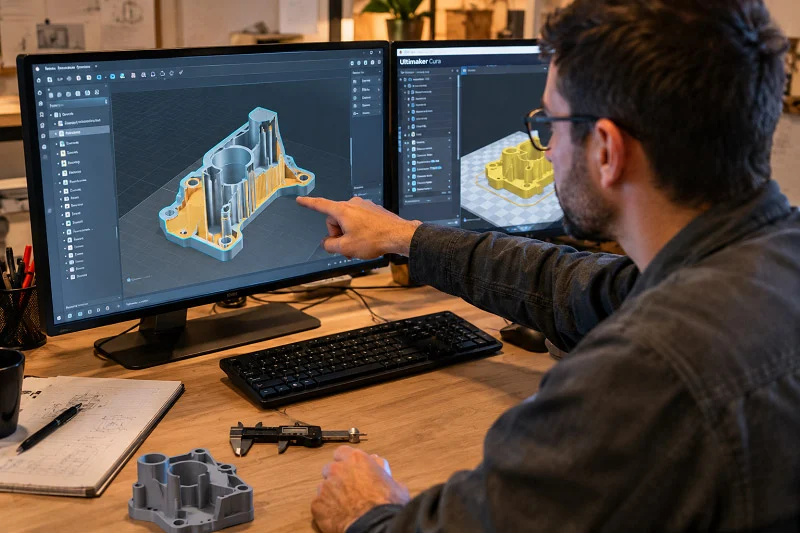
3D printing gives you options you cannot get any other way. You can make complex shapes. Internal channels. Custom geometries. No tooling needed. This is great for prototyping. You can test a design, change it, and print again in hours. The design freedom lets you optimize for performance without worrying about mold constraints.
For labs that need custom holders for unusual samples, 3D printing is a lifesaver. You can make one-off parts that fit your exact needs. The collection of samples becomes easier with custom geometries. The performance of the final part depends on the materials and process you pick.
Material Limitations
But 3D printing has limits. The materials available are fewer than what you can machine or mold. Mechanical properties can vary. Surface finish is rougher. The durability of printed parts is often lower. They may not hold up to repeated sterilization cycles. The chemical resistance may not match machined or molded parts. The chemical environment in your facility will determine if this matters. The resistance to wear is also a concern. The sterile casework you need may require different methods. Sterile conditions are critical for many lab applications.
For some lab applications, these trade-offs are fine. For others, they are deal-breakers. You need to match the process to your needs. The casework you choose must fit your application. The collection of data from your tests depends on the quality of your laboratory sample holder.
NOBLE handles all three manufacturing processes. Their team helps clients pick the right method for each project. Whether you need a single prototype or millions of sterile casework parts, they have the expertise to guide you. The lab casework materials you choose will affect your results. The sterile casework they produce meets the highest standards.
Design Considerations for Laboratory Sample Holder
Repeatable Placement
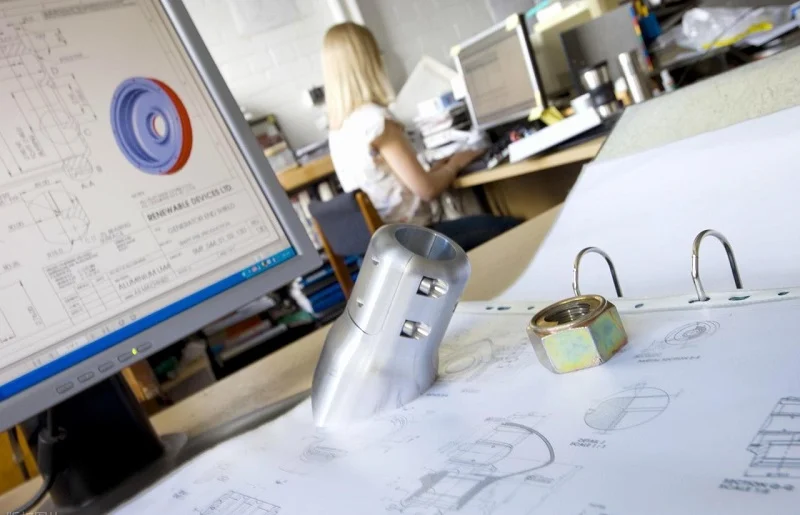
Your lab equipment needs to be consistent. An HPLC autosampler expects a vial that is exactly 12×32 mm. If the size is off by more than 0.1 mm, problems happen. The needle can miss its target. The gripper can jam. Your sterile casework becomes useless.
| Design Feature | Key Specification | Compatibility Impact |
| Dimensional tolerances | 12×32 mm profile; deviation >0.1 mm causes failures | Controls needle depth sensing and tray fit; prevents needle blunting or jamming in gripper mechanisms |
| Glass material | Type I borosilicate (Class 1A clear or 1B amber) | Provides hydrolytic resistance and minimizes extractables; Class 1B adds UV protection for light-sensitive compounds |
| Surface chemistry | Silanol groups (Si-OH) on glass surface | Can cause irreversible adsorption of polar/basic analytes; certified vials minimize surface activity for LC-MS/MS trace analysis |
| Closure type | Crimp, screw (9-425 thread), or snap | Crimp provides hermetic 360° seal for volatiles; screw offers flexibility but torque variability; snap is fastest but lowest pressure resistance |
| Septa design | PTFE/silicone composite; pre-slit vs non-slit | PTFE layer resists solvents; silicone provides resealing; pre-slit prevents needle coring and vacuum formation during aspiration |
Your sterile specimen collection depends on these details. The lab casework materials you choose must match these specs.
Precision vs. Cost
Tighter tolerances cost more money. You pay for extra machine time and inspection. The right balance depends on your application. A routine collection of samples may not need micron-level precision. But sterile casework in pharmaceutical labs demands exact fit. The cost is worth it for the safety of your specimen. Your lab casework materials affect the final price. Machining tighter specs takes longer. The lifecycle of your equipment improves with better fit. The sterile casework in your lab should match your budget.
Low Surface Roughness
Surface finish matters for sterile casework. A rough surface traps contaminants. It’s harder to clean. The ASME BPE SF4 standard defines a target for high-purity applications. Electropolished stainless steel achieves Ra ≤ 15 µin (0.38 µm). This standard applies to sterile specimen collection. Electropolishing can reduce initial roughness by 10 to 50%. This improves chemical resistance. Your chemical-resistant finish helps protect samples. The durability of the surface increases with a better finish. For sterile casework in your lab, this matters. The materials you pick affect the finish.
Cleaning Protocols
Smooth surfaces clean faster. They resist biofilm formation. Your sterile casework needs regular cleaning. The chemical resistance of your materials determines what cleaners you can use. Harsh chemicals attack some plastics. Your casework materials must survive sterilization. The lifecycle of your equipment depends on this. The safety of your specimen relies on clean surfaces. The performance of your lab tests depends on it.
Warping Resistance
Your laboratory sample holder must stay flat. Warping ruins alignment. It changes dimensions. It causes failures. Materials with high stiffness resist warping. Your sterile casework needs to maintain its shape through many cycles. The collection of samples depends on consistent geometry. The durability of the holder affects its performance.
Thermal Expansion
Temperature changes cause expansion. Different materials expand at different rates. This matters for precision work in your lab.
| Material | Thermal Expansion Coefficient (CTE) |
| PTFE | 112–135 × 10⁻⁶/°C |
| Aluminum 6061 | ~23 × 10⁻⁶/°C |
PTFE expands 5–6 times more than aluminum 6061 per degree Celsius. In a laboratory sample holder, this means PTFE will undergo significantly greater dimensional changes with temperature fluctuations. This can cause loosening, warping, or misalignment of samples. Aluminum 6061, with its much lower CTE, offers superior dimensional stability for precision applications. Your sterile specimen collection demands consistent performance. The material’s behavior with chemicals must also be considered. The reliability of your work depends on stability. The cost of a holder reflects its material properties. The work in your lab needs the right materials. The lab environment affects your choice.
Partner with NOBLE for Custom Laboratory Sample Holder
When you need a custom holder for your lab, you want a partner who gets the details. NOBLE brings years of experience to every project. Their team guides you from design to final assembly. They understand your lab demands precision and safety.
Full-Service from Design to Assembly
NOBLE handles the entire process under one roof. Their engineers work with your team to pick the right materials. They consider your lab environment. They evaluate the chemicals you use. They account for the temperatures your equipment must handle.
The team machines metal parts to exact specs. They mold plastic components with repeatable precision. They assemble everything in-house. Your sterile casework arrives complete and ready to use.
Consider a pharmaceutical lab that needs sterile specimen collection containers. The holders must fit automated analyzers. They must survive repeated autoclave cycles. NOBLE’s engineers design for these exact needs. They select materials that resist corrosion. They choose processes that guarantee consistency. The result is casework that performs reliably.
For research labs, the needs differ. You might need a single prototype. NOBLE can machine that quickly. Or you might need thousands of identical parts. They can set up injection molding without sacrificing quality. This flexibility means your lab work never stalls.
The team also provides custom casework for specialized lab setups. They design sterile casework for cleanroom environments. They build durable casework for high-use applications. Every piece of casework meets your exact specifications.
Certified Quality Systems
ISO 9001:2015 and ISO 13485:2016
Quality systems matter in lab operations. A poorly made holder ruins your data. NOBLE operates under rigorous quality frameworks. They hold ISO 9001:2015 for general quality management. They also hold ISO 13485:2016 for medical device manufacturing.
These standards require documented procedures. They mandate regular audits. They ensure traceability from raw material to finished part. When you order sterile casework from NOBLE, you get consistent quality. Their system catches deviations before they reach your lab.
ISO 13485:2016 is important for pharmaceutical applications. This standard covers medical device production. It applies to specimen collection equipment. It ensures your sterile casework meets regulatory compliance requirements. These quality standards give you confidence.
Commitment to Tight Tolerances
Tight tolerances define good lab casework. NOBLE commits to precision in every dimension. Their CNC machines hold tolerances to ±0.05 mm or better. This consistency ensures your specimen collection stays reliable. It guarantees repeatable placement in automated systems.
Their quality team inspects every critical dimension. They use calibrated instruments. They document every result. This applies to every part they produce. Whether a simple plastic holder or a complex metal assembly, the same rigorous standards apply.
The durability of your lab equipment depends on this precision. Parts that fit correctly last longer. They maintain their performance over time. Your sterile specimen collection relies on this reliability. The cost of poor quality is too high. NOBLE delivers confidence with every order.
Your sterile specimen collection deserves the best casework. NOBLE provides the expertise you need.
No single material works for all labs. Your choice depends on your chemicals, temperature, and precision needs. Glass and ceramics excel in inert and high-heat scenarios, metals provide strength, and plastics offer lower cost. Lab casework supports specimen collection, protects specimen integrity, lowers the lifecycle costs, and ensures performance. This pharmaceutical casework demands material selection because chemical safety starts with materials. Comparing materials helps your lab choose the right casework, beginning with your lab needs. Your sample holder must fit your application, and collection methods depend on it. Specimen collection needs reliable casework, and chemical compatibility guides material selection. Contact NOBLE for guidance on your lab needs.
FAQ about Custom laboratory sample holder
What material works best for high-temperature lab applications?
For very high heat, pick platinum or alumina. Platinum can handle over 1,700°C. Alumina works up to 1,800°C. Both resist oxidation. Your lab’s needs will decide which is best.
Can plastic lab holders affect sample purity?
Yes, plastics can absorb or release chemicals. This can harm sample purity. For trace analysis, use glass or metal. PTFE resists chemicals well for many lab uses.
Which process works best for small lab batches?
CNC machining is good for small batches. Setup costs are low. You don’t need a custom mold. The cost per part is higher than molding, but it’s still the cheapest option for small runs.
How do I ensure regulatory compliance for my laboratory sample holder?
Look for ISO 9001:2015 and ISO 13485:2016 certifications. These rules require written procedures and regular checks. NOBLE has both certifications for reliable lab equipment quality.
What is the best option for storing oxygen-sensitive samples in a lab?
Glass ampoules with nitrogen gas give an oxygen-free environment. Borosilicate glass resists chemicals and is clear. This keeps samples safe during transport and storage in your lab.
How does surface finish impact lab sample holder performance and specimen handling?
Smooth surfaces resist dirt and are easier to clean. ASME BPE SF4 standards set a roughness of Ra ≤ 15 µinch for clean lab uses. Electropolishing makes surfaces more chemical-resistant and longer-lasting.
Can 3D printed holders work in a sterile lab?
3D-printed parts have fewer material choices and rougher surfaces. They may not last through many sterilization cycles. For sterile lab work, machined or molded parts are more durable.
What should I consider for specimen collection in a lab setting?
Pick materials that fit your needs. For urine containers, use inert plastics. For blood tubes, glass is good. These containers must resist chemicals and stay intact in your lab.