Introduction
CNC face milling makes flat surfaces. The cutter’s end face does the cutting, not the sides. Drilling makes holes. Milling removes material in general. Face milling creates finished planes. This guide covers how it works, what tools to use, and where it matters on real parts.
What is CNC Face Milling?
Defining the Process
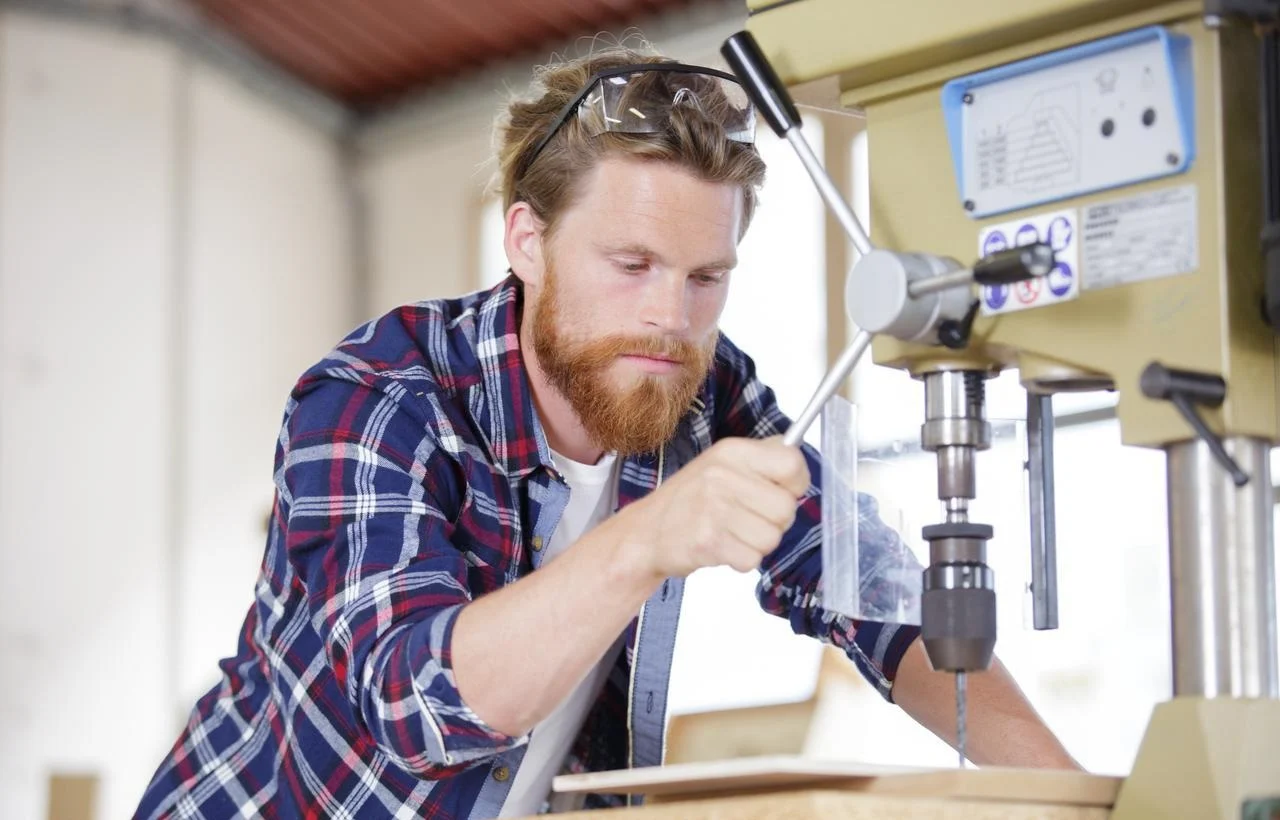
People see the machine running. They do not always understand the geometry. CNC face milling has a simple setup. The spindle axis sits perpendicular to the workpiece. Straight up and down. The cutter faces the part directly.
The goal is flatness. Smooth surfaces. Squaring a block. Finishing a deck. Removing just enough material to make the plane true. Not deep holes. Not complex contours. Just flat.
A Quick Look at the Cutter
Two parts matter here. The cutter body is the metal disk. It holds everything together. The indexable inserts are the actual cutting teeth. Hard material. Replaceable. When an insert wears out, people swap it. The body stays.
Picture a thick disk. Teeth on its face. Teeth on its periphery, too. The facial teeth do the main flattening work. The peripheral teeth clean up the wall edges. One tool, two cutting surfaces. That is the standard design for CNC face milling.
The Mechanics: How CNC Face Milling Works
The Cutting Action
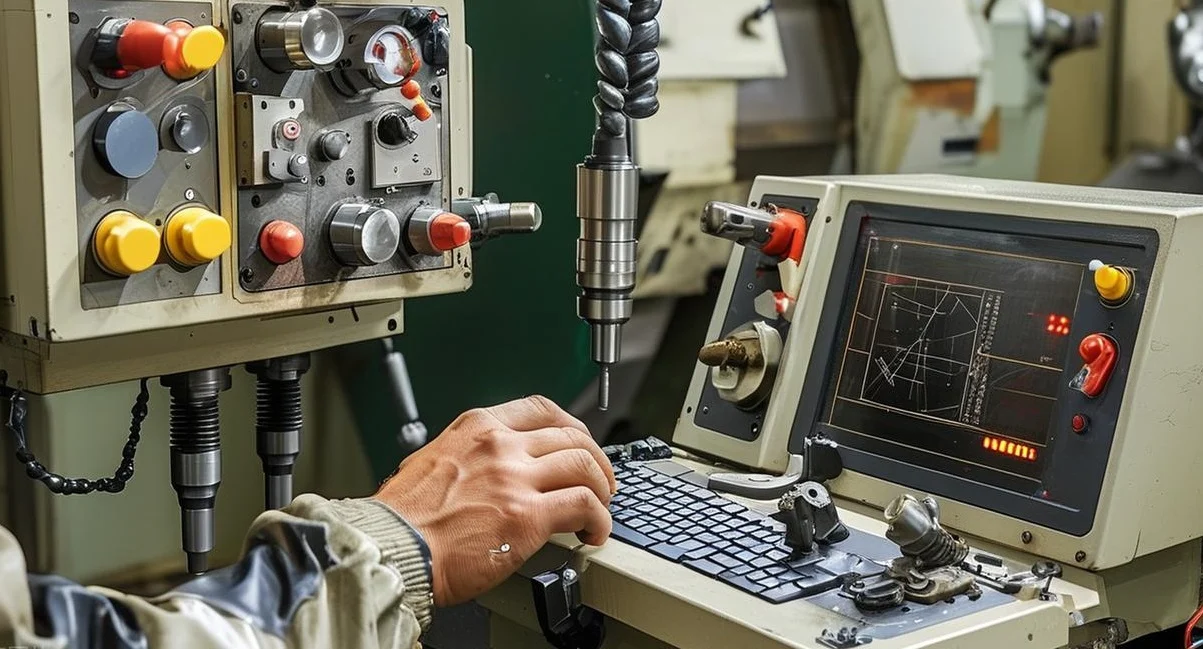
Here is what happens during CNC face milling. The cutter hangs off the edge of the part. Not centered. Overhanging. That is not a mistake. It is required. Without an overhang, the tool cannot sweep across the whole surface in one pass.
Two numbers control the cut. Stepover is the width. How much of the cutter’s face touches the part sideways? Depth of cut is axial engagement. How deeply the teeth bite vertically. People constantly confuse these. Stepover is lateral movement. Depth is vertical penetration. Keep them separate.
Climb vs. Conventional Milling
Climb milling – the cutter spins with the feed direction. The tooth grabs full thickness at entry and cuts down to zero. This is the standard for CNC face milling on rigid machines. Better finish. Less heat. Tools last longer. One catch. The machine must have zero backlash. Loose screws cause chatter or breakage.
Conventional milling – the cutter spins against the feed. The tooth starts at zero thickness. It rubs first. Then cuts. More friction. More heat. Surface finish suffers. Old manual machines with worn leadscrews need this method. Also useful for breaking through hard scale on castings. For most CNC face milling jobs, people avoid conventional milling unless forced.
| Feature | Climb Milling | Conventional Milling |
| Rotation vs feed | Same direction | Opposite direction |
| Chip thickness | Max → zero | Zero → max |
| Surface finish | Better | Worse |
| Heat | Lower | Higher |
| Machine need | Rigid, low backlash | Loose screws acceptable |
| Use case | CNC, finishing | Old machines, hard scale |
Understanding the Lead Angle
The lead angle changes where the cutting force goes.
- 90-degree cutters– force goes sideways. Radial direction. Good for square shoulders. Bad for thin walls. The part deflects.
- 45-degree cutters– the shop floor standard. Forces are split between radial and axial. Some sideways, some downward into the spindle. Balanced. Safe for most CNC face milling.
- 75-degree cutters– a compromise. More axial force than radial. Better for thin parts or weak fixtures. The downward component helps hold the workpiece down.
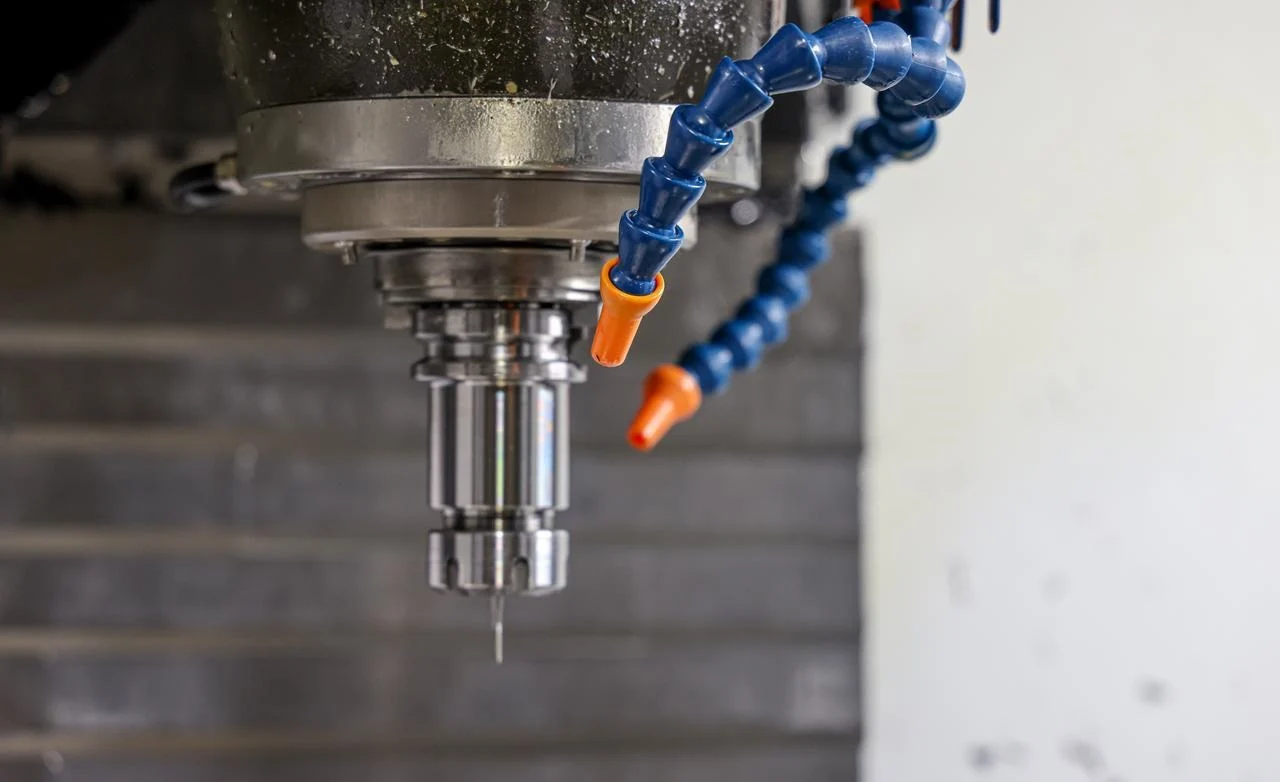
Pick the lead angle based on part stiffness. Rigid part, rigid machine? 90 degrees works fine. Thin wall or loose setup? 45 or 75 keeps things stable. That is the rule.
Types of CNC Face Mills & Tooling
Shell Mills vs. Face Mills
People use these terms loosely. Often interchangeably. That is not quite right.
A face mill has an integrated shank. One piece. The cutter body and the mounting shaft are the same chunk of metal. You clamp it directly into the spindle or a holder.
A shell mill is different. The cutter body has a hollow bore. It mounts onto a separate arbor. The arbor then goes into the spindle. Shell mills are larger. They handle bigger CNC face milling jobs.
Indexable vs. Solid Carbide
- Indexable face mills use replaceable inserts. The cutter body is steel or aluminum. The inserts are carbide. When an edge wears out, people index it. Rotate to a fresh edge. When all edges are gone, swap in a new insert. The body stays for years.
Best for large surfaces. Cheap per cutting edge. Roughing operations. Heavy material removal. The downside? Less precision than solid tools. Runout adds up.
- Solid carbide face mills are one piece. The cutter body and teeth are the same carbide blank. Ground together. Perfect concentricity. No inserts to loosen.
Best for small parts. High precision. Finishing passes. The downside? Expensive. When the tool wears out, the whole thing is scrapped. No replacements.
For typical CNC face milling, people use indexable for roughing and solid carbide for finishing. Two tools. Two different jobs.
| Feature | Indexable | Solid Carbide |
| Construction | Body + inserts | One piece |
| Cost per edge | Low | High (tool is disposable) |
| Precision | Good (some runout) | Excellent |
| Best for | Large surfaces, roughing | Small parts, finishing |
| Tool life | Inserts replaced | Tool scrapped |
Cutter Body Materials
The body holds the inserts. Material choice matters.
Steel bodies are cheap. Heavy. The weight can dampen vibration in some setups. But heavy also means slower spindle acceleration. Not ideal for high-speed CNC face milling.
Aluminum bodies are lightweight. Less inertia. The machine can ramp speed faster. Less vibration in many applications. More expensive than steel. Worth it for high-speed machining.
Some high-end cutters use composite or titanium bodies. Most shops do not need them. Steel or aluminum covers 95% of jobs. Choose steel for budget jobs on rigid machines. Choose aluminum for high-speed work or when weight matters.
CNC Face Milling vs. CNC End Milling
Two tools. Same machine. One flattens big surfaces. One carves out slots and pockets. The geometry is different. The results are different. Tool life is different. Let us break it down.
| Feature | CNC Face Milling | End Milling |
| Geometry | Uses the cutter’s face and peripheral edge. Flat disk. Many inserts. | Uses spiral flutes along the sides and tip. Long cylinder. Two to four cutting edges. |
| Surface Creation | Wide, flat areas. Squaring blocks. Decking engine heads. | Slots, pockets, contours, keyways. Vertical walls. Complex 3D shapes. |
| Tool Life | Generally lasts longer. Multiple inserts share the wear. Indexable edges get swapped. | Shorter life. Fewer flutes. The tip takes the most abuse. |
CNC face milling handles the wide, flat surfaces. End milling handles the details and cavities. One machine. Two distinct strategies. Use the right one.
What Can You Make? 5 Real-World Jobs for CNC Face Milling
1. Engine Blocks & Automotive
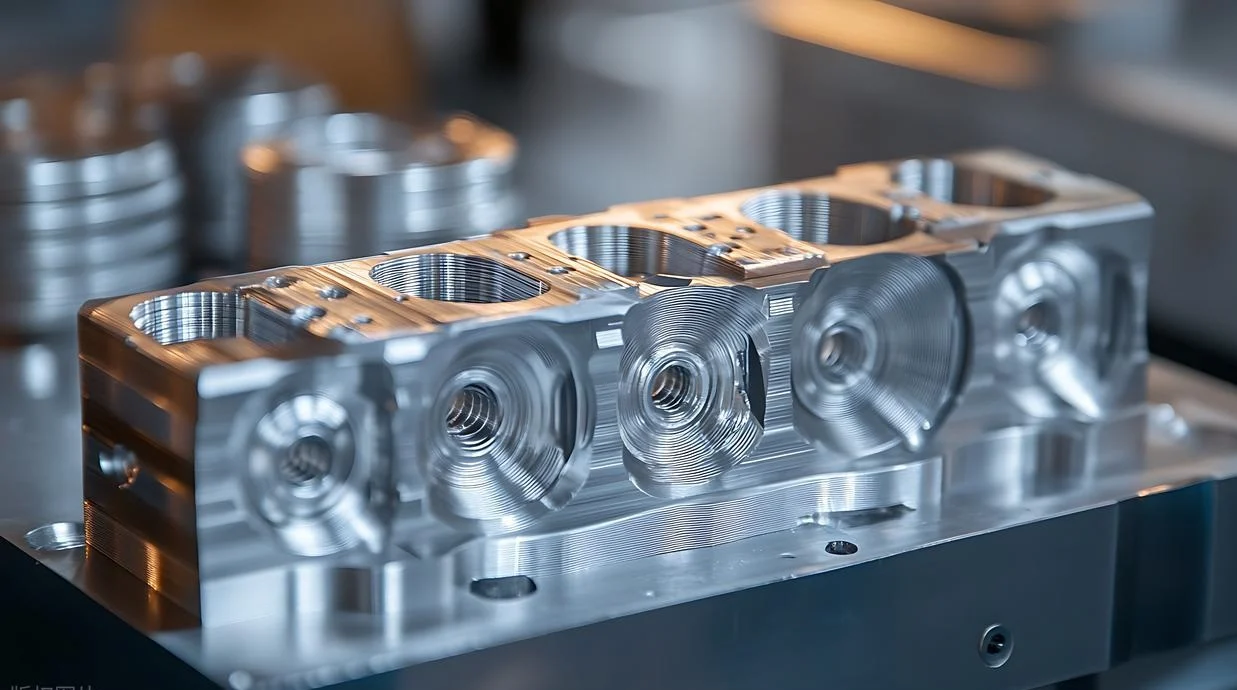
The deck surface matters. That is the top of an engine block where the head bolts on. Must be flat. Dead flat. Otherwise, the head gasket leaks. Coolant spills. Compression drops. CNC face milling creates that sealing surface.
2. Hydraulic Valve Bodies
High-pressure oil flows through the hydraulic valve. The valve slides within the bore. The components are bolted together. Any warping or distortion will cause leakage. This will cause the hydraulic system to lose pressure. The machine will then shut down. CNC face milling can produce a mirror-like finish on mating surfaces. Flatness accuracy can reach a few ten-thousandths of a millimetre.
3. Pipe Flanges
Flanges connect pipes. A gasket sits between them. Bolts pull the faces together. The gasket compresses and seals. If the flange face is not flat, the gasket leaks. CNC face milling cuts the raised face or the full flat face. Either style needs a smooth, even surface.
4. Machine Bases & Mounting Plates
Motors vibrate. Pumps vibrate. If the pump and motor are mounted on an uneven surface, this will cause even more vibration—the bolts will loosen, and the bearings will fail.
5. Squaring Up Raw Stock
This is the first step in many machine shops. The rough-cut blank is brought into the workshop. It is rusty and warped, with no straight edges. The machinist clamps it in place. The surface layer is removed using CNC face milling. The workpiece is then flipped over to machine the other side. It is flipped again. After several passes, the blank forms a 90-degree reference angle. It is now square and flat, ready for the next process. Without this initial face milling step, none of the subsequent components would fit together.
Each application demands CNC face milling for the same reason: flatness. That is what the process delivers.
Pros and Cons of CNC Face Milling
CNC face milling has clear strengths. Also real weaknesses. You need both sides to decide.
The Good
- High material removal rate. For flat surfaces, CNC face milling takes off metal fast. Multiple inserts. Wide cutter. One pass covers a lot of area. Drastic time savings over an end mill.
- Excellent surface finish. Ra values drop quickly. Smooth finishes right off the cutter. Often, no secondary grinding is needed. People measure it. Trust it.
- Economical operation. Indexable inserts drive the cost down. One cutter body lasts for years. Inserts get replaced when dull. Cheap per edge compared to solid carbide tools.
The Bad
- Requires rigid machines.CNC face milling needs horsepower. The cutter engages a wide swath of material. Spindle power must be there. Machine rigidity must be there. Lightweight mills chatter. Surfaces suffer.
- Poor for 3D contours or deep slots. This is not the tool for sculpting. Not the tool for narrow cavities. CNC face milling handles flat planes. That is it. Trying to cut a deep slot with a face mill? The tool is too wide. The geometry fights back.
- High initial tooling cost. A good face mill body costs real money. Indexable inserts add to the bill. Solid carbide face mills are even worse. The upfront expense scares some shops. They stick with end mills for everything. That works for small jobs. For large flat surfaces, the investment pays back fast.
Common Problems & How to Fix Them
Even good CNC face milling runs into trouble. The machine vibrates. The finish looks like a washboard. Tools wear out too fast. But each problem has a cause. Each cause has a fix.
Chatter (Vibration)
Cause: Lack of rigidity somewhere. The machine. The fixture. The part itself. Or the feed rate is wrong. Too light or too heavy.
Fix: Reduce stepover first. Take a narrower cut. Or change the lead angle on the cutter. A 45-degree tool vibrates less than a 90-degree tool during CNC face milling. People also check the machine spindle taper and the tool holder. Loose connections cause chatter.
Poor Surface Finish (Washboarding)
Cause: Worn inserts are the first suspect. If the blade is blunt, it’ll get stuck and make a racket instead of cutting. Another thing to check is the spindle speed, just to make sure that’s OK. Going too fast generates heat, while going too slow can cause tearing of the material.
Fix: Index the inserts to a fresh edge. That solves many finishing problems instantly. If not, increase the feed per tooth. Light feeds can cause rubbing and vibration. People also check the coolant. No coolant on aluminum leads to a built-up edge on the insert. That ruins finish.
About NOBLE – Precision CNC Machining You Can Trust
Our Core CNC Machining Capabilities
- Three-axis, four-axis, five-axis CNC milling. Complex contours. Undercuts. Parts finished in one setup without moving the workpiece. CNC turning with live tooling makes shafts, bushings, and hybrid mill-turn components.
- Face milling expertise – the subject of this guide. We routinely face mill engine decks. Pipe flanges. Fixture plates. Flatness tolerances? Tight. People send us their hard parts because we hold the numbers.
- Surface finishing and CNC grinding. Mirror-like finishes right off the face mill. Or precision surface grinding when the job demands it.
- Prototyping to production. Low-volume prototypes for testing. High-volume runs from one hundred to one hundred thousand pieces. We scale.
Our Certifications – Quality Without Compromise
| Certification | Scope |
| ISO 9001:2015 | Our quality management system ensures consistent, traceable production across all industries. |
| ISO 13485:2016 | Specific to medical device manufacturing – rigorous risk management, cleanliness, and documentation for surgical and implantable components. |
Why Partner with NOBLE?
In-house engineering support. DFM feedback before cutting starts. Toolpath optimization for efficiency.
Full inspection lab. CMMs. Optical comparators. Surface finish testers. Parts get measured. Records get kept.
Short lead times. Two to three weeks standard. Rush options for people in a bind.
FAQ
Is CNC face milling the same as surfacing?
Yes, in most shops the terms are interchangeable. Surfacing means making a flat plane. CNC face milling is the method people use to do it.
Can people face a mill with an end mill?
Yes, but it is slower. An end mill can flatten a surface by stepover passes. CNC face milling with a proper face mill is much faster for large areas.
What is the best feed rate for CNC face milling steel?
No single number fits all cases. A typical starting point is 0.1 to 0.2 mm per tooth for roughing. Adjust based on machine rigidity and insert grade.
Do people need coolant for CNC face milling?
Depends on the material. Steel and stainless steel need coolant for heat and chip evacuation. Aluminum can run dry with polished inserts and an air blast.